
A Gourmet Journey: Explore India's Culinary Heritage with These Tours

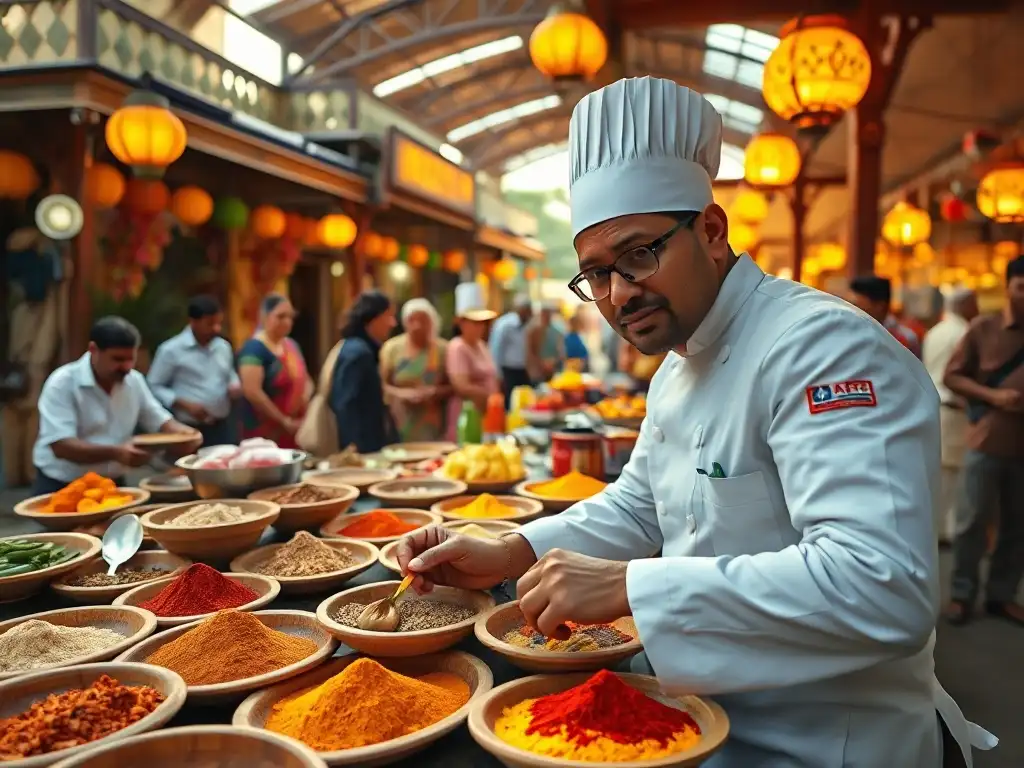
Welcome to Ancient India History, where we embark on a journey through time to uncover the rich tapestry of India's diverse civilizations. Today, we invite you to delve into the fascinating world of India culinary heritage tours—a delicious exploration of the flavors and traditions that have shaped this vibrant culture. From the ancient kitchens of the Indus Valley to the sumptuous feasts of the Gupta Empire, each bite tells a story waiting to be savored.
Are you ready to whet your appetite for history? Join us as we explore how culinary tourism connects us to the past in deliciously unexpected ways!
Introduction to India's Culinary Heritage Tours
India's culinary landscape is a vibrant tapestry woven from diverse traditions, regional flavors, and centuries of cultural exchange. From the spice-laden streets of Old Delhi to the coastal delights of Kerala, the country's cuisine is a reflection of its rich history and multifaceted heritage. As one of the most populous countries in the world, India boasts a variety of culinary practices influenced by geography, climate, and a mix of religions and traditions.
Culinary heritage tours offer food enthusiasts an immersive experience, allowing them to explore not just the flavors but also the stories behind the dishes. These tours take travelers on a delectable journey through time, showcasing the art of cooking, the significance of local ingredients, and the traditional methods that have been passed down through generations.
Why Explore Culinary Heritage Tours?
- Cultural Immersion: Engaging with local chefs and home cooks provides a deeper understanding of the cultural significance of food in Indian society.
- Hands-on Experience: Many tours include cooking classes, where participants can learn to prepare regional dishes and understand the nuances of Indian spices.
- Local Markets and Ingredients: Tours often visit bustling markets, providing insights into the sourcing of fresh ingredients and the importance of seasonal produce.
As culinary tourism gains traction, India culinary heritage tours emerge as a unique way to experience the country, blending gastronomy with history and culture. In this article, we will explore some of the top culinary tours in India, each offering a unique lens through which to savor the country's rich culinary heritage.
Top Culinary Tours in India: Overview
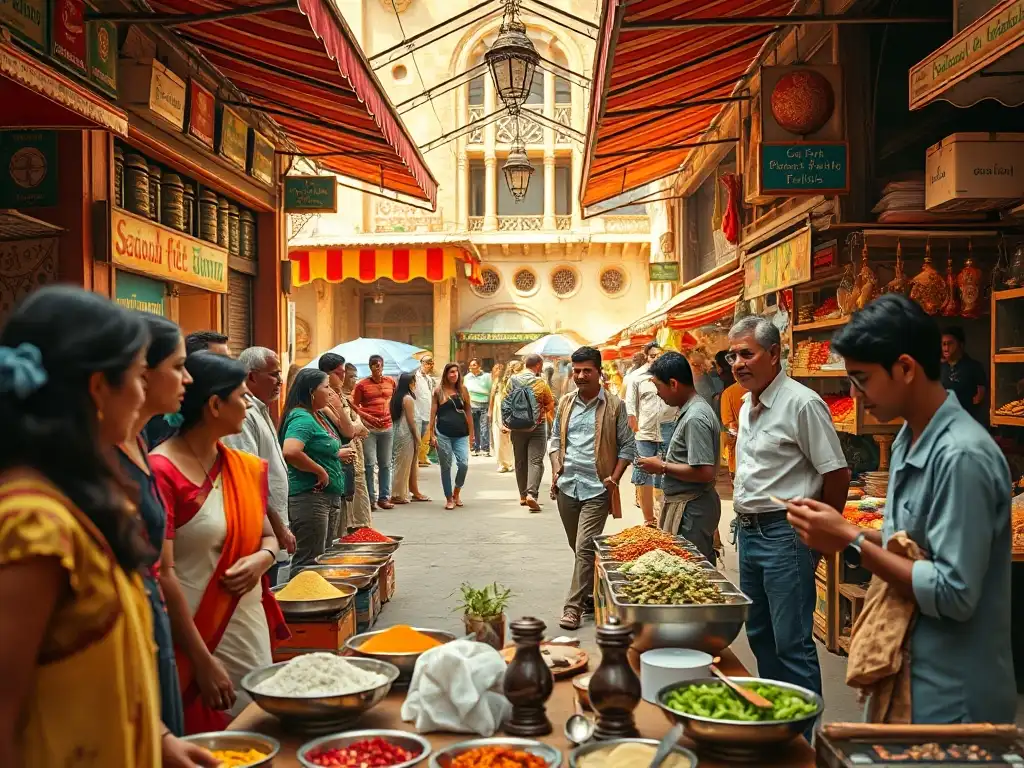
India's culinary heritage is a vibrant tapestry woven from its diverse cultures, traditions, and regional flavors. Culinary tours in India offer an immersive experience that goes beyond mere tasting; they provide a deep dive into the history, techniques, and stories behind the dishes that have shaped Indian cuisine over millennia. From the aromatic spices of the North to the coconut-infused dishes of the South, these tours allow participants to explore the intricate relationships between food, culture, and community.
What to Expect from India Culinary Heritage Tours
When embarking on an India culinary heritage tour, travelers can anticipate a rich blend of experiences that highlight the nation's gastronomic traditions. Here are some key components that characterize these tours:
- Culinary Workshops
- Hands-On Cooking Classes: Participants often engage in cooking classes led by local chefs, where they learn to prepare traditional dishes using age-old recipes.
- Spice Blending Sessions: Understanding the art of spice blending is crucial in Indian cooking. Tours frequently include sessions on how to create popular spice mixes like garam masala or sambar powder.
- Market Visits
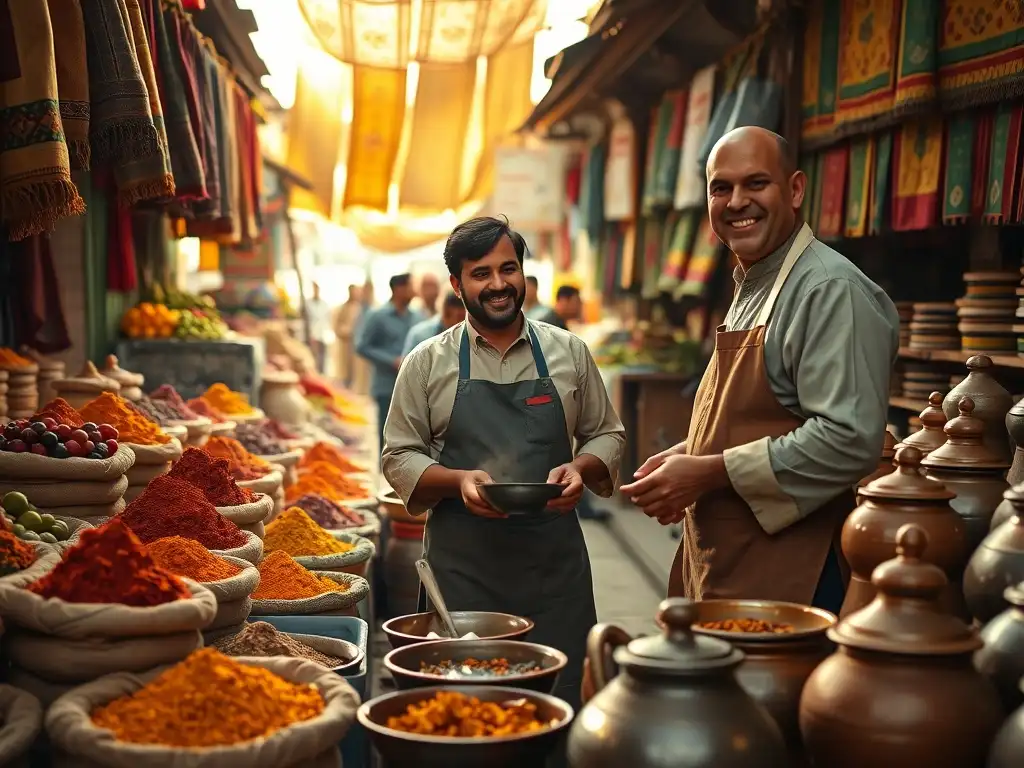
- Local Markets Exploration: Tours typically feature visits to bustling local markets, where participants can observe and purchase fresh ingredients.
- Interaction with Vendors: Engaging with local vendors provides insights into the sourcing and significance of various ingredients in traditional cooking.
- Cultural Immersion
- Dining with Local Families: Many culinary tours arrange for guests to dine with local families, offering an authentic experience of home-cooked meals and traditional dining customs.
- Culinary History Lessons: Guides often share stories about the historical influence of various cuisines, including Mughlai, South Indian, and regional specialties, enriching the overall understanding of Indian culinary heritage.
- Regional Specialties
- Diverse Cuisine Sampling: Participants can expect to savor a wide array of regional dishes, from the spicy curries of Rajasthan to the sweet delicacies of Bengal.
- In-Depth Regional Focus: Some tours specialize in a particular region, allowing for an in-depth exploration of its culinary practices, ingredients, and dishes.
- Sustainable Practices
- Farm-to-Table Experiences: Many tours emphasize sustainability by incorporating visits to organic farms where participants can learn about sustainable farming practices and enjoy meals made with fresh, locally-sourced ingredients.
- Culinary Sustainability Workshops: Participants may also learn about the importance of preserving traditional cooking methods and local biodiversity.
By embarking on an India culinary heritage tour, travelers not only indulge their taste buds but also gain a deeper appreciation for the cultural narratives and historical contexts that shape India's diverse culinary landscape. Each tour is an invitation to explore the flavors of India while forging connections with its rich heritage.
The Best Culinary Tours to Experience India's Heritage
1. Delhi Street Food Tour
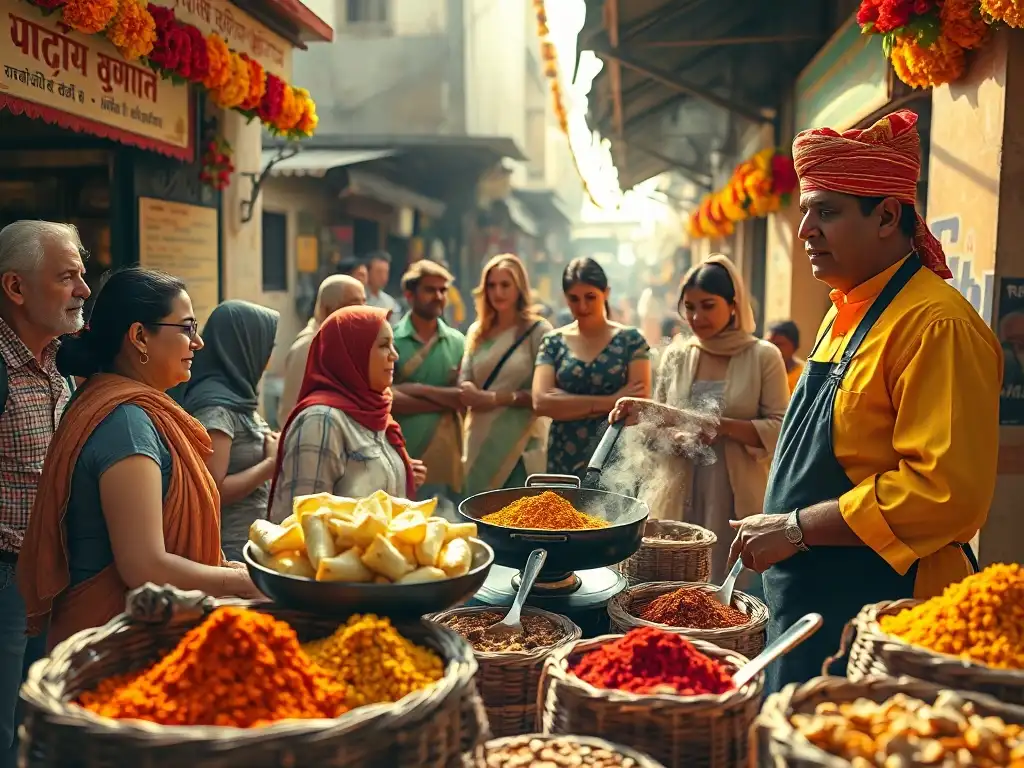
One of the most vibrant and diverse culinary experiences in India can be found in Delhi, where the street food scene is a tantalizing journey through flavors and aromas. The Delhi Street Food Tour offers an immersive experience into the capital's rich culinary heritage, showcasing a mix of traditional and contemporary delights.
- Key Highlights:
- Chaat Varieties: Sample iconic dishes like Aloo Tikki, Pani Puri, and Papdi Chaat, each bursting with flavor and local spices.
- Cultural Insights: Guides often share stories about the history of these dishes, connecting them to the cultural fabric of the city.
- Local Markets: Visit bustling markets such as Chandni Chowk, where street vendors serve up fresh snacks that have been perfected over generations.
This tour not only satisfies your palate but also provides a glimpse into the daily life of Delhiites, making it an essential experience for anyone interested in India culinary heritage tours.
2. Rajasthan Royal Cuisine Experience
Rajasthan, known for its majestic forts and vibrant culture, offers a unique culinary experience that reflects its royal heritage. The Rajasthan Royal Cuisine Experience is designed for food lovers who wish to explore the rich and opulent dishes that once graced the tables of kings and queens.
- Key Highlights:
- Thali Feasts: Indulge in a traditional Rajasthani Thali, featuring dishes like Dal Baati Churma, Gatte ki Sabzi, and Ker Sangri, each prepared with local ingredients and time-honored techniques.
- Cooking Classes: Participate in hands-on cooking sessions where you can learn to prepare these royal dishes under the guidance of local chefs.
- Cultural Performances: Many tours include live performances of Rajasthani folk music and dance, creating an unforgettable dining atmosphere.
This experience not only highlights the flavors of Rajasthan but also showcases the historical significance of its cuisine, making it a must-try on your culinary journey.
3. South Indian Culinary Journey
The South Indian Culinary Journey takes you through the diverse and flavorful landscape of South India, known for its rice-based dishes and aromatic spices. This tour is a fantastic way to delve into the region's culinary traditions, which vary significantly from one state to another.
- Key Highlights:
- Dosa and Idli Making: Learn the art of making Dosa, Idli, and their accompanying chutneys, which are staples in South Indian households.
- Regional Variations: Explore the differences in cuisine across states like Tamil Nadu, Karnataka, Kerala, and Andhra Pradesh, each boasting unique flavors and cooking styles.
- Ayurvedic Cuisine: Some tours may offer insights into Ayurvedic principles, highlighting the health benefits of traditional South Indian ingredients.
This tour not only presents the delicious food of South India but also educates travelers about the cultural significance and history behind each dish, enriching the overall experience of India culinary heritage tours.
4. Bengali Sweets and Savories Tour
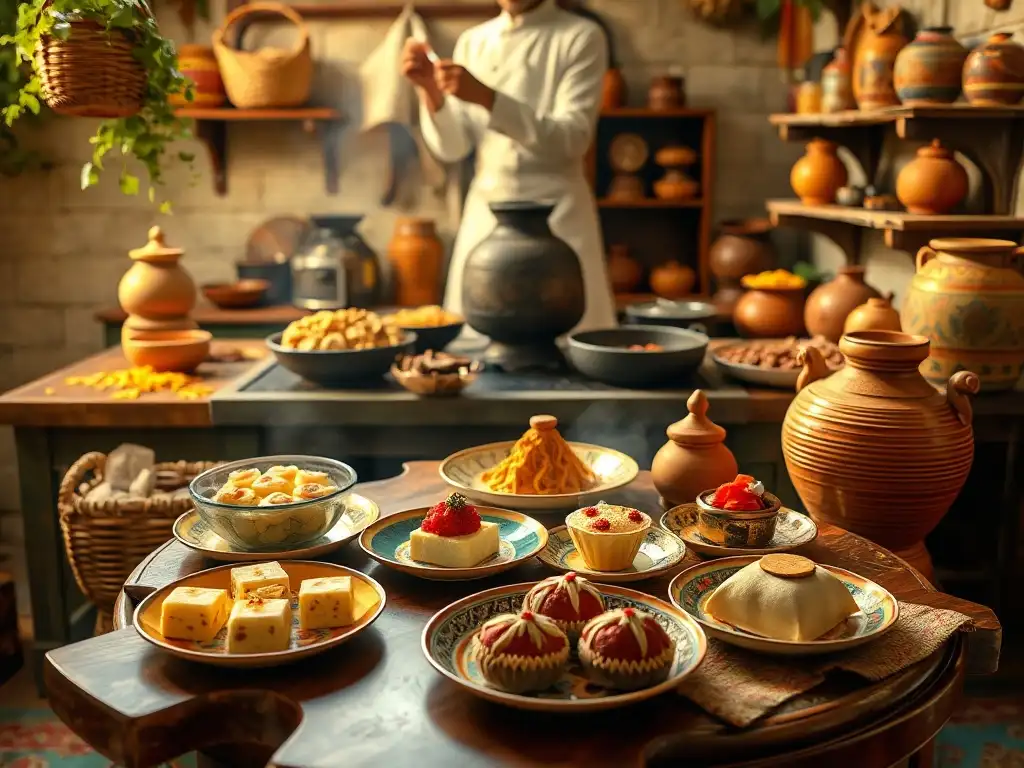
The Bengali Sweets and Savories Tour offers an exquisite experience that delves into the rich culinary tradition of West Bengal, particularly its renowned sweets and savory dishes. This tour is a delightful journey through the vibrant streets of Kolkata, where visitors can explore traditional sweet shops and local eateries that have been serving authentic Bengali delicacies for generations.
Bengali cuisine is celebrated for its unique flavors and innovative use of ingredients, with sweets like Rasgulla, Sandesh, and Mishti Doi standing out as iconic representations of the region's culinary artistry. During the tour, participants can engage in hands-on cooking classes, allowing them to learn the intricacies of preparing these delectable desserts. Expert chefs share their insights into the techniques that have been passed down through generations, ensuring that the essence of Bengali sweets is preserved.
In addition to sweets, the tour also showcases various savory dishes such as Puchka (Bengali-style pani puri) and Shingara (savory pastries filled with spiced potatoes). Participants will have the opportunity to taste these dishes at local food stalls, immersing themselves in the bustling atmosphere of Kolkata's culinary scene. The tour not only satisfies the palate but also enriches the understanding of the cultural significance behind each dish, making it a holistic culinary experience.
5. Spice Market Tours in Kerala
Kerala, often referred to as "God's Own Country," is famous for its aromatic spices, which have played a pivotal role in its history and trade. The Spice Market Tours in Kerala provide an immersive experience into the heart of the spice trade, where visitors can explore bustling markets filled with a variety of spices such as cardamom, cinnamon, black pepper, and turmeric.
These tours typically begin in Kochi, where participants can wander through the historic spice markets, learning about the significance of each spice and its role in both traditional and contemporary Indian cuisine. Guided by local experts, tourists gain valuable insights into the cultivation, harvesting, and processing of spices, enhancing their appreciation for these culinary treasures.
Moreover, the tours often include visits to spice plantations, where guests can see the spices growing in their natural habitats. Engaging with farmers and understanding their sustainable practices offers a unique perspective on the agricultural aspect of Kerala’s culinary heritage. Additionally, many tours incorporate cooking demonstrations, allowing participants to experience how these spices transform basic ingredients into flavorful dishes.
By the end of the Spice Market Tour, travelers not only leave with a bag full of aromatic spices but also a deeper connection to Kerala's rich culinary history, making it a must-try for food enthusiasts and culinary explorers alike.
The Cultural Significance of Indian Culinary Heritage
How Culinary Traditions Reflect History
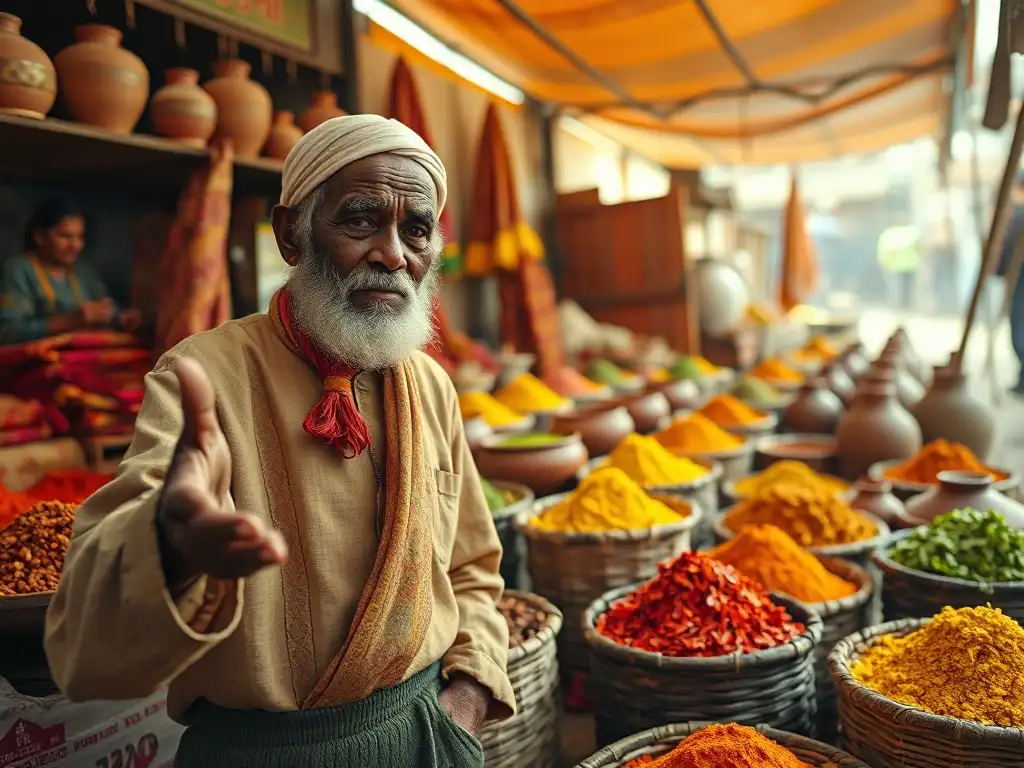
Indian culinary heritage is a vivid tapestry woven from the threads of various historical influences, migrations, and cultural exchanges. Each region presents a distinct flavor profile that reflects its unique history and societal changes. For instance, the rich use of spices in Indian cooking can be traced back to ancient trade routes, such as the Silk Road, which facilitated the exchange of not only goods but also culinary practices.
- Regional Variations: The diversity in Indian cuisine is evident when comparing northern and southern dishes. While northern Indian cuisine often features wheat-based breads like naan and parathas, southern cuisine is characterized by rice and lentil-based dishes such as dosa and idli. This distinction illustrates the geographical and climatic influences on food production and preparation methods.
- Historical Influences: The Mughal Empire significantly impacted Indian culinary practices, introducing rich gravies and techniques such as slow cooking and marination. Dishes like biryani and kebabs gained prominence during this era, blending Persian influences with local ingredients and cooking methods.
- Colonial Impact: The British colonial period also left its mark on Indian cuisine, leading to the fusion of traditional Indian dishes with British elements, resulting in unique offerings like "curry" served with rice and even the popular "chai" served with milk and sugar.
Through these culinary traditions, we can trace the evolution of Indian society and its interactions with the world, making food an essential lens to understand India's historical narrative.
The Role of Festivals in Indian Culinary Heritage
Festivals in India are not merely occasions for celebration; they are deeply intertwined with the culinary practices and rituals that define cultural identity. Each festival brings with it a unique array of traditional dishes, often steeped in religious significance and local customs.
- Seasonal Celebrations: Many Indian festivals are linked to seasonal changes and agricultural cycles. For example, Pongal in Tamil Nadu celebrates the harvest with the preparation of a special dish made from newly harvested rice, jaggery, and lentils. Similarly, Makar Sankranti marks the end of winter and is celebrated with the preparation of til (sesame) sweets, symbolizing the harvest season.
- Ritual Offerings: During festivals like Diwali, families prepare a variety of sweets and savory snacks to offer to deities and share with guests. Traditional sweets like laddu, barfi, and jalebi are made with ingredients that hold symbolic meanings, such as prosperity and joy.
- Culinary Tourism: The culinary practices associated with festivals also attract tourists, eager to experience the vibrant food culture firsthand. Participating in local festivities provides an immersive way to understand and appreciate India's diverse culinary heritage, making India culinary heritage tours a unique opportunity for culinary enthusiasts.
The cultural significance of Indian culinary heritage is multifaceted, encompassing historical influences and the vibrant traditions surrounding festivals. Understanding this heritage enhances the appreciation of India's cuisine, inviting travelers to explore the country's rich culinary landscape through immersive tours.
Tips for Choosing the Right Culinary Tour in India
When it comes to embarking on a culinary journey through India, the choices can be overwhelming. To make the best choice for your tastes and preferences, consider the following tips:
Factors to Consider When Selecting a Tour
- Culinary Focus:
- Identify what type of cuisine you want to explore.
- Regional Specialties: Do you want to dive deep into the flavors of North Indian dishes, or are you more interested in the spices of South Indian cuisine?
- Cooking Classes: Look for tours that include hands-on cooking experiences for a more immersive experience.
- Street Food Tours: If you're adventurous, seek out tours that highlight local street food and hidden gems.
- Identify what type of cuisine you want to explore.
- Group Size:
- Consider whether you prefer a small, intimate group or a larger gathering.
- Small Groups: Ideal for personalized experiences and better interaction with chefs and locals.
- Larger Groups: Often more economical, but may lack the personal touch.
- Consider whether you prefer a small, intimate group or a larger gathering.
- Duration and Itinerary:
- Assess the length of the tour and its itinerary to ensure it aligns with your interests.
- Weekend Getaways: Perfect for short culinary escapades.
- Extended Tours: For those wanting to immerse themselves in multiple regions and their culinary traditions.
- Assess the length of the tour and its itinerary to ensure it aligns with your interests.
- Local Guides:
- Experienced guides can enhance your culinary journey with local insights and stories.
- Look for tours that emphasize the expertise and background of their guides.
- Cultural Experiences:
- A well-rounded culinary tour should include cultural experiences, such as visits to local markets, historical sites, and festivals.
- Ensure the tour provides opportunities to interact with local communities.
- Dietary Preferences:
- Check if the tour accommodates dietary restrictions or preferences, such as vegetarian, vegan, or gluten-free options.
- Reviews and Ratings:
- Research previous travelers' experiences. Platforms like travel forums and review websites can provide insights into the quality of the tour.
Recommended Culinary Tour Operators
Here are some renowned culinary tour operators that specialize in India culinary heritage tours:
| Tour Operator | Specialty | Location |
|---|---|---|
| India Food Tour | Focus on street food and local markets | Various cities |
| Culinary Travels | Cooking classes and regional specialties | North and South India |
| Heritage Culinary Trails | Cultural immersion with traditional meals | Rajasthan and Gujarat |
| Tasty Trails | Personalized private culinary experiences | Across India |
| Spice Route Tours | Spice markets and gourmet dining | Kerala and Tamil Nadu |
By considering these tips and exploring the recommended culinary tour operators, you can ensure a fulfilling and delicious exploration of India's rich culinary heritage. Whether you're a seasoned foodie or a curious traveler, these tours promise to tantalize your taste buds and deepen your appreciation for Indian cuisine.
Conclusion: The Journey Awaits
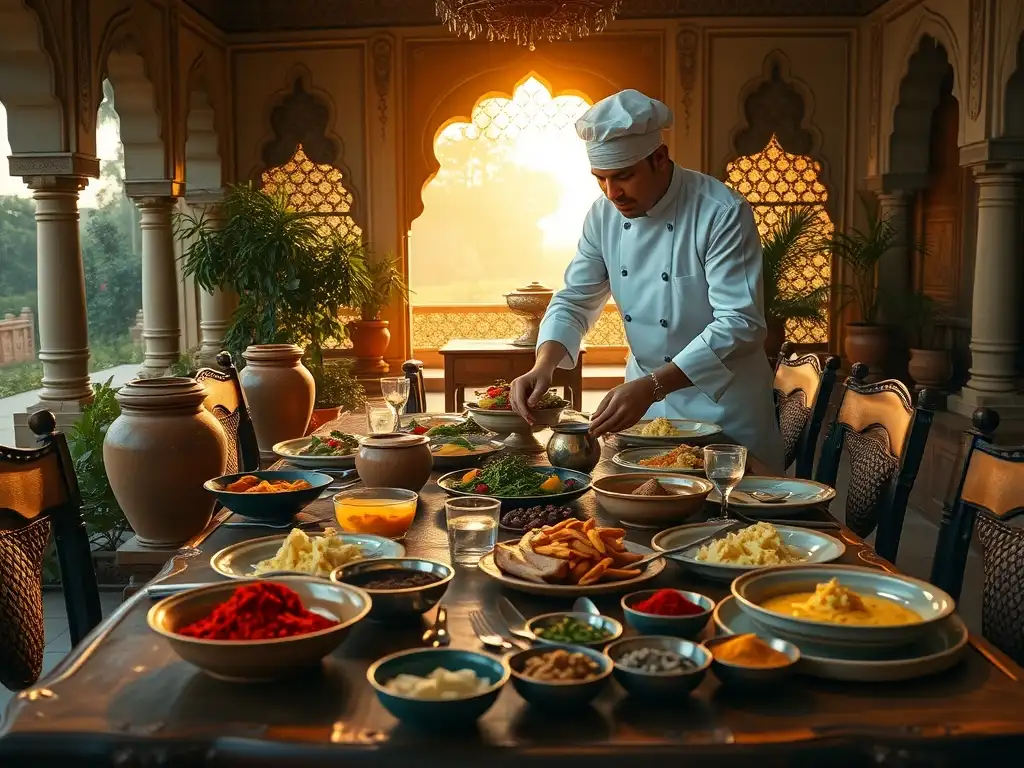
Exploring India's culinary heritage through dedicated tours offers a unique opportunity to delve into the diverse flavors, techniques, and traditions that have developed over millennia. From the aromatic spices of the south to the rich, creamy dishes of the north, each region presents a distinct culinary identity that reflects its history and culture.
As you embark on these India culinary heritage tours, you will not only indulge your taste buds but also engage with local chefs, farmers, and artisans who are the custodians of these time-honored recipes and practices. Each bite tells a story, connecting you to the land and its people.
Whether you're savoring street food in bustling markets or participating in hands-on cooking classes, these experiences will enrich your understanding of Indian cuisine. They allow you to witness the fusion of ancient traditions with modern innovations, making every meal a celebration of India's vibrant culinary tapestry.
Call to Action
Ready to embark on your culinary adventure? Discover the best India culinary heritage tours that cater to your tastes and interests. From gourmet dining experiences to immersive cooking workshops, there's something for every food enthusiast.
- Explore our curated list of tours
- Join a local cooking class
- Taste the authentic flavors of India
Your journey into India’s culinary heritage awaits! 🍽️✨
Frequently Asked Questions
What are India culinary heritage tours?
India culinary heritage tours are specialized travel experiences that focus on exploring the rich cuisine and culinary traditions of India, showcasing local ingredients, cooking techniques, and cultural influences.
What can I expect from a culinary heritage tour in India?
Participants can expect to engage in hands-on cooking classes, food tastings, and visits to local markets, offering a unique insight into regional dishes and traditional cooking methods.
Which regions in India are famous for their culinary heritage?
Regions like Punjab, Rajasthan, and Kerala are renowned for their unique flavors and cooking styles, each offering distinct culinary experiences that reflect local culture and history.
Are these tours suitable for beginners in cooking?
Yes, many culinary heritage tours cater to all levels of cooking expertise, from beginners to experienced chefs, ensuring that everyone can enjoy and learn about Indian cuisine.
How do these tours contribute to understanding Indian culture?
These tours provide an immersive experience that combines food, history, and tradition, allowing travelers to gain a deeper appreciation for the cultural significance of cuisine in Indian society.
Final Reflection: Embracing the Richness of India's Culinary Heritage
In a world increasingly driven by fast-paced lifestyles and fleeting trends, the exploration of India's culinary heritage tours offers a profound connection to our roots and traditions. As we navigate the complexities of modern life, these tours serve as a reminder of the rich tapestry of flavors, stories, and cultural practices that define our identity. They invite us to savor not just the food, but the history and passion behind each dish, making them more relevant than ever in our quest for authenticity and meaning.
Culinary heritage is not merely about taste; it is a reflection of our shared experiences and cultural narratives. The ongoing popularity of these tours highlights a growing appreciation for the stories that food tells about our communities and histories. As we partake in these journeys, we become part of a larger narrative that celebrates diversity and connection. Food is our common ground, a universal experience.
– James Beard. This sentiment resonates deeply as we recognize that through food, we can bridge gaps and foster understanding among different cultures.
As you reflect on the insights gained from this article, I encourage you to consider how you can incorporate the lessons of India's culinary heritage into your own life. Whether through exploring local cuisines, supporting small food artisans, or even embarking on your own culinary journey, each step you take can contribute to preserving and celebrating this rich heritage. Let us embrace the flavors of our past while forging a path toward a more connected and flavorful future.
Embark on Your Culinary Adventure Today!
Thank you for joining us on this delectable exploration of India's culinary heritage! You’ve uncovered the rich flavors and traditions that make India's food scene truly unique. Now, it’s time to take the next step and immerse yourself in these experiences.
Here are some exciting actions to consider:
- Book a guided culinary tour to taste your way through local markets and traditional kitchens, discovering hidden gems along the way.
- Join a cooking class where you can learn to create authentic Indian dishes and share your new culinary creations with friends and family at home.
- Share your favorite culinary experiences on social media or in our comments section to inspire others to explore India’s rich gastronomic landscape.
What dish or flavor have you always wanted to explore in greater depth? Let’s discuss in the comments below!