
How Ancient Indian Innovations in Metallurgy Influenced Global Practices

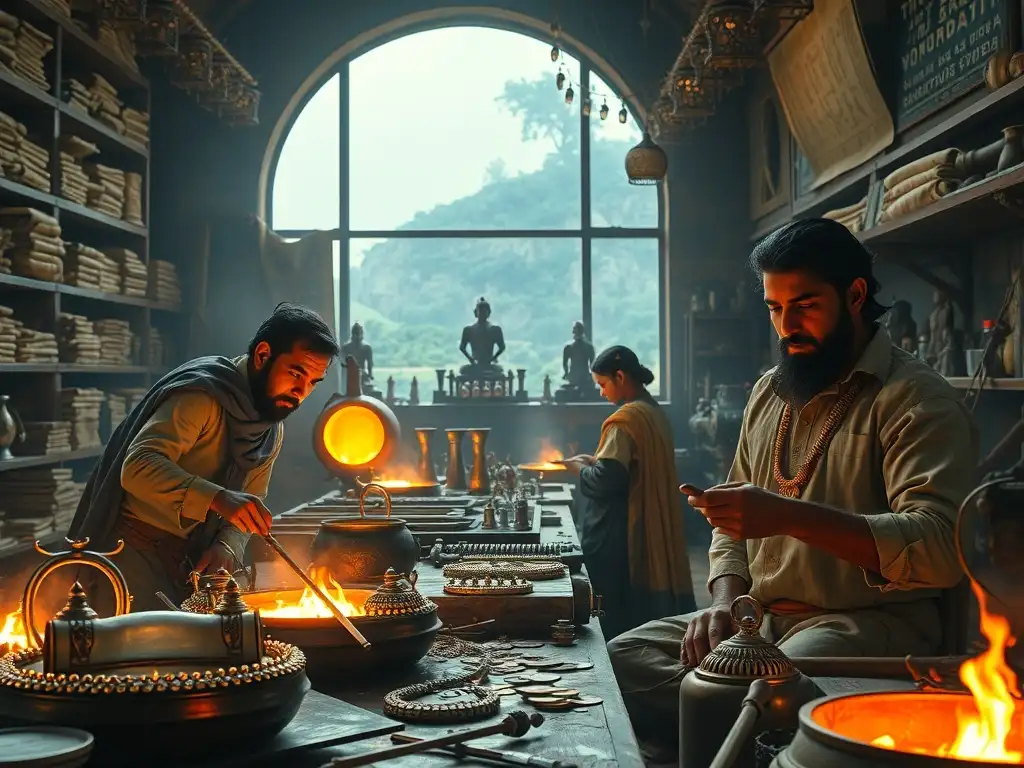
Welcome to Ancient India History, where we embark on a fascinating journey through the rich tapestry of ancient Indian civilizations. In this exploration, we shine a spotlight on ancient Indian metallurgy innovations, uncovering the groundbreaking techniques and discoveries that not only shaped the subcontinent but also influenced global practices. As you delve into our featured article, "How Ancient Indian Innovations in Metallurgy Influenced Global Practices," prepare to be captivated by the ingenuity of ancient artisans and their lasting legacy. Join us as we unravel the secrets of a technological marvel that continues to resonate through time!
- Introduction to Ancient Indian Metallurgy Innovations
- Key Innovations in Ancient Indian Metallurgy
- The Influence of Ancient Indian Metallurgy on Global Practices
- Notable Figures and Civilizations in Ancient Indian Metallurgy
- Technological Techniques and Methods in Ancient Indian Metallurgy
- Legacy of Ancient Indian Metallurgy in Modern Times
- Conclusion: The Lasting Impact of Ancient Indian Metallurgy Innovations
-
Frequently Asked Questions
- What are the key innovations in ancient Indian metallurgy?
- How did ancient Indian metallurgy impact other civilizations?
- What role did the Indus Valley Civilization play in metallurgy?
- How did the Gupta Empire contribute to metallurgical advancements?
- Are there any significant artifacts from ancient Indian metallurgy?
- Final Reflection: The Enduring Legacy of Ancient Indian Metallurgy Innovations
- Unveil the Legacy of Ancient Metallurgy!
Introduction to Ancient Indian Metallurgy Innovations
The history of metallurgy in ancient India is a fascinating journey that reflects the ingenuity and resourcefulness of its civilizations. From the renowned craftsmanship of the Indus Valley civilization to the advanced techniques seen in the Gupta Empire, ancient Indian metallurgy innovations played a pivotal role in shaping not only regional practices but also influencing global metallurgical techniques.
This article delves into the remarkable contributions made by ancient Indian metallurgists, exploring the methods and materials they utilized, and examining how their innovations laid the foundation for advancements in various fields, such as technology, trade, and art. By understanding these historical advancements, we can appreciate the depth of knowledge possessed by ancient Indian societies and their impact on the world.
Definition of Metallurgy in Ancient India
Metallurgy, derived from the Greek words 'metal' and 'ergon' (meaning 'work'), refers to the science and technology of metals and their applications. In the context of ancient India, metallurgy encompasses the processes involved in extracting metals from ores, refining them, and shaping them into tools, weapons, and artistic creations. The practice of metallurgy in ancient India can be traced back to the Indus Valley Civilization (circa 3300–1300 BCE), where evidence of metalworking using copper, bronze, and later iron has been uncovered.
The ancient Indian metallurgists demonstrated a profound understanding of materials and their properties, employing techniques that included:
- Smelting: Extracting metals from ores through heating.
- Alloying: Combining different metals to enhance properties.
- Casting: Pouring molten metal into molds to create specific shapes.
- Forging: Shaping metal through hammering and compression.
These practices laid the groundwork for future developments in metallurgy and materials science.
Importance of Metallurgy in Historical Context
The significance of metallurgy in ancient India extends beyond mere functionality; it played a crucial role in the socio-economic and cultural dynamics of the time. The advancements in metallurgy contributed to:
- Economic Growth: The ability to produce high-quality metal tools and weapons facilitated agricultural productivity and military strength, promoting trade and commerce.
- Cultural Exchange: The export of Indian metals and metal products, particularly during the Maurya and Gupta periods, fostered connections with other civilizations, leading to cultural and technological exchanges.
- Artistic Expression: Metallurgy enabled the creation of intricate jewelry, sculptures, and religious artifacts, reflecting the artistic sensibilities and spiritual beliefs of ancient Indian societies.
The innovations in metallurgy also had a lasting impact on subsequent civilizations, influencing practices in regions as far as the Mediterranean and East Asia.
Overview of Innovations in Ancient Indian Metallurgy
Ancient Indian metallurgy is characterized by several groundbreaking innovations that set it apart from contemporaneous practices around the world. Some key innovations include:
- Wootz Steel: Renowned for its exceptional quality and strength, Wootz steel was produced using a unique technique that involved the use of high-quality iron ore and specific heating methods. This steel was highly sought after and became a significant export, influencing sword-making in various cultures.
- Zinc Production: Ancient Indians were among the first to produce zinc through distillation processes, particularly in regions like Rajasthan. This innovation paved the way for the use of zinc in alloys and other applications.
- Brass Manufacturing: The creation of brass (an alloy of copper and zinc) was mastered in ancient India, leading to the production of durable and aesthetically pleasing items that were used widely in trade and daily life.
- Advanced Casting Techniques: The use of lost-wax casting and other sophisticated methods allowed for the production of detailed sculptures and tools, showcasing the technical skills of ancient artisans.
Ancient Indian metallurgy innovations not only contributed to the development of material science but also served as a bridge connecting various cultures through trade and technological exchange. Understanding these innovations provides insight into the complexity and richness of ancient Indian civilization and its enduring legacy in the field of metallurgy.
Key Innovations in Ancient Indian Metallurgy
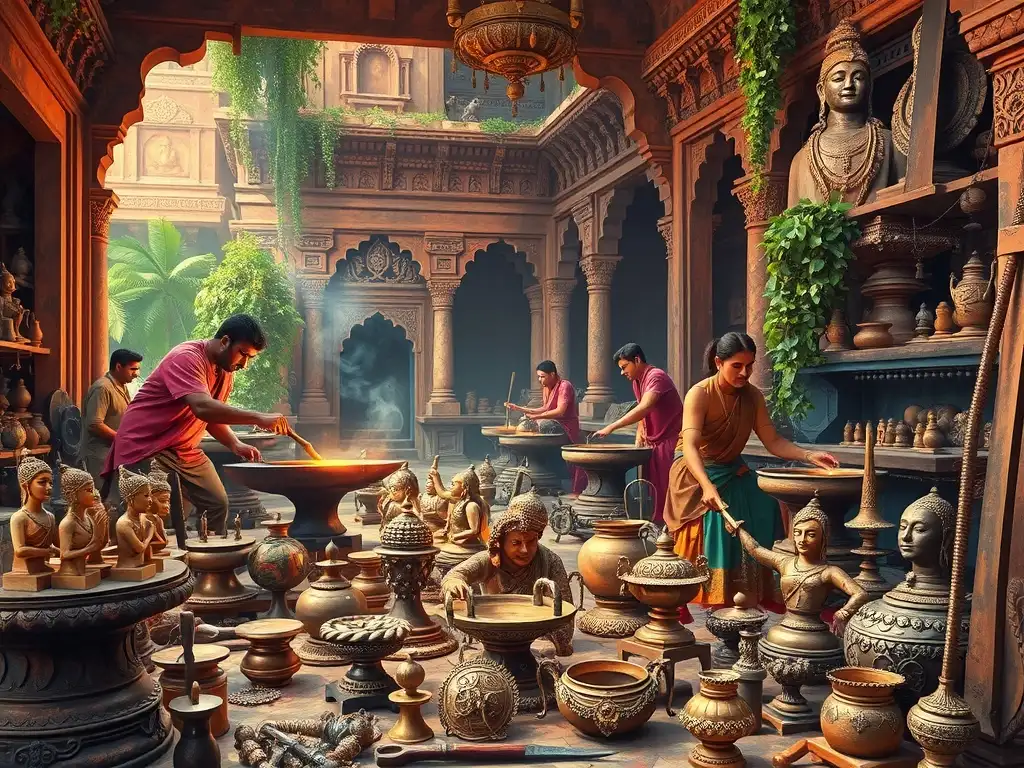
The Development of High-Quality Steel: Wootz Steel
One of the most significant contributions of ancient Indian metallurgy is the development of Wootz steel, renowned for its exceptional quality and durability. Originating from the southern regions of India, particularly from the Tamil Nadu and Karnataka areas, Wootz steel was produced using a unique method that involved the smelting of iron ore with charcoal in a crucible.
Characteristics of Wootz Steel:
- High Carbon Content: Wootz steel typically contained around 1-2% carbon, which contributed to its strength and ability to be sharpened to a fine edge.
- Pattern Welding: The distinctive patterns seen in Wootz steel were a result of the carbon distribution, which not only enhanced its aesthetic appeal but also indicated the quality of the steel.
- Resilience: The steel’s resilience made it ideal for weaponry, leading to its export and use in various cultures across the world, including the Middle East and Europe.
The techniques used in producing Wootz steel were highly sophisticated and involved precise control of temperature and raw materials, showcasing the advanced understanding of metallurgy possessed by ancient Indian artisans. This innovation not only influenced local practices but also significantly impacted global metalworking techniques.
Techniques in Metal Casting and Forging
Ancient Indian metallurgists employed a variety of advanced techniques in metal casting and forging, which set the groundwork for future developments in metallurgy. Key techniques included:
- Lost-Wax Casting: This method involved creating a wax model of the desired object, which was then encased in clay. Once heated, the wax melted away, leaving a mold for molten metal to be poured into. This technique allowed for intricate designs and details in metalwork.
- Hammer Forging: After casting, metals were often further refined through hammering. This process not only shaped the metal but also improved its mechanical properties, making it stronger and more durable.
- Heat Treatment: Ancient Indian metallurgists understood the importance of heat treatment processes such as quenching and tempering. By heating iron and then rapidly cooling it, they enhanced its hardness and strength.
These techniques were pivotal in creating various metal artifacts, including tools, weapons, and decorative items, which were not only functional but also artistically significant. The mastery of casting and forging techniques facilitated the rise of sophisticated metalworking traditions that influenced neighboring civilizations.
Innovations in Alloying and Metal Composition
Ancient Indian metallurgy is characterized by innovative approaches to alloying and metal composition that enhanced the properties of various metals. Some notable aspects include:
- Copper and Bronze Alloys: The combination of copper with tin or arsenic led to the creation of bronze, which was used extensively in tools, weapons, and artistic sculptures. The precise ratios of these alloys were meticulously calculated to achieve optimal strength and workability.
- Zinc Production: India was one of the first regions to produce zinc, particularly in the area around Zawar, Rajasthan. The process involved distillation, allowing for the extraction of pure zinc from ores. This innovation had a lasting impact on metallurgy, as zinc became a critical component in various alloys and applications.
- Metal Composition Knowledge: Ancient Indian metallurgists demonstrated a deep understanding of the properties of different metals and their alloys. They experimented with various combinations to enhance characteristics like corrosion resistance and malleability, leading to the production of superior metal artifacts.
These innovations in alloying and metal composition not only improved the quality of metal products in ancient India but also laid the foundation for future advancements in metallurgy globally. The ability to manipulate and enhance the properties of metals contributed significantly to the technological progress of various civilizations that adopted these practices.
The Influence of Ancient Indian Metallurgy on Global Practices
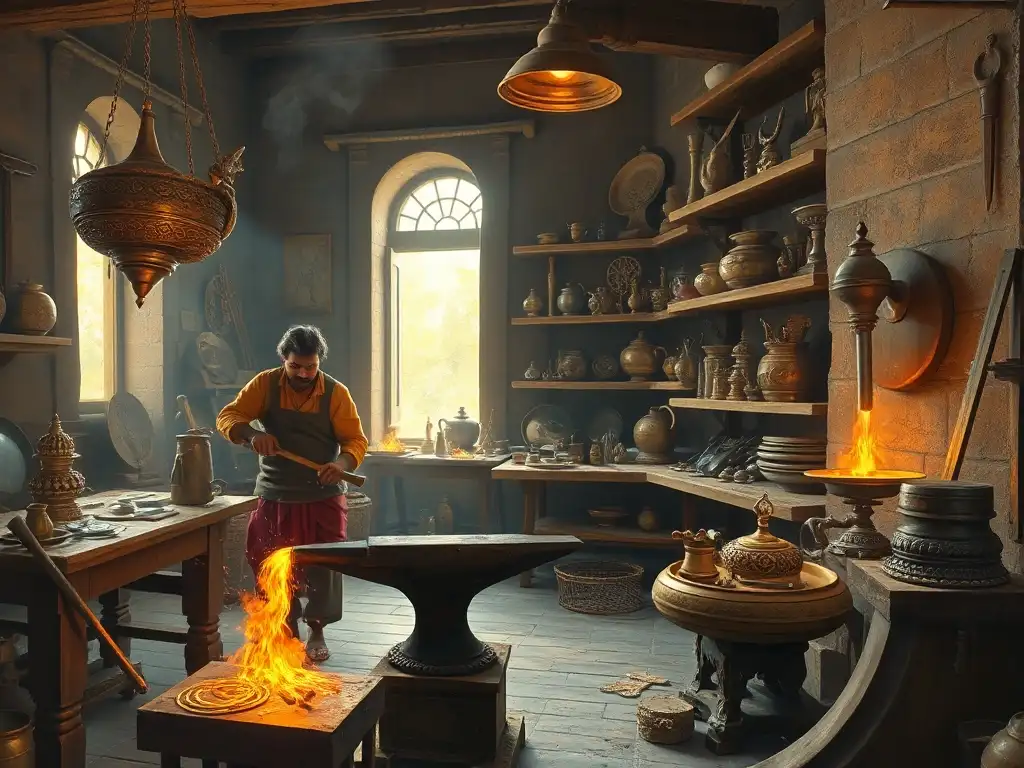
Ancient Indian metallurgy innovations have significantly influenced various aspects of metallurgy and material science, shaping the practices and technologies of other civilizations throughout history. The sophisticated techniques developed in ancient India laid the groundwork for advancements not only within the subcontinent but also across the globe. This influence can be traced through trade routes, comparative analyses with other metallurgical practices, and specific case studies that highlight the cross-cultural exchange of knowledge and technology.
Trade Routes and the Spread of Metallurgical Knowledge
The trade routes of ancient India played a crucial role in disseminating metallurgical innovations to other cultures. Key routes such as the Silk Road and maritime pathways connected India with regions as far as the Middle East, Africa, and Southeast Asia. These exchanges allowed for the movement of not only goods but also ideas and techniques.
- Silk Road: This extensive network of trade routes facilitated the exchange of metals and metallurgical knowledge. Indian craftsmen were renowned for their skills in producing high-quality steel, particularly wootz steel, which was highly sought after.
- Maritime Trade: Indian ports like Lothal and Musiri became vital hubs for trade. Ships carried not only spices and textiles but also metallurgical artifacts that showcased advanced techniques in metalworking.
- Cultural Exchange: As traders and artisans interacted, they shared metallurgical practices. For example, the Indian method of producing crucible steel was adopted and adapted by blacksmiths in the Middle East, leading to innovations in steel production.
This extensive network ensured that ancient Indian metallurgy innovations were not confined to the subcontinent but instead became integrated into various global metallurgical practices.
Comparative Analysis: Indian Metallurgy vs. Global Practices
A comparative analysis of ancient Indian metallurgy and other global practices reveals distinctive characteristics and advancements that set Indian techniques apart.
- Wootz Steel:
- Indian Innovation: The production of wootz steel, known for its exceptional quality and resilience, was a hallmark of Indian metallurgy. The unique process involved the use of bloomery furnaces and specific alloying techniques.
- Global Impact: This high-carbon steel became the foundation for the production of Damascus steel in the Middle East, which was famed for its durability and sharpness.
- Metallurgical Techniques:
- Casting and Forging: Indian metallurgists employed advanced casting and forging techniques, such as the lost-wax process, to create intricate metal sculptures and tools.
- Comparison with Other Cultures: While cultures like the Chinese and Egyptians had their own metallurgy innovations, the precision and artistry of Indian methods were often unparalleled. For instance, the production of the Iron Pillar of Delhi, which demonstrates advanced rust-resistant metallurgy, is an example of the ingenuity present in ancient India.
- Alloy Development:
- Brass and Bronze: Indian metallurgists excelled in creating various alloys, including brass and bronze, which were used for coins, tools, and decorative items.
- Global Recognition: These alloys influenced other cultures, leading to the adoption of similar methods in regions such as Southeast Asia, where the Indian influence was particularly strong.
This comparative analysis not only highlights the uniqueness of ancient Indian metallurgical practices but also showcases their significant impact on global metallurgy.
Case Studies of Indian Metallurgy Influencing Other Cultures
Several case studies illustrate the profound influence of ancient Indian metallurgy on other cultures, demonstrating the versatility and adaptability of Indian techniques.
- The Spread of Wootz Steel:
- The journey of wootz steel from India to the Middle East is well-documented. Notable for its high quality, this steel was utilized by famous swordsmiths, becoming a coveted material for swords in the Islamic Golden Age.
- The Iron Pillar of Delhi:
- Constructed in the 4th century CE, this pillar showcases the advanced metallurgy of ancient India. Its resistance to corrosion has prompted studies that have influenced modern materials science, inspiring innovations in anti-corrosive materials worldwide.
- Southeast Asian Influence:
- The maritime trade routes facilitated the spread of Indian metallurgy to Southeast Asia. The use of Indian techniques in the production of bronze artifacts in cultures like the Khmer Empire illustrates this influence, showcasing the adaptability of Indian innovations in different cultural contexts.
These case studies highlight the enduring legacy of ancient Indian metallurgy innovations and their role in shaping global metallurgical practices. Through trade, comparative analysis, and specific examples, it is evident that ancient Indian metallurgy not only advanced local practices but also left a lasting impact on the world stage.
Notable Figures and Civilizations in Ancient Indian Metallurgy
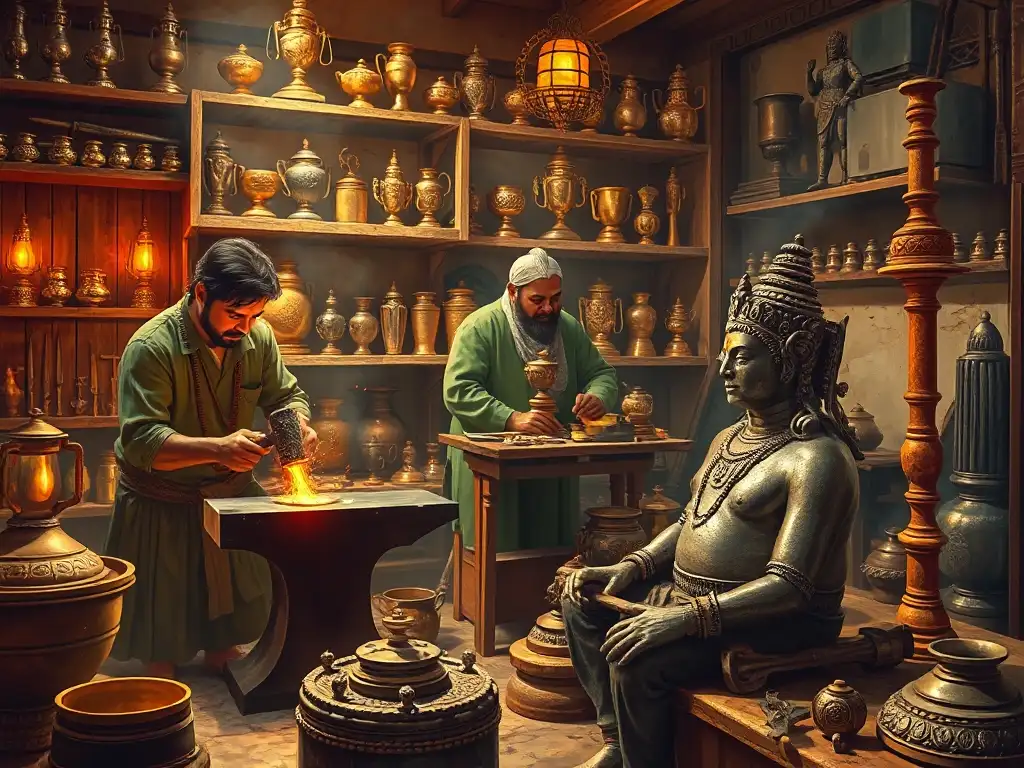
Contributions of the Indus Valley Civilization
The Indus Valley Civilization (IVC), flourishing around 3300 to 1300 BCE, is renowned for its significant contributions to ancient Indian metallurgy. The people of this civilization demonstrated remarkable skills in metalworking, particularly with copper, bronze, lead, and zinc.
- Copper Tools: The IVC artisans created a variety of tools, including axes, chisels, and knives. These tools were essential for agricultural practices and construction.
- Bronze Casting: The hallmark of IVC metallurgy was the use of bronze. Artifacts such as the famous bronze statue of the Dancing Girl from Mohenjo-Daro showcase advanced techniques in lost-wax casting.
- Zinc Metallurgy: The IVC is also credited with one of the earliest known practices of zinc metallurgy. The region's artisans were able to extract zinc from its ores, a process that would later become crucial in the production of brass.
The metallurgical techniques developed during this period laid the foundation for subsequent advancements, influencing both local and global practices in metallurgy.
Advances During the Maurya and Gupta Periods
The Maurya (322–185 BCE) and Gupta (c. 320–550 CE) periods marked a golden age for ancient Indian metallurgy, characterized by significant innovations and widespread applications.
- Iron Production: One of the most notable advancements was the large-scale production of iron. The famous iron pillar of Delhi, dating back to around 400 CE, exemplifies advanced smelting techniques that produced corrosion-resistant iron.
- Alchemical Practices: During the Gupta period, alchemical practices flourished, leading to the development of materials like "Shilajit" and various metallic medicines.
- Metallurgical Texts: Important texts such as the "Rasa Jala Nidhi" emerged, discussing the properties of metals and techniques for their extraction and purification.
These developments not only enhanced local craftsmanship but also established trade networks with other civilizations, spreading knowledge and techniques across regions.
Influential Metallurgists and Their Innovations
Several notable figures contributed to the evolution of metallurgy during ancient Indian times, each leaving a lasting impact on the field.
- Brahmagupta: An influential mathematician and astronomer, Brahmagupta (c. 598 CE) also contributed to metallurgical knowledge through his writings on the properties of metals and alloys.
- Sushruta: Known as the father of surgery, Sushruta (c. 600 BCE) made significant advancements in surgical instruments, many of which were crafted from high-quality metals. His texts included descriptions of metal properties and their applications in medicine.
- Charaka: The ancient physician Charaka (c. 100 CE) mentioned various metal-based treatments in his texts. The integration of metallurgy into medicine highlighted the versatility of metals in ancient Indian practices.
These metallurgists and their innovations not only advanced the field of metallurgy but also demonstrated its interconnectedness with medicine, mathematics, and various technological advancements in ancient India.
The rich tradition of ancient Indian metallurgy innovations significantly influenced both local practices and global metallurgy, paving the way for future developments in the field.
Technological Techniques and Methods in Ancient Indian Metallurgy
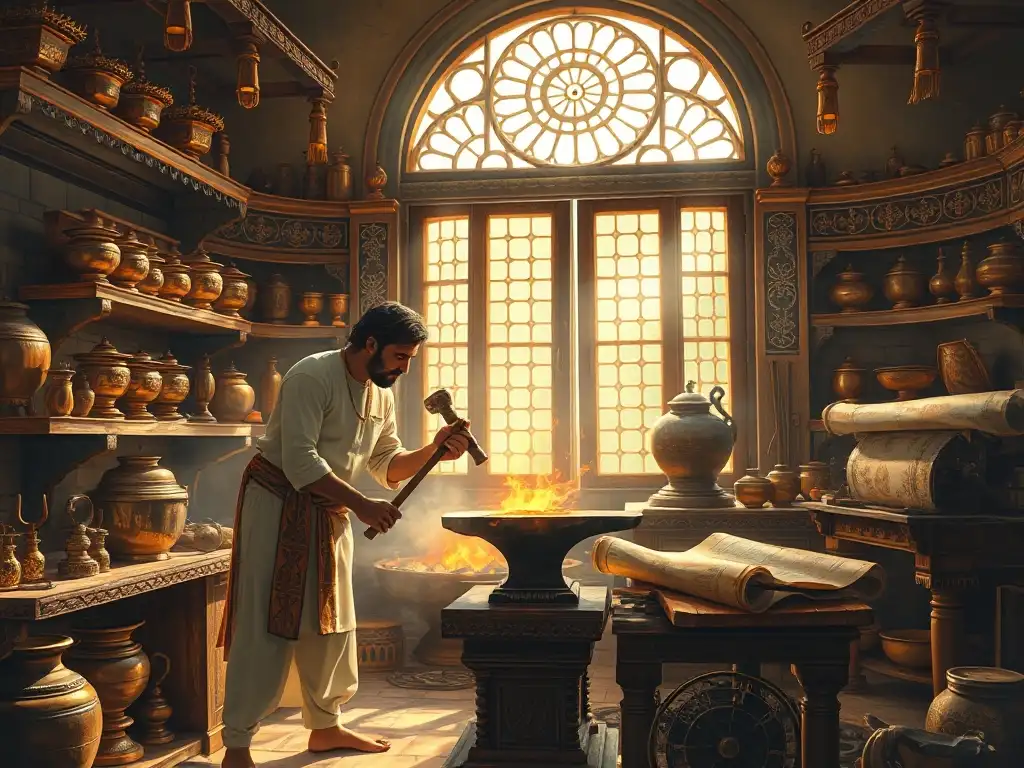
Traditional Methods of Metal Extraction
Ancient Indian metallurgy was characterized by a variety of traditional methods for extracting metals from ores, showcasing a deep understanding of materials and processes. One of the most prevalent methods was the use of pyrometallurgy, which involves the application of high temperatures to extract metals. The primary steps in this process included:
- Ore Preparation: Ores were first crushed and ground to increase the surface area, making it easier to extract the metal.
- Roasting: This step involved heating the ore in the presence of air, which helped to remove impurities and convert the ore into a more workable form.
- Reduction: The roasted ore was then subjected to intense heat, often using charcoal or other carbon sources, to reduce the metal oxides to their elemental forms.
Notably, the Indus Valley Civilization (c. 2500-1900 BCE) showcased advanced techniques for metal extraction, particularly with copper. Archaeological findings indicate that they employed furnaces capable of reaching high temperatures, which were essential for efficient metal extraction.
Innovative Smelting Techniques
Ancient Indian metallurgists were pioneers in developing innovative smelting techniques, influencing practices beyond their geographical boundaries. One remarkable advancement was the use of the blast furnace, which allowed for higher temperatures and better efficiency in the smelting process. Key aspects of these techniques included:
- Forced Air Supply: By using bellows to blow air into the furnace, metallurgists could significantly increase the temperature, facilitating the smelting of metals like iron and copper.
- Alloy Production: Ancient Indian metallurgists were skilled in producing various alloys, such as bronze, which combined copper and tin. This not only enhanced the properties of the metals but also expanded their applications in tools and weaponry.
The development of cast iron in ancient India is particularly noteworthy, as it predates similar advancements in other parts of the world. The production of high-quality iron artifacts, including the famous Iron Pillar of Delhi, exemplifies the sophistication of ancient Indian smelting techniques.
The Role of Ancient Texts in Metallurgical Practices
Ancient texts played a crucial role in documenting and disseminating metallurgical knowledge throughout India. Texts such as the Arthashastra and Rasa Ratna Samuccaya included detailed instructions on metalworking, extraction methods, and alloy production. These texts provided insights into:
- Material Properties: They outlined the characteristics of various metals and their alloys, guiding metallurgists in selecting the right materials for specific applications.
- Process Descriptions: The texts offered step-by-step instructions for performing different metallurgical processes, ensuring that knowledge was preserved and passed down through generations.
Moreover, the Siddhanta texts contributed to the scientific understanding of metallurgical processes, discussing the theoretical principles behind metal extraction and the transformation of ores into usable metals. This combination of practical and theoretical knowledge laid the foundation for ancient Indian metallurgy innovations and highlighted the intellectual advancements within the field.
The integration of traditional methods, innovative smelting techniques, and the documentation of practices in ancient texts collectively contributed to the rich legacy of metallurgy in ancient India, influencing not only neighboring regions but also shaping global practices in material science and technology.
Legacy of Ancient Indian Metallurgy in Modern Times
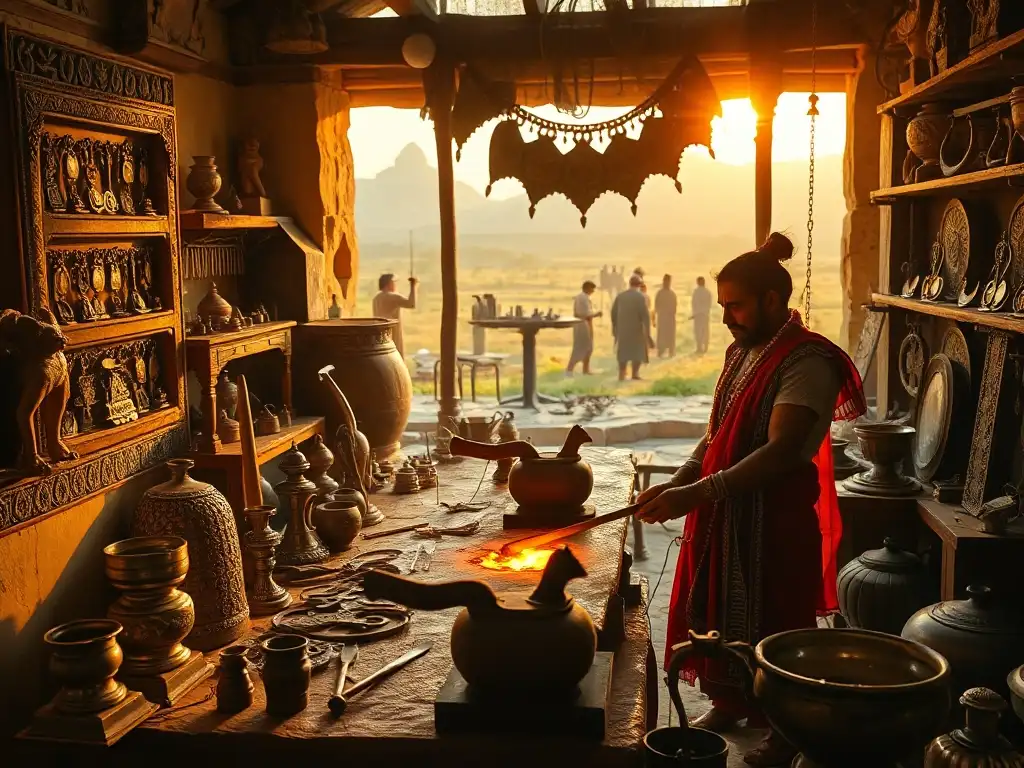
Continuation of Techniques in Contemporary Practices
The legacy of ancient Indian metallurgy is not merely a relic of the past; it continues to influence contemporary practices in various fields. One of the most notable techniques that has persisted is the wrought iron production method, particularly the production of Damascus steel, which has roots in ancient Indian smithing practices. This technique involved the careful selection and processing of iron ores, leading to the creation of high-quality steel known for its durability and resistance to shattering.
Modern blacksmiths and metallurgists often reference ancient texts, such as the Arthashastra, which outlines various metallurgical techniques, to inform their practices. Additionally, the use of natural alloys, such as those derived from the combination of iron and carbon, can be traced back to ancient Indian methods. These practices have been revived in artisanal workshops around the world, emphasizing the importance of traditional knowledge in contemporary metallurgy.
- Key Techniques in Use Today:
- Wrought Iron Production: Techniques involving heating and hammering iron to create durable products.
- Damascus Steel: Methods for producing layered steel that combines different iron ores.
- Natural Alloying: Utilizing locally sourced materials to develop unique metallurgical properties.
Impact on Modern Material Science and Engineering
Ancient Indian metallurgy has significantly impacted modern material science and engineering disciplines. The foundational principles established in the ancient period laid the groundwork for various innovations, notably in the field of alloy development. The ancient Indian practice of alloying different metals to enhance their properties has inspired modern metallurgists to explore new combinations of metals and alloys.
For example, the techniques used in the production of high-carbon steel can be traced back to ancient practices, where artisans meticulously controlled the carbon content to produce tools and weapons that were both sharp and resilient. This knowledge has translated into modern manufacturing processes, where precise control of material composition is vital for producing high-performance products in automotive and aerospace industries.
- Significant Contributions:
- High-Carbon Steel: Influencing modern tool-making and manufacturing processes.
- Alloy Innovations: Encouraging research into new materials with enhanced properties.
- Sustainable Practices: Emphasizing the importance of locally sourced materials and traditional craftsmanship.
Preservation of Ancient Metallurgical Knowledge
The preservation of ancient metallurgical knowledge is crucial for both cultural heritage and technological advancement. Efforts to document and study ancient texts, artifacts, and techniques have led to a renewed interest in the practices of ancient Indian metallurgists. Institutions and universities are increasingly focusing on archaeometallurgy, which combines archaeology and metallurgy to uncover historical techniques.
In addition, traditional craftsmen today are being recognized as valuable repositories of knowledge. Collaborations between modern scientists and artisans have resulted in the documentation of ancient methods and their adaptation into modern practices. This preservation not only aids in keeping traditional crafts alive but also serves as a source of inspiration for innovative solutions in material science.
- Preservation Efforts:
- Archaeometallurgical Studies: Research aimed at understanding ancient techniques through scientific methods.
- Documentation of Traditional Crafts: Recording oral histories and practices of artisans.
- Collaborative Initiatives: Partnerships between scientists and craftsmen to innovate using ancient techniques.
The legacy of ancient Indian metallurgy is a vital part of both historical scholarship and modern technological advancements. Through the continuation of techniques, their impact on modern material science, and efforts to preserve this knowledge, we can appreciate the profound influence of ancient Indian metallurgy innovations on current practices and future innovations.
Conclusion: The Lasting Impact of Ancient Indian Metallurgy Innovations
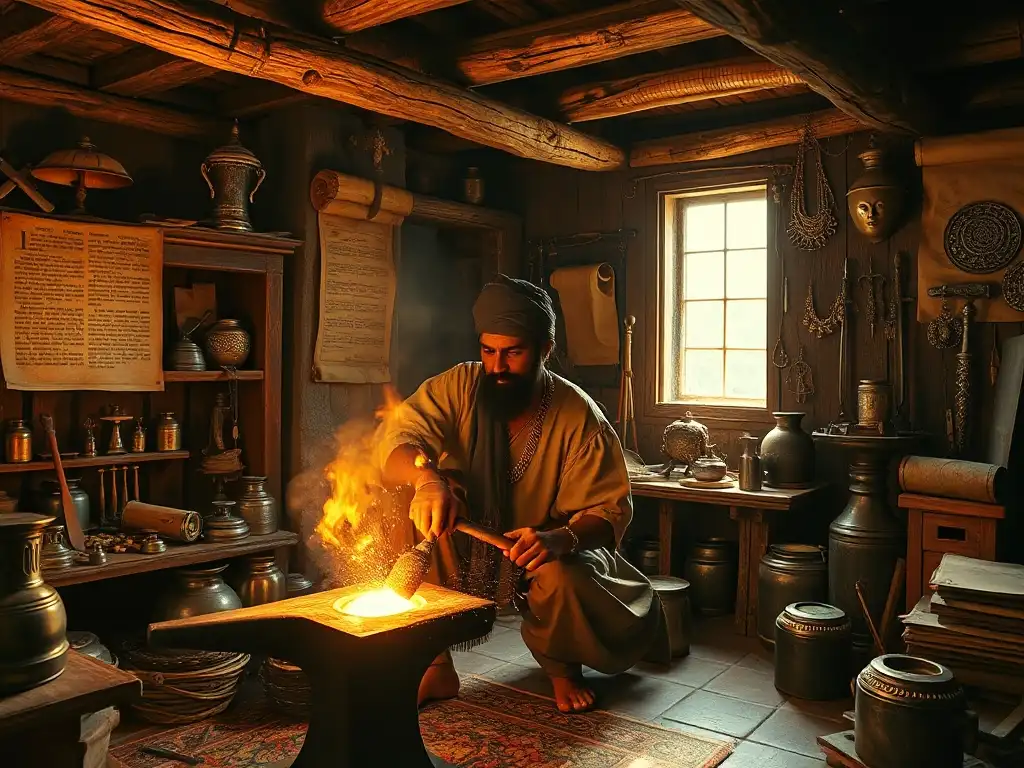
Summary of Contributions to Global Metallurgy
Ancient Indian metallurgy innovations significantly shaped the development of metalworking techniques around the world. The advancements made by ancient civilizations in India were not only groundbreaking for their time but also laid the groundwork for future metallurgical practices globally. Key contributions include:
- Wootz Steel Production: One of the most celebrated innovations was the creation of Wootz steel, known for its exceptional quality and durability. This high-carbon steel was produced through a unique process involving the use of iron and other materials found in the region. The techniques for producing Wootz steel spread to various parts of the world, influencing the production of high-quality blades and weapons.
- Iron Smelting Techniques: Ancient Indians developed advanced iron smelting techniques that allowed for the efficient extraction and processing of iron from its ores. This innovation not only enhanced the quality of iron tools and weapons but also contributed to agricultural and infrastructural advancements.
- Metallurgical Alloys: The use of alloys, particularly in the production of brass and bronze, showcased the understanding of combining metals to enhance their properties. This knowledge later influenced metallurgical practices in other cultures, leading to improved tools and ornamental items.
- Astronomical Instruments: The development of sophisticated astronomical instruments, such as the astrolabe and the sine quadrant, required advanced metallurgical skills. These innovations were instrumental in the fields of navigation and astronomy, impacting global practices in these domains.
These contributions underscore the profound influence of ancient Indian metallurgy innovations on global practices, fostering advancements in technology and craftsmanship across continents.
Reflection on the Importance of Preserving Historical Knowledge
The study and preservation of ancient Indian metallurgy innovations are not only crucial for understanding the technological prowess of past civilizations but also for recognizing their impact on modern practices. By documenting and sharing this knowledge, we can appreciate the ingenuity of ancient artisans and metallurgists who laid the foundation for contemporary materials science.
- Cultural Heritage: Preserving knowledge about ancient metallurgy is vital for maintaining the cultural heritage of India. It reflects the rich tapestry of innovation and creativity that has characterized Indian civilization throughout history.
- Inspiration for Modern Innovations: The techniques and materials developed in ancient India can inspire modern scientists and engineers to explore sustainable practices and new materials. Understanding these historical methods can lead to innovative solutions in today's metallurgical challenges, particularly in the context of sustainability.
- Educational Value: Incorporating ancient metallurgical practices into education can enrich curricula in materials science and engineering. It provides students with a broader perspective on the evolution of technology and the interconnectedness of cultures.
The lasting impact of ancient Indian metallurgy innovations is profound, influencing global practices and highlighting the importance of preserving this historical knowledge for future generations. By recognizing and valuing these contributions, we honor the legacy of ancient Indian civilizations and their role in shaping the world we live in today.
Frequently Asked Questions
What are the key innovations in ancient Indian metallurgy?
Ancient Indian metallurgy is known for its advanced techniques such as the production of high-quality steel, particularly Wootz steel, and the development of casting methods that influenced global practices.
How did ancient Indian metallurgy impact other civilizations?
The innovations in metallurgy allowed for the exportation of advanced metalwork, influencing regions like the Middle East and Europe, thereby enhancing their own metallurgical practices.
What role did the Indus Valley Civilization play in metallurgy?
The Indus Valley Civilization was crucial in early metallurgy, showcasing copper, bronze, and gold working skills, which laid the foundation for future developments in the region.
How did the Gupta Empire contribute to metallurgical advancements?
During the Gupta Empire, there were significant advancements in metalworking techniques, including the creation of iron pillars that exemplified durability and advanced alloying methods.
Are there any significant artifacts from ancient Indian metallurgy?
Yes, notable artifacts include the Iron Pillar of Delhi, which showcases rust-resistant properties, and ancient coins that reflect the sophistication of metalworking during that era.
Final Reflection: The Enduring Legacy of Ancient Indian Metallurgy Innovations
The innovations in ancient Indian metallurgy are not just relics of the past; they are a testament to human ingenuity that continues to resonate in today's technological advancements. As we explore the intricate techniques and materials developed by ancient Indian metallurgists, we uncover a rich tapestry of knowledge that has shaped global practices and inspired generations of scientists and artisans alike. The profound impact of these innovations serves as a reminder of the interconnectedness of cultures and the timeless quest for progress.
The influence of ancient Indian metallurgy extends far beyond historical significance; it has woven itself into the very fabric of modern industry and craftsmanship. From the creation of high-quality steel to the art of metalworking, these innovations have paved the way for contemporary practices that prioritize sustainability and efficiency. As we reflect on this legacy, we are reminded of the words of the renowned historian, Will Durant: Civilization exists by geological consent, subject to change without notice.
This quote encapsulates the idea that our advancements are built upon the foundations laid by those who came before us, urging us to recognize and honor their contributions.
As we stand at the crossroads of history and innovation, I invite you to reflect on how the lessons from ancient Indian metallurgy can inspire your own journey. Consider the ways in which you can apply the principles of creativity, resilience, and collaboration in your personal and professional life. Embrace the spirit of exploration that characterized these ancient innovators, and let it guide you as you forge your own path in a world that is ever-evolving. Together, we can honor the past while shaping a brighter future, fueled by the wisdom of those who dared to innovate.
Unveil the Legacy of Ancient Metallurgy!
Thank you for diving into the fascinating world of ancient Indian metallurgy! You've uncovered the remarkable innovations that shaped not just India but the entire globe. Now, it’s time to take that knowledge and ignite your curiosity further.
Here’s how you can explore the legacy and embrace the spirit of innovation:
- Join a local workshop on metalworking techniques to experience hands-on learning and connect with a vibrant community of artisans.
- Share your newfound knowledge with friends or on social media, sparking conversations about the enduring influence of these ancient methods on contemporary practices.
- Explore resources such as books or documentaries that delve deeper into ancient technologies—there are many surprising insights waiting to be uncovered!
What aspect of ancient Indian metallurgy do you find most inspiring, and how do you think it can influence today's innovations?