
From Loom to Legacy: The Evolution of Traditional Indian Weaving Techniques

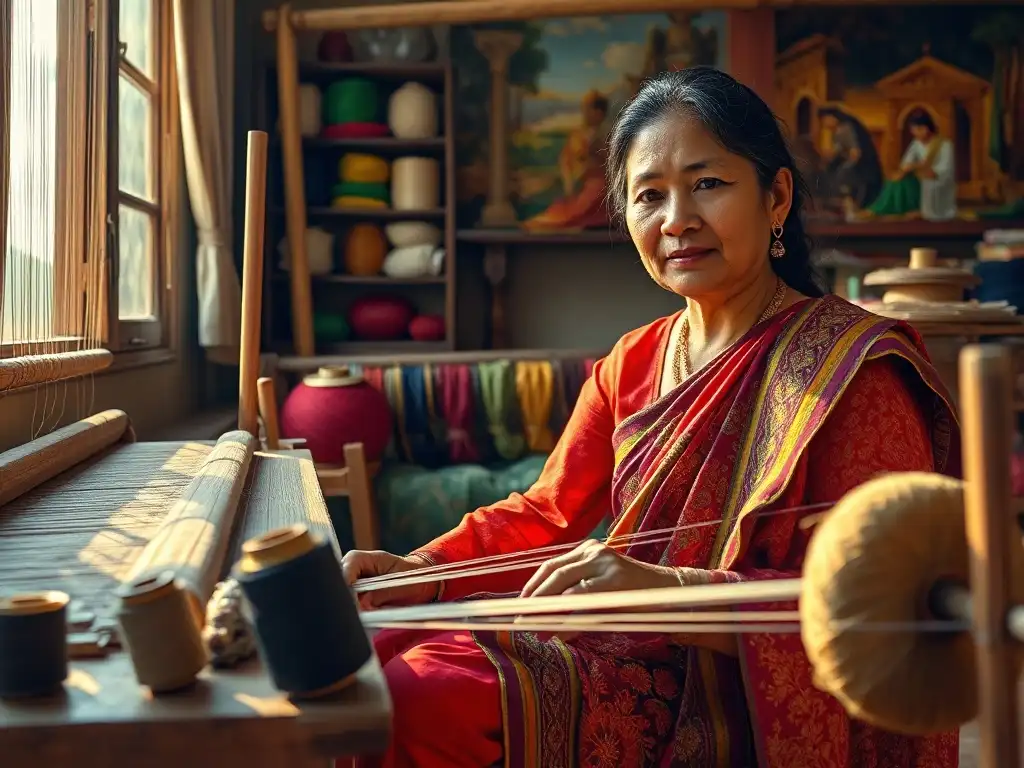
Welcome to Ancient India History, where the tapestry of time unfolds to reveal the rich and diverse history of one of the world's oldest civilizations. Have you ever wondered how the intricate patterns of traditional Indian weaving emerged from the looms of the past? Dive into our featured article, "From Loom to Legacy: The Evolution of Traditional Indian Weaving Techniques," as we unravel the fascinating journey of these age-old crafts and the cultural significance they hold. Join us in exploring the threads that connect ancient practices to the vibrant textile heritage we cherish today!
- Traditional Indian Weaving History: An Overview of Techniques and Their Evolution
- The Origins of Traditional Indian Weaving Techniques
- Evolution of Weaving Techniques Through the Ages
- Traditional Indian Weaving Techniques: Key Methods and Styles
- The Modern Era: Preserving Traditional Indian Weaving Techniques
-
Frequently Asked Questions
- What is the significance of traditional Indian weaving in history?
- How did the techniques of weaving evolve over time in India?
- Which regions in India are known for their distinct weaving styles?
- What materials are traditionally used in Indian weaving?
- How has modernity impacted traditional weaving practices in India?
- Final Reflection: Weaving the Threads of Heritage and Innovation
- Weave Your Legacy – Start Today!
Traditional Indian Weaving History: An Overview of Techniques and Their Evolution
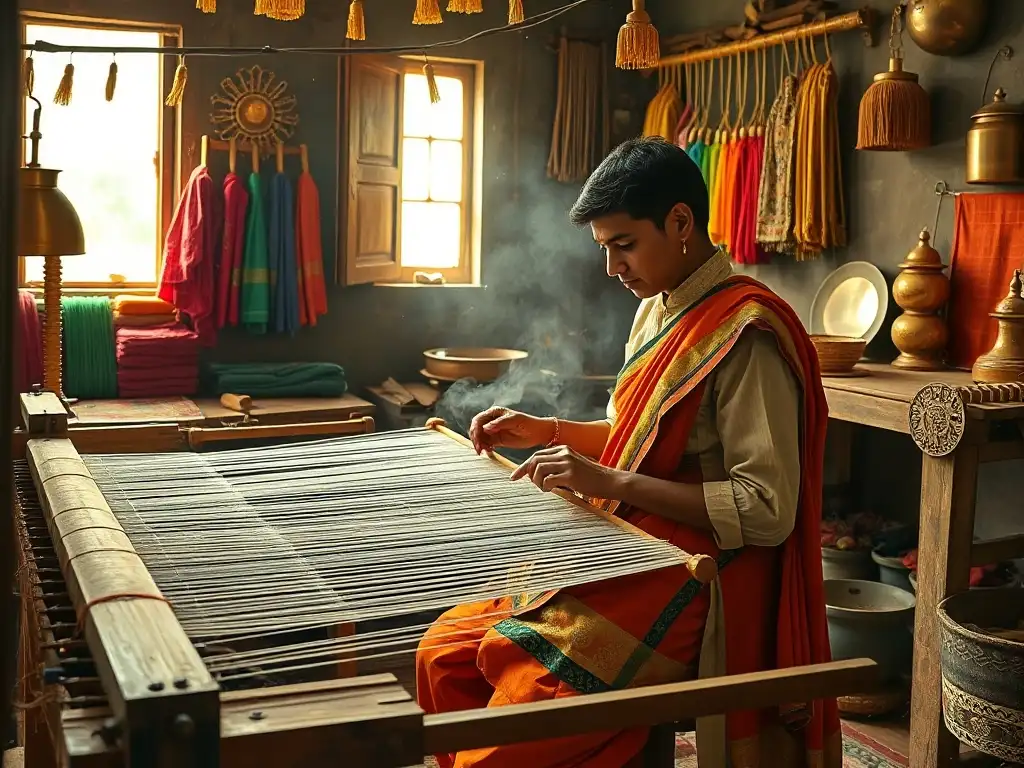
The history of traditional Indian weaving is a vibrant tapestry interwoven with the threads of culture, identity, and artistry that span millennia. From the intricate patterns of the Indus Valley Civilization to the sophisticated techniques developed during the Gupta Empire, weaving in India reflects the diverse cultural heritage and craftsmanship of its people.
This article delves into the evolution of these weaving techniques, highlighting their significance in ancient society and their enduring legacy in contemporary times. By exploring the rich history of traditional Indian weaving, we can appreciate not only the artistry involved but also the socio-economic and cultural implications that these textiles have had on Indian civilization.
The Significance of Weaving in Ancient Indian Culture
Weaving has been an integral part of Indian culture for thousands of years, serving not only as a means of creating fabric but also as a medium of expression and identity. The significance of weaving in ancient India can be analyzed through several key aspects:
- Cultural Identity: Each region in India developed its unique weaving style, often influenced by local traditions, resources, and climate. For example:
- Banarasi Silk from Varanasi, known for its intricate gold and silver brocade.
- Kanchipuram Sarees from Tamil Nadu, celebrated for their vibrant colors and rich silk.
- Social Structure: Weaving techniques were often passed down through generations within specific communities, creating a sense of belonging and continuity. The caste system also played a role, as certain communities were designated to specialize in textile production, such as the weavers in the Musalman community and the Khatri artisans.
- Economic Impact: The weaving industry was a significant contributor to the economy, providing livelihoods for countless families. Trade routes facilitated the exchange of textiles, enhancing cultural interactions and economic prosperity. The famous Silk Route not only spread goods but also ideas and techniques across borders.
- Religious and Ritualistic Importance: Textiles held profound religious significance, often used in rituals and ceremonies. The sari, for instance, is not just a garment but a symbol of grace and cultural heritage, deeply embedded in Indian tradition.
In essence, the weaving practices of ancient India are a testament to the artistic ingenuity and cultural richness of its civilization. As we explore the evolution of these techniques, we uncover the profound legacy that continues to influence modern textile arts.
The Origins of Traditional Indian Weaving Techniques
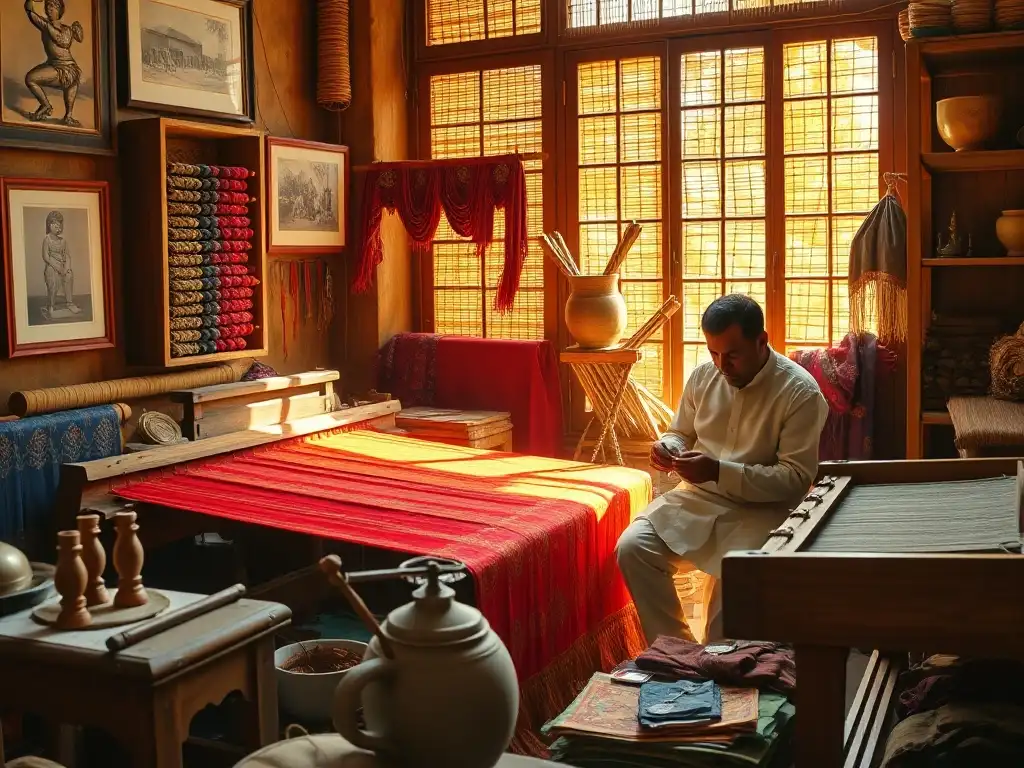
Ancient Weaving Practices in the Indus Valley Civilization
The Indus Valley Civilization, which flourished around 3300-1300 BCE, is one of the earliest known urban cultures in the world. It laid the foundational framework for traditional Indian weaving history. Archaeological findings suggest that weaving was an integral part of the daily life in this civilization, with evidence of cotton and wool being utilized to create textiles.
- Cotton Cultivation: The Indus Valley is believed to be one of the first places to cultivate cotton. Remnants of cotton fibers dating back to this period have been discovered in sites like Mohenjo-Daro and Harappa. The skillful use of cotton had profound implications for textile production, making it a staple fabric in ancient India.
- Weaving Techniques: The loom technology of the time was quite advanced. The use of vertical looms allowed for intricate patterns and designs, indicative of the sophistication of the weavers. Excavations have uncovered tools such as spindle whorls and weaving combs, which highlight the artisans' craftsmanship.
- Textile Patterns: The textiles produced during this era were often dyed with natural colors derived from plants and minerals. Geometric patterns and motifs reflecting the culture and environment were common, and these designs have influenced subsequent textile traditions in India.
- Trade and Economy: The textiles from the Indus Valley were not only used locally but also traded with neighboring regions. This trade played a vital role in spreading weaving techniques and styles, contributing to the rich tapestry of Indian textile history.
The Influence of Religion and Mythology on Weaving
The evolution of traditional Indian weaving techniques is deeply intertwined with the country's religious and mythological narratives. Weaving was not merely a craft but an art form imbued with spiritual significance.
- Sacred Textiles: In various Indian religions, textiles are often associated with rituals and ceremonies. For example, in Hinduism, the use of specific fabrics during pujas (worship) signifies purity and devotion. Fabrics like silk and cotton are preferred for making garments for deities, symbolizing their divine nature.
- Mythological References: Textiles and weaving frequently appear in Indian mythology. The goddess Durga is often depicted wearing intricately woven garments, symbolizing strength and femininity. Such depictions highlight the cultural importance of textiles and their connection to the divine.
- Regional Variations: Different regions of India have developed unique weaving styles influenced by local myths and religious practices. For instance, the Banarasi sarees, originating from Varanasi, are often woven with motifs inspired by Hindu mythology, showcasing intricate craftsmanship and devotion.
- Rituals and Weaving: The process of weaving itself is often ritualistic. Many communities believe that the act of weaving carries blessings and is a form of meditation. This spiritual connection enhances the value of textiles, making them not just items of clothing but embodiments of culture and tradition.
The origins of traditional Indian weaving techniques date back to the Indus Valley Civilization, with a legacy that continues to thrive through the influence of religion and mythology. This rich heritage is a testament to the skilled craftsmanship and cultural significance of textiles in ancient India, shaping the vibrant tapestry of its history.
Evolution of Weaving Techniques Through the Ages
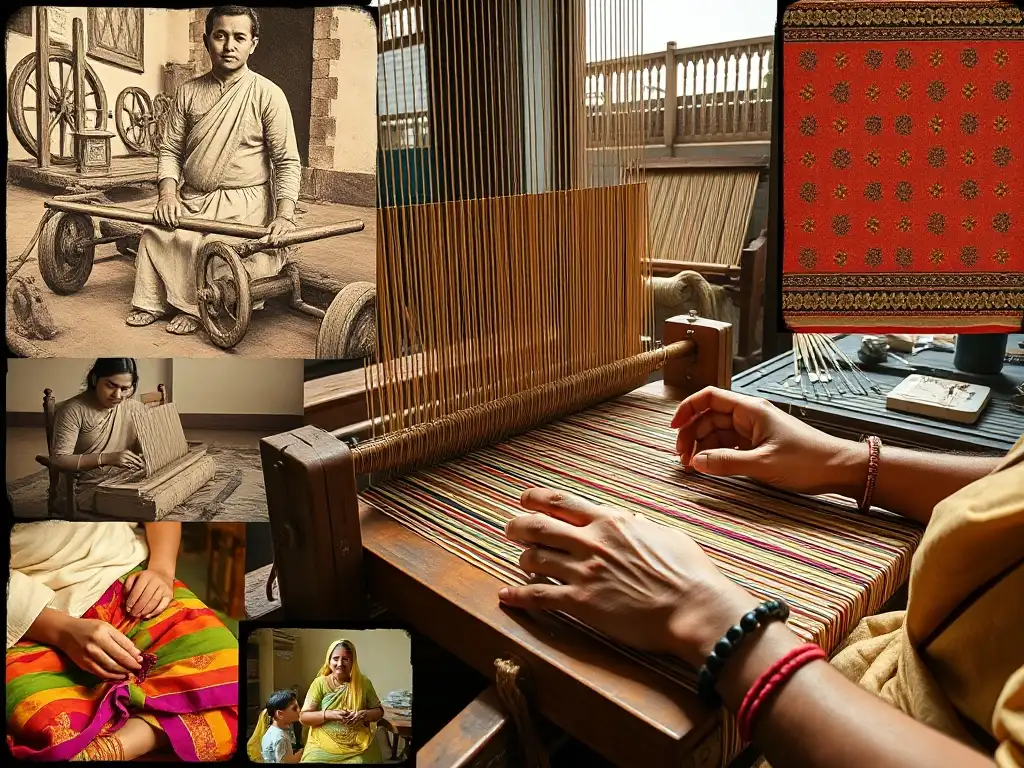
The evolution of traditional Indian weaving techniques is a narrative woven through the annals of history, showcasing the ingenuity and artistry of various civilizations. From the intricate craftsmanship of the Indus Valley Civilization to the sophisticated methods developed during the Gupta Empire, each era has contributed to the rich tapestry of traditional Indian weaving history.
The Gupta Empire: A Golden Age for Textiles
The Gupta Empire (approximately 320 to 550 CE) is often referred to as a golden age in Indian history, not only for its advancements in arts and sciences but notably for its textile production. During this period, the quality and variety of textiles flourished, influenced by both domestic needs and international trade.
- Technological Innovations:
- The introduction of advanced loom designs allowed for more complex patterns and faster production.
- The use of natural dyes derived from plants, minerals, and insects reached new heights, leading to vibrant hues that were previously unattainable.
- Silk Weaving:
- The Gupta period saw the rise of silk weaving, with sericulture being practiced extensively. This luxurious fabric became a staple for the elite and played a significant role in trade with other civilizations, such as the Roman Empire.
- Cultural Influence:
- Textiles produced during this time often featured motifs inspired by religion and mythology, depicting scenes from epics like the Mahabharata and Ramayana. This not only showcased the artistry of weavers but also served to preserve cultural narratives.
- Trade and Economy:
- The flourishing trade routes established during the Gupta Empire facilitated the exchange of textiles, enhancing the demand for innovative weaving techniques. Cities like Varanasi and Kanchipuram became renowned centers for textile production, attracting artisans and traders alike.
The legacy of the Gupta Empire’s advancements in weaving continues to influence traditional Indian textiles today, echoing the skill and creativity of that era.
Regional Variations: The Diverse Styles of Traditional Indian Weaving
India's vast landscape is mirrored in its diverse weaving styles, each region contributing its unique flair to the traditional Indian weaving history. These regional variations are not just artistic expressions; they reflect the cultural and social fabric of the communities that produce them.
- North India:
- Banarasi Weaving: Originating from Varanasi, this style is characterized by intricate gold and silver brocade work. Banarasi sarees are often worn during weddings and festivals, showcasing rich motifs inspired by Mughal art.
- Kashmiri Shawls: Renowned for their warmth and intricate embroidery, these shawls often feature paisley designs and floral patterns, crafted using techniques such as kani and sozni.
- West India:
- Gujarat: The state is famous for its vibrant bandhani and patola textiles. Bandhani involves tie-dye techniques, while patola represents double ikat weaving, known for its striking patterns and colors.
- Maharashtra: Paithani sarees are a hallmark of traditional Maharashtrian weaving, distinguished by their rich colors and intricate designs that often feature peacocks and floral motifs.
- South India:
- Kanchipuram Silk: This weaving tradition involves the use of contrasting colors and heavy gold zari work, making Kanchipuram sarees a favorite for brides.
- Ilkal Saris: Known for their unique style of border and pallu, Ilkal saris reflect the artistic heritage of Karnataka, combining cotton and silk threads.
- East India:
- Baluchari: Originating from West Bengal, Baluchari sarees are characterized by their intricate narratives depicted in the pallu, often portraying scenes from Hindu mythology.
- Muga Silk: Exclusive to Assam, Muga silk is renowned for its natural golden hue and durability, crafted using age-old techniques that are time-intensive.
The regional variations in traditional Indian weaving not only highlight the diverse artistic expressions across the country but also embody the historical and cultural identities of the communities engaged in these time-honored practices. Each piece of textile tells a story, preserving the legacy of craftsmanship passed down through generations.
Traditional Indian Weaving Techniques: Key Methods and Styles
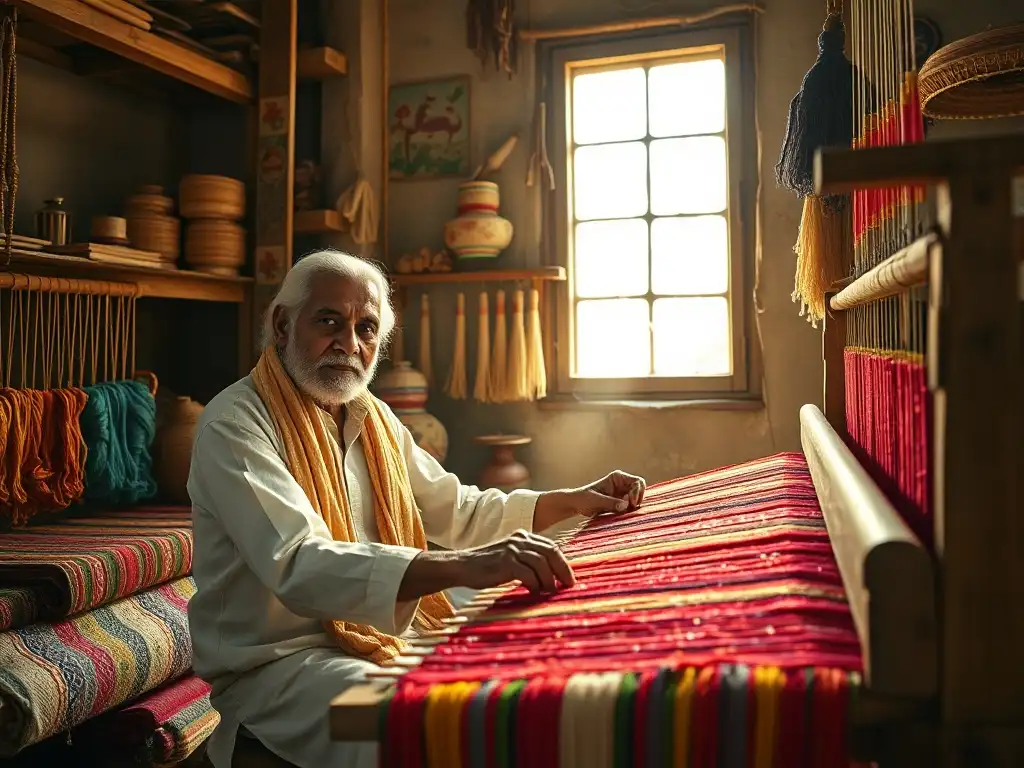
India's rich tapestry of weaving techniques reflects its diverse cultural heritage and the ingenuity of its artisans. Traditional Indian weaving history is characterized by various methods that have evolved over millennia, each with distinct regional styles, materials, and motifs. From the intricate patterns of Kanchipuram silk to the vibrant colors of Bandhani, the techniques employed in traditional Indian weaving have not only served functional purposes but also played roles in social and cultural identity.
Handloom Weaving: Techniques and Tools
Handloom weaving is one of the most revered crafts in traditional Indian weaving history. This method utilizes manual looms, where skilled artisans create intricate textiles by interlacing threads. Key techniques include:
- Plain Weave: The simplest form of weaving, where the weft thread crosses over and under the warp threads in an alternating pattern. This technique is foundational for many textiles.
- Twill Weave: This method creates diagonal patterns and is used in fabrics like denim. In Indian textiles, twill weaving can be seen in materials such as Khadi and certain woolen shawls.
- Jacquard Weaving: Utilizing a special loom, jacquard weaving allows for complex patterns and images to be woven directly into the fabric. This technique is prominent in textiles from regions like Banaras, known for its elaborate brocade work.
Tools of Handloom Weaving
The tools used in handloom weaving are vital to the craft:
- Loom: The main apparatus used to hold the warp threads in place while weaving. Various types of looms exist, including frame looms and pit looms.
- Shuttle: A device that carries the weft thread back and forth across the loom, crucial for creating the textile's structure.
- Bobbin: Holds the weft thread and feeds it into the shuttle.
- Reeds and Heddles: These components help in separating the warp threads and controlling the weaving process, ensuring precision in the fabric's design.
The combination of these techniques and tools allows artisans to produce textiles that are not just functional but also deeply embedded with cultural significance.
Tie-Dye and Block Printing: Artistic Techniques in Weaving
Tie-dye and block printing are artistic techniques that complement traditional Indian weaving, enhancing the visual appeal of the textiles produced.
Tie-Dye Techniques
Tie-dye, particularly popular in regions like Rajasthan and Gujarat, involves folding, twisting, or bunching fabric and binding it with string or rubber bands before applying dye. This method results in vibrant patterns and colors. Common tie-dye techniques include:
- Bandhani: A traditional form of tie-dye where small knots are tied to create intricate patterns. The fabric is then dyed, resulting in unique designs often seen in sarees and turbans.
- Leheriya: A wave-patterned tie-dye technique, primarily used in Rajasthan. It involves a unique folding method to create flowing wave-like designs.
Block Printing Techniques
Block printing is another artistic technique that has roots in ancient India, providing a stunning visual element to woven textiles. This method involves:
- Hand-Carved Blocks: Artisans carve designs into wood blocks, which are then dipped in dye and stamped onto fabric. This process can be repeated to create complex patterns.
- Types of Dyes: Natural dyes derived from plants, minerals, and insects are often used in block printing, resulting in environmentally friendly textiles that wear beautifully over time.
- Regional Variations: Different regions in India have distinct block printing styles, such as the intricate designs of Sanganeri, the bold patterns of Bagru, and the detailed craftsmanship of Ajrakh.
By integrating these artistic techniques into the weaving process, artisans can create textiles that are not only functional but also rich in artistic expression, reflecting the cultural narratives of their regions.
The evolution of traditional Indian weaving techniques showcases a remarkable blend of craftsmanship, artistry, and cultural significance. Each method and style tells a story, contributing to the rich legacy of India's textile heritage.
The Modern Era: Preserving Traditional Indian Weaving Techniques
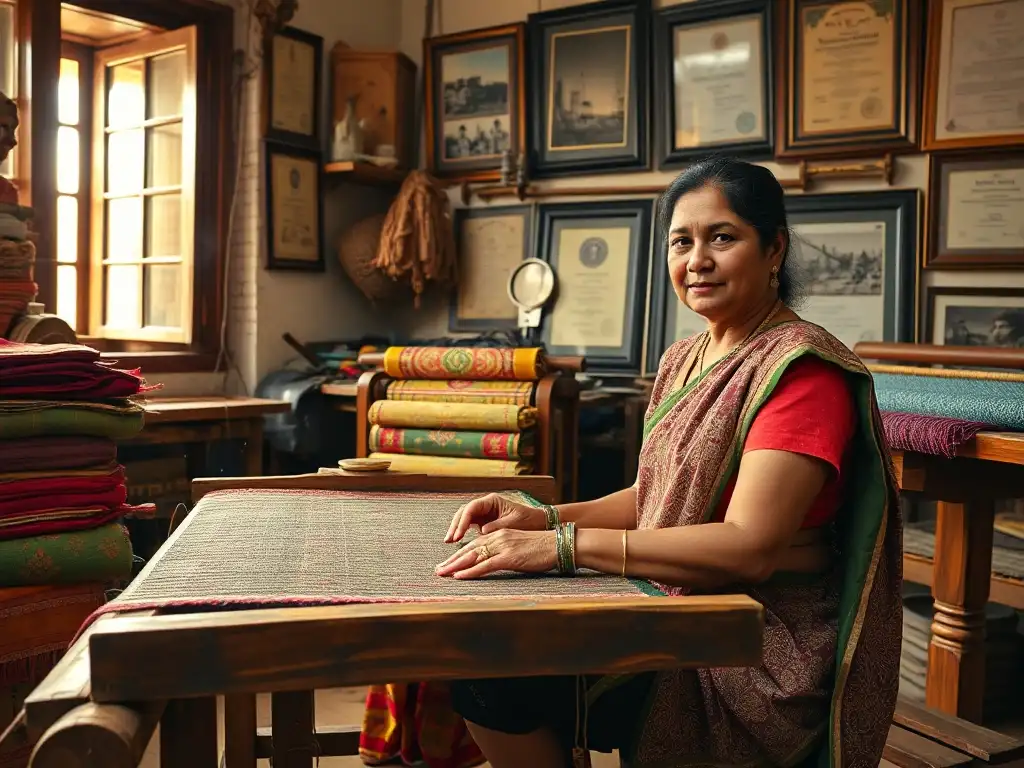
In the contemporary landscape, traditional Indian weaving techniques face numerous challenges that threaten their survival. The industrialization of textile production, shifting consumer preferences, and globalization have all impacted the livelihoods of traditional weavers. This section explores these challenges, highlighting the factors that contribute to the decline of these age-old practices.
Challenges Faced by Traditional Weavers Today
The challenges confronting traditional weavers are multifaceted and deeply rooted in economic, social, and technological changes. Below are some of the most significant issues:
-
Economic Pressures
Traditional weavers often operate on a small scale, making it difficult to compete with mass-produced textiles. The affordability and accessibility of machine-made fabrics have led to a decline in demand for handwoven textiles. As a result, many weavers struggle to sustain their livelihoods.
-
Loss of Skilled Labor
With the younger generation increasingly migrating to urban areas for better job opportunities, the traditional skills of weaving are at risk of being lost. Many artisans are aging, and without a proper apprenticeship system in place, these skills may not be passed down to the next generation.
-
Cultural Erosion
Globalization has led to a blending of cultures, often overshadowing traditional practices. The unique narratives and cultural significance behind specific weaving techniques can be overlooked in favor of trendy, modern designs. This cultural erosion threatens the identity of traditional textiles.
-
Environmental Concerns
Traditional weaving often relies on natural fibers and dyes, which are increasingly threatened by environmental changes. Access to quality raw materials has diminished, impacting the quality and authenticity of handwoven products.
-
Market Accessibility
Traditional weavers frequently lack access to broader markets where they can sell their products. Issues such as limited marketing skills, inadequate infrastructure, and lack of technological support hinder their ability to reach potential customers.
Despite these challenges, various initiatives are being undertaken to revive and preserve traditional Indian weaving techniques, ensuring that these rich legacies are not lost to time.
Reviving Traditional Techniques: Initiatives and Innovations
In response to the challenges faced by traditional weavers, several organizations and individuals have launched initiatives aimed at revitalizing the craft. Here are some noteworthy efforts:
-
Government Support and Schemes
The Indian government has introduced various schemes to promote traditional crafts, such as the Handicraft Mark and Geographical Indications (GI) registration. These initiatives help authenticate and protect traditional textiles while providing financial assistance to artisans.
-
Collaborations with Designers
Contemporary fashion designers are increasingly collaborating with traditional weavers to create modern collections that showcase traditional techniques while appealing to a broader audience. This fusion not only provides weavers with a sustainable income but also revives interest in traditional crafts.
-
Skill Development Programs
Organizations are establishing training centers to teach younger generations the intricacies of traditional weaving. These programs not only preserve the craft but also empower artisans with the skills needed to innovate and adapt to changing market demands.
-
Online Marketplaces
The rise of e-commerce has opened new avenues for traditional weavers to sell their products directly to consumers. Online platforms enable artisans to reach a global audience, reducing reliance on intermediaries and increasing their profit margins.
-
Awareness Campaigns
Efforts to raise awareness about the cultural significance of traditional weaves are being implemented through workshops, exhibitions, and social media campaigns. By educating consumers about the artistry and history behind these textiles, these initiatives foster appreciation and support for traditional weaving.
While the challenges to traditional Indian weaving techniques are significant, concerted efforts and innovative approaches are paving the way for a resurgence in this vital aspect of India's cultural heritage. The journey from loom to legacy continues, with a hopeful outlook for the preservation of these exquisite art forms.
Frequently Asked Questions
What is the significance of traditional Indian weaving in history?
Traditional Indian weaving represents a rich cultural heritage, showcasing the skills and craftsmanship of various communities throughout ancient India.
How did the techniques of weaving evolve over time in India?
The techniques of weaving evolved from basic handlooms in the Indus Valley Civilization to more intricate and diverse methods during the Gupta Empire, reflecting advancements in technology and artistry.
Which regions in India are known for their distinct weaving styles?
Regions like Banaras, Kanchipuram, and Bhuj are renowned for their unique weaving styles, each offering distinct patterns and materials that highlight local traditions and resources.
What materials are traditionally used in Indian weaving?
Traditional Indian weaving often employs materials like cotton, silk, and wool, which are sourced locally and have been used for centuries to create a variety of textiles.
How has modernity impacted traditional weaving practices in India?
Modernity has introduced new technologies and designs that blend with traditional methods, leading to a revival and global appreciation of Indian textiles, while also posing challenges to authentic craftsmanship.
Final Reflection: Weaving the Threads of Heritage and Innovation
The rich tapestry of traditional Indian weaving history remains a vibrant testament to cultural resilience and artistic expression. As we navigate an increasingly globalized world, the significance of preserving these age-old techniques becomes ever more apparent. The intricate patterns and methods that have been passed down through generations not only tell stories of our ancestors but also serve as a reminder of the importance of craftsmanship in a fast-paced, mass-produced society.
The evolution of traditional Indian weaving has profoundly shaped our cultural landscape, influencing fashion, art, and community identity. The revival of interest in these techniques has sparked a renaissance, where artisans are celebrated for their skills and creativity. As we embrace this movement, we must remember the words of Mahatma Gandhi: The best way to find yourself is to lose yourself in the service of others.
This sentiment resonates deeply within the weaving community, where each thread is woven with purpose, connecting the past to the present and fostering a sense of belonging.
As we reflect on the legacy of traditional Indian weaving, let us commit to honoring and supporting these artisans and their craft. Take a moment to consider how you can contribute to this preservation—whether by choosing handmade textiles, sharing stories of these techniques, or even learning to weave yourself. By doing so, you not only celebrate the artistry of the loom but also become a part of a living legacy that continues to inspire and unite us across generations.
Weave Your Legacy – Start Today!
Thank you for exploring the rich tapestry of traditional Indian weaving techniques with us! We hope this journey has illuminated the art, culture, and history woven into every thread. Now, it's time to take action and help preserve this beautiful legacy.
Here are some steps to deepen your connection to Indian weaving:
- Visit a local weaving workshop to learn directly from master artisans and experience the craft firsthand.
- Share your newfound knowledge with friends and family or on social media to raise awareness about the significance of these traditional practices.
- Consider supporting local weavers by purchasing authentic handwoven textiles, ensuring the survival of this age-old art for future generations.
What aspect of traditional weaving intrigues you the most, and how will you contribute to its preservation?