
The Evolution of Indian Silk Weaving Techniques Through the Ages

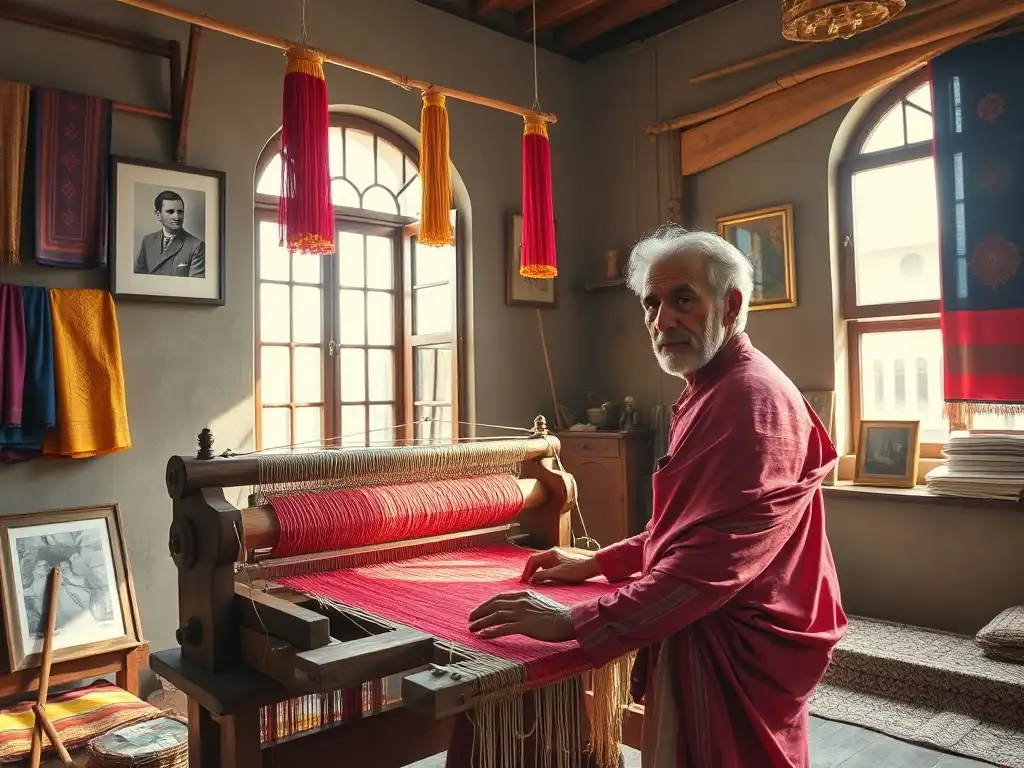
Welcome to Ancient India History, where we embark on a fascinating journey through time to uncover the rich tapestry of India's past. Our exploration today focuses on the evolution of Indian silk weaving techniques, a craft that has not only adorned the garments of royalty but also tells the story of innovation and cultural exchange.
As we delve into the intricate patterns and historical significance of silk weaving, prepare to be captivated by the artistry and heritage that shaped the fashion landscape of ancient civilizations. Join us as we unravel the threads of history and discover the enduring legacy of ancient Indian silk weaving.
-
The Evolution of Ancient Indian Silk Weaving Techniques Through the Ages
- Introduction to Ancient Indian Silk Weaving History
- Historical Background of Silk Weaving in India
- Regional Variations in Indian Silk Weaving Techniques
- The Impact of Cultural Exchanges on Silk Weaving Techniques
- Modern Perspectives on Ancient Indian Silk Weaving
- Buying Guide for Authentic Indian Silk
- Conclusion: Celebrating the Rich Heritage of Ancient Indian Silk Weaving
- Additional Resources for Exploring Ancient Indian Silk Weaving
-
Frequently Asked Questions
- What is the significance of ancient Indian silk weaving history?
- Which civilizations contributed to the development of silk weaving in India?
- How did trade impact the evolution of silk weaving in ancient India?
- What are some traditional silk weaving techniques from ancient India?
- How did the social and economic aspects influence silk weaving in ancient India?
- Final Reflection: The Timeless Legacy of Ancient Indian Silk Weaving
- Unveil the Richness of Indian Silk Weaving Today!
The Evolution of Ancient Indian Silk Weaving Techniques Through the Ages
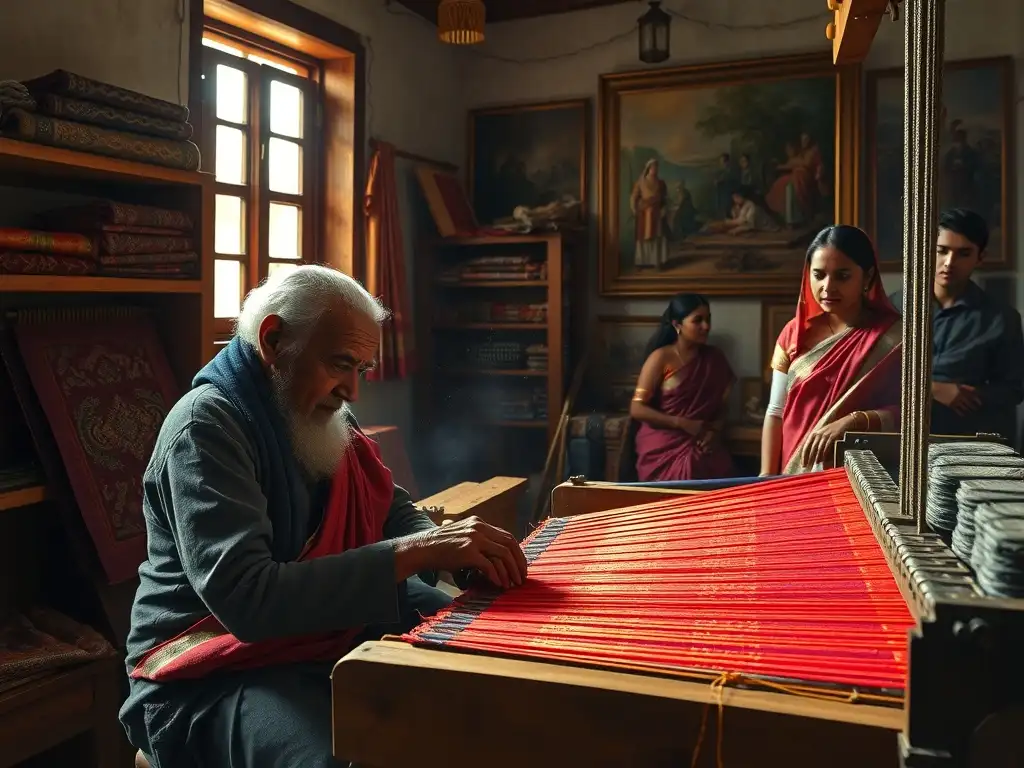
Introduction to Ancient Indian Silk Weaving History
The art of silk weaving in India is a time-honored tradition that has flourished for centuries, deeply interwoven with the country's rich cultural heritage. From the delicate fabrics of the Indus Valley civilization to the luxurious silks produced during the Gupta Empire, the evolution of ancient Indian silk weaving techniques reflects not only advancements in craftsmanship but also the socio-economic dynamics of the time.
This journey through time showcases how various civilizations contributed to the refinement and diversity of weaving practices, ultimately establishing India as a prominent hub for silk production and trade. Understanding this fascinating history is essential for anyone interested in the authenticity and significance of Indian silk, especially for those looking to buy authentic pieces today.
Historical Background of Silk Weaving in India
Silk weaving in India can be traced back to ancient times. The intricate methods and patterns developed over the years reveal a wealth of knowledge passed down through generations.
The Indus Valley Civilization: The Birth of Weaving Techniques
The roots of silk weaving in India can be found in the Indus Valley Civilization, which flourished around 2500 BCE. Archaeological findings in sites like Harappa and Mohenjo-Daro indicate that the inhabitants possessed advanced weaving techniques. They utilized cotton and possibly silk, as evidence suggests the presence of silk fibers in the region. The techniques employed included:
- Loom Weaving: The use of horizontal looms, which allowed for the creation of intricate patterns.
- Natural Dyes: The application of locally sourced dyes from plants and minerals, leading to vibrant colors in textiles.
- Artistry and Design: The early weavers displayed remarkable skill in creating complex designs that often had symbolic meanings.
The craftsmanship of the Indus Valley weavers laid the foundation for future silk weaving traditions in India.
The Maurya and Gupta Empires: Advancements in Techniques
As India transitioned into the Maurya and Gupta Empires (approximately 322 BCE to 550 CE), silk weaving experienced significant advancements. The Mauryan period saw the establishment of a centralized economy, which facilitated trade and industry. This era introduced several innovations:
- Introduction of Sericulture: The cultivation of silkworms became prevalent, which enhanced the quality and availability of silk.
- Regional Specialization: Different regions began to specialize in unique weaving techniques and styles, leading to a rich tapestry of silk varieties like Banarasi, Kanjivaram, and more.
- Trade Expansion: The Silk Route played a crucial role in promoting Indian silk beyond its borders, establishing it as a coveted commodity in markets far and wide.
This period marked a golden age for silk weaving, where the techniques developed not only displayed artistic excellence but also contributed to the socio-economic fabric of ancient Indian society.
Regional Variations in Indian Silk Weaving Techniques
The rich tapestry of ancient Indian silk weaving history is characterized by profound regional variations, each reflecting the unique cultural influences, resources, and traditions of its area. From the intricate patterns of Varanasi to the vibrant hues of Kanchipuram, the diversity of silk weaving techniques across India showcases the artistic legacy and craftsmanship that have evolved over centuries. These regional styles not only highlight the artisans' skills but also provide insight into the social and economic contexts that shaped them.
Varanasi Silk Weaving: A Timeless Tradition
Varanasi, often referred to as Benares, is one of the oldest living cities in the world and a celebrated hub for silk weaving. The Varanasi silk sarees, known for their opulent designs and vibrant colors, are distinguished by intricate brocade work (known as "zari") that often features motifs inspired by nature, mythology, and religious symbolism.
The weaving technique involves the use of a handloom, where skilled artisans meticulously craft each piece over several weeks. The silk used is typically sourced from the finest silkworms, yielding a soft and luxurious fabric. Varanasi silk weaving has been passed down through generations, making it a vital part of the region's cultural heritage. The continuous adaptation of designs and patterns ensures that while the tradition remains rooted in history, it also embraces contemporary aesthetics.
Kanchipuram Silk: The South Indian Legacy
Kanchipuram, located in Tamil Nadu, is renowned for producing some of the most exquisite silk sarees in India. The hallmark of Kanchipuram silk is its durability and lustrous finish, achieved through a unique weaving technique that employs a combination of traditional handlooms and rich, vibrant colors.
Artisans in Kanchipuram often weave elaborate motifs, including checks, stripes, and floral patterns, along with the signature "pallu" or border that is richly embellished. The weaving process can take several days to weeks, depending on the complexity of the design. Kanchipuram silk sarees are traditionally worn during significant occasions and rituals, symbolizing wealth and status. The legacy of Kanchipuram silk weaving continues to thrive, with ongoing support for artisans through various initiatives aimed at preserving this ancient craft.
Assam Muga: The Golden Silk of India
Assam is home to the unique Muga silk, which is known for its natural golden hue and exceptional durability. The silk is produced from the cocoons of the Antheraea assama moth, indigenous to the region. Muga silk weaving techniques have been refined over centuries, resulting in a fabric that is not only aesthetically pleasing but also holds cultural significance among the Assamese people.
The weaving process is intricate and involves using traditional handlooms, where artisans create various patterns and textures that embody the rich heritage of Assam. Muga silk is often used in traditional attire, such as Mekhela Chador, and is prized for its ability to withstand wear and tear, making it a sustainable choice for garments. The promotion of Muga silk weaving has gained momentum in recent years, highlighting the importance of preserving this ancient craft while fostering economic development for local artisans.
The Impact of Cultural Exchanges on Silk Weaving Techniques
Cultural exchanges have played a significant role in shaping the techniques and styles of silk weaving in ancient India. These exchanges, driven by trade routes and historical interactions, facilitated the sharing of knowledge, materials, and artistic ideas that enriched the tapestry of Indian textile traditions.
Influence of Trade Routes: Silk Road and Beyond
The Silk Road, a network of trade routes connecting India with Central Asia, the Middle East, and beyond, was instrumental in the dissemination of silk weaving techniques. Merchants and artisans exchanged not only goods but also ideas and craftsmanship, leading to the fusion of styles and techniques across regions.
As Indian silk became highly sought after in foreign markets, the demand encouraged local weavers to innovate and adapt their methods. This interaction introduced new materials, dyes, and patterns, allowing Indian silk weaving to evolve while retaining its distinctive character. The influence of these trade routes can still be seen in the diverse patterns and motifs that feature in contemporary Indian silk textiles.
Colonial Era: Challenges and Transformations
The colonial era brought about significant challenges and transformations in the ancient Indian silk weaving industry. British colonial policies often disrupted traditional weaving practices, leading to a decline in the demand for handwoven silk. The introduction of mechanized textiles and synthetic fabrics further challenged the survival of local crafts.
However, this period also sparked a renaissance in silk weaving, as artisans sought to revive traditional techniques and adapt to changing market dynamics. Movements promoting handloom products gained traction, emphasizing the importance of supporting local artisans and preserving the art of silk weaving. The resilience of India's silk weaving community in the face of adversity has led to a renewed appreciation for authentic, handcrafted textiles, ensuring that the legacy of ancient Indian silk weaving continues to thrive in modern times.
Modern Perspectives on Ancient Indian Silk Weaving
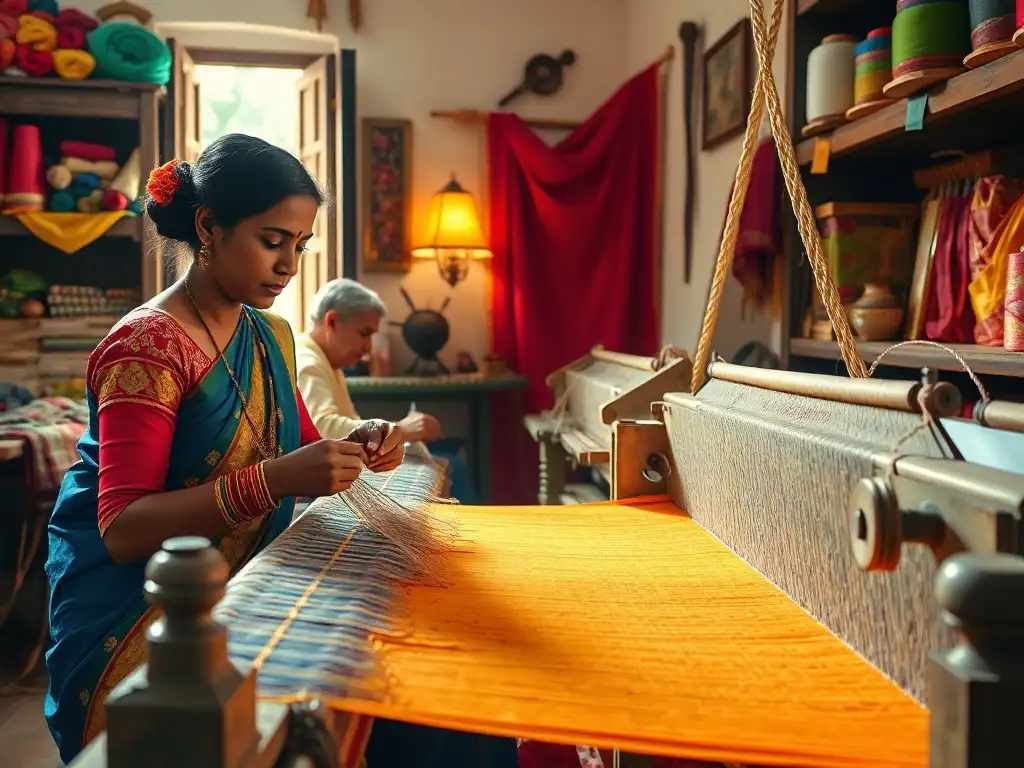
In contemporary times, the legacy of ancient Indian silk weaving is celebrated and preserved through various artisanal practices. The skills and techniques that have evolved over centuries are now being integrated into modern fashion, creating a bridge between the past and present. Designers increasingly draw inspiration from traditional motifs and weaving methods, ensuring that the rich history of Indian silk remains relevant in today’s market. This revival not only honors the craftsmanship of ancient weavers but also supports local artisans and communities, fostering a sustainable fashion ecosystem.
The appreciation for authentic Indian silk has grown globally, with consumers becoming more conscious of the origins and production methods of the textiles they purchase. Social media and digital platforms have played a significant role in showcasing the beauty and intricacy of Indian silk, allowing artisans to reach a wider audience. This modern perspective elevates ancient practices into contemporary relevance, ensuring their survival and continued evolution.
Contemporary Weaving Techniques: Blending Tradition with Innovation
Today, many weavers are experimenting with hybrid techniques that combine traditional handloom methods with modern technologies. For example, the use of digital printing alongside traditional weaving allows for intricate designs that were previously unattainable. This fusion not only enhances the aesthetic appeal of the silk products but also increases their accessibility and affordability.
Moreover, some artisans are incorporating sustainable practices into their weaving processes. Natural dyes and eco-friendly materials are increasingly being used, reflecting a growing awareness of environmental impacts within the textile industry. This adaptation to contemporary demands while maintaining the essence of ancient techniques exemplifies how Indian silk weaving is evolving.
The incorporation of modern design sensibilities has also opened up new markets for silk products. Contemporary fashion shows often feature Indian silk garments that cater to global trends, highlighting the versatility of this ancient fabric. By blending tradition with innovation, the future of Indian silk weaving looks promising, ensuring that it remains a vital part of the textile landscape.
Importance of Authenticity: How to Identify Genuine Indian Silk
Identifying genuine Indian silk is crucial for consumers who wish to respect the rich heritage and craftsmanship that goes into silk production. Authentic silk is known for its luxurious feel, natural sheen, and durability. Here are several key indicators to help distinguish genuine silk from synthetic alternatives:
- Burn Test: Genuine silk burns slowly, producing a smell similar to burnt hair, while synthetic fibers tend to melt and emit a chemical odor.
- Touch and Feel: Authentic silk has a unique softness and smoothness that synthetic fabrics cannot replicate. When you run your fingers across the fabric, it should feel cool and luxurious.
- Weight: Real silk tends to have a heavier drape compared to synthetic fabrics, which can feel lighter and more flimsy.
- Luster and Shine: Genuine silk has a natural luster that reflects light beautifully. If the fabric appears overly shiny or glossy, it may be a synthetic blend.
- Labeling: Always check for certifications or labels that indicate the fabric's authenticity. Look for terms like "pure silk," "mulberry silk," or specific regional names associated with traditional weaving.
Understanding these characteristics can empower consumers to make informed purchases and support the artisans who produce authentic Indian silk.
Buying Guide for Authentic Indian Silk
Purchasing authentic Indian silk requires careful consideration to ensure that you are investing in quality products that honor the tradition of silk weaving. Here are some essential guidelines to follow:
Essential Tips for Purchasing Ancient Indian Silk Products
- Research the Source: Familiarize yourself with reputable sellers and brands known for their commitment to authentic Indian silk. Look for those that source directly from artisans or cooperatives.
- Ask Questions: Engage with the seller about the origin of the silk, the weaving techniques used, and the artisans involved in the production. Knowledgeable sellers can provide valuable insights.
- Inspect the Fabric: Always feel the fabric before purchasing. Look for the qualities mentioned earlier, such as smoothness, weight, and luster.
- Check for Authenticity Labels: Seek products with labels or certifications that guarantee the silk's authenticity, such as the "Silk Mark" in India.
- Consider the Design and Craftsmanship: Examine the intricacy of the designs and the quality of the weaving. Handwoven silk often features unique patterns and details that showcase the artisan's skill.
By following these tips, you can ensure that your investment in Indian silk supports traditional craftsmanship and offers you a timeless piece of heritage.
Best Practices for Maintaining Silk Fabrics
Caring for silk fabrics is essential to preserve their beauty and longevity. Here are some best practices for maintaining your authentic Indian silk products:
- Washing: Hand wash silk items in cold water using mild detergent. Avoid agitating the fabric too much to prevent damage. If machine washing is necessary, use a delicate cycle and place the silk in a mesh bag to protect it.
- Drying: Air dry silk items away from direct sunlight to prevent fading. Do not wring or twist the fabric; instead, gently press out excess water and lay it flat on a clean towel.
- Ironing: Use a low heat setting on your iron and place a thin cloth between the silk and the iron to avoid scorching. Steaming is also a gentle way to remove wrinkles without direct heat.
- Storage: Store silk items in a cool, dry place, preferably in breathable fabric bags to protect them from dust and moisture. Avoid hanging silk garments for long periods, as this can cause stretching.
- Avoiding Chemicals: Keep silk away from harsh chemicals, perfumes, or cleaning agents that can damage the fibers.
By following these maintenance practices, you can enjoy the luxurious qualities of your silk fabrics for years to come, preserving their rich history and beauty.
Conclusion: Celebrating the Rich Heritage of Ancient Indian Silk Weaving
The journey of ancient Indian silk weaving is not merely a tale of fabric but a vibrant narrative that encapsulates the evolution of craftsmanship, artistry, and cultural identity. From the intricate patterns of the Indus Valley to the sophisticated techniques developed during the Gupta Empire, silk weaving has played a pivotal role in shaping the socio-economic landscape of India. The rich heritage of this craft reflects not only the skills of artisans but also the interplay of cultural influences that have traversed time and geography.
As we celebrate this legacy, it is crucial to acknowledge the artisans who have preserved these techniques through generations. Their dedication and creativity continue to breathe life into traditional practices, ensuring that the art of silk weaving remains relevant in contemporary times. By embracing this heritage, we not only honor the past but also support sustainable practices that empower communities and promote cultural diversity.
Furthermore, the global appreciation for Indian silk has elevated its status, making it a symbol of luxury and elegance. As consumers, understanding the history and significance of ancient Indian silk weaving can enhance our connection to the garments we wear, allowing us to appreciate the stories woven into each thread.
Additional Resources for Exploring Ancient Indian Silk Weaving
For those interested in delving deeper into the fascinating world of ancient Indian silk weaving, a variety of resources are available. Here are some recommended avenues to explore:
- Books:
- Silk Weaving in India: A Historical Perspective by [Author Name] - This book provides an in-depth look at the historical development of silk weaving techniques and their cultural significance.
- The Art of Indian Textiles by [Author Name] - A comprehensive exploration of textile art in India, focusing on various weaving traditions, including silk.
- Documentaries:
- Threads of Heritage - A documentary showcasing the lives of silk weavers in India, highlighting their skills and the intricate processes involved in silk production.
- The Silk Route and Indian Weaving - This film explores the historical connections between the Silk Route and Indian weaving techniques, illustrating the exchange of ideas and materials.
- Online Courses:
- Platforms like Coursera and Udemy offer courses on textile design and traditional Indian weaving techniques, providing practical insights into the craft.
- Museums and Exhibitions:
- The National Handicrafts and Handlooms Museum, New Delhi, features exhibits on traditional Indian textiles, including silk weaving.
- Local textile exhibitions often showcase the work of contemporary weavers and provide a glimpse into the ongoing legacy of this ancient craft.
Engaging with these resources can offer a richer understanding of ancient Indian silk weaving history and inspire a deeper appreciation for this exquisite art form.
Frequently Asked Questions
What is the significance of ancient Indian silk weaving history?
The ancient Indian silk weaving history reflects the cultural richness and artistic expression of civilizations, showcasing how techniques have evolved and influenced trade.
Which civilizations contributed to the development of silk weaving in India?
The Indus Valley Civilization, along with the Maurya and Gupta Empires, played pivotal roles in establishing and advancing silk weaving techniques throughout ancient India.
How did trade impact the evolution of silk weaving in ancient India?
Trade, especially along the Silk Route, facilitated the exchange of weaving techniques and materials, significantly enhancing the quality and variety of Indian silk textiles.
What are some traditional silk weaving techniques from ancient India?
Traditional techniques include jamdani, khadi, and brocade, each showcasing intricate patterns and craftsmanship that have been passed down through generations.
The social status associated with silk textiles and the economic demand from both local and international markets shaped the development of weaving methods and the overall silk industry in ancient India.
Final Reflection: The Timeless Legacy of Ancient Indian Silk Weaving
The evolution of ancient Indian silk weaving techniques is not just a historical narrative; it is a vibrant tapestry that continues to influence contemporary craftsmanship and cultural identity. As we explore the intricate patterns and methods that have been passed down through generations, we realize that these techniques are more than mere skills; they are a testament to the resilience and creativity of artisans who have woven their stories into every thread.
The relevance of this rich heritage is palpable today, as we witness a resurgence of interest in traditional crafts and sustainable practices in a world increasingly dominated by fast fashion.
Cultural heritage is a living entity, constantly evolving yet deeply rooted in its origins. The impact of ancient Indian silk weaving is felt not only in the textile industry but also in the broader social landscape, where it fosters community, preserves traditions, and inspires innovation.
As we reflect on this journey, we are reminded of the words of Mahatma Gandhi: > “The best way to find yourself is to lose yourself in the service of others.” This sentiment resonates profoundly within the context of silk weaving, where artisans dedicate their lives to their craft, ensuring that their skills and stories endure through time.
As we conclude this exploration of ancient Indian silk weaving history, I invite you to reflect on how these age-old techniques can inspire your own life and work. Consider the stories behind the fabrics you encounter and the artisans who create them. Let this knowledge motivate you to appreciate craftsmanship in all its forms and perhaps even to support sustainable practices that honor tradition while fostering innovation. By embracing the lessons of the past, we can weave a future that respects our heritage and celebrates the artistry that connects us all.
Unveil the Richness of Indian Silk Weaving Today!
Thank you for joining us on this journey through the fascinating evolution of Indian silk weaving techniques! We hope you gained valuable insights into the craftsmanship and heritage that make this art form truly unique.
Now, it's time to take action and immerse yourself even further in the world of Indian textiles. Here are a few engaging steps you can take:
- Explore local markets: Visit a nearby textile market to experience the beauty of silk firsthand. Take your time to talk to artisans and learn about their techniques.
- Attend a weaving workshop: Sign up for a workshop to try your hand at silk weaving. You'll gain a deeper appreciation for the skill and artistry involved.
- Share your findings: Spread the word! Share this article with friends or on social media to inspire others to appreciate the heritage of silk weaving.
What aspects of Indian silk weaving resonate most with you, and how might you integrate this rich tradition into your daily life?