
Historical Battles of Ancient India: Lessons Learned from the Field

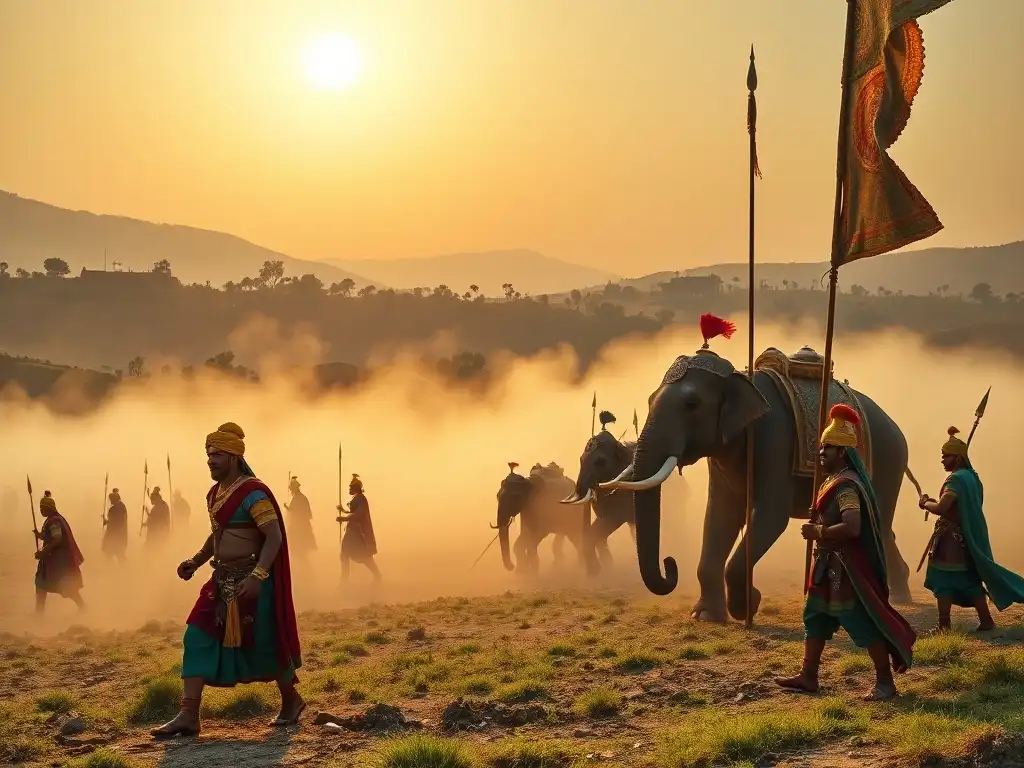
Welcome to Ancient India History, where we embark on a captivating journey through the rich tapestry of India's past. Delve into the historical battles of Ancient India as we uncover profound insights and lessons learned from the battlefield. From the strategic prowess of the Indus Valley warriors to the valiant efforts during the Gupta Empire, each tale offers a glimpse into the military ingenuity that shaped civilizations. Ready to explore the epic clashes that defined an era? Join us as we unravel the stories behind these remarkable encounters and their enduring impact on history.
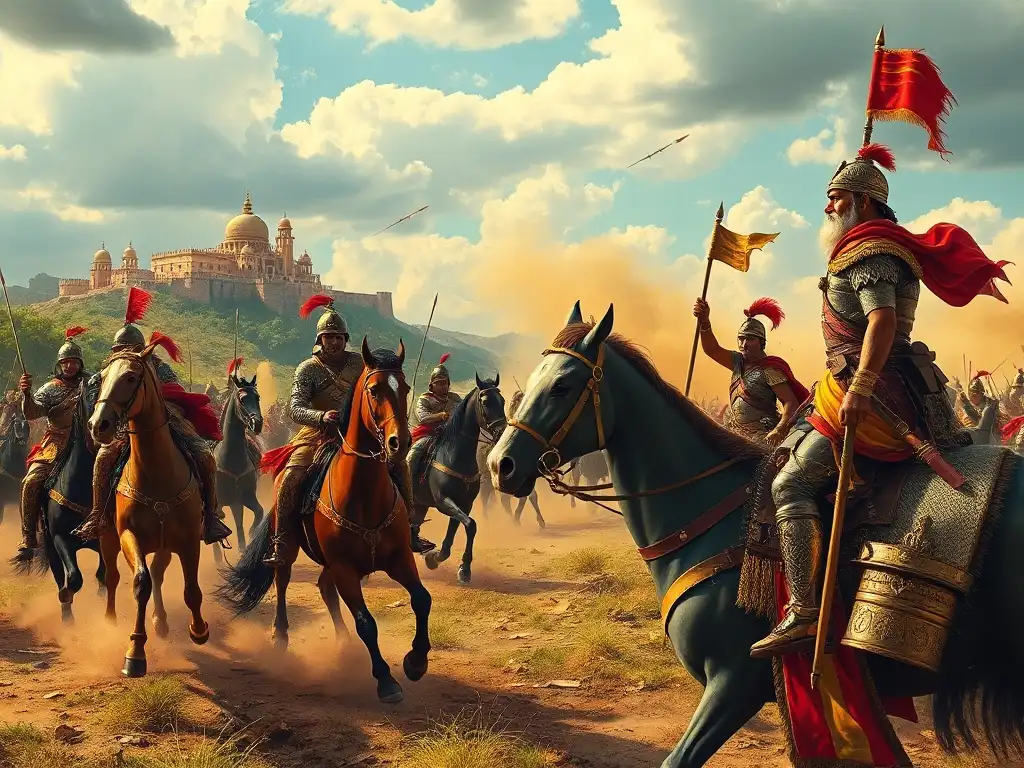
Introduction to Ancient India Historical Battles Insights
The history of ancient India is replete with notable battles that shaped the subcontinent's political landscape and cultural evolution. From the strategic brilliance displayed in the battlefield to the profound lessons learned from conflicts, these historical encounters offer invaluable insights into Ancient India historical battles insights.
Understanding these battles not only highlights the military prowess of ancient Indian civilizations but also reveals the socio-political dynamics of the time, showcasing how warfare influenced governance, alliances, and societal structures. As we delve into this exploration, we will uncover the intricacies of ancient Indian warfare, the significance of studying these battles, and the lessons that still resonate today.
Overview of Ancient Indian Warfare
Ancient Indian warfare was characterized by a combination of strategy, valor, and the use of innovative technologies. Key elements included:
- Formation and Strategy: Armies were often organized into formations, with commanders employing tactics that could adapt to the changing dynamics of battle.
- Weaponry: A variety of weapons were used, from bows and arrows to swords and shields, reflecting the craftsmanship and technological advancements of the time.
- Cavalry and Elephants: The inclusion of cavalry units and war elephants played a crucial role, providing mobility and psychological impact on the battlefield.
The study of these aspects reveals how military strategies evolved over centuries, influenced by both indigenous practices and external encounters.
Importance of Studying Historical Battles
Examining historical battles is crucial for several reasons:
- Understanding Political Power: Battles were often decisive in determining the rise and fall of empires, influencing territorial control and governance.
- Cultural Exchange: Warfare facilitated cultural interactions through conquests, leading to the exchange of ideas, traditions, and technologies.
- Lessons in Leadership: Analyzing the tactics and decisions of ancient leaders provides contemporary leaders with insights into effective decision-making and crisis management.
By studying these historical battles, we gain a deeper appreciation of the complexities of ancient Indian society and its enduring legacy.
Major Historical Battles of Ancient India
Throughout ancient Indian history, several battles stand out due to their impact and significance. Below, we explore some of the most pivotal confrontations that not only altered the course of history but also imparted critical lessons on warfare and governance.
The Battle of the Ten Kings
One of the earliest recorded battles in ancient Indian history, the Battle of the Ten Kings (Dasarajna), took place around 1500 BCE. This conflict involved a coalition of ten tribes against the Vedic king, Sudas of the Bharatas. The battle is significant for its demonstration of:
- Coalition Warfare: It illustrated the challenges and strategies involved in alliances, highlighting the complexities of tribal politics.
- Victory Through Strategy: Sudas's victory was attributed to superior tactics and the effective use of terrain, showcasing the importance of strategic planning in warfare.
The Battle of Kurukshetra
The Battle of Kurukshetra, a central event in the Indian epic Mahabharata, is not only a tale of heroism but also a profound exploration of ethics and duty in warfare. This battle, fought between the Pandavas and Kauravas, emphasized:
- Moral Dilemmas: The conflict raised questions about righteousness and the moral implications of war, providing timeless lessons on ethics in leadership.
- Diverse Combat Techniques: The battle featured a range of combat styles and weapons, reflecting the advanced military technology of the time.
The Battle of Magadha
The Battle of Magadha was a crucial conflict in the establishment of the Magadha empire, which later became one of the most powerful empires in ancient India. Key insights include:
- Political Strategy: The battle demonstrated the significance of political alliances and the role of diplomacy before and after conflicts.
- Military Innovations: The use of infantry and cavalry tactics during this battle highlighted the evolving nature of warfare in ancient India.
The Battle of Kalinga
Fought in 261 BCE, the Battle of Kalinga marked a turning point in Indian history, particularly for Emperor Ashoka. The aftermath of this battle is notable for several reasons:
- Consequences of War: The immense loss of life led Ashoka to embrace Buddhism and adopt a policy of non-violence, illustrating the transformative power of conflict.
- Cultural Shift: The battle prompted a significant cultural shift in ancient India, emphasizing the importance of compassion and moral governance.
Through these battles, we gain not only insights into ancient military strategies but also lessons that continue to resonate in contemporary discussions about leadership, ethics, and the impact of conflict on society.
Key Weapons and Military Technology in Ancient India
The ancient Indian subcontinent was a cradle of military innovation, characterized by a variety of weapons and technologies that evolved over centuries. From the early Indus Valley Civilization to the later empires like the Mauryas and Guptas, the arsenal of ancient Indian warriors was diverse and sophisticated. The understanding of metallurgy, craftsmanship, and tactical deployment of these weapons played a crucial role in shaping the course of numerous historical battles.
Overview of Ancient Indian Weaponry
Ancient Indian weaponry comprised a wide range of arms, including swords, spears, bows, and arrows. The craftsmanship involved in creating these weapons was highly advanced, with blacksmiths employing techniques of metallurgy that allowed for the production of durable and effective tools for warfare.
- Swords and Daggers: Prominent among the weapons were various types of swords, such as the khanda and the scimitar. These were often crafted with intricate designs and were made from high-quality steel, sometimes referred to as wootz steel, known for its strength and sharpness.
- Archery: The bow and arrow were essential in ancient Indian warfare, with archers receiving extensive training. The longbow was particularly favored, and archers often played a pivotal role in initial skirmishes before close combat ensued.
- Polearms: Spears and other polearms were common in battle, allowing soldiers to engage enemies at a distance while maintaining a defensive posture.
Use of Chariots in Warfare
Chariots were a significant aspect of ancient Indian military technology, especially in the early periods of warfare. These two-wheeled vehicles were typically drawn by horses and manned by skilled warriors.
- Mobility and Speed: Chariots provided enhanced mobility on the battlefield, allowing for quick maneuvering. This speed was crucial during engagements, enabling rapid attacks and retreats.
- Tactical Advantages: In battles, chariots were often used for flanking maneuvers, creating chaos within enemy ranks. They could carry archers, who would shoot arrows from an elevated position, significantly increasing their range and effectiveness.
- Symbol of Status: Beyond their military utility, chariots also served as symbols of power and status among the elite classes in ancient Indian society.
Innovations in Infantry Tactics
The evolution of infantry tactics in ancient India marked a significant development in military strategy.
- Formation Strategies: Armies often employed different formations, such as the Phalanx, which maximized the effectiveness of their spearmen and swordsmen. This formation allowed for concentrated attacks while providing mutual protection.
- Training and Discipline: Soldiers were rigorously trained, focusing on discipline, coordination, and the use of various weapons. This rigorous preparation was essential for maintaining order during the chaos of battle.
- Use of Light Infantry: In addition to heavy infantry, light infantry units were utilized for skirmishing and rapid movements, allowing armies to adapt to various combat scenarios effectively.
The Role of Elephants in Battle
Elephants were a formidable presence on the battlefield in ancient India, serving both as war machines and symbols of power.
- Shock Troops: The sheer size and strength of war elephants could cause panic among enemy troops. They were often used to charge into the ranks of opposing forces, breaking formations and creating openings for infantry to exploit.
- Tactical Versatility: Elephants could be equipped with armor and weaponry, including howdahs (platforms) for archers or spearmen. This versatility allowed them to engage from a distance while also serving as a formidable force in close combat.
- Logistical Challenges: Despite their advantages, the use of elephants also posed logistical challenges, such as the need for extensive care and feeding. Their temperament could also be unpredictable, leading to potential disadvantages if not handled correctly.
Strategic Lessons from Ancient Indian Battles
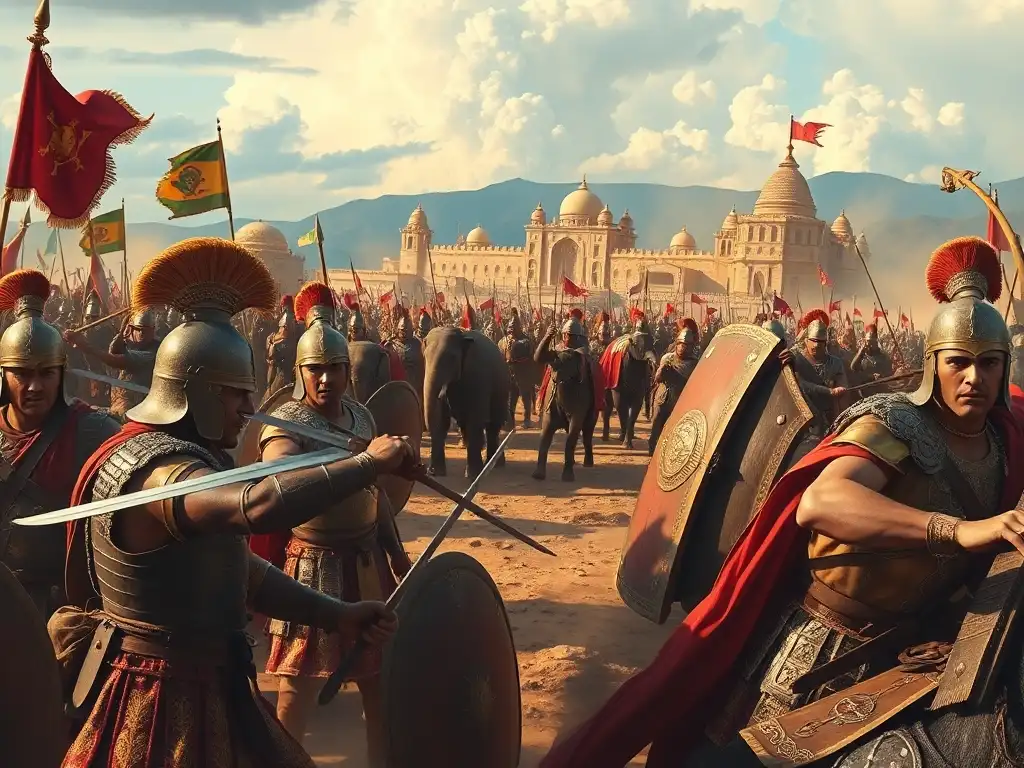
The historical battles of ancient India offer a wealth of strategic lessons that are relevant even in contemporary military discourse.
Importance of Terrain in Military Strategy
Terrain played a critical role in shaping the outcomes of battles throughout ancient Indian history.
- Natural Features: Commanders often leveraged natural features such as rivers, mountains, and forests to gain advantages over their opponents. For instance, controlling high ground provided better visibility and a strategic advantage during engagements.
- Adaptation to Environment: Successful leaders demonstrated the ability to adapt their tactics to the specific terrain, employing guerrilla warfare in wooded areas or utilizing fortifications in mountainous regions.
- Logistical Considerations: Understanding the terrain also influenced logistical planning, including the movement of troops and supply lines, which could be decisive in prolonged campaigns.
The Role of Alliances and Diplomacy
Alliances and diplomatic strategies were integral to the political and military landscape of ancient India.
- Coalitions: Forming coalitions with local rulers or clans often proved beneficial, enabling smaller forces to unite against larger armies. This unity could shift the balance of power significantly in favor of the allied forces.
- Negotiation and Treaties: Diplomacy was frequently employed to avoid conflict, with treaties and agreements used to establish peace or gain strategic advantages without resorting to warfare.
- Influence of Culture: Cultural ties often played a role in alliances, as shared religious or cultural backgrounds could facilitate cooperation among different kingdoms.
Psychological Warfare Tactics Used
Psychological warfare was a notable aspect of ancient Indian military strategy, aimed at undermining the morale of the enemy.
- Deception: Commanders often employed deceptive tactics, such as feigned retreats or misinformation, to lure enemies into traps or disarray.
- Displays of Power: Demonstrations of military might, including parades of troops and the showcasing of weapons, were used to intimidate opponents and bolster the morale of one's own forces.
- Cultural Symbolism: Utilizing religious and cultural symbols during warfare helped to rally troops and instill a sense of purpose, as soldiers fought not just for territorial gain but for their beliefs and communities.
Cultural Impact of Historical Battles in Ancient India
The historical battles of Ancient India not only shaped the political landscape but also had profound cultural impacts. These conflicts influenced various aspects of society, including literature, art, and social values. The reverberations of these battles can be seen in the narratives that have transcended generations, reflecting the ethos and struggles of ancient civilizations. Furthermore, the lessons learned from these battles continue to resonate, offering insights into the complexities of warfare and its implications on culture and society.
Influence on Literature and Epics
The battles fought in ancient India are deeply embedded in the fabric of its literature and epics. Works like the Mahabharata and Ramayana not only narrate the stories of heroism and valor but also serve as allegories for moral and ethical dilemmas faced by individuals and societies. The Kurukshetra war, for instance, is a central theme in the Mahabharata, portraying the clash between dharma (righteousness) and adharma (unrighteousness). These epics have inspired countless adaptations, poems, and performances, contributing to the rich literary tradition of India.
Moreover, historical accounts of battles, such as those by historians like Kautilya in the Arthashastra, provide insights into military strategies and philosophies that have influenced subsequent generations of leaders and thinkers. The intricate interplay of war narratives and moral lessons in literature reflects the values of ancient Indian society, emphasizing the importance of wisdom, strategy, and ethical conduct in warfare.
Reflection of Societal Values and Norms
Historical battles in Ancient India often mirrored the societal values and norms of the time. The motivations behind battles were not solely territorial but were also driven by concepts of honor, duty, and loyalty. For instance, the Rajput clans, known for their chivalry, engaged in battles that highlighted their commitment to honor and valor. The societal expectations of warriors, as depicted in various texts, emphasized the importance of bravery, sacrifice, and ethical conduct in battle.
Additionally, the way battles were fought and the outcomes influenced social hierarchy and caste dynamics. The valor of common soldiers in battles often led to shifts in societal roles, where bravery could elevate one's status, transcending traditional caste boundaries. This evolving perception of warfare and heroism showcases how battles served as a crucible for societal change, shaping norms and values across different periods.
Legacy of Military Leaders in Ancient Indian History
Military leaders in Ancient India left an indelible mark on history, shaping the course of battles and the fate of kingdoms. Figures such as Chandragupta Maurya and Ashoka the Great exemplify the duality of military prowess and governance. Chandragupta's conquests laid the foundation for the Maurya Empire, while Ashoka's reign is remembered for his transformation from a warrior king to a proponent of peace and non-violence after the Kalinga War.
The legacy of these leaders goes beyond mere victories; their strategies, diplomatic skills, and governance models have influenced military thought across ages. The narratives surrounding their battles and policies continue to inspire modern military leaders and strategists, offering valuable lessons in leadership, ethics, and the complexities of power.
Comparative Analysis of Ancient Indian Battles
The comparative analysis of ancient Indian battles reveals both the similarities and unique characteristics that distinguish these conflicts from those of other civilizations. By examining these battles, historians can glean insights into the military strategies and cultural contexts that shaped warfare in ancient times.
Similarities with Other Ancient Civilizations
Ancient Indian battles share several similarities with those fought in other ancient civilizations, such as Greece and Rome. Like their counterparts, Indian warriors employed a mix of infantry, cavalry, and chariots, adapting tactics based on the terrain and the enemy's strengths. The use of war elephants, a signature of Indian warfare, can be compared to the use of cavalry in other cultures, showcasing the tactical importance of diverse military assets.
Moreover, the ideologies surrounding warfare, including the concepts of just war and honor, resonate across various ancient societies. The ethical considerations in battles, as seen in the principles of dharma in India, parallel the philosophical debates in Greek and Roman texts regarding the morality of war. This commonality reflects a shared human experience in grappling with the complexities of conflict.
Unique Strategies of Ancient Indian Warfare
Ancient Indian warfare was characterized by unique strategies that set it apart from other civilizations. One notable aspect was the emphasis on guerrilla tactics and deception. Leaders like Shivaji Maharaj effectively utilized the geography of the Western Ghats to outmaneuver larger forces, demonstrating an understanding of terrain that was critical in ancient warfare.
Additionally, the integration of diverse weaponry, including bows, swords, and the innovative use of war elephants, showcased the ingenuity of Indian military technology. The emphasis on psychological warfare, such as creating fear through unexpected attacks or using illusions, further distinguished Indian strategies. These unique approaches to warfare not only ensured victories in specific battles but also contributed to the broader evolution of military tactics in the region.
The historical battles of ancient India offer rich insights into the cultural, societal, and military dimensions of its history. By exploring the cultural impacts, the reflections of societal values, and the unique strategies employed, we gain a comprehensive understanding of how these conflicts shaped the ancient Indian landscape.
Conclusion: What We Learn from Ancient India Historical Battles Insights
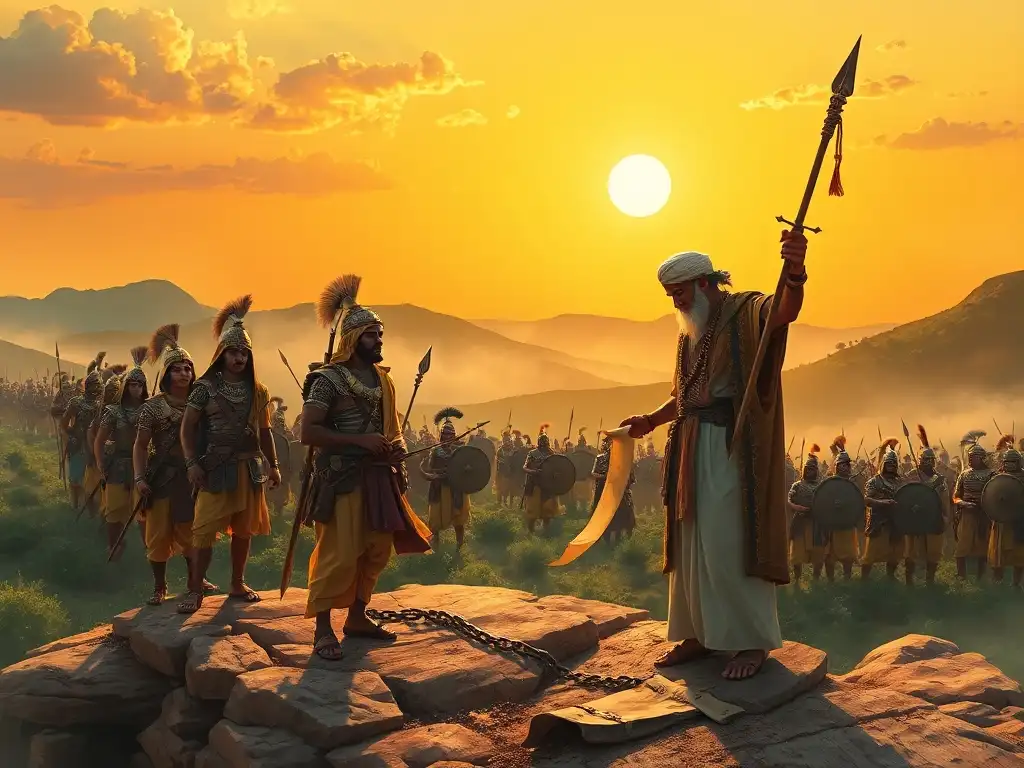
The historical battles of Ancient India provide invaluable insights into the strategies, tactics, and philosophies of warfare that have shaped military thought across centuries. From the sophisticated urban planning of the Indus Valley Civilization to the strategic prowess displayed during the battles of the Maurya and Gupta empires, these historical contexts offer a rich tapestry of lessons. Understanding these battles allows us to appreciate the complexities of ancient warfare, including the significance of logistics, intelligence, and the morale of troops.
Moreover, the principles derived from these conflicts go beyond mere military applications. They reflect the challenges of leadership, the importance of unity, and the consequences of hubris and overreach in governance. The battles fought in ancient India often had profound impacts on the sociopolitical landscape of the time, contributing to the rise and fall of empires and the shaping of cultural identities.
Application of Historical Lessons to Modern Warfare
Modern warfare can greatly benefit from the insights gained from ancient battles. The strategic concepts employed by ancient Indian commanders, such as guerrilla tactics, flanking maneuvers, and the use of terrain to one’s advantage, are still relevant today. For instance, the strategies used by Chandragupta Maurya against the Nanda dynasty reveal the effectiveness of unconventional warfare and the element of surprise.
Additionally, the importance of intelligence gathering, as seen in the meticulous planning of battles, emphasizes the need for modern military operations to prioritize reconnaissance and information warfare. The realization that morale and the psychological state of troops can influence outcomes is equally relevant; leaders today can draw on ancient philosophies that advocate for the welfare and motivation of soldiers.
Furthermore, the integration of diverse military technologies, as demonstrated by the use of war elephants and chariots in ancient Indian warfare, highlights the significance of adapting to evolving technologies and understanding their potential impact on the battlefield.
The Enduring Legacy of Ancient Indian Military Strategies
The military strategies developed and employed in ancient India have left an enduring legacy that continues to influence contemporary military thought. Texts such as the "Arthashastra" by Kautilya provide foundational principles on statecraft and warfare that are still studied in military academies worldwide. These texts emphasize the importance of strategic deception, alliances, and the use of espionage, principles that resonate in modern military doctrines.
Moreover, the emphasis on ethical warfare found in many ancient Indian texts advocates for a humane approach to conflict, promoting ideals such as respect for the enemy and the protection of non-combatants. This ethical dimension is increasingly relevant in today’s discussions about the laws of war and humanitarian considerations during armed conflict.
The tactical innovations and the adaptability displayed by ancient Indian warriors serve as a reminder of the dynamic nature of warfare. The ability to learn from defeats, adapt strategies, and innovate in response to changing circumstances is a timeless lesson that continues to shape military leaders throughout the world. As we reflect on these historical battles, we gain not only insights into the past but also a framework for understanding conflict in the present and future.
- Introduction to Ancient India Historical Battles Insights
- Major Historical Battles of Ancient India
- Key Weapons and Military Technology in Ancient India
- Strategic Lessons from Ancient Indian Battles
- Cultural Impact of Historical Battles in Ancient India
- Comparative Analysis of Ancient Indian Battles
- Conclusion: What We Learn from Ancient India Historical Battles Insights
- Application of Historical Lessons to Modern Warfare
- The Enduring Legacy of Ancient Indian Military Strategies
- What are some significant historical battles of Ancient India?
- How did battles influence the culture of Ancient India?
- What insights can we gain from the strategies used in these battles?
- How did the geography of Ancient India affect its battles?
- What role did religion and philosophy play in Ancient Indian battles?
Frequently Asked Questions
What are some significant historical battles of Ancient India?
Ancient India witnessed numerous significant battles, including the Battle of Kurukshetra from the Mahabharata and the Battle of Magadh. These battles shaped Indian history and culture, reflecting the complex socio-political landscape of the time.
How did battles influence the culture of Ancient India?
Battles often led to the rise and fall of empires, influencing cultural exchanges and the spread of ideas. The outcomes of these conflicts shaped the social structure, art, and philosophy of the respective eras.
What insights can we gain from the strategies used in these battles?
Studying the strategies employed in Ancient Indian battles provides valuable lessons in leadership, tactics, and diplomacy. These insights can be applied to modern contexts, such as business and conflict resolution.
How did the geography of Ancient India affect its battles?
The geography of Ancient India, with its diverse terrains, played a crucial role in determining battle strategies and outcomes. Factors like rivers, mountains, and climate influenced troop movements and logistics.
What role did religion and philosophy play in Ancient Indian battles?
Religion and philosophy were deeply intertwined with the motivations for war in Ancient India. Texts like the Bhagavad Gita provided moral frameworks, influencing leaders and warriors in their decisions during conflicts.
Final Reflection: Insights from Ancient India’s Historical Battles
The lessons drawn from the historical battles of Ancient India resonate profoundly in today’s world, emphasizing the timeless nature of strategy, resilience, and unity. As we navigate the complexities of modern conflicts—be they social, political, or personal—the insights gleaned from these ancient confrontations remind us that the essence of warfare extends beyond mere physical combat; it encompasses the very fabric of human experience and decision-making. The strategies employed by our ancestors still hold relevance, urging us to reflect on our own approaches to conflict resolution and collaboration.
The cultural and social landscape of India has been significantly shaped by these historical battles, influencing not only the course of history but also the values we uphold today. The narratives of courage, sacrifice, and tactical brilliance serve as a foundation for understanding our identity and heritage. As Mahatma Gandhi once said, ">The weak can never forgive.
Forgiveness is the attribute of the strong." This quote encapsulates the enduring spirit of resilience that has emerged from the ashes of conflict, reminding us that true strength lies in our ability to learn from the past and foster peace in the present.
As we conclude our exploration of these ancient battles, I invite you to reflect on the lessons they impart. Consider how the strategies and philosophies of the past can inform your own life, whether in personal challenges or broader societal issues. Embrace the opportunity to cultivate understanding and unity in your interactions, drawing inspiration from the rich tapestry of history that has shaped our world. Let us carry forward the insights of Ancient India’s historical battles, transforming them into actionable wisdom for a brighter, more harmonious future.
Unleash the Lessons of History and Take Action!
Thank you for exploring the rich tapestry of ancient battles with us! You’ve gleaned invaluable insights into strategy, resilience, and the courage that defined our history. Now, it's time to transform that knowledge into meaningful action.
Here’s how you can dive deeper and make history come alive:
- Start a Discussion: Gather friends or family to share your thoughts on the strategies used in these battles. **What lessons do you think are still relevant today? **
- Research Further: Choose a specific battle that intrigues you and investigate the events surrounding it. Create a mini-presentation or write about your findings to share with your community!
- Share Your Insights: Reflect on what you learned and share your favorite lessons from these historical battles on social media or in a blog post. **Inspire others with the wisdom of the past! **
What aspect of ancient battles resonates with you the most, and how can its lessons be applied to today's challenges?