
Discover the Secrets: How to Identify Authentic Indian Silk Fabrics

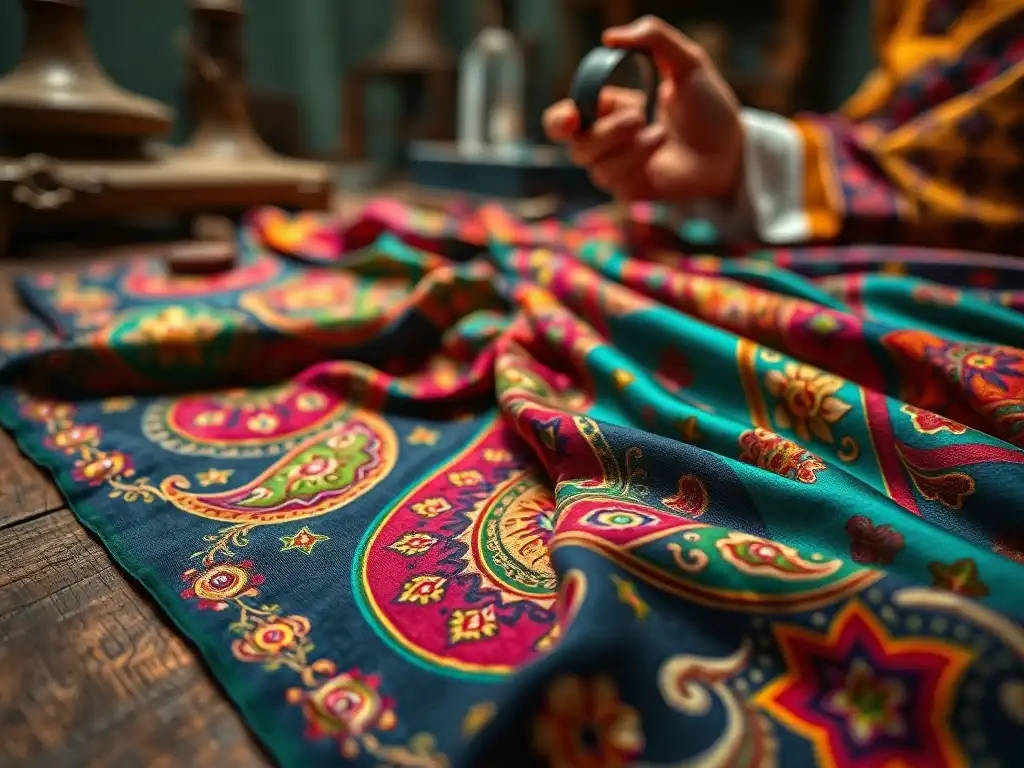
Welcome to Ancient India History, where we embark on a journey through the vibrant tapestry of India's past! Unearth the secrets of one of the world’s most exquisite traditions with our latest article, "Discover the Secrets: How to Identify Authentic Indian Silk Fabrics." As we delve into the rich heritage of Indian textiles, you'll uncover the distinctive characteristics that set genuine silk apart from the rest.
Join us in exploring the artistry and craftsmanship that have defined ancient Indian civilizations and their enduring legacy in the fashion world. Are you ready to unravel the mysteries of authentic Indian silk? Let’s begin!
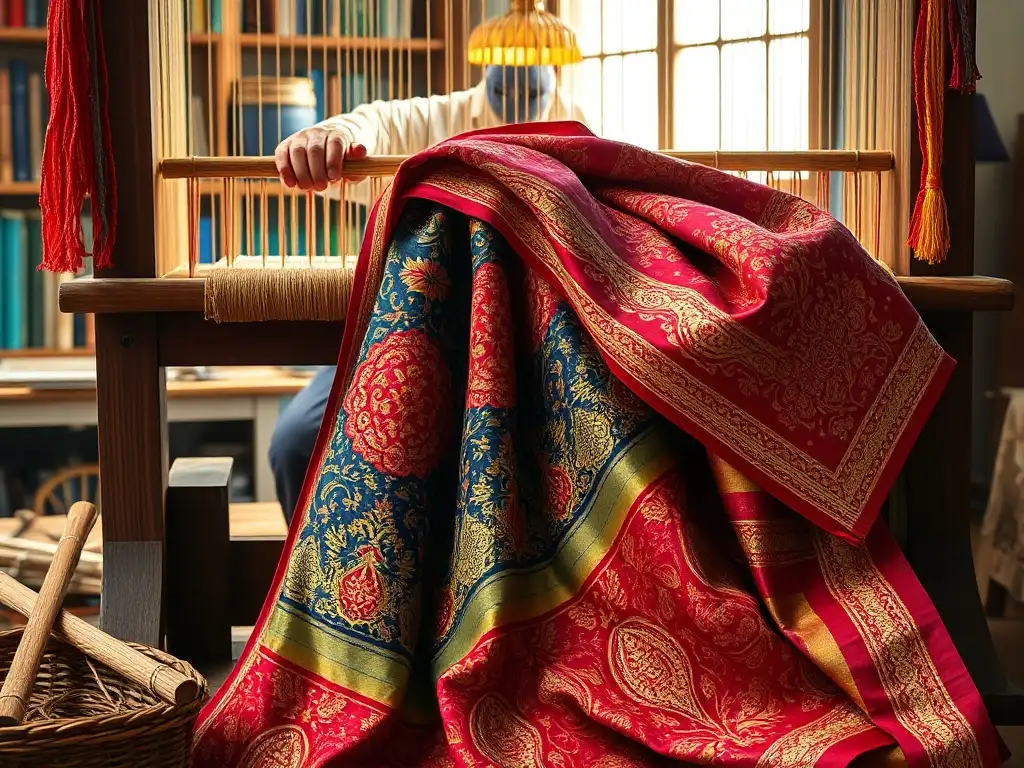
Introduction to Authentic Indian Silk Fabric Identification
When it comes to fashion and textiles, few materials hold as much allure and prestige as silk. Particularly, authentic Indian silk fabrics are celebrated for their exquisite craftsmanship, vibrant colors, and rich cultural significance. However, with the increasing popularity of silk, the market has seen a rise in counterfeit products, making it crucial for consumers to be equipped with the knowledge to identify genuine silk. This article serves as a comprehensive guide to help you navigate the world of Indian silk, ensuring that your purchases reflect the true artistry and heritage of this remarkable fabric.
Understanding the nuances of authentic Indian silk fabric identification involves not only recognizing the physical characteristics but also appreciating the traditions that underpin its creation. From the luster of the fibers to the intricacies of the weaving techniques, every detail plays a role in determining the quality of silk. By familiarizing yourself with these attributes, you can confidently discern between genuine and imitation silk, enhancing your shopping experience while celebrating the rich legacy of Indian textiles.
The Rich Heritage of Indian Silk
Indian silk has a storied history that dates back thousands of years, intertwining with the cultural and economic fabric of the subcontinent. The ancient Indus Valley Civilization is one of the earliest known producers of silk, showcasing the material's significance in trade and daily life. Over time, various regions in India became renowned for their unique silk production methods, each contributing to the diversity of styles and patterns that characterize Indian silk today.
Key Regions Known for Silk Production:
- Varanasi: Famous for its luxurious Banarasi silk sarees, often adorned with intricate zari work.
- Kanchipuram: Renowned for its vibrant Kanchipuram silk sarees, celebrated for their durability and rich colors.
- Mysore: Known for its soft and lustrous Mysore silk, often used in traditional garments.
- Bhagalpur: Recognized for its Tussar silk, which is prized for its natural gold sheen and earthy tones.
The weaving techniques employed in these regions reflect the rich cultural heritage and skilled craftsmanship passed down through generations. For instance, the art of ikat weaving, prevalent in states like Odisha and Gujarat, creates stunning patterns through a meticulous dyeing process before the threads are woven together. Each piece of silk fabric tells a story, embodying the traditions, artistry, and identities of the communities that produce them.
As you embark on your journey to identify authentic Indian silk fabrics, understanding this rich heritage will not only enhance your appreciation for the fabric but also empower you to make informed choices as a consumer.
Characteristics of Authentic Indian Silk Fabrics
Authentic Indian silk fabrics are renowned worldwide for their luxurious quality, intricate designs, and vibrant colors. Understanding the characteristics that distinguish genuine silk from synthetic alternatives is essential for anyone looking to invest in these exquisite textiles. Authentic Indian silk typically exhibits a smooth, lustrous surface that reflects light beautifully. It also possesses a unique drape, allowing the fabric to fall elegantly. Additionally, the colors of genuine silk are rich and vibrant, often enhanced through traditional dyeing techniques that have been perfected over centuries.
Understanding the Different Types of Indian Silk
India is home to several distinct varieties of silk, each with its unique characteristics and regional significance. The most notable types include:
- Mulberry Silk: Produced by silkworms that feed on mulberry leaves, this silk is known for its softness and sheen. It is the most commonly used silk in India.
- Tussar Silk: Derived from wild silkworms, Tussar silk has a natural golden hue and a slightly coarse texture. It is often used in traditional garments.
- Eri Silk: This type is produced from Eri silkworms and is known for its warmth and durability. It is less lustrous than other silks but is favored for its eco-friendly production.
- Muga Silk: Exclusive to Assam, Muga silk is characterized by its natural golden color and durability. It is often used in traditional garments and ceremonial attire.
Understanding these different types allows buyers to make informed choices based on their preferences and needs.
Visual Characteristics of Genuine Silk
When visually inspecting silk, certain features can help identify its authenticity:
- Luster: Genuine silk has a natural shine that gives it an elegant appearance. Synthetic fabrics often lack this depth and richness.
- Color Depth: Authentic Indian silk features vibrant, rich colors that are often achieved through natural dyes. Look for hues that seem to change slightly at different angles due to the fabric's sheen.
- Patterns: Traditional Indian silk often showcases intricate patterns and motifs, which can be either woven or printed. These designs are typically more detailed and vibrant compared to synthetic fabrics.
A careful examination of these visual attributes can provide a strong indication of the fabric's authenticity.
Texture and Feel of Authentic Silk
The texture of authentic silk is another critical indicator of its quality. Genuine silk feels smooth and luxurious against the skin, with a soft, flowing drape. When touched, it should feel cool and slightly slippery, unlike synthetic fabrics that may feel rough or sticky. Additionally, authentic silk has a certain weight to it, providing a sumptuous feel that enhances garments and textiles.
Techniques for Identifying Authentic Indian Silk
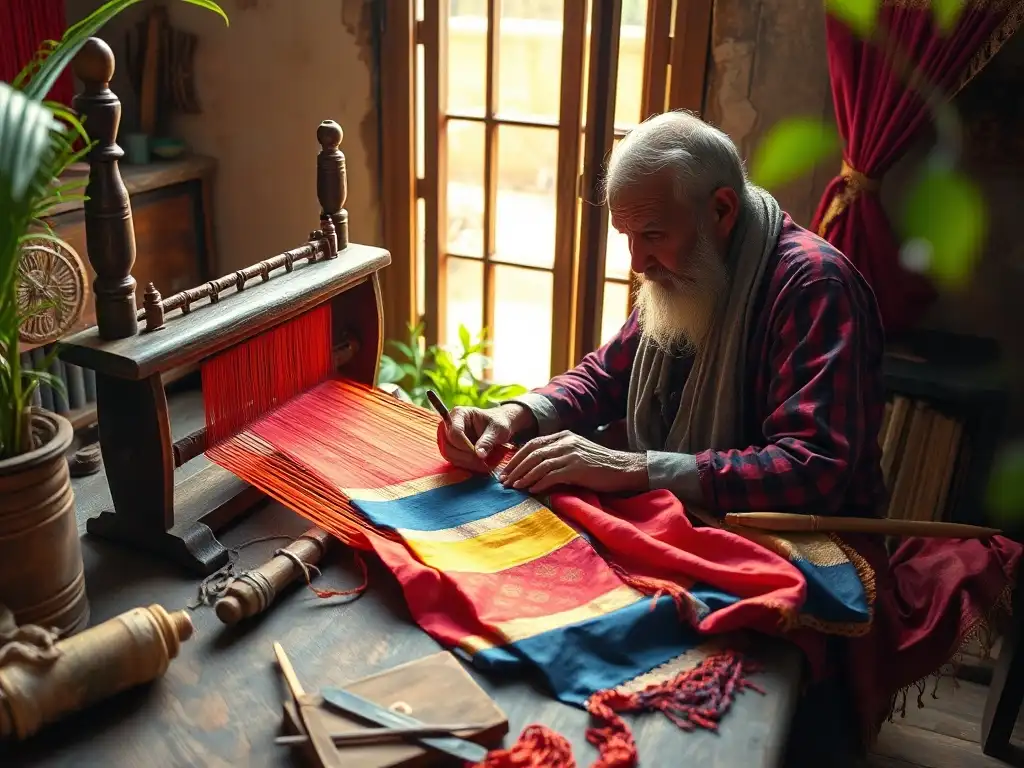
Identifying authentic Indian silk fabrics can be accomplished through several practical techniques. Here are some effective methods to ensure the silk you're considering is genuine.
Burn Test for Silk Fabric Identification
The burn test is a classic method for identifying silk. To perform this test:
- Cut a Small Sample: Remove a small thread or piece of the fabric.
- Burn the Sample: Hold the fabric over a flame. Genuine silk will burn slowly, producing a smell similar to burnt hair. The ash left behind will be brittle and can be easily crushed.
- Observe the Characteristics: If the fabric melts or produces a chemical smell, it is likely synthetic.
This test should be conducted with caution, as it involves fire.
Water Test for Authentic Silk Verification
The water test is a simple and effective way to check for silk authenticity:
- Drop Water on the Fabric: Place a small drop of water on the fabric's surface.
- Observe the Behavior: Genuine silk will absorb water slowly, while synthetic fabrics will repel it and form beads.
- Check for Stains: If the water leaves no marks or discoloration, it indicates the use of high-quality dyes, further supporting the silk's authenticity.
This test can easily be performed in a store or at home.
The Thread Count and Weave Method
Examining the thread count and weave can also help identify authentic Indian silk. Here's how to do it:
- Count the Threads: Genuine silk fabrics typically have a higher thread count, which contributes to their strength and quality. A count of 400 threads per square inch or more is often a good indicator.
- Evaluate the Weave: Authentic silk usually features a smooth and even weave. Check for any irregularities or inconsistencies, as these can indicate lower quality or synthetic materials.
By combining these observations with other identification methods, buyers can confidently determine the authenticity of Indian silk fabrics.
Common Myths About Indian Silk Fabrics
When it comes to identifying authentic Indian silk fabrics, several myths can cloud judgment and mislead consumers. Understanding these myths is crucial for anyone looking to invest in high-quality silk. Let’s debunk some of the most prevalent misconceptions to help you make informed decisions.
Debunking Myths Surrounding Silk Quality
One common myth is that all silk is of high quality. In reality, the quality of silk can vary significantly based on factors such as the type of silkworm, the rearing process, and the weaving techniques used. Authentic Indian silk, particularly varieties like Mulberry and Tussar, is known for its superior quality, but not all silk labeled as "Indian" meets these standards. It's essential to look for specific characteristics like a smooth texture, subtle sheen, and intricate patterns, which are hallmarks of genuine Indian silk.
Another prevalent myth suggests that silk is always expensive. While it's true that high-quality silk can be pricey, there are affordable options available, especially when buying directly from weavers or cooperative societies. Always consider the craftsmanship and source when assessing the price of silk, rather than assuming higher costs equate to better quality.
Misconceptions About Pricing and Authenticity
Many consumers believe that all silk fabrics originating from India are authentic, but this is not always the case. Some manufacturers produce synthetic blends that mimic the appearance of silk, leading to confusion. To identify authentic Indian silk fabric, one must examine the label closely. Authentic silk should be labeled as such, without any mention of synthetic fibers like polyester or nylon.
Additionally, it is a misconception that silk’s authenticity can be determined solely by its price. While genuine silk may cost more due to the labor-intensive processes involved in its production, price alone should not be the sole indicator of authenticity. Assessing the texture, drape, and finish of the fabric is equally important when determining quality.
Recommended Products for Identifying Authentic Indian Silk
To ensure you are purchasing genuine Indian silk, there are several tools and resources available. Here are some recommended products that can assist in the identification process:
Tools and Resources for Accurate Identification
- Burn Test Kit: A simple way to check the authenticity of silk is through a burn test. Real silk will burn slowly and produce a smell similar to burnt hair, while synthetic fabrics will melt and emit a different odor.
- Silk Tester: This portable device checks the fabric’s content by measuring its light reflection. It can provide a quick reading of whether or not the fabric is genuine silk.
- Magnifying Glass: Use a magnifying glass to inspect the weave and finish of the fabric. Authentic silk often has irregularities and nuances that synthetic versions lack.
- Fabric Sample Swatches: Request swatches from sellers to compare textures and finishes. This hands-on approach can help you discern the quality before making a purchase decision.
Where to Buy Authentic Indian Silk Fabrics
When looking to buy authentic Indian silk fabrics, it is crucial to choose reputable sources to ensure you get the real deal. Here are some recommended places to shop:
- Local Handloom Stores: Many cities in India have handloom stores that sell directly from weavers. This not only guarantees authenticity but also supports local artisans.
- Craft Fairs and Exhibitions: Visiting craft fairs and exhibitions can provide access to a variety of silk fabrics directly from the artisans. This is a great opportunity to learn about the fabric directly from the makers.
- Online Marketplaces: Websites that specialize in Indian textiles often have a range of authentic silk products. Look for sellers who provide detailed descriptions, certifications, and reviews.
- Cooperative Societies: Many regions have cooperatives that focus on traditional weaving techniques. Purchasing from these organizations ensures that the artisans receive fair compensation and that you receive quality silk.
By being aware of these myths and armed with the right tools and knowledge, you can confidently identify and purchase authentic Indian silk fabrics that reflect the rich textile heritage of India.
Conclusion: Embracing the Beauty of Authentic Indian Silk
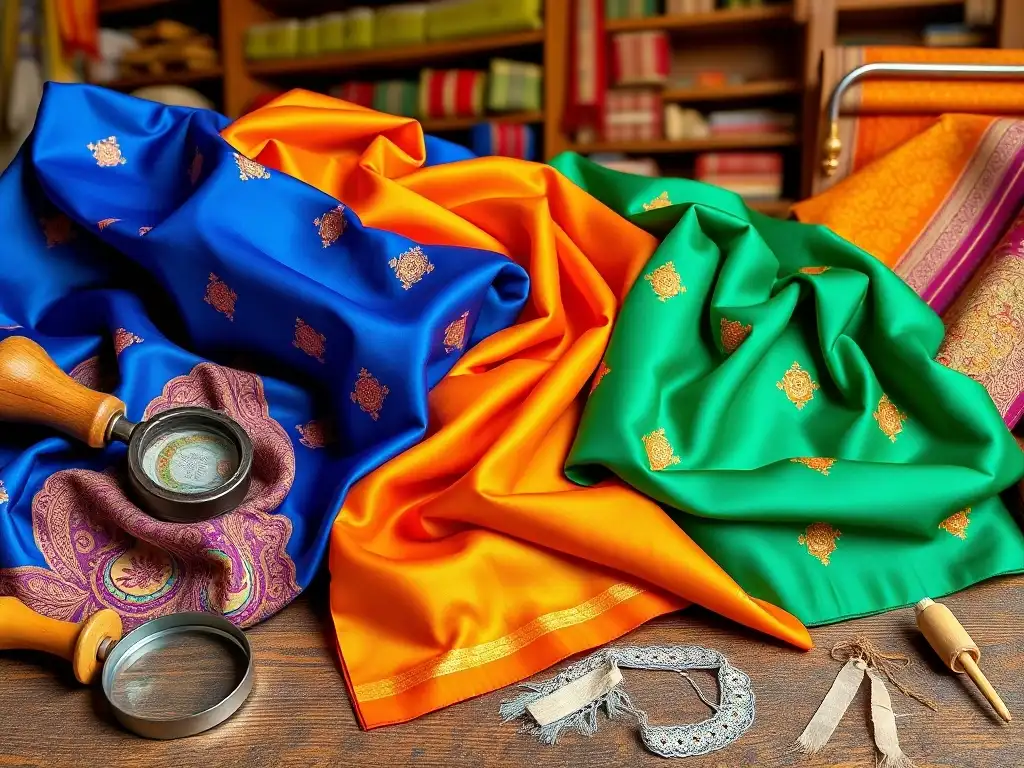
Authentic Indian silk fabrics are not just textiles; they represent centuries of craftsmanship, tradition, and cultural heritage. Each piece tells a story, reflecting the artistry and skill of the weavers who meticulously create them. By understanding how to identify genuine silk, you not only ensure the quality of your purchase but also honor the rich legacy of Indian silk weaving.
Embracing authentic Indian silk means appreciating the intricate patterns, vibrant colors, and luxurious textures that have made these fabrics a symbol of elegance and grace throughout history. Whether used for clothing, home decor, or special occasions, authentic Indian silk brings an unparalleled charm that enhances any setting.
Final Thoughts on Authentic Indian Silk Fabric Identification
Identifying authentic Indian silk fabric requires a keen eye and an understanding of the nuances that differentiate genuine silk from synthetic alternatives. By familiarizing yourself with the characteristics of authentic silk—such as its unique sheen, temperature-regulating properties, and the distinctive feel—you can make informed decisions when purchasing. Remember to consider factors like the origin, weaving techniques, and the presence of labels that affirm authenticity.
As you navigate the world of Indian silk, keep in mind that each purchase contributes to the preservation of traditional crafts and supports artisans who rely on this age-old industry. Your commitment to authenticity not only enhances your wardrobe but also plays a vital role in sustaining cultural heritage.
Call to Action
Now that you are equipped with the knowledge to identify authentic Indian silk fabrics, it’s time to explore the vibrant world of Indian textiles. Visit local artisan markets, engage with weavers, and seek out reputable sellers who prioritize quality and authenticity. Don't hesitate to ask questions about the sourcing and craftsmanship behind the fabrics you are interested in. By making conscious choices, you can enjoy the beauty of Indian silk while empowering the artisans who create these exquisite pieces. Start your journey today, and let the elegance of authentic Indian silk weave its magic into your life! 🌸
- Introduction to Authentic Indian Silk Fabric Identification
- The Rich Heritage of Indian Silk
- Characteristics of Authentic Indian Silk Fabrics
- Techniques for Identifying Authentic Indian Silk
- Common Myths About Indian Silk Fabrics
- Recommended Products for Identifying Authentic Indian Silk
- Conclusion: Embracing the Beauty of Authentic Indian Silk
- Final Thoughts on Authentic Indian Silk Fabric Identification
- Call to Action
- What are the main characteristics of authentic Indian silk fabric?
- How can I tell if a silk fabric is genuine or synthetic?
- Are there specific types of Indian silk fabrics to look for?
- Is there a way to verify the authenticity of silk when purchasing?
- Why is it important to identify authentic Indian silk fabrics?
Frequently Asked Questions
What are the main characteristics of authentic Indian silk fabric?
Authentic Indian silk fabrics are known for their luster, smooth texture, and vibrant colors. They often feature intricate weaving patterns and handcrafted designs that reflect the rich cultural heritage of India.
How can I tell if a silk fabric is genuine or synthetic?
To identify genuine silk, check for its natural sheen, soft feel, and burn test. When burned, authentic silk emits a burnt hair smell and leaves a hard residue, while synthetic silk will melt and smell like plastic.
Are there specific types of Indian silk fabrics to look for?
Yes, some popular types include Kanchipuram, Banarasi, and Mysore silk. Each type has its own distinct characteristics and traditional significance, making them unique choices for authentic silk.
Is there a way to verify the authenticity of silk when purchasing?
You can ask for certificates of authenticity or purchase from reputable sellers known for their silk products. Additionally, examining the weaving techniques and labels can help confirm authenticity.
Why is it important to identify authentic Indian silk fabrics?
Identifying authentic Indian silk is crucial for ensuring quality, cultural appreciation, and fair trade practices. Authentic silk supports traditional artisans and helps preserve India's rich textile heritage.
Final Reflection: Unraveling the Essence of Authentic Indian Silk
In a world where fast fashion often overshadows traditional craftsmanship, the quest for authentic Indian silk fabric identification remains more relevant than ever. As consumers become increasingly aware of the origins and quality of the products they purchase, understanding how to discern genuine silk from imitations is not just a matter of preference; it's a commitment to preserving cultural heritage. The beauty and intricacy of Indian silk fabrics tell stories of generations, making the knowledge of their authenticity a vital part of our modern consumer landscape.
The influence of authentic Indian silk extends beyond mere aesthetics; it is a reflection of our cultural identity and social responsibility. By embracing the art of identifying genuine silk, we not only honor the artisans who pour their heart and soul into their craft but also contribute to sustainable practices that protect our environment. As Mahatma Gandhi once said, “The true measure of any society can be found in how it treats its most vulnerable members.” This sentiment resonates deeply in the textile industry, where supporting authentic craftsmanship uplifts communities and preserves age-old traditions.
As you reflect on the insights shared in this article, I invite you to take action in your own life. Consider the impact of your choices on the world around you. Whether you’re shopping for silk or simply appreciating its beauty, remember that each piece carries a legacy. Let your journey toward identifying authentic Indian silk fabrics inspire you to seek quality over quantity, to value craftsmanship, and to become a conscious consumer who champions the stories woven into every thread.
Unveil the Charm of Authentic Indian Silk Today!
Thank you for diving into the enchanting world of Indian silk with us! We hope you gained invaluable insights on how to identify authentic silk fabrics, enriching your knowledge and appreciation for this beautiful heritage.
Now, it’s time to take your newfound understanding to the next level! Here are some actionable steps to connect more deeply with Indian silk:
- Explore local markets or online platforms that specialize in Indian textiles to hunt for genuine silk pieces—experience the texture and admire the artistry firsthand.
- Share your discoveries with friends or on social media; inspire others to appreciate the richness of Indian craftsmanship.
- Consider joining a textile enthusiast community or forum to discuss silk fabrics, where you can exchange tips and experiences with fellow admirers.
What’s your next step in embracing the beauty of authentic Indian silk? Are you ready to find your perfect silk piece? We’d love to hear your thoughts!