
A Colorful Journey: How Natural Dyes from Ancient India Are Shaping Today's Textiles

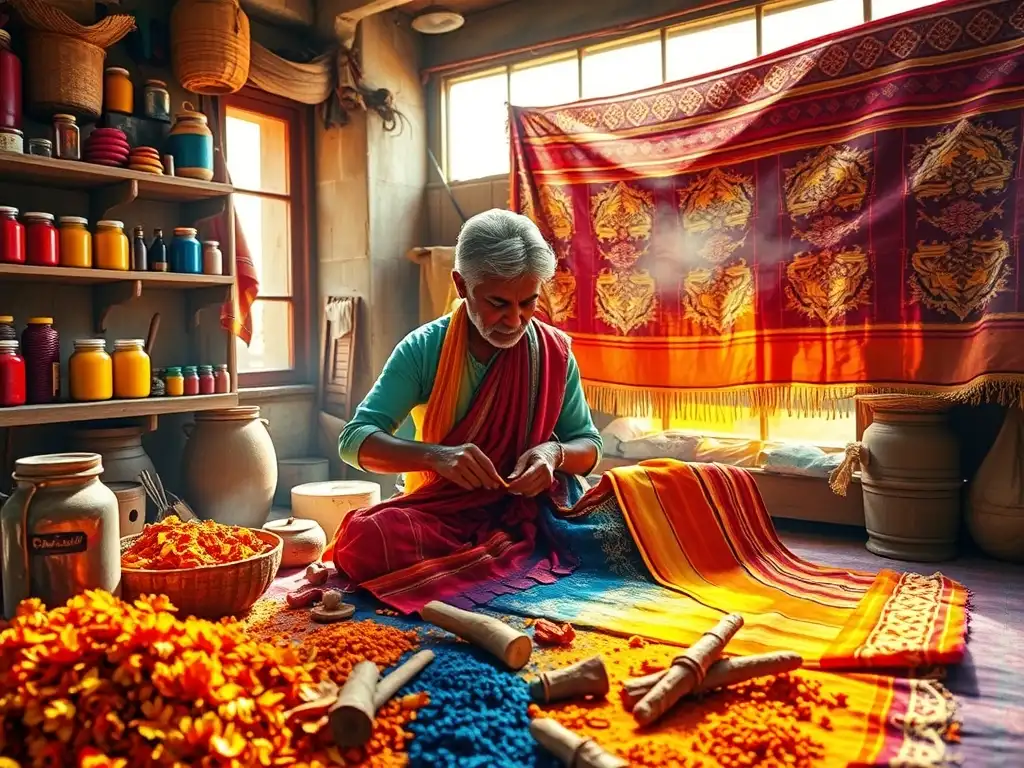
Welcome to Ancient India History, where we embark on an enlightening journey through time, uncovering the rich tapestry of India's past. In this article, "A Colorful Journey: How Natural Dyes from Ancient India Are Shaping Today's Textiles," we delve into the vibrant world of natural dyes—a remarkable heritage that not only reflects the ingenuity of ancient civilizations but continues to influence modern fashion.
Curious about how these age-old techniques are making a comeback in today’s textile industry? Join us as we explore the intricate connections between history, culture, and contemporary design, and discover the colors that have stood the test of time.
The vibrant world of textiles has always reflected the cultural richness and artistic ingenuity of its time. Among the myriad elements that contribute to this colorful tapestry, natural dyes from ancient India stand out as a remarkable testament to the creativity and resourcefulness of past civilizations.
From the serene blue of indigo to the warm hues of marigold, the use of natural dyes has not only adorned fabrics but has also played a crucial role in the social and economic fabric of ancient Indian society. This article embarks on a fascinating exploration of how these age-old dyeing techniques continue to influence contemporary textile practices, bridging the gap between ancient traditions and modern fashion.
Introduction to Natural Dyes from Ancient India
Natural dyes, derived from plants, minerals, and insects, were the cornerstone of Indian textile production for centuries. These dyes were not merely colorants; they carried with them stories, symbolism, and cultural significance that transcended generations.
- Historical Significance: The art of dyeing fabric can be traced back to the Indus Valley Civilization, where evidence of dyed textiles has been discovered. Techniques evolved over millennia, with various regions developing their unique methods and colors.
- Sustainable Practices: In contrast to synthetic dyes, natural dyes are eco-friendly and biodegradable, aligning with today's increasing demand for sustainable fashion. The revival of ancient dyeing techniques not only preserves cultural heritage but also promotes environmentally conscious production methods.
- Cultural Connections: Each color derived from natural sources often holds specific meanings and associations within the cultural context. For instance, red symbolizes auspiciousness in many Indian traditions, while yellow represents knowledge and learning.
As we delve deeper into the innovative adaptations of these ancient dyeing methods, we will uncover the ways in which modern designers are reinterpreting traditional practices to create textiles that are not only visually stunning but also rich in history and significance. The journey from the ancient looms of India to contemporary fashion runways showcases a seamless blend of heritage and modernity, making the exploration of natural dyes a vibrant chapter in the narrative of textile evolution.
The History of Natural Dyes in Ancient India
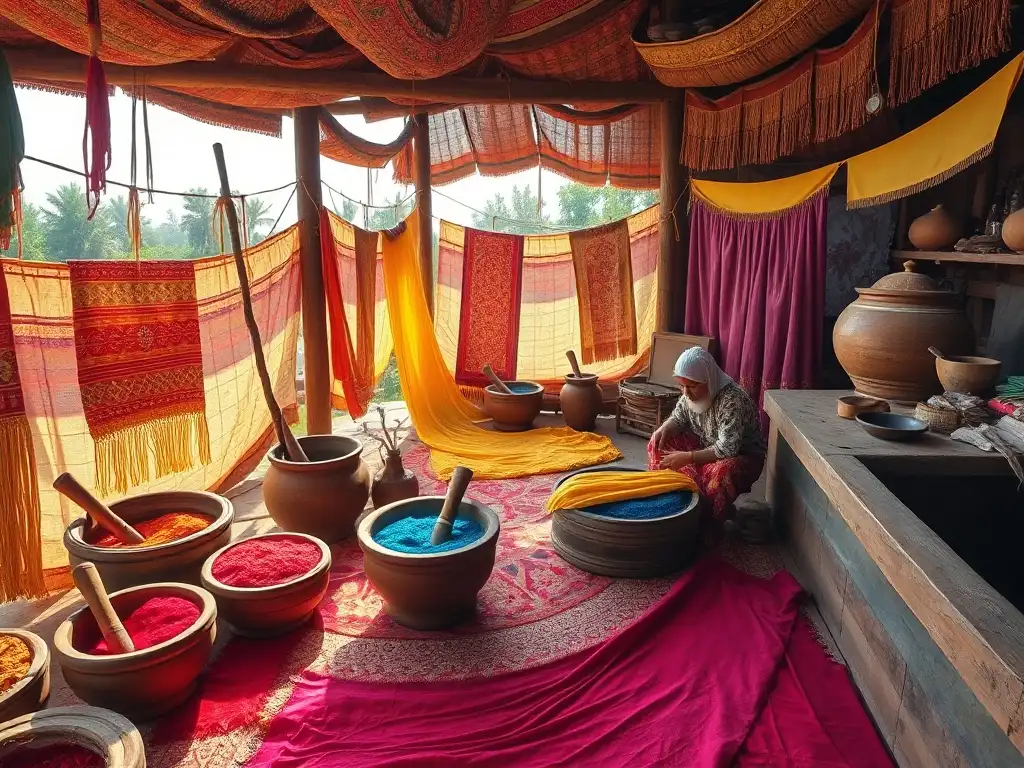
Natural dyes have played a pivotal role in the textile traditions of ancient India, intertwining with the region's cultural and artistic expressions. The history of natural dyes in ancient India reflects not only the technical ingenuity of its civilizations but also their deep connection to nature. This section delves into the origins and evolution of these dyes, highlighting their significance and applications throughout history.
Origins of Natural Dyes in the Indus Valley Civilization
The Indus Valley Civilization, which thrived around 2500 BCE, is one of the earliest known societies to employ natural dyes in textile production. Archaeological findings from sites such as Mohenjo-Daro and Harappa reveal evidence of dyed cotton fabrics, suggesting a sophisticated understanding of dyeing techniques. The primary sources of these natural dyes included:
- Plants: Various plants served as dyes, with indigo (from the Indigofera plant) being a prominent example. It produced vibrant blue shades that were highly sought after.
- Minerals: Certain minerals were also utilized, such as ochre, which provided red and yellow hues.
- Insects: The use of cochineal insects for red dye has been recorded, showcasing the diversity of sources.
The craftsmanship of these early dyers was remarkable, as they developed techniques to extract and fix colors, allowing for intricate patterns and vibrant textiles that were both functional and ornamental.
Evolution of Natural Dye Techniques Through the Ages
As Indian civilization progressed through various eras, the techniques and applications of natural dyes evolved significantly. Each period brought about innovations and adaptations that enhanced the dyeing process:
- Vedic Period (1500 - 500 BCE):
- Textiles began to reflect more complex patterns, with the introduction of new dye sources. The Vedic texts mention dyes derived from various plants, indicating a growing awareness of color symbolism and its cultural significance.
- Maurya and Gupta Empires (c. 322 BCE - 550 CE):
- During these empires, the art of dyeing flourished. Techniques such as resist dyeing emerged, allowing artisans to create elaborate designs. The use of natural dyes became widespread, with regional variations adding to the diversity of textiles produced.
- Medieval Period (c. 600 - 1700 CE):
- The arrival of new trade routes and cultural exchanges introduced additional dye sources, including madder and safflower. The Mughal Empire further refined dyeing techniques, integrating Persian influences and promoting the production of richly dyed fabrics for nobility.
- Colonial Era (c. 1858 - 1947 CE):
- The British colonial period saw a decline in traditional dyeing methods, as synthetic dyes began to dominate the market. However, the revival of interest in natural dyes occurred in the late 19th century, with movements advocating for sustainable practices.
The legacy of natural dyes from ancient India endures today, influencing contemporary textile practices as artisans and designers draw inspiration from this rich heritage. By embracing these traditional techniques, modern fashion is not only celebrating ancient craftsmanship but also promoting eco-friendly practices in the textile industry.
Types of Natural Dyes and Their Sources
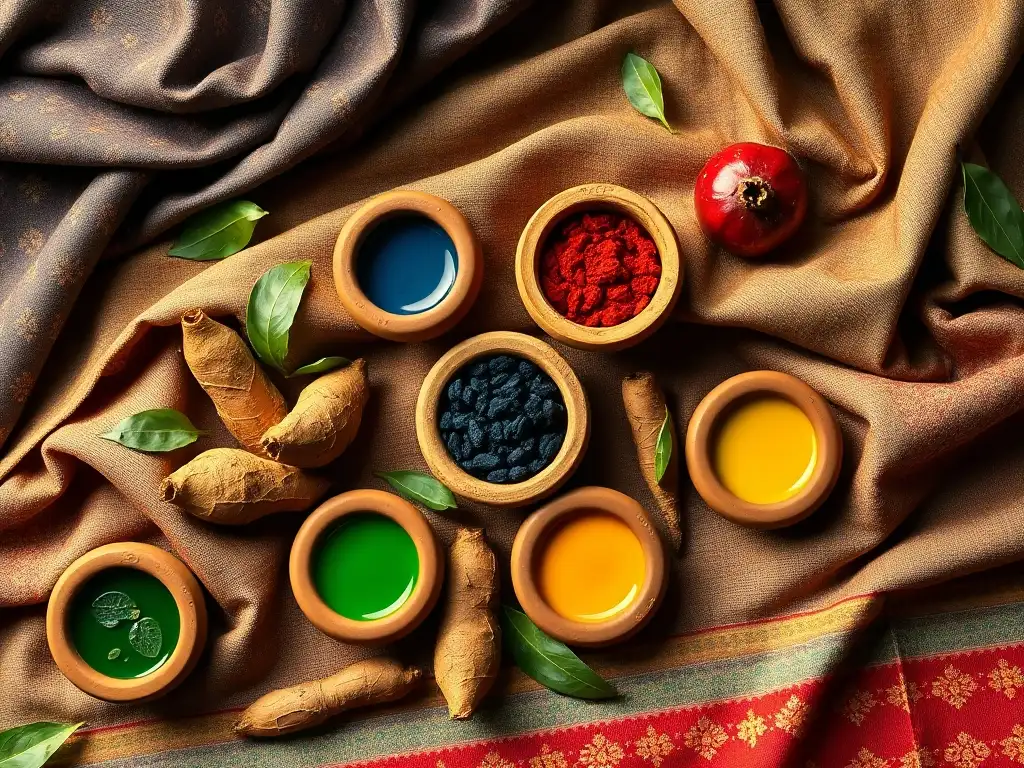
Natural dyes from ancient India are derived from a variety of plant, animal, and mineral sources. These dyes not only provided vibrant colors but also carried cultural significance, often tied to local traditions and practices. Understanding the different types of natural dyes and their sources is essential to appreciate their historical context and modern applications.
Common Natural Dyes from Ancient India
-
Indigo
Derived from the leaves of the Indigofera tinctoria plant, indigo is one of the oldest dyes used in India, known for its deep blue hue. It has been used since the Indus Valley Civilization and continues to be popular in textiles today. The process involves fermenting the leaves to extract the dye, which can then be used to color fabrics.
-
Madder
Madder, sourced from the roots of the Rubia tinctorum plant, produces shades ranging from red to deep crimson. Its use dates back to ancient times, with evidence found in archaeological sites. The dye is extracted by boiling the roots and can be used on various textiles.
-
Turmeric
Known for its bright yellow color, turmeric is derived from the rhizome of the Curcuma longa plant. It has been used traditionally in India, not only for dyeing but also in culinary practices. The dye is water-soluble, making it easy to apply to fabrics.
-
Pomegranate
The rind and peel of pomegranate contribute to a range of colors, from yellow to greenish-yellow. This dye is particularly valued for its lightfastness and is often used in traditional Indian textiles.
-
Logwood
Sourced from the heartwood of the Haematoxylum campechianum tree, logwood provides shades of purple and black. Historically, it has been used in Indian textiles for its rich color and durability.
-
Cochineal
An animal-derived dye, cochineal is produced from the dried bodies of the cochineal insect. It yields vibrant reds and has been historically significant in various Indian textiles, especially in the region of Rajasthan.
-
Onion Skins
Onion skins, particularly from yellow onions, can produce a palette of colors ranging from yellow to orange. This dyeing method is an excellent example of using readily available kitchen waste for textile coloring.
Unique Characteristics of Natural Dyes
Natural dyes from ancient India exhibit several unique characteristics that distinguish them from synthetic dyes:
-
Eco-friendliness:
Natural dyes are biodegradable and non-toxic, making them an environmentally sustainable choice for textile production. In contrast to synthetic dyes, which can contain harmful chemicals, natural dyes pose less risk to both the environment and human health.
-
Cultural Significance:
Each dye often has a story or tradition associated with its use. For instance, the use of saffron dye in marriage ceremonies symbolizes prosperity and fertility, while indigo has been linked to the craft of dyeing in various communities.
-
Color Variability:
The colors produced by natural dyes can vary significantly based on several factors, including the source material, the dyeing technique, and the fabric used. This variability results in a unique, one-of-a-kind finish for each dyed piece, appealing to modern consumers seeking individuality in their clothing.
-
Aging and Fading:
Natural dyes tend to age gracefully, often developing a patina over time that adds to the character of the fabric. This contrasts with synthetic dyes, which may fade unevenly and lose vibrancy.
-
Health Benefits:
Some natural dyes, like those from turmeric, are believed to have medicinal properties. Turmeric, for example, is known for its anti-inflammatory and antibacterial qualities, which can be beneficial when in contact with the skin.
The exploration of natural dyes from ancient India reveals a wealth of knowledge and artistry that continues to influence modern textile practices. By understanding their sources and unique characteristics, we can appreciate the profound legacy these dyes hold in the realm of fashion and textiles today.
Modern Adaptations of Ancient Dye Techniques
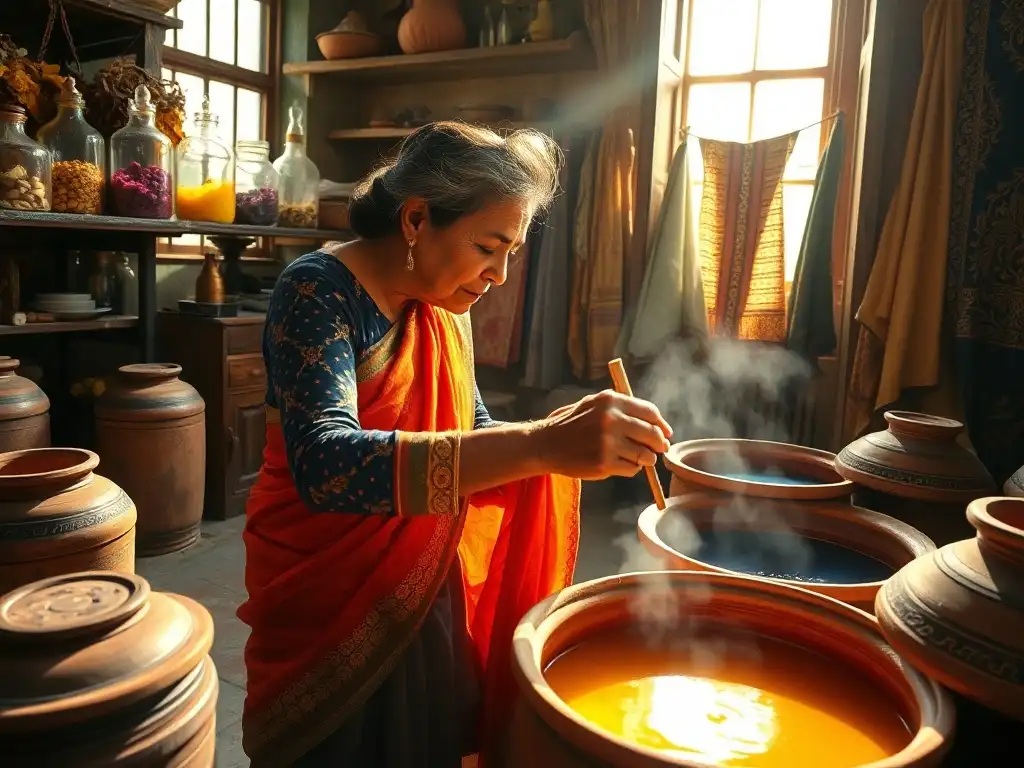
Revival of Ancient Dyeing Practices in Contemporary Fashion
The resurgence of interest in natural dyes from ancient India is transforming contemporary fashion into a vibrant tapestry of history and sustainability. Designers and brands are increasingly seeking to incorporate these age-old techniques into their collections, recognizing their cultural significance and environmental benefits.
Natural dyes, derived from plants, minerals, and insects, were integral to ancient Indian textiles, offering a palette that was both rich and diverse. Techniques such as mordanting, where substances are used to fix dyes onto fabrics, are being revived to create modern garments that echo the aesthetics of their ancient predecessors. For instance:
- Indigo: Once the most prized dye, indigo is making a comeback in denim and casual wear.
- Madder Root: This dye, known for its deep red hues, is being applied in contemporary artisanal clothing.
- Turmeric: The vibrant yellow derived from turmeric is favored for its brightening properties in modern prints.
Modern designers are not just recreating ancient styles but are also innovating upon them. By blending traditional dyeing processes with contemporary silhouettes, they are crafting unique pieces that resonate with consumers’ growing desire for authenticity and sustainability.
Moreover, the revival of these practices is not only aesthetic but also ethical; they promote eco-friendly methods that reduce the carbon footprint associated with synthetic dyes. This alignment with environmental consciousness is proving to be a significant selling point for brands in today's market.
The Role of Artisans in Preserving Natural Dye Traditions
Artisans play a pivotal role in maintaining the legacy of natural dyes from ancient India. With their expert knowledge and techniques passed down through generations, these craftsmen are custodians of a rich cultural heritage. They embody the skills necessary to produce dyes from local flora and fauna, ensuring that these traditions endure.
Key Contributions of Artisans:
- Skill Preservation: Artisans are essential in teaching the intricate processes of natural dyeing, including harvesting, processing, and application. This ensures that knowledge is not lost to time.
- Community Development: Many artisans work within cooperatives that empower local communities economically. By engaging in natural dye production, they create sustainable livelihoods while promoting ancient practices.
- Cultural Ambassadors: Through workshops and collaborations, artisans are spreading awareness of the benefits of natural dyes. They serve as guides for consumers and designers, showcasing the beauty and significance of ancient techniques.
- Innovation and Design: While preserving traditional techniques, many artisans are also embracing innovation. They experiment with new patterns and color combinations, appealing to modern sensibilities while honoring their roots.
The collaboration between designers and artisans is a potent force in the fashion industry, bridging ancient and modern aesthetics. This partnership not only revitalizes ancient dyeing practices but also ensures that the artisans receive recognition and fair compensation for their invaluable contributions.
The revival of natural dyeing techniques in contemporary fashion is a testament to the enduring legacy of ancient India. As artisans continue to preserve and adapt these traditions, the fashion industry is enriched with stories, colors, and cultural significance that resonate deeply with today's consumers.
Benefits of Using Natural Dyes in Today's Textile Industry
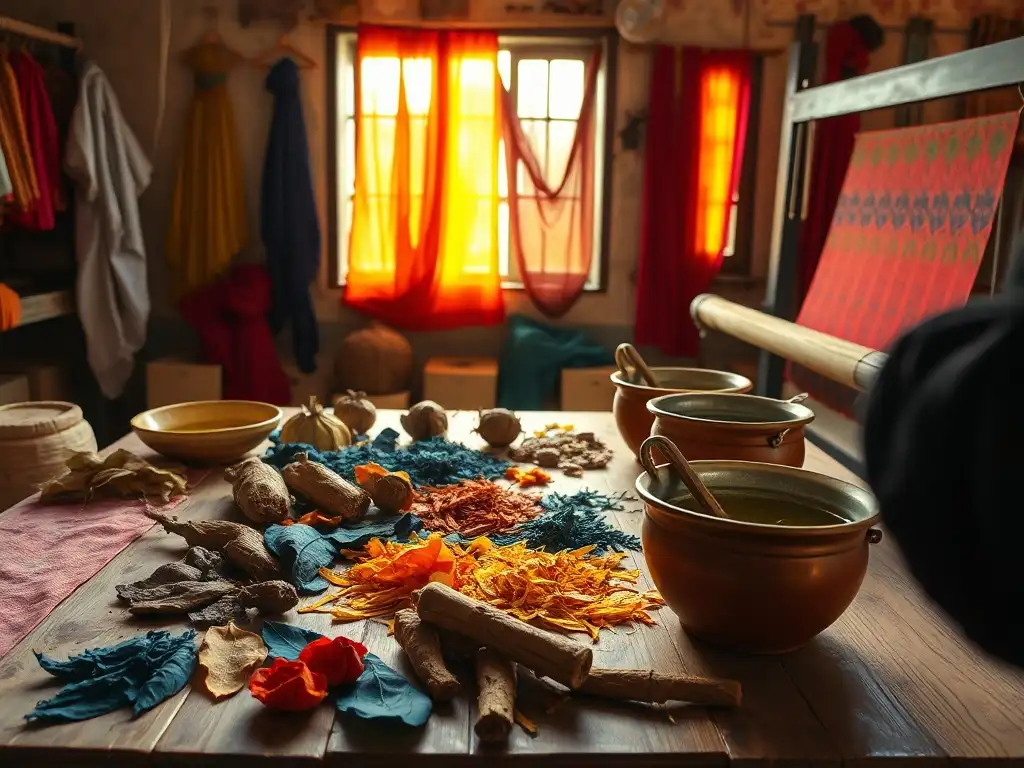
Natural dyes from ancient India are not only a testament to the rich heritage of textile practices but also present numerous advantages in today's textile industry. As contemporary consumers become increasingly aware of their impact on the environment and their health, the shift towards natural dyes is gaining momentum. This section explores the multifaceted benefits of incorporating these dyes into modern textile production.
Environmental and Health Advantages
The environmental implications of using natural dyes are profound. Unlike synthetic dyes, which often contain harmful chemicals and heavy metals, natural dyes are derived from plants, minerals, and insects, making them biodegradable and less toxic. Here are some key advantages:
- Sustainability: Natural dyes are sourced from renewable resources. Many dye plants, such as indigo, turmeric, and madder, can be cultivated sustainably, reducing the reliance on non-renewable resources.
- Reduced Water Pollution: Synthetic dyeing processes often lead to substantial water pollution due to the release of toxic effluents. In contrast, natural dyeing processes generally utilize fewer harmful substances, resulting in less pollution.
- Health Safety: For artisans and consumers alike, natural dyes pose a lower risk of adverse health effects. Many synthetic dyes can cause skin irritations or allergic reactions, while natural alternatives are generally safer due to their organic origins.
- Soil Health: Using natural materials can enhance soil quality. Many plants used for dyeing are also beneficial for soil health, as they can improve soil structure and fertility.
- Carbon Footprint Reduction: The production of natural dyes typically involves less energy-intensive processes compared to their synthetic counterparts. This contributes to a reduced carbon footprint in the textile supply chain.
Economic Opportunities in Natural Dye Production
The resurgence of natural dyes from ancient India is opening up new economic avenues in the textile industry. By tapping into this rich heritage, various opportunities arise:
- Reviving Traditional Craftsmanship: Artisans skilled in traditional dyeing techniques are seeing a resurgence in demand for their crafts. This revival not only preserves ancient skills but also empowers local communities economically.
- Market Differentiation: Brands that incorporate natural dyes into their products can position themselves uniquely in the market. Consumers are increasingly drawn to sustainable and eco-friendly products, allowing businesses to stand out from competitors.
- Export Potential: As global demand for sustainable textiles rises, natural dyes from India can be marketed internationally. This opens up export opportunities for local artisans and manufacturers.
- Job Creation: The growth of the natural dye sector can lead to job creation in rural areas, where many artisans reside. This can help reduce economic disparities and support community development.
- Partnerships and Collaborations: The interest in natural dyes presents opportunities for collaborations between artisans, designers, and eco-conscious brands, fostering innovation and creativity in textile design.
The integration of natural dyes from ancient India into today's textile industry not only supports environmental sustainability and health safety but also promotes economic prosperity through the revival of traditional crafts and practices. As the industry continues to evolve, the rich heritage of Indian natural dyes can play a pivotal role in shaping future textile trends.
Challenges Facing Natural Dye Adoption
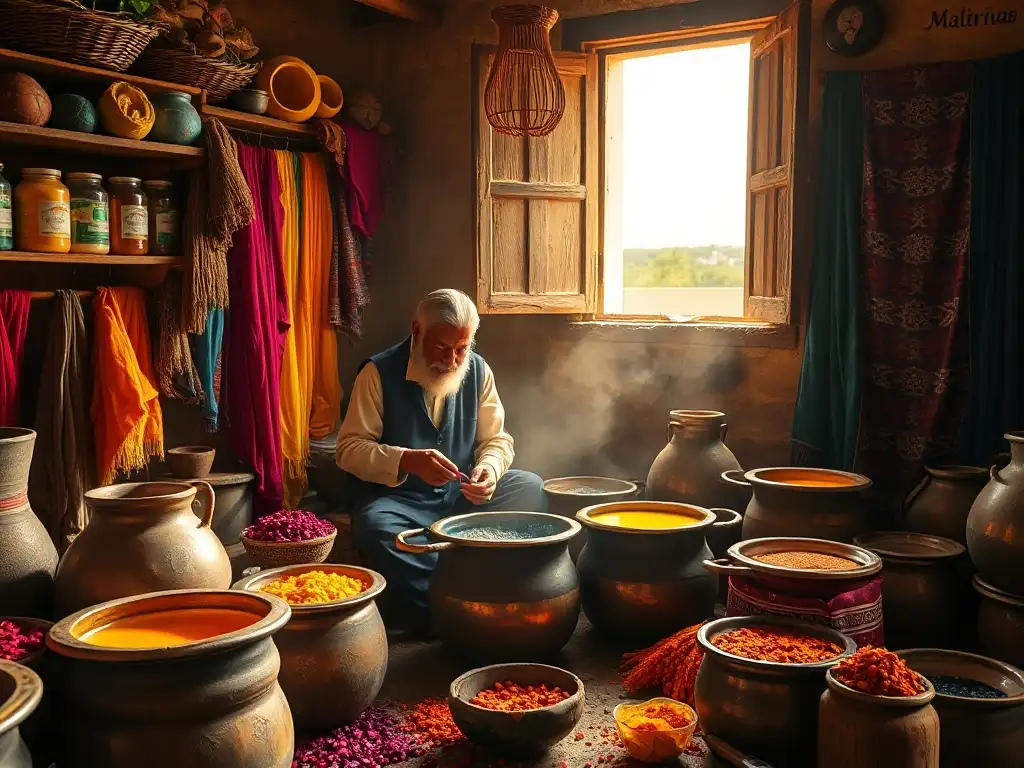
Limitations of Natural Dyes in Modern Textiles
The revival of natural dyes from ancient India in contemporary textile production is not without its challenges. While these dyes offer a sustainable alternative to synthetic options, several limitations hinder their widespread adoption.
-
Color Fastness:
Natural dyes often struggle with color fastness, meaning they may fade or wash out more quickly than synthetic dyes. This can be particularly problematic for garments that require frequent washing or exposure to sunlight. For example, indigo, a popular natural dye, may not hold its color as well as synthetic alternatives, leading to dissatisfaction among consumers.
-
Availability of Raw Materials:
The sourcing of raw materials for natural dyes can be inconsistent. Many plants used for dyeing are seasonal or region-specific, which can create supply chain issues. For instance, certain varieties of madder root, used for producing reds, may only be found in specific geographic locations, complicating scaling efforts in textile production.
-
Labor-Intensive Process:
The traditional methods of extracting and applying natural dyes are often labor-intensive and time-consuming. This can lead to higher production costs, making it challenging for small-scale artisans and larger manufacturers to compete with the low prices of synthetic dyeing processes. The need for skilled artisans who understand the nuances of dyeing also adds to the complexity.
-
Limited Color Palette:
While natural dyes offer a unique aesthetic, they generally provide a more limited color palette compared to synthetic dyes. This limitation can restrict designers' creativity and may not meet the market demand for vibrant and diverse color options. For example, achieving a bright yellow from turmeric may not have the same intensity as synthetic yellows.
-
Environmental Concerns:
Although natural dyes are often considered more environmentally friendly, the cultivation of some dye plants can lead to ecological challenges. For instance, excessive harvesting of certain plants can threaten their sustainability, highlighting the need for responsible sourcing practices.
Overcoming Barriers: Innovations in Natural Dyeing
Despite these challenges, the textile industry is witnessing innovative approaches that address the limitations of natural dyes from ancient India. Here are some strategies that are making a significant impact:
-
Advanced Mordanting Techniques:
Innovations in mordanting—the process of fixing the dye to the fabric—have led to improved color fastness. New mordants, including eco-friendly options, are being developed to enhance dye adherence without compromising the natural characteristics of the fibers.
-
Research and Development:
Increased investment in research is paving the way for the discovery of new dye sources and extraction methods. Studies focusing on indigenous plants and their potential for textile dyeing are uncovering vibrant colors that were previously underutilized. For example, researchers are exploring the use of different parts of the plant, such as leaves and stems, for dye extraction.
-
Collaboration with Artisans:
Collaborations between designers and traditional artisans have led to a fusion of ancient techniques with modern design principles. By valuing traditional knowledge and integrating it with contemporary fashion, designers can create unique products that appeal to a broader audience while supporting artisanal communities.
-
Sustainable Practices:
The emphasis on sustainability in the fashion industry has fostered a renewed interest in natural dyes. Brands are increasingly adopting ethical sourcing practices and promoting transparency in their supply chains. This shift not only benefits the environment but also resonates with consumers who prioritize sustainability in their purchasing decisions.
-
Education and Awareness:
Raising awareness about the benefits of natural dyes is crucial for consumer acceptance. Workshops, online courses, and social media campaigns are helping educate both producers and consumers about the environmental advantages and aesthetic qualities of natural dyes, fostering a more informed marketplace.
By addressing the challenges and implementing innovative solutions, the textile industry can successfully integrate natural dyes from ancient India into modern fashion, creating a sustainable and vibrant future for textiles.
Further Resources
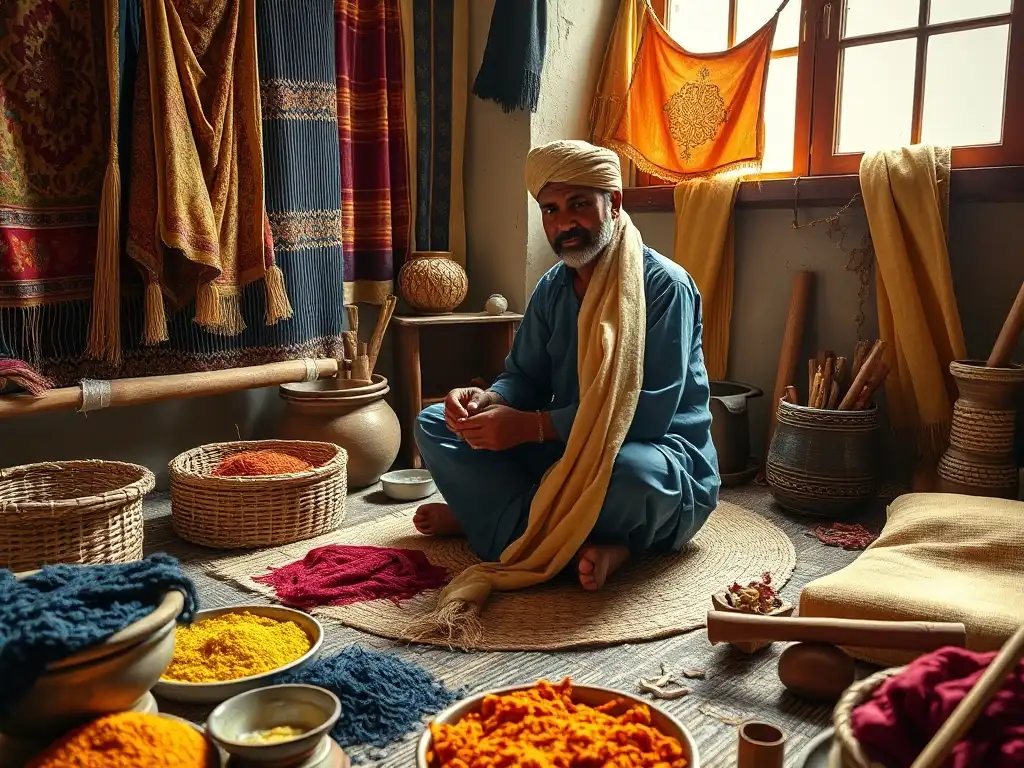
Recommended Reading on Natural Dyes and Textiles
Understanding the significance of natural dyes from ancient India not only enriches our knowledge of history but also provides insights into sustainable practices that are relevant today. Here are some essential reads that delve deeper into the topic:
-
"The Art of Natural Dyeing" by J. N. K. Awasthi
This comprehensive guide explores various natural dyeing techniques used in ancient India, detailing the sources of dyes and the processes involved. The author also highlights the cultural importance of colors in Indian textiles.
-
"Coloring the World: The Natural Dyes of India" by R. A. Sharma
Sharma’s book provides a vivid account of the different plants, minerals, and insects that have been utilized for dyeing textiles throughout Indian history. It includes practical recipes and methods for modern artisans.
-
"Dyes and Pigments: Ancient Techniques for Modern Textiles" by L. M. Gupta
This publication discusses the revival of ancient dye techniques and their application in contemporary textile design, focusing on the ecological advantages of using natural dyes.
-
"The History of Indian Textiles" by T. S. Rao
A scholarly exploration of the evolution of textiles in India, this book addresses the role of natural dyes in shaping the aesthetic and functional aspects of fabrics from ancient times to the present.
-
"Eco-Friendly Dyes: Textiles and Sustainability" by N. K. Verma
Verma examines how ancient practices of dyeing can influence modern sustainable practices in the textile industry, providing case studies of successful implementations of natural dyes.
Explore Natural Dye Products and Suppliers
If you're interested in experimenting with natural dyes from ancient India, here’s a list of products and suppliers that specialize in these eco-friendly options:
| Supplier | Products Offered | Website |
|---|---|---|
| Earth Colors | A range of natural dyes sourced from plants and minerals | earthcolors.com |
| Dyeing India | Cotton and silk fabrics dyed with traditional methods | dyeingindia.com |
| Natural Dye Workshop | Workshops on natural dyeing techniques and products | naturaldyeworkshop.com |
| Eco Dyer | Natural dye kits for home use | ecodyer.com |
| Indigo Crafts | Products dyed with indigo and other natural dyes | indigocrafts.com |
These suppliers not only provide high-quality natural dyes but also promote sustainable practices that align with the rich traditions of ancient Indian textile arts. Whether you are a craftsman, designer, or simply an enthusiast, exploring these resources can deepen your appreciation and understanding of natural dyes from ancient India.
Frequently Asked Questions
What are natural dyes from ancient India?
Natural dyes from ancient India are coloring agents derived from plants, minerals, and insects used historically to dye textiles. They played a significant role in the artisanal practices of ancient civilizations.
How were these natural dyes produced?
These dyes were produced through extraction processes, where leaves, roots, and flowers were boiled or fermented to release their colors. This method reflects the sustainable practices of ancient Indian societies.
What impact did ancient Indian natural dyes have on textiles?
Ancient Indian natural dyes contributed to the vibrancy and uniqueness of textiles, influencing various textile traditions around the world. Their continued use showcases the cultural heritage of India.
Are natural dyes still used today?
Yes, natural dyes are experiencing a resurgence in contemporary textile production, as there is a growing demand for sustainable and eco-friendly alternatives to synthetic dyes.
What are some examples of natural dyes used in ancient India?
Examples include indigo for blue, madder root for red, and turmeric for yellow. These dyes not only provided color but also held cultural significance in ancient Indian rituals and practices.
Final Reflection: The Timeless Legacy of Natural Dyes from Ancient India
The resurgence of natural dyes from ancient India is not merely a trend; it is a powerful reminder of our connection to the past and the sustainable practices that can shape our future. As we navigate an era increasingly defined by fast fashion and synthetic materials, the revival of these vibrant, eco-friendly dyes serves as a beacon of hope, urging us to reconsider our choices and their impact on the environment.
The intricate techniques and rich history behind these dyes are not just a nod to tradition; they are a call to action for a more sustainable and conscious approach to textiles.
The influence of natural dyes from ancient India extends far beyond the realm of fashion; it is a cultural renaissance that fosters a deeper appreciation for craftsmanship and sustainability. As we embrace these age-old practices, we are reminded of the artisans who poured their hearts into creating colors that tell stories of heritage and identity. In every thread, there is a story waiting to be told.
This quote encapsulates the essence of how these natural dyes are not just about aesthetics; they are about preserving culture and promoting ethical practices in the textile industry.
As you reflect on the journey of natural dyes from ancient India, I invite you to consider how you can incorporate these lessons into your own life. Embrace the beauty of sustainability by making mindful choices in your wardrobe and supporting artisans who carry forward these traditions. Let the vibrant colors of natural dyes inspire you to weave a narrative of respect for the environment and appreciation for the craftsmanship that has stood the test of time. Together, we can honor the past while creating a more vibrant and sustainable future.
Embrace the Vibrancy of Nature's Dyes!
Thank you for joining us on this colorful journey through the rich world of natural dyes in ancient India! We hope you’ve discovered the beauty and sustainability they bring to today’s textiles. Now, let’s take this inspiration forward and make a difference together!
Here are some simple yet impactful actions you can take:
- Experiment with natural dyes: Start your own project by creating textiles dyed with plants found in your garden or local area. We invite you to share your creations with us!
- Educate others: Host a workshop or share your knowledge about natural dyes with friends and family to inspire them to appreciate sustainable textiles.
- Join a community: Connect with local artisans or online groups focused on natural dyeing practices to enhance your understanding and appreciation of this craft.
What unique way can you incorporate natural dyes into your life or craft? We would love to hear your ideas!