
The Legacy of Ancient Indian Military Architecture: Forts and Battlefields

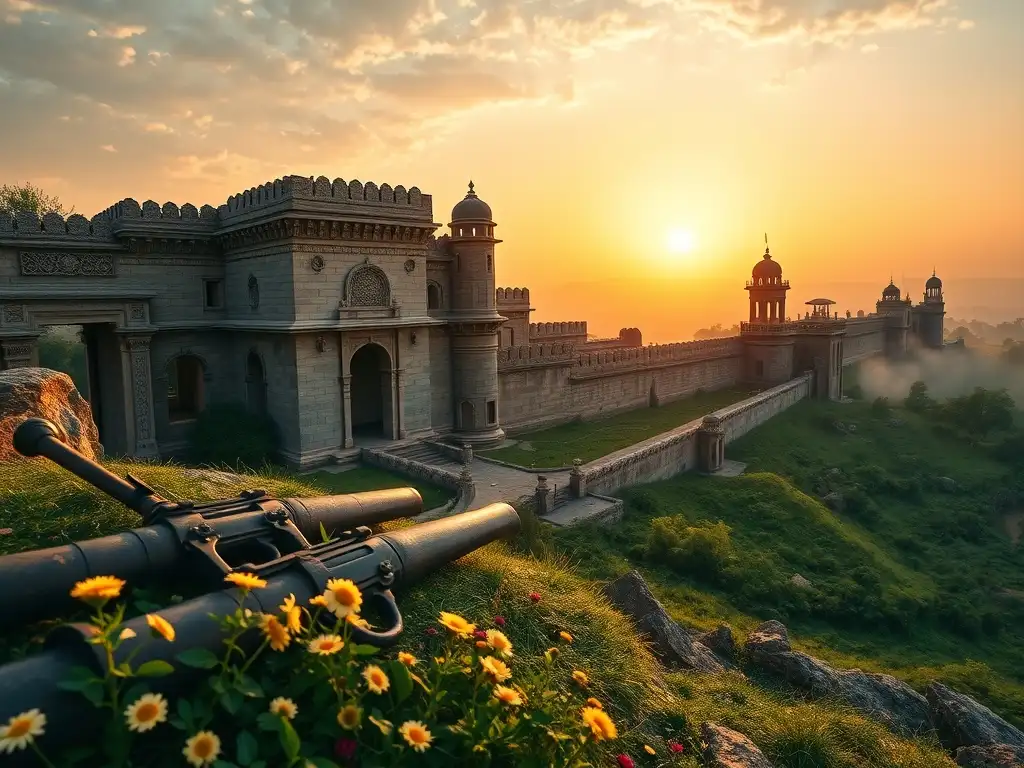
Welcome to Ancient India History, where we embark on a fascinating journey through the rich tapestry of ancient Indian civilizations. Dive into the remarkable world of Ancient Indian military architecture, a testament to ingenuity and strategic prowess that shaped the destiny of empires. In our featured article, "The Legacy of Ancient Indian Military Architecture: Forts and Battlefields," we unravel the stories behind majestic forts and the intricate designs that have withstood the test of time.
Prepare to be captivated as we explore how these architectural marvels not only served as formidable defenses but also played a pivotal role in the cultural and historical landscape of ancient India. Join us as we uncover the secrets of the past and inspire your curiosity to delve deeper into this enthralling chapter of history!
Introduction to Ancient Indian Military Architecture
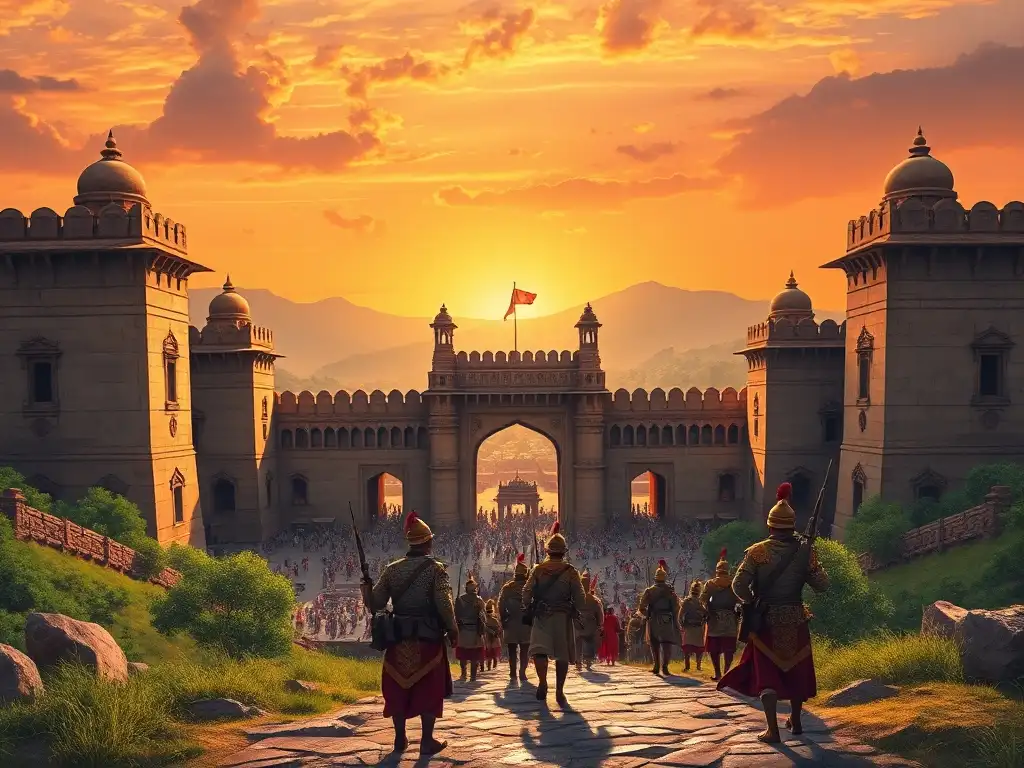
The legacy of ancient Indian military architecture is a profound testament to the ingenuity, strategic planning, and cultural significance of military structures throughout India's history. From the formidable forts that dot the landscape to the meticulously designed battlefields, ancient Indian military architecture reflects the socio-political landscapes, technological advancements, and artistic expressions of its time. As we delve into this topic, we uncover how these architectural marvels not only served as defensive mechanisms but also as symbols of power, resilience, and cultural identity.
Definition and Importance of Military Architecture in Ancient India
Military architecture in ancient India encompasses the design and construction of various structures aimed at defense and warfare. This includes forts, citadels, watchtowers, and defensive walls, each serving a unique purpose in safeguarding territories and asserting dominance. The significance of military architecture lies in its ability to reflect the military strategies and priorities of various dynasties. For instance, the grand forts of the Rajput kingdoms exemplify the fusion of aesthetics and functionality, showcasing the rulers' might while offering protection against invasions.
Overview of Forts and Battlefields in Historical Context
Forts and battlefields in ancient India have a rich historical context that dates back to the Indus Valley Civilization and extends through the Maurya and Gupta Empires. These structures were not merely military installations; they were also centers of administration, trade, and cultural exchange. Notable examples include the formidable walls of the Red Fort in Delhi and the strategic positioning of fortresses like Chittorgarh and Jaisalmer. Each fort tells a story of the battles fought, the rulers who inhabited them, and the architectural evolution influenced by regional needs and invasions.
Key Features of Ancient Indian Military Architecture
Defensive Structures: Walls, Gates, and Moats
The defensive structures of ancient Indian military architecture are characterized by robust walls, imposing gates, and intricate moats. Walls were constructed using locally available materials such as stone and brick, often adorned with decorative elements that reflected the culture of the time. Gates served as both entrances and strategic defenses, with many featuring complex designs that could thwart attackers. Moats, when present, added another layer of protection, deterring invaders and providing a tactical advantage during sieges.
Architectural Styles: Influences and Regional Variations
Ancient Indian military architecture is marked by diverse architectural styles influenced by various dynasties and regional practices. The Hindu, Islamic, and Mughal styles each left an indelible mark on fort designs. For example, the intricate carvings of the Rajput forts contrast sharply with the grand domes and arches of Mughal architecture. This rich tapestry of styles showcases the cultural interactions and adaptations that occurred over centuries, resulting in unique structures that are both functional and visually stunning.
Innovative Engineering Techniques in Fort Construction
Ancient Indian architects employed a range of innovative engineering techniques that underscored their expertise in construction and military strategy. Techniques such as cantilevered balconies, secret passages, and strategically placed arrowslits were designed to enhance defensive capabilities. The use of natural terrain to fortify walls and the incorporation of advanced drainage systems are examples of how ancient engineers maximized the efficiency and effectiveness of fort constructions. These innovations not only improved defense mechanisms but also demonstrated the advanced knowledge of mathematics and engineering prevalent in ancient Indian society.
Major Forts of Ancient India
Ancient India was home to numerous forts that played a pivotal role in the military architecture of the time. These structures, often built on elevated terrain, served not only as defensive bastions but also as administrative and residential centers for rulers. The most famous forts include:
- Rajput Forts: Notable for their intricate architecture and strategic locations, forts like Chittorgarh and Mehrangarh exemplify the strength and resilience of Rajputana's military architecture.
- Mughal Forts: The Mughal Empire, known for its grandeur, constructed impressive forts such as Agra Fort and Red Fort, which were essential for controlling trade routes and asserting dominance.
- Southern Forts: In South India, forts like Golconda and Vijayanagara not only served military purposes but also became hubs of cultural exchange and trade.
These forts reflect the advanced engineering and architectural skills of ancient Indian builders, showcasing features such as massive walls, intricate gateways, and sophisticated water management systems.
The Historical Significance of Forts
Forts in ancient India were more than mere military structures; they were symbols of power and authority. Their historical significance can be categorized into several key aspects:
- Political Center: Forts often served as the seat of power for local rulers and kingdoms, acting as administrative centers where governance, justice, and trade were conducted.
- Cultural Hub: Many forts became melting pots of culture, where art, architecture, and religion flourished. They hosted festivals and gatherings, contributing to the cultural richness of the region.
- Historical Records: The architecture and inscriptions found within these forts offer insights into the socio-political climate of the times, providing historians with valuable information about ancient Indian civilization.
The Role of Forts in Warfare and Defense Strategies
The strategic placement and design of forts were crucial in ancient Indian warfare. Their role can be summarized as follows:
- Natural Defense: Most forts were built on hills or surrounded by natural barriers like rivers and forests, making them difficult to attack. This geographical advantage allowed defenders to hold off larger armies.
- Military Garrison: Forts housed troops and served as training grounds, allowing rulers to maintain a ready and skilled military force. They were equipped with weapons and provisions for prolonged sieges.
- Communication and Surveillance: Forts were positioned to provide vantage points for spotting approaching enemies and communicating with other fortifications via signal fires or flags, ensuring coordinated defense efforts.
Battlefields of Ancient India
The battlefields of ancient India are steeped in history, each telling tales of valor, strategy, and the relentless pursuit of power. These sites were often chosen for their strategic advantages and became the scenes of significant military confrontations.
Notable Battles and Their Locations
Several notable battles in ancient India stand out for their impact on history:
- The Battle of Kurukshetra: Chronicled in the Mahabharata, this epic battle between the Pandavas and Kauravas is not only significant for its narrative but also for its implications on dharma and ethics in warfare.
- The Battle of Panipat: This series of battles in the 18th century marked critical turning points in Indian history, influencing the power dynamics between the Mughal Empire and emerging regional powers.
- The Battle of Hydaspes: Fought between Alexander the Great and King Porus, this battle highlighted the strategic prowess of Indian kings and the challenges faced by foreign invaders.
The Impact of Geography on Battle Strategies
Geography played a vital role in shaping the tactics and outcomes of battles in ancient India. Key geographical factors included:
- Terrain: The diverse landscapes, including mountains, rivers, and plains, influenced battle strategies. For instance, the rugged terrain favored guerrilla tactics, while open plains were conducive to large-scale warfare.
- Climate: Seasonal changes affected troop movements and supply lines. Monsoons could impede transportation, requiring armies to plan campaigns around these natural cycles.
- Resource Availability: Proximity to resources such as water and food supplies often determined the success of military campaigns. Armies needed to secure these resources to sustain prolonged engagements.
The interplay of geography and military strategy in ancient India illustrates the sophistication and adaptability of its military leaders, contributing to the legacy of ancient Indian military architecture.
The Evolution of Military Architecture in Ancient India
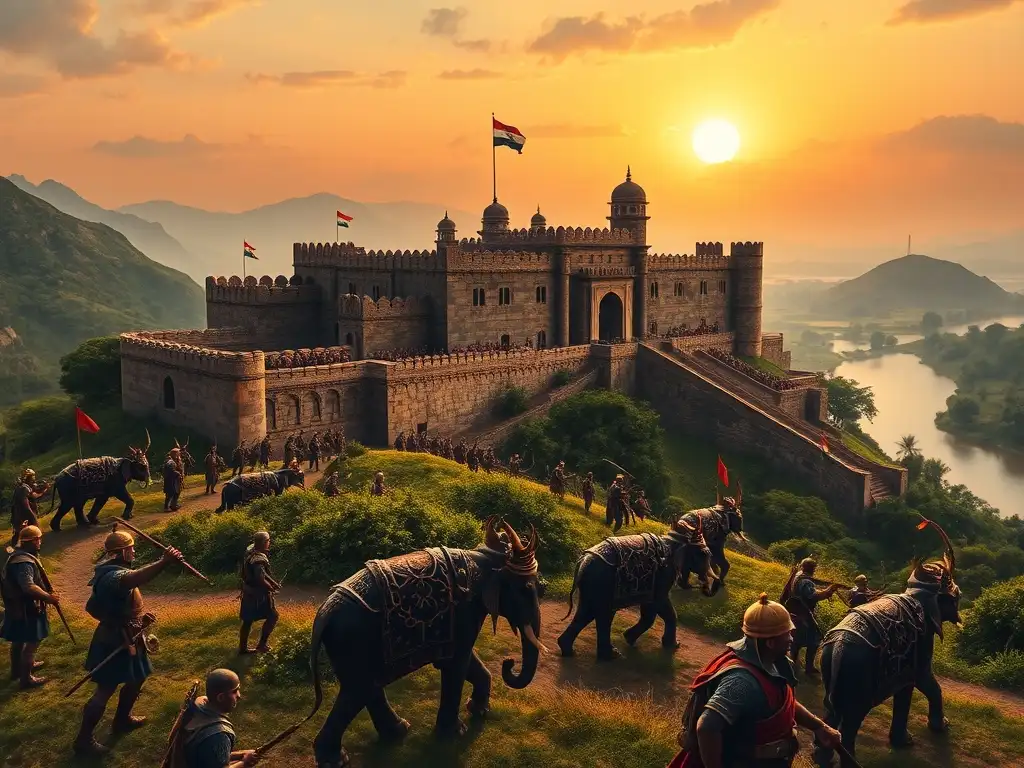
The evolution of military architecture in ancient India showcases a significant journey from rudimentary structures to complex fortifications that reflected not only tactical necessities but also the socio-political dynamics of the time. Initially, military structures were simple, often comprising mud walls and wooden barricades used by local chieftains to defend against rival clans. However, as the political landscape became more organized and centralized, particularly during the rise of empires such as the Mauryas and the Guptas, the need for more sophisticated fortifications became evident.
Over centuries, military architecture in ancient India evolved to incorporate various advancements in materials and techniques. Stone became the primary building material, leading to the construction of formidable forts featuring thick walls, moats, and intricate gateways. The introduction of defensive structures like bastions and watchtowers played a crucial role in enhancing the security of these fortifications. This architectural evolution was not only a response to the needs of warfare but also a reflection of the artistic and engineering capabilities of the time, resulting in structures that were both practical and aesthetically pleasing.
Transition from Early Structures to Advanced Fortifications
The transition from early military structures to advanced fortifications can be traced through significant historical phases. During the early periods, fortifications were primarily designed for temporary refuge. As kingdoms expanded, the requirement for permanent structures became essential. The emergence of the Mauryan Empire marked a pivotal point, as they constructed large forts like the one at Pataliputra, which showcased advanced planning and robust construction techniques.
By the time of the Rajputs and the establishment of the Delhi Sultanate, military architecture had reached new heights. Forts such as Chittorgarh and Ranthambore exemplified the use of strategic locations, incorporating natural defenses like hills and rivers. The use of granite and sandstone in construction made these forts not only resilient against sieges but also visually striking. Furthermore, the development of intricate gateways, known as "pols," and defensive features like machicolations became common, allowing defenders to effectively repel attackers.
This transition was heavily influenced by the necessity to withstand longer sieges and more organized military tactics employed by both local rulers and invading forces. The combination of indigenous techniques and adaptations from foreign influences played a crucial role in shaping the advanced fortifications seen in later periods.
Influence of Foreign Invaders on Indian Military Architecture
Throughout its history, ancient India faced numerous invasions from foreign powers, each leaving an indelible mark on military architecture. The invasions by the Greeks, Huns, and later the Turks and Mughals introduced new military technologies and architectural styles. These interactions prompted Indian architects and rulers to adapt and innovate, resulting in a unique blend of indigenous and foreign architectural styles.
For instance, the introduction of the arch and dome by the Turks led to significant changes in fort design, as seen in the grand structures of the Delhi Sultanate. The Mughal Empire further revolutionized military architecture with their iconic forts, such as Agra Fort and Red Fort, which combined defensive capabilities with lavish aesthetics, showcasing a synthesis of Islamic and Indian architectural elements.
The influence of these invaders also extended to military strategies, as they brought new weapons and siege technologies that necessitated modifications in fortifications. This reciprocal relationship between foreign invaders and indigenous military architecture enriched the architectural landscape of ancient India, leading to the creation of some of the most remarkable military structures in history.
Cultural and Historical Legacy of Military Architecture
The cultural and historical legacy of ancient Indian military architecture is profound, reflecting the complexities of the societies that built them. These forts and battlefields are not just remnants of military prowess; they are monuments that tell stories of valor, strategy, and the socio-political fabric of their times. The architecture itself, with its intricate carvings and grand designs, serves as a testament to the artistic achievements of ancient civilizations.
Many of these structures have become symbols of regional pride and cultural heritage, attracting tourists and researchers alike. The forts often host festivals and cultural events that celebrate the history and traditions of the areas they inhabit, ensuring that the legacy of these ancient military architectures continues to thrive in contemporary society.
Preservation of Ancient Forts and Their Cultural Significance
Preserving ancient forts is vital for maintaining the cultural significance they hold. Governments and heritage organizations have recognized the importance of these structures, leading to various conservation efforts aimed at protecting and restoring them. For example, the restoration of forts like Gwalior and Jaisalmer has not only preserved their architectural integrity but also revived local economies through tourism.
These forts serve as educational sites, where people can learn about the military strategies, architectural styles, and historical events that shaped their regions. The cultural significance of these structures extends beyond their physical presence; they encapsulate narratives of resistance, power dynamics, and the evolution of Indian civilization. Events and festivals held in these forts often bring communities together, fostering a sense of identity and continuity with their past.
The Influence of Ancient Military Architecture on Modern Indian Structures
The influence of ancient military architecture is evident in modern Indian structures, both in military and civilian contexts. The principles of fortification, such as strategic location, robust construction, and aesthetic appeal, continue to inspire contemporary architecture. Many modern buildings incorporate elements reminiscent of ancient forts, such as high walls, intricate gateways, and even the use of local materials that honor the heritage of the region.
Furthermore, the architectural styles and defensive strategies developed in ancient times have informed the design of modern security installations and residential complexes. The emphasis on blending functionality with aesthetic beauty reflects the enduring legacy of ancient military architecture in contemporary Indian society. As cities expand and evolve, the lessons learned from the past remain relevant, ensuring that the rich history of ancient Indian military architecture continues to influence future generations.
Conclusion: The Enduring Legacy of Ancient Indian Military Architecture
The legacy of ancient Indian military architecture is a testament to the ingenuity and strategic foresight of its builders. From the formidable forts that dotted the Indian landscape to the meticulously planned battlefields, these structures were not only defensive strongholds but also symbols of power and control. The architectural techniques, materials used, and the strategic locations of these fortifications reveal a deep understanding of both military needs and the geographical context. The preservation of these sites allows us to appreciate the sophistication of ancient Indian military strategies and their impact on regional politics and culture.
The diverse range of architectural styles, such as the stone-carved fortifications of Rajasthan and the earthworks of the Deccan, exemplifies the adaptability of military architecture to different terrains and climatic conditions. The integration of religious and cultural elements into fort designs further illustrates the multifaceted role these structures played in society. As modern scholars continue to study these ancient sites, it becomes clear that they hold valuable insights into the military, social, and economic dynamics of their times.
Summary of Key Contributions to Military History
Ancient Indian military architecture has made significant contributions to the broader narrative of military history. Key contributions include:
- Innovative Defensive Structures: The designs of forts, such as the hill forts of the Western Ghats and the coastal forts of Maharashtra, showcased advanced defensive strategies, including strategic placement, thick walls, and intricate gate systems to thwart invaders.
- Urban Military Planning: Cities like Delhi and Agra featured military architecture that integrated fortifications into urban planning, demonstrating a sophisticated understanding of urban defense mechanisms.
- Technological Advancements: The use of local materials and construction techniques adapted to regional conditions allowed for the creation of resilient structures that have withstood the test of time.
- Cultural Significance: Forts and battlefields often served as cultural hubs, where military prowess was celebrated alongside artistic and architectural achievements, thus contributing to the cultural heritage of India.
The Relevance of Ancient Military Architecture in Contemporary Studies
The study of ancient Indian military architecture remains relevant in contemporary discussions on military strategy, architecture, and cultural heritage. Modern military planners can draw lessons from the strategic designs and locations of ancient forts, applying these insights to contemporary defense strategies. Furthermore, the architectural techniques used in ancient fort construction offer valuable knowledge for engineers and architects today, particularly in the context of sustainable building practices that respect local materials and traditions.
Academic research into these structures also plays a crucial role in heritage preservation. Understanding the historical significance and architectural uniqueness of these sites promotes efforts to conserve them for future generations. As heritage tourism grows, ancient forts and battlefields provide opportunities for education and appreciation of India's rich military history, fostering a deeper connection to the past.
References and Further Reading
Suggested Books and Articles on Ancient Indian Military Architecture
- "Forts of India: A Historical Perspective": by R. S. Sharma: This book provides an in-depth analysis of various forts across India, detailing their history, architectural styles, and military significance.
- "The Architecture of Indian Forts" by A. K. Das: A comprehensive study focused on the architectural features of Indian forts, exploring the interplay between military needs and artistic expression.
- "Battles of Ancient India: Strategies and Tactics": by M. N. Rao: This work delves into the military strategies employed in ancient Indian battles, highlighting the role of architecture in these conflicts.
- "Ancient Indian Military History" by V. S. Khanna: An exploration of the broader military history of ancient India, including the impact of architecture on warfare.
Online Resources for Exploring Forts and Battlefields in Ancient India
- Archaeological Survey of India (ASI): Provides a wealth of information on ancient sites, including detailed descriptions and histories of forts and battlefields across India.
- Heritage India: An online platform dedicated to the preservation and promotion of India's cultural heritage, featuring articles and resources on ancient military architecture.
- Cultural India: Offers a comprehensive overview of India's forts, including their historical significance and architectural styles, aimed at both scholars and the general public.
- Virtual Tours of Forts: Many websites now offer virtual tours of prominent forts such as Mehrangarh, Jaisalmer, and Agra Fort, allowing users to explore these magnificent structures from the comfort of their homes.
- Introduction to Ancient Indian Military Architecture
- Key Features of Ancient Indian Military Architecture
- Major Forts of Ancient India
- Battlefields of Ancient India
- The Evolution of Military Architecture in Ancient India
- Cultural and Historical Legacy of Military Architecture
- Conclusion: The Enduring Legacy of Ancient Indian Military Architecture
- References and Further Reading
- What is ancient Indian military architecture?
- What are some notable examples of ancient Indian forts?
- How did ancient Indian military architecture influence modern structures?
- What role did geography play in the location of military architecture?
- How did ancient Indian military architecture reflect the culture of its time?
Frequently Asked Questions
What is ancient Indian military architecture?
Ancient Indian military architecture refers to the design and construction of forts, walls, and battlefields that served to protect and defend civilizations from invasions throughout history.
What are some notable examples of ancient Indian forts?
Some notable examples include the Red Fort, Jaigarh Fort, and Chittorgarh Fort, each showcasing unique architectural styles and strategic significance in ancient Indian military history.
How did ancient Indian military architecture influence modern structures?
Ancient Indian military architecture has influenced modern structures through its innovative designs and materials, emphasizing defense, aesthetics, and functional use that can still be seen in contemporary fortifications.
What role did geography play in the location of military architecture?
Geography significantly influenced the location of military architecture, as natural landscapes such as hills, rivers, and mountains provided strategic advantages for defense and visibility against potential threats.
How did ancient Indian military architecture reflect the culture of its time?
The architecture often reflected the cultural values, technological advancements, and aesthetic preferences of the time, showcasing how military needs intertwined with art and society in ancient India.
Final Reflection: The Enduring Legacy of Ancient Indian Military Architecture
The study of ancient Indian military architecture remains profoundly relevant today, as it not only reflects the ingenuity and strategic prowess of our ancestors but also serves as a reminder of the rich cultural heritage that shapes our identity. In an age where modern warfare and technology dominate, revisiting the architectural marvels of forts and battlefields allows us to appreciate the historical context and the lessons learned from past conflicts. The intricate designs and strategic placements of these structures tell stories of resilience, innovation, and the relentless pursuit of security.
The influence of ancient Indian military architecture extends beyond mere historical significance; it continues to inspire contemporary architecture and urban planning. The principles of fortification, defense, and community protection resonate in modern designs, reminding us that the past is not just a series of events but a foundation upon which we build our future. As architect Charles Correa once said, "> Architecture is not just about building; it is about creating a sense of place and identity." This sentiment underscores the importance of understanding our architectural heritage as we navigate the complexities of modern society.
As you reflect on the legacy of ancient Indian military architecture, consider how these lessons can be applied in your own life. Embrace the spirit of innovation and resilience that these structures embody, and let it inspire you to build your own strongholds—be they in your personal endeavors, community initiatives, or professional pursuits. The stories of the past are not merely relics; they are blueprints for a future where we can learn from history to create a more secure and harmonious world.
Unveil the Secrets of Ancient Forts and Battlefields!
Thank you for embarking on this journey through the fascinating world of ancient Indian military architecture with us! You've uncovered not just the structures, but the rich stories and strategies that shaped a nation. Now, let's turn your newfound knowledge into action!
- Explore your local history! Visit nearby museums or historical sites to see remnants of military architecture and discuss their significance with friends or family.
- Dive deeper! Read books or watch documentaries about renowned forts like Chittorgarh and Gwalior to uncover more hidden tales of valor and strategy.
- Share your insights! Join online forums or social media groups focused on ancient history to share what you've learned and engage with fellow enthusiasts.
Which ancient fort would you love to explore next, and what aspects of its history are you most curious about?