
Ancient Warfare: Strategies and Tactics of the Gupta Empire

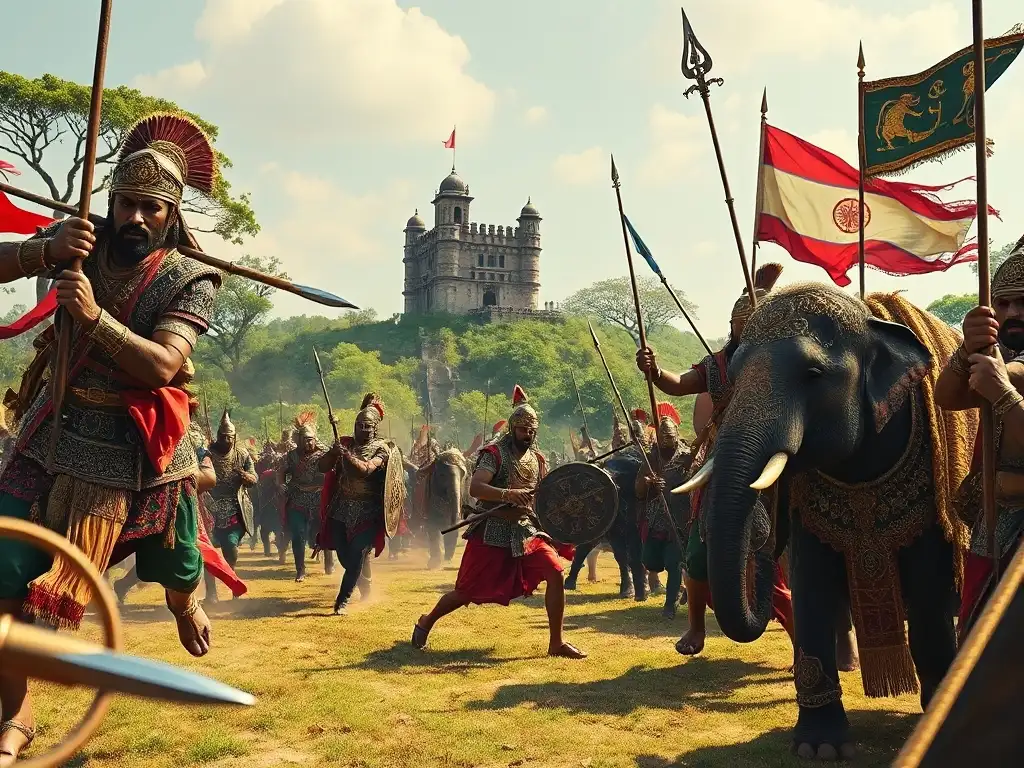
Welcome to Ancient India History, where we embark on a fascinating journey through the rich tapestry of India’s past. Here, we delve into the remarkable civilizations that shaped the subcontinent, with a special focus on the Gupta Empire—a golden age of culture, innovation, and military prowess. In our featured article, "Ancient Warfare: Strategies and Tactics of the Gupta Empire," uncover the ingenious warfare strategies that defined this era and explore how these tactics influenced the course of history.
Prepare to be captivated by the intricate details of ancient battles and the legacies they left behind. Join us as we unravel the mysteries of a time where strategy was as crucial as valor, and discover the profound impact these early military strategies have on our understanding of warfare today.
The Gupta Empire, often referred to as the "Golden Age" of ancient India, flourished between the 4th and 6th centuries CE. This period is not only celebrated for its remarkable achievements in art, science, and philosophy but also for its sophisticated military strategies and tactics that played a crucial role in the empire's expansion and defense. Understanding the Gupta Empire warfare strategies provides valuable insights into how this civilization managed to maintain control over a vast territory and fend off external threats.
The Gupta military system was characterized by a blend of innovation, traditional practices, and effective leadership. With a well-trained army, advanced weapons, and strategic alliances, the Gupta rulers showcased military prowess that was instrumental in establishing and sustaining their empire. This article delves into the various aspects of Gupta warfare, examining the strategies and tactics that defined their military successes and contributed to their legacy in Indian history.
The Structure of the Gupta Army
The Gupta army was a well-organized force that reflected the empire's administrative efficiency. It comprised various units, including infantry, cavalry, and war elephants, each playing a distinct role in battle formations. The following components were essential to the structure of the Gupta military:
- Infantry: Comprising foot soldiers armed with bows, swords, and spears, the infantry formed the backbone of the Gupta army.
- Cavalry: Swift and mobile, the cavalry units were crucial for flanking maneuvers and rapid assaults.
- War Elephants: These magnificent beasts were used both for shock value and to instill fear in the enemy ranks. They also served as platforms for archers and officers.
Key Strategies Employed by the Gupta Empire
The Gupta Empire was known for its strategic adaptability, which included the following key approaches in warfare:
- Terrain Utilization: The Guptas effectively used the diverse Indian terrain to their advantage. They employed guerrilla tactics in forests and mountainous regions, making it difficult for enemies to engage them effectively.
- Diplomacy and Alliances: Forming strategic alliances with neighboring states allowed the Gupta Empire to consolidate power and deter potential adversaries.
- Rapid Mobilization: The Gupta military was trained for swift movements, allowing them to respond quickly to threats and to exploit weaknesses in enemy defenses.
Notable Campaigns and Battles
The military campaigns of the Gupta Empire were marked by several notable battles that showcased their strategic ingenuity:
- The Conquest of the Vakatakas: This campaign exemplified the Gupta's ability to integrate military strength with diplomatic negotiations.
- The Defense Against the Huna Invasions: The Guptas faced significant threats from the Huna tribes, and their successful strategies in repelling these invasions illustrate the resilience and adaptability of Gupta warfare.
Innovations in Military Technology
The Gupta Empire was also known for its advancements in military technology, which included:
- Advanced Weaponry: The use of crossbows and catapults enhanced their offensive capabilities.
- Fortifications: The construction of strongholds and fortified cities provided strategic military advantages and protection against invasions.
By exploring the various elements of Gupta warfare, one can gain a deeper appreciation for how these strategies and tactics not only contributed to the empire's military successes but also left a lasting impact on the military history of ancient India.
- The Structure of the Gupta Army
- Key Strategies Employed by the Gupta Empire
- Notable Campaigns and Battles
- Innovations in Military Technology
- What were the primary warfare strategies of the Gupta Empire?
- How did the Gupta Empire adapt its military tactics over time?
- What role did cavalry play in Gupta warfare?
- How significant were fortifications in Gupta military strategy?
- Did the Gupta Empire influence later military strategies in India?
Introduction to Gupta Empire Warfare Strategies
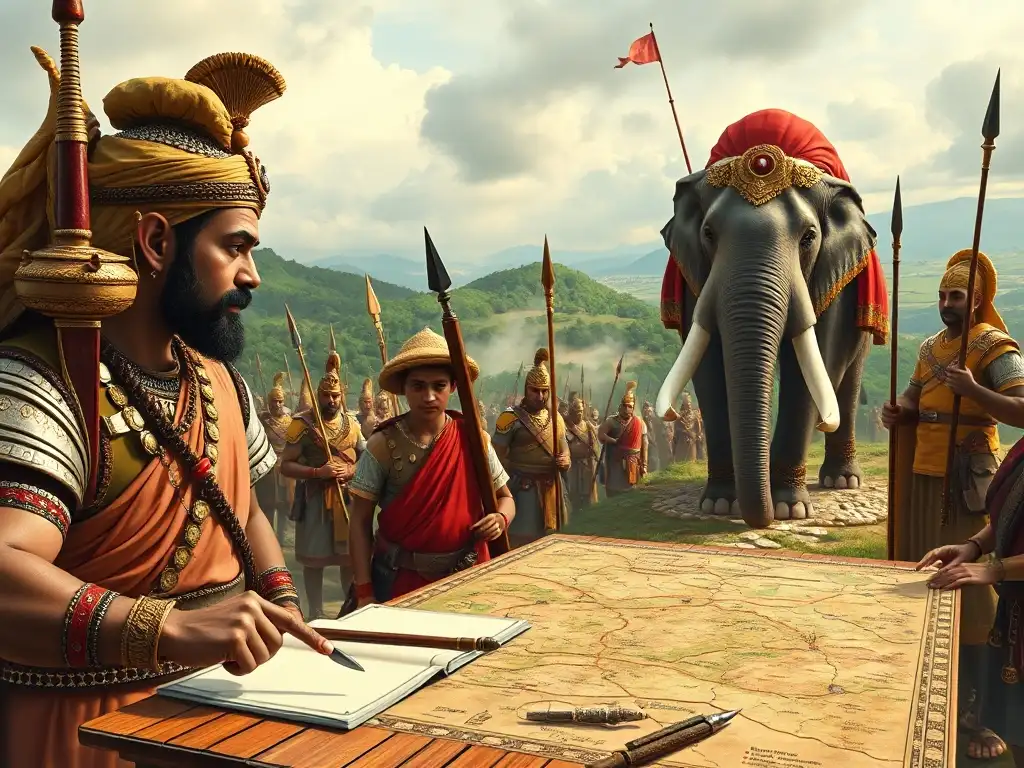
The Gupta Empire, flourishing from approximately 240 CE to 550 CE, is often regarded as a golden age in Indian history, marked not only by cultural advancements but also by military prowess. The Gupta rulers, such as Chandragupta I and Samudragupta, implemented innovative warfare strategies that contributed significantly to their territorial expansion and the consolidation of their empire. This section explores the unique warfare strategies employed by the Gupta Empire, highlighting their effectiveness in the context of ancient military history.
Overview of the Gupta Empire
The Gupta Empire was characterized by its extensive territorial reach across northern and central India, with its capital at Pataliputra. The empire's foundation by Chandragupta I marked the beginning of a dynasty that would dominate the Indian subcontinent for over three centuries.
- Key Features of the Gupta Empire:
- Territorial Expansion: The Gupta Empire expanded its influence through both military conquests and diplomatic marriages. Samudragupta, often called the "Napoleon of India," is noted for his aggressive military campaigns that extended Gupta control over vast regions.
- Cultural Flourishing: The period saw remarkable advancements in art, literature, and science, which were often supported by military stability and territorial security.
- Administration: The Gupta rulers maintained a well-organized administration that facilitated effective tax collection and resource management, which in turn supported their military endeavors.
The military strategy of the Gupta Empire was multifaceted, relying on a combination of well-trained infantry, cavalry, and war elephants, which were pivotal in their successes on the battlefield.
Importance of Military Strategies in Ancient India
Military strategies in ancient India were not solely about conquest; they played a crucial role in the socio-political landscape of the time. The Gupta Empire's warfare strategies can be examined through several key lenses:
- Territorial Control:
- The Gupta military employed strategic positioning of forts and outposts to secure trade routes and maintain control over conquered territories. This was vital for both economic stability and the projection of power.
- Innovative Tactics:
- The Guptas utilized flexible battlefield tactics, including the use of cavalry charges and the strategic deployment of war elephants, which were instrumental in breaking enemy lines.
- The element of surprise and rapid mobilization were key components, allowing Gupta forces to engage in quick strikes against rival kingdoms.
- Diplomatic Maneuvering:
- Beyond brute force, Gupta warfare often included diplomacy and alliances with local rulers. This approach helped to mitigate resistance and foster loyalty among newly acquired territories, reducing the need for prolonged military campaigns.
- Economic Support for Military Campaigns:
- The maintenance of a strong military was supported by a robust economy. The Gupta Empire’s effective agricultural policies and trade networks provided the necessary resources to equip and sustain their armies.
The Gupta Empire's warfare strategies were integral to its expansion and consolidation of power. By combining military innovation with diplomatic finesse, the Gupta rulers created a formidable empire that not only dominated the battlefield but also laid the groundwork for a culturally rich and historically significant era in ancient India.
Key Features of Gupta Empire Warfare
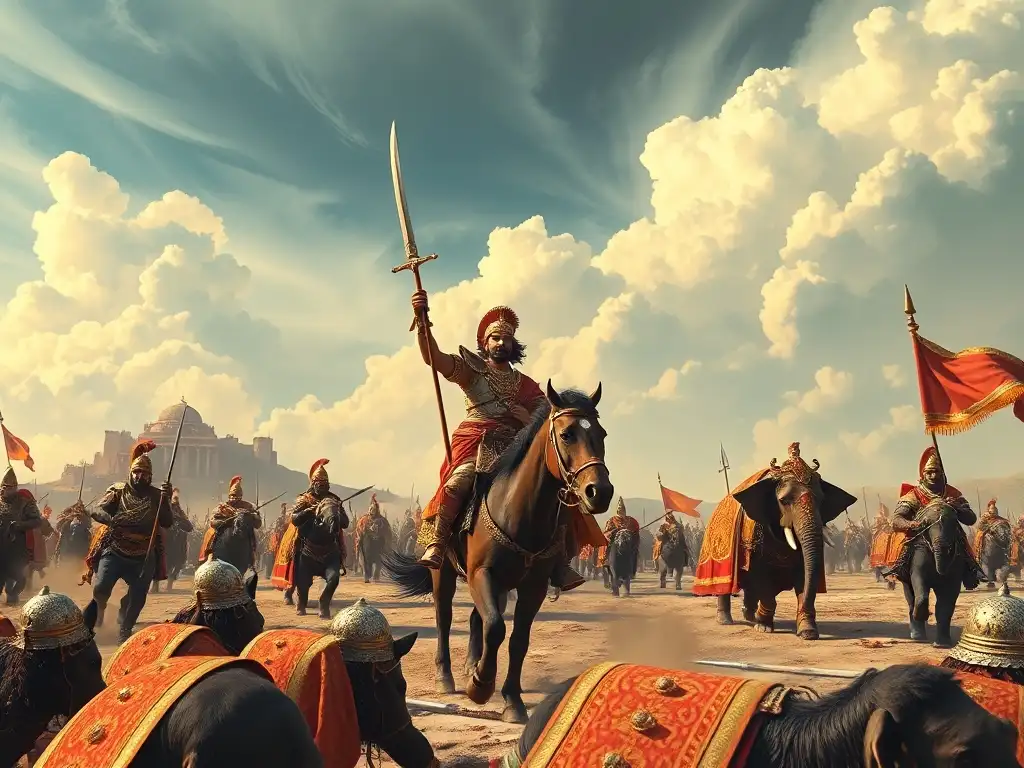
The Gupta Empire, known for its remarkable contributions to art, science, and philosophy, also demonstrated sophisticated military strategies that were pivotal in its expansion and defense. The warfare strategies of the Gupta Empire were characterized by a blend of traditional practices and innovative tactics, ensuring their dominance in the Indian subcontinent. Understanding these key features provides insight into how the Gupta rulers maintained their power and expanded their territories through effective military campaigns.
The Role of Infantry, Cavalry, and Elephants
In the military structure of the Gupta Empire, a well-balanced combination of infantry, cavalry, and war elephants was crucial. Each component played a specific role in battles:
- Infantry: The backbone of the Gupta military, infantry units were typically armed with a variety of weapons, including swords, shields, and bows. Their formation and discipline were vital during close combat, allowing them to adapt to different battlefield scenarios.
- Cavalry: Fast and mobile, cavalry units provided the Gupta forces with the ability to execute flanking maneuvers and rapid assaults. Horses were essential for reconnaissance and pursuing fleeing enemies, which often turned the tide of battle in favor of the Gupta commanders.
- War Elephants: The use of elephants in warfare was a hallmark of Gupta military strategy. Elephants not only served as a formidable force on the battlefield due to their size and strength, but they also instilled fear in enemy ranks. Trained to charge at enemy troops and disrupt formations, they played a significant psychological role. Their presence was also utilized for logistical support, carrying supplies and troops.
The effective coordination between these three elements allowed the Gupta military to execute complex strategies, adjusting their tactics based on the battlefield dynamics and the nature of the enemy forces.
Use of Chariots in Gupta Military Tactics
Chariots were an integral part of Gupta warfare, complementing the infantry and cavalry. They served multiple purposes in military engagements:
- Mobility: Chariots provided a swift means of transportation for commanders and key troops, allowing for rapid movement across the battlefield. This enabled strategic repositioning and surprise attacks.
- Firepower: Equipped with archers or spearmen, chariots acted as mobile platforms for ranged attacks. This capability allowed Gupta forces to harass and weaken enemy lines from a distance before engaging in close combat.
- Psychological Impact: The sight of chariots on the battlefield often instilled fear among opposing forces. Their speed and the chaos they could create made them effective tools for disrupting enemy formations.
- Versatile Tactics: Gupta commanders employed chariots in various tactical formations, allowing them to adapt to different combat scenarios. They could be used in a frontal assault, as flanking units, or in a protective role for key figures on the battlefield.
The strategic integration of chariots into Gupta military tactics showcased their adaptability and the emphasis on mobility and surprise, which were crucial for achieving victory.
Innovations in Weaponry and Armor
The Gupta Empire was notable for its advancements in weaponry and armor, which enhanced their military effectiveness. Some of the key innovations included:
- Weapons: Gupta weaponry included a range of swords, spears, and arrows, often crafted with superior metallurgy techniques. The use of high-quality steel made their arms more durable and effective in combat. Additionally, the introduction of curved swords allowed for more effective slashing attacks.
- Armor: Gupta soldiers wore armor made from materials such as leather and metal, providing better protection in battle. The design of armor evolved to include scale and lamellar styles, which offered flexibility while maintaining defense against enemy weapons.
- Siege Technology: The Gupta Empire also advanced in siege warfare, developing techniques for battering down fortifications. This included the use of siege towers and catapults that allowed them to engage fortified cities effectively.
- Strategies of Deception: Gupta commanders often employed tactics such as feigned retreats and ambushes, utilizing their knowledge of the terrain and the element of surprise to outmaneuver their opponents.
These innovations not only improved the effectiveness of the Gupta military forces but also contributed to their reputation as a formidable power in ancient India. By continually adapting their strategies and technology, the Gupta Empire maintained a significant advantage over their adversaries, reinforcing their dominance in the region.
Notable Battle Strategies of the Gupta Empire
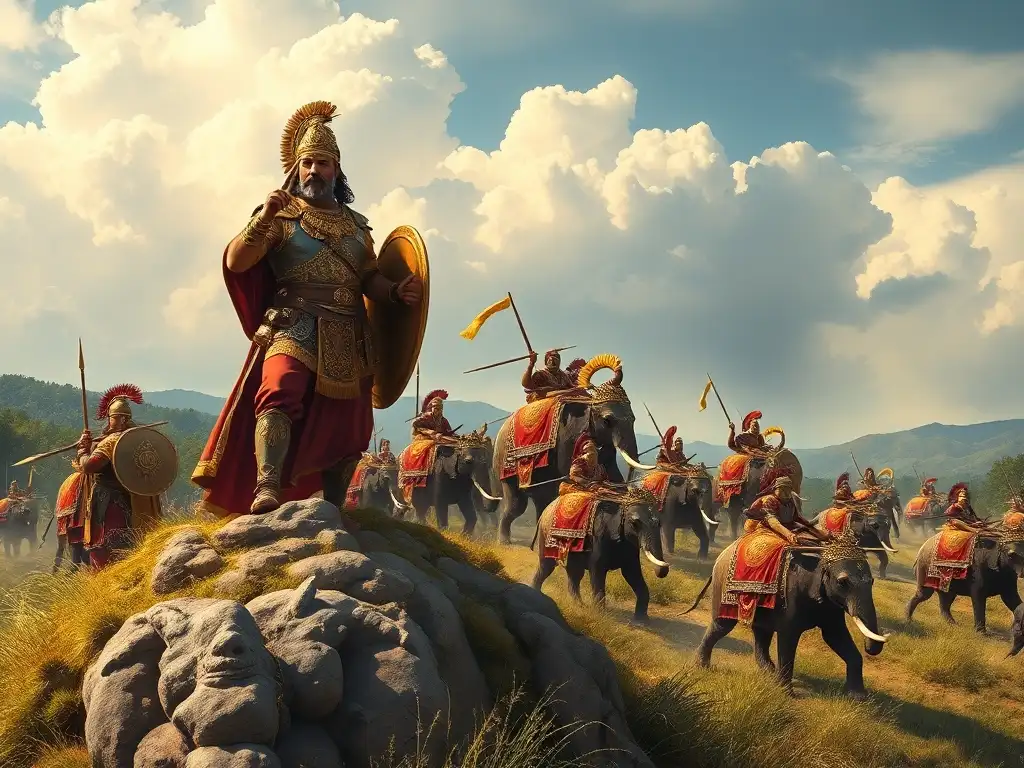
The Gupta Empire, often referred to as the Golden Age of India, is renowned not only for its cultural and intellectual advancements but also for its sophisticated military strategies. The Gupta rulers, particularly during the reign of Chandragupta II, employed a variety of innovative tactics that played a crucial role in their military successes. From their understanding of terrain to psychological tactics, the Guptas demonstrated a comprehensive approach to warfare that emphasized adaptability and strategic foresight.
The Importance of Terrain in Gupta Warfare
One of the cornerstones of Gupta Empire warfare strategies was the astute utilization of terrain. The Guptas recognized that the geographical features of a battlefield could significantly influence the outcome of a conflict.
- Strategic Positioning: The Guptas often chose battlegrounds that favored their forces. For instance, they would select elevated ground to gain a tactical advantage over their enemies, as seen in the battle against the Huns.
- Natural Barriers: The empire also took advantage of natural barriers such as rivers and mountains. These obstacles not only hindered enemy movements but also provided the Gupta forces with defensive advantages.
- Adaptability: The Guptas were adept at adapting their strategies according to the terrain. In forested areas, they employed guerrilla tactics, leveraging their knowledge of the landscape to ambush larger enemy forces.
The combination of these factors allowed the Gupta Empire to maximize their combat effectiveness, making them formidable opponents on the battlefield.
Psychological Warfare and Deception Tactics
Psychological warfare was another significant aspect of the Gupta Empire's military strategy. The rulers understood that the mental state of their opponents could be as crucial as physical might.
- Fear Induction: The Guptas often sought to intimidate their enemies through displays of strength. This included showcasing their formidable cavalry and war elephants, which were known to instill fear in opposing forces.
- Misinformation: Deceptive tactics were frequently employed to mislead enemies about the Gupta forces' strength and intentions. For example, they might feign a retreat to lure opponents into vulnerable positions, only to counterattack with overwhelming force.
- Propaganda: The Gupta rulers used propaganda to bolster their image and demoralize adversaries. They promoted stories of their victories and highlighted the bravery of their warriors, which served to enhance their reputation and deter potential challengers.
These psychological strategies not only contributed to their military successes but also played a role in the broader political landscape of the time, helping to consolidate Gupta power across the subcontinent.
Siege Warfare Techniques Employed by the Guptas
Siege warfare was a critical component of the Gupta military approach, particularly during conflicts with fortified cities and rival states. The Guptas developed several techniques that made their sieges effective.
- Surrounding Fortifications: The Guptas would often encircle enemy fortresses, cutting off supply lines and preventing reinforcements. This tactic was instrumental in weakening the morale of besieged forces, as seen in the sieges of various regional capitals.
- Use of Siege Engines: They employed various siege engines, such as catapults and battering rams, to breach fortifications. The effective use of these machines allowed them to dismantle walls and gates, making it easier to penetrate enemy defenses.
- Coordinated Assaults: Gupta commanders coordinated assaults from multiple fronts, overwhelming defenders. By combining infantry and cavalry charges, they could exploit weaknesses in the enemy's defenses and create openings for a decisive victory.
The adeptness of Gupta forces in siege tactics not only allowed them to capture key cities but also demonstrated their military sophistication and strategic planning.
The Gupta Empire's warfare strategies encompassed a wide range of tactics that included leveraging terrain, psychological manipulation, and advanced siege techniques. These strategies not only solidified the empire's military dominance during its peak but also left a lasting legacy in the annals of military history in ancient India.
Comparative Analysis of Gupta Warfare Strategies
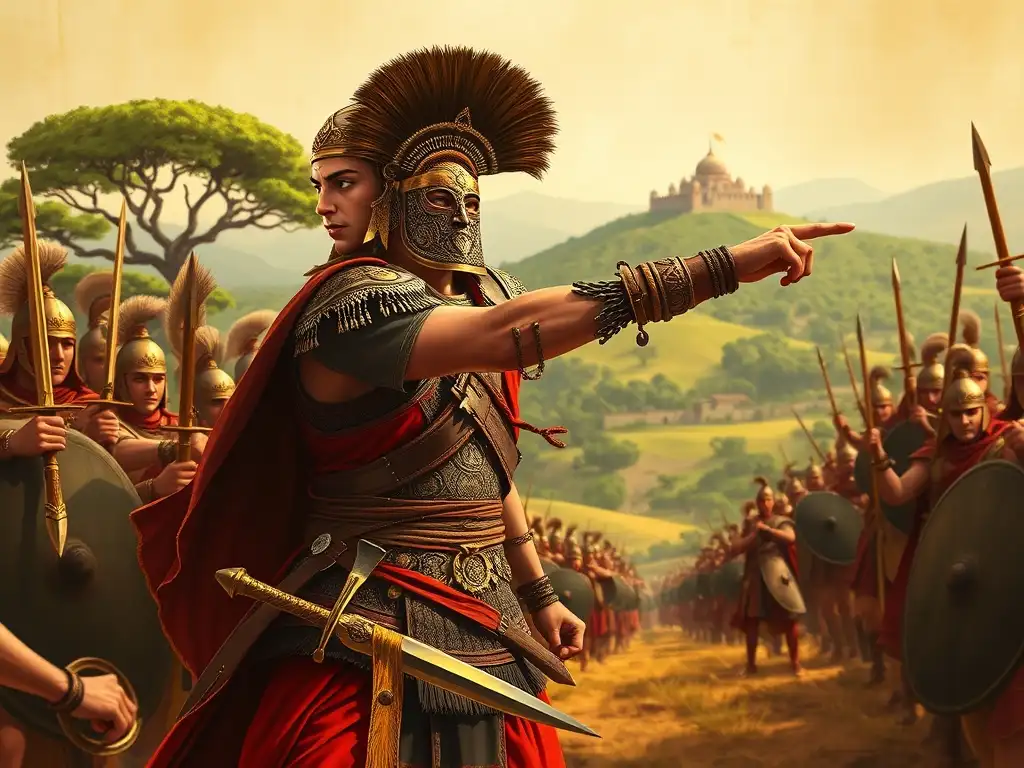
The Gupta Empire, flourishing from approximately 320 to 550 CE, is renowned for its advancements in various fields, including warfare. This section examines how the warfare strategies of the Gupta Empire compared to previous Indian empires and their contemporary civilizations, highlighting the unique aspects that defined their military prowess.
Comparison with Previous Indian Empires
When analyzing Gupta Empire warfare strategies, one must consider the military practices of earlier Indian empires such as the Maurya and the Kushan.
- Mauryan Empire (322–185 BCE):
- The Mauryan military was characterized by a large standing army, which was primarily infantry, supported by cavalry and war elephants.
- They employed a centralized command structure, allowing for coordinated campaigns.
- Tactics: The Mauryans focused heavily on siege warfare, employing advanced fortifications and psychological warfare to intimidate enemies.
- Kushan Empire (1st–3rd century CE):
- The Kushans, while notable for their trade and cultural exchanges, also engaged in military campaigns across northern India and Central Asia.
- They relied on a combination of heavy cavalry and war elephants, similar to the Mauryans.
- Tactics: The Kushans utilized a strategy of mobility, leveraging their cavalry for rapid strikes and retreats.
In contrast, the Gupta Empire refined these strategies by emphasizing:
- Decentralized Warfare: The Gupta military relied on a network of regional governors who maintained local forces, allowing for rapid mobilization and defense.
- Cavalry Dominance: While elephants remained important, the Gupta strategy increasingly favored cavalry units, which were more mobile and effective in various terrains.
- Guerrilla Tactics: The Gupta forces often employed guerrilla warfare, utilizing the terrain to their advantage against larger, more cumbersome enemy forces.
Gupta Empire Warfare vs. Contemporary Civilizations
To fully appreciate the Gupta Empire warfare strategies, it is essential to compare them with those of contemporary civilizations, such as the Roman Empire and the Sassanian Empire.
-
Roman Empire (27 BCE – 476 CE):
- The Romans utilized a professional army organized into legions, emphasizing discipline, training, and a hierarchy that allowed for effective command and control.
- Tactics: Their strategies included the use of fortified camps, regular formations, and extensive use of siege machinery.
In contrast, the Gupta military was more adaptable, focusing on speed and flexibility rather than rigid formations. This adaptability allowed the Guptas to respond effectively to various threats, particularly from nomadic tribes and rival kingdoms.
-
Sassanian Empire (224–651 CE):
- The Sassanians had a formidable cavalry, which they used alongside heavily armored infantry, similar to the Gupta approach.
- Tactics: They often employed a strategy of rapid raids and counter-raids, focusing on disrupting enemy supply lines.
The Gupta Empire distinguished itself by:
- Utilizing Terrain: Gupta commanders were adept at using the Indian landscape, employing ambush tactics and hit-and-run strategies that exploited the knowledge of local geography.
- Cultural Integration: Gupta warfare included a strong element of diplomacy and cultural assimilation, often integrating conquered peoples into their military ranks, which enhanced their strength and cohesion.
The Gupta Empire warfare strategies were a synthesis of earlier Indian military practices and contemporary global trends, characterized by adaptability, effective use of cavalry, and a nuanced approach to warfare that combined military might with diplomacy. These strategies not only solidified the Gupta Empire's power but also contributed to its legacy as a cornerstone of ancient Indian history.
Case Studies of Significant Battles
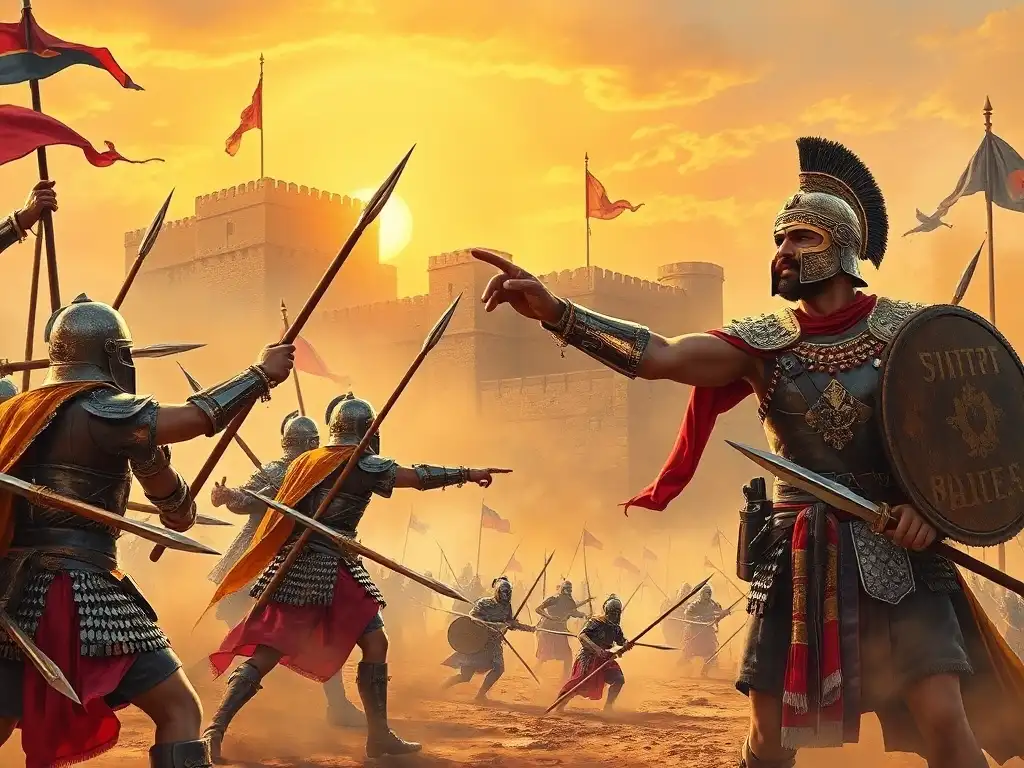
The Gupta Empire, renowned for its cultural and intellectual achievements, also showcased remarkable military prowess. The strategic and tactical decisions made during significant battles not only influenced the outcomes of conflicts but also shaped the political landscape of ancient India. This section analyzes key battles that exemplify Gupta Empire warfare strategies.
The Battle of Nalanda: A Tactical Overview
The Battle of Nalanda, fought around the late 5th century, was a pivotal confrontation against the invading forces of the Huns. This battle is particularly significant due to its location near the renowned Nalanda University, a center of learning and scholarship.
Key Tactical Elements:
- Terrain Utilization: The Gupta commanders effectively used the hilly terrain surrounding Nalanda to ambush Hun forces. The knowledge of local geography allowed them to set up strategic positions that hindered the mobility of the heavily armored Hun cavalry.
- Formation and Discipline: Gupta soldiers employed a flexible formation that allowed rapid repositioning. The use of a phalanx-style formation provided both defensive strength and the ability to counterattack effectively.
- Archery and Cavalry Coordination: Gupta archers played a crucial role in softening the Hun front lines. The coordinated efforts between archers and cavalry units enabled swift strikes and retreats, minimizing casualties.
Outcome and Impact: The Gupta forces emerged victorious, preserving the integrity of Nalanda University and maintaining the cultural and educational legacy of the region. This battle demonstrated the effectiveness of Gupta warfare strategies, which emphasized adaptability and local knowledge.
The Campaign Against the Huns: Strategies and Outcomes
The Gupta Empire faced numerous incursions from the Huns, a formidable enemy that threatened its territorial integrity. The campaign against the Huns spanned several years and involved various strategic maneuvers.
Strategic Approaches:
- Alliances and Diplomacy: The Guptas often sought alliances with neighboring kingdoms to present a united front against the Huns. Diplomatic efforts to secure non-aggression pacts with local rulers were instrumental in weakening Hun advances.
- Fortification of Key Locations: The Gupta rulers invested in the fortification of key cities and trade routes, enhancing their defensive capabilities. This included constructing walls and watchtowers, which provided strategic advantages during battles.
- Guerrilla Warfare Tactics: In response to the Huns' superior cavalry, Gupta forces employed guerrilla tactics, utilizing hit-and-run strategies that disrupted enemy supply lines and communication. This approach exhausted the Hun forces and diminished their morale.
Outcomes: Although the campaign against the Huns was protracted, the Gupta Empire successfully repelled their advances. The resilience shown during this period solidified Gupta dominance in northern India and showcased their effective military strategies.
While much of the focus on Gupta warfare emphasizes land battles, their naval strategies also played a significant role in securing trade routes and territorial waters.
Naval Tactics and Innovations:
- Shipbuilding Techniques: The Gupta Empire excelled in shipbuilding, employing advanced techniques that allowed for the construction of larger and more durable vessels. This innovation enabled better transportation of troops and goods.
- Control of Riverine Networks: The Guptas strategically utilized rivers for both trade and military movements. Control over river routes not only facilitated the movement of armies but also allowed for surprise attacks on unsuspecting enemy positions along the banks.
- Naval Engagements: Although less frequent, naval battles were crucial in maintaining dominance over coastal regions. The Gupta navy engaged in skirmishes with rival coastal powers, ensuring the protection of trade routes vital to the economy.
Conclusion: The Gupta naval warfare strategies reflect a comprehensive understanding of both land and naval military operations. By integrating these strategies, the Gupta Empire successfully expanded its influence across the Indian subcontinent.
The Gupta Empire's warfare strategies, as demonstrated in significant battles and campaigns, highlight their adaptability and innovative approaches to military challenges. These tactics not only secured victories but also contributed to the empire's lasting legacy in ancient Indian history.
Conclusion: Legacy of Gupta Empire Warfare Strategies
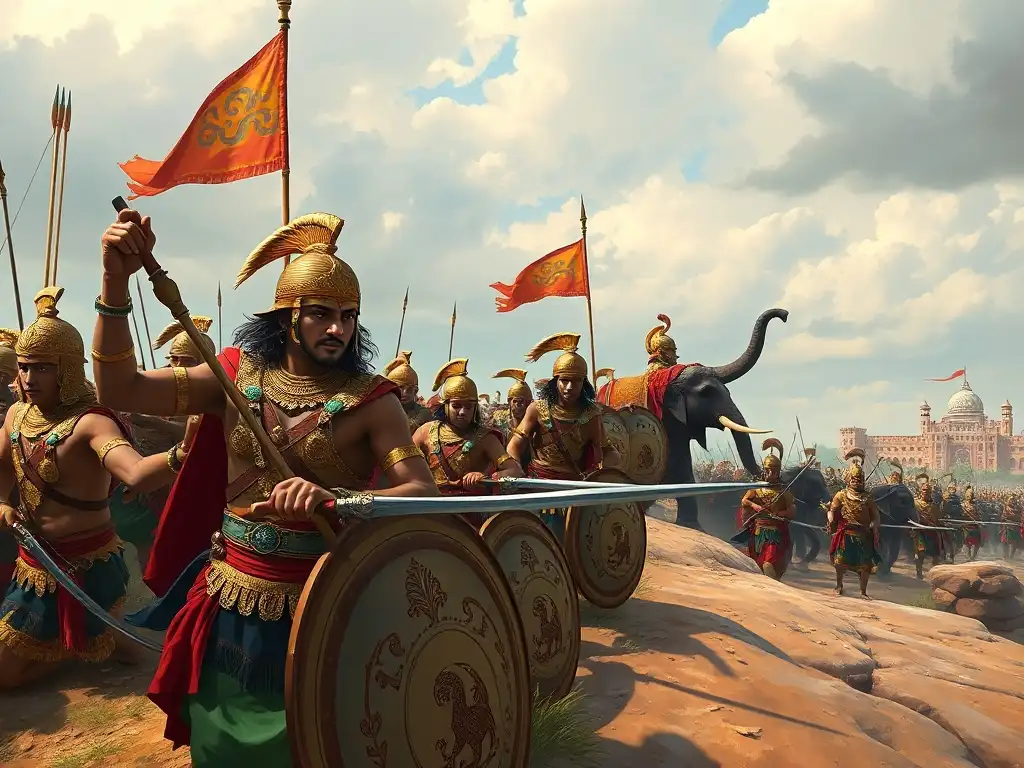
The Gupta Empire, which flourished from approximately 240 to 550 CE, is often regarded as a golden age of Indian history, not only for its cultural achievements but also for its sophisticated and effective military strategies. The warfare strategies employed by the Gupta rulers were pivotal in establishing and maintaining their vast empire, showcasing a blend of innovative tactics, organizational efficiency, and strategic diplomacy that would influence subsequent generations.
Influence on Subsequent Indian Military Tactics
The military strategies of the Gupta Empire laid the groundwork for future Indian warfare, integrating several key elements that would be built upon in later centuries:
- Cavalry Dominance: The Gupta military heavily relied on cavalry, which allowed for rapid movement and flexibility on the battlefield. This emphasis on cavalry would set a precedent for future Indian armies, influencing their composition and tactics.
- Use of Elephants: Elephants were not only used for transport but also as formidable weapons of war. Their psychological impact on enemies and utility in combat made them a staple in subsequent Indian warfare, with many later rulers adopting similar practices.
- Fortifications and Defensive Strategies: The Gupta Empire invested in strong fortifications, which provided strategic advantages during sieges. This focus on defensive architecture influenced the design and construction of forts throughout India, impacting military strategy for centuries.
- Integration of Infantry and Archers: The Gupta military effectively combined infantry and archers, creating a balanced force capable of engaging in various combat scenarios. This integration of different units became standard in later military formations.
These tactical innovations not only allowed the Gupta Empire to expand and defend its territory but also served as a model for subsequent Indian states, emphasizing the importance of adaptability and resourcefulness in warfare.
Lasting Impact on Military History in Ancient India
The legacy of Gupta Empire warfare strategies is evident in how they shaped the broader military history of ancient India. Key aspects of this impact include:
- Strategic Alliances: The Gupta rulers frequently engaged in diplomacy and formed alliances with regional powers, showcasing a blend of military might and strategic negotiation. This practice continued in later Indian empires, such as the Chola and Mughal dynasties, illustrating the importance of alliances in achieving military objectives.
- Cultural Aspects of Warfare: The Gupta period also saw the intertwining of culture and warfare, where military campaigns were often accompanied by the promotion of arts and sciences. This approach influenced the perception of warfare in subsequent Indian history, where success in battle was celebrated through literature and art.
- Military Texts and Treatises: The strategies and tactics developed during the Gupta Empire contributed to the creation of military treatises, which served as manuals for future generations. These texts helped codify military knowledge and tactics, ensuring that effective strategies were preserved and transmitted through time.
The warfare strategies of the Gupta Empire not only facilitated its expansion and consolidation of power but also left an indelible mark on the military traditions of ancient India. Their influence can be traced through various subsequent empires, highlighting the significance of Gupta military innovations in shaping the course of Indian history. The combination of strategic foresight, effective use of resources, and cultural integration established a legacy that continues to resonate in the study of military history.
Further Reading on Gupta Empire Military History
Recommended Books and Articles
-
"The Gupta Empire: A Historical Perspective" by R.C. Majumdar
This comprehensive book delves into the political and military strategies that defined the Gupta Empire. Majumdar discusses the organizational structure of the Gupta army and its tactical innovations, making it essential for understanding Gupta Empire warfare strategies.
-
"War in Ancient India: A Study of Military Tactics" by R. Sharma
Sharma provides an in-depth analysis of military tactics used during the Gupta period, including the use of elephants in battle, which were pivotal in Gupta warfare. The book also covers significant battles and the strategic decisions that led to their outcomes.
-
"Ancient Indian Warfare: History and Analysis" by A. B. Roy
This article offers a detailed examination of ancient Indian warfare, with a dedicated section on the Gupta Empire. Roy discusses the influence of geography and technology on military strategies, thus providing context for the Gupta's successes and failures in warfare.
-
"The Art of War in Ancient India" by R. Mukherjee
Mukherjee explores various aspects of military arts, including the philosophical underpinnings of warfare in ancient India. This resource highlights the Gupta Empire's approach to conflict and strategy, offering insights into their military doctrine.
-
"Gupta Warfare: Power and Politics" by S. Chatterjee
This article focuses on the interplay between military strategy and political power during the Gupta Empire. Chatterjee's work emphasizes the significance of alliances and diplomacy in Gupta warfare, providing a broader understanding of their military campaigns.
Online Resources for Ancient Indian Warfare
-
India's Ancient Military History: A Digital Archive
This online repository features a range of documents, maps, and illustrations related to ancient Indian warfare, including specific sections on the Gupta Empire. It serves as a valuable resource for researchers and enthusiasts alike.
-
Ancient India Warfare Blog
This blog is dedicated to discussions and analyses of ancient Indian military history. It includes posts specifically about Gupta Empire warfare strategies and notable battles, allowing readers to engage with contemporary interpretations and debates.
-
The Gupta Empire: An Interactive Timeline
This educational tool provides a visual representation of key events in the Gupta Empire, including military campaigns and battles. Users can click on specific events to learn more about the strategies employed during those times.
-
YouTube Channel: Ancient Indian History
This channel features documentaries, lectures, and discussions on various aspects of ancient Indian history, including warfare during the Gupta Empire. It offers a dynamic way to explore the subject through visual storytelling.
-
Online Course: Warfare in Ancient India
Offered by several educational platforms, this course covers the evolution of military strategies in ancient India, with a focus on the Gupta Empire. It includes video lectures, readings, and assessments for a comprehensive learning experience.
These resources provide a wealth of information for anyone interested in the military history of the Gupta Empire, enhancing understanding of their warfare strategies and the broader context of ancient Indian military practices.
Frequently Asked Questions
What were the primary warfare strategies of the Gupta Empire?
The Gupta Empire employed a combination of guerrilla tactics, cavalry maneuvers, and fortified positions to outmaneuver their enemies, ensuring effective control over vast territories.
How did the Gupta Empire adapt its military tactics over time?
The Gupta Empire adapted by integrating new technologies and strategies from conquered regions, enhancing their military effectiveness against diverse opponents.
What role did cavalry play in Gupta warfare?
The cavalry was a crucial component of the Gupta military, offering mobility and speed, allowing them to strike swiftly and retreat when necessary, thus maintaining a strategic advantage.
How significant were fortifications in Gupta military strategy?
Fortifications were essential for the Gupta Empire, providing defensive strongholds that protected resources and troop movements, helping to secure their borders against invasions.
Did the Gupta Empire influence later military strategies in India?
Absolutely, the Gupta Empire's innovative warfare strategies laid the groundwork for future Indian military tactics, influencing subsequent empires in their approach to combat and defense.
Final Reflection: The Enduring Legacy of Gupta Empire Warfare Strategies
The intricate warfare strategies of the Gupta Empire not only shaped the course of ancient Indian history but also resonate with contemporary military and strategic studies. As we delve into the tactics employed by this remarkable civilization, we uncover lessons that transcend time, illustrating how the art of warfare can influence political stability, cultural identity, and technological advancement. The Gupta Empire's approach to warfare serves as a testament to the power of strategic thinking and adaptability in the face of challenges.
The Gupta Empire's military innovations and strategies have left an indelible mark on the cultural and social landscape of India and beyond. From the use of cavalry and war elephants to the implementation of psychological warfare, these tactics have influenced not only military leaders but also scholars and strategists throughout history. As noted by historian Romila Thapar, The strategies of the past inform the present, reminding us that the lessons of history are as relevant today as they were centuries ago.
This ongoing influence underscores the importance of studying ancient warfare, as it provides insights into the complexities of human conflict and cooperation.
As we reflect on the Gupta Empire's warfare strategies, I invite you to consider how these ancient lessons can be applied to our modern lives. Think about the strategies you employ in your own challenges—whether in personal relationships, professional endeavors, or community engagements. Embrace the wisdom of adaptability, foresight, and collaboration that the Gupta Empire exemplified. Let the legacy of their military prowess inspire you to approach your own battles with a strategic mindset, fostering resilience and innovation in the face of adversity.
Unveil the Secrets of Ancient Warfare!
Thank you for investing your time in exploring the fascinating strategies and tactics of the Gupta Empire! We hope you found valuable insights into their remarkable military prowess. Now, it's time to take your newfound knowledge to the next level.
Here are a few actionable steps to deepen your understanding and engage with the community:
- Dive Deeper: Read a detailed analysis of the Gupta military formations and their lasting impact on modern warfare in our next article.
- Get Involved: Share your thoughts on Gupta strategies in our community forum—join fellow enthusiasts and historians in engaging discussions.
- Explore Beyond: Discover our resources on other ancient empires that influenced Gupta tactics and broaden your historical perspective.
What aspect of Gupta warfare intrigues you the most? How do you think these ancient strategies could inform modern military tactics? We encourage you to share your insights below!