
How the Maurya Empire Established Political Legitimacy Through Religion

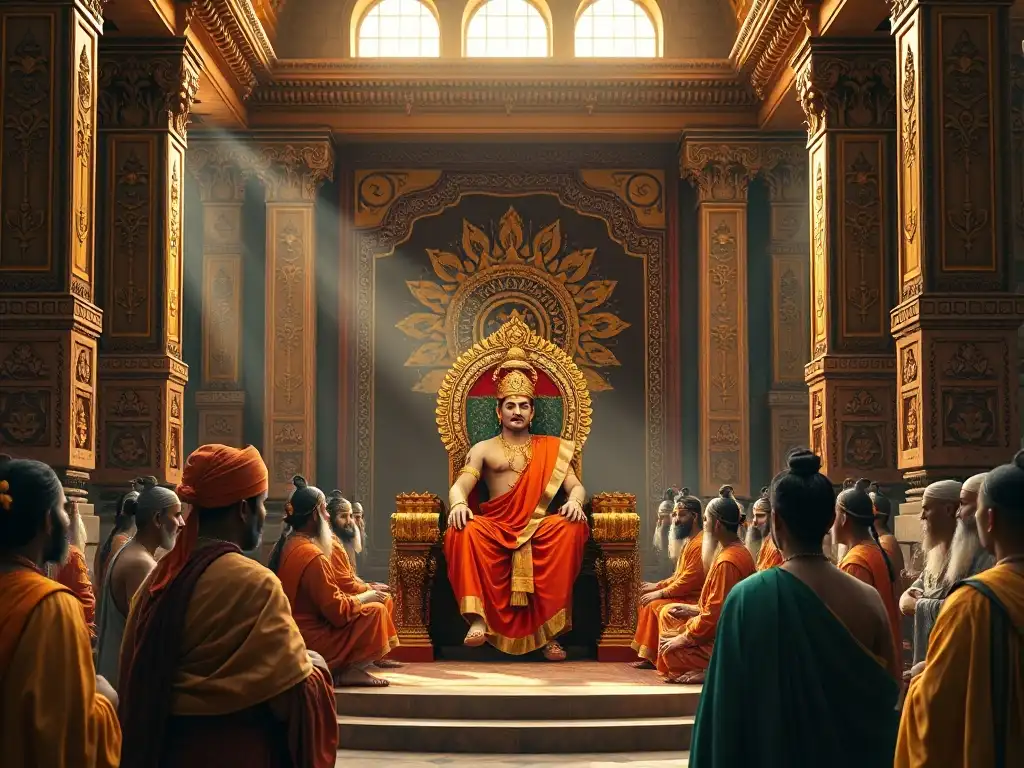
Welcome to Ancient India History, where we delve into the rich tapestry of cultures and civilizations that shaped one of the world's oldest nations. Today, we invite you to explore the fascinating concept of political legitimacy in the Maurya Empire and discover how this ancient civilization intertwined faith and governance to establish its authority. What role did religion play in the Mauryan rulers' quest for power?
Unravel these intriguing questions with us and embark on a journey through time that highlights the profound contributions of ancient Indian societies. Join us as we uncover the secrets of the past and their lasting impact on the present!
- Introduction to Political Legitimacy in the Maurya Empire
- The Concept of Political Legitimacy
- The Role of Religion in the Maurya Empire
- Ashoka the Great: A Case Study in Political Legitimacy
- Strategies for Establishing Political Legitimacy through Religion
- The Interplay Between Religion and Governance
- The Legacy of Political Legitimacy in the Maurya Empire
- Conclusion: The Significance of Political Legitimacy in the Maurya Empire
-
Frequently Asked Questions
- What was the role of religion in the Maurya Empire's political legitimacy?
- How did Ashoka contribute to the political legitimacy of the Maurya Empire?
- What strategies did the Maurya Empire use to ensure political stability?
- How did the concept of Dharma influence Mauryan rulers?
- What legacy did the Maurya Empire leave regarding political legitimacy?
- Final Reflection: The Enduring Legacy of Political Legitimacy in the Maurya Empire
- Unveil the Legacy: Take Action to Explore India’s Rich History!
Introduction to Political Legitimacy in the Maurya Empire
The Maurya Empire, one of the largest and most powerful empires in ancient India, provides a fascinating case study on how political legitimacy was established and maintained through various means, including religious endorsement. Spanning from 322 BCE to 185 BCE, the Maurya Empire dominated a significant portion of the Indian subcontinent and is renowned for its advancements in governance, economics, and culture. Understanding the mechanisms behind political legitimacy within this empire is crucial to grasping how it managed to unify diverse regions and populations under a centralized authority.
In this article, we will delve into the intricate relationship between religion and governance in the Maurya Empire, exploring how rulers like Chandragupta Maurya and his grandson Ashoka utilized religious narratives and practices to fortify their authority. By examining the significance of political legitimacy in the Maurya Empire, we will uncover the essential role religion played in shaping governmental structures and societal compliance, ensuring the stability and continuity of one of ancient India's most influential civilizations.
Overview of the Maurya Empire
The Maurya Empire emerged after the decline of the Nanda dynasty, with Chandragupta Maurya establishing his rule in 322 BCE. The empire's territorial expanse reached its zenith under Ashoka, who reigned from 268 to 232 BCE. Notable for its sophisticated administrative systems and strategic military conquests, the Maurya Empire was characterized by:
- Centralized Administration: The empire was divided into provinces, each overseen by governors who reported directly to the emperor, ensuring centralized control.
- Economic Prosperity: The Mauryas implemented trade routes and established a standardized currency, enhancing economic stability and growth.
- Cultural Flourishing: The period saw advancements in art, architecture, and literature, including the famous edicts of Ashoka, which conveyed moral and ethical governance.
The empire's political structure was not just about power; it was deeply intertwined with the cultural and religious ethos of the time, which played a crucial role in legitimizing authority.
Importance of Political Legitimacy
Political legitimacy refers to the recognition and acceptance of a governing authority by its subjects. In the context of the Maurya Empire, political legitimacy was paramount for several reasons:
- Unification of Diverse Regions: The Maurya Empire encompassed various ethnicities, languages, and cultures. Establishing legitimacy was essential to unify these diverse groups under a single political framework.
- Resistance to Rebellion: A ruler perceived as legitimate was less likely to face uprisings or dissent. Legitimacy fostered loyalty among subjects, deterring challenges to authority.
- Stability and Governance: Political legitimacy facilitated effective governance, enabling rulers to implement laws and policies with greater acceptance and compliance from the populace.
In an era where power was often contested, the Maurya Empire's ability to establish and maintain political legitimacy was a cornerstone of its enduring success.
Role of Religion in Ancient Indian Governance
Religion played a multifaceted role in the governance of the Maurya Empire, serving both as a tool for legitimization and as a unifying force among the diverse population. Key aspects include:
- Divine Right of Kings: Rulers often claimed divine sanction, presenting themselves as chosen by the gods. This belief in the divine right enhanced their authority and justified their rule.
- Promotion of Dharma: Ashoka, in particular, emphasized the concept of Dharma (moral law) as a guiding principle for governance. His edicts promoted ethical conduct and social responsibility, aligning political authority with spiritual ideals.
- Religious Pluralism: The Maurya Empire practiced a degree of religious tolerance, recognizing various faiths such as Hinduism, Buddhism, and Jainism. This pluralism helped integrate different communities and fostered a sense of belonging among subjects.
Through these religious frameworks, the Maurya rulers were able to cultivate an environment conducive to political stability and acceptance, demonstrating the profound impact of religion on governance in ancient India.
The Concept of Political Legitimacy
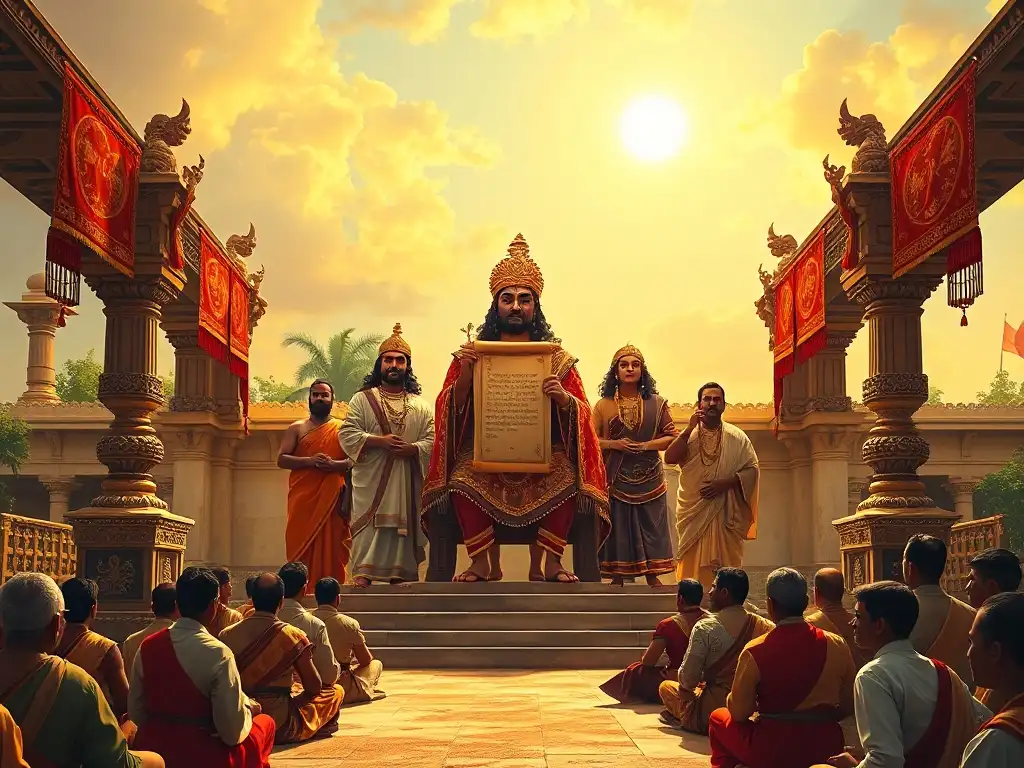
The Maurya Empire, one of the largest and most powerful empires in ancient India, established a unique approach to political legitimacy that intertwined governance with religious authority. Understanding this concept is crucial to grasp how the Maurya rulers maintained control over vast territories and diverse populations. Political legitimacy refers to the recognized right of a ruler or governing body to hold power, which can stem from various sources, including tradition, law, or, as seen prominently in the Maurya Empire, religion.
Definition of Political Legitimacy
Political legitimacy can be defined as the justification for a ruler's authority over their subjects, often reliant on the perception that the ruler's power is justified and accepted by the populace. In the context of the Maurya Empire, legitimacy was not merely a matter of force; rather, it was deeply rooted in ideological and religious frameworks that resonated with the people.
Key aspects of political legitimacy include:
- Consent of the Governed: The acceptance by the subjects that the ruler's authority is rightful.
- Moral Justification: The belief that the ruler's governance aligns with ethical or divine principles.
- Stability and Order: The ability of the ruler to provide peace and stability, fostering loyalty among subjects.
This multifaceted concept is critical when analyzing how the Maurya Empire utilized religion to solidify its political legitimacy.
Historical Context of Legitimacy in Ancient Civilizations
Throughout ancient history, various civilizations employed different strategies to establish and maintain political legitimacy. For instance, in Mesopotamia, rulers often claimed divine favor, while in ancient Egypt, pharaohs were viewed as gods on earth. Similarly, the Maurya Empire, which flourished from the 4th to 2nd centuries BCE, operated in a historical context where religious endorsement significantly influenced political authority.
In India, the integration of religion and governance was not novel. Prior to the Maurya Empire, the Vedic period established a foundation where kings were seen as protectors of dharma (cosmic law and order). The Mauryas expanded upon this tradition, emphasizing the role of religion in legitimizing their rule.
Key historical influences include:
- Vedic Traditions: Establishing the notion of kingship aligned with dharma.
- Regional Variances: Different regions within India had their own religious and cultural practices that influenced perceptions of legitimacy.
- Cultural Syncretism: The Maurya Empire encompassed various cultures and religions, necessitating a broader approach to legitimacy.
These elements created a complex tapestry of legitimacy that the Maurya rulers adeptly navigated.
Religious Foundations of Legitimacy
Religion played a pivotal role in establishing and reinforcing political legitimacy in the Maurya Empire. The rulers, particularly Ashoka the Great, adopted and promoted Buddhism as a central tenet of governance, thereby intertwining religious principles with state authority. This strategy served multiple purposes:
- Moral Authority: By aligning themselves with Buddhist teachings, rulers positioned themselves as moral leaders, encouraging subjects to view their governance as righteous and just.
- Universal Appeal: Buddhism's emphasis on compassion and non-violence allowed for broader acceptance among diverse populations, fostering loyalty across different ethnic and cultural groups within the empire.
- Legitimization of Power: Ashoka's conversion to Buddhism and subsequent efforts to spread its principles were instrumental in legitimizing his reign, especially after the bloody Kalinga War, which prompted a shift towards a more humane and ethical form of governance.
- Cultural Integration: The Maurya Empire’s endorsement of various religious practices (including Hinduism and Jainism) showcased a syncretic approach, which helped to unify people under a common political framework while respecting local traditions.
The political legitimacy of the Maurya Empire was intricately linked to its religious foundations. By leveraging religion as a tool for governance, the Maurya rulers were able to maintain authority and foster a sense of belonging among their subjects, ensuring the empire's stability and longevity.
The Role of Religion in the Maurya Empire
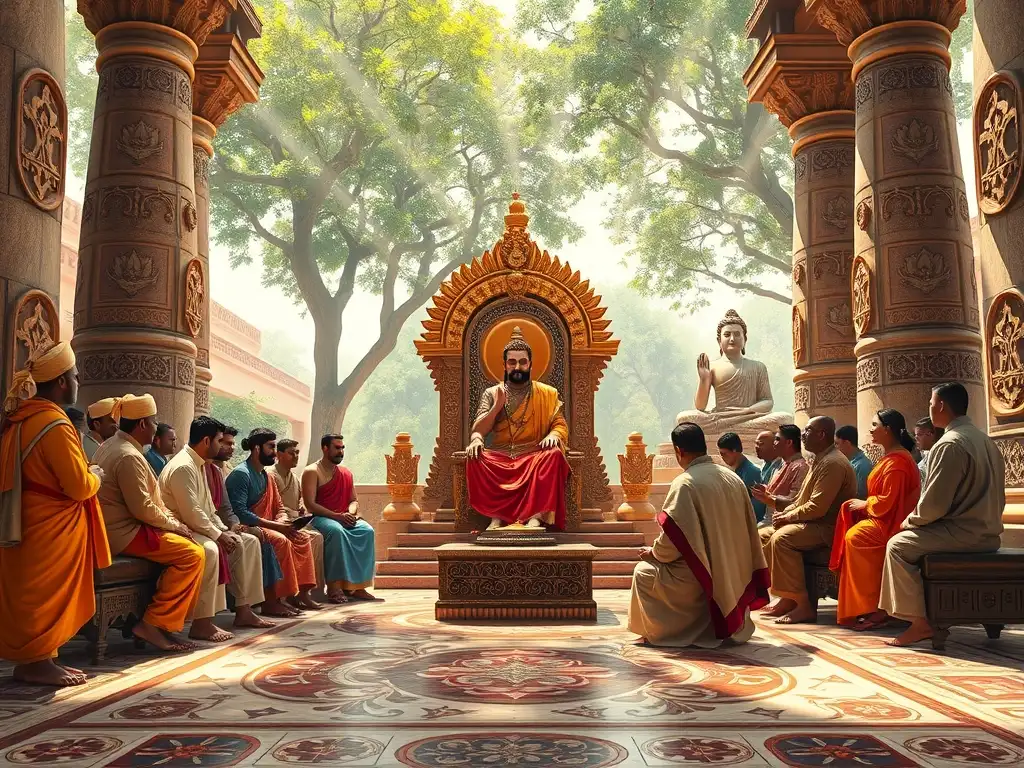
The Maurya Empire, one of the most significant empires in ancient Indian history, adeptly utilized religion as a tool for establishing and maintaining political legitimacy. This strategic intertwining of religion and governance allowed the Mauryan rulers to not only consolidate their power but also to engender loyalty and obedience among their subjects. The religious landscape during this period was diverse and multifaceted, featuring a range of beliefs and practices that played a crucial role in shaping the political framework of the empire.
Major Religions During the Maurya Period
During the Maurya Empire (circa 322–185 BCE), several religions coexisted and influenced the sociopolitical climate. The major religions included:
- Hinduism: As one of the oldest religions in India, Hinduism provided a rich tapestry of rituals, beliefs, and texts that influenced the moral and ethical fabric of society. The concept of dharma (moral duty) was integral to Hindu philosophy, offering a framework for rulers to align their governance with divine principles.
- Buddhism: Founded by Siddhartha Gautama (Buddha), Buddhism gained significant traction during the Maurya period, especially under the patronage of Emperor Ashoka. Its teachings emphasized non-violence and compassion, resonating deeply with the populace.
- Jainism: Although smaller in numbers compared to Hinduism and Buddhism, Jainism promoted principles of non-violence and asceticism. The Mauryan rulers, particularly Chandragupta Maurya, showed respect towards Jain ascetics, further legitimizing their rule through religious tolerance.
The interplay between these religions not only fostered cultural cohesion but also provided the rulers with multiple avenues to gain legitimacy. By aligning their policies with the predominant beliefs, the Mauryan emperors were able to reinforce their authority.
Buddhism's influence on the political authority of the Maurya Empire is most prominently exemplified through the reign of Emperor Ashoka. Following his conversion to Buddhism after the Kalinga War, Ashoka adopted Dhamma (moral law) as the guiding principle of his administration. This shift had profound implications for political legitimacy:
- Promotion of Non-Violence: Ashoka's embrace of the principle of ahimsa (non-violence) not only resonated with Buddhist teachings but also established a new moral standard for governance. This approach helped to legitimize his rule as one that prioritized compassion over aggression.
- Edicts and Inscriptions: Ashoka disseminated his policies through rock edicts and pillars, inscribed with messages promoting ethical conduct, religious tolerance, and social welfare. By publicly aligning his authority with Buddhist values, he reinforced his legitimacy in the eyes of his subjects.
- Buddhist Monastic Support: The establishment of monasteries and the patronage of Buddhist monks further solidified Ashoka's political standing. Monks acted as mediators between the ruler and the populace, advocating for the emperor's policies and fostering loyalty among the people.
Through these measures, Buddhism not only provided a moral foundation for Ashoka’s reign but also forged a connection between religious authority and political power.
Hinduism's Contribution to Political Legitimacy
While Buddhism played a significant role during the Maurya Empire, Hinduism also contributed to the political legitimacy of the rulers in several key ways:
- Divine Right of Kings: Hinduism's concept of kingship was deeply rooted in the belief of divine sanction. Rulers were often seen as rajarsis (sage-kings), who embodied both spiritual and temporal authority. This notion allowed Mauryan emperors to claim legitimacy through their supposed divine connection.
- Rituals and Sacrifices: The performance of elaborate rituals and sacrifices was a critical aspect of Hindu kingship. These ceremonies, conducted in accordance with Vedic traditions, reinforced the ruler’s status and justified their authority in the eyes of the people.
- Integration of Local Deities: The Mauryan rulers often integrated local deities and practices into their governance, creating a sense of inclusivity among diverse populations. By honoring regional beliefs, they enhanced their legitimacy and fostered a sense of unity within the empire.
The Maurya Empire's political legitimacy was intricately woven into the fabric of its religious landscape. By leveraging the strengths of both Buddhism and Hinduism, the Mauryan rulers effectively established a governance model that resonated with the spiritual and cultural values of their subjects. This strategic use of religion not only facilitated the consolidation of power but also left a lasting legacy in the annals of ancient Indian civilization.
Ashoka the Great: A Case Study in Political Legitimacy
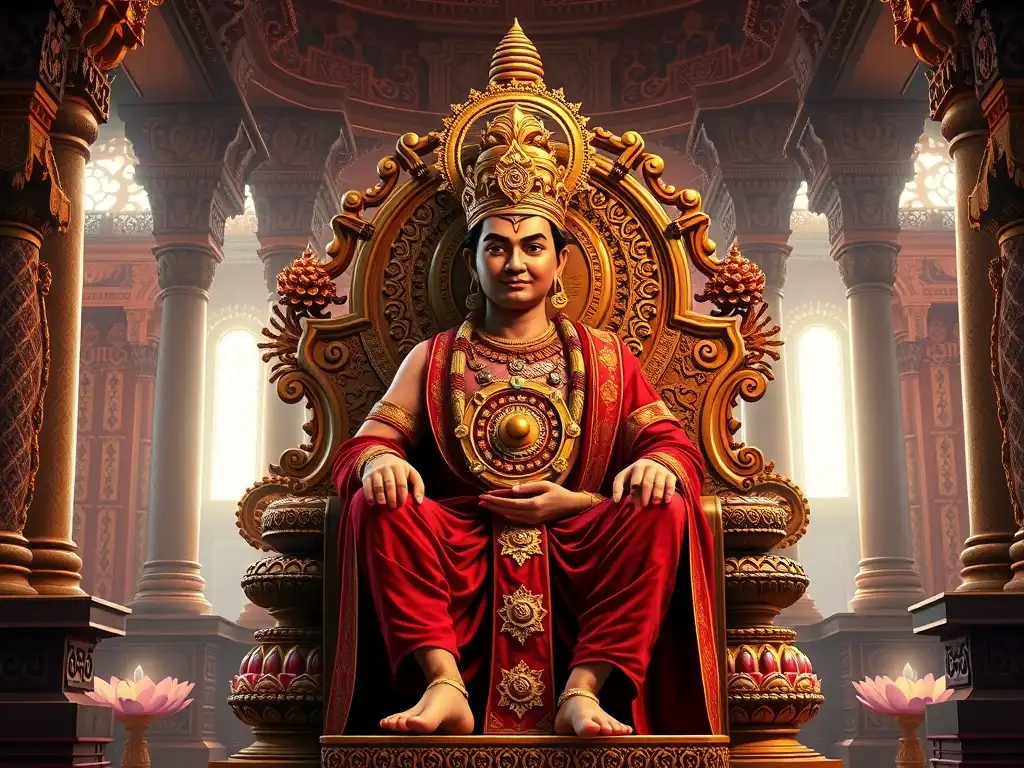
Ashoka’s Conversion to Buddhism
Ashoka the Great, the third ruler of the Maurya Empire, is a pivotal figure in the discourse on political legitimacy in ancient India. His conversion to Buddhism around 263 BCE marked a significant turning point not only in his life but also for the Empire itself. This transformation was influenced by the profound impact of the Kalinga War, which led to massive loss of life and suffering. Witnessing the devastation prompted Ashoka to reevaluate his approach to governance and power.
- Buddhism as a Political Tool: Ashoka's adoption of Buddhism was not merely a personal spiritual journey; it was also a strategic political maneuver. By aligning himself with the principles of Dharma, which emphasize non-violence, compassion, and moral governance, Ashoka sought to legitimize his rule. This shift allowed him to foster a new identity for the Maurya Empire, one that was less reliant on military conquests and more focused on ethical administration.
- Public Embrace of Buddhism: Ashoka actively promoted Buddhism throughout his empire, establishing it as a state religion. He built stupas, monasteries, and educational institutions, thus integrating Buddhist teachings into the social fabric of the Maurya Empire. This public embrace of Buddhism was crucial in garnering the support of the populace, enhancing his political legitimacy through a shared cultural and religious identity.
Edicts of Ashoka: Religious and Political Messages
One of the most significant contributions of Ashoka to political legitimacy was his issuance of the Edicts of Ashoka. These inscriptions, carved on pillars and rocks throughout his empire, served dual purposes: they communicated Buddhist teachings and articulated the principles of governance.
- Content of the Edicts: The edicts emphasized values such as non-violence (ahimsa), tolerance towards all religions, and the importance of moral behavior. For example, Ashoka's edict on non-violence underscored his commitment to minimizing suffering and fostering harmony among diverse communities. By promulgating these values, Ashoka sought to create a moral framework within which his rule could be viewed as just and legitimate.
- Public Accessibility: The use of local languages and the placement of the edicts in public spaces ensured that they were accessible to a wide audience. This approach effectively bridged the gap between the ruling elite and the common people, reinforcing Ashoka's image as a benevolent leader who cared for his subjects. The clear articulation of policies and ethical standards in the edicts served to enhance trust in his administration.
Impact of Ashoka's Policies on Political Legitimacy
Ashoka's policies had a profound and lasting impact on the political legitimacy of the Maurya Empire. By intertwining governance with religious principles, he established a model that would influence subsequent Indian rulers.
- Long-term Stability: Ashoka's emphasis on Dharma and ethical governance contributed to a period of relative stability and prosperity in the empire. The focus on non-violence and welfare programs, such as the establishment of hospitals and the promotion of agriculture, showcased a ruler prioritizing the well-being of his people. This approach not only solidified Ashoka's authority but also set a precedent for future rulers seeking legitimacy through similar means.
- Cultural Integration: The promotion of Buddhism and the establishment of a moral code helped to harmonize the diverse ethnic and cultural groups within the Maurya Empire. Ashoka's policies fostered a sense of unity and shared identity, thereby enhancing the political legitimacy of the Maurya rule. The integration of religious and political spheres created a cohesive narrative that reinforced the emperor's right to rule.
Ashoka's conversion to Buddhism, his promotion of the Edicts, and the resultant policies significantly shaped the political landscape of the Maurya Empire, establishing a robust framework for political legitimacy that resonated throughout ancient India.
Strategies for Establishing Political Legitimacy through Religion

The Maurya Empire, one of the most influential empires in ancient India, adeptly utilized religion as a means to establish and enhance its political legitimacy. By intertwining their political power with religious authority, the Mauryan rulers not only solidified their own rule but also fostered a sense of unity among their subjects. This section explores the various strategies employed by the Maurya Empire, focusing on religious symbols, patronage of religious institutions, and the concept of divine right.
Use of Religious Symbols and Rituals
The Mauryan rulers, particularly Emperor Ashoka, recognized the power of religious symbols and rituals in legitimizing their authority. By adopting and promoting symbols that resonated with the populace, they were able to create a strong connection between the state and religion.
- Chakra and Lion Capital: The Ashoka Chakra, derived from the Dharma wheel, became a prominent symbol of the Maurya Empire. This symbol was not only a representation of the Buddhist teachings but also signified the emperor's commitment to the Dharma. The Lion Capital of Ashoka, which features four lions standing back to back, served as a powerful emblem of strength and unity.
- State-sponsored Rituals: The Mauryan rulers organized grand rituals and ceremonies that integrated religious practices with state functions. For instance, the performance of Ashvamedha (horse sacrifice) was a significant ritual that symbolized sovereignty and was believed to enhance the ruler's legitimacy. These rituals allowed the emperor to demonstrate his piety and reinforce his divine connection.
The utilization of these symbols and rituals transformed the emperor's authority into a sacred duty, thereby elevating his status among the people.
Patronage of Religious Institutions
Patronage of religious institutions played a critical role in the Mauryan Empire's strategy to establish political legitimacy. The emperors actively supported various religious sects, which helped them gain the trust and loyalty of diverse groups within the empire.
- Support for Buddhism: Ashoka's conversion to Buddhism marked a significant shift in the religious landscape of the empire. He invested heavily in the construction of stupas, monasteries, and educational institutions, such as the famous Nalanda University. This not only promoted Buddhist teachings but also reinforced his image as a benevolent ruler committed to the welfare of his subjects.
- Engagement with Hindu Traditions: While Buddhism was favored, the Mauryan rulers also recognized the importance of Hinduism in their realm. By performing rituals and offering patronage to Brahmin priests, they ensured the support of the influential Hindu elite. This dual approach to patronage helped to maintain harmony among the various religious communities.
The strategic support of religious institutions fostered a sense of communal identity and loyalty towards the emperor, enhancing his political legitimacy.
Legitimizing Power through Divine Right
The concept of divine right was a central pillar in the Maurya Empire's approach to political legitimacy. The rulers promoted the idea that their authority was ordained by a higher power, which reinforced their sovereignty.
- Depiction as a Divine Monarch: The Mauryan emperors were often depicted in a manner that emphasized their divine connection. In inscriptions and art, they were portrayed as protectors of Dharma, suggesting that their rule was not merely political but also divinely sanctioned.
- Ashoka's Edicts: The edicts of Ashoka, inscribed on pillars and rocks throughout the empire, articulated his vision of governance based on moral and ethical principles derived from Buddhist teachings. These edicts served as a testament to his role as a ruler who was not only concerned with political affairs but also with the spiritual well-being of his subjects.
By framing their power in terms of divine right, the Mauryan rulers were able to cultivate an image of authority that transcended mere political control, thereby enhancing their legitimacy and influence.
Through these strategies, the Maurya Empire successfully established a framework of political legitimacy rooted in religious authority. This intricate relationship between religion and governance not only facilitated the consolidation of power but also left a lasting impact on the political structures of ancient India.
The Interplay Between Religion and Governance

The Maurya Empire, one of the largest and most powerful empires in ancient India, uniquely intertwined religion with governance to establish and maintain political legitimacy. This interplay played a crucial role in the empire's ability to unify diverse cultures and ideologies under a single political framework. By leveraging religious principles and practices, the Mauryan rulers not only solidified their authority but also fostered a sense of shared identity among their subjects.
The Maurya Empire is characterized by its embrace of various religious traditions, including Hinduism, Buddhism, and Jainism. This inclusivity allowed the rulers to appeal to a broad spectrum of the population, ensuring that different communities felt represented and respected. As a result, religion became a cornerstone of political legitimacy, providing a divine sanction to the rulers' authority. The Mauryan emperors, particularly Ashoka, exemplified this approach by adopting Buddhism as a state religion while also respecting and incorporating elements from other faiths.
The Role of Religious Advisors in Political Decisions
In the Maurya Empire, religious advisors held significant influence over political decisions. These advisors, often scholars and spiritual leaders, provided counsel to the emperors on matters of governance that intertwined with ethical and moral considerations derived from religious teachings.
- Advisory Councils: Emperors like Ashoka often formed advisory councils that included religious figures. These councils were instrumental in shaping policies that aligned with the moral values of the time.
- Legitimizing Authority: By surrounding themselves with respected religious leaders, emperors could legitimize their authority. The endorsement of these leaders not only strengthened their political position but also helped in gaining public support.
The impact of these advisors extended to various aspects of governance, including laws, taxation, and military decisions. Their influence was reflected in the promotion of dharma— a key concept in Hinduism and Buddhism that emphasizes moral duty and righteousness. By promoting dharma, the Mauryan rulers sought to create a just and ethical society, reinforcing their legitimacy in the eyes of the populace.
While the Maurya Empire effectively utilized religion to enhance political legitimacy, it also faced the challenge of balancing secular governance with religious authority. The need to maintain order and stability in a vast and diverse empire necessitated a governance framework that could operate independently of religious dictates, while still respecting the role of religion in society.
- Administrative Structures: The Mauryan administration was highly organized, with a bureaucratic system that was largely secular in nature. This structure allowed for efficient governance, enabling rulers to implement laws and policies without being overly influenced by religious considerations.
- Public Welfare Initiatives: The Mauryan emperors initiated several public welfare projects, such as building hospitals, roads, and irrigation systems, which were framed as fulfilling their dharma. This approach not only addressed the practical needs of the populace but also reinforced the rulers' commitment to ethical governance.
Nevertheless, tensions occasionally arose between secular authorities and religious institutions. These conflicts often revolved around issues like land ownership, taxation of religious establishments, and the extent of religious influence in civic matters. The Mauryan rulers had to navigate these issues carefully to maintain harmony and ensure the continued support of both religious and secular factions within their empire.
Case Studies of Religious Conflicts and Resolutions
Throughout the Maurya Empire's history, several notable case studies highlight the conflicts between different religious groups and the resolutions that underscored the political legitimacy pursued by the rulers.
- Ashoka's Edicts: After the Kalinga War, Emperor Ashoka adopted Buddhism and sought to promote peace and non-violence. His edicts, inscribed on pillars and rocks, emphasized tolerance towards all religions. This move not only resolved potential conflicts between Buddhists and Hindus but also reinforced his legitimacy as a ruler who prioritized the welfare of his subjects.
- Integration of Jainism: Jainism was another significant religious force during the Maurya Empire. The rulers' acknowledgment and patronage of Jainism helped mitigate potential conflicts with this community, thereby enhancing the political stability of the empire.
- The Role of Local Cults: In various regions, local cults and deities played a crucial role in the lives of the people. The Mauryan emperors often incorporated local religious practices into their governance, thus fostering goodwill among diverse groups. This strategy not only resolved tensions but also created a sense of belonging and unity within the empire.
Through these case studies, it becomes evident that the Maurya Empire's strategy of intertwining religion with governance was not merely a tool for political legitimacy; it was a complex interplay that actively shaped the empire's social fabric and maintained its stability amidst diversity.
The Legacy of Political Legitimacy in the Maurya Empire
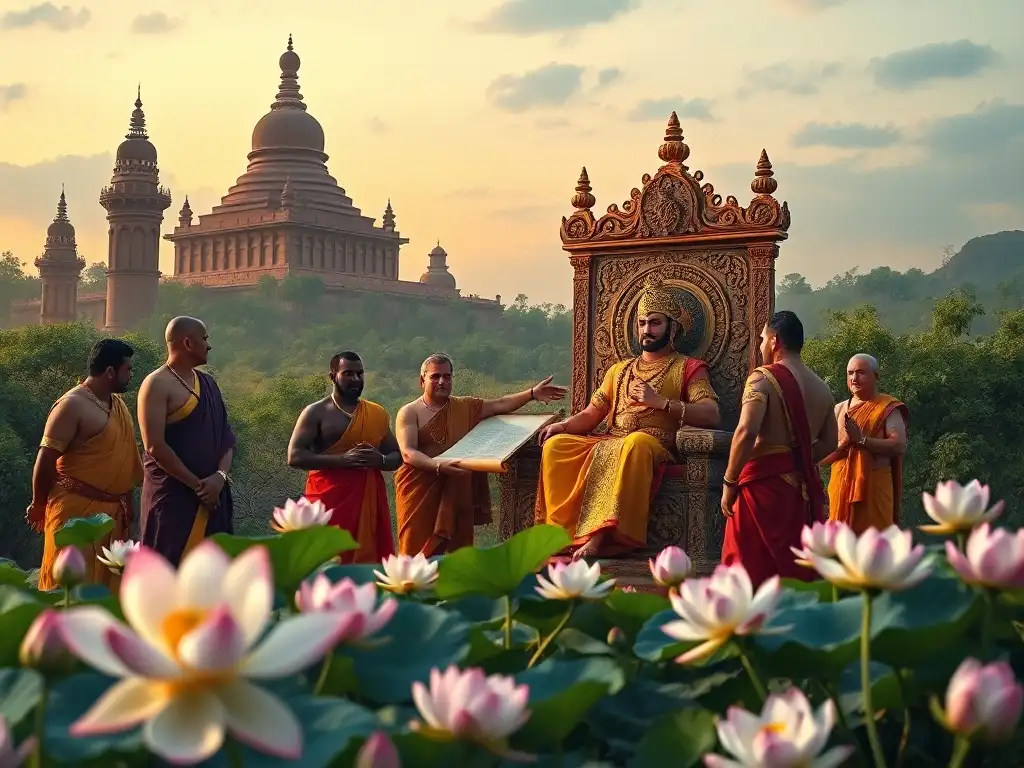
The Maurya Empire, which flourished from 322 to 185 BCE, is often lauded for its remarkable political structure and the intricate ways it established political legitimacy. This legitimacy was not merely a tool for governance; it was deeply interwoven with religious ideology, philosophy, and cultural practices. The Mauryan rulers, particularly Ashoka, adeptly utilized religion as a means to consolidate power and foster unity among a diverse population.
Influence on Subsequent Indian Empires
The political legitimacy established by the Maurya Empire set a precedent that influenced subsequent Indian empires. The Gupta Empire, which rose to prominence around 240 CE, inherited and adapted many Mauryan principles. The Gupta rulers also emphasized the importance of dharma, a concept that was central to Mauryan governance. This ideological continuity ensured that the Gupta Empire maintained a semblance of legitimacy in the eyes of its subjects.
- Integration of Religion and Politics: Just as the Mauryan emperors aligned themselves with Buddhism, later empires often showcased their support for Hinduism and other religions to strengthen their rule. This strategic alignment created a framework wherein rulers were seen as custodians of religious values, further enhancing their legitimacy.
- Cultural Patronage: The Maurya Empire's emphasis on art, architecture, and the promotion of cultural practices influenced successors who recognized that cultural patronage was vital for securing loyalty and respect from their subjects. For instance, the construction of temples and public works was a means to demonstrate commitment to the populace's welfare, thereby reinforcing political authority.
Evolution of Political Legitimacy in Indian History
The concept of political legitimacy in India has evolved significantly since the Mauryan period. The foundational ideas established during this era continued to shape political thought and governance structures throughout subsequent dynasties.
- Medieval Period Shifts: The rise of Islamic empires, such as the Delhi Sultanate and Mughal Empire, introduced new dynamics. These rulers often sought legitimacy through different religious frameworks, such as Islam, while also recognizing the value of Hindu traditions. The Mughal emperors, in particular, adopted a syncretic approach, blending Islamic and Hindu cultural elements to legitimize their rule.
- Colonial Influences: The arrival of colonial powers brought new challenges to the established notions of legitimacy. The British, for instance, employed a different set of criteria to assert their authority, often sidelining traditional rulers and redefining the political landscape.
This evolution underscores that while the foundation laid by the Maurya Empire was significant, Indian history has witnessed a continual negotiation of legitimacy influenced by changing religious, cultural, and political contexts.
Continued Relevance of Mauryan Principles in Modern Governance
The principles of political legitimacy established during the Maurya Empire continue to resonate in modern governance, both in India and beyond. The emphasis on ethical leadership, social justice, and the role of religion in statecraft remains pertinent.
- Ethical Governance: Contemporary political leaders often invoke the ideals of dharma, akin to those promoted by Mauryan rulers, to legitimize their policies and actions. This appeal to ethical governance fosters a sense of accountability and moral responsibility among leaders.
- Inclusive Policies: The Mauryan approach to governance, which sought to unify diverse groups under a common ideological umbrella, serves as a model for modern states grappling with multiculturalism. Policies that promote inclusivity and respect for various religious and cultural identities are essential for maintaining political legitimacy in a pluralistic society.
- Public Welfare Initiatives: The Mauryan commitment to public welfare, as exemplified by Ashoka’s Dhamma, is mirrored in contemporary governance through initiatives aimed at improving social conditions and promoting the common good. Modern governments are increasingly recognizing that legitimate authority is closely tied to the well-being of their citizens.
The legacy of political legitimacy established by the Maurya Empire has had a profound and lasting impact on Indian history and continues to influence modern governance frameworks. By understanding this historical context, current leaders can draw upon the lessons of the past to navigate the complexities of governance in today's world.
Conclusion: The Significance of Political Legitimacy in the Maurya Empire
Summary of Key Points
The Maurya Empire, which flourished from 322 to 185 BCE, is a prime example of how political legitimacy can be effectively established through the strategic use of religion. Key points include:
- Ashoka's Embrace of Buddhism: Emperor Ashoka's conversion to Buddhism played a crucial role in shaping the moral foundation of his rule. By promoting Buddhist principles of non-violence and compassion, he garnered popular support and solidified his legitimacy among diverse populations.
- Integration of Religious Ideology: The Maurya rulers skillfully integrated religious ideology into their governance. This included the use of divine kingship, where the emperor was seen not just as a political leader but as a divine figure, which helped in justifying their authority.
- Public Works and Religious Institutions: The establishment of stupas, monasteries, and public works, funded by the state, reinforced the connection between the Maurya Empire and Buddhism. This not only served as a means of religious expression but also as a tool for political cohesion.
- Edicts of Ashoka: The rock edicts and pillar inscriptions issued by Ashoka are significant historical documents that articulated his policies and religious beliefs. They were instrumental in promoting the idea of dharma, or moral law, as a cornerstone of governance.
The Lasting Impact on Ancient Indian Civilizations
The Maurya Empire's approach to political legitimacy through religion had profound and lasting effects on subsequent Indian civilizations. This influence can be observed in several ways:
- Cultural Syncretism: The blending of various religious traditions during the Maurya period laid the groundwork for the cultural diversity that characterized later Indian empires. The acceptance and promotion of different faiths, including Jainism and Hinduism alongside Buddhism, facilitated a multicultural society.
- Political Models for Future Dynasties: The strategies employed by the Maurya rulers became templates for future Indian dynasties. The Gupta Empire, for instance, also utilized religious legitimacy to consolidate power, demonstrating the enduring nature of these political strategies.
- Continued Relevance of Dharma: The concept of dharma, promoted by the Maurya emperors, continued to resonate within Indian politics and culture. This principle influenced governance and justice systems, establishing a framework for rulers in later periods.
Reflection on the Role of Religion in Modern Political Legitimacy
The Maurya Empire presents an intriguing case study for understanding the role of religion in political legitimacy, a theme that remains relevant today.
- Religious Endorsement of Authority: Modern political leaders often seek religious endorsement to enhance their legitimacy and establish moral authority. The Maurya example illustrates how aligning with religious values can strengthen a ruler's position, echoing in contemporary practices across various cultures.
- Challenges of Secularism: The historical intertwining of religion and politics in the Maurya Empire raises important questions about secularism in modern governance. While many nations strive for a secular state, the legacy of religious legitimacy continues to influence political ideologies and electoral dynamics.
- Ethical Governance: The emphasis on ethical governance, as demonstrated by Ashoka's focus on non-violence and welfare, offers a timeless lesson. Political leaders today can draw on these principles to foster legitimacy that resonates with the populace, ensuring governance that is both effective and morally sound.
The Maurya Empire's strategic use of religion to establish political legitimacy not only shaped its own governance but also influenced the broader landscape of ancient Indian civilizations and continues to provoke thought on the role of religion in contemporary political structures.
Frequently Asked Questions
What was the role of religion in the Maurya Empire's political legitimacy?
Religion played a crucial role in establishing political legitimacy in the Maurya Empire by aligning the authority of the rulers with divine sanction, particularly through Buddhism and Hinduism.
How did Ashoka contribute to the political legitimacy of the Maurya Empire?
Ashoka, the most renowned Mauryan emperor, promoted Buddhism and its values, using edicts to communicate moral governance, which enhanced his legitimacy and authority among his subjects.
What strategies did the Maurya Empire use to ensure political stability?
The Maurya Empire employed a mix of military strength, effective administration, and the promotion of a common religion, which helped maintain political stability and legitimacy across its vast territories.
How did the concept of Dharma influence Mauryan rulers?
The concept of Dharma provided a moral and ethical framework for rulers, reinforcing their political legitimacy by encouraging them to govern justly and in accordance with religious principles.
What legacy did the Maurya Empire leave regarding political legitimacy?
The Maurya Empire's integration of religion and governance set a precedent for future Indian empires, influencing how rulers sought political legitimacy through spiritual authority and cultural unity.
Final Reflection: The Enduring Legacy of Political Legitimacy in the Maurya Empire
The intricate relationship between religion and political legitimacy in the Maurya Empire remains profoundly relevant today. As we navigate a world where governance often intertwines with belief systems, the Maurya Empire's strategic use of religion to solidify authority serves as a powerful reminder of how leaders can seek validation beyond mere political power. The Mauryan approach illustrates that political legitimacy is not solely derived from laws or military strength but is deeply rooted in cultural and spiritual narratives.
The influence of the Maurya Empire's methods can still be felt in contemporary discussions about governance and authority. The ways in which rulers have historically utilized religious frameworks to gain public support and maintain order highlight the ongoing significance of this dynamic in our societies today. As philosopher and historian Will Durant once said, "> The greatest civilization is not necessarily the one that has the most power, but the one that has the most faith." This perspective invites us to consider how faith, in its various forms, continues to shape political landscapes and public trust in leadership.
As we reflect on the lessons from the Maurya Empire, let us challenge ourselves to think critically about the sources of legitimacy in our own lives and communities. How can we foster a sense of trust and authority that transcends mere power? I encourage you to explore the intersections of belief and governance in your own context, recognizing that the quest for legitimacy is not just a historical phenomenon but an ongoing journey that requires our active participation and thoughtful engagement.
Unveil the Legacy: Take Action to Explore India’s Rich History!
Thank you for diving into the fascinating world of the Maurya Empire and its interplay with religion and political legitimacy. You’ve uncovered vital insights into how these ancient principles shaped governance and cultural identity. Now, let’s harness that knowledge to deepen your understanding and share this remarkable legacy!
Here are a few simple steps you can take:
- Explore further by reading various articles on our website to gain a broader perspective on ancient Indian civilizations.
- Join the conversation! Share your thoughts about the Maurya Empire on social media or in our comments section – your insights are invaluable!
- Engage with our community by signing up for our newsletter to receive updates on new discoveries and in-depth analyses.
What aspect of the Maurya Empire’s use of religion as a political tool intrigues you the most?