
From Granaries to Workshops: The Functional Art of Indus Structures

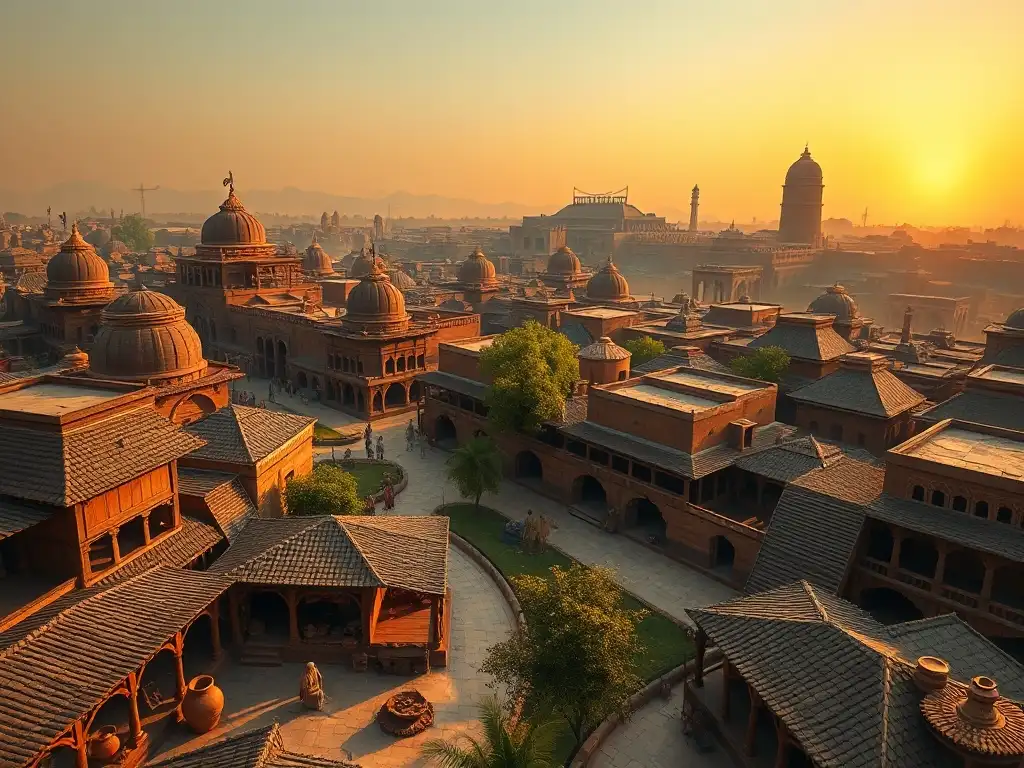
Welcome to Ancient India History, where we delve into the intricate tapestry of time that defines one of the world's oldest civilizations. In our featured article, "From Granaries to Workshops: The Functional Art of Indus Structures," we uncover the fascinating world of Indus Valley civilization architecture. Discover how these ancient structures not only served practical purposes but also embodied the artistic spirit of a culture that thrived millennia ago.
As you journey through the ingenuity and sophistication of these early urban planners, you'll find yourself captivated by the stories that shaped a civilization. Dive in and explore the remarkable legacy of ancient India that continues to influence our world today!
Introduction to Indus Valley Civilization Architecture
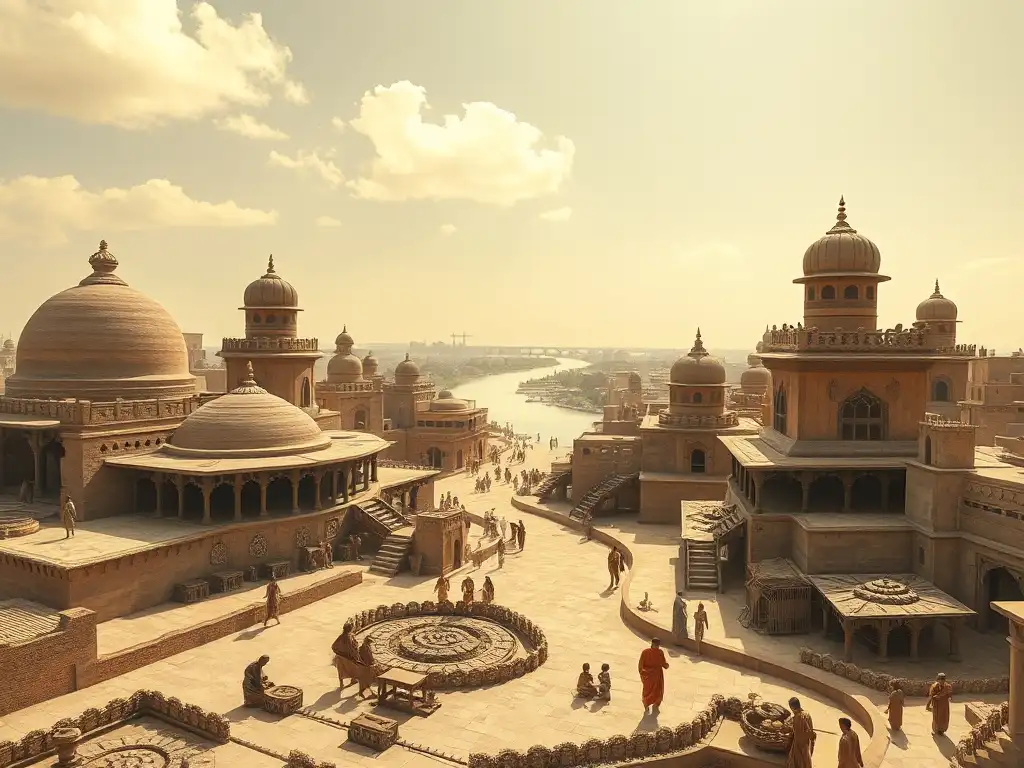
The architecture of the Indus Valley civilization, which flourished around 2500 BCE in what is now modern-day Pakistan and northwest India, stands as a testament to the ingenuity and sophistication of ancient builders. This civilization is renowned for its remarkable urban planning, advanced drainage systems, and the harmonious integration of functionality with aesthetics.
The structures of the Indus Valley not only served practical purposes—such as housing, granaries, and workshops—but also reflected the cultural values and social organization of the time. In exploring the Indus Valley civilization architecture, we uncover a narrative that intertwines daily life, economic activities, and artistic expression, providing a deeper understanding of one of the world's earliest urban societies.
Overview of the Indus Valley Civilization
The Indus Valley civilization, often referred to as the Harappan civilization, emerged around 3300 BCE and lasted until approximately 1300 BCE. Spanning across a vast area, it included major urban centers such as Harappa and Mohenjo-Daro. This civilization was characterized by:
- Advanced Urban Planning: Cities were laid out in a grid pattern, demonstrating an understanding of urban design.
- Public and Private Architecture: Structures ranged from large public baths and granaries to residential homes, indicating a complex social structure.
- Trade and Economy: The architecture supported a thriving economy based on agriculture, trade, and craftsmanship.
Importance of Architecture in Ancient Indian Civilizations
Architecture has always played a pivotal role in ancient Indian civilizations, serving as both a reflection of cultural identity and a means of practical utility. In the context of the Indus Valley civilization, architecture:
- Facilitated Community Living: Well-designed houses and communal spaces fostered social interactions and economic activities.
- Demonstrated Technological Advancements: Innovations in construction techniques highlight the civilization’s engineering capabilities.
- Symbolized Cultural Values: The aesthetic elements within architecture conveyed the values, beliefs, and artistic expressions of the society.
Key Features of Indus Valley Civilization Architecture
The architecture of the Indus Valley civilization is distinguished by several key features that underscore its functional art.
Urban Planning and Layout
One of the most striking aspects of Indus Valley architecture is its meticulous urban planning. Cities were designed with:
- Grid Patterns: Streets were laid out in a precise grid, facilitating navigation and organization.
- Zoning: Different areas were designated for specific functions, such as residential, commercial, and industrial zones.
- Drainage Systems: Advanced drainage systems, including covered drains along the streets, showcased a commitment to hygiene and urban management.
Materials Used in Indus Structures
The choice of materials played a crucial role in the durability and functionality of Indus Valley architecture. Common materials included:
| Material | Usage |
|---|---|
| Mud Bricks | Used extensively for constructing walls and homes. |
| Stone | Employed for public buildings and fortifications. |
| Wood | Utilized for roofs and decorative elements. |
Innovations in Construction Techniques
The Indus Valley civilization is notable for its innovative construction techniques, which included:
- Standardized Brick Sizes: The use of uniform mud bricks facilitated efficient construction and planning.
- Load-Bearing Walls: Structures were built with load-bearing walls, allowing for multi-storey buildings.
- Water Management Systems: Techniques such as well construction and drainage systems highlight their engineering prowess.
Through these features, the architecture of the Indus Valley civilization not only catered to the needs of its people but also laid the groundwork for future architectural developments in the Indian subcontinent.
Granaries: The Heart of Indus Valley Civilization
The granaries of the Indus Valley Civilization are among the most significant architectural features that reflect the agricultural and economic prowess of this ancient society. These structures not only served practical purposes but also indicated the level of sophistication achieved by the Harappans in urban planning and resource management. Located strategically within major cities like Harappa and Mohenjo-Daro, the granaries were designed to store surplus grain, ensuring food security for the population during periods of scarcity or drought.
The construction of these granaries demonstrates advanced engineering techniques. They were typically built from standardized baked bricks, which were durable and weather-resistant. The layout often included raised platforms to protect grain from moisture and pests, as well as ventilation systems to ensure proper air circulation. This emphasis on functionality illustrates the Harappans' deep understanding of agriculture and storage needs, essential for sustaining a thriving urban environment.
Purpose and Design of Granaries
The primary purpose of granaries in the Indus Valley was to store surplus grain harvested from the fertile floodplains of the Indus River. This surplus was crucial for supporting the urban population, especially during lean seasons. The design of these granaries was remarkably innovative, featuring large, well-ventilated rooms that could accommodate vast quantities of grain. The use of mud plaster and a sloped roof aided in preventing water accumulation, while the elevation of the structures helped to prevent flooding.
Moreover, many granaries were strategically placed near major roadways, facilitating easy transport of grains to markets and other urban centers. The presence of multiple granaries within a single city indicates a well-organized system for food distribution, showcasing the importance of agriculture in the socio-economic structure of the Indus Valley Civilization.
The Role of Granaries in the Economy
Granaries played a pivotal role in the economy of the Indus Valley Civilization by acting as the backbone of agricultural surplus management. They were not merely storage facilities; they represented a complex economic system involving trade, taxation, and resource allocation. The surplus grain stored in these granaries could be used for trade with neighboring regions, allowing the Indus Valley to engage in extensive commercial activities.
Additionally, the granaries contributed to the centralization of power within these urban centers. Control over grain storage likely afforded significant influence to local leaders and administrators, who could regulate the distribution of resources. This system of storage and distribution not only fostered economic stability but also promoted social stratification, where access to stored resources could determine wealth and power among various societal groups.
Comparison with Granaries in Other Ancient Civilizations
When compared to granaries in other ancient civilizations, such as those in Mesopotamia and Egypt, the granaries of the Indus Valley exhibit unique features and functions. Mesopotamian granaries were often associated with temple complexes and were used to store offerings, reflecting a theocratic governance model. In contrast, Indus granaries appear to have been more secular and community-oriented, focusing on urban sustenance rather than religious offerings.
Similarly, Egyptian granaries were primarily linked to the state and its bureaucratic apparatus, serving as a means for the central authority to control food supplies. The granaries of the Indus Valley, however, indicate a more decentralized approach, where local governance likely played a significant role in the management and distribution of stored grains. This distinction highlights the diverse approaches to agricultural management and resource allocation across ancient civilizations.
Workshops: Centers of Craftsmanship and Production
The workshops of the Indus Valley Civilization were vital centers of craftsmanship, showcasing the advanced skills and artistic abilities of the Harappan people. These workshops contributed significantly to the economic landscape of ancient cities, producing a wide range of goods that were essential for both local use and trade. Evidence from archaeological excavations reveals that workshops specialized in various crafts, including pottery, bead-making, metallurgy, and textile production, reflecting a diverse and thriving artisanal culture.
The architectural design of these workshops often included dedicated spaces for different stages of production, indicating a well-organized approach to craftsmanship. The presence of specialized tools and kilns further demonstrates the technological advancements that characterized Indus Valley artisanship. This focus on production not only supported local economies but also facilitated extensive trade networks that reached as far as Mesopotamia.
Types of Workshops Found in Indus Valley Cities
Archaeological findings indicate that several types of workshops were prevalent in the Indus Valley Civilization. Notable among these were:
- Bead-making Workshops: These specialized workshops produced intricate beads from semi-precious stones such as carnelian, lapis lazuli, and agate. The craftsmanship in bead-making was highly sophisticated, with artisans employing advanced techniques to create exquisite designs.
- Pottery Workshops: Pottery was a significant aspect of daily life in the Indus Valley, with workshops dedicated to producing various ceramic forms, including cooking pots, storage jars, and decorative pieces. The distinctive painted pottery styles reflect the cultural aesthetics of the civilization.
- Metallurgy Workshops: These workshops focused on metalworking, producing tools, weapons, and ornaments from bronze and copper. The techniques developed in these workshops were vital for advancing technology and trade.
- Textile Workshops: Evidence suggests that textile production was also an essential industry, with workshops dedicated to weaving and dyeing fabrics. The use of cotton, which was cultivated in the region, highlights the advanced agricultural practices of the Harappans.
Artisanal Techniques and Craft Specializations
The artisans of the Indus Valley Civilization employed a variety of specialized techniques that contributed to their craftsmanship. The use of the potter's wheel, for example, revolutionized pottery production, allowing for greater uniformity and sophistication in design. Bead-makers utilized drilling and polishing techniques that required a high degree of skill and precision, resulting in intricate jewelry pieces that were highly valued in trade.
Moreover, the workshops reflected a division of labor, with artisans often specializing in particular crafts. This specialization not only improved efficiency but also fostered innovation, as craftsmen developed new techniques and designs over time. The exchange of knowledge among artisans likely contributed to the advancement of various crafts, further enriching the cultural fabric of the Indus Valley Civilization.
Economic Impact of Workshops on Society
The economic impact of workshops on the society of the Indus Valley Civilization was profound. By producing goods for both local consumption and trade, workshops played a crucial role in facilitating economic interactions within and beyond the region. The surplus of crafted goods likely contributed to the development of trade networks that connected the Indus Valley to distant markets, enhancing the civilization's economic prosperity.
Additionally, the presence of workshops created employment opportunities for skilled artisans, fostering a vibrant community of craftsmen. This economic activity not only supported families but also contributed to the overall wealth of urban centers. The thriving artisanal sector is indicative of a complex economy where craftsmanship and trade were intricately linked, further emphasizing the significance of workshops in the Indus Valley Civilization's architectural and cultural landscape.
The Functional Art of Indus Structures
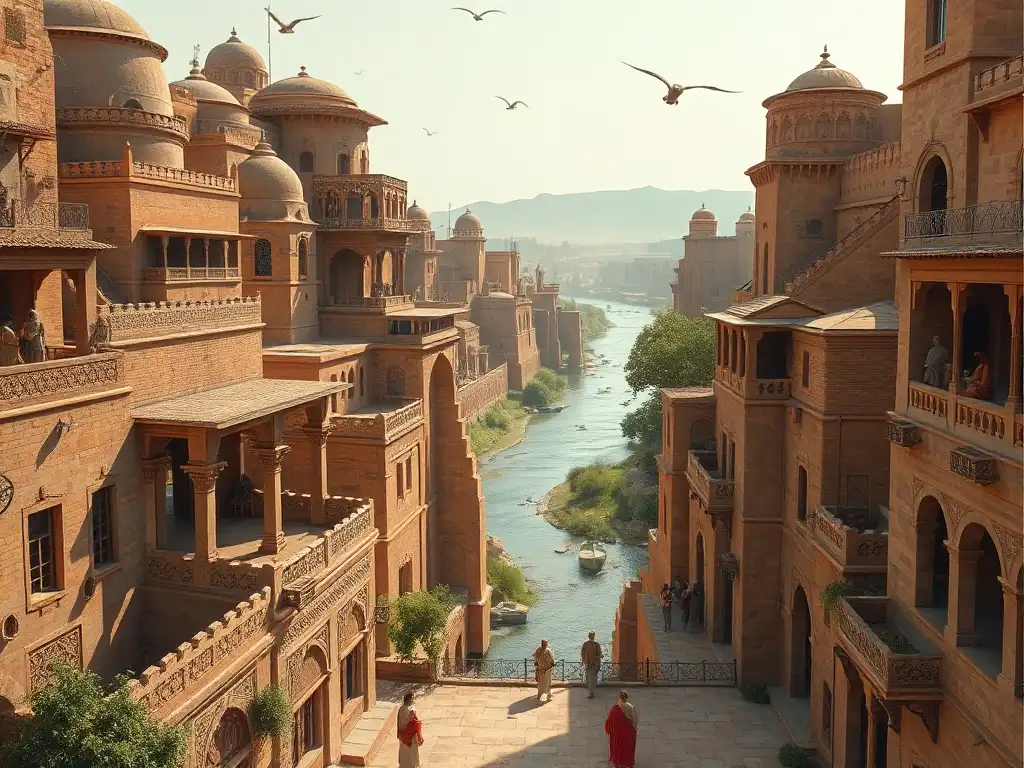
The architecture of the Indus Valley Civilization (IVC) stands as a testament to the ingenuity and sophistication of one of the world’s earliest urban cultures. Characterized by meticulous planning and innovative construction techniques, these structures served functional purposes while also embodying artistic expression. The cities of the IVC, such as Harappa and Mohenjo-Daro, reveal a harmonious blend of residential, commercial, and communal spaces, illustrating how these ancient people integrated their needs with a deep appreciation for design.
Indus structures are renowned for their well-organized layouts, featuring grid-patterned streets and standardized brick sizes, which facilitated efficient urban living. The use of advanced drainage systems is particularly noteworthy, showcasing an understanding of sanitation and urban planning that was far ahead of its time. Granaries, workshops, and public baths not only fulfilled essential functions but also demonstrated a keen aesthetic sensibility, making the architecture of the IVC both practical and beautiful.
Integration of Functionality and Aesthetics
The architecture of the Indus Valley Civilization exemplifies a remarkable integration of functionality and aesthetics. Structures were designed with specific purposes in mind, yet they were also visually appealing. For instance, the granaries of the IVC were built to store surplus grain, essential for sustaining the population. These granaries were often elevated on platforms, facilitating ventilation and protection from pests, while their symmetrical designs enhanced the overall visual harmony of the urban landscape.
Similarly, the public baths, such as the Great Bath of Mohenjo-Daro, were not only places for ritual cleansing but also architectural masterpieces. The use of waterproof bricks and sophisticated drainage systems in these baths reflects both engineering prowess and an understanding of community needs. The aesthetic elements, such as the well-defined steps leading to the water and the surrounding colonnaded corridors, highlight the importance of social interaction in these spaces.
Symbolism in Indus Valley Architecture
Indus Valley architecture was not merely functional; it was rich in symbolism that reflected the culture and beliefs of its people. The layout of cities, with their prominent public buildings and communal spaces, indicated a society that valued order, cooperation, and social cohesion. The presence of large, centralized structures suggests a form of governance or religious leadership, although the exact nature of these institutions remains largely speculative due to the undeciphered script of the IVC.
Certain motifs and structural features may also carry symbolic meanings. For instance, the use of uniform brick sizes across various sites indicates a shared cultural identity among the different urban centers. Additionally, the positioning of buildings in relation to water sources may symbolize life and purity, reinforcing the connection between architecture and the environment.
Case Studies of Notable Structures
Examining specific structures within the Indus Valley Civilization reveals the remarkable architectural achievements of this ancient society.
- The Great Bath of Mohenjo-Daro: This iconic structure is regarded as one of the earliest public baths in history. Measuring approximately 12 meters by 7 meters, it features a series of steps leading down to a large, rectangular pool, surrounded by a colonnade. The careful construction and sophisticated drainage system highlight its significance as a center for communal rituals and social gatherings.
- The Granaries of Harappa: Harappa's granaries, believed to be among the largest of their kind, were designed for the storage of grains, reflecting the agricultural prosperity of the civilization. Built with a series of interconnected rooms, these granaries demonstrate advanced engineering techniques, including ventilation systems to keep the stored grain dry.
- The Citadel of Mohenjo-Daro: This elevated area served as a political and religious center, featuring large structures that likely housed elites or served communal functions. The strategic placement of the citadel not only provided a vantage point over the city but also symbolized power and stability within the urban environment.
The Legacy of Indus Valley Civilization Architecture
The legacy of Indus Valley Civilization architecture extends far beyond its immediate historical context, influencing later architectural styles and practices in the Indian subcontinent.
Influence on Later Indian Architectural Styles
The principles established by the IVC have left a lasting imprint on subsequent Indian architectural traditions. The emphasis on urban planning, drainage systems, and the use of standardized materials can be seen in later cities such as those built during the Mauryan and Gupta periods. Moreover, the aesthetic values reflected in the simplicity and functionality of IVC structures laid the groundwork for later developments in Indian architecture, particularly in temple construction and city planning.
Preservation and Archaeological Significance
The archaeological sites of the Indus Valley Civilization are of paramount significance for understanding early urbanization and social organization. Efforts to preserve these sites, such as Mohenjo-Daro and Harappa, continue to provide valuable insights into the technological and cultural practices of the time. Ongoing excavations and research efforts aim to uncover further details about the daily lives, trade practices, and architectural innovations of the IVC, contributing to a broader understanding of ancient civilizations.
Modern Interpretations of Indus Architecture
In contemporary times, the architecture of the Indus Valley Civilization has inspired modern architects and designers. The principles of sustainable building practices, efficient urban planning, and a deep connection to the environment resonate with current architectural trends focused on sustainability and functionality. By studying the sophisticated designs of the IVC, modern architects draw lessons on how to create spaces that are both practical and aesthetically pleasing, reflecting a timeless legacy that continues to inform and inspire.
Conclusion: The Enduring Impact of Indus Valley Civilization Architecture
The architecture of the Indus Valley Civilization is a testament to the ingenuity and sophistication of one of the world's earliest urban societies. It serves as a remarkable example of how functional design can beautifully intersect with daily life and community planning. The use of baked bricks, advanced drainage systems, and grid layouts exemplifies their architectural prowess and reflects a deep understanding of urban infrastructure. These contributions not only facilitated economic activities but also fostered social cohesion within the cities.
The enduring impact of Indus Valley architecture can be seen in later South Asian architectural practices, where principles of urban planning and sustainable construction methods continued to evolve. The legacy of their structures offers insights into their culture, economy, and societal organization, making it a vital area of study for historians and architects alike. As modern societies grapple with urbanization challenges, the lessons learned from the Indus Valley Civilization's approach to architecture provide valuable perspectives on sustainable urban development.
Summary of Key Insights
- Innovative Urban Planning: The Indus Valley Civilization demonstrated an exceptional level of urban planning with well-organized street layouts and zoning for different functions, such as residential, commercial, and industrial areas.
- Advanced Infrastructure: The civilization's architecture featured sophisticated drainage systems and water management practices, showcasing their understanding of public health and sanitation.
- Materials and Construction Techniques: The use of standardized baked bricks and mud plaster not only provided durability but also facilitated uniformity across the vast urban landscape.
- Cultural Reflection: Architecture in the Indus Valley reflects the social and economic dynamics of the time, offering clues about their trade practices, community life, and religious beliefs.
- Influence on Subsequent Eras: The architectural innovations of the Indus Valley have had a lasting influence on later Indian architectural styles, particularly in the areas of urban planning and construction techniques.
The Importance of Studying Ancient Architecture in Understanding History
Studying ancient architecture is crucial for understanding the broader historical context of civilizations. The structures built by the Indus Valley Civilization are not merely remnants of the past; they serve as vital historical documents that provide insights into the socio-economic, political, and cultural landscapes of the time.
- Cultural Identity: Architecture encapsulates the identity and values of a civilization. By analyzing Indus structures, historians can gain a deeper understanding of the social hierarchies, community interactions, and cultural expressions that defined the Indus peoples.
- Technological Advancements: The study of ancient architecture reveals technological innovations that have shaped human progress. The engineering feats achieved by the Indus Valley builders reflect their advanced knowledge in various domains, including hydraulics, materials science, and urban design.
- Interconnectedness of Societies: Investigating architectural practices allows for a better understanding of how ancient civilizations interacted with one another. Trade routes, cultural exchanges, and shared knowledge are often evident in architectural styles and construction methods across regions.
- Lessons for Modern Society: Understanding the successes and challenges faced by ancient architects can offer guidance for contemporary urban development. The sustainable practices employed by the Indus Valley Civilization can inform modern strategies for creating resilient and livable cities.
In essence, the study of Indus Valley civilization architecture not only enriches our knowledge of the past but also enhances our appreciation for the complexities of human innovation and community building throughout history.
- Introduction to Indus Valley Civilization Architecture
- Key Features of Indus Valley Civilization Architecture
- Granaries: The Heart of Indus Valley Civilization
- Workshops: Centers of Craftsmanship and Production
- The Functional Art of Indus Structures
- The Legacy of Indus Valley Civilization Architecture
- Conclusion: The Enduring Impact of Indus Valley Civilization Architecture
- What is the significance of Indus Valley civilization architecture?
- What were some common features of Indus Valley structures?
- How did workshops contribute to the economy of the Indus Valley civilization?
- What can we learn about social organization from Indus Valley architecture?
- How did the Indus Valley civilization influence later Indian architecture?
Frequently Asked Questions
What is the significance of Indus Valley civilization architecture?
The Indus Valley civilization architecture is significant because it showcases advanced urban planning, including drainage systems and granaries, reflecting the sophistication of ancient societies.
What were some common features of Indus Valley structures?
Common features of Indus Valley structures include well-planned cities, baked brick buildings, and public baths, which highlight their focus on hygiene and community.
How did workshops contribute to the economy of the Indus Valley civilization?
Workshops in the Indus Valley civilization played a crucial role in craft production, allowing for the creation of goods like pottery and jewelry, which boosted economic activities and trade.
The layout of Indus Valley architecture indicates a hierarchical social structure and organized governance, with features such as public buildings suggesting a level of administrative control.
How did the Indus Valley civilization influence later Indian architecture?
The Indus Valley civilization laid the groundwork for later Indian architecture by introducing concepts like urban planning and standardized construction techniques, which influenced subsequent Indian architectural styles.
Final Reflection: The Enduring Legacy of Indus Valley Civilization Architecture
The architectural marvels of the Indus Valley civilization remind us that functionality and artistry can coexist harmoniously. As we explore the intricacies of their granaries, workshops, and urban planning, it becomes clear that these structures were not merely utilitarian; they were a testament to a society that valued both practicality and aesthetic beauty. Today, as we face rapid urbanization and environmental challenges, the principles embedded in Indus architecture resonate more than ever, urging us to rethink our approach to modern design and sustainability.
The influence of Indus Valley architecture extends beyond its historical context, shaping contemporary discussions around urban planning and community living. The meticulous layout of cities like Mohenjo-Daro and Harappa serves as a blueprint for creating spaces that foster social interaction and efficient resource management. As we navigate the complexities of modern life, we can draw inspiration from the past to cultivate environments that prioritize both functionality and community well-being. Architecture is the thoughtful making of space.
— Louis Kahn
As you reflect on the lessons from the Indus Valley civilization, consider how you can incorporate these timeless principles into your own life. Embrace the idea that every space you inhabit can be both functional and beautiful. Whether you’re designing your home, organizing your workspace, or engaging with your community, let the legacy of these ancient structures inspire you to create environments that nurture both purpose and artistry. The future of architecture and urban living lies in our hands—let us build it with intention and creativity.
Unleash Your Curiosity About Ancient Innovations!
Thank you for diving into the fascinating world of Indus structures with us! We hope you gained valuable insights into the clever designs that shaped ancient life. Now, let's take the next step in exploring and appreciating this incredible historical legacy.
Here are some exciting actions you can take right now:
- Explore More: Visit local museums or online platforms dedicated to ancient civilizations to discover artifacts and architectural marvels from the Indus Valley.
- Share Your Insights: Connect with friends or join online forums to discuss what you’ve learned and hear their interpretations of these structures. Use the hashtag #IndusInnovations to spark discussions on social media!
- Get Creative: Try your hand at design by sketching your version of an Indus-inspired structure, incorporating both functionality and artistry.
What aspect of the Indus civilization's architecture inspires you the most, and what would you like to explore further in this rich historical context?