
Capturing Nature: The Environmental Themes in Gupta Art

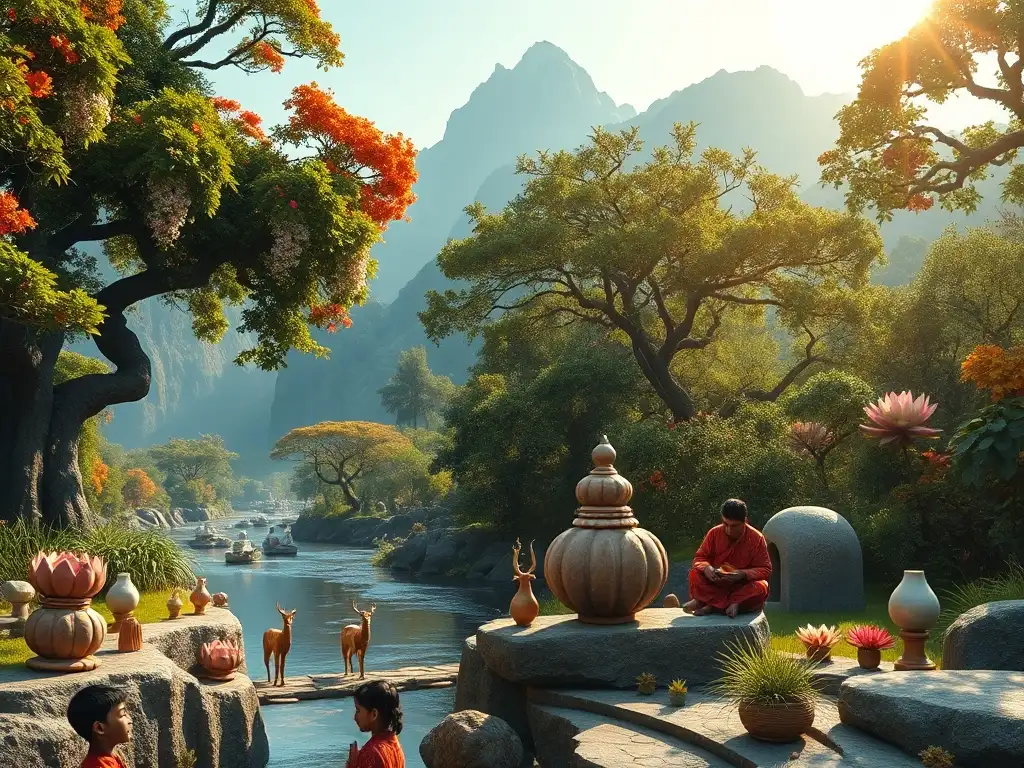
Welcome to Ancient India History, your gateway to the captivating tapestry of India's past. Here, we delve into the rich and diverse history, culture, and contributions of ancient Indian civilizations, illuminating the stories that have shaped a vibrant heritage. In our featured article, “ Capturing Nature: The Environmental Themes in Gupta Art,” we invite you to explore how the Gupta Empire’s artistic expressions intricately reflect the relationship between nature and society. Discover the profound environmental themes that resonate through their art, and let your curiosity lead you deeper into the wonders of ancient India.
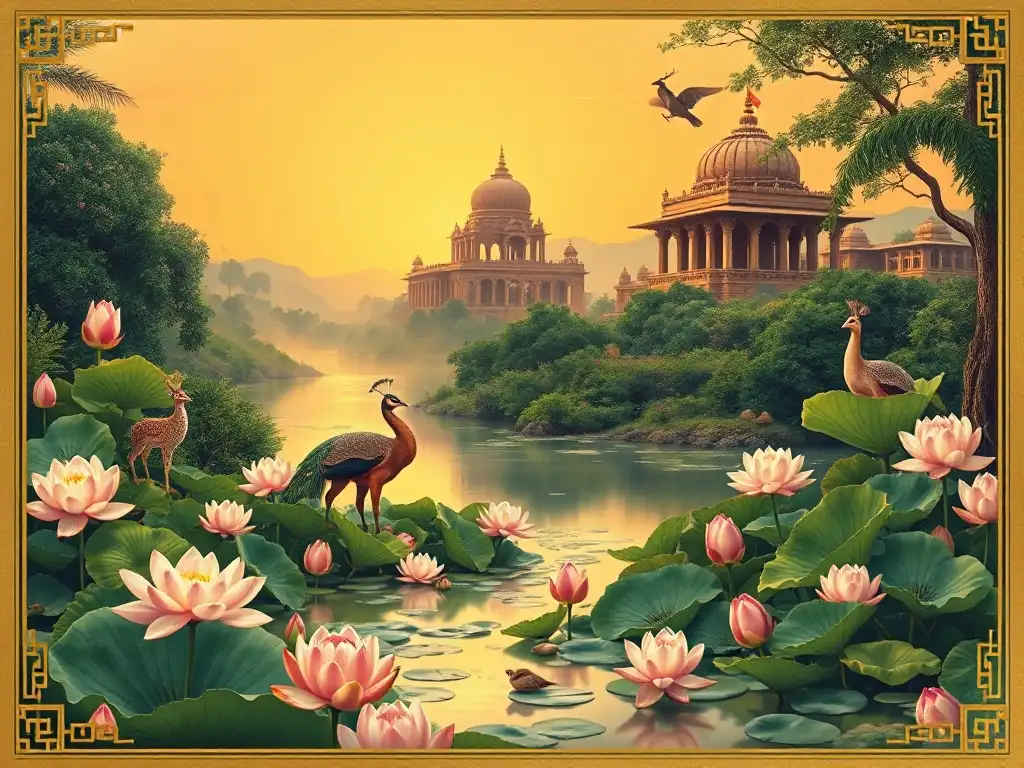
Exploring the environmental themes in Gupta art reveals a profound connection between nature and the cultural expressions of the Gupta Empire, which flourished from approximately the 4th to the 6th century CE. This period is marked by remarkable advancements in art, literature, and science, all of which reflect a deep reverence for the natural world.
The Gupta artists skillfully integrated elements of the environment into their works, showcasing themes that resonate with the spiritual and philosophical beliefs of the time. This article delves into the various aspects of environmental themes in Gupta art, highlighting how these motifs not only enhance the visual appeal of their creations but also serve as a window into the ecological consciousness of ancient Indian civilization.
Understanding Gupta Art
Overview of Gupta Art and Its Significance
Gupta art is celebrated for its elegance, sophistication, and the seamless blending of form and content. Characterized by its intricate craftsmanship, this art form encompasses a variety of mediums, including sculpture, painting, and architecture. The art produced during this period is often seen as a culmination of earlier Indian artistic traditions, particularly those from the Mauryan and post-Mauryan eras.
Key features of Gupta art include:
- Realism and Idealism: Gupta artists mastered the balance between realistic representation and idealized forms, particularly in their sculptures of deities and figures.
- Religious Themes: Much of the art produced during this period was religious in nature, often depicting Hindu, Buddhist, and Jain motifs.
- Natural Elements: A notable aspect of Gupta art is its incorporation of natural elements, reflecting the artists' profound engagement with their environment.
Historical Context of the Gupta Empire
The Gupta Empire, often referred to as the "Golden Age" of India, was marked by significant achievements in various fields, including art, science, and philosophy. Centered in northern India, the empire established a period of relative peace and stability, which allowed for cultural flourishing.
During this time, the following developments were notable:
- Political Stability: The Gupta rulers maintained a strong central authority, which fostered an environment conducive to artistic and intellectual pursuits.
- Cultural Syncretism: The empire was characterized by the blending of different cultural influences, leading to a rich tapestry of artistic expression that included indigenous and foreign elements.
- Support for the Arts: The Gupta emperors were patrons of the arts, commissioning numerous works that reflected their devotion to religion and nature.
Key Environmental Themes in Gupta Art
Nature as a Central Motif in Gupta Sculptures
Nature plays a pivotal role in Gupta sculptures, often serving as a backdrop or integral component of the narrative. Artists frequently depicted scenes from Hindu and Buddhist texts that illustrate the interplay between humans and their natural surroundings.
Noteworthy aspects include:
- Landscapes: Many sculptures feature lush landscapes, symbolizing abundance and fertility, which were essential themes in Gupta culture.
- Divine Interactions: Deities are often shown interacting with nature, reinforcing the belief that the divine is intimately connected with the natural world.
Depictions of Flora and Fauna in Gupta Artworks
Flora and fauna are prevalent in Gupta art, highlighting the empire's appreciation for the biodiversity of the Indian subcontinent.
Examples can be categorized as follows:
- Floral Patterns: Intricate floral designs adorn many sculptures and architectural elements, symbolizing beauty and the transient nature of life.
- Animal Representations: Animals, such as elephants, lions, and peacocks, are frequently depicted, each carrying specific symbolic meanings that resonate with cultural beliefs.
Symbolism of Nature in Gupta Religious Art
In Gupta religious art, nature is imbued with deep symbolism, often conveying spiritual messages and ideals.
Key symbolic interpretations include:
- Nature as a Manifestation of the Divine: Elements such as rivers, mountains, and trees are often personified, representing divine qualities and virtues.
- Cycle of Life: The depictions of nature often reflect the cyclical nature of life, death, and rebirth, a central tenet in both Hindu and Buddhist philosophies.
Through these rich environmental themes, Gupta art not only captures the aesthetic beauty of the natural world but also encapsulates the philosophical and spiritual underpinnings that define ancient Indian civilization.
Techniques and Materials Reflecting Environmental Awareness
The Gupta period, known for its remarkable advancements in art and culture, showcases a profound connection between the environment and artistic expression. This era saw artists employing various techniques and materials that reflected an acute awareness of nature, enhancing the themes of harmony and balance. The use of local resources not only contributed to the aesthetic appeal of artworks but also demonstrated an intrinsic reverence for the natural world.
Use of Natural Materials in Gupta Art
Natural materials played a pivotal role in Gupta art, with artists favoring substances that were abundant in their surroundings. Stone, particularly sandstone and basalt, was commonly used in sculptures and architectural elements. The choice of these materials was not only practical but also symbolic, often representing stability and permanence.
Moreover, artists utilized pigments derived from natural sources to create vibrant colors. For instance, mineral-based pigments were extracted from local stones and plants, leading to a palette that mirrored the rich hues of the Indian landscape. This approach not only enhanced the visual appeal of the artworks but also reinforced the connection between art and the environment, as the materials used were a direct reflection of the region's ecology.
Artistic Techniques That Highlight Environmental Elements
Artistic techniques during the Gupta period often emphasized the interplay between figures and nature. One prominent technique was the use of intricate relief carving, which allowed artists to depict natural scenes with remarkable detail. This method enabled them to showcase flora and fauna, integrating them seamlessly into the composition.
Additionally, the application of perspective in mural paintings further highlighted environmental themes. Artists employed techniques that created a sense of depth, allowing viewers to immerse themselves in lush landscapes and vibrant natural settings. This not only showcased the beauty of the environment but also encouraged a sense of appreciation for the world around them, effectively capturing the essence of nature in their work.
Case Studies of Environmental Themes in Specific Artworks
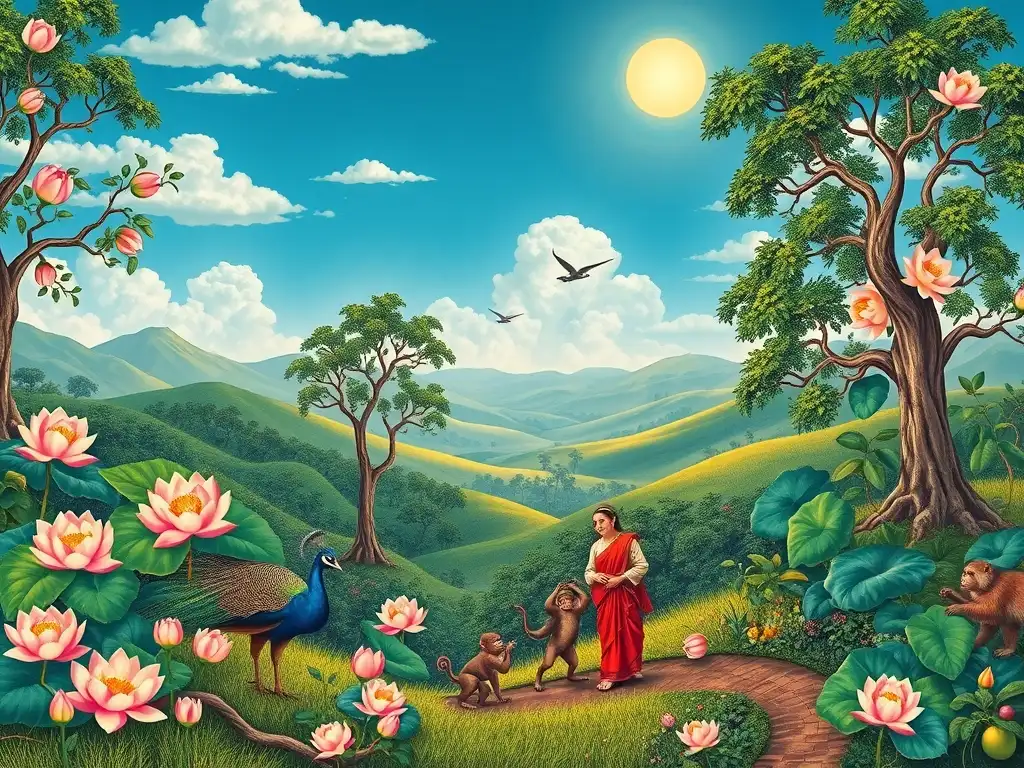
To illustrate the environmental themes prevalent in Gupta art, we can examine notable examples that encapsulate the deep connection between nature and artistic expression. These case studies reveal how artists of the Gupta Empire skillfully infused their works with elements that celebrate the natural world.
Example 1: The Ajanta Caves
The Ajanta Caves, a UNESCO World Heritage Site, are a prime example of Gupta art's environmental themes. These rock-cut caves feature exquisite frescoes and sculptures that vividly depict various aspects of nature. The murals often include lush landscapes, intricate floral patterns, and animals that reflect the biodiversity of the region.
One particularly striking feature of the Ajanta Caves is their use of natural rock formations as part of the artwork. Artists skillfully integrated the contours of the stone into their designs, emphasizing the relationship between the created and the natural environment. This approach not only enhanced the aesthetic quality of the caves but also served as a testament to the artists' respect for the inherent beauty of their surroundings.
Example 2: The Sarnath Lion Capital
The Sarnath Lion Capital, originally erected by Emperor Ashoka, serves as a significant representation of Gupta art and its environmental themes. Although created earlier, its influence permeated Gupta artistic sensibilities. The capital features four lions standing back-to-back, symbolizing strength and unity, while the base is adorned with intricate reliefs depicting various animals and natural motifs.
The emphasis on wildlife and natural elements in the Sarnath Lion Capital reflects a broader cultural appreciation for the environment. The lions themselves, as protectors of the Dharma, also signify the importance of nature in the spiritual and philosophical dimensions of Gupta society. This artwork encapsulates the balance between human achievement and the natural world, showcasing how Gupta art often celebrated and revered the environment.
The Influence of Nature on Gupta Artistic Expression
The Gupta Empire, flourishing from the 4th to the 6th century CE, is often celebrated for its remarkable contributions to art and culture, particularly in the realm of sculpture and painting. A significant aspect of Gupta art is its profound connection to the natural environment, which served as both inspiration and a thematic element in numerous works.
Nature influenced the Gupta artistic expression in various ways, with artists drawing from the rich landscapes, flora, and fauna that surrounded them. The depiction of natural elements not only showcased the beauty of the Indian subcontinent but also symbolized deeper philosophical and spiritual concepts intrinsic to the culture of the time.
Gupta artists often employed natural motifs and landscapes to convey messages of harmony and balance between humans and the environment. This relationship is evident in the intricate carvings and murals found in cave temples and monasteries, where nature is not merely a backdrop but an integral part of the narrative. The representation of trees, animals, and celestial bodies in Gupta art reflects a deep reverence for the natural world, showcasing how environmental themes were seamlessly interwoven into the fabric of artistic expression during this period.
How Natural Landscapes Shaped Artistic Styles
Natural landscapes played a pivotal role in shaping the stylistic approaches of Gupta artists. The lush greenery, mountains, rivers, and diverse ecosystems of ancient India provided a rich palette of colors and forms that influenced the aesthetic choices of the time. Artists often incorporated these elements into their works, utilizing vibrant colors to depict the changing seasons and the vibrancy of life. For instance, the use of green hues to represent lush vegetation or the depiction of swirling water patterns in sculptures exemplifies how nature inspired artistic techniques.
Moreover, the emphasis on realism in Gupta art can be attributed to the artists' keen observations of their surroundings. The detailed portrayal of flora and fauna, including animals in various poses and plants in their natural habitats, reflects a commitment to authenticity and a desire to capture the essence of the natural world. This attention to detail not only enhanced the visual appeal of the artworks but also served to communicate the interconnectedness of life, highlighting the importance of nature in the daily lives of the people during the Gupta period.
The Role of Nature in Religious and Cultural Practices
Nature held significant importance in the religious and cultural practices of the Gupta Empire, as seen in the art from this era. Many artworks were created for religious purposes, often illustrating themes from Hinduism and Buddhism that celebrated the divine connection to nature. Sacred texts frequently referenced natural elements, symbolizing purity, fertility, and the cycle of life. Consequently, Gupta artists depicted deities surrounded by lush gardens, serene landscapes, and vibrant wildlife, reinforcing the idea that nature was a manifestation of the divine.
In addition, the integration of natural themes into religious art served to educate and inspire the community, inviting viewers to reflect on their relationship with the environment. Temples adorned with carvings of flora and fauna not only enhanced their aesthetic value but also encouraged worshippers to appreciate the beauty and sanctity of the natural world. This blending of the spiritual and the environmental in Gupta art highlights the era's holistic approach to life, where nature and spirituality were intricately linked.
Conclusion
Summary of Environmental Themes in Gupta Art
The exploration of environmental themes in Gupta art reveals a rich tapestry of cultural values and beliefs that were deeply rooted in the relationship between humanity and nature. The artistic expressions of this era vividly illustrate the influence of natural landscapes, showcasing how the beauty and intricacies of the environment were celebrated through various forms of art. From the detailed representations of flora and fauna to the incorporation of natural elements in religious practices, Gupta art serves as a testament to the profound connection between the people of this time and their surroundings.
These environmental themes not only enriched the visual language of Gupta art but also fostered a sense of responsibility towards nature, emphasizing the importance of living in harmony with the environment. As such, the art produced during this period remains relevant, prompting contemporary audiences to reflect on their own relationship with nature.
The Lasting Impact of Gupta Art on Modern Environmental Perspectives
The legacy of Gupta art continues to resonate in modern environmental perspectives, as it encapsulates a vision of coexistence between humanity and nature that is increasingly relevant today. In a world facing environmental challenges, the themes depicted in Gupta art encourage a renewed appreciation for the natural world and a commitment to sustainability.
By studying the environmental themes in Gupta art, contemporary society can draw valuable lessons about the importance of preserving nature and recognizing its intrinsic value. The artistic expressions of the Gupta Empire serve not only as a historical record but also as a source of inspiration for fostering a more harmonious relationship with the environment, reminding us that art has the power to influence our perceptions and actions towards the world we inhabit.
- Understanding Gupta Art
- Key Environmental Themes in Gupta Art
- Techniques and Materials Reflecting Environmental Awareness
- Case Studies of Environmental Themes in Specific Artworks
- The Influence of Nature on Gupta Artistic Expression
- Conclusion
- What are the main environmental themes found in Gupta art?
- How did Gupta artists incorporate nature into their work?
- What significance does nature hold in Gupta art?
- Are there specific examples of environmental themes in Gupta art?
- How did Gupta art influence later Indian art regarding nature themes?
Frequently Asked Questions
What are the main environmental themes found in Gupta art?
Gupta art prominently features nature and landscape, showcasing elements like flora and fauna that reflect the harmony between humans and their environment.
How did Gupta artists incorporate nature into their work?
Artists used detailed natural elements in sculptures and murals, emphasizing the beauty of the surroundings and often depicting deities in natural settings to signify their connection to the earth.
What significance does nature hold in Gupta art?
Nature symbolizes not only the beauty of the world but also represents spirituality and the divine, making it a crucial element that conveys deeper meanings and messages.
Are there specific examples of environmental themes in Gupta art?
Yes, notable examples include intricate carvings depicting animals and plants, as well as murals that illustrate mythological stories set in lush, natural landscapes.
How did Gupta art influence later Indian art regarding nature themes?
Gupta art laid the foundation for later Indian art movements, inspiring the continued exploration of environmental themes and the integration of nature in various forms of artistic expression across centuries.
Final Reflection: Embracing Nature Through Gupta Art
The exploration of environmental themes in Gupta art reveals a profound connection between humanity and nature that remains strikingly relevant today. In an era marked by climate change and environmental degradation, the intricate depictions of flora and fauna in Gupta art serve as a reminder of the beauty and fragility of our natural world. This artistic legacy not only highlights the historical reverence for nature but also challenges us to reconsider our relationship with it in the present day.
The influence of Gupta art extends far beyond its historical context, shaping cultural narratives and environmental consciousness across generations. The vivid representations of nature in this art form invite us to reflect on our own interactions with the environment and the impact of our actions. As we navigate the complexities of modern life, we can draw inspiration from the wisdom embedded in these ancient artworks. Art is a reflection of the world, and through it, we can find pathways to understanding and preserving our environment.
As we conclude this exploration of environmental themes in Gupta art, I invite you to reflect on your own connection to nature and the role that art plays in shaping our perceptions. Consider how you can incorporate the lessons of reverence and stewardship found in Gupta art into your daily life. Whether through advocating for environmental conservation or simply taking a moment to appreciate the beauty around you, let the legacy of Gupta art inspire you to foster a deeper connection with the natural world.
Unleash Your Creativity: Capture Nature Like Gupta Artists
Thank you for taking the time to explore the rich environmental themes in Gupta art! You've gained valuable insights into how these ancient artists portrayed the beauty of nature in their work. Now, it’s time to channel that inspiration into action.
Here’s how you can celebrate and engage with the breathtaking world of nature in your own creative pursuits:
- Embark on an outdoor sketching journey: Grab your sketchbook and head to a local park or nature reserve. Capture the elements of the environment just as the Gupta artists did!
- Create your nature-inspired artwork: Experiment with painting or digital art, using the themes of nature you explored to express your unique vision.
- Share your creations with our community: Post your artwork on social media and tag us, or share it in the comments below. Let’s foster a discussion about nature's influence on art!
How will you connect with the beauty of nature today to create your own masterpiece?