
From Swords to Shields: A Comprehensive Guide to Ancient Indian Arms

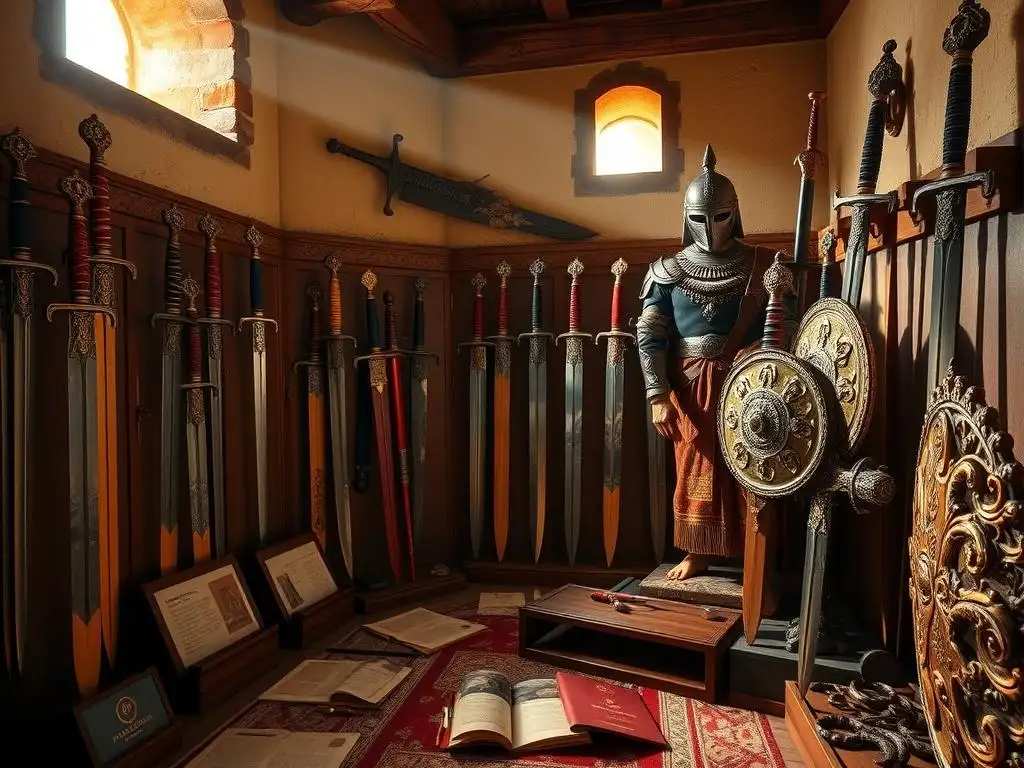
Welcome to Ancient India History, where we embark on a fascinating journey through the rich tapestry of ancient Indian civilizations. Prepare to delve into the intriguing world of warfare and craftsmanship as we unveil the secrets behind the evolution of arms and armaments in our latest article, "From Swords to Shields: A Comprehensive Guide to Ancient Indian Arms."
Discover how the ingenuity of ancient artisans shaped the battlefield and the impact of these weapons on the course of history. Join us as we explore the Ancient Indian weapons history—a captivating tale that promises to ignite your curiosity and deepen your appreciation for this remarkable era.
Introduction to Ancient Indian Weapons History
The history of ancient Indian weapons is a fascinating tapestry woven from the rich cultural and technological advancements of the various civilizations that flourished on the Indian subcontinent. From the intricate craftsmanship of the Indus Valley to the strategic innovations of the Gupta Empire, ancient Indian weapons not only served as tools of warfare but also reflected the social, political, and economic dynamics of their times.
This comprehensive guide aims to delve deep into the ancient Indian weapons history, exploring the evolution of arms, the significance of military technology, and the cultural context in which these weapons were developed and used.
Overview of Ancient Indian Military Technology
Ancient Indian military technology was characterized by a remarkable combination of indigenous innovation and the adaptation of influences from neighboring cultures. The development of weapons ranged from simple tools made of stone and wood to advanced metallic arms crafted through sophisticated techniques. Key highlights of ancient Indian military technology include:
- Diverse Materials: Weapons were made from various materials, including bronze, iron, and even precious metals, showcasing both functionality and artistry.
- Strategic Innovations: The introduction of tactics such as cavalry formations and the use of chariots marked significant advancements in military strategy.
- Cultural Symbolism: Weapons often held symbolic meaning, representing power, honor, and the warrior ethos within different ancient Indian societies.
Importance of Weapons in Ancient Indian Civilization
The role of weapons in ancient Indian civilization extended beyond mere combat; they were integral to the social fabric and cultural identity of the time. The significance of weapons can be understood through the following points:
- Defense and Security: Weapons were essential for protecting kingdoms and territories from invasions, ensuring the safety of the populace.
- Ritualistic and Ceremonial Use: Many weapons were used in religious and ceremonial contexts, symbolizing valor and the divine right to rule.
- Economic Factors: The production and trade of weapons contributed to the economy, with skilled artisans and blacksmiths playing crucial roles in their manufacture.
The Evolution of Ancient Indian Weapons
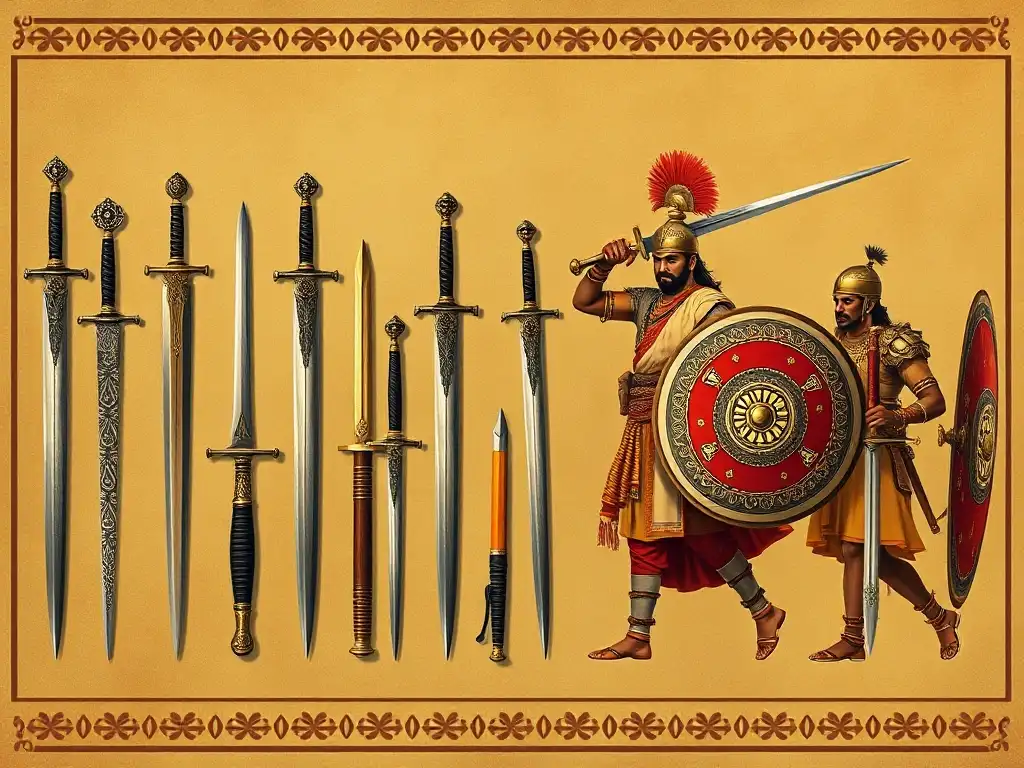
The evolution of ancient Indian weapons is a complex narrative that spans thousands of years, shaped by technological advancements, cultural exchanges, and changing warfare dynamics.
Prehistoric Weapons of Ancient India
The earliest weapons in India date back to prehistoric times, primarily consisting of rudimentary tools made of stone and bone. These early weapons served multiple purposes, including hunting and defense against predators. Key characteristics include:
- Stone Tools: Hand axes and spears crafted from flint and other stones.
- Bone Implements: Utilization of bones for making sharp-edged tools.
The Influence of the Indus Valley Civilization on Weaponry
The Indus Valley Civilization (c. 3300–1300 BCE) played a pivotal role in the development of weaponry in ancient India. The meticulous craftsmanship and advanced metallurgy of this civilization laid the groundwork for future innovations. Notable aspects include:
- Bronze Weapons: The use of bronze for crafting various weapons, including daggers and arrowheads.
- Urban Planning: The strategic design of cities facilitated military organization and logistics.
Weapon Development through the Vedic Period
The Vedic Period (c. 1500–500 BCE) marked a significant transformation in the types of weapons used in ancient India. This era saw the rise of new materials and techniques. Key developments include:
- Iron Technology: The advent of iron metallurgy led to stronger and more durable weapons.
- Epic Literature: Texts such as the Mahabharata and Ramayana provide insights into the weapons used by legendary warriors, influencing military practices.
With this comprehensive understanding of ancient Indian arms, readers can appreciate the intricate relationship between weapons and the civilizations that wielded them, setting the stage for deeper exploration into specific weapons and their historical contexts.
Types of Ancient Indian Weapons
Ancient Indian weaponry is a testament to the ingenuity and craftsmanship of its time, reflecting the rich cultural heritage and the martial traditions that shaped the subcontinent. Weapons used in ancient India varied widely in design and purpose, encompassing a range of categories including melee weapons, projectile weapons, and defensive gear. The primary types of ancient Indian weapons included:
- Melee Weapons: These are weapons intended for close combat. Prominent types include swords, daggers, axes, and spears, each serving specific roles in battle.
- Projectile Weapons: These encompass bows and arrows, slings, and even early forms of artillery. The bow, in particular, was highly revered and extensively used in warfare.
- Defensive Weapons: Shields and armor were crucial for protection in combat, made from various materials to withstand attacks.
The diversity in weaponry not only showcases the technological advancements of the time but also highlights the distinct martial practices across different regions and periods of ancient India.
Swords: Design, Usage, and Symbolism
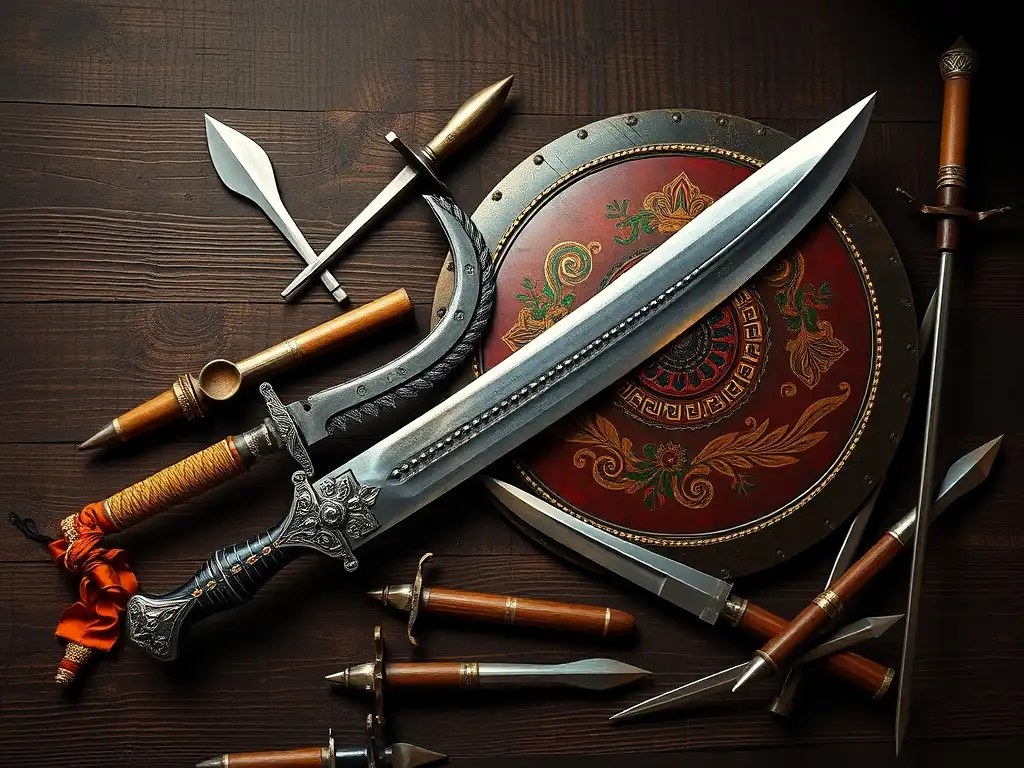
Swords held a pivotal role in ancient Indian warfare, both as practical weapons and symbols of power and honor. The design of swords varied significantly across regions, with notable types such as the khanda, talwar, and udhava.
- Khanda: Characterized by its double-edged blade and broad tip, the khanda was often associated with Hindu deities and carried symbolic significance, representing righteousness and valor.
- Talwar: Known for its curved blade, the talwar was favored for its effectiveness in slashing attacks. Its design allowed for a swift and powerful strike, making it a popular choice among warriors.
- Udhava: Often shorter and used for close combat, the udhava was a versatile weapon that could be wielded effectively in confined spaces.
Beyond their physical attributes, swords were imbued with cultural significance. They were frequently used in royal ceremonies, symbolizing the authority of rulers and their divine right to lead. The ceremonial presentation of swords was common in ancient Indian culture, reinforcing their status as emblems of martial prowess and nobility.
Shields: Materials, Craftsmanship, and Functionality
Shields were essential components of ancient Indian warfare, designed to provide protection against melee and projectile attacks. The materials used in shield construction varied, often dependent on regional resources and craftsmanship. Common materials included:
- Wood: Often reinforced with metal or leather, wooden shields were lightweight yet durable, allowing for mobility in battle.
- Metal: Shields made from bronze or iron offered superior protection and were often intricately decorated, reflecting the artisan skills of the period.
- Leather: While less protective than metal, leather shields were flexible and could absorb shock, making them a practical choice for many warriors.
The craftsmanship involved in producing shields was meticulous, with artisans employing techniques like layering and embossing to enhance both durability and aesthetic appeal. Shields not only served functional roles in combat but also carried symbolic meanings, often adorned with motifs representing divine protection or tribal identity. Their functionality was crucial in the art of defense, allowing warriors to engage effectively while minimizing exposure to enemy attacks.
Other Noteworthy Weapons
In addition to swords and shields, ancient Indian weaponry included a variety of other notable weapons that played significant roles in warfare:
- Spears: Used for both throwing and close combat, spears were versatile and widely utilized across different military formations.
- Bows and Arrows: Integral to archery, bows were crafted from sturdy wood, while arrows were often tipped with iron or bronze for enhanced lethality. Archery was a respected skill, with warriors trained extensively in its use.
- War Chariots: These were essential for mobility and tactical advantage in battle, often pulled by horses and armed with archers or spearmen.
- Maces and Clubs: Blunt weapons like maces were effective in crushing armor and inflicting severe damage, making them a feared choice on the battlefield.
Understanding these various weapons provides insight into the complexities of ancient Indian military technology and the cultural significance attached to each weapon.
The Role of Weapons in Ancient Indian Warfare
Weapons in ancient Indian warfare were not merely tools of destruction; they played multifaceted roles that influenced military strategies, societal structures, and cultural narratives. The evolution of weaponry was closely tied to the changing dynamics of warfare, including the rise of empires and the interactions between various kingdoms.
Military Strategies and Tactics of Ancient Indian Armies
Ancient Indian armies employed a range of military strategies and tactics that were shaped by the types of weapons at their disposal. Leaders like Chandragupta Maurya and Ashoka implemented organized formations, utilizing infantry, cavalry, and war elephants to create formidable forces. Key tactics included:
- Flanking Maneuvers: Armies often employed flanking tactics to outmaneuver and surprise their opponents.
- Use of Terrain: Commanders strategically utilized geographical features, such as rivers and hills, to gain advantages in battle.
- Siege Warfare: With the development of fortifications, siege tactics became essential, leading to innovations in weaponry, such as siege towers and battering rams.
The combination of strategic planning and effective weaponry contributed to the successes and failures of various ancient Indian empires.
The Influence of Geography on Weapon Development
The geography of ancient India significantly influenced the development of weapons and military technology. Diverse terrains such as mountains, plains, and forests necessitated different approaches to warfare and weapon design. For instance:
- Hilly Regions: Warfare in mountainous areas favored lighter, more maneuverable weapons, such as slings and short swords, allowing warriors to navigate challenging landscapes.
- Plains: In regions like the Indo-Gangetic plains, the use of cavalry and chariots became prevalent, leading to the development of weapons suited for mounted combat.
- Coastal Areas: Maritime trade and warfare led to the creation of specialized weapons for naval engagements, including boarding axes and harpoons.
This geographical diversity resulted in a rich variety of weapons tailored to specific combat scenarios, showcasing the adaptability of ancient Indian military forces.
Notable Battles and Their Impact on Weapons Evolution
Several significant battles in ancient Indian history prompted advancements in weapon technology and military tactics. Key battles included:
- The Battle of Kurukshetra: Central to the Mahabharata, this epic conflict highlighted the importance of chariots and archery, leading to innovations in these areas.
- The Battle of Kalinga: Fought during Ashoka's reign, this battle underscored the effectiveness of war elephants and siege tactics, influencing subsequent military engagements.
- The Battle of Magadh: This battle marked the rise of the Maurya Empire, showcasing organized infantry and the use of sophisticated weaponry, changing the landscape of Indian warfare.
The outcomes of these battles not only shaped the political landscape but also led to the evolution of military technologies and the refinement of existing weapons, leaving a lasting impact on ancient Indian warfare.
Cultural Significance of Ancient Indian Weapons
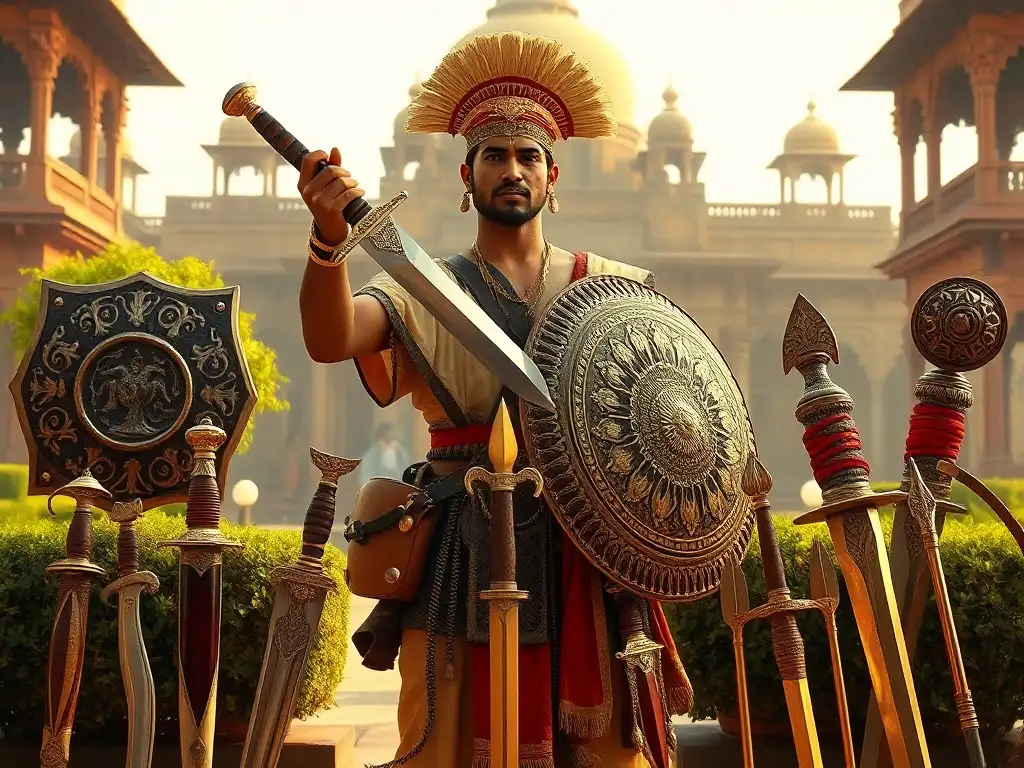
Ancient Indian weapons were not merely tools of war; they held profound cultural significance that permeated various aspects of life, including religion, art, and social structures. In many ancient civilizations, the craftsmanship and design of weapons were revered, representing not just functionality but also artistic expression and status. For instance, the ornate designs of swords and shields often indicated the rank and valor of their owners, while the materials used—ranging from iron to precious metals—reflected the wealth and resources available to different regions and communities.
Moreover, weapons were frequently associated with various cultural rituals and practices. They played a pivotal role in royal ceremonies, where the act of bestowing a weapon symbolized power and authority. The use of weapons in ritualistic contexts underscored their importance beyond mere combat, establishing them as symbols of protection, honor, and sovereignty.
Religious and Mythological Representations of Weapons
In ancient Indian mythology and religious texts, weapons are often personified and imbued with divine attributes. The Bhagavad Gita, for instance, features the legendary bow, Gandiva, wielded by the hero Arjuna, symbolizing righteousness and duty. Similarly, various deities are depicted with specific weapons that signify their powers and attributes. For example, Lord Shiva is often shown with the trident (trishula), representing his role as a protector and destroyer.
These mythological representations underscore a deeper philosophical understanding of warfare and justice in ancient Indian culture. Weapons were not merely instruments of destruction; they were seen as extensions of divine will, serving as tools for the maintenance of dharma (moral order). This duality of weapons as both destructive and protective forces is a recurring theme in ancient narratives.
Art and Literature Reflecting Weaponry in Ancient India
The artistic representation of weapons in ancient India is rich and varied, found in sculptures, paintings, and literary works. Temples and fortresses often feature intricate carvings of warriors adorned with weapons, showcasing the valor and heroism of historical figures. These artistic expressions serve as a testament to the significance of arms in the cultural consciousness of ancient Indian society.
Literature from the period also frequently references weaponry, with epic narratives like the Mahabharata and Ramayana emphasizing the prowess of warriors and the heroic deeds associated with their arms. These texts not only glorified the use of weapons in battle but also explored themes of honor, sacrifice, and the moral complexities of warfare.
The Craftsmanship of Ancient Arms: Guilds and Artisans
The production of ancient Indian weapons was a highly specialized craft, often carried out by skilled artisans organized into guilds. These guilds were responsible for the intricate design and manufacturing of weapons, employing techniques passed down through generations. Blacksmiths and artisans utilized locally sourced materials, such as iron, bronze, and even gemstones, to create weapons that were both functional and aesthetically pleasing.
The craftsmanship involved in producing weapons was often celebrated, with specific regions becoming renowned for their unique styles and methods. For instance, the blades of Damascus steel, known for their resilience and sharpness, were highly sought after, influencing both local and international markets. The legacy of these artisans continues to be appreciated today, as their skills laid the foundation for subsequent advancements in metallurgy and weapon design.
Conclusion: The Legacy of Ancient Indian Weapons
The legacy of ancient Indian weapons extends far beyond their practical applications in warfare. They are emblematic of the cultural, religious, and artistic heritage of ancient India, reflecting the values and beliefs of the civilizations that crafted and wielded them. The evolution of weaponry in ancient India illustrates the interplay between technology and culture, showcasing how advancements in arms influenced social structures and military strategies throughout history.
Lasting Impact on Modern Military Technology
The innovations and techniques developed in ancient Indian weaponry have had a lasting impact on modern military technology. Many principles of metallurgy and weapon design established during ancient times laid the groundwork for contemporary arms manufacturing. The use of advanced alloys, precision engineering, and even the concept of specialized weaponry can trace their roots back to ancient Indian practices.
Furthermore, the strategic doctrines developed in ancient military texts, such as the Arthashastra by Kautilya, continue to be studied and adapted in modern military academies. The emphasis on strategy, psychological warfare, and resource management reflects a sophisticated understanding of warfare that remains relevant today.
Preservation of Ancient Indian Arms in Contemporary Culture
Today, the preservation of ancient Indian arms is a testament to their historical significance and cultural value. Museums across India and the world showcase collections of ancient weapons, providing insights into the craftsmanship and technology of the time. Additionally, these artifacts serve as a source of inspiration for modern artists, designers, and filmmakers, reinforcing the enduring legacy of ancient Indian weapons in contemporary culture.
Cultural festivals and reenactments often feature traditional weaponry, celebrating the martial heritage of ancient India. This revival not only honors the past but also educates new generations about the historical significance of arms in shaping Indian civilization. The continuous interest in ancient Indian weapons underscores their importance as symbols of heritage, identity, and resilience.
References and Further Reading
The rich tapestry of ancient Indian arms and military technology is woven through centuries of history, warfare, and cultural evolution. To delve deeper into this fascinating subject, a variety of resources are available for enthusiasts, scholars, and casual readers alike. Below are curated recommendations for books and online resources that provide extensive insights into ancient Indian weapons history.
Recommended Books on Ancient Indian Weapons History
-
"The History of Ancient Indian Weapons" by R. C. Sharma
This comprehensive guide explores the development of weaponry in ancient India from the Vedic period through to the Gupta Empire. It examines various types of arms used, their manufacturing processes, and their significance in warfare.
-
"War and Diplomacy in Ancient India" by R. S. Sharma
Focusing on the strategic aspects of warfare, this book discusses how weapons shaped both military tactics and diplomatic relationships among ancient Indian kingdoms. It provides an in-depth analysis of the interplay between arms and statecraft.
-
"The Art of War in Ancient India" by K. N. Sharma
This text delves into the military strategies employed in ancient India, including the role of weapons in these tactics. It highlights the philosophical underpinnings of warfare as laid out in ancient texts like the Arthashastra.
-
"Indian Arms and Armour: From Ancient Times to the Present" by J. C. Harle
A visually rich book that showcases various forms of arms and armor utilized throughout Indian history, complemented by illustrations and descriptions that bring ancient weaponry to life.
-
"Weapons of Ancient India" by S. K. Roy
This book provides an overview of the various types of weapons used in ancient India, including swords, shields, and projectile weapons, detailing their evolution and design.
Online Resources for Studying Ancient Indian Military Technology
-
Digital Library of India
This online repository houses a wealth of digitized texts and historical documents related to ancient Indian military technology, including manuscripts and references on arms and warfare.
-
Archaeological Survey of India (ASI)
The ASI website offers access to research papers, excavation reports, and findings related to ancient Indian weaponry and military practices. It is a valuable resource for exploring archaeological evidence.
-
The Indian History Congress
This academic organization hosts various publications and articles focused on Indian history, including studies on military technology and weapons. Their website frequently updates with new research findings.
-
Ancient Indian History and Culture (AIHC) Blog
This blog features articles written by historians and researchers on various aspects of ancient Indian history, including weapons and military strategies. It provides a platform for engaging discussions and scholarly insights.
-
YouTube Channels on Ancient History
Channels such as "The History Channel India" and "Epic History TV" often feature documentaries and detailed analyses of ancient Indian warfare, including the evolution of weapons and their impact on society.
By utilizing these references and resources, readers can gain a comprehensive understanding of the intricate history of ancient Indian weapons, their technological advancements, and their cultural significance throughout the ages.
- Introduction to Ancient Indian Weapons History
- Overview of Ancient Indian Military Technology
- Importance of Weapons in Ancient Indian Civilization
- The Evolution of Ancient Indian Weapons
- Types of Ancient Indian Weapons
- The Role of Weapons in Ancient Indian Warfare
- Cultural Significance of Ancient Indian Weapons
- Conclusion: The Legacy of Ancient Indian Weapons
- References and Further Reading
Frequently Asked Questions
What types of weapons were commonly used in ancient India?
Ancient Indian weapons included swords, bows and arrows, spears, and shields. Each of these had significant cultural and military importance throughout various periods.
How did ancient Indian weapons evolve over time?
The evolution of ancient Indian weapons was influenced by cultural exchanges, regional needs, and technological advancements. From the Indus Valley civilization to the Gupta Empire, designs and materials saw considerable changes.
What materials were ancient Indian weapons made from?
Ancient Indian weapons were primarily crafted from iron, bronze, and sometimes wood. The choice of material often depended on the availability and the specific requirements of warfare.
Did ancient Indian civilizations have any specialized military units?
Yes, ancient Indian civilizations had specialized military units, including elephant corps and cavalry. These units were equipped with advanced weaponry tailored to their roles on the battlefield.
What role did ancient Indian weapons play in cultural practices?
Beyond warfare, ancient Indian weapons were often used in ceremonial contexts and symbolized status and power. They were integral to various cultural practices, including rituals and art.
Final Reflection: The Enduring Legacy of Ancient Indian Weapons
The exploration of ancient Indian weapons history reveals not just the evolution of arms but also the profound cultural narratives that shaped a civilization. Today, as we navigate a world rife with conflict and change, understanding the historical significance of these weapons offers us insights into the values, strategies, and innovations of our ancestors. The craftsmanship and ingenuity behind these ancient arms remind us that the tools of war often reflect the spirit of a society, making their study not only relevant but essential in our quest for peace and understanding.
The impact of ancient Indian weapons extends far beyond their physical form; they symbolize the resilience and creativity of a culture that thrived amidst challenges. The stories woven around these arms—of valor, honor, and the protection of one’s homeland—continue to resonate in our collective consciousness. Weapons are not just tools of destruction; they are also instruments of history, embodying the struggles and triumphs of civilizations.
This ongoing influence invites us to reflect on how the past informs our present and shapes our future, urging us to learn from the lessons embedded in these artifacts.
As we conclude this journey through the rich tapestry of ancient Indian arms, I invite you to reflect on the significance of history in your own life. Consider how the stories of resilience and innovation from the past can inspire your actions today.
Whether it’s in your personal battles or in the broader context of societal challenges, let the legacy of these ancient weapons serve as a reminder that strength can be wielded with purpose, and that every action we take can contribute to a more harmonious future. Embrace the lessons of history, and let them guide you as you forge your own path forward.
Unleash Your Inner Warrior: Explore the Rich Legacy of Ancient Indian Arms!
Thank you for taking the time to delve into the fascinating world of ancient Indian arms with us! We hope you uncovered valuable insights about the evolution of weaponry and their significance in history. Now, it's time to take action and deepen your exploration of this captivating topic.
Here’s how you can continue your journey:
- Dive deeper: Research a specific type of weapon from ancient India and discover its unique history and cultural impact—there's so much more to learn!
- Join the conversation: Share this article with fellow history enthusiasts or in your social circles to spark discussions about ancient Indian culture!
- Become part of the community: Subscribe to our newsletter for more articles like this and connect with others who share your passion for Ancient India!
What aspect of ancient Indian arms fascinates you the most, and how do you see its influence in today’s world? **We would love to hear your thoughts! **