
The Influence of Gupta Culture on Modern Indian Art: A Lasting Legacy

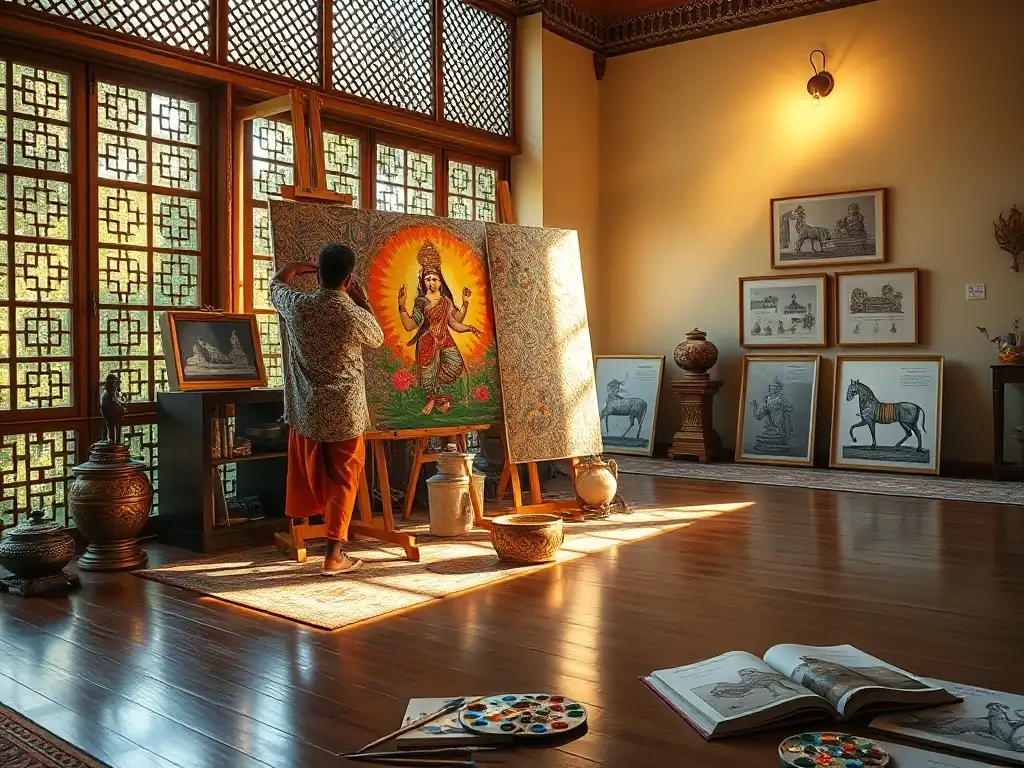
Welcome to Ancient India History, your gateway to the fascinating realms of India’s past! Here, we embark on an enlightening journey through the rich tapestry of ancient civilizations, uncovering the profound impact of Gupta culture on art that continues to resonate in modern times.
As you delve into our featured article, “The Influence of Gupta Culture on Modern Indian Art: A Lasting Legacy,” prepare to discover how the artistic achievements of the Gupta Empire have shaped contemporary expressions and left an indelible mark on the cultural landscape. Join us as we unravel the stories, traditions, and innovations that define this extraordinary era, inviting you to explore further into the depths of India's ancient heritage!
The Gupta Empire, which thrived from approximately 320 to 550 CE, is often regarded as a golden age in Indian history. This period marked a significant flourishing of arts, literature, and culture, profoundly influencing various aspects of Indian civilization that continue to resonate today. The Gupta culture, characterized by its emphasis on aesthetic refinement and intellectual pursuits, laid the groundwork for a rich artistic tradition that has left an indelible mark on modern Indian art.
In this article, we explore the impact of Gupta culture on art, examining how the artistic techniques, themes, and philosophies developed during this era have shaped contemporary artistic expressions. From the intricate sculptures of gods and goddesses to the vibrant narratives depicted in murals, the legacy of Gupta artistry is evident in various forms of modern art. We will delve into specific examples and elements that showcase this enduring influence, highlighting the continuity and evolution of artistic practices from ancient to modern times.
As we navigate through the rich tapestry of Gupta contributions to art, we will also consider the broader cultural implications of this legacy, emphasizing how it informs and inspires today’s artists, collectors, and art enthusiasts. Join us on this journey to uncover the lasting legacy of Gupta culture and its significant impact on the art scene in modern India.
- Introduction to Gupta Culture and Art
- Historical Context of Gupta Art
- Key Features of Gupta Art Impacting Modern Indian Art
- The Lasting Legacy of Gupta Culture on Modern Indian Art
- Comparative Analysis: Gupta Art vs. Other Ancient Indian Art Forms
- Case Studies of Modern Indian Art Influenced by Gupta Culture
- Conclusion: The Enduring Influence of Gupta Culture on Art
- Frequently Asked Questions
- Final Reflection: The Enduring Legacy of Gupta Culture on Modern Indian Art
- Embrace the Legacy of Gupta Culture in Your Art!
Introduction to Gupta Culture and Art
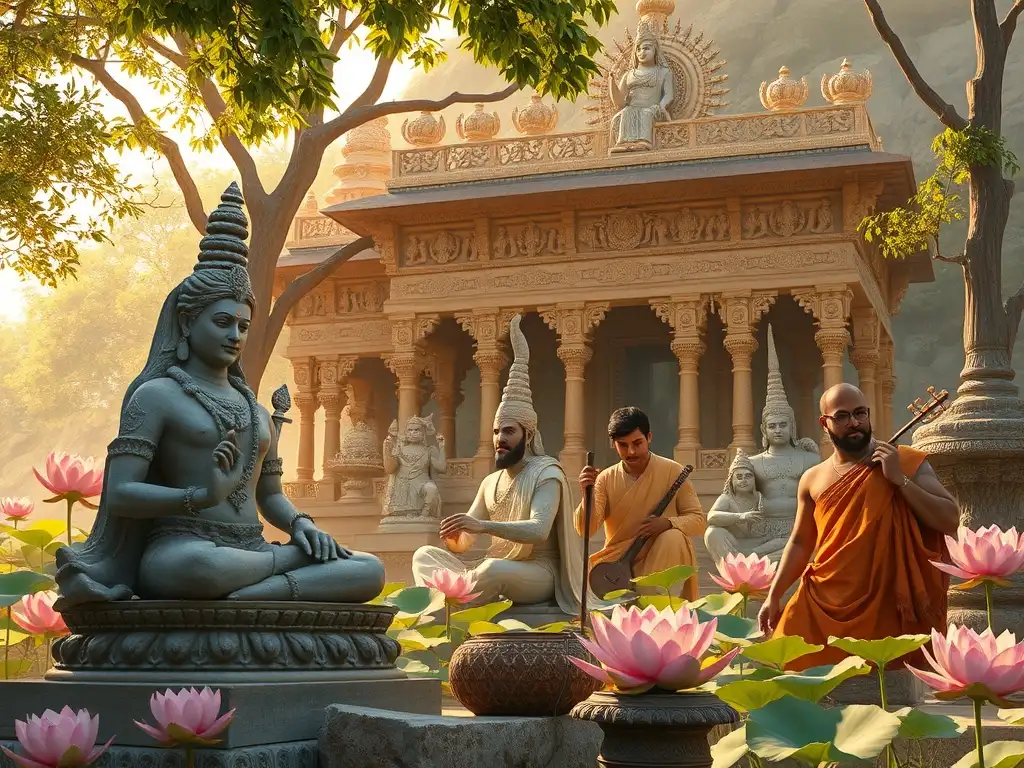
The Gupta Empire, often referred to as the Golden Age of India, flourished from approximately 320 to 550 CE. This era is marked by significant advancements in various fields, including science, mathematics, literature, and, notably, art. The Gupta culture is characterized by its achievements in artistic expression, which laid the foundation for many elements of modern Indian art. This section delves into the rich tapestry of Gupta culture and its profound impact on the artistic landscape of contemporary India.
Overview of Gupta Empire and Its Significance
The Gupta Empire was established by Maharaja Sri Gupta and reached its zenith under rulers like Chandragupta II and Samudragupta. Its influence extended over a vast region of northern India, encompassing parts of present-day Pakistan, Bangladesh, and Nepal. The significance of the Gupta Empire lies in its ability to unify diverse cultures, promote trade, and encourage intellectual pursuits.
- Political Stability: The Gupta rulers maintained a relatively stable and decentralized governance model, which allowed local administrations to flourish. This stability fostered creativity and cultural exchange among different regions.
- Economic Prosperity: The period saw significant economic growth, driven by trade routes that connected India with the Mediterranean and Southeast Asia. This economic prosperity funded artistic endeavors and encouraged the flourishing of crafts and industries.
- Cultural Synthesis: The Gupta Empire was instrumental in blending various regional art forms and traditions, leading to a unique cultural identity. This synthesis is evident in the art, architecture, and literature of the time.
Key Characteristics of Gupta Culture
The Gupta culture is distinguished by several defining characteristics that influenced its art and artistic expressions:
- Religious Syncretism: The Gupta period witnessed a harmonious coexistence of Hinduism, Buddhism, and Jainism. This spiritual plurality is reflected in the diverse themes and motifs found in Gupta art.
- Naturalism: Gupta art is known for its naturalistic style, characterized by realistic proportions, graceful forms, and intricate details. Sculptures from this era often depict deities, celestial beings, and everyday life with a sense of movement and vitality.
- Iconography: The use of symbolic imagery became prominent during the Gupta period. Deities were depicted with specific attributes that conveyed their divine qualities, enhancing the spiritual experience of the viewer.
- Architectural Innovations: Gupta architecture saw the development of the temple style, with intricate carvings and elaborate sculptures adorning temples. The use of bricks and stone in construction marked a departure from earlier materials, showcasing the era's engineering advancements.
- Literary Flourishing: Art during the Gupta period was not limited to visual representation; it also extended to literature. Renowned works, such as Kalidasa's plays, reflect the cultural ethos of the time, further influencing artistic expression.
Importance of Art in Gupta Society
Art played a crucial role in Gupta society, serving not only as a means of aesthetic expression but also as a reflection of social, religious, and political values. The importance of art can be understood through several key aspects:
- Cultural Identity: Artistic creations during the Gupta period helped forge a collective identity among the people. The depiction of local legends, historical events, and religious narratives in art fostered a sense of belonging and pride.
- Religious Expression: Temples and sculptures served as places of worship and devotion. Artistic representations of deities were integral to religious rituals, enhancing the spiritual connection between the divine and the devotees.
- Social Commentary: Gupta art often depicted everyday life, reflecting societal norms, customs, and values. This representation provided insights into the lives of people during this era, from their attire and occupations to their festivities and interactions.
- Patronage and Support: The Gupta rulers actively patronized artists and craftsmen, leading to a flourishing of artistic endeavors. This royal support not only encouraged creativity but also ensured the preservation and transmission of artistic knowledge through generations.
The Gupta culture's impact on art is profound and enduring, shaping the artistic landscape of modern India. The intricate blend of religious, cultural, and social elements within Gupta art continues to resonate in contemporary artistic expressions, making it a vital aspect of India's rich artistic heritage.
Historical Context of Gupta Art
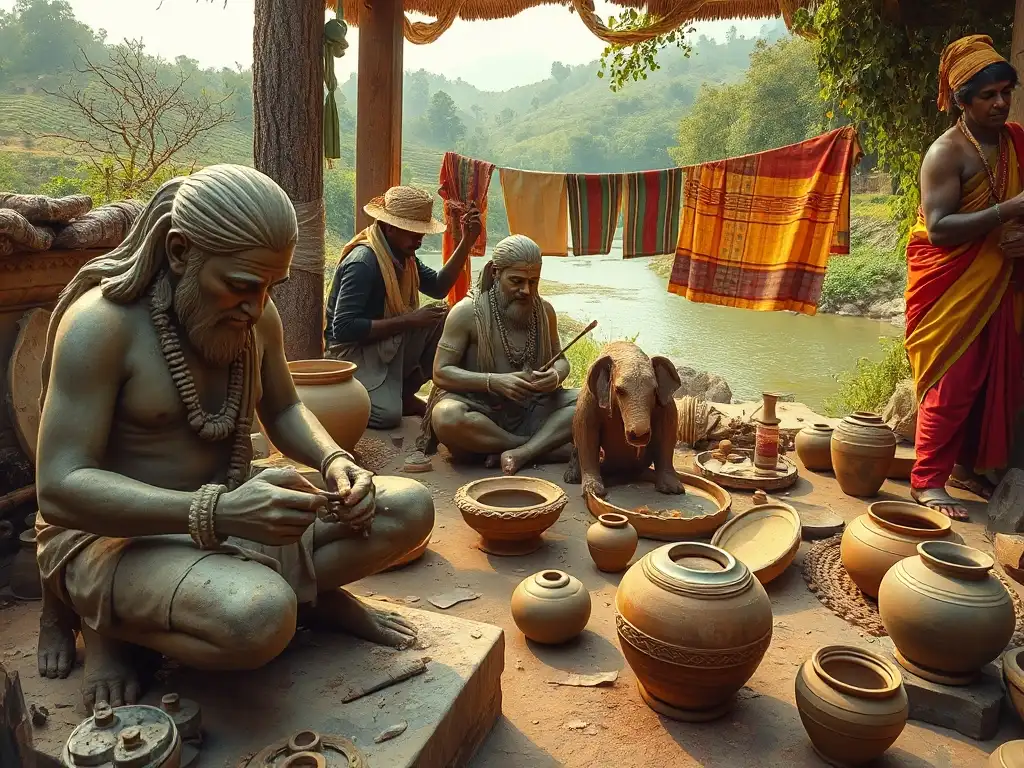
The Gupta Empire, often referred to as the "Golden Age of India," flourished between approximately 320 to 550 CE. This period was marked by significant advancements in various fields, including science, literature, and, notably, art. The stability and prosperity during this era provided a fertile ground for artistic expression and innovation, which would later influence the trajectory of Indian art for centuries.
The Gupta rulers actively patronized the arts, leading to the emergence of distinctive styles that incorporated religious themes, particularly from Hinduism and Buddhism. The influence of earlier traditions, such as the Mauryan art, blended with new ideas, resulting in a unique Gupta style characterized by its elegance and spiritual depth. The art of this era served not only as a means of aesthetic expression but also as a vehicle for disseminating religious and philosophical ideas.
Evolution of Art Forms During the Gupta Period
The Gupta period saw the evolution of various art forms, each contributing to the rich tapestry of Indian cultural heritage. Among the most notable developments were:
- Sculpture: Gupta sculptors excelled in creating intricate and detailed sculptures. The use of stone, particularly sandstone, allowed for greater refinement in carving. This period is renowned for its standing sculptures of deities, which exhibited a balance between realism and idealism. Notable examples include the famous sculptures from the caves of Ajanta and Ellora.
- Painting: The Gupta period is also celebrated for its advancements in painting. The murals at Ajanta caves, dated back to the 5th century CE, illustrate narratives from Buddhist texts and showcase the use of vibrant colors and detailed figures. These paintings exhibit a mastery of perspective and emotion, setting a standard for future generations.
- Architecture: The architectural style during this era transitioned towards more elaborate temple designs. The construction of temples such as the Dashavatara Temple in Deogarh showcased intricate carvings and a three-dimensional approach to design that influenced subsequent temple architecture across India.
Major Artistic Contributions of the Gupta Empire
The Gupta Empire's artistic contributions are profound and far-reaching, influencing not only contemporary art forms but also leaving a legacy that resonates in modern Indian art. Key contributions include:
| Art Form | Contribution |
|---|---|
| Sculpture | Development of the iconic Gupta sculpture style, emphasizing proportion, grace, and expression. |
| Painting | Innovations in mural painting techniques that emphasized storytelling through vibrant imagery. |
| Architecture | Introduction of the Shikhara style in temple architecture, which later became a hallmark of Indian temple design. |
| Literature | Flourishing of literary arts that inspired thematic representations in visual art. |
The Gupta artistic style established a framework that merged religious devotion with aesthetic beauty, fostering a culture where art was not merely decorative but served a higher purpose in society.
Influential Artists and Their Works
While specific names of artists from the Gupta period are often lost to history, their works speak volumes about their skill and creativity. Some notable examples include:
- Ajanta Cave Artists: The murals of Ajanta caves, attributed to various anonymous artists, depict numerous Jataka tales and Buddhist themes. These works are characterized by their intricate detailing and emotional depth, influencing later Indian painting styles.
- Sculptors of Sarnath: The renowned Lion Capital of Ashoka, although predating the Gupta period, inspired sculptors during this time. The Sarnath sculptures, particularly those depicting the Buddha, reflect the Gupta style with their graceful forms and serene expressions.
- Temple Architects: The architects behind the early Gupta temples, such as the Vishnu Temple at Deogarh, played a pivotal role in shaping the architectural landscape of India. Their innovative designs laid the groundwork for the evolution of temple architecture in subsequent Indian dynasties.
The Gupta culture impact on art during this golden era not only enriched the artistic landscape of ancient India but also established a legacy that continues to inspire and resonate in modern Indian art forms. The intricate interplay of religion, philosophy, and aesthetics during the Gupta period created a unique cultural phenomenon that endures through the ages.
Key Features of Gupta Art Impacting Modern Indian Art
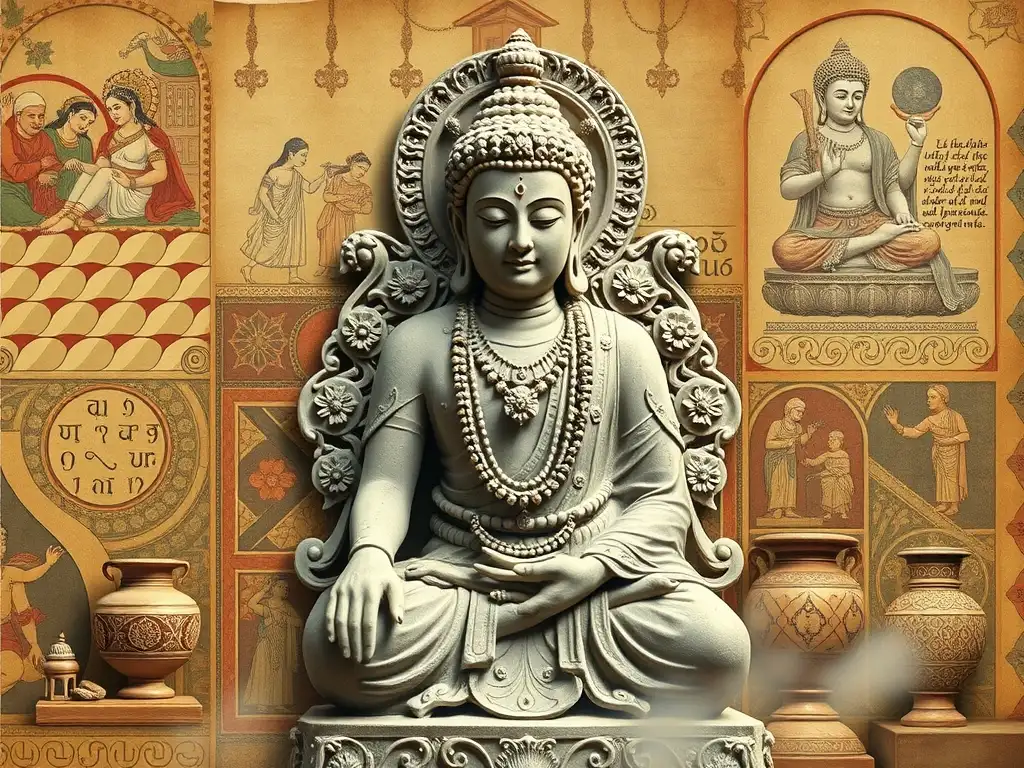
The Gupta Empire, often referred to as the "Golden Age" of India, significantly influenced the development of art, culture, and aesthetics that continue to resonate in modern Indian art. The key features of Gupta art can be observed through various aspects, including iconography, architectural innovations, and artistic techniques. Understanding these elements not only highlights the rich heritage of the Gupta period but also showcases how they laid the groundwork for contemporary Indian artistic expressions.
Iconography and Symbolism in Gupta Art
Gupta art is renowned for its intricate iconography and rich symbolism, which have profoundly influenced modern Indian art. The period saw the emergence of distinct representations of deities, narratives from Hindu epics, and Buddhist motifs, characterized by their clarity and expressiveness.
- Deity Representation: The Gupta artists perfected the depiction of gods and goddesses, using proportions and postures that imbued sculptures with a sense of divinity and realism. For instance, the serene expressions and graceful poses of figures reflect the spiritual ideals of the time.
- Narrative Art: Gupta art often incorporated narrative scenes from the Ramayana and Mahabharata, which continue to inspire modern artists. These stories are expressed through paintings, murals, and sculptures, allowing viewers to connect with ancient tales in contemporary formats.
- Symbolic Elements: The use of symbols, such as the lotus representing purity and the conch shell symbolizing the divine sound, remains prevalent in modern Indian art. Artists today frequently draw upon these symbols to convey deeper meanings within their works.
By integrating these iconographic elements, modern Indian art pays homage to its Gupta roots while continuing to evolve.
Architectural Innovations and Their Legacy
The architectural advancements during the Gupta period have had a lasting impact on the design and aesthetics of modern Indian structures. The period is marked by significant achievements in temple architecture, which set standards for later constructions.
- Temple Design: The Gupta period introduced the concept of intricate temple architecture, characterized by shikhara (tower) and mandapa (pillared hall). These design elements are evident in many modern temples, reflecting a continuity of tradition.
- Material Use: The use of brick and stone, along with decorative carvings, in Gupta architecture established a paradigm for durability and beauty. Modern architects often revisit these materials, incorporating traditional techniques into contemporary designs.
- Sacred Geometry: The emphasis on precise geometry and symmetry in Gupta architecture has influenced modern architectural principles. This focus on balance and proportion is evident in contemporary buildings, which often seek to harmonize with their surroundings.
The architectural innovations of the Gupta Empire serve as a blueprint for modern constructions, bridging the past with the present.
Artistic Techniques and Materials Used
The artistic techniques and materials developed during the Gupta period laid the groundwork for many practices in modern Indian art. The refinement of methods and the choice of materials reflect a deep understanding of aesthetics and craftsmanship.
- Sculptural Techniques: Gupta artists mastered the art of stone carving, employing tools that allowed for intricate detailing. This expertise is echoed in modern sculptural works, where precision and craftsmanship remain paramount.
- Painting Methods: The use of natural pigments and mineral-based colors in Gupta paintings set a standard for vibrancy and longevity. Contemporary artists often experiment with these traditional materials, seeking to revive ancient techniques in modern formats.
- Textiles and Weaving: The Gupta period also saw advancements in textile arts, with techniques that are still used in modern fabric production. The intricate patterns and methods of weaving have inspired contemporary designers, emphasizing the importance of heritage in modern fashion.
By embracing these artistic techniques and materials, modern Indian artists continue to celebrate and reinterpret the legacy of Gupta art, ensuring that its influence endures in the contemporary art world.
The Lasting Legacy of Gupta Culture on Modern Indian Art
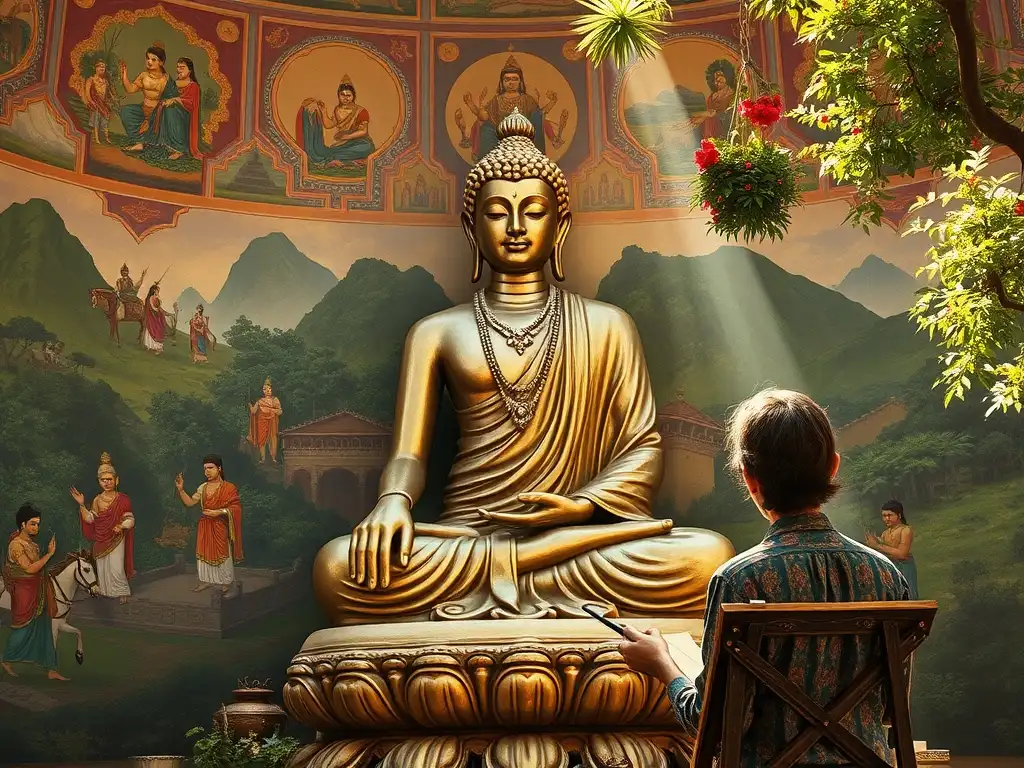
The Gupta Empire, often referred to as the Golden Age of India, has left an indelible mark on various aspects of Indian art and culture. The legacy of Gupta culture significantly influences modern Indian art, manifested in themes, motifs, and techniques that resonate through contemporary artistic expressions.
Continuities in Themes and Motifs
The themes and motifs prevalent in Gupta art continue to inspire modern artists, revealing a deep-rooted connection to India's rich artistic heritage.
- Religious Symbolism: Gupta art is renowned for its religious themes, particularly those related to Hinduism, Buddhism, and Jainism. The depiction of deities, divine narratives, and spiritual iconography remains prevalent in modern art.
- Nature and Human Interaction: The Gupta period emphasized the harmonious relationship between nature and humanity, often illustrated through landscapes and figures. This theme persists in modern artworks, which frequently reflect environmental issues and the human experience within nature.
- Narrative Techniques: Gupta artists excelled in storytelling through visual art, employing intricate narratives in their sculptures and paintings. Contemporary artists continue to adopt this technique, using visual storytelling to convey complex ideas and cultural narratives.
| Gupta Themes | Modern Interpretations |
|---|---|
| Religious Symbolism | Modern spiritual art |
| Nature and Human Interaction | Environmental art |
| Narrative Techniques | Storytelling through visuals |
The use of dynamic poses and elegant forms, characteristic of Gupta sculptures, can also be seen in modern art, where artists strive to capture movement and emotion, echoing the classical styles of the Gupta period.
Influence on Contemporary Indian Artists
Contemporary Indian artists frequently draw inspiration from Gupta culture, integrating its aesthetic principles into their work.
- Revival of Traditional Techniques: Many artists have adopted traditional Gupta techniques, such as lost-wax casting in sculpture and tempera painting. This revival not only preserves ancient methods but also reinvents them for modern audiences.
- Cultural Fusion: Artists like Subodh Gupta and Bharti Kher have incorporated elements of Gupta art into their contemporary works, merging them with modern materials and themes. This fusion creates a dialogue between the past and present, enriching the contemporary art landscape.
- Art Exhibitions and Projects: Numerous exhibitions focus on the influence of Gupta art, showcasing how its principles are interpreted by modern artists. Projects that explore this legacy often highlight the continuity of artistic expression across time, emphasizing the relevance of Gupta culture in today's artistic endeavors.
The Role of Gupta Art in Indian Art Education
Gupta culture's impact on art extends into educational institutions, where its teachings are integral to art curricula in India.
- Curricular Inclusion: Many art schools incorporate studies of Gupta art, educating students about its historical significance and techniques. This foundational knowledge helps aspiring artists understand the roots of Indian art, fostering a sense of cultural continuity.
- Workshops and Seminars: Institutions frequently host workshops focused on Gupta techniques and styles, encouraging students to explore traditional methods. These sessions not only enhance technical skills but also instill an appreciation for India's artistic heritage.
- Research and Publications: Academic research on Gupta art contributes to a broader understanding of its techniques and aesthetics, promoting discussions on its relevance in modern art. Publications and journals often highlight case studies of contemporary artists inspired by Gupta culture, bridging the gap between historical and modern practices.
The influence of Gupta culture on modern Indian art is profound and multifaceted. By examining continuities in themes and motifs, recognizing the impact on contemporary artists, and emphasizing the role of Gupta art in education, we can appreciate the lasting legacy of this extraordinary civilization in shaping the artistic landscape of today.
Comparative Analysis: Gupta Art vs. Other Ancient Indian Art Forms
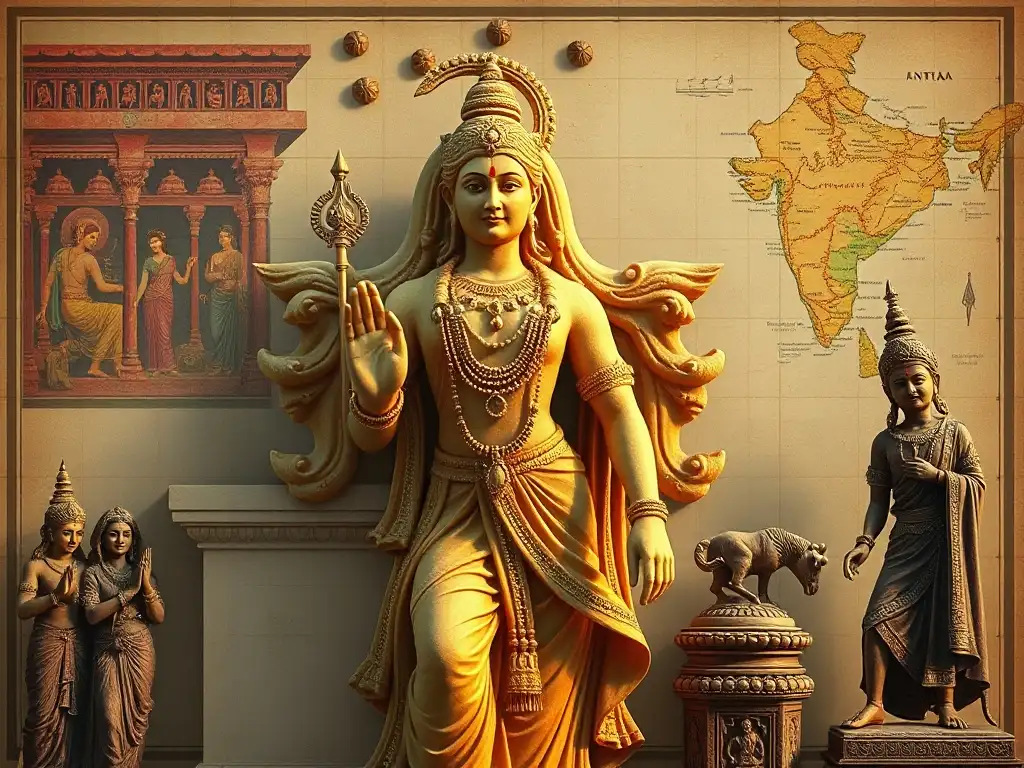
The Gupta Empire, known as a golden age of Indian history, produced art that is characterized by its refinement and innovation. This section delves into a comparative analysis of Gupta art with other ancient Indian art forms, revealing the distinctive features, as well as shared elements, that have shaped the evolution of Indian art.
Differences Between Gupta Art and Mauryan Art
Gupta art is often seen as a significant departure from the earlier Mauryan style, which dominated before the Gupta period (circa 322-185 BCE). Here are some key differences between the two:
- Stylistic Execution:
- Mauryan Art: Known for its monumental scale and grandeur, Mauryan art is exemplified by the Ashoka Pillars and the Lion Capital of Ashoka. The emphasis during this period was on massive structures and a sense of weightiness.
- Gupta Art: In contrast, Gupta art shifted towards a more delicate and graceful style, focusing on intricate details and a sense of elegance. The sculptures from this era, like those found in the temples of Khajuraho, showcase a finesse that was less pronounced in Mauryan works.
- Themes and Iconography:
- Mauryan Art: This period often featured secular themes alongside religious motifs, with a strong emphasis on symbols of power and authority, such as the lion, which represented the emperor's strength.
- Gupta Art: Gupta artists moved towards more spiritual themes, with a profound focus on Hindu deities and Buddhist icons. The art from this period often illustrated divine narratives, portraying gods and goddesses with a sense of human emotion and connection.
- Materials and Techniques:
- Mauryan Art: The use of sandstone and the technique of polishing were evident, but the overall finish was often rougher compared to later periods.
- Gupta Art: Gupta artisans perfected the technique of carving, leading to smoother finishes and more lifelike representations. The use of soft sandstone allowed for intricate detailing and vibrant decorative elements.
Similarities with Post-Gupta Art Movements
Despite the distinct characteristics of Gupta art, it also shares several similarities with the art movements that followed, particularly during the medieval period.
- Continued Religious Themes:
- Both Gupta and post-Gupta art maintained a strong focus on religious themes. The post-Gupta period saw the continued depiction of Hindu and Buddhist motifs, often enhancing the emotional depth established during the Gupta era.
- Evolution of Iconography:
- The iconography developed during the Gupta period set a precedent for later styles. For instance, the portrayal of deities with specific attributes became more standardized, influencing subsequent artistic representations across various regions in India.
- Regional Variations:
- Just as Gupta art exhibited regional styles, post-Gupta art also diversified into local interpretations. The regional adaptations of Gupta aesthetics were evident in the temple architecture and sculpture throughout India, from Eastern India to the Deccan.
- Influence on Later Dynasties:
- The Gupta aesthetic principles influenced later dynasties, such as the Chola and the Vijayanagara Empire. These later art forms drew inspiration from Gupta sculptures, particularly in terms of elegance and expressiveness.
The Gupta culture's impact on art not only marked a significant turning point in the history of Indian art but also laid the foundation for future artistic movements. The legacy of Gupta art continues to resonate through the centuries, influencing both contemporary and traditional art forms in India today.
Case Studies of Modern Indian Art Influenced by Gupta Culture
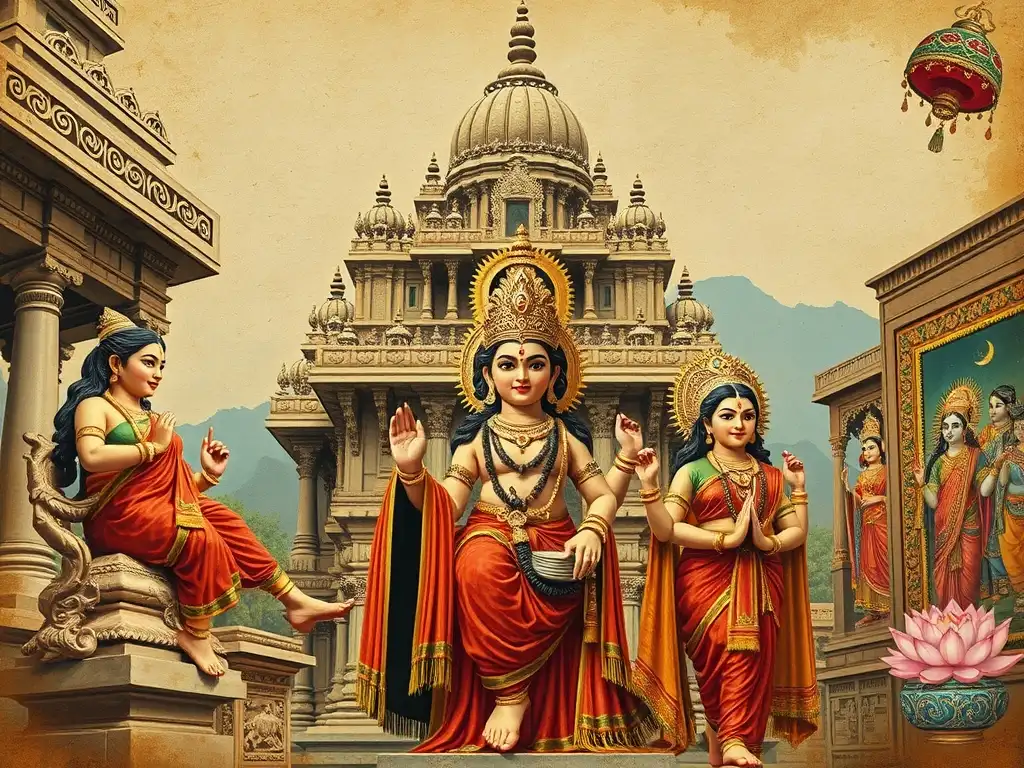
The Gupta Empire, often referred to as the Golden Age of India, left an indelible mark on various facets of Indian culture, particularly in the realm of art. Modern Indian artists have drawn inspiration from the rich aesthetic and thematic elements of Gupta culture, creating a bridge between ancient traditions and contemporary expressions. This section explores notable case studies of modern Indian artists who have successfully integrated Gupta influences into their works.
Nandalal Bose and Gupta Influence
Nandalal Bose (1882-1966) is a prominent figure in modern Indian art, renowned for his ability to fuse traditional Indian themes with modernist techniques. His work is characterized by a deep appreciation for India's cultural heritage, particularly the aesthetics of the Gupta period.
- Artistic Techniques: Bose often employed ancient Indian painting techniques, reminiscent of Gupta frescoes and murals. His use of vibrant colors and intricate patterns reflects the decorative style found in Gupta art.
- Themes and Subjects: Many of Bose's works explore themes rooted in Hindu mythology and folklore, akin to the narrative styles prevalent during the Gupta Empire. For instance, his depiction of scenes from the Ramayana and Mahabharata showcases a stylization that mirrors Gupta narrative art.
- Notable Works: His painting "The Vision of the End" exemplifies the seamless integration of Gupta aesthetics with contemporary themes. The ethereal quality and spiritual motifs resonate with the visual language of Gupta-era art.
Bose’s commitment to reviving and preserving traditional Indian art forms has had a lasting impact on subsequent generations of artists, underscoring the Gupta culture's enduring influence.
Jamini Roy Reflecting Gupta Aesthetics
Jamini Roy (1887-1972) is another significant artist whose works illustrate the profound impact of Gupta culture on modern Indian art. Roy is celebrated for his unique ability to synthesize folk art with classical elements, drawing heavily from the visual traditions established during the Gupta period.
- Use of Folk Techniques: Roy's works often exhibit a bold, simplified form that echoes the stylization of Gupta sculptures. His usage of earthy tones and flat figures connects directly to the visual language of ancient Indian art.
- Cultural Symbolism: The artist's focus on themes such as rural life and mythology pays homage to the storytelling tradition of Gupta art. His pieces often celebrate everyday life, reminiscent of the narrative reliefs found in Gupta temples.
- Notable Works: One of his famous paintings, "Mother and Child," encapsulates the tenderness and simplicity reminiscent of Gupta sculptures. The expressive faces and curved forms are a testament to Gupta artistic influences, showcasing a blend of emotional depth and stylistic clarity.
Jamini Roy’s work not only reflects the aesthetic principles of Gupta culture but also serves as a commentary on the socio-cultural landscape of his time, bridging the ancient and modern worlds through art.
The lasting legacy of Gupta culture on modern Indian art can be seen through the works of influential artists like Nandalal Bose and Jamini Roy. Their ability to weave ancient aesthetics into contemporary frameworks exemplifies how Gupta culture continues to inspire and resonate within the realm of art today.
Conclusion: The Enduring Influence of Gupta Culture on Art
The Gupta Empire, often hailed as a golden age in Indian history, has left an indelible mark on various aspects of culture, particularly art. The influence of Gupta culture on art is not only evident in historical artifacts but continues to resonate in contemporary Indian artistic expressions. The mastery of sculpture, architecture, painting, and the integration of spiritual and secular themes during the Gupta period set a foundation that modern artists still draw upon today.
Summary of Key Points
- Artistic Techniques and Styles: The Gupta period is characterized by the development of sophisticated techniques in sculpture and painting. The use of shading, proportionality, and naturalism established a benchmark for future artistic endeavors. This meticulous attention to detail and form can be observed in modern interpretations of Indian art.
- Religious Themes: The Gupta era saw a flourishing of religious art, particularly Hindu and Buddhist iconography. The portrayal of deities and spiritual narratives has influenced contemporary artists who seek to merge traditional themes with modern aesthetics, echoing the Gupta emphasis on spiritual representation.
- Architecture and Urban Planning: The architectural advancements during the Gupta period, including the design of temples and public spaces, have inspired modern architectural practices. Elements such as intricate carvings and the use of local materials are reflected in contemporary structures, showcasing a blend of historical reverence and modern innovation.
- Cultural Synthesis: Gupta culture facilitated a synthesis of various artistic influences, which is a hallmark of modern Indian art. This blending of styles resonates in today’s art scene, where artists often incorporate diverse cultural elements, mirroring the Gupta ethos of inclusivity and adaptability.
Future Directions for Research on Gupta Culture Impact on Art
As we delve deeper into the implications of Gupta culture on modern art, several areas warrant further exploration:
- Cross-Cultural Influences: Future research could examine how Gupta art influenced not only Indian art but also artistic traditions in neighboring regions. Comparative studies could reveal the broader impact of Gupta aesthetics on Southeast Asian art forms.
- Technological Advances in Art: Investigating how modern technologies may reinterpret Gupta artistic techniques could yield fascinating insights. For instance, the use of digital media to replicate traditional Gupta styles can bridge historical techniques with contemporary practices.
- Interdisciplinary Studies: A multidisciplinary approach involving anthropology, sociology, and art history could provide a richer understanding of how Gupta culture continues to shape identity and expression in modern India.
- Art Education: Analyzing the incorporation of Gupta art elements in educational curricula could illuminate how future generations are being taught to appreciate and innovate upon their rich heritage.
The Gupta culture's impact on art is a multifaceted legacy that continues to inspire and inform modern artistic practices in India. As we continue to explore and understand these influences, we reveal not only the historical significance of the Gupta Empire but also its enduring relevance in today’s world.
Frequently Asked Questions
What was the Gupta Empire known for in terms of art?
The Gupta Empire is celebrated for its significant contributions to art, particularly in sculpture, painting, and architecture, which laid the groundwork for modern Indian artistic traditions.
How did Gupta culture influence modern Indian art?
The aesthetic principles and techniques developed during the Gupta period continue to inspire contemporary artists, reflecting the spiritual themes and intricate designs of that era.
What are some key features of Gupta art?
Gupta art is characterized by its naturalism, graceful figures, and vibrant colors, often depicting mythological themes and religious imagery, which resonate in modern art forms.
Why is the Gupta period referred to as a "Golden Age"?
The Gupta period is termed a "Golden Age" due to its remarkable achievements in culture, science, and art, resulting in a flourishing of creativity that profoundly shaped Indian civilization.
How can one explore Gupta art today?
To explore Gupta art, one can visit museums, study archaeological sites, and engage with scholarly works that delve into the influence of Gupta culture on artistic practices throughout history.
Final Reflection: The Enduring Legacy of Gupta Culture on Modern Indian Art
The impact of Gupta culture on art is not merely a historical footnote; it is a vibrant thread woven into the fabric of contemporary Indian artistic expression. As we explore the rich heritage of the Gupta period, we uncover a legacy that continues to inspire artists today, shaping their work and igniting a renewed appreciation for the aesthetics and philosophies of this golden age. The echoes of Gupta artistry resonate in modern art forms, reminding us that the past is not a distant memory but a living influence that molds our present and future.
Cultural evolution is an ongoing dialogue between the past and the present, and the Gupta culture serves as a cornerstone in this conversation. The intricate sculptures, vibrant frescoes, and profound philosophical themes of Gupta art have left an indelible mark on the Indian cultural landscape. As we witness the resurgence of traditional techniques and motifs in contemporary art, we are reminded of the words of art historian Dr. Vidya Dehejia: Art is a bridge that connects generations, allowing us to communicate across time.
This connection emphasizes the importance of honoring our artistic heritage while fostering innovation and creativity in the modern era.
As you reflect on the profound influence of Gupta culture on art, consider how you can incorporate these timeless principles into your own life and creative endeavors. Embrace the beauty of tradition while allowing it to inspire your unique expression. Whether you are an artist, a student, or an enthusiast of culture, let the legacy of Gupta art encourage you to explore your own creative journey, celebrating the past while forging new paths for the future.
Embrace the Legacy of Gupta Culture in Your Art!
Thank you for diving into the rich tapestry of Gupta culture and its profound impact on modern Indian art. Your interest not only honors this legacy but also encourages the continuation of these timeless traditions. Now, let’s take your appreciation to the next level!
- Explore local art galleries or museums that showcase artworks influenced by Gupta traditions. Engage with the pieces and understand their historical significance!
- Join an art workshop focused on traditional Indian techniques, allowing you to practice the very skills that have shaped centuries of creativity.
- Start a conversation with friends or in online communities about how historical cultures can influence contemporary artistic expressions. Share your favorite artworks inspired by Gupta culture!
How do you envision the influence of Gupta culture shaping the future of Indian art? We’d love to hear your thoughts!