
How Ancient Indian Surgeons Prepared for Surgeries: Rituals and Practices


Welcome to Ancient India History, where we take you on an enlightening journey through the fascinating tapestry of ancient Indian civilizations. Delve into the remarkable world of ancient Indian surgical practices, a testament to the ingenuity and skill of early surgeons who laid the groundwork for modern medicine.
Discover the intricate rituals and methodologies that not only prepared them for surgery but also reflected a deep cultural reverence for healing. Prepare to be captivated as we unveil the secrets of a time when medicine was both an art and a science—read on to uncover the profound legacy of these pioneering medical practitioners!
- Introduction to Ancient Indian Surgical Practices
- Historical Context of Ancient Indian Surgeons
- Rituals Associated with Ancient Indian Surgeries
- Preparation Practices of Ancient Indian Surgeons
- Techniques Employed by Ancient Indian Surgeons
- The Role of Herbs and Natural Remedies in Surgical Preparations
- Case Studies of Notable Surgeries in Ancient India
- Conclusion: Legacy of Ancient Indian Surgical Practices
- References for Further Reading on Ancient Indian Surgical Practices
-
Frequently Asked Questions
- What were the main rituals performed by ancient Indian surgeons before surgeries?
- How did ancient Indian surgical practices compare to those of other civilizations?
- What role did the Sushruta Samhita play in ancient Indian surgery?
- Were there any specific instruments used by ancient Indian surgeons?
- How did the cultural context influence surgical practices in ancient India?
- Final Reflection: Embracing the Wisdom of Ancient Indian Surgical Practices
- Unveil the Secrets of Ancient Surgical Wisdom!
Introduction to Ancient Indian Surgical Practices
Ancient Indian surgical practices represent a fascinating intersection of medicine, culture, and spirituality. Rooted in a rich tradition that spans thousands of years, these practices reveal the advanced understanding and techniques employed by ancient Indian surgeons.
From the meticulous preparation for surgeries to the intricate rituals that accompanied medical procedures, the surgical landscape of ancient India was both complex and profound. This article delves into the rituals and practices that ancient Indian surgeons embraced, shedding light on their importance in the broader context of Indian medicine and the remarkable achievements of civilizations such as the Indus Valley and the Gupta Empire.
Overview of Ancient Indian Medicine
Ancient Indian medicine, primarily encapsulated in the texts of Ayurveda and Sushruta Samhita, laid the groundwork for many medical practices still revered today. Ayurveda, a holistic healing system, emphasizes balance in physical, mental, and spiritual health. The Sushruta Samhita, attributed to the ancient physician Sushruta, is particularly noteworthy for its detailed descriptions of surgical techniques and instruments.
- Key Components of Ancient Indian Medicine:
- Herbal Remedies: Utilization of local flora for medicinal purposes.
- Surgical Techniques: Precise methods for procedures such as suturing and amputations.
- Spiritual Practices: Rituals that aimed to invoke divine blessings and ensure patient safety.
These texts not only highlight the surgical prowess of ancient practitioners but also illustrate the cultural significance of medicine in society, where health was viewed as an integral part of overall well-being.
Importance of Surgical Techniques in Ancient India
The surgical techniques developed in ancient India were groundbreaking for their time and have influenced medical practices across the globe. Surgical procedures were not merely clinical tasks; they were imbued with rituals that aimed to sanctify the process and protect both the patient and the surgeon.
- Significance of Surgical Techniques:
- Innovation: Ancient surgeons developed tools and methods, such as the use of the shalaka (a type of probe) and kshara (alkaline substances) for surgeries.
- Cultural Relevance: The rituals performed before surgery served to reassure patients and reinforce the surgeon's role as a healer within the community.
- Educational Legacy: The teachings of ancient surgeons were passed down through generations, establishing a foundation for future medical advancements.
The surgical practices of ancient India were not only advanced but also deeply rooted in the cultural and spiritual fabric of society, reflecting a unique blend of science and tradition that continues to inspire modern medical practices.
Historical Context of Ancient Indian Surgeons
Time Periods of Surgical Development
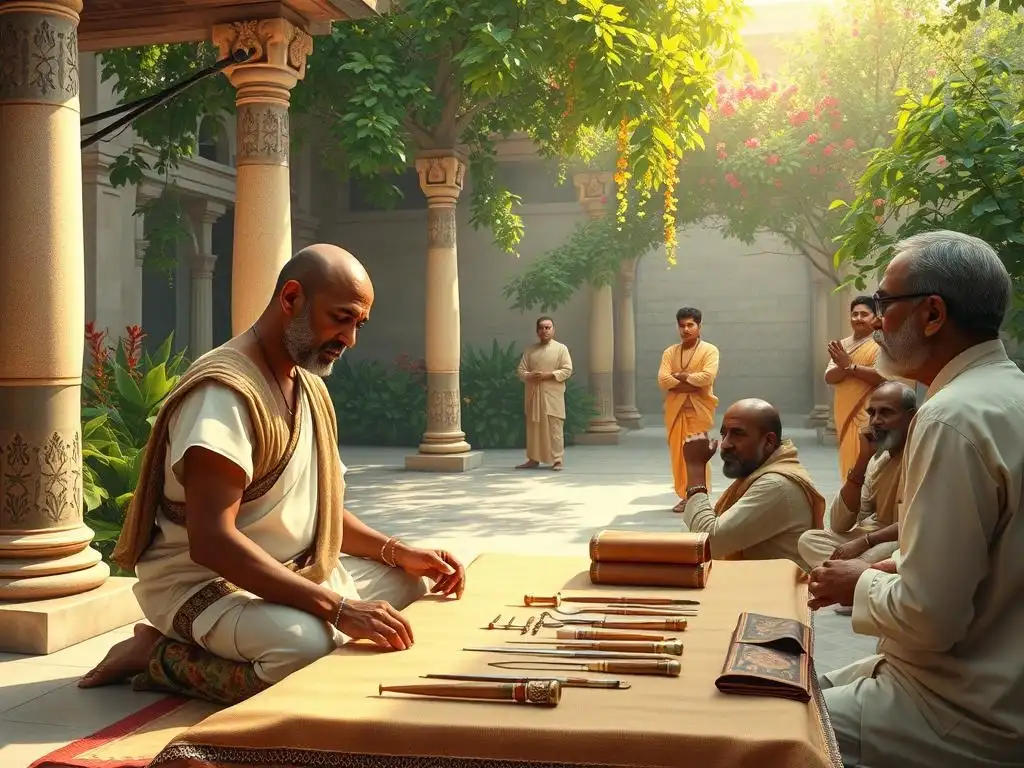
The development of surgical practices in ancient India can be divided into several distinct time periods, each marked by significant advancements in medical knowledge and techniques. The timeline of these advancements reflects the evolution of ancient Indian surgical practices, which were deeply intertwined with the cultural and philosophical beliefs of the time.
- Indus Valley Civilization (c. 3300–1300 BCE)
- This early civilization showed signs of advanced medical practices. Archaeological findings, such as surgical instruments made from bronze and stone, suggest that surgery was practiced during this period.
- Evidence of urban planning and drainage systems indicates a sophisticated understanding of hygiene, which is crucial for surgical practices.
- Vedic Period (c. 1500–500 BCE)
- The Vedic texts, particularly the Atharva Veda, mention various surgical procedures and medicinal practices.
- The concept of Shalya Tantra, the science of surgery, began to emerge, laying the groundwork for more systematic surgical practices.
- Maurya and Post-Maurya Period (c. 300 BCE–200 CE)
- The famous physician Sushruta, often referred to as the "father of surgery," lived during this time. His seminal work, the Sushruta Samhita, compiled surgical techniques and principles, including over 300 surgical procedures and 120 surgical instruments.
- This period saw the formalization of surgical education, with students learning through rigorous apprenticeships under experienced surgeons.
- Gupta Empire (c. 320–550 CE)
- The Gupta period is often referred to as the "Golden Age" of Indian science and medicine. Surgical practices reached new heights, with advancements in techniques and a growing understanding of anatomy.
- Notable texts, such as the Ashtanga Sangraha by Vagbhata, expanded on previous works and included discussions on surgical treatments and methods.
- Post-Gupta Period (c. 550 CE onwards)
- While the later periods saw a decline in the prominence of surgery, the foundational knowledge established during the earlier eras continued to influence medical practices in subsequent centuries.
- The integration of surgery with Ayurveda, a traditional system of medicine, helped maintain surgical knowledge through various cultural and political changes.
Key Figures in Ancient Indian Surgery
Several key figures played crucial roles in the development and refinement of ancient Indian surgical practices. Their contributions significantly impacted the knowledge and techniques used in surgery during their times.
- Sushruta (c. 600 BCE)
- Often hailed as the "father of surgery," Sushruta authored the Sushruta Samhita, a comprehensive text on surgery and medicine. This work not only cataloged numerous surgical procedures but also emphasized the importance of patient care and surgical ethics.
- His detailed descriptions of surgical instruments and techniques for operations such as cataract surgery and rhinoplasty (nose reconstruction) showcased a remarkable understanding of human anatomy and surgical precision.
- Charaka (c. 300 BCE)
- Charaka was a prominent physician and the author of the Charaka Samhita, which focused primarily on internal medicine but also addressed surgical practices.
- His work contributed to the understanding of surgical preparations and post-operative care, establishing a holistic approach to patient management.
- Vagbhata (c. 7th century CE)
- Vagbhata's Ashtanga Sangraha synthesized the medical knowledge of the time, including surgical practices. His contributions emphasized the importance of diagnosis and treatment planning, which are essential aspects of modern surgical practices.
- He discussed various surgical techniques, including those for the treatment of fractures and abscesses, further enriching the medical literature of ancient India.
- Other Notable Surgeons
- While Sushruta, Charaka, and Vagbhata are the most recognized figures, numerous other surgeons and practitioners contributed to the field. Their collective knowledge formed a robust foundation for surgeries performed in ancient India.
- The collaborative efforts of these medical practitioners highlighted the value placed on teaching and learning, ensuring the transmission of surgical knowledge across generations.
The historical context of ancient Indian surgeons reveals a rich tapestry of surgical practices that evolved over centuries, marked by significant figures who laid the groundwork for future medical advancements. Their legacy continues to influence modern surgical techniques and practices today.
Rituals Associated with Ancient Indian Surgeries
Spiritual Significance of Surgical Rituals
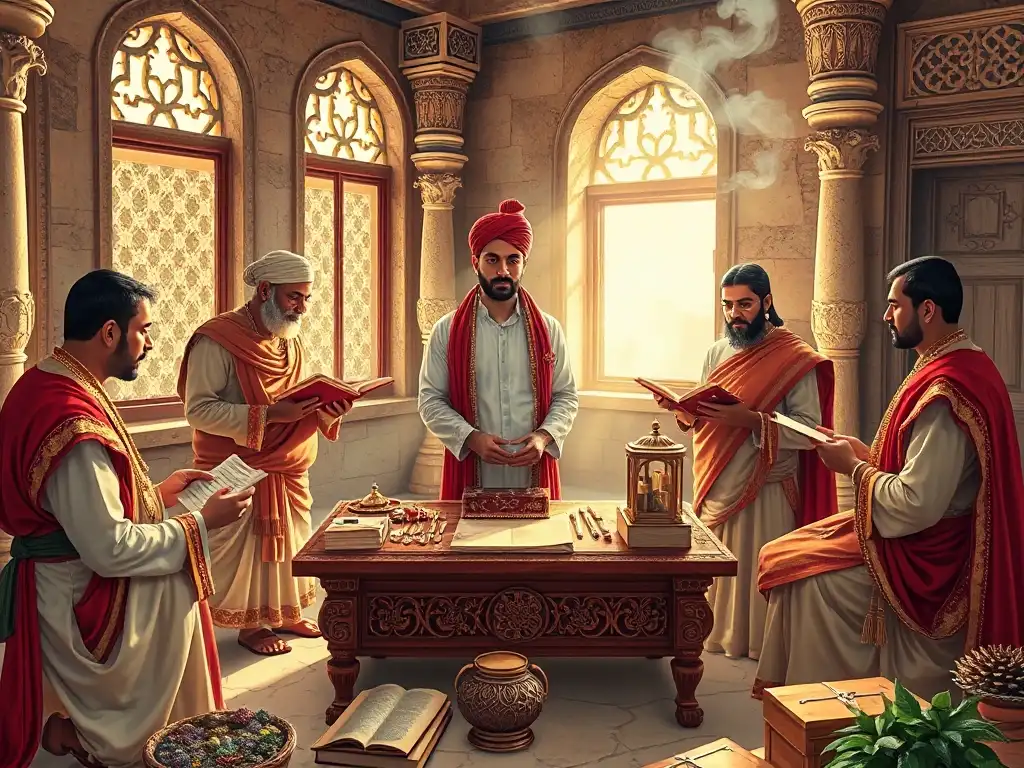
In ancient India, surgical practices were deeply intertwined with spiritual beliefs, reflecting a holistic approach to medicine that encompassed both physical and metaphysical elements. Surgeons, regarded as practitioners of both science and spirituality, often engaged in rituals to ensure successful outcomes and the well-being of their patients. These rituals were not merely ceremonial; they were believed to invoke divine blessings and create a conducive environment for healing.
The spiritual significance of these rituals can be traced back to the Vedic texts, where health and disease were perceived as manifestations of cosmic order. The ancient Indian surgeons recognized the importance of mental and emotional states in the healing process, thus incorporating spiritual practices to foster a sense of calm and focus. This connection between spirituality and surgery underscores the belief that physical interventions must be complemented by spiritual purification to achieve holistic healing.
Common Rituals Preceding Surgeries
Before undertaking surgical procedures, ancient Indian surgeons adhered to a series of rituals that were considered essential for ensuring the success of the operation. These practices were often steeped in tradition and varied regionally, but several common themes emerged across different cultures within ancient India.
Purification Rituals
Purity was paramount in ancient Indian surgical practices. Surgeons engaged in purification rituals to cleanse themselves and their instruments, creating an environment deemed sacred and hygienic. These rituals typically involved:
- Ablutions: Surgeons would perform rituals involving water, such as bathing or washing hands, to purify themselves before surgery. This was believed to rid them of any impurities that could compromise the procedure.
- Use of Sacred Herbs: Specific herbs, known for their cleansing properties, were often utilized in the purification process. For example, the use of Tulsi (Holy Basil) and Neem leaves was common, as they are both considered sacred and possess antibacterial properties.
- Symbolic Offerings: Offerings, such as flowers or food, were made to deities, signifying respect and seeking their blessings for a successful surgery. This act of devotion was believed to enhance the surgeon's skills and safeguard the patient's life.
Invocation of Deities
The invocation of deities was a critical aspect of the rituals preceding surgeries. Ancient Indian surgeons would often chant mantras or prayers to invoke divine protection and guidance. Key practices included:
- Mantras: Specific mantras, such as the Gayatri Mantra or those dedicated to Lord Dhanvantari (the deity of Ayurveda), were recited to invoke the blessings of the divine for healing and skillful execution of the surgery.
- Altar Preparation: Surgeons would prepare a small altar with images or idols of deities, offering flowers, incense, and other materials. This altar served as a focal point for meditation and prayer, fostering a spiritual connection during the procedure.
- Community Involvement: Family members and the community often participated in these rituals, reinforcing the collective belief in the power of divine intervention and the importance of community support in healing.
Through these rituals, ancient Indian surgeons not only prepared themselves mentally and spiritually but also established a profound connection between the physical act of surgery and the divine, ensuring that their practices were rooted in a rich cultural and spiritual heritage.
Preparation Practices of Ancient Indian Surgeons
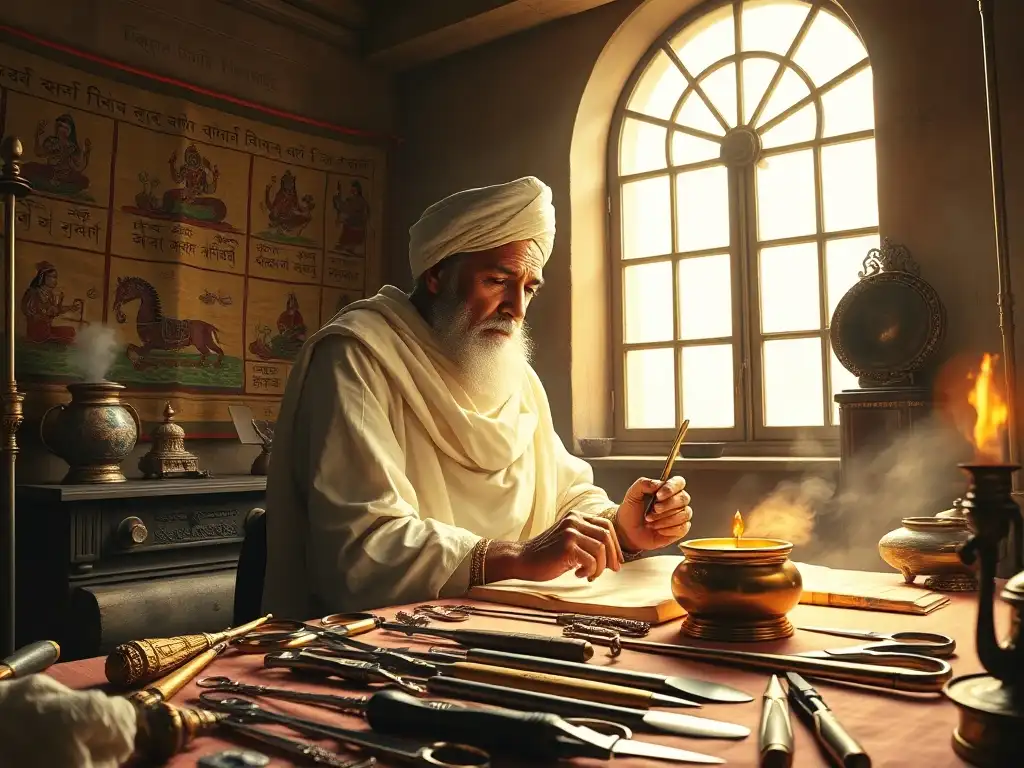
Ancient Indian surgeons employed a variety of preparation practices that were deeply intertwined with their cultural and spiritual beliefs. These practices were essential not only for the success of the surgical procedures but also for ensuring the well-being of both the patient and the surgeon. The preparation phase typically included rituals, tool sterilization, and mental conditioning, which collectively contributed to the effectiveness of surgical interventions.
One significant aspect of preparation was the purification rituals that surgeons performed before undertaking any procedure. These rituals often involved bathing, wearing clean garments, and reciting prayers or mantras to invoke divine blessings. The belief in the spiritual dimensions of health and healing was prevalent, and surgeons considered it crucial to align themselves with these forces before engaging in surgery.
Tools and Instruments Used in Ancient Surgeries
The tools and instruments used in ancient Indian surgeries were a testament to the sophisticated medical knowledge of the time. Ancient surgeons utilized a variety of instruments that can be categorized into several types:
- Cutting Instruments:
- Scalpels: Sharp blades made from metals or even stones for incisions.
- Knives: Used for specific surgical tasks like excisions.
- Clamping Tools:
- Forceps: Employed to grasp tissues or hold organs during surgery.
- Clamps: Used to control bleeding by compressing blood vessels.
- Puncturing Devices:
- Trocar: For puncturing body cavities to drain fluids.
- Needles: For suturing wounds post-surgery.
The materials used for these instruments varied, with many being crafted from bronze, iron, and, occasionally, gold. The craftsmanship of these tools indicates a high level of metallurgy and an understanding of both the functional and hygienic requirements necessary for successful surgical outcomes.
Knowledge and Training of Surgeons
The knowledge and training of ancient Indian surgeons were rigorous and multifaceted, often requiring years of dedication. This training encompassed not only the technical aspects of surgery but also an understanding of anatomy, physiology, and various medical philosophies.
Medical Texts and Manuscripts
Ancient Indian medical knowledge was preserved in various texts, such as the Sushruta Samhita and the Charaka Samhita. These texts served as foundational resources for medical practitioners and provided detailed descriptions of surgical techniques, anatomy, and the philosophy behind medical practices.
- Sushruta Samhita: Often regarded as one of the earliest texts on surgery, it includes descriptions of over 120 surgical instruments, various surgical procedures, and methods for preparing patients for surgery.
- Charaka Samhita: Focused more on internal medicine, it provided insights into the importance of patient observation and diagnosis, which were crucial for pre-surgical preparation.
These texts were meticulously studied and memorized by aspiring surgeons, ensuring that they possessed a comprehensive understanding of their craft before practicing on patients.
Oral Traditions and Apprenticeships
In addition to written texts, oral traditions played a vital role in the training of ancient Indian surgeons. Knowledge was often passed down through apprenticeships, where novice surgeons learned directly from experienced practitioners. This hands-on approach allowed for the transmission of practical skills and wisdom that was not always documented in texts.
- Mentorship: The relationship between mentor and apprentice was crucial, as it ensured that techniques and rituals were learned correctly.
- Observational Learning: Apprentices would often observe surgeries before attempting them, allowing them to understand the nuances of surgical procedures and patient care.
This combination of formal education through texts and practical experience via apprenticeships created a robust system of knowledge that characterized ancient Indian surgical practices.
The preparation practices of ancient Indian surgeons encompassed a blend of rituals, sophisticated tools, and comprehensive training, all of which contributed to the efficacy of their surgical interventions. The legacy of these practices not only highlights the advancements in ancient Indian surgical techniques but also illustrates the cultural significance attributed to the art of healing.
Techniques Employed by Ancient Indian Surgeons
Overview of Surgical Techniques in Ancient India
Ancient Indian surgical practices were remarkably advanced, showcasing a profound understanding of human anatomy and medical procedures. The foundational text in this domain, the Sushruta Samhita, attributed to the renowned surgeon Sushruta around the 6th century BCE, serves as a critical reference. This ancient treatise details over 120 surgical instruments and delineates various operations, including cataract surgery, cesarean sections, and the treatment of fractures.
The surgical techniques employed were not only practical but also reflected a spiritual dimension. Surgeons followed specific rituals and practices to prepare both mentally and physically for surgical interventions. These included purification rites and offerings to deities, emphasizing the belief that divine favor was essential for successful outcomes.
Key components of ancient Indian surgical practices can be categorized into:
- Preparation: Ritualistic purification and mental readiness
- Instruments: Use of specialized tools made from metals and stones
- Techniques: Detailed procedures for various ailments
- Anesthesia and Pain Management: Innovative methods to alleviate pain
Overall, these practices demonstrate an intricate blend of medical knowledge and spiritual beliefs, ensuring that ancient Indian surgeons were well-prepared for their vital roles in society.
Methods of Anesthesia
In ancient India, pain management was a critical aspect of surgical practices. The methods of anesthesia were sophisticated for their time, utilizing natural substances derived from plants and minerals. Some notable methods included:
- Herbal Anesthetics: Various herbs were employed for their sedative properties. For instance, the root of the Asafoetida plant was known to induce calmness and reduce pain.
- Alcohol: Alcoholic beverages were often administered to patients to dull sensations and reduce anxiety. This practice helped in both preparing the patient for surgery and in post-operative recovery.
- Surgical Techniques with Minimal Pain: Surgeons were trained to perform procedures swiftly and with precision, minimizing the patient's discomfort. This skill was vital when combined with the herbal anesthetics.
These methods exemplify the innovative approaches taken by ancient Indian surgeons to ensure patient comfort and safety during surgical procedures.
Surgical Procedures and Techniques
Ancient Indian surgical procedures were diverse, reflecting a deep understanding of various medical conditions. Some of the prominent techniques included:
- Cataract Surgery: Known as Couching, this procedure involved using a specialized instrument to dislodge the cataract from the lens, allowing for improved vision. The technique required precision and was often performed in a single session.
- Suturing Techniques: Ancient surgeons utilized various suturing methods to close wounds, employing threads made from natural materials like silk and animal sinew. This skill was essential for preventing infections and promoting healing.
- Amputation: In cases of severe injury or infection, amputation was performed. Surgeons had a comprehensive understanding of anatomy, which was crucial for executing this procedure with minimal complications.
- Treatments for Fractures: Ancient Indian surgeons employed techniques such as traction and splinting to manage fractures effectively. They understood the importance of immobilization in the healing process.
These surgical procedures underscore the remarkable capabilities of ancient Indian surgeons and their contributions to the field of medicine. The combination of practical techniques, innovative tools, and a focus on patient care established a robust foundation for future medical practices.
The Role of Herbs and Natural Remedies in Surgical Preparations
Use of Medicinal Plants and Their Properties
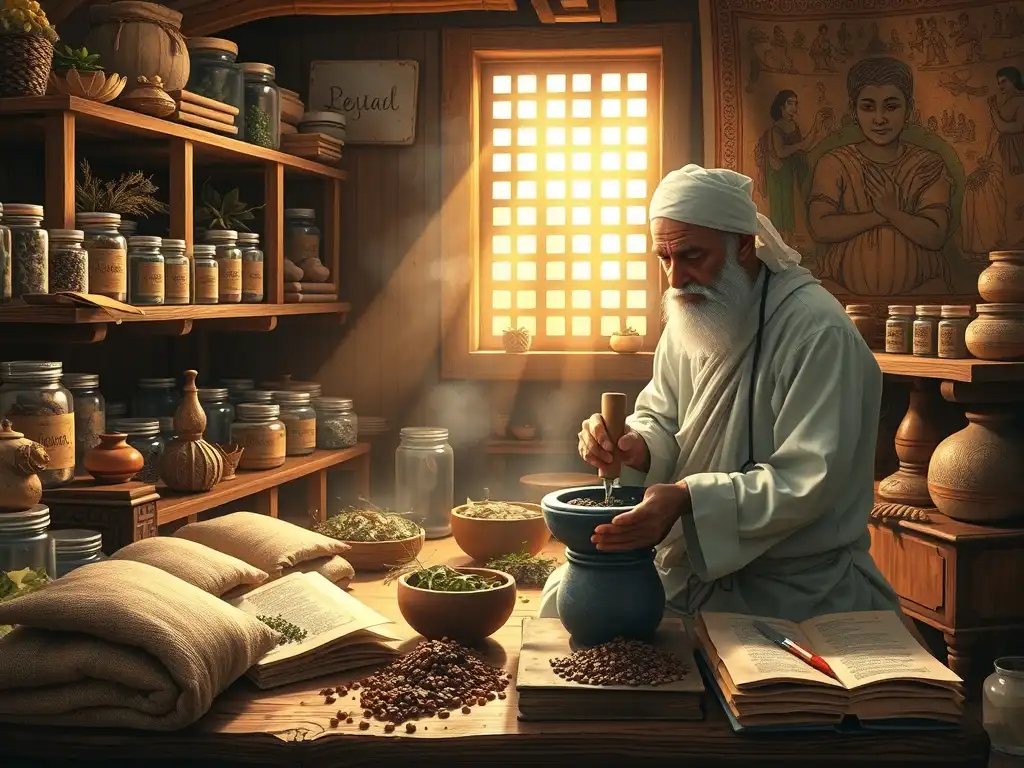
In ancient India, the foundation of surgical practices was deeply intertwined with the knowledge of medicinal plants. These plants were not merely supplementary; they were central to the surgical preparation process. Surgeons utilized a variety of herbs for their healing properties, pain relief, and antiseptic qualities. Here are some notable examples:
- Turmeric (Curcuma longa): Renowned for its anti-inflammatory and antiseptic properties, turmeric was often used to prepare the skin before surgical procedures. Its active compound, curcumin, has been shown in modern studies to reduce inflammation and promote healing.
- Neem (Azadirachta indica): This ancient herb was prized for its antibacterial and antifungal properties. Neem leaves were commonly used in surgical settings to cleanse wounds and prevent infections, a practice that has been validated by contemporary research.
- Aloe Vera: Known for its soothing properties, aloe vera was applied topically to promote skin healing and reduce discomfort after surgical interventions. Its gel contains compounds that can accelerate tissue repair, making it invaluable for post-operative care.
- Ashwagandha (Withania somnifera): Often referred to as Indian ginseng, ashwagandha was used to prepare patients mentally and physically for surgery. Its adaptogenic properties help reduce stress and anxiety, which were crucial for optimal surgical outcomes.
The integration of these plants into surgical preparations reflects a sophisticated understanding of botany and human anatomy that ancient Indian surgeons possessed. The careful selection and preparation of these herbs were essential for enhancing surgical efficacy and ensuring patient safety.
Integration of Ayurveda in Surgical Practices
Ayurveda, the ancient Indian system of medicine, played a crucial role in shaping surgical practices and preparations. It provided a comprehensive framework that encompassed not only the physical aspects of surgery but also the emotional and spiritual dimensions. Here are some key aspects of how Ayurveda influenced ancient Indian surgical practices:
- Tridosha Theory: Central to Ayurveda is the concept of the three doshas (Vata, Pitta, and Kapha), which represent different bodily energies. Surgeons assessed the doshic balance of patients prior to surgery to tailor their approaches. For instance, an imbalance in Pitta might necessitate cooling herbs to mitigate inflammation.
- Pre-operative Rituals: Ayurvedic texts describe elaborate rituals that preceded surgeries. These included purification processes (shodhana), dietary adjustments, and the use of specific herbal concoctions designed to prepare the body for intervention. Such practices aimed to harmonize the body's energies and promote a smooth recovery.
- Post-operative Care: The principles of Ayurveda extended into post-operative care, emphasizing the importance of diet, herbal remedies, and lifestyle adjustments. Surgeons would recommend specific foods and drinks to aid in recovery and prevent complications, such as using warm ghee for its nourishing properties.
- Holistic Approach: Ayurvedic surgeons viewed surgery not just as a physical procedure but as part of a larger healing process. This holistic approach included emotional support and counseling for patients, recognizing the impact of mental states on physical health.
The integration of Ayurveda into surgical practices highlights the advanced understanding of health and medicine in ancient Indian civilization. This holistic paradigm not only laid the groundwork for modern surgical techniques but also fostered a profound respect for the interconnectedness of body, mind, and spirit.
By leveraging the insights from both medicinal plants and Ayurvedic principles, ancient Indian surgeons exemplified a pioneering approach to healthcare that remains influential to this day.
Case Studies of Notable Surgeries in Ancient India
Successful Surgical Procedures Documented
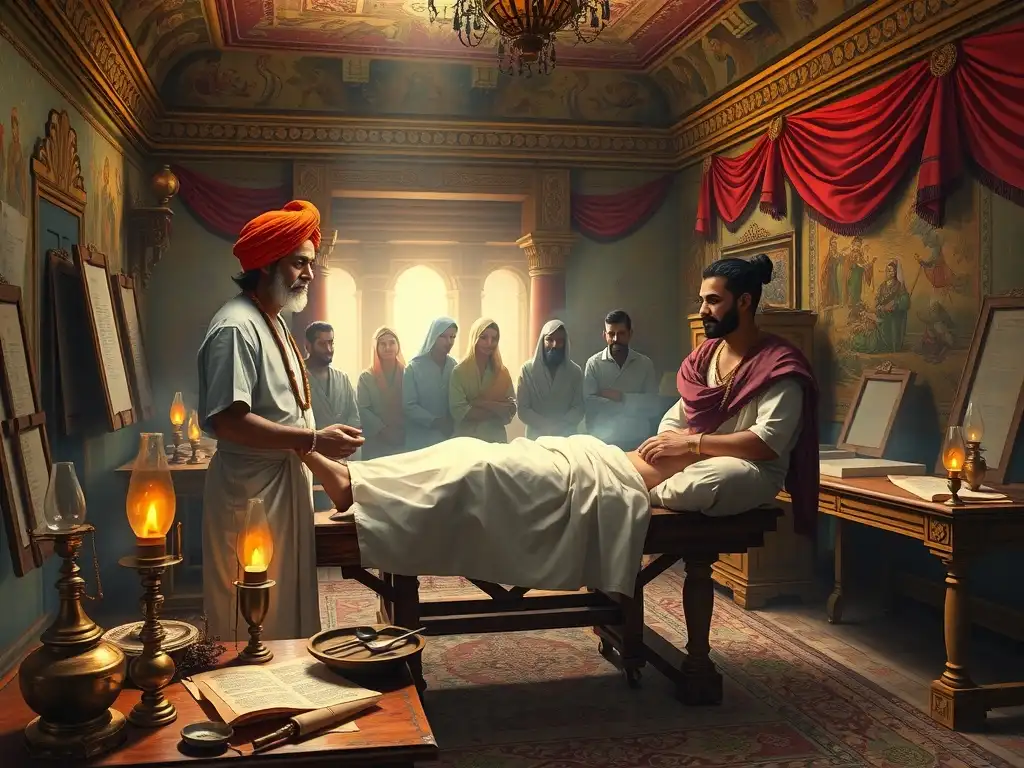
Ancient Indian surgical practices are illuminated by various case studies that highlight the advanced techniques and methodologies employed by surgeons of the time. Among the most remarkable texts documenting these procedures is the Sushruta Samhita, attributed to Sushruta, often hailed as the "Father of Surgery." This ancient treatise outlines a variety of surgical practices, including plastic surgeries, cataract operations, and surgical procedures for wounds.
-
Rhinoplasty (Nasal Reconstruction):
One of the most famous surgical procedures described by Sushruta involves rhinoplasty, which was performed to reconstruct a person’s nose after it had been injured or amputated. The surgery utilized a technique called “Ksharasutra,” where the skin was taken from the forehead and meticulously shaped to restore the nose. This procedure not only highlighted the surgical skills but also the importance of aesthetics in ancient Indian culture.
-
Cataract Surgery:
Another significant procedure was the extraction of cataracts, known as “Couching.” This technique involved the use of a sharp instrument to push the lens of the eye back into the eye socket, effectively restoring vision. The documentation of this procedure indicates a profound understanding of human anatomy and the careful approach surgeons took to ensure patient safety.
-
Amputation and Wound Treatment:
The ancient texts also detail the methods for amputating limbs and treating severe wounds. Surgeons employed a range of antiseptic techniques, including the use of herbal pastes and oils, to prevent infection. Additionally, they had a rich understanding of suturing techniques, often utilizing materials such as silk and cotton.
Lessons Learned from Historical Practices
The examination of ancient Indian surgical practices reveals not only the technical skills of surgeons but also highlights valuable lessons that can be applied to modern surgical techniques.
-
Holistic Approach to Surgery:
Ancient Indian surgeons viewed surgery as part of a broader context of health, emphasizing the importance of patient care before and after procedures. Rituals and prayers were often performed to invoke blessings for successful outcomes, showcasing the intertwining of spirituality and medicine.
-
Emphasis on Hygiene and Sterilization:
The meticulous attention to cleanliness and the use of antiseptic methods in ancient practices resonate with current medical standards. The use of medicinal herbs for sterilization and the emphasis on a clean surgical environment demonstrate an advanced understanding of infection control long before the advent of modern medicine.
-
Patient-Centered Care:
The emphasis on patient comfort and psychological well-being before surgery underscores the importance of empathy in medical practice. Ancient texts often describe the careful preparation of patients, including dietary recommendations and mental preparation, which is increasingly recognized in contemporary medical practices.
The exploration of ancient Indian surgical practices not only provides insight into the technical expertise of the time but also offers enduring lessons that continue to influence modern medicine. The rich history of surgeries performed in ancient India underscores a legacy of innovation, care, and a profound respect for the medical arts.
Conclusion: Legacy of Ancient Indian Surgical Practices
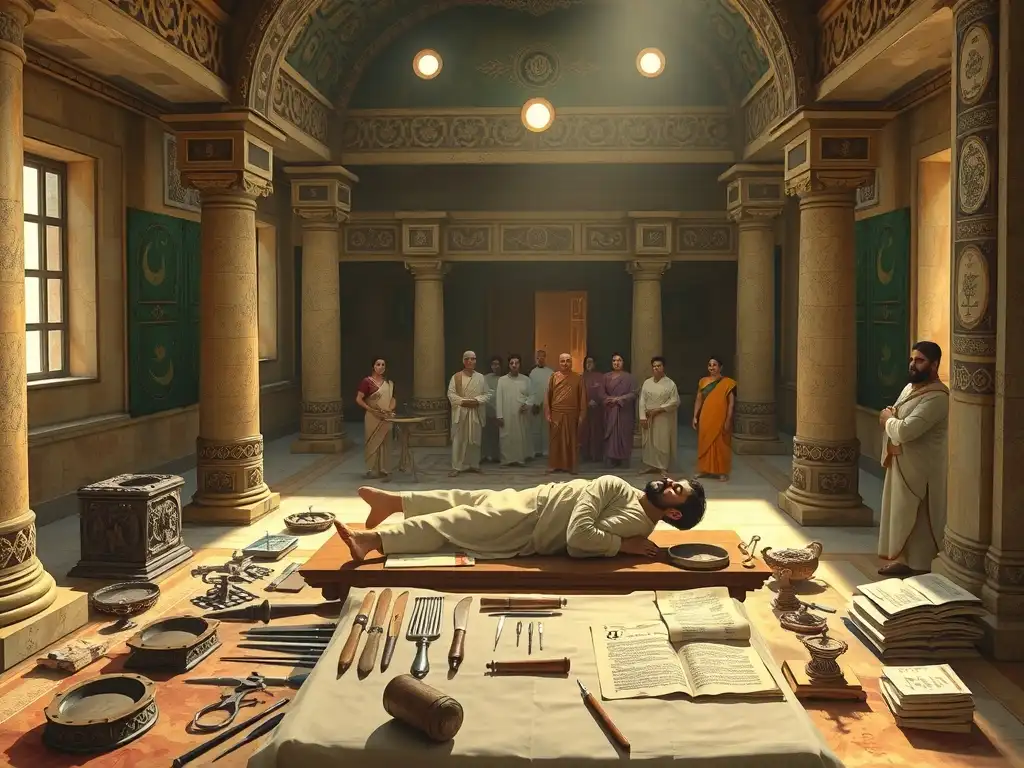
The legacy of ancient Indian surgical practices is profound, reflecting a unique intersection of empirical observation, spiritual beliefs, and systematic training. These practices not only shaped the medical landscape of their time but also laid foundational stones for the evolution of modern surgical techniques. The meticulous methods and rituals followed by ancient Indian surgeons highlight their commitment to both art and science. They established a model of surgical education that emphasized the importance of hands-on experience, which resonates in contemporary surgical training.
Lasting Impact on Modern Surgery
The influence of ancient Indian surgical practices can be seen in various aspects of modern medicine. Notably, the Sushruta Samhita, authored by Sushruta, is often regarded as one of the earliest texts on surgery and medical procedures. It introduced several techniques and concepts that remain relevant today:
- Surgical Instruments: Sushruta described over 120 surgical instruments, many of which have evolved but still exist in modern surgical toolkits. Instruments like scalpels and forceps trace their origins back to these ancient designs.
- Techniques: The methods of plastic surgery, particularly rhinoplasty, were documented in the Sushruta Samhita. Nowadays, techniques for reconstructive surgery owe much to these ancient practices, emphasizing the importance of aesthetics in healing.
- Anesthesia: Ancient Indian texts also discuss the use of herbal anesthetics, showcasing an early understanding of pain management that paved the way for modern anesthetic practices.
This integration of ancient wisdom into contemporary practices showcases how ancient Indian surgical practices have contributed significantly to the evolution of medical science.
Preservation of Ancient Knowledge in Contemporary Medicine
The preservation of ancient knowledge is crucial for understanding the roots of modern medicine. Several initiatives and institutions focus on documenting and revitalizing these ancient practices:
- Research and Translation: Many scholars are dedicated to translating ancient texts into modern languages, making this wealth of knowledge accessible to a broader audience. This effort not only preserves the knowledge but also inspires new research into ancient methodologies.
- Holistic Medicine Integration: Modern medicine increasingly recognizes the value of complementary practices. The principles of Ayurveda, which were interwoven with surgical practices in ancient India, are being integrated into holistic healthcare approaches today. This includes dietary recommendations, herbal treatments, and lifestyle changes that enhance surgical outcomes.
- Educational Programs: Various institutions are developing curricula that include ancient surgical techniques and philosophies alongside modern practices. This integration fosters a more rounded understanding of medicine and encourages a return to more humane practices in healthcare.
The legacy of ancient Indian surgical practices is not merely a relic of the past but a living tradition that continues to shape and enhance modern medicine. By preserving this knowledge, contemporary medical practice can benefit from the insights and innovations of ancient civilizations, ensuring that their contributions are not forgotten but celebrated and built upon.
References for Further Reading on Ancient Indian Surgical Practices
Key Texts and Sources
When delving into the realm of ancient Indian surgical practices, several key texts provide invaluable insights into the rituals and methodologies utilized by surgeons of the time. One of the most notable works is the "Sushruta Samhita," attributed to the ancient physician Sushruta, who is often referred to as the "father of surgery." This text is considered one of the foundational texts of Ayurveda and provides comprehensive details on surgical techniques, instruments, and the philosophical underpinnings of surgery in ancient India.
Key elements of the Sushruta Samhita include:
- Detailed descriptions of surgical procedures: The text covers various surgeries, including cataract operations and surgeries for wounds and fractures.
- Surgical instruments: It outlines over 120 surgical instruments, many of which have been corroborated by archaeological findings.
- Philosophical insights: The work emphasizes the ethical dimensions of surgery and the importance of a surgeon's mental state and preparation.
Another significant source is the "Charaka Samhita," which, while primarily focused on medicine, also discusses surgical practices and emphasizes the holistic approach to health, blending physical and spiritual well-being.
In addition to these classical texts, archaeological findings and inscriptions from ancient sites, such as the Indus Valley Civilization, offer further context regarding the medical practices of the time. Artifacts such as surgical tools and medical instruments have been uncovered, providing tangible evidence of the advanced surgical knowledge possessed by ancient Indian practitioners.
Suggested Academic Studies and Articles
For those seeking to deepen their understanding of ancient Indian surgical practices, the following academic studies and articles are recommended:
- "Ancient Indian Surgery: A Historical Perspective": - This article provides a comprehensive overview of the evolution of surgical techniques in ancient India, highlighting key figures and their contributions.
- "Sushruta: The Father of Surgery": - An in-depth analysis of Sushruta's life, his contributions to surgery, and the significance of the Sushruta Samhita in the context of ancient medical practices.
- "The Role of Ayurveda in Ancient Indian Surgical Practices" - This study explores the integration of Ayurveda into surgical practices, examining how traditional medicinal approaches influenced surgical techniques.
- "Archaeological Evidence of Surgical Practices in Ancient India" - A detailed examination of archaeological findings that shed light on the surgical tools and techniques employed by ancient Indian surgeons.
- "Rituals and Ethics in Ancient Indian Medicine" - This article discusses the rituals associated with surgical practices and the ethical considerations that ancient surgeons adhered to, reflecting on the cultural significance of surgery.
By engaging with these texts and studies, readers can gain a more nuanced understanding of the sophisticated surgical practices that flourished in ancient India, enriching the broader narrative of medical history.
Frequently Asked Questions
What were the main rituals performed by ancient Indian surgeons before surgeries?
Ancient Indian surgeons often engaged in purification rituals and prayers to seek blessings for a successful procedure, believing these practices would enhance their skills and ensure favorable outcomes.
How did ancient Indian surgical practices compare to those of other civilizations?
The surgical practices in ancient India were highly advanced, often surpassing those of contemporaneous civilizations like Greece and Rome, particularly in areas such as anesthesia and surgical tools.
What role did the Sushruta Samhita play in ancient Indian surgery?
The Sushruta Samhita, an ancient text attributed to the surgeon Sushruta, is considered a foundational work in surgery, detailing various procedures, instruments, and the importance of pre-operative care.
Were there any specific instruments used by ancient Indian surgeons?
Yes, ancient Indian surgeons utilized a range of surgical instruments made from metals and other materials, including scalpels, forceps, and needles, showcasing their advanced understanding of surgical techniques.
How did the cultural context influence surgical practices in ancient India?
Cultural beliefs, including the importance of spirituality and rituals, greatly influenced surgical practices, as surgeons often blended medical knowledge with spiritual elements to prepare for surgeries.
Final Reflection: Embracing the Wisdom of Ancient Indian Surgical Practices
The exploration of ancient Indian surgical practices reveals a profound connection between medicine and spirituality that remains relevant today. As we navigate the complexities of modern healthcare, it is essential to recognize the wisdom embedded in the rituals and practices of our ancestors. These ancient surgeons understood that the mind and body are intertwined, and their holistic approach to surgery serves as a reminder that healing transcends mere physical intervention. In a world increasingly focused on technology, we must not forget the human element that lies at the heart of effective healing.
The influence of these practices can still be felt in contemporary medical and cultural landscapes. The rituals that ancient surgeons performed were not just mere formalities; they were integral to the healing process and fostered a deep sense of trust between the healer and the patient. As we reflect on the importance of patient care today, we can draw inspiration from the past. The greatest medicine of all is to teach people how not to need it.
This quote resonates with the essence of ancient practices, emphasizing the importance of prevention and holistic well-being over mere treatment.
As we conclude this exploration, I invite you to reflect on how the lessons from ancient Indian surgical practices can be applied in your own life. Consider the balance of mind, body, and spirit in your health journey, and embrace the rituals that promote well-being in your daily routine. Let us honor the legacy of these ancient surgeons by integrating their wisdom into our modern lives, fostering a deeper connection to our health and the healing process. Together, we can create a future that respects the past while innovating for a better tomorrow.
Unveil the Secrets of Ancient Surgical Wisdom!
Thank you for diving into the intriguing world of ancient Indian surgical practices! You've uncovered the fascinating rituals and techniques that shaped medical traditions. Now, it's time to take that knowledge and apply it to enrich your understanding of history and medicine.
Here are some actionable steps to immerse yourself further:
- Explore more about ancient medical practices by reading our in-depth articles on surgical instruments and techniques at Ancient India History .
- Share your thoughts and insights! Join the conversation in our community forum and connect with fellow history enthusiasts.
- Experiment by creating a small project focused on ancient remedies or surgical techniques, and document your findings to inspire others!
What aspect of ancient surgical practices surprised you the most, and how do you think they compare to modern methods?