
The Mystique of Ancient Surgical Techniques: Myths and Realities

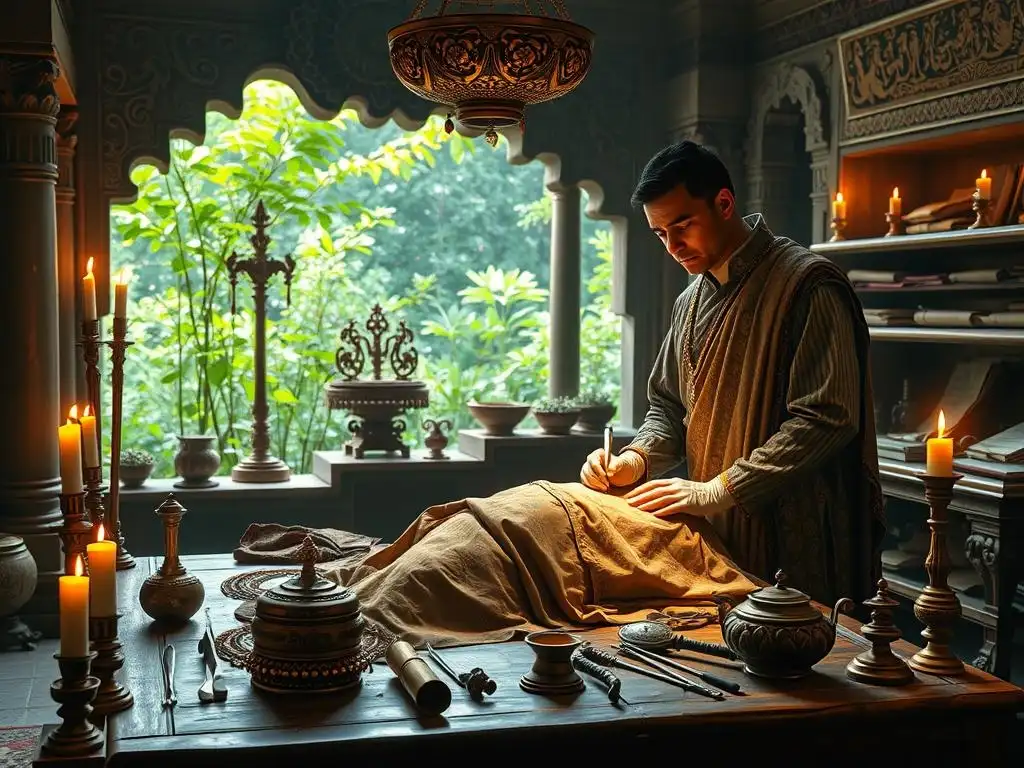
Welcome to Ancient India History, where we embark on a fascinating journey through the rich tapestry of India's past. In this exploration, we unearth the mystique of ancient surgical techniques, revealing not just the remarkable skills of ancient Indian physicians but also the myths and realities that surround their practices. What secrets lie within the surgical texts of yore?
How did these techniques influence modern medicine? Prepare to delve deeper as we unveil the incredible contributions of ancient Indian civilizations that continue to resonate today. Join us and satisfy your curiosity about a world where science and culture intertwined seamlessly!
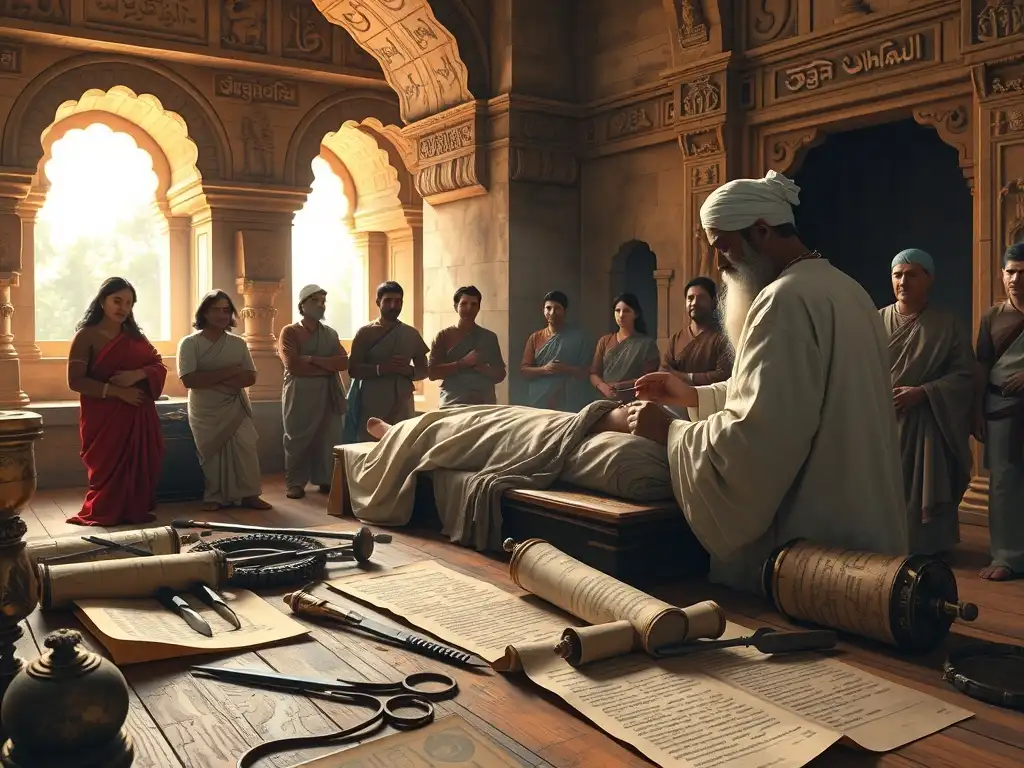
Introduction to Ancient Indian Surgical Techniques
The history of ancient Indian surgical techniques is a fascinating tapestry woven with threads of innovation, knowledge, and cultural significance. From the sophisticated practices of the Indus Valley Civilization to the advanced methods developed during the Gupta Empire, ancient India made remarkable contributions to the field of medicine and surgery. These techniques are not merely relics of a bygone era; they represent a profound understanding of human anatomy and the complexities of medical science.
In ancient texts such as the Sushruta Samhita, attributed to the legendary surgeon Sushruta, we find detailed descriptions of surgical procedures, instruments, and methodologies that were far ahead of their time. This article aims to explore the rich legacy of ancient Indian surgical techniques, while also debunking common myths that have clouded our understanding of these practices. By shedding light on the realities of ancient surgery, we can appreciate the depth and breadth of knowledge possessed by ancient Indian civilizations and their invaluable contributions to modern medicine.
Myths Surrounding Ancient Indian Surgical Techniques
Despite the significant advancements made in ancient Indian surgical practices, several myths persist that can obscure the true nature of these techniques. Below, we delve into three prevalent misconceptions that merit clarification.
Myth 1: Surgical Procedures Were Primitive
One of the most pervasive myths is that ancient Indian surgical procedures were primitive and rudimentary. This notion stems from a general perception of early medical practices as crude and unrefined. However, historical texts reveal a different story.
Ancient surgeons, such as Sushruta, employed techniques that included:
- Surgical incisions: Precise methods for cutting skin and tissues.
- Suturing practices: Use of materials like silk for stitching wounds.
- Anesthesia techniques: Use of herbal concoctions to alleviate pain.
In reality, the level of sophistication in these procedures reflects a deep understanding of human anatomy and surgical principles that would not be seen in many parts of the world for centuries to come.
Myth 2: Only External Surgeries Were Performed
Another misconception is that ancient Indian surgeons only conducted external surgeries, such as wound treatment and amputations. While it is true that external surgeries were common, ancient Indian medical practitioners also engaged in internal surgical procedures.
Key examples include:
- Cataract surgeries: Techniques to remove cataracts were documented, showcasing advanced ocular surgery.
- Urological surgeries: Procedures to address kidney stones and other internal conditions were practiced.
These examples illustrate that the scope of surgical practices in ancient India extended well beyond mere external interventions, challenging the notion that internal surgery was beyond their capabilities.
Myth 3: Ancient Surgeons Lacked Proper Tools
A prevalent belief is that ancient Indian surgeons did not possess the necessary tools and instruments for their surgeries. This myth undermines the ingenuity and craftsmanship of ancient artisans who created a variety of surgical instruments.
Some of the notable tools included:
- Scalpels: For precise incisions.
- Forceps: For grasping tissues.
- Needles: For suturing wounds.
The existence of these specialized instruments not only indicates a high level of skill in surgical practices but also reflects the significant advancements in metallurgy and craftsmanship during that period.
By dispelling these myths, we can gain a clearer understanding of the rich and complex landscape of ancient Indian surgical techniques, which played a crucial role in the evolution of medical science.
Realities of Ancient Indian Surgical Techniques
The ancient Indian surgical techniques were not merely rudimentary practices; they were sophisticated methods grounded in extensive knowledge and experience. Texts such as the Sushruta Samhita and the Charaka Samhita provide a wealth of information about surgical practices and medical knowledge in ancient India. These texts reveal that ancient Indian surgeons possessed a comprehensive understanding of human anatomy, the pathophysiology of diseases, and the principles of surgical intervention. The techniques described were often performed with remarkable precision, showcasing the skills of practitioners who were well-respected in their communities.
Advanced Surgical Knowledge in Ancient Texts
In the realm of ancient surgery, the Sushruta Samhita stands out as a seminal text that elaborates on various surgical procedures and techniques. Compiled by Sushruta, regarded as the "Father of Surgery," this text outlines more than 300 surgical procedures, including complex operations like cataract surgery and rhinoplasty. The text not only details the procedures but also emphasizes the importance of hygiene, surgical instruments, and post-operative care.
The Charaka Samhita, primarily focused on internal medicine, complements these surgical insights by providing a thorough understanding of the human body, diseases, and treatment methodologies. Together, these texts reflect a systematic approach to medicine that integrates both surgical and non-surgical strategies, illustrating the advanced medical knowledge possessed by ancient Indian physicians.
Techniques and Procedures Documented
The surgical techniques documented in ancient Indian texts are diverse and sophisticated. Some of the notable procedures include:
- Rhinoplasty: Reconstruction of the nose, primarily for those who suffered facial injuries or deformities.
- Cataract Surgery: A procedure to remove cataracts, which was performed using a technique called "couching," where the lens was dislocated from its position.
- Surgical Sutures: The use of sutures made from plant fibers and animal tendons to close wounds, demonstrating an understanding of tissue healing.
- Abscess Drainage: Techniques for draining pus from abscesses, showcasing an early understanding of infections and their management.
These procedures highlight the practical applications of surgical knowledge in addressing common ailments and injuries, underscoring the capabilities of ancient Indian surgeons.
Use of Anesthesia and Pain Management
Ancient Indian surgeons utilized various forms of anesthesia and pain management techniques that underscore their advanced understanding of patient care. Texts indicate the use of herbal concoctions, such as the juice of the soma plant and other medicinal herbs, to induce a state of analgesia during surgical procedures.
Additionally, techniques like shirodhara, a practice involving the pouring of warm oils on the forehead, were employed to calm patients and alleviate pain. The combination of these practices reflects a holistic approach to surgery, where attention to patient comfort and safety was paramount, laying an essential foundation for future developments in anesthesia.
The Influence of Ancient Indian Surgical Techniques on Modern Medicine
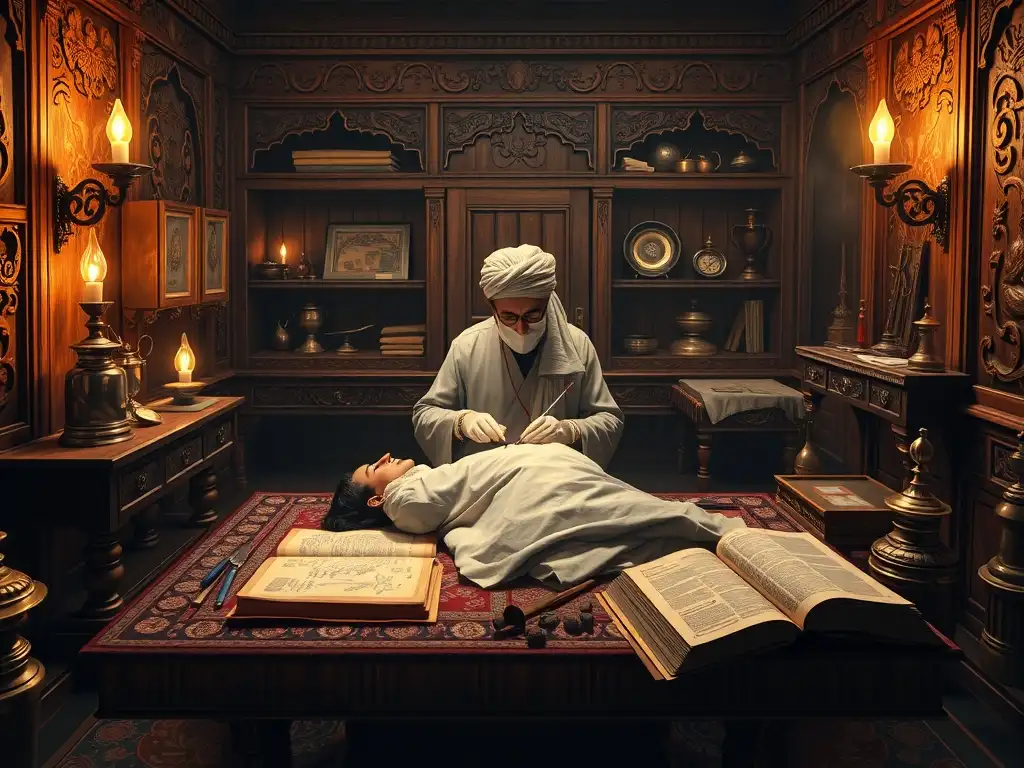
The surgical practices of ancient India significantly impacted the evolution of surgical techniques globally. As trade routes expanded and cultures interacted, the knowledge encapsulated in texts such as the Sushruta Samhita transcended borders, influencing medical practices in various civilizations.
Contributions to Global Surgical Practices
Ancient Indian surgical techniques made substantial contributions to global practices, particularly in the realms of plastic and reconstructive surgery. The principles of rhinoplasty and other reconstructive procedures were disseminated to other cultures, including those in the Middle East and Europe.
The exchange of knowledge through translations of ancient texts into Arabic and later into Latin facilitated the integration of these techniques into the medical curricula of medieval Europe. This cross-cultural exchange highlights the importance of ancient Indian contributions in shaping the foundations of modern surgical practices.
Comparison with Modern Surgical Techniques
When compared with modern surgical techniques, many ancient Indian procedures reveal a significant understanding of anatomy and surgical principles that resonates with contemporary practices. For instance, the methods of suturing and wound care described in ancient texts are still relevant today.
However, advancements in technology and medical science have led to the development of minimally invasive techniques, improved anesthesia, and enhanced post-operative care that surpass ancient methods. Despite these advancements, the foundational principles of patient care, surgical precision, and the ethical considerations of surgery, as outlined in ancient texts, continue to inform modern surgical practices, showcasing the enduring legacy of ancient Indian surgical knowledge.
Conclusion: The Legacy of Ancient Indian Surgical Techniques
The legacy of ancient Indian surgical techniques is a fascinating tapestry woven from the threads of knowledge, innovation, and cultural significance. Rooted in texts such as the Sushruta Samhita, these techniques not only illustrate the advanced understanding of human anatomy and surgery but also highlight the philosophical and ethical considerations that guided ancient practitioners.
Enduring Influence on Modern Medicine
Ancient Indian surgeons, particularly Sushruta, are celebrated for their contributions, which laid the groundwork for many modern surgical practices. Techniques such as rhinoplasty, cataract surgery, and the use of surgical instruments were documented in a manner that emphasizes precision and skill, showcasing a level of expertise that resonates in contemporary medical practices. The meticulous approach to surgical procedures demonstrated by ancient practitioners continues to inspire and inform current medical training and surgical methodologies.
Integration of Spiritual and Ethical Dimensions
The practice of surgery in ancient India was not merely a technical endeavor; it was intertwined with spiritual and ethical dimensions. The emphasis on the physician's moral responsibility to ensure the well-being of patients reflects a holistic approach to health that is often overlooked in modern medicine. This integration of ethics into the practice of surgery serves as a reminder of the importance of compassion and care in the healing process.
Cultural Significance and Historical Context
The advancements in surgical techniques were not isolated; they were part of a broader cultural context that celebrated knowledge and inquiry. The intellectual climate of ancient India fostered discussions on medicine, philosophy, and ethics, creating a rich environment for the evolution of surgical practices. The respect accorded to physicians in society underscores the cultural significance of their work, recognizing them as vital contributors to the welfare of the community.
The Ongoing Journey of Discovery
As we reflect on the ancient Indian surgical techniques, it is crucial to recognize that our understanding of this subject is still evolving. Ongoing archaeological discoveries and research continue to shed light on the practices, tools, and ethics of ancient surgeons, allowing us to appreciate the depth and breadth of their contributions. The dialogue between ancient wisdom and modern science is an ongoing journey that enriches our understanding of medicine's past and informs its future.
The legacy of ancient Indian surgical techniques is not only a testament to the ingenuity and skill of early practitioners but also a source of inspiration for contemporary medicine. By appreciating this legacy, we honor the rich history of healing in ancient India and recognize its lasting impact on the world of surgery today.
- Introduction to Ancient Indian Surgical Techniques
- Myths Surrounding Ancient Indian Surgical Techniques
- Realities of Ancient Indian Surgical Techniques
- The Influence of Ancient Indian Surgical Techniques on Modern Medicine
- Conclusion: The Legacy of Ancient Indian Surgical Techniques
- What were some notable ancient Indian surgical techniques?
- Who is considered the father of ancient Indian surgery?
- How did ancient Indian surgical techniques influence modern medicine?
- What role did herbal medicine play in ancient Indian surgery?
- Are there any myths associated with ancient Indian surgical practices?
Frequently Asked Questions
What were some notable ancient Indian surgical techniques?
Ancient Indian surgical techniques included surgical procedures like plastic surgery, cataract surgery, and the use of herbal anesthesia. These practices were documented in texts like the Sushruta Samhita.
Who is considered the father of ancient Indian surgery?
Sushruta, an ancient physician, is often regarded as the father of ancient Indian surgery. His work laid the foundation for many surgical methods still referenced today.
How did ancient Indian surgical techniques influence modern medicine?
Many ancient Indian surgical techniques contributed to the development of modern surgical practices, particularly in plastic surgery and surgical instruments. These techniques demonstrated advanced understanding of human anatomy.
What role did herbal medicine play in ancient Indian surgery?
Herbal medicine was integral to ancient Indian surgical techniques, providing anesthetic properties and aiding in wound healing. Ancient texts outline various plants used for medicinal purposes.
Are there any myths associated with ancient Indian surgical practices?
Yes, there are several myths surrounding ancient Indian surgical practices, such as exaggerated claims of miraculous cures. However, many documented procedures were effective and based on scientific observations.
Final Reflection: Unveiling the Legacy of Ancient Indian Surgical Techniques
The exploration of ancient Indian surgical techniques reveals a profound connection between history and modern medicine. In a world where technological advancements often overshadow traditional practices, the wisdom embedded in these ancient methods remains strikingly relevant. The intricate knowledge of surgery practiced centuries ago not only showcases the ingenuity of our ancestors but also challenges us to reconsider the foundations of contemporary medical practices.
The influence of ancient surgical techniques extends far beyond the operating room; it permeates our cultural narratives and societal values. These techniques remind us of the importance of holistic healing and the integration of mind, body, and spirit in medical practices. As we navigate the complexities of modern healthcare, we can draw inspiration from the past to foster a more compassionate and comprehensive approach to healing. The greatest medicine of all is to teach people how not to need it.
– Hippocrates. This quote resonates deeply with the principles found in ancient Indian surgical practices, emphasizing prevention and understanding over mere intervention.
As we reflect on the lessons from ancient Indian surgical techniques, I invite you to consider how these insights can enrich your own life and the lives of those around you. Let us embrace the wisdom of the past, not just as a relic of history, but as a guiding light for our future. Whether through advocating for holistic health practices or simply fostering a deeper appreciation for the knowledge that has shaped our medical landscape, each of us has the power to carry forward the legacy of these remarkable techniques.
Unveil the Secrets of Ancient Surgery Today!
Thank you for diving into the fascinating world of ancient surgical techniques! We hope you gained valuable insights into the myths and realities that shaped medical practices. Now it's time to take those insights further and actively engage with this incredible subject.
Here are a few impactful steps you can take right now:
- Dive Deeper: Explore the rich history of ancient medical practices by checking out our recommended readings and documentaries.
- Share Your Knowledge: Start a conversation with friends or on social media about these ancient methods—what aspects surprised you the most?
- Join Our Community: Connect with fellow enthusiasts by participating in our forum or subscribing to our newsletter for updates and discussions.
Which ancient surgical technique intrigues you the most, and how do you believe it could influence modern practices? Let's spark a conversation!