
Insights into the Ramayana's Use of Allegory and Metaphor


Welcome to Ancient India History, your gateway to the profound and vibrant tapestry of India's past. Here, we delve deep into the rich narratives and cultural legacies that shaped civilizations from the Indus Valley to the Gupta Empire. In our featured article, "Insights into the Ramayana's Use of Allegory and Metaphor," we unravel the intricate layers of one of the most celebrated epics, exploring how its timeless tales resonate through allegory and metaphor.
Curious about how these literary devices illuminate the moral and philosophical depths of the Ramayana? Join us on this enlightening journey and discover the wisdom embedded in ancient texts that still echoes today!

Introduction to the Ramayana
The Ramayana is not merely a revered epic of ancient India; it is a profound tapestry of moral, philosophical, and spiritual teachings woven through the narrative of Lord Rama’s life. This epic, attributed to the sage Valmiki, transcends its storytelling roots, serving as a vital cultural artifact that reflects the values, struggles, and beliefs of ancient Indian society.
Through its characters, themes, and events, the Ramayana employs rich allegory and metaphor, allowing readers to explore deeper meanings beyond the surface narrative. This analysis seeks to uncover the intricate layers of allegory and metaphor within the Ramayana, revealing how these literary devices enhance its significance and relevance in both historical and contemporary contexts.
Overview of the Ramayana and its Significance
The Ramayana, composed around 500 BCE to 100 BCE, narrates the life and adventures of Prince Rama, his wife Sita, and his loyal companion Hanuman. Its significance extends beyond mere entertainment; it serves as a moral compass, illustrating the ideals of dharma (righteousness) and the complexities of human emotions. The epic's influence permeates various facets of Indian culture, including art, dance, theatre, and religious practices.
Key themes such as honor, sacrifice, love, and devotion resonate across generations, fostering a sense of identity and continuity among its readers. The Ramayana's rich characterizations and dramatic conflicts invite readers to engage with its lessons, making it an enduring source of inspiration and reflection.
Importance of Allegory and Metaphor in Ancient Texts
Allegory and metaphor are vital components of ancient literature, serving as tools to convey complex ideas through simpler narratives. In the context of the Ramayana, these devices allow for multi-layered interpretations, inviting scholars and readers alike to extract deeper meanings from the text.
Allegory often involves characters and events that symbolize broader human experiences or ethical dilemmas, while metaphor provides vivid imagery that enhances emotional engagement. The use of these literary techniques not only enriches the narrative but also facilitates philosophical discourse, enabling readers to connect with the epic on both intellectual and emotional levels. Understanding the interplay of allegory and metaphor in the Ramayana is essential for a comprehensive analysis of its themes and characters.
Understanding Allegory in the Ramayana
Definition of Allegory in Literature
Allegory is a narrative technique in which characters, events, and details symbolize abstract ideas or moral qualities. This literary device allows authors to convey complex concepts through relatable stories, enabling readers to engage with the material on multiple levels. In allegorical narratives, the surface story often reflects deeper truths about human nature, society, and the universe.
The Ramayana employs allegory extensively, transforming its characters and plotlines into representations of virtue, vice, and the eternal struggle between good and evil. As readers delve into its pages, they uncover a rich landscape of allegorical meanings that resonate with timeless human experiences.
Key Allegorical Elements in the Ramayana
Several key allegorical elements weave through the Ramayana, enriching its narrative and inviting introspection:
- Rama as the Ideal Man: Rama embodies the principles of righteousness, duty, and honor. His trials and tribulations represent the moral dilemmas faced by individuals in pursuit of their duty (dharma).
- Sita as the Symbol of Purity: Sita's character symbolizes unwavering devotion and purity. Her abduction by Ravana serves as an allegory for the struggle against temptation and moral degradation.
- Hanuman as the Devoted Servant: Hanuman represents loyalty and selfless service. His unwavering devotion to Rama illustrates the ideal of devotion in action, inspiring readers to embrace similar virtues in their lives.
Through these allegorical elements, the Ramayana transcends its narrative form, offering insights into the human condition and the moral complexities that accompany it. As we explore these themes further, we will uncover the profound impact of allegory and metaphor on the epic's enduring legacy.
Exploring Metaphor in the Ramayana
The Ramayana is not only a captivating narrative but also a profound exploration of metaphors that enrich its characters, themes, and moral teachings. Metaphors in the Ramayana serve as powerful tools for conveying deeper meanings and universal truths, often transcending the literal events of the story. By drawing connections between the characters' actions and broader life lessons, the text invites readers to reflect on their own experiences and moral choices. Through the intricate fabric of metaphor, the Ramayana continues to resonate with audiences, offering insights into human behavior, ethics, and spirituality.
Definition of Metaphor and Its Function in Literature
A metaphor is a figure of speech that makes an implicit comparison between two unrelated subjects, suggesting that they share common characteristics. In literature, metaphors serve several critical functions:
- Enhancing Imagery: Metaphors create vivid images that engage the reader's senses, allowing for a more immersive experience.
- Conveying Complex Ideas: They simplify complex concepts, making them more accessible and relatable through familiar associations.
- Eliciting Emotion: By connecting abstract ideas with tangible experiences, metaphors can evoke emotional responses, deepening the reader's connection to the text.
- Encouraging Reflection: Metaphors prompt readers to think critically about the underlying messages, encouraging introspection and personal interpretation.
In the Ramayana, metaphors play a crucial role in illustrating moral dilemmas and the nature of dharma, or righteousness, inviting readers to explore the philosophical dimensions of the epic.
Major Metaphorical Themes in the Ramayana
The Ramayana is rich with metaphorical themes that reflect the complexities of human life and moral choices. Some of the most significant metaphorical themes include:
- Dharma and Duty: Characters like Rama embody the ideal of dharma, representing the struggle between personal desires and societal responsibilities. This theme is often illustrated through metaphors of light and darkness, where righteousness (light) triumphs over unrighteousness (darkness).
- Love and Sacrifice: The relationship between Rama and Sita symbolizes the ideals of love and loyalty, often depicted through metaphors of separation and reunion. The trials they endure together serve as metaphors for the sacrifices required in true love.
- Good versus Evil: The recurring battle between Rama and Ravana serves as a metaphor for the eternal conflict between good and evil forces. This theme highlights the moral choices individuals face in their lives and the consequences of those choices.
These themes not only enhance the narrative but also provide a framework for readers to explore their values and ethical beliefs.
Ramayana Allegory and Metaphor Analysis
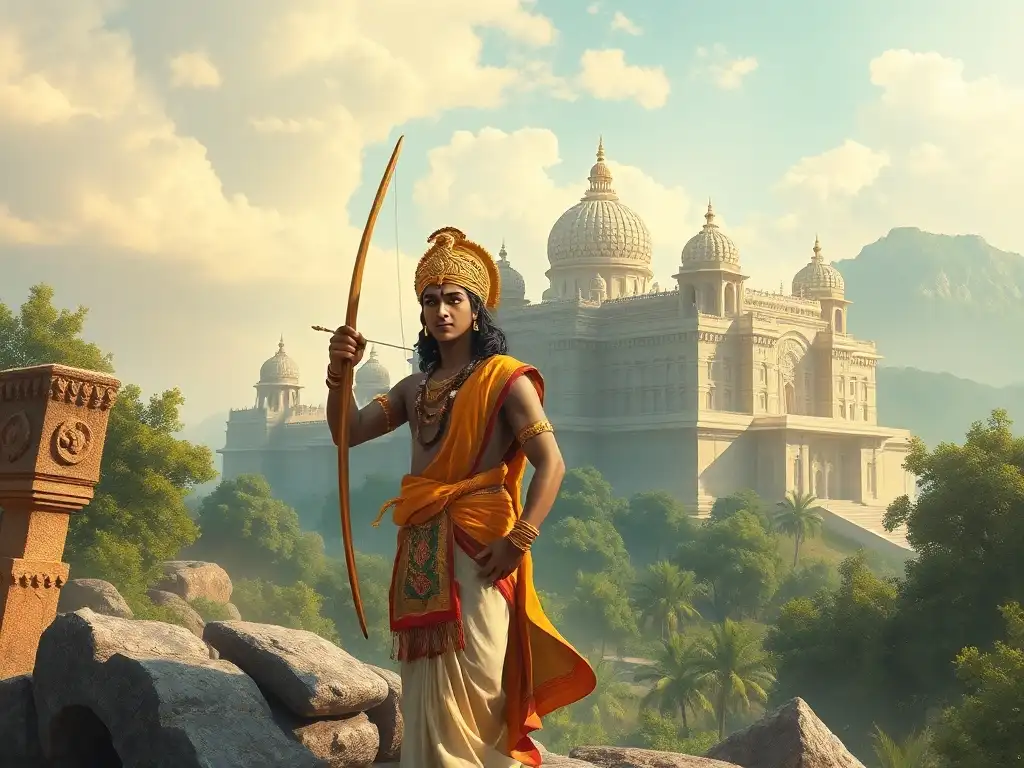
Allegory in the Ramayana is intricately woven with metaphor, providing layered meanings that extend beyond the surface narrative. The characters and events can be interpreted as representations of broader philosophical and spiritual concepts, leading to a deeper understanding of the text.
Analyzing Key Passages for Allegorical Meaning
Several key passages in the Ramayana serve as poignant examples of allegorical meaning:
- Rama's Exile: Rama's exile to the forest can be seen as an allegory for the trials of life. It symbolizes the necessity of facing hardships and the journey toward self-discovery and fulfillment of one's dharma.
- The Bridge to Lanka: The construction of the bridge (Rama Setu) by Rama's army represents the collective effort and unity required to overcome challenges. This allegory emphasizes the importance of collaboration and determination in achieving goals.
- Ravana's Abduction of Sita: This event is often interpreted allegorically as the struggle between spiritual wisdom (represented by Sita) and material desire (represented by Ravana). The abduction signifies the inner conflict individuals face when tempted by worldly pleasures.
By analyzing these passages, readers can uncover the multifaceted meanings behind the characters' actions and the lessons they impart.
The Impact of Allegory and Metaphor on Readers' Understanding
The use of allegory and metaphor in the Ramayana profoundly impacts readers' understanding of its themes and messages.
- Encouraging Personal Reflection: As readers encounter the allegorical representations of characters and events, they are prompted to reflect on their own life choices and moral dilemmas, fostering a personal connection to the narrative.
- Promoting Cultural and Spiritual Values: The metaphors and allegories encapsulate the cultural and spiritual ethos of ancient India, allowing readers to grasp the significance of dharma, duty, and ethical living in their own lives.
- Facilitating Deeper Engagement: The layered meanings inherent in allegory and metaphor encourage readers to engage with the text on multiple levels, enriching their understanding and appreciation of the epic's complexity.
Through these literary devices, the Ramayana transcends its historical context, offering timeless insights into the human experience and the pursuit of righteousness.
Cultural and Historical Context of Allegory and Metaphor
The use of allegory and metaphor in ancient Indian literature, particularly in epics like the Ramayana, stems from a rich cultural and philosophical tradition. Allegory serves as a powerful literary device that allows for complex ideas and moral lessons to be communicated in an accessible manner. In the context of the Ramayana, these literary techniques were employed to reflect the societal norms, religious beliefs, and ethical dilemmas of the time.
The historical backdrop of the Ramayana, attributed to the sage Valmiki, dates back to several centuries before the Common Era. During this period, the Indian subcontinent was characterized by a tapestry of kingdoms, diverse cultures, and the emergence of significant philosophical schools, such as Vedanta and Buddhism. The allegorical elements found within the Ramayana echo the socio-political realities and spiritual quests of ancient Indian society. Characters and events often symbolize broader human experiences, illustrating the eternal struggle between good and evil, duty and desire, as well as the pursuit of righteousness (dharma).
The Role of Allegory in Ancient Indian Literature
Allegory in ancient Indian literature serves several key functions, including the conveyance of moral and ethical teachings, the exploration of philosophical concepts, and the preservation of cultural narratives. Texts like the Ramayana and Mahabharata often utilize allegorical characters and plotlines to depict the intricacies of human nature and the dynamics of social order.
In the Ramayana, characters such as Rama, Sita, and Ravana are not merely individuals but represent larger archetypes of virtue, devotion, and vice, respectively. This allegorical representation allows readers to extract deeper meanings from the narrative, fostering reflection on personal and societal values. For instance, Rama embodies the ideal king and virtuous man, while Sita symbolizes purity and devotion. Their trials and tribulations serve as lessons on the importance of dharma and ethical conduct.
Moreover, the allegorical layers in the Ramayana encourage readers to engage in introspection, as the struggles faced by the characters resonate with universal human challenges. By interpreting these narratives allegorically, readers can find relevance in their own lives, making ancient wisdom applicable to contemporary situations.
How the Ramayana Reflects Ancient Indian Values and Beliefs
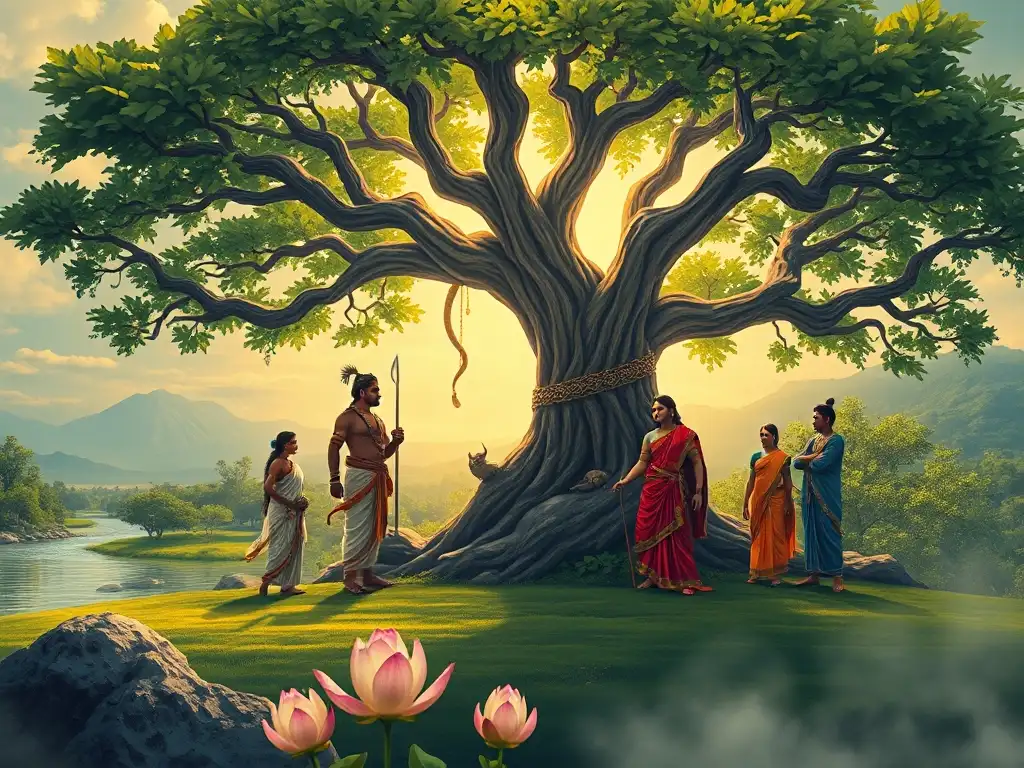
The Ramayana is a profound reflection of ancient Indian values and beliefs, encapsulating the ideals of dharma, loyalty, and righteousness that were central to Indian society. Through its allegorical narrative, the epic underscores the importance of duty—both personal and social—while highlighting the consequences of deviating from one's responsibilities.
Rama's journey, characterized by his unwavering commitment to dharma, serves as a model for ethical behavior. His adherence to truth, even at great personal cost, exemplifies the virtue of selflessness. Similarly, Sita's trials in the face of adversity illustrate the strength of character and devotion, advocating for the preservation of honor and integrity.
Moreover, the Ramayana delves into the complexities of human relationships, portraying the nuances of familial bonds, friendship, and the ethical dilemmas that arise within them. The allegorical representation of these relationships provides insights into the societal expectations of the time, reflecting the collective consciousness of ancient India. The interplay of fate, free will, and divine intervention in the narrative also emphasizes the belief in a higher moral order guiding human affairs.
Conclusion
The Ramayana stands as a monumental work of literature, rich in allegorical and metaphorical significance. It not only tells the story of its characters but also encapsulates the values, beliefs, and cultural ethos of ancient Indian civilization. Through allegory, the text conveys timeless lessons on morality, duty, and the human condition, making it a vital component of India's literary heritage.
Summary of Key Insights on Ramayana Allegory and Metaphor
The allegorical and metaphorical elements in the Ramayana serve as conduits for moral instruction and cultural reflection. Key insights include:
- Complex Characters: The characters symbolize broader human experiences and ethical struggles.
- Moral Lessons: The narrative teaches the importance of dharma and ethical conduct.
- Cultural Values: The epic reflects ancient Indian values, including loyalty, honor, and the significance of familial relationships.
- Philosophical Depth: Allegory encourages readers to engage with philosophical questions about morality and existence.
The Lasting Influence of the Ramayana in Modern Literature and Culture
The influence of the Ramayana extends far beyond its original context, permeating modern literature, art, and popular culture. Its allegorical themes resonate with contemporary audiences, inspiring numerous adaptations, retellings, and reinterpretations across various mediums, including theater, film, and literature.
In modern literature, authors often draw upon the allegorical aspects of the Ramayana to explore themes of justice, morality, and the human experience. The epic’s enduring relevance is evident in its capacity to inspire new narratives that reflect current societal challenges while remaining rooted in its ancient wisdom.
Furthermore, the Ramayana continues to play a significant role in cultural practices and festivals in India and beyond, serving as a vehicle for moral education and community bonding. Its allegorical richness ensures that it remains a vital source of inspiration and reflection, bridging the past with the present and shaping the future of literary and cultural expressions.
Further Reading on Ramayana Allegory and Metaphor Analysis
To delve deeper into the intricate layers of allegory and metaphor within the Ramayana, a variety of resources are available for scholars and enthusiasts alike. These resources encompass a mix of academic texts, critical analyses, and interpretations that explore the rich symbolism embedded in this epic narrative. Engaging with these readings will enhance your understanding of the Ramayana's themes and its cultural significance.
Suggested Books and Resources for In-Depth Study
-
"The Ramayana: A New Translation" by Ramesh Menon
This translation presents the epic in a modern narrative style while maintaining its traditional essence. Menon’s commentary provides insights into the allegorical meanings behind key events and characters.
-
"Ramayana: The Game of Life" series by Shubha Vilas
A contemporary interpretation that breaks down the epic into thematic lessons, examining the metaphors related to personal growth, ethics, and spirituality.
-
"The Ramayana: An Illustrated Retelling" by Arshia Sattar
Sattar’s work offers a retelling that highlights the allegorical significance of the tale, accompanied by illustrations that enrich the reader's experience and understanding of the underlying messages.
-
"The Ramayana: A Historical Perspective" by Dr. G. C. Pande
This book explores the historical context of the Ramayana, analyzing how the allegories reflect the socio-political landscape of ancient India.
-
Academic Journals and Articles
Numerous scholarly articles explore the themes of allegory and metaphor in the Ramayana. Journals such as the Journal of Indian Philosophy and Comparative Literature Studies often feature relevant studies that dissect the nuances of the text.
Related Articles on Epic Literature and Allegorical Analysis
-
"Understanding Allegory in Ancient Indian Epics"
This article provides a comprehensive overview of how allegorical elements function across various Indian epics, including the Ramayana, and examines their cultural implications.
-
"Symbolism in the Ramayana: A Comparative Analysis"
A comparative study that looks at the symbolism in the Ramayana alongside other global epics, highlighting common themes and unique cultural expressions.
-
"Metaphor and Morality: The Ethical Lessons of the Ramayana"
This piece focuses on the moral teachings embedded in the metaphors used in the Ramayana, discussing their relevance in both historical and contemporary contexts.
-
"The Role of Women in the Ramayana: Allegorical Interpretations"
An analysis that examines the female characters in the Ramayana through an allegorical lens, discussing how their stories reflect broader societal values and challenges.
-
"Narrative Techniques in Epic Literature: The Case of the Ramayana"
This article delves into the narrative strategies employed in the Ramayana, particularly the use of allegory and metaphor to convey deeper meanings and enhance storytelling.
- Introduction to the Ramayana
- Understanding Allegory in the Ramayana
- Exploring Metaphor in the Ramayana
- Ramayana Allegory and Metaphor Analysis
- Cultural and Historical Context of Allegory and Metaphor
- The Role of Allegory in Ancient Indian Literature
- How the Ramayana Reflects Ancient Indian Values and Beliefs
- Conclusion
- Further Reading on Ramayana Allegory and Metaphor Analysis
Frequently Asked Questions
What is the Ramayana and why is it significant?
The Ramayana is an ancient Indian epic that narrates the life of Lord Rama, his wife Sita, and his battle against the demon king Ravana. Its significance lies in its moral teachings and exploration of dharma (duty) and ethics.
How does the Ramayana utilize allegory?
In the Ramayana, various characters and events serve as allegories for moral and philosophical concepts, illustrating deeper meanings about life, duty, and the struggle between good and evil.
What are some examples of metaphors in the Ramayana?
Metaphors in the Ramayana often represent internal conflicts or spiritual journeys. For instance, Rama's exile symbolizes the challenges one faces while adhering to their dharma and the search for truth.
How can allegory and metaphor enhance our understanding of the Ramayana?
Analyzing the allegory and metaphor within the Ramayana enriches our understanding by revealing layered meanings and encouraging readers to reflect on their own moral dilemmas and the nature of existence.
What impact has the Ramayana had on Indian culture?
The Ramayana has profoundly influenced Indian culture, shaping literature, art, and theater. Its themes of love, sacrifice, and duty continue to resonate, making it a cornerstone of Indian identity.
Final Reflection: The Enduring Power of Allegory and Metaphor in the Ramayana
The Ramayana's intricate use of allegory and metaphor remains profoundly relevant today, illustrating timeless truths about human nature and morality. In an age where narratives shape our understanding of the world, the lessons embedded within this epic resonate with contemporary issues, reminding us that the struggles of virtue, duty, and righteousness are as pertinent now as they were in ancient times. The Ramayana serves not just as a story, but as a mirror reflecting our own lives and choices, urging us to engage with its deeper meanings.
The cultural and social landscape continues to be influenced by the Ramayana, as its themes of good versus evil and the complexities of human relationships permeate various aspects of life. The allegorical layers of the text invite readers to explore their own values and beliefs, fostering a sense of connection to a shared human experience. The Ramayana is not merely a story; it is a guide to living a life of purpose and meaning.
This perspective encourages us to delve deeper into our own narratives, recognizing that the allegories we encounter can inspire personal growth and societal change.
As we reflect on the insights gleaned from the Ramayana's allegorical richness, I invite you to consider how these lessons can be applied in your own life. What virtues do you aspire to embody, and how can you navigate the complexities of your own journey with the wisdom derived from this epic? Embrace the opportunity to learn from the past, allowing the timeless messages of the Ramayana to guide you toward a more meaningful existence. Let us carry forward the legacy of this profound text, applying its insights to foster understanding, compassion, and resilience in our lives and communities.
Unveil the Depths of Allegory in the Ramayana!
Thank you for exploring the intricate layers of the Ramayana with us! We hope you’ve gained valuable insights into how allegory and metaphor enrich this timeless epic. Are you ready to dive deeper and embrace the lessons it imparts?
Here’s how you can take the next step:
- Share your newfound knowledge: Engage in discussions about the allegorical themes with friends or on social media. Initiate conversations and explore how others interpret the metaphors within the Ramayana.
- Explore related texts: Investigate other ancient stories or religious writings that employ similar literary techniques. Discover new perspectives and comparisons to deepen your understanding.
- Join our community: Sign up for our newsletter or participate in our forum to connect with fellow enthusiasts and scholars. Your insights are valuable, and together we can uncover even more hidden meanings!
Which allegorical messages from the Ramayana resonate with you the most, and how do you see them reflected in the modern world?