
The Mahabharata: A Journey Through Time and Space in Ancient India

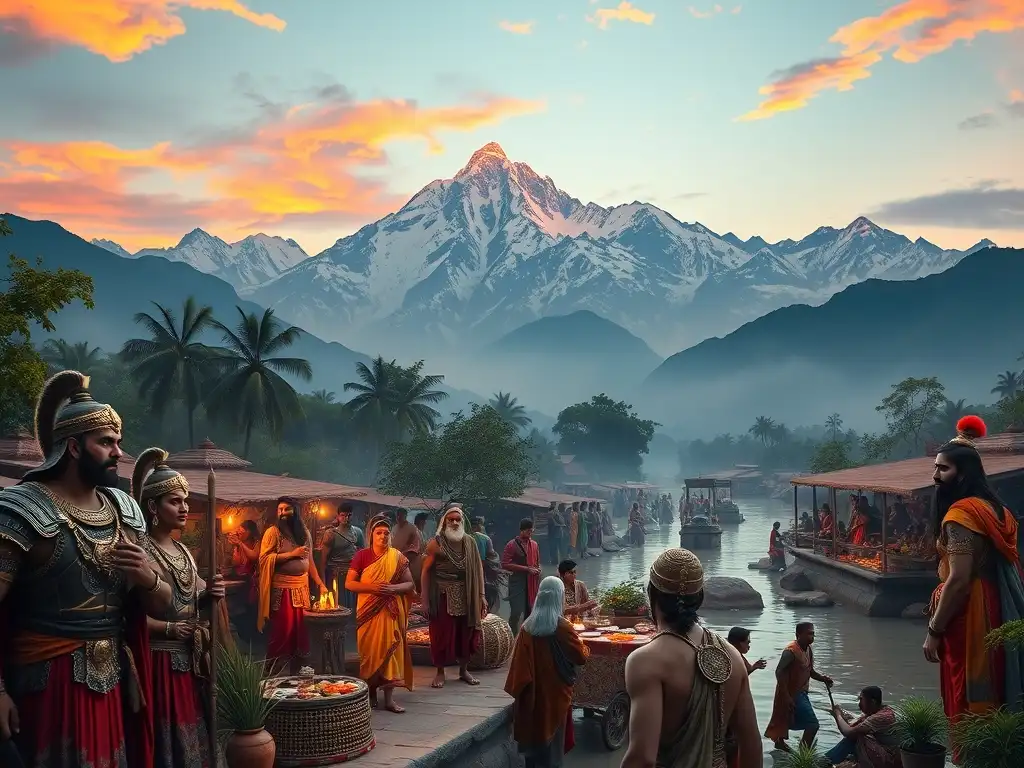
Welcome to Ancient India History, where we delve into the captivating tapestry of a civilization that has shaped the world. Today, we invite you on an extraordinary journey through the Mahabharata, a monumental epic that not only narrates the legendary conflict but also encapsulates the profound philosophies and cultural intricacies of ancient India.
Discover the history and significance of this timeless tale, as we unravel its impact on literature, ethics, and society. Prepare to be enchanted as we explore the depths of wisdom and valor that resonate through the ages—your adventure into the heart of ancient Indian civilization starts here!
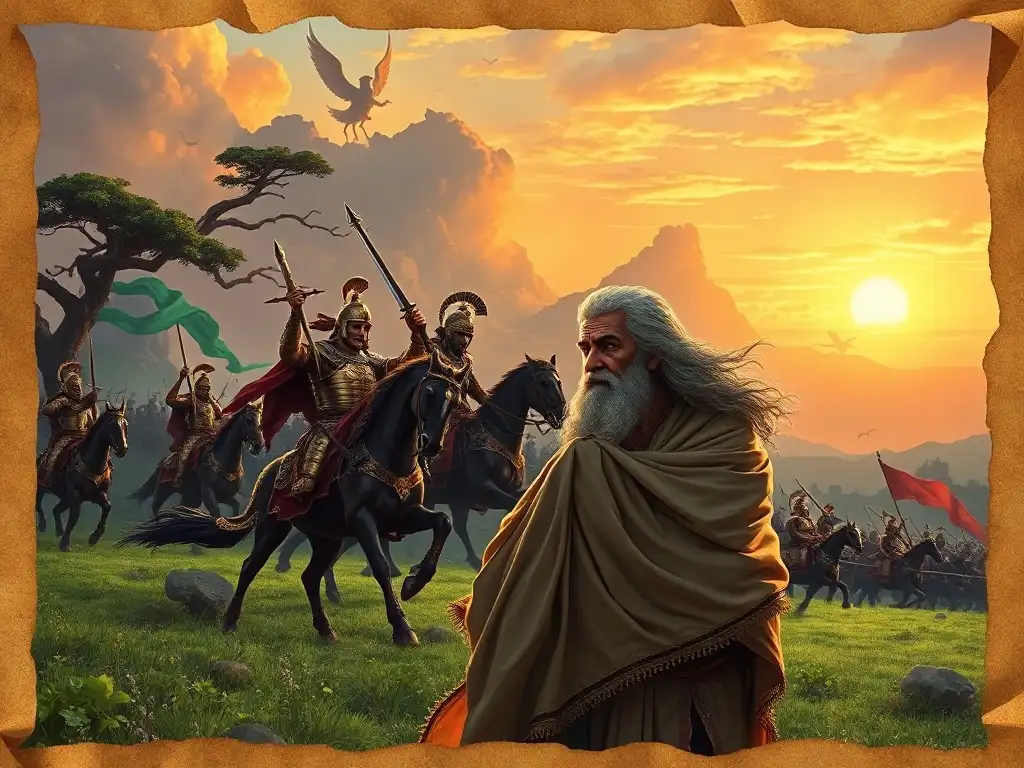
The Mahabharata is not just an epic; it is a profound narrative that encapsulates the essence of ancient Indian civilization, weaving together themes of duty, righteousness, and the complexities of human nature. This monumental text, composed between the 8th and 4th centuries BCE, serves as a crucial historical document that reflects the socio-political and cultural milieu of its time.
As we embark on this journey through the Mahabharata, we will explore its rich history, significance, and the impact it has had on the cultural fabric of ancient India. By understanding the Mahabharata, we gain insights into the philosophical inquiries and moral dilemmas that continue to resonate in contemporary society.
Introduction to the Mahabharata
Overview of the Mahabharata History and Significance
The Mahabharata is often regarded as the longest epic poem in the world, consisting of approximately 100,000 shlokas (verses) and divided into 18 parvas (books). Its narrative centers around the Kurukshetra War, a monumental conflict between the Pandavas and Kauravas, which serves as a backdrop for a multitude of stories, teachings, and philosophical discourses. Notably, it includes the revered Bhagavad Gita, a dialogue that addresses the moral and ethical dilemmas faced by individuals.
The historical significance of the Mahabharata extends beyond its literary value; it provides a window into the values, beliefs, and societal structures of ancient India. The epic reflects the norms and practices of Vedic society, showcasing the importance of dharma (duty) and the consequences of adharma (unrighteousness). It serves not only as a historical record but also as a guide for ethical living, making it a cornerstone of Indian culture.
Importance of the Mahabharata in Ancient Indian Culture
The Mahabharata's impact on ancient Indian culture is profound and multifaceted. It has shaped various aspects of Indian life, from religious practices to artistic expressions. The epic has inspired countless adaptations in literature, theater, dance, and art, making it a living tradition that continues to thrive.
Moreover, the moral lessons encapsulated within the story have influenced the ethical frameworks of Indian society. Characters such as Arjuna, Yudhishthira, and Draupadi embody virtues and flaws that resonate with the human experience, prompting readers to reflect on their own lives and choices. The Mahabharata fosters a deep connection to cultural identity, reinforcing the values of unity, sacrifice, and perseverance.
Historical Context of the Mahabharata
The Composition of the Mahabharata
The composition of the Mahabharata is a complex process that spans several centuries. Scholars believe that it began as an oral tradition, with stories being passed down through generations. Over time, these narratives were compiled and expanded upon by various sages and poets, most notably by Vedavyasa, who is traditionally credited as the author.
The text reflects the socio-political climate of ancient India, including the transition from tribal societies to more structured kingdoms. The themes within the Mahabharata address contemporary issues of governance, justice, and morality, revealing the evolving nature of Indian civilization during its formation.
Influence of the Mahabharata on Ancient Indian Society
The influence of the Mahabharata on ancient Indian society cannot be overstated. It served as a foundational text for Hindu philosophy and theology, shaping the development of key concepts such as karma, yoga, and moksha (liberation). The epic's narratives provided a framework for understanding human relationships and societal roles, influencing everything from family dynamics to statecraft.
In addition to its philosophical underpinnings, the Mahabharata played a crucial role in the formation of social norms and customs. Rituals, festivals, and even legal codes have been shaped by the lessons derived from this epic, demonstrating its enduring legacy throughout history.
As we delve deeper into the Mahabharata, we will uncover the intricate layers of its narrative, the richness of its teachings, and its lasting significance in the tapestry of ancient Indian history.
Key Themes in the Mahabharata
The Mahabharata is not merely an epic tale of war and rivalry; it embodies profound philosophical and ethical themes that resonate through time. These themes are intricately woven into the narrative, offering insights into the complexities of human nature and societal values. Among the most significant themes are dharma, the role of fate and free will, and the interplay of good and evil. Each of these themes invites readers to contemplate moral dilemmas, the nature of justice, and the consequences of one's actions.
Dharma: The Concept of Duty and Righteousness
At the heart of the Mahabharata lies the concept of dharma, which translates to duty, righteousness, and moral order. This theme is particularly illustrated through the characters' struggles to uphold their dharma amidst familial loyalty and the pursuit of justice. The epic poses challenging questions: What happens when one's personal duty conflicts with societal expectations? Characters such as Arjuna grapple with these dilemmas on the battlefield, leading to profound discussions on the nature of justice and the moral complexities of war.
The text emphasizes that dharma is not a rigid code; rather, it is context-dependent, varying according to circumstances, roles, and relationships. The Bhagavad Gita, a crucial section of the Mahabharata, elaborates on these ideas, ultimately guiding Arjuna toward fulfilling his duty as a warrior while remaining true to his principles. This exploration of dharma has had a lasting influence on Indian philosophy and ethics.
The Role of Fate and Free Will in the Mahabharata
The tension between fate and free will is a recurring motif in the Mahabharata, raising questions about the extent of human agency in a predetermined universe. Characters often find themselves caught in the web of destiny, as seen in the prophecy surrounding the Kauravas and Pandavas, which foretells conflict and tragedy. Yet, the epic also underscores the importance of individual choice and moral responsibility.
For instance, despite knowing the implications of their actions, characters like Duryodhana and Karna make choices that lead to their eventual doom. This interplay suggests that while fate may set the stage, it is the choices made by individuals that ultimately shape the course of events. The Mahabharata thus presents a nuanced understanding of life, where free will operates within the confines of fate.
The Interplay of Good and Evil in the Epic Narrative
The Mahabharata intricately explores the interplay of good and evil, presenting a spectrum of moral ambiguity rather than a binary distinction. Characters are not simply categorized as heroes or villains; instead, they embody complex traits that reflect human nature. For instance, while the Pandavas are often seen as virtuous, they too commit morally questionable acts, such as the deceitful game of dice that leads to their exile.
Conversely, the Kauravas, particularly Duryodhana, exhibit qualities that evoke sympathy; their actions are often driven by a desire for recognition and power rather than sheer malice. This depth of characterization invites readers to engage in ethical reflection, challenging them to consider the motivations behind actions and the subjective nature of morality. The Mahabharata thus serves as a mirror to the human condition, illustrating that good and evil are often intertwined in the fabric of life.
Major Characters of the Mahabharata
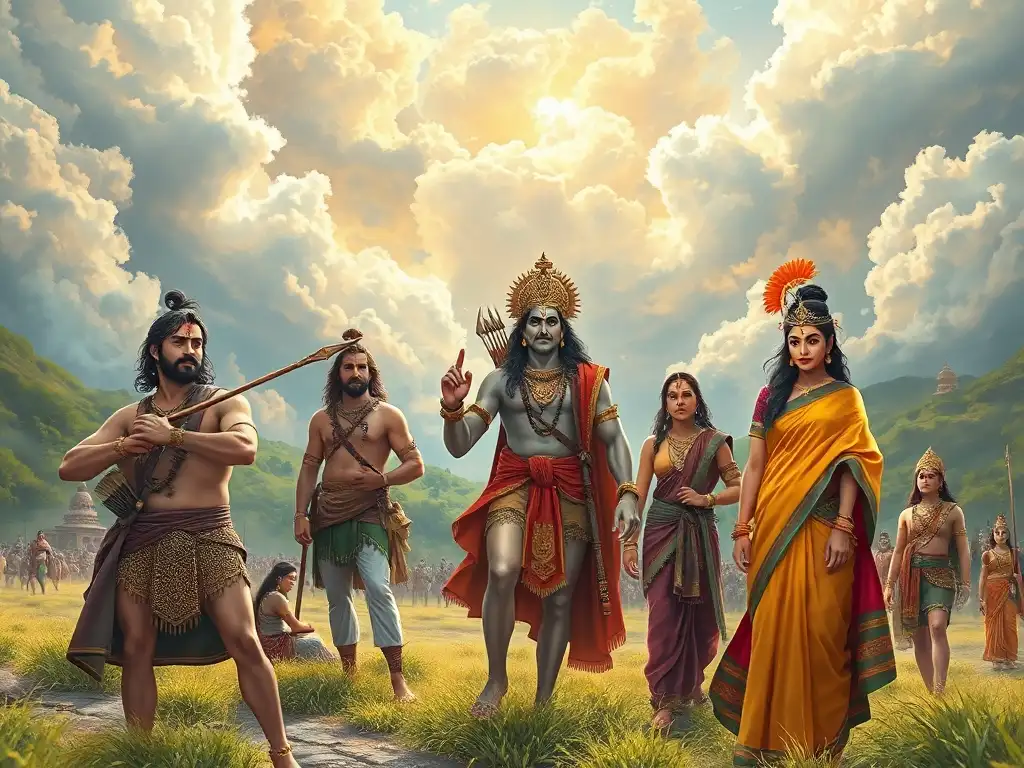
The Mahabharata is populated with a vast array of characters, each contributing to the depth and richness of the narrative. The epic's heroes and antagonists are not only pivotal to the unfolding story but also embody the central themes discussed throughout the text. Among the most significant characters are the Pandavas, the Kauravas, and various deities and mythical figures that enrich the epic's tapestry.
The Pandavas: Heroes of the Epic
The Pandavas, comprising Yudhishthira, Bhima, Arjuna, Nakula, and Sahadeva, are central figures in the Mahabharata, representing the ideals of righteousness and virtue. Each brother possesses unique strengths and attributes: Yudhishthira is known for his unwavering commitment to truth and justice, Bhima for his great physical strength, and Arjuna for his exceptional skills as an archer.
Their journey is marked by trials and tribulations, including their exile and the ultimate battle of Kurukshetra against their cousins, the Kauravas. The Pandavas' struggles to uphold dharma amidst adversity resonate with readers, making them relatable and inspiring figures. Their relationships with each other, particularly the bond of brotherhood and loyalty, also serve as a focal point of the narrative.
The Kauravas: Antagonists of the Mahabharata
The Kauravas, led by Duryodhana, serve as the primary antagonists in the Mahabharata. With a total of one hundred brothers, the Kauravas exemplify themes of jealousy, ambition, and moral conflict. Duryodhana's desire to claim the throne and assert his superiority over the Pandavas leads to a series of events that culminate in the catastrophic war.
While often portrayed as villains, the Kauravas are complex characters who evoke a degree of sympathy. Their motivations stem from familial loyalty and a desire for recognition, challenging readers to understand the nuances of their actions. The Kauravas' tragic downfall serves as a poignant reminder of the consequences of unchecked ambition and moral corruption.
Key Deities and Mythical Figures in the Mahabharata
The Mahabharata is enriched by the presence of various deities and mythical figures, each playing a pivotal role in the unfolding narrative. Notable among them are Krishna, who serves as Arjuna's charioteer and divine guide, and Draupadi, whose honor becomes a catalyst for the conflict between the Pandavas and Kauravas.
Krishna's teachings in the Bhagavad Gita provide essential philosophical insights into duty, righteousness, and the nature of the self, making him a central figure in the epic. Draupadi, often viewed as a symbol of strength and resilience, challenges the societal norms of her time, highlighting the theme of female agency. These characters, along with others like Bhishma and Karna, contribute to the rich tapestry of the Mahabharata, weaving together divine and human elements in a narrative that transcends time and space.
The Structure of the Mahabharata
The Mahabharata is one of the longest epic poems in the world, consisting of approximately 100,000 shlokas (verses) or about 1.8 million words, making it nearly ten times the length of the Iliad and the Odyssey combined. This vast narrative is intricately structured into 18 books known as Parvas, which together encompass a multitude of themes, characters, and philosophies. The epic not only narrates the legendary tale of the Kurukshetra War but also delves into moral dilemmas, governance, duty (dharma), and the nature of life and death.
The structure of the Mahabharata allows for a complex interplay of various subplots and character arcs. Each Parva is distinct yet interconnected, providing a rich tapestry of stories that reflect the ethos of ancient Indian society. The epic also includes philosophical discourses, particularly the Bhagavad Gita, which addresses profound existential questions through the dialogue between Prince Arjuna and Lord Krishna.
Overview of the 18 Parvas (Books)
The Mahabharata is divided into the following 18 Parvas:
- Adi Parva: The Book of the Beginning - Introduces the characters and the genealogy of the Kuru dynasty.
- Sabha Parva: The Book of the Assembly Hall - Describes the game of dice and the subsequent humiliation of the Pandavas.
- Vana Parva: The Book of the Forest - Chronicles the Pandavas' exile and their experiences in the forest.
- Virata Parva: The Book of Virata - Details the thirteenth year of exile spent incognito.
- Udyoga Parva: The Book of Effort - Focuses on the peace negotiations and preparations for war.
- Bhishma Parva: The Book of Bhishma - Covers the first day of the Kurukshetra War and the strategies employed.
- Drona Parva: The Book of Drona - Discusses the second day of battle and the role of Dronacharya.
- Karna Parva: The Book of Karna - Deals with the exploits of Karna and the battle's progression.
- Shalya Parva: The Book of Shalya - Highlights the involvement of King Shalya in the war.
- Sauptika Parva: The Book of the Night Attack - Describes the night raid led by Ashwatthama.
- Stri Parva: The Book of the Women - Reflects on the grief of the women after the war.
- Shanti Parva: The Book of Peace - Discusses the aftermath of the war and the lessons learned.
- Anushasana Parva: The Book of Instructions - Contains Bhishma's teachings on governance and ethics.
- Ashvamedhika Parva: The Book of the Horse Sacrifice - Describes Yudhishthira’s horse sacrifice.
- Ashramavasika Parva: The Book of the Hermitage - Chronicles the later years of the Pandavas.
- Uttara Parva: The Book of the Later Events - Covers the events following the Pandavas' rule.
- Anugita Parva: The Book of the Anugita - A philosophical discourse between Krishna and Arjuna.
- Swargarohanika Parva: The Book of the Ascension to Heaven - Concludes with the Pandavas’ journey to heaven.
Each Parva encapsulates significant events, characters, and moral teachings, contributing to the overarching narrative and themes of the Mahabharata.
Significant Episodes and Their Historical Context
The Mahabharata is replete with significant episodes that not only drive the narrative forward but also reflect the socio-political context of ancient India. Key episodes include:
- The Game of Dice: This pivotal event highlights themes of temptation, betrayal, and the moral dilemmas faced by the characters. The stakes of the game lead to the Pandavas' exile, setting the stage for the subsequent conflict.
- The Bhagavad Gita: This philosophical dialogue occurs on the battlefield of Kurukshetra, where Arjuna grapples with his duty as a warrior. Krishna's teachings on dharma and righteousness resonate with the ethical dilemmas of governance and personal conduct.
- The Kurukshetra War: The epic battle serves as a metaphor for the struggles between good and evil, duty and desire. The war’s historical context reflects the kinship and loyalty that can lead to conflict, mirroring the socio-political rivalries of ancient Indian kingdoms.
These episodes are not mere storytelling elements; they offer insights into the human condition, governance, and the moral fabric of society, making the Mahabharata a timeless reflection of ancient Indian values and philosophies.
The Mahabharata's Impact on Indian Literature and Arts
The Mahabharata has had a profound influence on Indian literature and arts, shaping narratives across generations and inspiring countless adaptations in various forms. Its complex characters, intricate plots, and ethical dilemmas have provided fertile ground for storytelling in diverse genres.
Influence on Later Literature and Storytelling
The themes and narratives of the Mahabharata have significantly influenced later literary works in India. Authors and poets have drawn inspiration from its characters and moral questions, leading to adaptations and retellings in different regional languages and styles.
- Retellings and Adaptations: Numerous adaptations have emerged, including versions by notable authors such as R.K. Narayan and C. Rajagopalachari, who distilled the epic's essence for modern readers.
- Folklore and Oral Traditions: The Mahabharata's stories have also permeated folklore, with local storytellers incorporating its themes into their narratives, enhancing its reach and relevance across cultural boundaries.
The epic's impact extends beyond literature, influencing various art forms, including theater, dance, and cinema, where its characters and stories continue to resonate with audiences.
Artistic Representations of the Mahabharata in Ancient India
The artistic representations of the Mahabharata in ancient India reflect the cultural significance and reverence of this epic. Various mediums captured its themes and stories, showcasing the richness of Indian artistic traditions.
- Sculpture and Reliefs: Temples from ancient India often feature intricate carvings depicting scenes from the Mahabharata, illustrating battles, divine interventions, and key events. These sculptures serve as both artistic expressions and educational tools, conveying moral lessons.
- Miniature Paintings: The Mahabharata has been a subject of numerous miniature paintings, especially during the Mughal period. These artworks depict dramatic moments from the epic, characterized by vibrant colors and detailed imagery, bringing the narrative to life.
- Dance and Theater: Traditional Indian dance forms like Kathakali and Bharatanatyam often incorporate stories from the Mahabharata, allowing performers to express the epic's emotions and themes through movement and expression.
The Mahabharata’s artistic representations have played a crucial role in preserving its legacy, ensuring that the teachings and narratives continue to resonate with future generations. Through literature and art, the epic remains a vital part of India's cultural heritage.
The Mahabharata in Modern Times
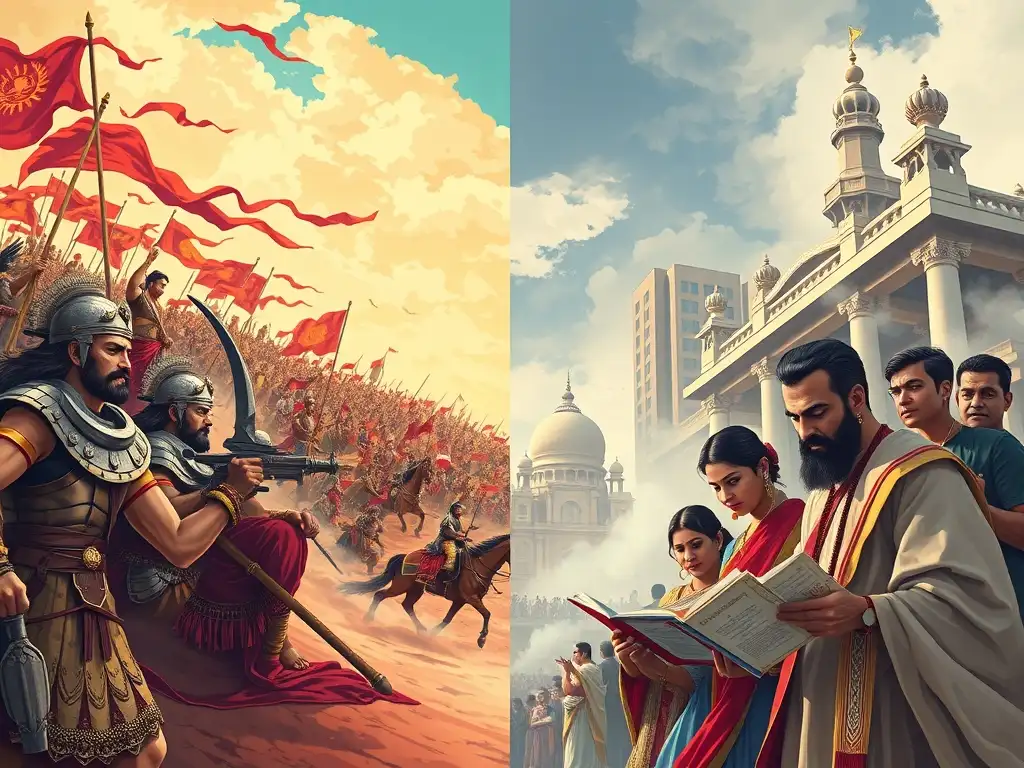
The Mahabharata, one of the longest epic poems in the world, transcends its ancient origins to remain a vital part of contemporary culture and discourse. With its intricate narratives, deep philosophical insights, and complex characters, the Mahabharata continues to resonate with modern audiences, inspiring various forms of art, literature, and performances. The epic's themes of duty, righteousness, and moral dilemmas reflect ongoing societal challenges, making it a timeless source of wisdom and inspiration.
In modern adaptations, the Mahabharata has been reinterpreted through various mediums, including television series, films, and theatrical productions. These adaptations not only aim to retell the epic's story but also to recontextualize its message for today's viewers. For instance, contemporary retellings often highlight gender issues, power dynamics, and ethical questions that remain relevant in our current sociopolitical landscape.
Contemporary Interpretations of Mahabharata History and Significance
The significance of the Mahabharata in contemporary society is multifaceted. Scholars and artists have approached the epic from various angles, exploring its philosophical, ethical, and psychological dimensions. In academic circles, the Mahabharata is studied not only as a literary work but also as a historical document that offers insights into ancient Indian society, politics, and culture.
In literature and art, modern interpretations often focus on the characters' internal struggles and moral conflicts. For example, adaptations may emphasize Draupadi's plight or Arjuna's existential crisis, making these figures relatable to modern audiences facing similar dilemmas. Furthermore, graphic novels and contemporary fiction have emerged, reimagining the epic's narrative for a younger audience, thereby ensuring its continued relevance.
The Mahabharata's themes of dharma (duty), karma (action and consequence), and the complexity of human relationships provide a rich tapestry for interpretation, allowing artists and thinkers to engage with its relevance in today’s world. Such interpretations encourage readers and viewers to draw connections between the epic's lessons and their own lives, fostering a deeper understanding of its historical and cultural significance.
The Mahabharata's Role in Cultural Identity Today
In the sphere of cultural identity, the Mahabharata serves as a foundational text that shapes the collective consciousness of many communities in India and beyond. Its narratives and characters are embedded in the cultural fabric, influencing festivals, rituals, and communal gatherings. The Mahabharata also plays a critical role in discussions about morality, justice, and societal values, making it a touchstone for contemporary ethical debates.
In addition, the epic's stories are often invoked in political discourse and social movements, reflecting its powerful impact on national identity. The characters and events of the Mahabharata are frequently referenced in speeches, literature, and popular media, reinforcing a sense of shared heritage among diverse groups. The epic's ongoing relevance is evident in how it continues to inspire cultural expressions, from dance and theater to literature and film, thus solidifying its place in the modern cultural landscape.
Conclusion: The Everlasting Legacy of the Mahabharata
The Mahabharata's legacy is profound and enduring, shaping not only literature and art but also the moral and philosophical foundations of society. As an epic that encompasses a vast array of human experiences, it offers timeless lessons on duty, sacrifice, and the complexities of life. Its narratives encourage readers to reflect on their values and choices, making it a source of guidance and inspiration across generations.
Reflection on the Mahabharata's Relevance in Today's World
In today's fast-paced world, the Mahabharata's teachings remain significant as individuals grapple with ethical dilemmas and social conflicts. The epic encourages introspection about personal values and societal responsibilities, urging individuals to consider the broader implications of their actions. By engaging with the Mahabharata, individuals can find solace and wisdom in its narratives, fostering a deeper understanding of human nature and the world around them.
Furthermore, contemporary discussions surrounding justice, equality, and moral responsibility can draw valuable insights from the Mahabharata. Its exploration of these themes challenges readers to confront their beliefs and engage in meaningful dialogues about human rights, social justice, and ethical governance.
Final Thoughts on the Mahabharata as a Cultural Treasure
The Mahabharata is not merely a relic of the past; it is a living cultural treasure that continues to enrich our lives today. Its narratives resonate with the complexities of human existence, offering profound insights into the nature of life, love, and conflict. As we explore the Mahabharata's history and significance, we uncover layers of meaning that speak to the heart of human experience.
The Mahabharata remains an essential part of the cultural and spiritual heritage of India and beyond. Its ability to adapt and resonate with contemporary issues ensures that it will continue to inspire and challenge future generations. As we journey through the epic's timeless wisdom, we reaffirm its place as a cornerstone of not only Indian literature but also global human thought.
References for Further Reading on Mahabharata History and Significance
The Mahabharata is a monumental epic that has fascinated scholars, historians, and enthusiasts alike for centuries. To deepen your understanding of its history and significance, the following references provide a wealth of information, interpretations, and analyses of this ancient text.
-
Books:
-
"The Mahabharata: A Modern Rendering" by Ramesh Menon
This contemporary retelling of the Mahabharata captures the essence of the original epic while making it accessible to modern readers. Menon’s narrative style brings the characters and events to life, emphasizing their relevance in today’s context.
-
"The Mahabharata: An Inquiry in the Human Condition" by R. K. Narayan
Narayan's exploration delves into the philosophical and moral questions raised by the Mahabharata, providing insights into human nature and ethics, which are central themes in the epic.
-
"The Mahabharata: A Critical Study" by G. N. Devy
This academic work critiques the various interpretations of the Mahabharata, analyzing its cultural and historical significance within the broader context of Indian literature.
-
-
Research Papers:
-
"The Mahabharata and Its Influence on Indian Culture"
This paper discusses how the Mahabharata has shaped various aspects of Indian culture, including art, music, and dance, providing a comprehensive overview of the epic's impact on society.
-
"The Role of Women in the Mahabharata"
This scholarly article examines the complex portrayals of female characters in the Mahabharata, highlighting their roles and contributions to the narrative, thus offering a gendered perspective on the epic.
-
-
Online Resources:
-
The Mahabharata Project
An online initiative that provides translations, commentaries, and analyses of the Mahabharata, this resource is invaluable for those seeking to engage with the text in a scholarly manner.
-
Podcast Series: "The Mahabharata Unraveled"
This series offers discussions and insights into various aspects of the Mahabharata, including its themes, characters, and historical context, making it a great resource for auditory learners.
-
-
Documentaries and Lectures:
-
"The Mahabharata: A Timeless Epic" (Documentary)
This documentary explores the origins, themes, and enduring legacy of the Mahabharata, featuring expert interviews and dramatic reenactments that illustrate its historical significance.
-
"Understanding the Mahabharata" (Lecture Series)
A series of lectures by renowned scholars that delve into different facets of the Mahabharata, including its theology, philosophy, and its reflections on dharma (duty).
-
-
Academic Journals:
-
Journal of Indian Literature
This journal often publishes articles and papers related to the Mahabharata, including critical analyses and discussions on its themes, structure, and influence.
-
By engaging with these resources, readers can gain a multifaceted understanding of the Mahabharata’s history and significance, appreciating its role not only as a literary masterpiece but also as a cornerstone of Indian cultural heritage.
- Introduction to the Mahabharata
- Historical Context of the Mahabharata
- Key Themes in the Mahabharata
- Major Characters of the Mahabharata
- The Structure of the Mahabharata
- The Mahabharata's Impact on Indian Literature and Arts
- The Mahabharata in Modern Times
- Conclusion: The Everlasting Legacy of the Mahabharata
- References for Further Reading on Mahabharata History and Significance
Frequently Asked Questions
What is the Mahabharata?
The Mahabharata is an ancient Indian epic that narrates the historical and philosophical story of the Kurukshetra War and the fates of the Kaurava and Pandava princes, showcasing the complexities of dharma (duty/righteousness).
Why is the Mahabharata significant in Indian culture?
The Mahabharata is significant as it encapsulates the moral dilemmas and teachings of dharma, influencing Indian philosophy, literature, and even modern interpretations of justice and ethics throughout history.
How does the Mahabharata reflect ancient Indian society?
The Mahabharata reflects ancient Indian society through its depiction of social norms, gender roles, and the importance of family ties, offering insights into the cultural and ethical dilemmas faced during that era.
What are the key themes explored in the Mahabharata?
Key themes in the Mahabharata include dharma, justice, betrayal, and the consequences of war, all of which resonate deeply with human experiences and moral complexities.
How has the Mahabharata influenced modern literature and art?
The Mahabharata has greatly influenced modern literature and art, inspiring countless adaptations, retellings, and artistic interpretations, making it a cornerstone of Indian storytelling and cultural heritage.
Final Reflection: The Enduring Legacy of the Mahabharata
The Mahabharata stands as a monumental testament to the complexities of human nature and the intricacies of moral dilemmas, making its history and significance profoundly relevant today. In an era where ethical questions often challenge our societal norms, the lessons embedded within this ancient epic resonate with contemporary audiences, reminding us that the struggles of the past are mirrored in our present-day conflicts. The Mahabharata is not merely a story; it is a reflection of the human condition, urging us to confront our choices and their consequences.
Culturally and socially, the Mahabharata has woven itself into the fabric of Indian society and beyond, influencing art, literature, and philosophy for centuries. Its narratives continue to inspire adaptations in various forms, from theater to cinema, highlighting its timeless appeal. As noted by scholar Ramesh Menon, “The Mahabharata is not just a story of war; it is a story of life itself.” This observation underscores the epic's ability to transcend time, offering insights into the human experience that remain relevant across generations.
As we reflect on the Mahabharata's profound teachings, I invite you to consider how its themes of duty, righteousness, and the quest for truth can shape your own life. Take a moment to ponder the moral dilemmas you face and the choices you make. Let the wisdom of this ancient text guide you in navigating your journey, reminding you that every decision carries weight and significance. Embrace the lessons of the Mahabharata, and allow them to inspire you to create a more thoughtful and compassionate world.
Embark on Your Epic Journey Today!
Thank you for taking the time to explore The Mahabharata with us! We hope this deep dive into one of ancient India's greatest epics has sparked your curiosity and enriched your understanding. Now, it’s time to take the next step in your adventure.
Here are a few ways to continue your journey:
- Read a translation of The Mahabharata to fully experience its rich narratives and profound themes.
- Join a discussion group or online forum to share insights with fellow enthusiasts and enhance your understanding.
- Visit an exhibit or museum dedicated to ancient Indian culture to connect the teachings of this epic with historical contexts.
As you move forward, consider this: What themes from The Mahabharata resonate with your life today, and how might you apply those lessons?