
The Rise of Ayurveda: Ancient Wisdom Meets Modern Medicine


Welcome to Ancient India History, where we embark on a journey through the tapestry of time, unraveling the rich and diverse legacies of ancient Indian civilizations. From the majestic Indus Valley to the illustrious Gupta Empire, each era holds stories filled with innovation and wisdom. In our featured article, "The Rise of Ayurveda: Ancient Wisdom Meets Modern Medicine," we delve into the fascinating history of Ayurveda in India, exploring how this ancient practice has influenced contemporary health and wellness.
Prepare to be captivated by the profound insights and innovations that have stood the test of time, and discover how the past continues to shape our present. Let your curiosity guide you as we explore the depths of India's remarkable heritage!
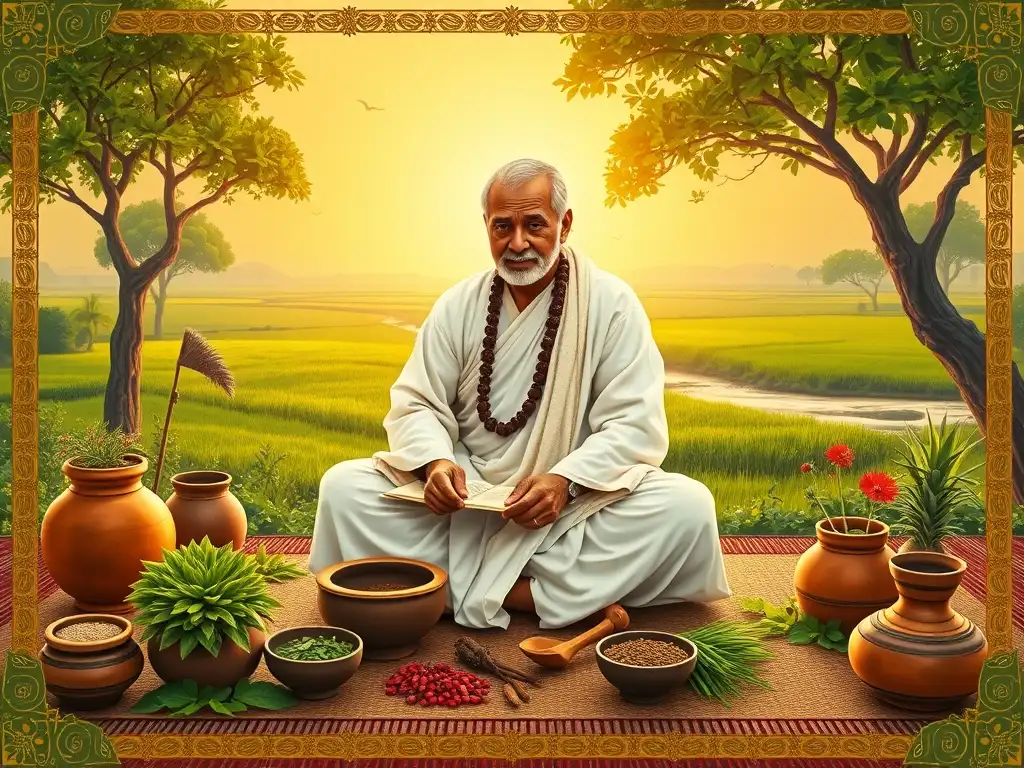
Introduction to Ayurveda and Its Historical Significance
Ayurveda, a holistic system of medicine that originated in ancient India, embodies a profound understanding of health and wellness that has persisted for over 3,000 years. The term "Ayurveda" is derived from the Sanskrit words Ayus (life) and Veda (knowledge), literally translating to "the knowledge of life." This ancient practice is not merely a form of healthcare; it is a comprehensive philosophy that emphasizes the balance between body, mind, and spirit. The historical significance of Ayurveda lies in its unique approach to healing, which integrates physical, emotional, and spiritual dimensions.
The roots of Ayurveda can be traced back to the Vedic texts, particularly the Atharva Veda, where principles of health and healing were first documented. Throughout the centuries, Ayurveda evolved, absorbing influences from various cultures and adapting to different societal needs. Its significance is further highlighted by the fact that it laid the groundwork for many contemporary medical practices in India and beyond, making it an essential subject of study for those interested in the history of healthcare.
The Evolution of Ayurveda Through the Ages
The journey of Ayurveda is remarkable, reflecting the dynamic interplay between tradition and innovation. Initially, Ayurvedic practices were passed down orally, with sages and practitioners sharing knowledge through generations. The transition from oral tradition to written texts occurred around 500 BCE, leading to the compilation of foundational texts such as the Charaka Samhita and the Sushruta Samhita. These texts not only codified Ayurvedic principles but also introduced surgical techniques and herbal remedies that are still relevant today.
As time progressed, Ayurveda faced challenges and adaptations due to foreign invasions and the emergence of new medical systems. The arrival of Islamic medicine and later, Western medical practices in India during the colonial period, prompted Ayurvedic practitioners to reassess and revalidate their approaches. This period of introspection led to a renaissance in Ayurvedic medicine, with practitioners advocating for its integration into modern healthcare systems. Today, Ayurveda is recognized globally, not only as a traditional system of medicine but also as a valuable contributor to holistic health practices.
The Core Principles of Ayurveda
At the heart of Ayurveda lies a set of core principles that guide its practices and philosophies. These principles are deeply rooted in the understanding of nature and the human body, emphasizing harmony and balance.
- The Five Elements: Ayurveda is based on the concept that all matter is composed of five elements—earth, water, fire, air, and ether. These elements combine to form three doshas: Vata, Pitta, and Kapha, which represent different physiological functions in the body.
- Individual Constitution: Each individual possesses a unique constitution, or Prakriti, determined by the balance of doshas. This understanding is crucial for personalized treatment approaches, as Ayurveda tailors remedies to suit one's specific constitution.
- Holistic Approach: Ayurveda views health as a state of balance within the body, mind, and environment. Treatment often involves a combination of dietary changes, herbal medicines, yoga, and meditation, all aimed at restoring harmony.
- Preventive Care: A key tenet of Ayurveda is its focus on prevention. By maintaining balance and wellness, Ayurveda seeks to prevent illness before it manifests, promoting a proactive approach to health.
Incorporating these core principles, Ayurveda offers a comprehensive framework for understanding health that transcends mere symptom management, reflecting a philosophy that resonates with many in today's modern healthcare landscape.
Ayurveda in the Context of Modern Medicine
Ayurveda, one of the oldest systems of medicine in the world, has roots that trace back over 5,000 years in the Indian subcontinent. This ancient discipline emphasizes a holistic approach to health, focusing on the balance between body, mind, and spirit. In recent years, there has been a notable resurgence in interest in Ayurvedic practices, as modern medicine seeks to incorporate these age-old principles to enhance patient care and health outcomes.
The integration of Ayurveda into modern healthcare is primarily evident in its emphasis on preventive care. Unlike conventional medicine, which often addresses symptoms and diseases post-factum, Ayurveda aims to promote wellness by maintaining balance and preventing illness. This preventative approach resonates with modern healthcare trends that prioritize wellness and lifestyle modifications. For instance, practices such as yoga and meditation—integral components of Ayurveda—are increasingly being recognized for their benefits in stress management and overall mental health.
Moreover, Ayurvedic principles are being explored in the development of herbal medicines and supplements. Many pharmaceutical companies are researching Ayurvedic herbs, such as Ashwagandha and Turmeric, for their therapeutic properties. Clinical studies are being conducted to validate these traditional remedies, bridging the gap between ancient wisdom and scientific validation. This fusion not only enhances the credibility of Ayurveda but also opens new avenues for treatment options in modern medicine.
Popular Ayurvedic Products in Modern Healthcare

As Ayurveda gains traction in contemporary health practices, a variety of Ayurvedic products have emerged as popular choices in modern healthcare. These products are often celebrated for their natural ingredients and holistic benefits, attracting both health-conscious consumers and healthcare professionals alike.
- Herbal Supplements:
- Ashwagandha: Known for its adaptogenic properties, this herb supports stress reduction and enhances overall vitality.
- Turmeric: Renowned for its anti-inflammatory and antioxidant properties, turmeric is widely used in supplements to support joint health and immune function.
- Ayurvedic Oils:
- Sesame Oil: Often used in Ayurvedic massage (Abhyanga), sesame oil nourishes the skin and promotes relaxation.
- Brahmi Oil: This herbal oil is used to enhance cognitive functions and improve memory, making it popular in wellness routines.
- Herbal Teas:
- Tulsi Tea: Revered for its numerous health benefits, Tulsi helps in respiratory health, stress relief, and boosts the immune system.
- Ginger Tea: Known for aiding digestion and alleviating nausea, ginger tea is a staple in many households.
- Skin Care Products:
- Ayurvedic Skincare: Products formulated with natural ingredients like neem and sandalwood are gaining popularity for their ability to promote clear skin without harsh chemicals.
These products not only reflect the principles of Ayurveda but also cater to the growing demand for natural and organic solutions in health and wellness. As consumers become more aware of the benefits of these products, their presence in the healthcare market is likely to expand further.
The Growing Popularity of Ayurveda Worldwide
The global acceptance of Ayurveda is a testament to its enduring relevance and effectiveness in promoting health and wellness. Over the past few decades, there has been a significant increase in the interest in alternative and complementary medicine, with Ayurveda leading the way. This surge can be attributed to several factors.
Firstly, the rise of the wellness movement has encouraged individuals to seek holistic approaches to health. People are increasingly looking for ways to enhance their wellbeing through natural means, and Ayurveda provides a comprehensive framework that addresses physical, mental, and emotional health. The emphasis on personalized treatment plans, based on individual constitution (Prakriti) and balance (Dosha), resonates well with the modern preference for tailored health solutions.
Secondly, the proliferation of digital platforms and social media has enabled the dissemination of Ayurvedic knowledge on a global scale. Influencers and wellness advocates are sharing their experiences with Ayurvedic practices, leading to a broader acceptance and curiosity about this ancient system. Online courses, workshops, and retreats focusing on Ayurvedic principles are becoming increasingly popular, attracting individuals from diverse backgrounds.
Finally, research supporting the efficacy of Ayurvedic treatments is gaining momentum. Scientific studies examining the therapeutic properties of Ayurvedic herbs and practices are being published in reputable journals, further legitimizing Ayurveda in the eyes of the medical community. This validation not only attracts healthcare professionals to explore Ayurvedic approaches but also enriches the dialogue between traditional and modern medicine.
The growing popularity of Ayurveda worldwide is fueled by its holistic approach to health, the influence of social media, and increasing scientific validation. As the world continues to navigate the complexities of health and wellness, Ayurveda stands out as a beacon of ancient wisdom, seamlessly integrating with modern healthcare paradigms.
Challenges and Controversies in Ayurvedic Medicine
Ayurveda, while revered for its holistic approach to health, faces several challenges and controversies that impact its acceptance in the modern medical landscape. One of the primary challenges is the regulatory framework surrounding Ayurvedic practices. In many countries, Ayurveda lacks the same level of regulation and standardization that conventional medicine enjoys. This absence can lead to inconsistent quality and efficacy of Ayurvedic products, raising concerns about safety and reliability.
Moreover, scientific validation poses a significant issue. While many Ayurvedic principles and treatments are rooted in centuries of tradition, there is a growing demand for rigorous scientific research to substantiate these claims. The challenge lies in designing studies that can accurately measure the efficacy of Ayurvedic treatments, which often involve complex combinations of herbs and personalized approaches. Critics argue that without solid clinical evidence, Ayurveda risks being dismissed as pseudoscience.
Another controversy revolves around the use of herbs and substances in Ayurvedic formulations. Some Ayurvedic products have been found to contain heavy metals or other contaminants, which can pose health risks to consumers. This situation has sparked debates regarding the safety of certain traditional practices and the need for better quality control measures in the production of Ayurvedic medicines.
Additionally, there is a cultural challenge as well. In a world increasingly dominated by evidence-based medicine, many practitioners and patients remain skeptical of Ayurveda. Bridging the gap between traditional knowledge and modern scientific approaches requires careful communication and education to foster mutual respect and understanding.
Future Prospects: The Role of Technology in Ayurveda

The intersection of technology and Ayurveda holds promising potential for the future of healthcare. As the demand for holistic and personalized healthcare solutions grows, technology can play a crucial role in enhancing the practice and delivery of Ayurvedic medicine.
Telemedicine is one area where Ayurveda can benefit significantly. With the rise of digital health platforms, patients can now consult Ayurvedic practitioners from the comfort of their homes. This accessibility can help bridge the gap between traditional practitioners and patients, especially in remote areas where Ayurvedic services may be limited.
Furthermore, data analytics and artificial intelligence (AI) can revolutionize the way Ayurvedic treatments are personalized. By analyzing patient data, algorithms can help practitioners tailor herbal formulations and lifestyle recommendations to individual needs, improving treatment outcomes. For instance, AI-driven platforms can track patient responses to different Ayurvedic medicines, allowing practitioners to refine their approaches based on real-time feedback.
Another exciting development is the use of biotechnology in Ayurveda. Researchers are exploring the potential to synthesize active compounds from Ayurvedic herbs, which can then be studied for their medicinal properties in a controlled environment. This could lead to the discovery of new drugs and therapies that integrate ancient wisdom with modern scientific rigor.
Additionally, educational technology can enhance the learning and dissemination of Ayurvedic knowledge. Online courses, mobile applications, and virtual workshops can make Ayurvedic education more accessible, encouraging a new generation of practitioners and enthusiasts to embrace this ancient discipline.
Conclusion: Embracing Ayurveda's Legacy in Modern Healthcare
The history of Ayurveda in India is a testament to the enduring legacy of ancient wisdom in addressing health and wellness. As modern medicine continues to evolve, the integration of Ayurvedic principles can offer valuable insights into holistic care. Embracing Ayurveda does not mean rejecting modern medicine; rather, it signifies an opportunity to create a more balanced and inclusive healthcare system.
Incorporating Ayurvedic practices into modern healthcare can enhance patient outcomes by focusing on prevention, lifestyle changes, and natural remedies. As we witness a growing interest in wellness and self-care, Ayurveda's emphasis on individualized treatment and the interconnectedness of body, mind, and spirit resonates with many seeking alternatives to conventional medicine.
By fostering collaboration between Ayurvedic practitioners and modern healthcare professionals, we can pave the way for innovative solutions that honor ancient traditions while addressing contemporary health challenges. Ultimately, embracing Ayurveda's legacy in modern healthcare can lead to a more comprehensive understanding of health, ensuring that the wisdom of the past continues to enrich our future.
Call to Action
As we explore the fascinating journey of Ayurveda from its ancient roots to its contemporary relevance, it's crucial to embrace the wisdom of this holistic healing system in our daily lives. Whether you're a healthcare professional, a wellness enthusiast, or simply curious about natural remedies, integrating Ayurvedic principles can enhance your overall well-being.
Here’s how you can get involved:
- Educate Yourself: Delve deeper into the history of Ayurveda in India through books, online courses, and seminars. Understanding the foundational philosophies of Ayurveda will empower you to apply its principles effectively.
- Try Ayurvedic Products: Incorporate Ayurvedic herbs and formulations into your wellness routine. Look for trusted brands that offer authentic, high-quality Ayurvedic products, ensuring they align with your health needs and goals.
- Consult an Ayurvedic Practitioner: If you're interested in personalized health plans, consider seeking advice from a certified Ayurvedic practitioner. They can guide you on diet, lifestyle changes, and herbal supplements tailored to your constitution.
- Join Community Programs: Participate in local workshops or online forums focused on Ayurveda. Engaging with others who share your interest can provide support and enrich your understanding.
- Advocate for Integrative Healthcare: Support initiatives that promote the integration of Ayurvedic practices into modern healthcare systems. Your voice can contribute to a broader acknowledgment of holistic approaches in health and wellness.
By taking these steps, not only do you honor the history of Ayurveda in India, but you also contribute to the growing movement of blending ancient wisdom with modern medical practices. Together, we can foster a healthier future rooted in time-honored traditions.
- Introduction to Ayurveda and Its Historical Significance
- The Evolution of Ayurveda Through the Ages
- The Core Principles of Ayurveda
- Ayurveda in the Context of Modern Medicine
- Popular Ayurvedic Products in Modern Healthcare
- The Growing Popularity of Ayurveda Worldwide
- Challenges and Controversies in Ayurvedic Medicine
- Future Prospects: The Role of Technology in Ayurveda
- Conclusion: Embracing Ayurveda's Legacy in Modern Healthcare
- Call to Action
Frequently Asked Questions
What is Ayurveda and its significance in ancient India?
Ayurveda is an ancient system of medicine that originated in India over 3,000 years ago. It emphasizes a holistic approach to health, focusing on balancing the body, mind, and spirit.
How did Ayurveda develop during the Indus Valley civilization?
During the Indus Valley civilization, practices related to Ayurveda can be seen through archaeological findings, which suggest an advanced understanding of medicine and surgery, laying the groundwork for future medical traditions.
What are the main texts associated with Ayurveda?
The primary texts of Ayurveda include the Charaka Samhita, Sushruta Samhita, and Ashtanga Hridaya. These texts compile knowledge on herbal medicine, surgical techniques, and the philosophy behind Ayurvedic practices.
How does Ayurveda integrate with modern medicine today?
Ayurveda is increasingly being recognized for its holistic principles and preventive care, leading to its integration with modern medicine as a complementary approach, particularly in areas like stress management and chronic disease treatment.
What contributions did ancient Indian civilizations make to Ayurveda?
Ancient Indian civilizations contributed significantly to Ayurveda by developing complex medical theories, herbal pharmacopoeias, and surgical procedures, which continue to influence both traditional and modern medical practices today.
Final Reflection: Embracing Ancient Wisdom for Modern Healing
The integration of Ayurveda into contemporary health practices underscores the timeless relevance of this ancient system, reminding us that traditional knowledge can coexist with modern medicine. As we navigate an increasingly complex healthcare landscape, the resurgence of Ayurveda invites us to reconsider our approach to wellness and healing. This fusion of old and new not only enriches our understanding of health but also empowers us to take charge of our well-being in a holistic manner.
The history of Ayurveda in India is not merely a chronicle of ancient practices; it is a living testament to the enduring influence of holistic healing on our cultural and social fabric. The principles of Ayurveda continue to inspire countless individuals seeking balance and harmony in their lives. As we witness a growing acceptance of integrative health approaches, it becomes clear that Ayurveda's wisdom is more relevant than ever. The greatest wealth is health.
— Virgil. This quote encapsulates the essence of Ayurveda, emphasizing the importance of nurturing our bodies and minds through natural means.
As you reflect on the lessons from Ayurveda, consider how you can incorporate its principles into your daily life. Embrace the wisdom of balance, mindfulness, and natural healing as you navigate your personal health journey. Whether through dietary choices, lifestyle adjustments, or stress management techniques, let the teachings of Ayurveda guide you toward a more harmonious existence. The future of health lies in our ability to blend ancient wisdom with modern practices, and your journey starts now.
Embrace the Healing Power of Ayurveda Today!
Thank you for diving into the fascinating world of Ayurveda with us! You've uncovered the powerful ways ancient wisdom can enhance modern living. Now, it's time to take action!
- Start your Ayurvedic journey by experimenting with simple herbs and spices in your cooking, such as turmeric and ginger.
- Join a local or online Ayurveda workshop to deepen your understanding and connect with others who share your interests.
- Share your newfound knowledge by engaging with your community—discuss the benefits of Ayurveda on social media or in local gatherings!
What aspect of Ayurveda are you most excited to explore in your personal wellness journey?