
Techniques of the Past: Ancient Methods of Spinning and Weaving

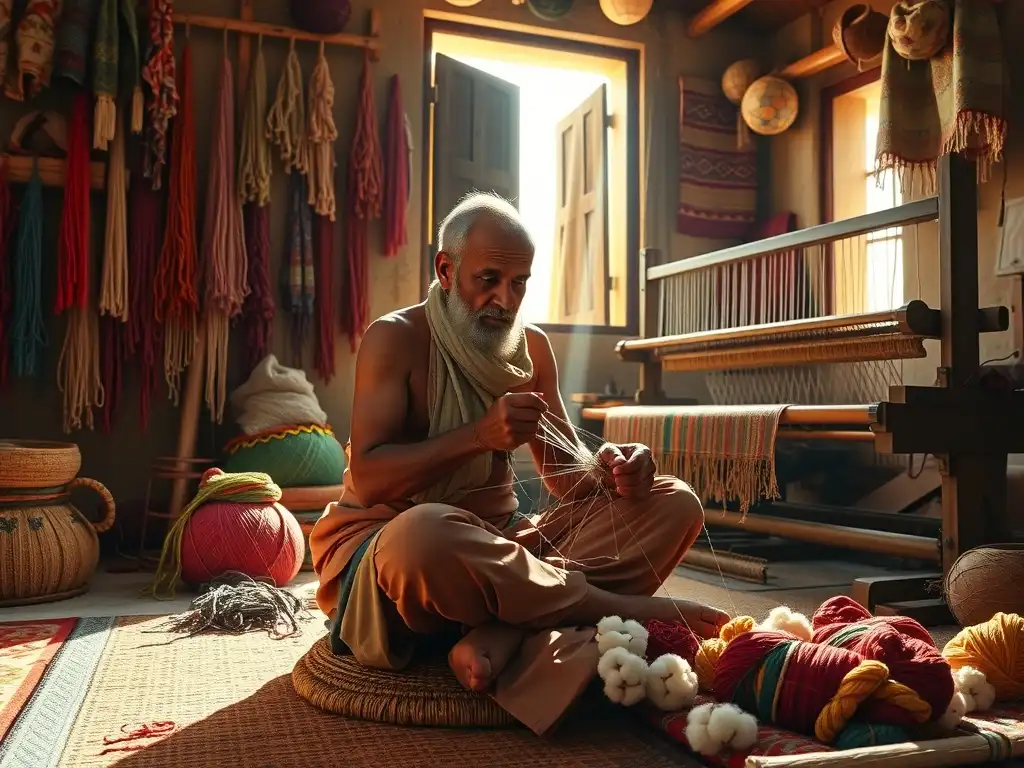
Welcome to Ancient India History, where we embark on a fascinating journey through time to uncover the rich tapestry of ancient Indian civilizations. In our featured article, “Techniques of the Past: Ancient Methods of Spinning and Weaving,” we delve into the intricate world of ancient Indian spinning and weaving, exploring the innovative techniques that shaped the fabric of society. Join us as we unravel the stories woven into each thread, revealing how these age-old practices not only defined fashion but also played a pivotal role in the culture and economy of their time.
Curious to learn how these methods continue to influence modern textiles? Dive deeper and discover the hidden legacies of our past!
Introduction to Ancient Indian Spinning and Weaving
The art of spinning and weaving has played a pivotal role in the cultural and economic landscape of ancient India. From the intricate patterns of the Indus Valley civilization to the sophisticated techniques employed during the Gupta Empire, ancient Indian spinning and weaving reflect a rich tapestry of tradition, innovation, and craftsmanship.
These practices not only served utilitarian purposes but also became an essential medium of artistic expression and cultural identity. As we delve into the ancient methods of textile production, we uncover the profound knowledge and skills that have been passed down through generations, shaping the very fabric of Indian society.
The Historical Context of Spinning and Weaving in Ancient India
Spinning and weaving in ancient India trace back to prehistoric times, with archaeological evidence suggesting that these practices were integral to daily life and trade.
- Indus Valley Civilization (c. 3300–1300 BCE): The earliest known evidence of spinning and weaving comes from the Indus Valley, where remnants of cotton textiles have been discovered. The people of this civilization utilized advanced techniques, such as:
- Use of the spindle whorl for spinning
- Looms for weaving intricate patterns
- Vedic Period (c. 1500–500 BCE): The Vedic texts mention various textiles and fabrics, indicating that spinning and weaving were not only practical skills but also held cultural significance. The term "vastra," meaning cloth, appears frequently, highlighting the importance of textiles in rituals and daily life.
- Mauryan Empire (c. 322–185 BCE): During this period, spinning and weaving became more sophisticated, with advancements in dyeing and finishing techniques. The Mauryan emperor Ashoka promoted the use of textiles in trade, further integrating these practices into the economy.
- Gupta Empire (c. 240–550 CE): The Gupta period is often referred to as the Golden Age of India, and textile production flourished. Innovations in spinning and weaving techniques led to the creation of luxurious fabrics, such as silk and finely woven cotton.
These historical epochs illustrate how ancient Indian spinning and weaving evolved while reflecting the socio-economic contexts of their times.
Materials Used in Ancient Indian Spinning and Weaving
The selection of materials was crucial in the development of ancient Indian textiles. The most common materials included:
- Cotton:
- Widely cultivated in ancient India, cotton was the primary fiber used for spinning.
- The spinning wheel, or "charkha," became a symbol of Indian independence and craftsmanship.
- Silk:
- Imported from China, silk became popular among the elite during the Mauryan and Gupta periods.
- Techniques like sericulture (silk farming) emerged, leading to the production of exquisite silk fabrics.
- Wool:
- Used primarily in the northwestern regions, wool was spun into yarn for making warm clothing.
- It was commonly dyed using natural dyes derived from plants and minerals.
- Linen:
- Although less common, linen was made from flax and used for lighter fabrics.
- Dyes:
- Natural dyes from plants and insects were employed to color textiles, creating vibrant patterns and motifs.
The combination of these materials and techniques resulted in a diverse array of textiles, each telling a story of the culture and heritage of ancient India.
The exploration of ancient Indian spinning and weaving not only highlights the technical prowess of these civilizations but also their enduring influence on modern textile practices.
Ancient Indian Spinning Techniques
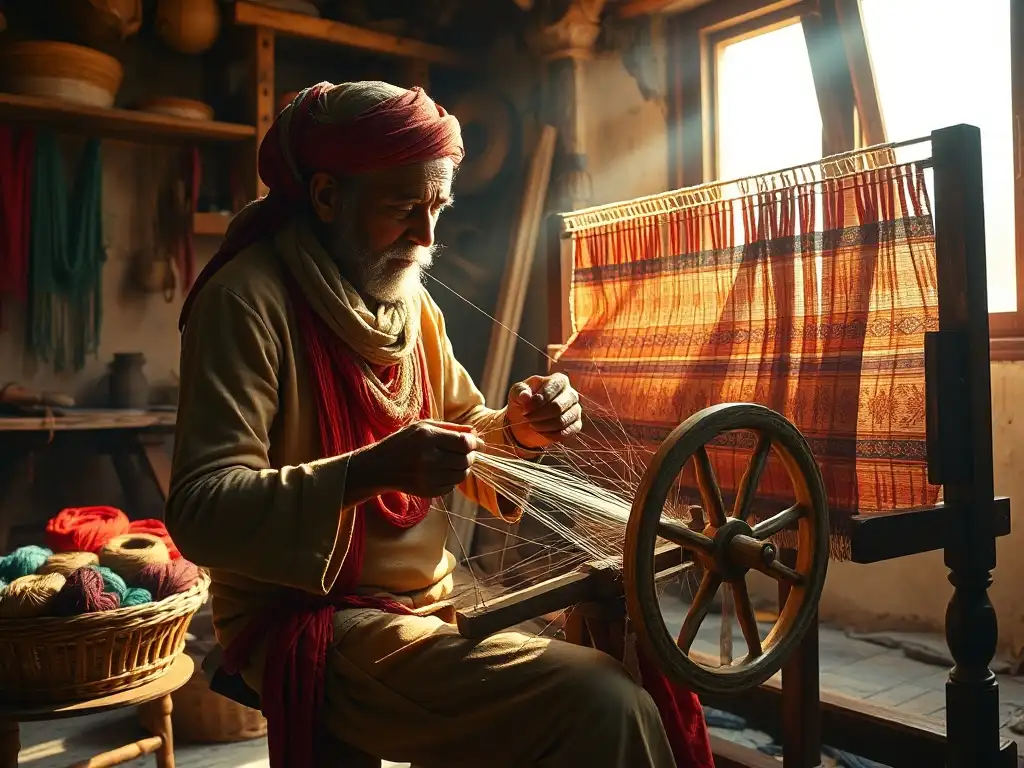
Ancient Indian spinning techniques played a crucial role in the textile industry, serving as the foundation for the production of various fabrics. The primary tool for spinning was the charka, a hand-operated spinning wheel that allowed artisans to convert raw fibers into threads. Cotton and wool were the most commonly used materials, with cotton being particularly significant due to its abundance in the Indian subcontinent.
The spinning process typically involved several steps:
- Preparation of Fibers: Raw cotton was cleaned and carded to separate the fibers, making them easier to spin.
- Spinning: Using the charka, artisans would twist the fibers into a continuous thread. This method required skill and practice to achieve the desired thickness and strength.
- Plying: After spinning, the single threads were often plied together to create thicker yarns. This enhanced the durability of the final product.
The spinning techniques were passed down through generations, with each region developing its unique styles and traditions. Additionally, spinning was often a communal activity, with groups of women gathering to spin while socializing, thus preserving cultural practices alongside textile production.
Ancient Indian Weaving Techniques
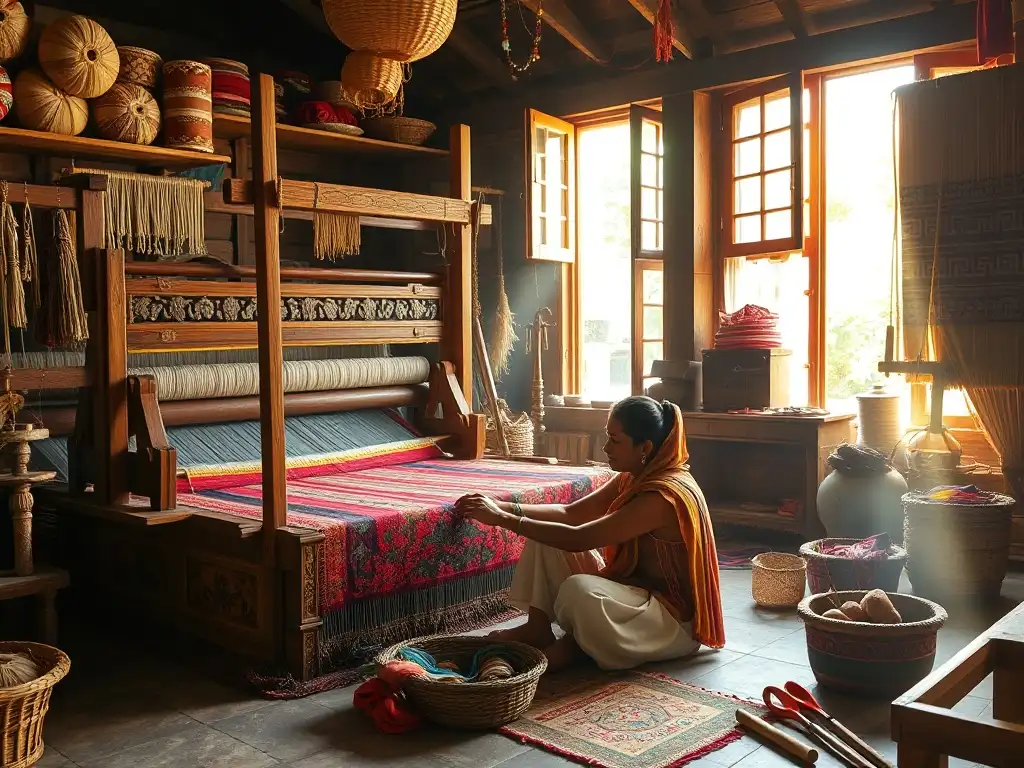
Weaving in ancient India was a highly developed craft, with techniques that varied significantly across regions. The primary method of weaving was done on the loom, which could be either horizontal or vertical. The most common type of loom used was the pit loom, where the weaver sat at a pit to operate the loom, allowing for greater control and precision.
Key aspects of ancient Indian weaving techniques include:
- Plain Weaving: This fundamental technique involved interlacing two sets of threads—warp and weft—at right angles to create a basic fabric structure. It was the basis for various fabric types, including cotton and silk.
- Jacquard Weaving: More advanced techniques included the use of decorative patterns woven into the fabric, often seen in textiles from regions like Bengal and Gujarat. These intricate designs reflected the rich cultural symbolism of the area.
- Dyeing and Printing: Before weaving, fibers were often dyed using natural dyes derived from plants, minerals, and insects. This practice not only added color but also enhanced the aesthetic appeal of the final product. Techniques such as block printing were also employed to create elaborate patterns.
The mastery of weaving techniques led to the creation of some of the most exquisite textiles in history, such as Banarasi silk, Kanchipuram silk, and Khadi, each representing the cultural heritage of its region.
Regional Variations in Spinning and Weaving Practices
India's vast geography and diverse cultural heritage have resulted in significant regional variations in spinning and weaving practices. Each area developed distinctive styles, materials, and techniques that reflect the local environment and traditions.
- North India: Regions like Punjab and Haryana are known for their cotton textiles, with a focus on vibrant colors and intricate embroidery. The Phulkari technique, characterized by floral patterns, is a notable example from this area.
- East India: Bengal is renowned for its weaving techniques, particularly Tant and Baluchari sarees, which feature fine weaves and detailed motifs inspired by local folklore and mythology.
- South India: The southern states excel in silk weaving, particularly Kanchipuram sarees, famous for their rich colors and temple designs. The traditional Ilkal sarees showcase unique weaving methods that use a combination of cotton and silk.
- West India: Gujarat and Maharashtra are prominent for their use of tie-dye techniques, known as Bandhani, and intricate embroidery styles like Kutch work. The textiles from this region often incorporate mirror work and bright colors.
These regional practices not only highlight the diversity of ancient Indian spinning and weaving but also underscore the cultural significance of textiles in social and ceremonial contexts. Each piece of fabric tells a story, reflecting the heritage and artistry of its creators.
Cultural Significance of Ancient Indian Textiles
Ancient Indian textiles are not merely fabric; they are vibrant tapestries woven with cultural heritage and significance. Dating back to the Indus Valley Civilization, textiles played a pivotal role in daily life, trade, and social status. The intricate designs and patterns found in ancient fabrics often reflected the beliefs, rituals, and customs of the people who created them.
Textiles served as an important medium for storytelling. For instance, the famous Panchatantra tales were sometimes depicted through elaborate textile designs, conveying moral lessons through visual art. Colors and motifs held symbolic meanings, with certain hues representing prosperity, fertility, or spirituality. The use of natural dyes from plants and minerals not only showcased the artisans' skills but also their deep connection to nature.
Additionally, textiles were inherently linked to the economy of ancient India. The flourishing trade routes, such as the Silk Road, facilitated the exchange of Indian textiles with other cultures, enhancing their value and influence. The demand for Indian cotton, silk, and wool in foreign markets underscored the prominence of these textiles in global trade networks, establishing ancient India as a hub of textile production.
Preservation of Ancient Techniques in Modern Times
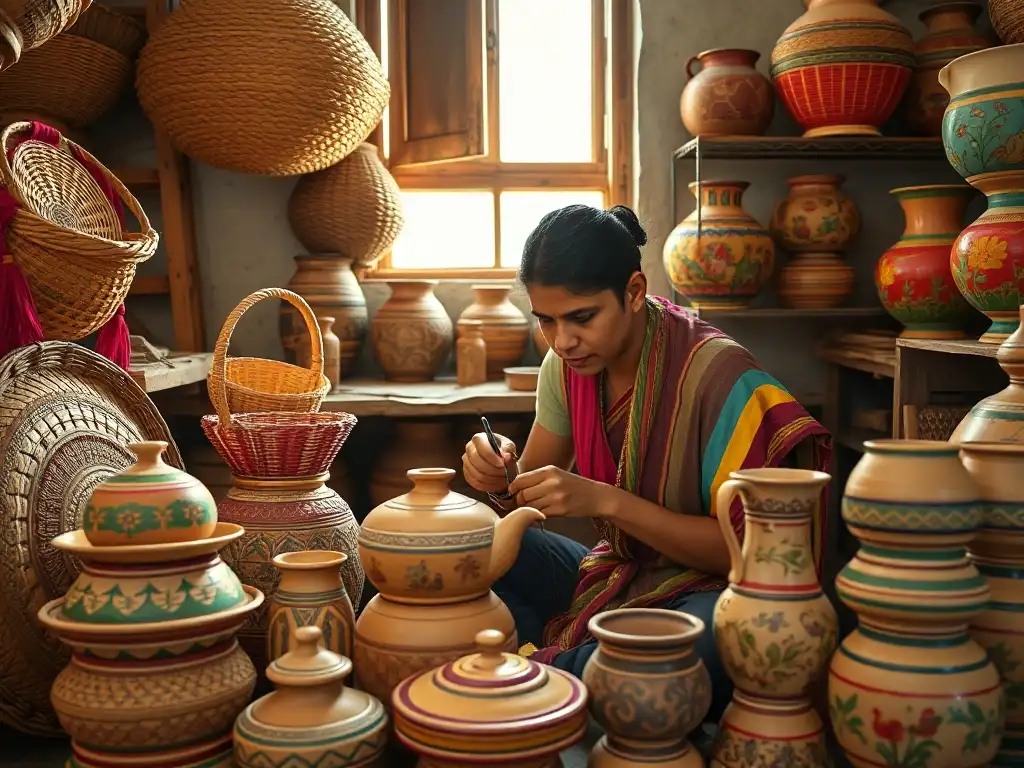
In contemporary India, there is a renewed interest in preserving ancient spinning and weaving techniques, as artisans and craftsmen strive to keep traditional practices alive amidst modern industrialization. Various organizations and NGOs are dedicated to reviving and promoting these ancient methods, ensuring that the skills passed down through generations continue to thrive.
One notable initiative is the promotion of handloom weaving, which not only supports local economies but also embodies sustainable practices. Handloom textiles are made using techniques that require less energy and fewer synthetic materials compared to mass-produced fabrics. This eco-friendly approach resonates with modern consumers who are increasingly aware of the environmental impact of their choices.
Moreover, educational programs and workshops are being established to train new generations of artisans in traditional techniques, such as spinning with the charkha (spinning wheel) and weaving on traditional looms. These initiatives not only safeguard the heritage of ancient Indian spinning and weaving but also empower artisans economically and socially.
The fusion of ancient techniques with contemporary design aesthetics has led to a resurgence of interest in traditional textiles. Many fashion designers today are incorporating handwoven fabrics into their collections, highlighting the beauty and craftsmanship of ancient techniques while making them relevant in the modern fashion landscape.
Conclusion: The Legacy of Ancient Indian Spinning and Weaving
The legacy of ancient Indian spinning and weaving is a testament to the creativity, skill, and cultural richness of Indian civilization. These techniques have not only shaped the fabric of Indian society but have also contributed significantly to the global textile landscape. The intricate craftsmanship and vibrant heritage of ancient textiles continue to inspire artists, designers, and enthusiasts worldwide.
As we look to the future, it is essential to recognize the value of preserving these traditional methods. By supporting artisans and advocating for sustainable practices, we can ensure that the legacy of ancient Indian spinning and weaving endures. This preservation is not just about maintaining a craft; it is about honoring the stories, traditions, and identities that these textiles represent. In a world that increasingly embraces fast fashion, the slow, thoughtful process of hand-spinning and weaving serves as a reminder of the beauty found in tradition and the importance of cultural heritage.
Call to Action
As we journey through the fascinating world of ancient Indian spinning and weaving, it's essential to recognize the profound impact these traditional techniques have had on our modern textile practices. The intricate artistry and skill involved in creating textiles from natural fibers not only showcase the ingenuity of ancient civilizations but also highlight the cultural heritage that continues to influence contemporary designers.
We invite you to delve deeper into the realm of traditional Indian textiles by exploring local artisans, visiting exhibitions, or participating in workshops that celebrate these age-old techniques. Whether you are a textile enthusiast, a fashion designer, or simply someone interested in history, there is much to learn and appreciate about the craftsmanship that has been passed down through generations.
Join us in preserving this rich legacy by supporting sustainable practices in the textile industry. By choosing handmade and ethically sourced products, you contribute to the continuity of these ancient arts and support the livelihoods of artisans who keep these traditions alive.
Let's honor the past and embrace the future of textiles by sharing knowledge, stories, and techniques that have shaped the fabric of our culture. Explore, engage, and become part of the vibrant tapestry of ancient Indian spinning and weaving!
- Introduction to Ancient Indian Spinning and Weaving
- The Historical Context of Spinning and Weaving in Ancient India
- Materials Used in Ancient Indian Spinning and Weaving
- Ancient Indian Spinning Techniques
- Ancient Indian Weaving Techniques
- Regional Variations in Spinning and Weaving Practices
- Cultural Significance of Ancient Indian Textiles
- Preservation of Ancient Techniques in Modern Times
- Conclusion: The Legacy of Ancient Indian Spinning and Weaving
- Call to Action
Frequently Asked Questions
What were some common spinning techniques in ancient India?
Ancient Indian civilizations utilized spinning wheels and hand-spinning methods, primarily to produce cotton and silk textiles, which were highly valued in trade.
How did weaving methods evolve in ancient India?
Weaving methods evolved from simple loom techniques to more complex styles, incorporating intricate patterns and designs that showcased local artistic traditions and cultural significance.
What materials were primarily used in ancient Indian textiles?
The primary materials used in ancient Indian textiles included cotton, silk, and wool, each playing a crucial role in the economy and culture of various regions.
How did the Gupta Empire influence spinning and weaving?
The Gupta Empire significantly advanced textile production through innovation and trade, leading to an increased demand for fine fabrics and the establishment of skilled artisan communities.
What is the significance of ancient Indian textiles in today's world?
Ancient Indian textiles not only reflect the cultural heritage of the region but also influence modern fashion and design, highlighting the timeless beauty of traditional craftsmanship.
Final Reflection: Embracing the Threads of History
The techniques of ancient Indian spinning and weaving are not just relics of the past; they are vibrant threads that weave through our present and future. In an era where fast fashion dominates, the sustainable practices and intricate artistry of ancient methods remind us of the value of craftsmanship and the stories each fabric holds. The revival of these techniques is not merely a nostalgic nod to history but a powerful movement toward sustainability and cultural preservation.
The influence of ancient Indian spinning and weaving extends far beyond textiles; it shapes our cultural identity and fosters a sense of community. As we embrace these time-honored practices, we find ourselves connected to generations of artisans who poured their heart and soul into their craft. The beauty of weaving is that it brings together threads of different colors, much like the diverse stories of our lives.
This ongoing dialogue between the past and present encourages us to appreciate the artistry and cultural significance behind what we wear, fostering a deeper connection to our heritage.
As you reflect on the techniques explored in this article, consider how you can incorporate the lessons of ancient Indian spinning and weaving into your own life. Challenge yourself to seek out sustainable practices, support local artisans, and appreciate the stories behind the fabrics you choose. By doing so, you not only honor the legacy of those who came before us but also contribute to a more sustainable and culturally rich future. Let us all become weavers of change, intertwining the wisdom of the past with the possibilities of tomorrow.
Unveil the Craftsmanship of Ancient Spinning and Weaving!
Thank you for immersing yourself in the fascinating world of ancient spinning and weaving techniques! We hope you feel inspired by the rich heritage and intricate craftsmanship that these methods represent. Now, it’s time to take your interest a step further.
Here are a few ways to deepen your exploration:
- Dive into a hands-on workshop: Find a local community class or online tutorial to learn ancient weaving or spinning techniques yourself.
- Explore the heritage: Visit a museum or cultural center that showcases traditional textiles and crafts from various cultures.
- Share your journey: Connect with fellow enthusiasts by posting pictures or stories of your experiences on social media or dedicated crafting forums.
Are you ready to connect with the ancient artistry that has shaped cultures for millennia? What unique spinning or weaving techniques are you excited to try first?