
How the Ramayana Shaped Moral Values and Ethics in India


Welcome to Ancient India History, where we embark on a fascinating journey through time to unveil the rich tapestry of ancient Indian civilizations. In our feature article, we'll delve into the profound influence of the Ramayana on Indian ethics, exploring how this epic masterpiece has shaped moral values and guided generations. Are you curious about the timeless lessons embedded within its verses and their relevance today? Join us as we uncover the ethical foundations that continue to resonate throughout modern Indian society, inviting you to explore the depths of our shared heritage!
- Introduction to the Ramayana and Its Significance
- Understanding the Moral Values in the Ramayana
- The Ramayana's Influence on Indian Ethics
- Case Studies: The Ramayana's Ethical Teachings in Action
- The Ramayana's Role in Cultural and Social Values
- Contemporary Relevance of Ramayana's Moral Teachings
- Conclusion: The Enduring Legacy of Ramayana on Indian Ethics
-
Frequently Asked Questions
- What is the Ramayana and its significance in Indian culture?
- How has the Ramayana influenced Indian ethics?
- What are the main moral lessons derived from the Ramayana?
- How does the Ramayana compare to other ancient texts in shaping ethics?
- In what ways is the Ramayana relevant to modern Indian society?
- Final Reflection: The Enduring Influence of the Ramayana on Indian Ethics
- Unveil the Moral Wisdom of the Ramayana!
Introduction to the Ramayana and Its Significance
The Ramayana, one of the two great epics of ancient India, is not merely a tale of adventure; it is a profound narrative that has significantly shaped the moral values and ethics of Indian society. Attributed to the sage Valmiki, this epic chronicles the life of Lord Rama, his wife Sita, and his loyal companion Hanuman, weaving intricate stories that reflect the virtues of duty, honor, and righteousness.
As we explore the impact of the Ramayana on Indian ethics, it becomes evident how this ancient text transcends time, influencing not only personal conduct but also societal norms and governance. The teachings embedded within this epic continue to resonate with contemporary values, illustrating the timeless relevance of its moral lessons.
Overview of the Ramayana as Epic Literature
The Ramayana is a cornerstone of epic literature, comprising approximately 24,000 verses divided into seven books, known as Kandas. This literary masterpiece is celebrated for its rich narrative style, poetic elegance, and profound character development.
Key features of the Ramayana include:
- Cultural Significance: The Ramayana is not just a story; it encapsulates the cultural ethos of ancient India, portraying the ideals of dharma (righteousness) and the moral dilemmas faced by its characters.
- Character Archetypes: The epic introduces archetypal figures such as Rama, the ideal man; Sita, the epitome of virtue; and Ravana, the embodiment of evil. These characters serve as moral compasses for readers and followers.
- Philosophical Depth: The narrative is interspersed with philosophical discourses, offering insights into human nature, ethics, and societal duties.
Through its intricate storytelling and profound moral teachings, the Ramayana has established itself as a pivotal text that not only entertains but also educates its audience about the complexities of human values.
The Role of the Ramayana in Ancient Indian Society
In ancient Indian society, the Ramayana played a crucial role in shaping social values, ethics, and norms. Its teachings were not confined to literature; they permeated various aspects of daily life, governance, and interpersonal relationships.
- Moral Framework: The Ramayana provided a moral framework that guided individuals in their personal and social conduct. The principles of truth, loyalty, and sacrifice depicted in the epic became benchmarks for ethical behavior.
- Influence on Governance: Rulers and leaders often drew inspiration from the Ramayana, using its teachings to formulate policies and make decisions that aligned with dharma. The character of Rama, often regarded as the ideal king, set a standard for leadership and justice.
- Cultural Practices: The narratives and characters of the Ramayana have influenced various cultural practices, including festivals, dance, and drama, reinforcing its moral teachings within the fabric of society.
The Ramayana is more than a literary work; it is a cultural artifact that has left an indelible mark on the ethical landscape of India, guiding generations in their quest for righteousness and moral integrity.
Understanding the Moral Values in the Ramayana
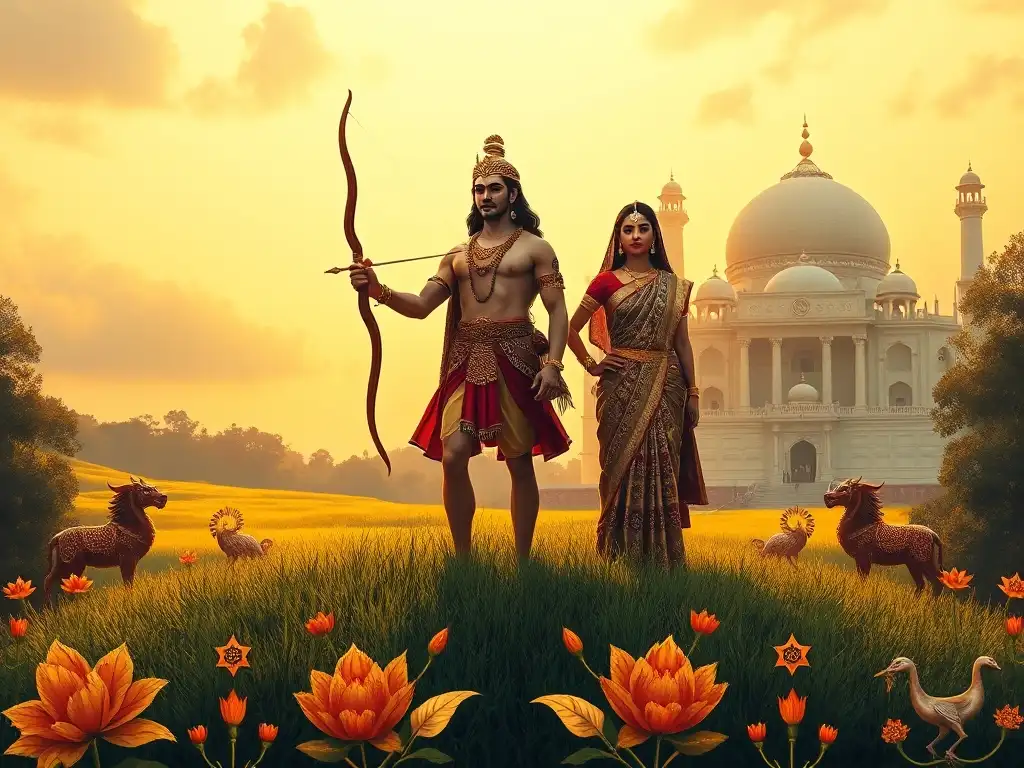
The Ramayana, one of the two great epics of ancient India, serves as a profound source of moral teachings and ethical guidance. Its narratives encapsulate the complexities of human behavior, illustrating how virtues like truth, righteousness, and duty (dharma) are not just ideals, but practical necessities for societal harmony. The epic’s portrayal of characters and their choices provides a framework for understanding the moral fabric of Indian culture and the lasting impact of the Ramayana influence on Indian ethics.
Key Themes of Morality in the Ramayana
The Ramayana is rich with themes that highlight moral values crucial to Indian society. Some of the most significant themes include:
- Righteousness (Dharma): Central to the epic is the concept of dharma, which refers to the moral law that governs individual conduct. Rama, the protagonist, embodies the ideal of dharma, making choices that reflect duty over personal desires.
- Truthfulness (Satya): The Ramayana emphasizes the importance of truth. Characters like Rama and Sita exemplify unwavering commitment to honesty, showcasing that truth leads to moral clarity and justice.
- Compassion and Forgiveness: The story reflects on the human capacity for compassion, as seen in the relationships between characters. It illustrates that forgiveness is a powerful moral tool that fosters reconciliation and peace.
- Loyalty and Devotion: The bond between Rama and his brother Lakshmana highlights loyalty as a cornerstone of ethical conduct. Their devotion to each other and to their father’s wishes demonstrates the importance of familial loyalty in moral decision-making.
These themes intertwine to create a narrative that is not only engaging but also instructive, making the Ramayana a timeless moral guide for generations.
Ethical Dilemmas Faced by Characters
Throughout the Ramayana, characters encounter complex ethical dilemmas that challenge their values and beliefs. These situations often require them to choose between conflicting duties and personal desires, emphasizing the nuanced nature of morality. Some notable dilemmas include:
- Rama's Exile: Rama's acceptance of his exile to uphold his father's promise poses a profound ethical question about loyalty to family versus personal happiness. His decision highlights the sacrifices required to maintain dharma.
- Sita's Abduction: Sita's captivity by Ravana raises questions about agency and virtue in the face of adversity. Her resilience and dignity in a helpless situation serve as a lesson in maintaining integrity under duress.
- Lakshmana's Duties: Lakshmana faces a dilemma when he must choose between his loyalty to Rama and the welfare of Sita. His ultimate decision to protect Sita underscores that ethical decisions often involve prioritizing duties based on context.
- Bharata's Struggle: Bharata's refusal to accept the throne in Rama's absence exemplifies the conflict between ambition and duty. His actions reflect the moral complexities of leadership and the sacrifices made for familial loyalty.
These dilemmas provide a reflective lens through which readers can examine their own ethical challenges, reinforcing the relevance of the Ramayana's teachings in contemporary society.
Lessons on Duty (Dharma) from the Ramayana
The Ramayana articulates profound lessons on duty (dharma) that resonate deeply within Indian culture. These lessons emphasize that duty is paramount and must often be prioritized over personal desires. Key lessons include:
- The Primacy of Duty: Rama’s unwavering commitment to his dharma, even at great personal cost, teaches that fulfilling one’s responsibilities is essential for societal stability and personal honor.
- Contextual Ethics: The epic illustrates that ethical decisions are often context-dependent. Characters must navigate their duties based on the circumstances, highlighting the need for discernment and wisdom in moral judgments.
- Collective Responsibility: The Ramayana conveys that dharma extends beyond individual obligations to include responsibilities toward family, community, and society at large. This interconnectedness fosters a sense of shared ethical commitment.
- Moral Leadership: The characters exemplify various forms of leadership rooted in ethical conduct. Rama's righteous rule serves as a model for just governance, reinforcing the idea that leaders must embody moral values to inspire others.
Through these lessons, the Ramayana not only shapes individual ethics but also influences the broader moral landscape of Indian society. Its teachings continue to inspire dialogues about duty, ethics, and the responsibilities inherent in human relationships, underscoring the enduring Ramayana influence on Indian ethics.
The Ramayana's Influence on Indian Ethics
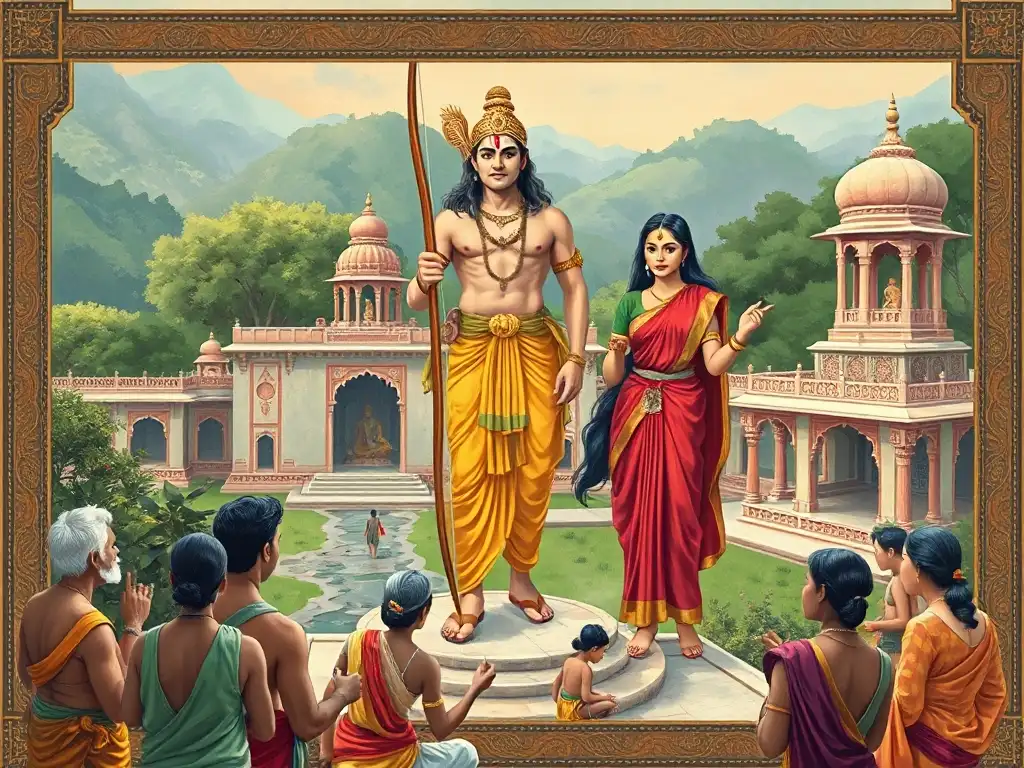
The Ramayana, one of the two great epics of ancient India, serves not just as a captivating narrative but also as a profound source of moral guidance and ethical standards. Its influence on Indian ethics is pervasive, shaping societal norms and values over millennia. The teachings of the epic resonate deeply within the Indian cultural psyche, often cited as a reference point for virtuous conduct and moral dilemmas.
How the Ramayana Shaped Ethical Norms in Ancient India
The Ramayana provides a framework for understanding and embodying virtues such as dharma (righteousness), karma (action), and moksha (liberation). The characters in the epic personify these values, showcasing their applications in real-life situations. For instance:
- Rama: As the protagonist, he exemplifies the ideal king and husband, demonstrating unwavering commitment to truth and duty. His decision to banish Sita, despite her innocence, underscores the complexities of dharma, highlighting the balance between personal and societal responsibilities.
- Sita: The epitome of virtue and fidelity, Sita's trials reflect the strength of character and resilience in adversity. Her unwavering loyalty to Rama serves as a touchstone for personal integrity and ethical conduct.
- Hanuman: Representing devotion and selfless service, Hanuman's role emphasizes the importance of loyalty and courage, inspiring individuals to act for the greater good.
The ethical dilemmas faced by these characters illustrate the nuanced understanding of morality in ancient Indian society. The teachings of the Ramayana have thus been instrumental in establishing ethical norms that guide personal conduct and societal expectations.
The Impact of Ramayana Teachings on Modern Indian Ethics
The influence of the Ramayana extends beyond ancient India into modern times. Its teachings continue to resonate within contemporary Indian society, shaping moral values and ethical considerations. Key aspects include:
- Civic Responsibility: The concept of dharma in the Ramayana fosters a sense of civic duty, emphasizing the importance of contributing positively to society. This ideology encourages active participation in community service and governance.
- Gender Roles: While the portrayal of gender roles in the Ramayana can be contentious, it has also sparked discussions about women's empowerment and respect in modern contexts. The character of Sita, while traditional, serves as a symbol for the strength and resilience of women.
- Conflict Resolution: The moral lessons derived from the epic provide guidance on resolving conflicts through dialogue and understanding, promoting peace and harmony in diverse communities.
The Ramayana, thus, plays a pivotal role in shaping the ethical landscape of contemporary India, influencing how individuals navigate moral challenges in their daily lives.
Comparison of Ramayana Ethics with Other Ancient Texts
When comparing the ethical teachings of the Ramayana with other ancient texts, such as the Mahabharata and various philosophical works like the Bhagavad Gita, several distinctions and similarities emerge:
| Aspect | Ramayana Ethics | Mahabharata Ethics | Bhagavad Gita Ethics |
|---|---|---|---|
| Focus | Ideal character portrayals | Complex moral dilemmas | Duty and righteousness (dharma) |
| Characterization of Dharma | Clear and straightforward | Ambiguous and situational | Contextual and philosophical |
| Treatment of Women | Traditional, yet resilient | Varied, with strong female characters | Emphasis on individual duty |
| Resolution of Conflicts | Emphasizes peace and reconciliation | Often leads to war | Encourages inner peace and duty |
The Ramayana stands out for its clear depiction of virtues and the straightforward nature of its ethical teachings. In contrast, the Mahabharata presents a more complex view of morality, where characters often face difficult choices with no clear right or wrong. The Bhagavad Gita adds a philosophical dimension, focusing on the individual's duty in relation to the universe.
The Ramayana has profoundly influenced Indian ethics, shaping moral values that continue to resonate today. Its teachings provide timeless guidance, fostering a rich ethical framework that remains relevant across generations.
Case Studies: The Ramayana's Ethical Teachings in Action
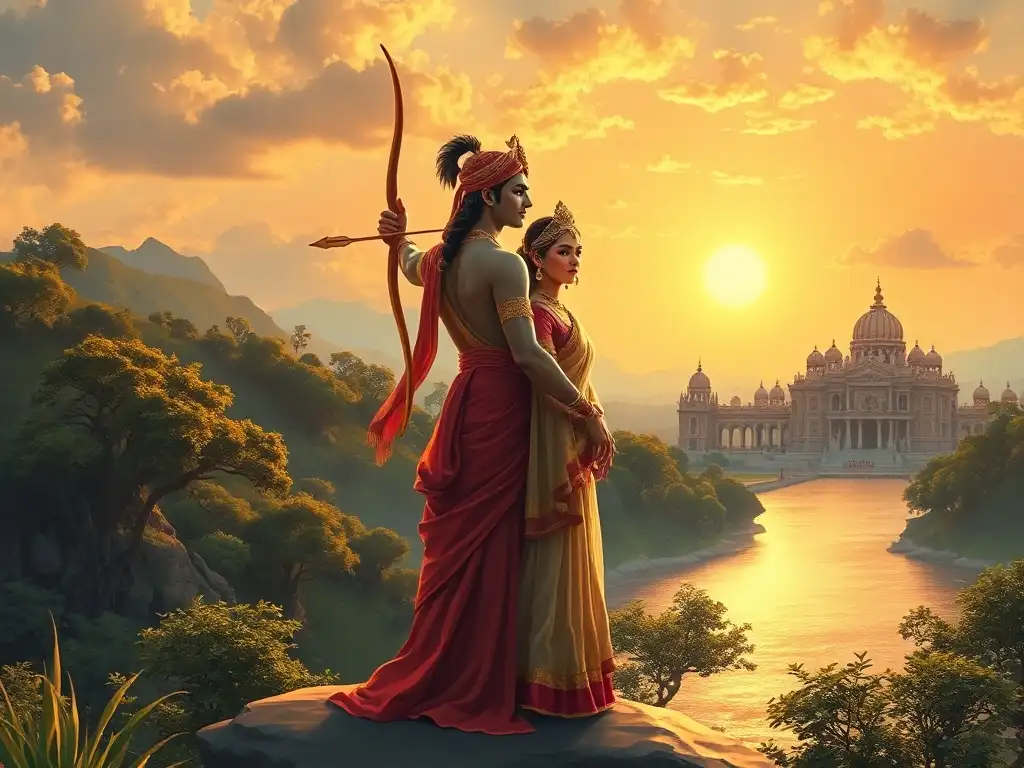
Examples from the Ramayana Illustrating Moral Decisions
The Ramayana, an epic that serves as a cornerstone of Indian literature, is rich in moral teachings and ethical dilemmas that illustrate the complexities of human behavior. Several key episodes within the narrative present profound examples of moral decisions that resonate with the values of Indian society. Here are a few notable instances:
- Rama's Exile:
- In a pivotal moment of the story, Rama accepts his father's order to go into exile for 14 years, despite being the rightful heir to the throne. This act exemplifies dharma (duty) and adherence to familial loyalty. Rama’s decision reflects his commitment to honor his father's wishes over his personal aspirations, showcasing the importance placed on duty in Indian ethics.
- Sita's Abduction:
- Sita's kidnapping by Ravana raises critical questions about the role of women and fidelity. Sita stands as a paragon of virtue, remaining steadfastly loyal to Rama despite her circumstances. Her choices reflect the societal expectations of women in ancient India, emphasizing the virtues of purity and loyalty.
- Hanuman's Devotion:
- Hanuman's unwavering devotion to Rama is a powerful example of loyalty and service. His decision to leap across the ocean to reach Sita in Lanka not only showcases bravery but also highlights the ethical responsibility of helping others in their time of need. This act of self-sacrifice and dedication illustrates the ideals of friendship and duty.
- Bharata's Sacrifice:
- Bharata, Rama's brother, exemplifies moral integrity when he refuses to take the throne for himself. Instead, he opts to place Rama’s sandals on the throne, ruling as a caretaker until Rama’s return. This action underscores the values of loyalty, selflessness, and respect for one's elder brother, thus reinforcing the ethical foundations upon which Indian society is built.
These examples from the Ramayana serve not only as narrative devices but also as moral guides, reflecting the ethical dilemmas faced by individuals and the resolutions that align with the overarching principles of dharma.
Analysis of Key Characters and Their Ethical Choices
The characters in the Ramayana are not mere figures in a story; they embody various ethical values and serve as role models for moral behavior. Each character's choices demonstrate the complexities of ethics and provide insights into the human condition. Here’s an analysis of some key figures:
- Rama:
- Ethical Foundation: Rama represents the ideal man ( Maryada Purushottama). His decisions are consistently guided by principles of righteousness and duty. His acceptance of exile is a profound demonstration of his commitment to ethical conduct, prioritizing his father's orders over personal desire.
- Moral Complexity: Despite his virtuous nature, Rama's decision to banish Sita upon her return from captivity raises questions about justice and trust. This act, while aligned with societal norms of the time, invites readers to explore the limits of ethical behavior in the face of public perception.
- Sita:
- Embodiment of Virtue: Sita’s character is a symbol of purity and devotion. Her trials in Lanka and her ultimate choice to undergo the Agni Pariksha (trial by fire) reflect her commitment to proving her chastity and moral integrity. Sita’s choices emphasize the societal expectations placed on women and their roles in upholding family honor.
- Strength in Vulnerability: Despite her circumstances, Sita’s resilience and unwavering loyalty to Rama highlight the strength found in virtue, offering a complex view of gender roles within the ethical framework of the epic.
- Ravana:
- Moral Antagonist: As the primary antagonist, Ravana’s character embodies unchecked ambition and desire. His abduction of Sita, while driven by passion, serves as a cautionary tale against the perils of moral transgressions. Ravana’s choices reflect the darker aspects of human nature, emphasizing the consequences of unethical behavior.
- Cultural Complexity: Despite his villainy, Ravana is also depicted as a learned king with noble qualities, such as his devotion to Shiva and his intellect. This duality prompts a deeper reflection on the nature of good and evil, challenging readers to consider the ethical complexities within individuals.
- Hanuman:
- Ideal Devotee: Hanuman’s unwavering loyalty to Rama exemplifies the virtues of devotion and selflessness. His actions, from leaping to Lanka to delivering Rama's messages, highlight the ethical responsibility of serving others and acting on behalf of those in need.
- Moral Heroism: Hanuman’s courage and readiness to sacrifice for his friends position him as a moral hero in the Ramayana, encouraging readers to embrace similar virtues of loyalty and service in their own lives.
Through these characters and their ethical choices, the Ramayana provides a rich tapestry of moral lessons that continue to influence Indian culture and ethics today. Each character’s journey invites readers to reflect on their own lives, encouraging the pursuit of righteousness, virtue, and integrity in the face of life's challenges.
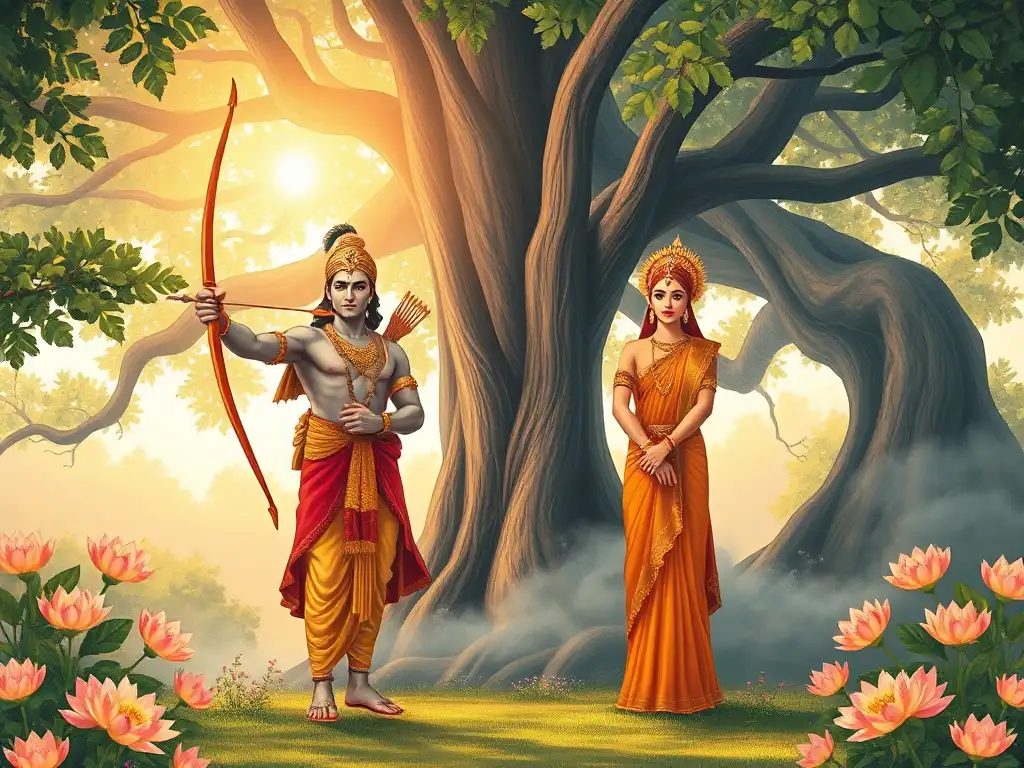
The Ramayana, one of the two great Indian epics, is not merely a story of heroism and adventure; it serves as a foundational text that has profoundly influenced moral values and ethics in India. Its teachings permeate various aspects of Indian culture, shaping the social fabric and providing guidelines for personal conduct and societal responsibilities. This epic illustrates the ideals of dharma (duty/righteousness) through its characters, particularly Rama, Sita, and Lakshmana, who embody the values that have guided generations.
Influence on Family Dynamics and Relationships
The Ramayana places significant emphasis on family values, portraying the importance of duty and loyalty within familial relationships. This epic illustrates various dimensions of family dynamics, which have left a lasting imprint on Indian society.
- Ideal Relationships: The relationship between Rama and Sita exemplifies the ideal partnership based on mutual respect, love, and sacrifice. Rama's unwavering loyalty to Sita, especially during her exile, underscores the value of fidelity and commitment in marriage.
- Parent-Child Responsibilities: The bond between King Dasharatha and his sons highlights the duties that parents have towards their children and vice versa. The sacrifices made by Rama to uphold his father's honor illustrate the deep-rooted sense of duty that is expected within family structures.
- Brotherhood and Sacrifice: The fraternal bond between Rama and Lakshmana emphasizes loyalty and camaraderie. Lakshmana's decision to accompany Rama into exile reflects the importance of supporting family members in times of need. This theme resonates with the concept of brotherhood in Indian culture, where supporting one another is seen as a moral obligation.
In essence, the Ramayana serves as a guide to nurturing healthy family relationships, emphasizing responsibility, love, and sacrifice as cornerstones of family life.
Ramayana's Contribution to Civic Values and Governance
The Ramayana extends its influence beyond familial relationships, impacting civic values and principles of governance. The epic offers profound insights into leadership, justice, and the role of the ruler, which have shaped political thought in ancient and modern India.
- Principles of Righteous Leadership: Rama is often regarded as the ideal king, or "Maryada Purushottama," symbolizing virtuous leadership. His adherence to dharma in governance emphasizes the necessity for rulers to uphold justice, integrity, and moral rectitude. This ideal has been used as a benchmark for leaders throughout history.
- Justice and Fairness: The Ramayana illustrates the importance of justice, as seen in how Rama addresses grievances and ensures fairness for all subjects. His decision to banish Sita, despite her innocence, reflects the complex interplay of duty and justice, instilling the belief that a ruler must prioritize the welfare of the kingdom above personal relationships.
- Social Responsibility: The epic teaches that governance is not merely a political duty but a moral responsibility. Leaders are expected to act for the greater good, embodying virtues that inspire their subjects. This notion has influenced various dynasties in India, promoting the idea that ethical governance directly correlates with societal well-being.
The Ramayana's influence on Indian ethics is profound and multifaceted. Through its exploration of family dynamics and principles of governance, it offers timeless lessons that continue to resonate within Indian society, shaping moral values and ethical conduct across generations.
Contemporary Relevance of Ramayana's Moral Teachings
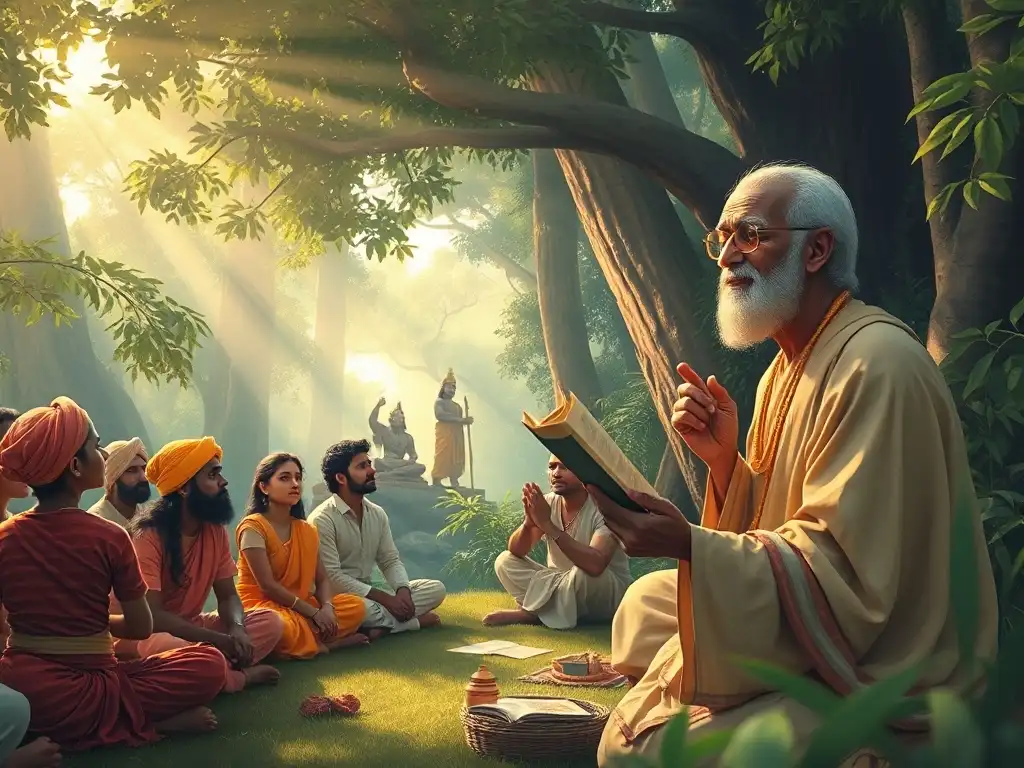
The Ramayana, one of the two great epics of ancient India, has continued to influence the moral fabric of Indian society through centuries. Its teachings transcend time, providing ethical guidance that remains pertinent in contemporary society. The narrative of the Ramayana not only depicts the conflict between good and evil but also emphasizes virtues such as duty (dharma), loyalty, honor, and the significance of familial relationships. These moral lessons are crucial in shaping the ethical standards prevalent in modern India.
How Ramayana Ethics are Reflected in Modern Indian Society
In today's India, the ethical ideals depicted in the Ramayana are deeply embedded in both personal and communal life. The virtues exemplified by characters like Rama, Sita, and Hanuman resonate strongly with the youth and adults alike. Here are some ways in which these ethics manifest:
- Family Values: The Ramayana emphasizes the importance of familial bonds. The ideal of loyalty to family, as seen in Rama's adherence to his father's wishes and Sita's unwavering support to Rama, continues to inspire family dynamics in contemporary households.
- Dharma and Duty: The concept of dharma, or moral duty, is a cornerstone of Indian philosophy. In modern contexts, individuals often refer to the Ramayana when making ethical decisions, particularly in professional settings where integrity and responsibility are paramount.
- Community and Social Responsibility: The story of Rama and his allies reminds modern Indians of the importance of community and working together for a common cause. This is reflected in the numerous social movements and community service initiatives inspired by these values.
- Gender Roles: The Ramayana also presents complex portrayals of gender roles, especially through the character of Sita. Contemporary discussions around women's rights and empowerment often invoke Sita's strength and resilience, highlighting her as a figure of inspiration.
The influence of the Ramayana on Indian ethics is evident in various aspects of life, from personal relationships to societal norms, demonstrating its enduring legacy.
Adaptations of Ramayana Teachings in Contemporary Literature and Media
The Ramayana's influence extends beyond traditional narratives into modern literature and media, showcasing its adaptability and relevance. Here are some notable adaptations:
- Literature: Contemporary authors have reinterpreted the Ramayana, providing fresh perspectives on its characters and themes. For instance, books like The Palace of Illusions by Chitra Banerjee Divakaruni retell the epic from a female perspective, challenging traditional narratives while retaining core ethical teachings.
- Television and Film: The Ramayana has been adapted into numerous television series and films, with the 1987 TV adaptation directed by Ramanand Sagar being particularly influential. These adaptations have played a significant role in popularizing the epic and its moral lessons among new generations.
- Theatre and Dance: The Ramayana is also celebrated in various forms of performance art, such as traditional dance and theatre. Modern interpretations often incorporate contemporary themes, allowing audiences to connect with the epic while reflecting on its ethical messages.
- Digital Media: In the age of social media, the Ramayana's teachings are shared through memes, discussions, and online forums, engaging younger audiences and facilitating dialogues on ethics and morality in a modern context.
Through these diverse adaptations, the Ramayana continues to be a source of moral guidance, inspiring creativity and reflection on ethical values in contemporary society. The ongoing relevance of its teachings underscores the profound impact of the Ramayana on Indian ethics, making it a timeless resource for understanding moral complexities in today's world.
Conclusion: The Enduring Legacy of Ramayana on Indian Ethics
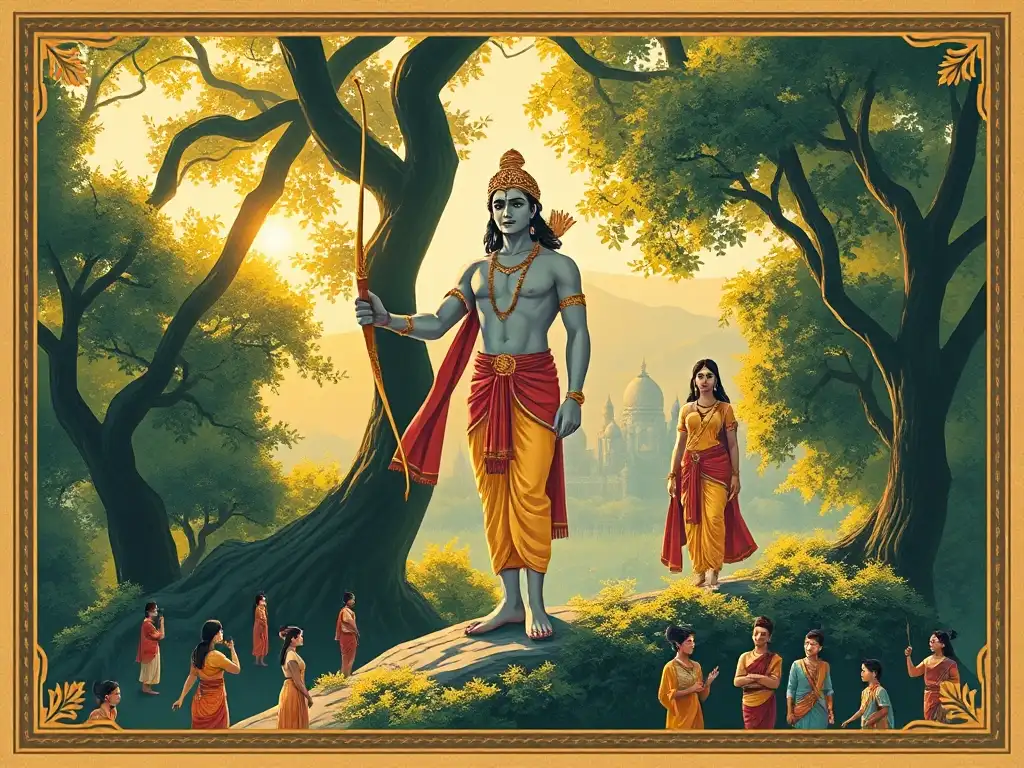
Summary of Ramayana's Impact on Moral Values
The Ramayana, attributed to the sage Valmiki, is more than just an epic narrative; it serves as a profound source of moral and ethical guidance that has shaped Indian society for centuries. The characters of the Ramayana exemplify various virtues and moral dilemmas, providing a framework for understanding complex ethical issues.
- Dharma (Righteousness): Central to the Ramayana is the concept of dharma, which refers to the moral law governing individual conduct. Lord Rama, an incarnation of Vishnu, epitomizes the ideal man who adheres to his dharma even in the face of adversity. His commitment to truth, duty, and loyalty sets a standard for moral conduct in Indian society.
- Role Models: The characters within the Ramayana, such as Sita, Lakshmana, and Hanuman, are viewed as role models, embodying virtues like chastity, devotion, and selflessness. These figures inspire individuals to aspire to similar ideals, thus influencing personal and communal ethics.
- Conflict Resolution: The narrative often presents characters facing moral dilemmas that require careful consideration of dharma versus personal desires. For instance, Rama's decision to exile Sita, despite his love for her, highlights the importance of adhering to societal expectations and duties over personal happiness.
- Social Harmony: Through its teachings, the Ramayana promotes social harmony by emphasizing responsibility towards family, society, and the greater good. The principles derived from these tales encourage individuals to act ethically in their relationships, fostering a sense of community and collective morality.
Final Thoughts on the Ramayana's Role in Shaping Ethical Frameworks in India
The influence of the Ramayana on Indian ethics is profound and enduring. This epic has not only provided moral guidance for individuals but has also shaped the ethical frameworks of Indian society at large. Its teachings continue to resonate, influencing contemporary debates on morality and ethics.
- Cultural Integration: The Ramayana is deeply integrated into the cultural fabric of India, reflected in festivals, rituals, and art. This cultural integration ensures that its teachings remain relevant, continuing to guide subsequent generations in their ethical and moral decisions.
- Modern Relevance: In today's complex world, the dilemmas faced by characters in the Ramayana can still be seen in modern ethical discussions. Issues such as justice, loyalty, and righteousness remain pertinent, showcasing the timeless nature of the Ramayana's moral lessons.
- Educational Impact: Many educational institutions incorporate the teachings of the Ramayana in their curricula, further entrenching its moral and ethical lessons in the minds of young learners. This educational approach helps instill a sense of moral responsibility and ethical awareness from an early age.
The Ramayana's influence on Indian ethics is a testament to its lasting legacy. By providing timeless moral lessons and ethical guidance, it continues to shape the values of individuals and society, ensuring that the principles of righteousness, duty, and compassion remain at the forefront of Indian culture.
Frequently Asked Questions
What is the Ramayana and its significance in Indian culture?
The Ramayana is an ancient Indian epic that narrates the life of Lord Rama. It serves as a moral compass, influencing ethical behavior and cultural values throughout Indian society.
How has the Ramayana influenced Indian ethics?
The Ramayana promotes virtues such as dharma (duty), honor, and loyalty, shaping the ethical framework of Indian civilization. Its teachings have been integral in guiding moral conduct across generations.
What are the main moral lessons derived from the Ramayana?
Key moral lessons include the importance of truthfulness, selflessness, and devotion. These values are illustrated through the characters and their choices, serving as exemplars for ethical living.
How does the Ramayana compare to other ancient texts in shaping ethics?
While other texts like the Mahabharata also address ethics, the Ramayana's straightforward narrative and focus on ideal characters make it particularly effective in conveying moral teachings.
In what ways is the Ramayana relevant to modern Indian society?
The Ramayana continues to influence contemporary Indian ethics by providing a framework for resolving moral dilemmas, promoting values such as compassion and justice that are still relevant today.
Final Reflection: The Enduring Influence of the Ramayana on Indian Ethics
The Ramayana serves as a timeless beacon of moral values and ethics, illuminating the path for generations in India. Its narratives and characters resonate deeply within the cultural fabric of the nation, shaping societal norms and ethical frameworks that continue to guide individuals today. The lessons of righteousness, duty, and sacrifice encapsulated in this epic are not merely historical; they are profoundly relevant in our contemporary world, where ethical dilemmas abound and the quest for moral clarity is more pressing than ever.
The influence of the Ramayana extends beyond mere storytelling; it has woven itself into the very essence of Indian identity. From family dynamics to societal expectations, the teachings of this epic continue to inspire and challenge individuals to uphold virtues in their daily lives. As Mahatma Gandhi once said, “The Ramayana is a story of the triumph of good over evil.” This sentiment underscores the ongoing relevance of the Ramayana, reminding us that the struggle for ethical integrity is a continuous journey, one that is as vital today as it was in ancient times.
As we reflect on the profound lessons embedded within the Ramayana, I invite you to consider how these teachings can be applied in your own life. What values do you hold dear, and how can the principles of duty, honor, and compassion from this epic guide your actions?
Embrace the opportunity to embody the ethical ideals of the Ramayana, allowing its wisdom to inspire you to make choices that contribute positively to your community and the world at large. Let us carry forward the legacy of this great epic, ensuring that its moral compass continues to illuminate our paths for generations to come.
Unveil the Moral Wisdom of the Ramayana!
Thank you for taking the time to explore how the Ramayana has influenced the moral fabric of India. Your engagement with this rich tapestry of cultural heritage is invaluable! Now, let's take some action to further your understanding and appreciation of these timeless teachings.
- Dive deeper into the Ramayana by reading various translations and interpretations to see how they resonate with modern ethics.
- Share your insights! Join our community forum to discuss how these moral values can shape today's society.
- Consider organizing or attending local cultural events that celebrate the Ramayana, where you can connect with others who value its teachings.
How do you believe the moral lessons from the Ramayana can be applied to address contemporary issues in our society?