
The Mahabharata and Environmental Ethics: Lessons from the Past


Welcome to Ancient India History, where we embark on a fascinating journey through time to uncover the rich tapestry of ancient Indian civilizations. Here, we delve into the profound connections between culture, heritage, and the environment, exemplified in our latest article, “The Mahabharata and Environmental Ethics: Lessons from the Past.” Discover how the timeless wisdom of the Mahabharata can illuminate our understanding of environmental ethics today.
Join us as we explore these epic narratives that not only shaped the moral landscape of their time but also offer vital lessons for our modern world. Prepare to be captivated and inspired—your adventure into the depths of ancient wisdom awaits!
- Introduction to the Mahabharata and Environmental Ethics
- The Concept of Environmental Ethics in the Mahabharata
- Lessons from the Mahabharata on Environmental Ethics
- Case Studies from the Mahabharata Illustrating Environmental Ethics
- Comparing Mahabharata Environmental Ethics with Modern Perspectives
- Practical Applications of Mahabharata Environmental Ethics Today
- Conclusion: The Timelessness of Mahabharata Environmental Ethics
-
Frequently Asked Questions
- What is the Mahabharata?
- How does the Mahabharata address environmental ethics?
- What are some specific lessons on environmental ethics from the Mahabharata?
- How can we apply the Mahabharata's lessons today?
- Why is it important to study ancient texts like the Mahabharata for modern environmental issues?
- Final Reflection: Embracing Ancient Wisdom for Modern Environmental Ethics
- Unveil Ancient Wisdom for a Sustainable Future!
Introduction to the Mahabharata and Environmental Ethics
The Mahabharata, one of the most significant epics of ancient India, not only narrates the epic tale of the Kurukshetra War but also encompasses profound philosophical insights that resonate with contemporary issues, including environmental ethics. As we delve into the teachings and stories embedded within this monumental text, we uncover valuable lessons that highlight the interconnectedness of humanity, nature, and morality.
The Mahabharata serves as a historical lens through which we can examine the ethical considerations of our interactions with the environment, emphasizing the need for sustainable practices and respect for all living beings. By exploring these themes, we can draw parallels between ancient wisdom and modern environmental challenges, further enriching our understanding of both the epic and its relevance today.
Overview of the Mahabharata
The Mahabharata is an ancient Indian epic attributed to the sage Vyasa. Composed in Sanskrit, it is one of the longest literary works in the world, comprising over 100,000 shlokas (verses) and spanning 18 books, known as "parvas." The narrative centers around the conflict between two groups of cousins, the Pandavas and the Kauravas, culminating in the great battle of Kurukshetra. Beyond the thrilling tales of valor and heroism, the Mahabharata is rich with philosophical discourses, ethical dilemmas, and deep reflections on duty (dharma), governance, and the moral fabric of society.
Some key elements of the Mahabharata include:
- The Bhagavad Gita: A spiritual and philosophical dialogue between Lord Krishna and Arjuna, addressing the moral complexities of war and the pursuit of righteousness.
- Epic Characters: A diverse cast of characters, each embodying various virtues and flaws, showcasing the complexities of human nature.
- Cultural Significance: The epic has influenced various aspects of Indian culture, including literature, art, and theater, serving as a timeless reference for moral and ethical guidance.
Importance of Environmental Ethics in Ancient Texts
The exploration of environmental ethics within ancient texts, such as the Mahabharata, reveals a profound understanding of the relationship between humans and nature. These texts advocate for a harmonious coexistence with the environment, emphasizing stewardship and respect for the natural world.
In the context of the Mahabharata, several themes emerge that highlight the significance of environmental ethics:
- Interconnectedness: The epic illustrates the belief that all living beings are interconnected, promoting a sense of responsibility towards the environment.
- Consequences of Actions: The narratives often explore the consequences of human actions on nature, urging readers to consider the ethical implications of their choices.
- Moral Lessons: Characters in the Mahabharata frequently face dilemmas that reflect the ethical challenges of balancing personal desires with the greater good, which can be applied to contemporary environmental issues.
By examining these themes, we can derive essential lessons from the Mahabharata that inform our understanding of environmental ethics today, reminding us of the responsibility we hold towards the planet and future generations.
The Concept of Environmental Ethics in the Mahabharata
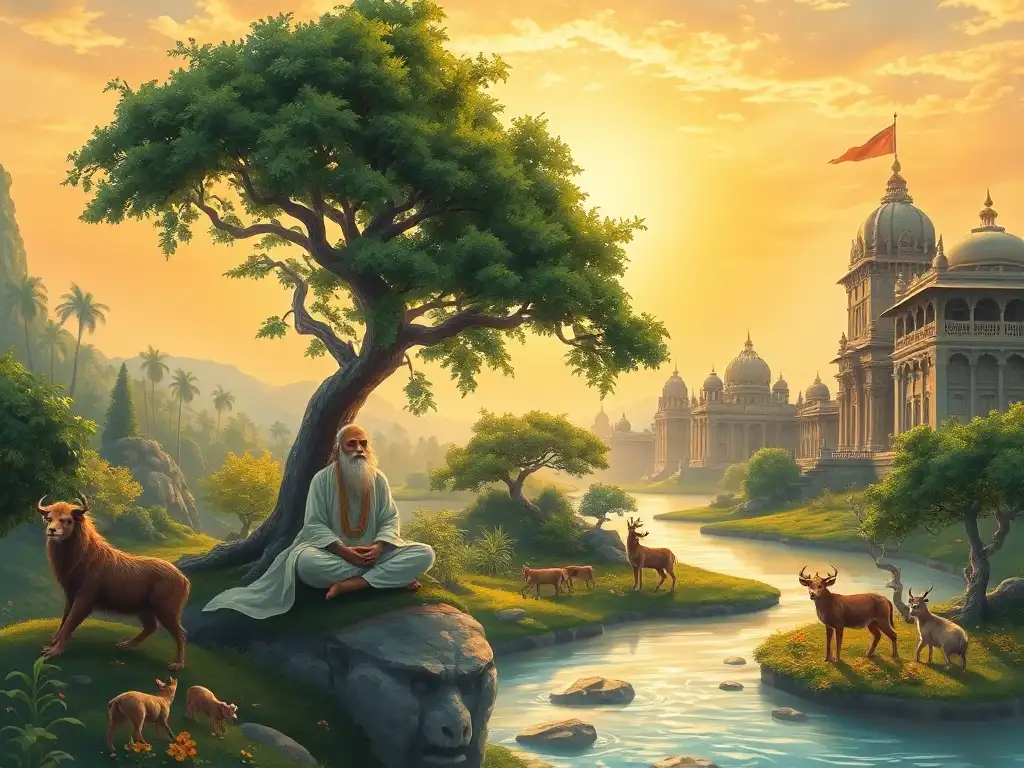
The Mahabharata, one of the most revered epics in Indian literature, offers profound insights into various aspects of life, including the intricate relationship between humans and nature. The concept of environmental ethics in the Mahabharata is deeply interwoven with its narratives and characters, revealing lessons that resonate even in contemporary discussions about ecology and sustainability. This epic emphasizes the significance of respecting nature, understanding the consequences of human actions, and fostering a harmonious coexistence with the natural world.
Understanding Environmental Ethics in Ancient India
In ancient India, environmental ethics were not merely philosophical musings but were integral to daily life and cultural practices. The Mahabharata reflects this through its portrayal of characters who interact with the environment in meaningful ways. Key aspects include:
- Interconnectedness: The epic illustrates the belief that all beings are interconnected. For example, the concept of Dharma (righteousness) extends beyond human actions to encompass responsibilities toward flora and fauna. This interconnectedness promotes a sense of stewardship over the environment, emphasizing that the health of nature is vital for the well-being of society.
- Consequences of Actions: The Mahabharata teaches that every action has consequences. The Kurukshetra War, a central event in the epic, serves as a cautionary tale about the destructive impact of unchecked ambition and conflict, leading to widespread environmental degradation. The aftermath of the war highlights the desolation faced by the land, underscoring the need for ethical considerations in human endeavors.
- Respect for Nature: Various narratives within the Mahabharata extol the virtues of respecting nature. Characters such as Yudhishthira embody wisdom and reverence for the environment, illustrating the importance of living in harmony with natural elements. Their choices often reflect an understanding of the delicate balance within ecosystems.
Key Themes of Nature and Ecology in the Mahabharata
The Mahabharata is rich with themes that explore the relationship between humanity and the environment. Some key themes include:
- Sacredness of Nature: Nature is often portrayed as sacred, with rivers, mountains, and forests imbued with spiritual significance. For example, the Ganges River, which holds a prominent place in the epic, symbolizes purity and is revered for its life-giving properties. The respect for such natural elements stresses the need to protect and preserve them.
- Consequences of Environmental Exploitation: The epic illustrates the dire consequences of exploiting nature for personal gain. The story of the Kauravas and their disregard for the environment serves as a warning against greed and the overexploitation of resources. Their actions lead to ecological imbalance, highlighting the need for sustainable practices.
- Moral Responsibility: The Mahabharata emphasizes moral responsibility toward the environment. Characters are often faced with ethical dilemmas that require them to consider the impact of their decisions on the natural world. This theme encourages contemporary readers to reflect on their responsibilities toward ecological preservation.
- Cycles of Life: The cyclical nature of existence is a recurring motif in the Mahabharata. The epic conveys that life, death, and rebirth are inherent to both humans and nature. This perspective fosters an understanding of the importance of maintaining ecological balance and respecting the cycles within the natural world.
The Mahabharata provides valuable lessons on environmental ethics that remain relevant today. Its teachings encourage mindfulness of our actions and promote a harmonious relationship with the environment, urging us to learn from the past as we navigate the challenges of modern ecological crises. By embracing these lessons from the Mahabharata, we can strive toward a future that honors our responsibility to the Earth.
Lessons from the Mahabharata on Environmental Ethics

The Mahabharata, one of the most significant epics in ancient Indian literature, provides profound insights into environmental ethics. These lessons are not only relevant to the socio-cultural context of ancient India but also resonate with contemporary environmental challenges. By examining themes within the epic, we can uncover valuable teachings about our relationship with nature and the moral obligations we hold toward the environment.
Respect for Nature and Natural Resources
The Mahabharata emphasizes a deep respect for nature and the natural resources that sustain life. Throughout the text, various characters exhibit a profound connection to the environment, understanding that the health of the natural world directly impacts human existence.
- Examples of Respect:
- The character of Bhishma, for instance, embodies respect for nature through his vows and actions, illustrating the importance of living in harmony with the environment.
- In the Vanaparva (Book of the Forest), the Pandavas’ time in exile highlights their interactions with the forest and wildlife, showcasing an understanding of the balance between human needs and ecological preservation.
This respect is crucial for sustainable living, as it recognizes that natural resources should be utilized judiciously, ensuring that future generations also benefit from them.
The Interconnectedness of Life: Humans, Animals, and Nature
Another significant lesson from the Mahabharata is the interconnectedness of all living beings. The epic presents a worldview where humans, animals, and nature are intricately linked, emphasizing the need for mutual respect and coexistence.
- Symbolic Representations:
- The Kurushetra War, a central event in the epic, serves as a stark reminder of the consequences of disrupting this balance. The war leads to widespread destruction, not only of human life but also of the natural landscape, showcasing that conflict among humans inevitably affects the environment.
- Characters like Yudhishthira often reflect upon the moral implications of their actions on the environment, recognizing that harm to any part of the ecosystem can lead to broader repercussions.
The Mahabharata teaches us that the well-being of humanity is intertwined with the health of the natural world. This interconnectedness calls for a collective responsibility toward preserving biodiversity and nurturing our ecosystems.
The Role of Dharma in Environmental Stewardship
Dharma, or righteous duty, is a cornerstone of the Mahabharata and serves as a guiding principle for environmental stewardship. The epic illustrates that fulfilling one's dharma includes a commitment to protect and preserve the environment.
- Dharma as Duty:
- Characters are often faced with dilemmas where their duties toward family, society, and the environment conflict. For example, Arjuna's internal struggle on the battlefield can be seen as an allegory for the moral choices we face regarding environmental ethics.
- The concept of Ahimsa (non-violence) extends beyond interpersonal relationships to encompass the treatment of the natural world. The teachings within the epic advocate for compassionate stewardship of the earth, urging individuals to consider the impact of their actions on all forms of life.
By integrating dharma into environmental practices, the Mahabharata encourages a holistic approach where ethical considerations guide our interactions with nature. This perspective is particularly vital in today's world, where ethical dilemmas regarding environmental degradation and climate change are prevalent.
The Mahabharata offers timeless lessons on environmental ethics that are crucial for contemporary society. By respecting nature, recognizing the interconnectedness of life, and adhering to the principles of dharma, we can learn to cultivate a more sustainable and harmonious relationship with our environment. These teachings not only reflect the wisdom of ancient Indian civilization but also provide a framework for addressing pressing environmental challenges today.
Case Studies from the Mahabharata Illustrating Environmental Ethics

The Story of Bhishma and His Connection to Nature
In the Mahabharata, Bhishma stands out not only as a formidable warrior but also as a character deeply connected to the natural world. His vows and actions reflect a profound respect for the environment, which serves as a critical lesson in environmental ethics. Bhishma, who took a vow of celibacy and service to his kingdom, embodies the principle of self-restraint, which can be interpreted as a metaphor for sustainable living.
Bhishma’s wisdom is evident in his interactions with nature. For instance, his dedication to preserving the forests and wildlife around Hastinapura demonstrates an early understanding of ecological balance. He often advocated for the protection of resources, stressing the importance of coexistence with nature. His famous dialogue with the river Ganga emphasizes the need for water conservation and respect for waterways, highlighting how the health of natural resources is intertwined with societal well-being.
Moreover, Bhishma’s refusal to fight against his own kin during the great war symbolizes the conflict between human ambition and environmental preservation. His internal struggle reflects the ethical dilemma faced when development threatens nature. This aspect of his character illustrates the need for leaders to prioritize environmental health over personal or political gains, providing a timeless lesson on the importance of sustainability.
The Role of Yudhishthira as a Protector of the Environment
Yudhishthira, the eldest Pandava, is portrayed as a moral compass of the epic, embodying righteousness and virtue. His role extends beyond personal integrity; he serves as a protector of the environment and its resources. Throughout the Mahabharata, Yudhishthira emphasizes the significance of ethical governance in relation to environmental stewardship.
One notable instance is during the exile of the Pandavas when they live in the forest. Yudhishthira teaches his brothers about the importance of respecting the flora and fauna surrounding them. He insists on sustainable practices, such as not over-hunting and ensuring that their needs do not disrupt the ecosystem. This behavior illustrates the principle of conservation, where human needs do not outweigh the health of the environment.
Furthermore, Yudhishthira’s commitment to dharma includes a deep consideration for the land and its people. He recognizes that the prosperity of the kingdom is directly linked to the well-being of its natural resources. His insistence on fair treatment of the environment serves as a crucial reminder of the ethical responsibilities that come with leadership, urging future generations to consider the broader impact of their actions on nature.
The Consequences of Ignoring Environmental Ethics in the Epic
The Mahabharata starkly illustrates the repercussions of neglecting environmental ethics through its narrative arcs and character fates. The epic serves as a cautionary tale about the consequences of exploiting natural resources without regard for sustainability.
One of the most poignant examples is the devastation faced by the Kauravas and the Pandavas as a result of their war. The destruction of the land, depletion of resources, and loss of biodiversity highlight the catastrophic impact of human conflict on the environment. The once-thriving landscapes of Kurukshetra become barren, symbolizing the cost of ignoring ecological balance.
Additionally, the suffering of the common people during and after the war serves as a reminder that environmental neglect ultimately affects all layers of society. The devastation leads to famine and despair, illustrating that the exploitation of nature can have far-reaching consequences.
In the aftermath of the war, characters like Yudhishthira reflect on the losses and vow to restore the land, recognizing that the cycle of destruction must be replaced with restoration. This narrative serves as a powerful lesson about the interconnectedness of ethics, governance, and environmental stewardship, urging readers to learn from these ancient tales to foster a more sustainable future.
Comparing Mahabharata Environmental Ethics with Modern Perspectives

Similarities Between Ancient and Contemporary Environmental Ethics
The Mahabharata, one of the most revered epics of ancient India, offers profound insights into environmental ethics that resonate with modern perspectives. Here are some key similarities:
-
Interconnectedness of Nature and Humanity
The Mahabharata emphasizes the relationship between humans and nature, portraying them as intertwined. Characters in the epic often reflect on their responsibilities toward the environment, mirroring contemporary environmental ethics that advocate for a holistic view of life. As modern environmentalists argue, the well-being of humanity is inextricably linked to the health of the ecosystems we inhabit.
-
Sustainable Practices
The epic illustrates sustainable resource management through its narratives, showcasing how ancient societies valued conservation. For instance, the character of Bhishma advocates for responsible use of natural resources, a principle echoed in today’s sustainability movements. This emphasizes that both ancient and modern societies recognize the importance of utilizing resources in a manner that preserves them for future generations.
-
Moral Obligations toward Nature
In the Mahabharata, ethical dilemmas often arise concerning the treatment of the environment, reflecting a moral obligation to protect nature. This resonates with contemporary ethical frameworks that posit that humans have a duty to care for the earth. Such moral considerations are crucial in forming policies aimed at environmental protection today.
-
Cultural Narratives and Environmental Awareness
The Mahabharata serves as a cultural narrative that fosters environmental awareness among its readers. Similarly, modern environmental movements utilize storytelling to highlight ecological issues, demonstrating the universal power of narratives in shaping ethical perspectives toward the environment.
The Relevance of Mahabharata Lessons in Today's Environmental Challenges
The lessons from the Mahabharata are increasingly pertinent in addressing contemporary environmental challenges. Here are several ways these ancient teachings can inform modern practices:
-
Conflict Resolution and Dialogue
The epic illustrates numerous conflicts and the importance of dialogue and understanding among opposing factions. This approach is vital in contemporary environmental discourse, where diverse stakeholders—governments, corporations, and communities—must collaborate to resolve ecological issues. The Mahabharata teaches that seeking consensus can lead to more sustainable and equitable solutions.
-
Respect for Biodiversity
The rich descriptions of flora and fauna in the Mahabharata highlight the significance of biodiversity. In today’s context, where species extinction and habitat loss are critical concerns, the epic reminds us of the intrinsic value of all living beings and the need to protect various forms of life. This respect for biodiversity underlines modern conservation efforts.
-
Lessons in Leadership and Governance
The Mahabharata presents various models of leadership that prioritize the welfare of the community and the environment. These lessons are relevant today, as effective governance plays a crucial role in implementing environmental policies. Leaders can draw upon the virtues exemplified by characters like Yudhishthira, who embodies justice and responsibility, to guide their actions toward sustainable development.
-
Spiritual and Ethical Dimensions of Ecology
The Mahabharata encourages a spiritual connection to nature, suggesting that reverence for the earth can inspire ethical behavior. Modern environmental ethics increasingly incorporate spiritual perspectives, recognizing that a profound appreciation for nature can motivate individuals and communities to act more responsibly toward the environment.
The environmental ethics depicted in the Mahabharata provide timeless lessons that hold significant relevance in the face of current ecological crises. By integrating these ancient insights into modern practices, we can foster a more sustainable and ethically grounded approach to environmental stewardship.
Practical Applications of Mahabharata Environmental Ethics Today

The Mahabharata, one of the greatest epics of ancient India, is not just a tale of conflict and heroism; it also serves as a profound commentary on ethics and morality, including environmental ethics. The lessons embedded within its narratives provide significant insights that are applicable to contemporary environmental challenges. Understanding and applying these ethical principles can guide individuals, communities, and policymakers in making sustainable choices that respect the environment.
How to Integrate Mahabharata Lessons into Modern Environmental Practices
Integrating lessons from the Mahabharata into modern environmental practices can take many forms. Here are some practical approaches:
-
Respect for Nature
The Mahabharata emphasizes the interconnectedness of all living beings. This respect can be translated into modern practices by:
- Promoting biodiversity: Support conservation efforts that protect ecosystems and their inhabitants.
- Sustainable resource management: Utilize resources wisely and ensure that future generations have access to them.
-
Collective Responsibility
Just as the characters in the Mahabharata wrestle with their duties to each other and the earth, modern societies can:
- Engage communities: Foster collective action initiatives that empower local communities to participate in environmental decision-making.
- Implement educational programs: Teach the values of cooperation and stewardship in schools and communities to instill a sense of responsibility towards the environment.
-
Ethical Decision-Making
The dilemmas faced by characters in the Mahabharata highlight the importance of ethical choices. In today’s context:
- Adopt sustainability metrics: Companies and governments can embrace ethical frameworks for evaluating the environmental impact of their actions.
- Encourage transparent practices: Create policies that promote honesty and accountability in environmental reporting and practices.
-
Balancing Human Needs with Ecological Integrity
The Mahabharata teaches about the delicate balance between human desires and nature's limits. Thus, modern practices can include:
- Sustainable agriculture: Implement farming techniques that increase productivity without degrading the land.
- Urban planning: Design cities that integrate green spaces and minimize ecological footprints.
Case Studies of Contemporary Movements Inspired by Mahabharata Ethics
Several contemporary movements and initiatives have drawn inspiration from the ethical teachings of the Mahabharata, demonstrating how ancient wisdom can manifest in today’s environmental efforts.
-
The Chipko Movement
This grassroots environmental movement in India, which began in the 1970s, echoes the Mahabharata’s themes of protecting trees and respecting the earth. Activists embraced the philosophy of protecting their environment through non-violent resistance, reminiscent of the Mahabharata's emphasis on righteousness (Dharma).
-
Eco-Swaraj Movement
This movement advocates for ecological self-governance, closely aligning with the Mahabharata's lessons on community responsibility and collective action. By promoting local autonomy in environmental decisions, this movement emphasizes the importance of self-reliance and sustainability.
-
The Green India Mission
Part of India’s National Action Plan on Climate Change, this initiative aims to protect and restore ecosystems, thereby promoting biodiversity and enhancing ecosystem services—principles that resonate with the Mahabharata's teachings on the sanctity of nature and the moral obligation to protect it.
-
Sustainable Development Goals (SDGs)
The ethical frameworks derived from the Mahabharata can also be seen in global efforts such as the United Nations SDGs, particularly those focused on environmental sustainability, climate action, and responsible consumption. These goals reflect the necessity of making ethical decisions that consider both present and future generations.
By learning from the moral dilemmas and environmental consciousness portrayed in the Mahabharata, we can adopt a more holistic approach to our interactions with nature, ensuring that our actions contribute positively to the world around us.
Conclusion: The Timelessness of Mahabharata Environmental Ethics

The Mahabharata, one of the greatest epics of ancient India, offers profound insights into environmental ethics that remain relevant even in today’s context. As we have explored throughout this article, the principles embedded within the narrative highlight the interconnectedness of humanity and nature, emphasizing the moral responsibilities we hold towards our environment.
The lessons derived from the Mahabharata are not merely historical; they are timeless guiding principles that advocate for sustainable living and harmonious coexistence with the natural world. The epic serves as a reminder that ethical considerations regarding our environment have deep roots in ancient wisdom, urging us to reflect on our actions and their consequences. By revisiting these teachings, we can foster a greater understanding of our role in preserving the ecological balance essential for future generations.
The Continuing Relevance of Ancient Wisdom in Modern Society
In an era characterized by rapid industrialization and environmental degradation, the Mahabharata provides a critical lens through which we can examine contemporary issues. The epic's narratives, rich in moral dilemmas and ethical decision-making, invite us to consider the implications of our actions on the environment.
- Interconnectedness: The Mahabharata emphasizes that all beings are interconnected. This principle can guide modern environmental policies, encouraging a holistic approach to sustainability.
- Respect for Nature: Characters like Bhishma and Yudhishthira illustrate the importance of respecting nature. Their decisions often reflect a deep understanding of environmental stewardship, which can inform current debates on conservation and resource management.
- Consequences of Actions: The epic teaches that every action has consequences, a lesson that resonates with the modern understanding of climate change and ecological responsibility.
By examining these themes, we can draw parallels to contemporary environmental challenges, such as deforestation, pollution, and climate change, reaffirming the notion that ancient wisdom can inform modern practices.
Final Thoughts on Mahabharata Environmental Ethics Lessons
The Mahabharata stands as a beacon of ancient environmental wisdom, offering valuable lessons that transcend time. As we navigate the complexities of the present, the ethical considerations presented in the epic can serve as a foundational framework for addressing environmental crises.
- Moral Responsibility: The narrative instills a sense of moral responsibility towards nature, urging individuals and societies to act with integrity and foresight.
- Community Engagement: The epic highlights the importance of community in decision-making processes, encouraging collective action for environmental sustainability.
- Cultural Heritage: Lastly, the teachings of the Mahabharata remind us of the cultural heritage that shapes our understanding of the environment, reinforcing the need to integrate traditional knowledge with modern science.
The Mahabharata environmental ethics lessons offer not only guidance for personal conduct but also a blueprint for societal change. Embracing these lessons is crucial for fostering a sustainable future, where respect for nature becomes a fundamental tenet of our existence. As we reflect on these timeless teachings, let us commit to nurturing our planet, ensuring that the wisdom of the past continues to illuminate our path forward.
Frequently Asked Questions
What is the Mahabharata?
The Mahabharata is one of the longest epic poems in the world, focusing on the Kurukshetra War and the fates of the Kaurava and Pandava princes, highlighting themes of dharma (duty/righteousness) and morality.
How does the Mahabharata address environmental ethics?
The Mahabharata offers lessons on environmental ethics by emphasizing the importance of harmony between humans and nature, showcasing the consequences of greed and exploitation of natural resources.
What are some specific lessons on environmental ethics from the Mahabharata?
Key lessons include the idea of sustainable living, respect for all forms of life, and the implications of deforestation and pollution, which can lead to cultural and spiritual degradation.
How can we apply the Mahabharata's lessons today?
We can apply these lessons by promoting sustainable practices, advocating for conservation, and fostering a deeper respect for the environment, ensuring a balanced relationship with nature.
Why is it important to study ancient texts like the Mahabharata for modern environmental issues?
Studying ancient texts like the Mahabharata provides timeless insights into the ethical and moral dimensions of our relationship with the environment, helping inform contemporary environmental policies and practices.
Final Reflection: Embracing Ancient Wisdom for Modern Environmental Ethics
The lessons drawn from the Mahabharata resonate profoundly in today's world, where environmental crises loom large and ethical dilemmas abound. The epic not only serves as a narrative of human conflict and morality but also offers timeless insights into our relationship with nature. As we grapple with climate change, biodiversity loss, and resource depletion, the call to integrate ethical considerations into our environmental practices has never been more urgent. The Mahabharata reminds us that our actions have consequences, urging us to tread lightly on the Earth and honor the interconnectedness of all life.
The cultural and social landscape continues to be shaped by the teachings of the Mahabharata, emphasizing the importance of stewardship and responsibility towards the environment. These ancient narratives encourage us to reflect on our role as caretakers of the planet. As we witness movements advocating for sustainability and ecological justice, the relevance of these lessons becomes increasingly clear. The earth is our mother; we are her children.
This quote encapsulates the essence of our duty to protect the environment, reminding us that our well-being is intrinsically linked to the health of the planet.
As we move forward, let us take a moment to reflect on how the Mahabharata's teachings can inspire our actions today. Consider how you can embody these lessons in your daily life—whether through sustainable practices, advocating for environmental justice, or simply fostering a deeper appreciation for the natural world. Together, we can weave the wisdom of the past into the fabric of our future, ensuring that we honor the legacy of the Mahabharata while nurturing the Earth for generations to come.
Unveil Ancient Wisdom for a Sustainable Future!
Thank you for exploring the intriguing insights of The Mahabharata and its profound environmental lessons. You've uncovered valuable perspectives that can inspire contemporary ethical practices. Now, let's channel that knowledge into actionable steps!
Here’s how you can make a difference today:
- Embrace Nature: Start by implementing simple eco-friendly practices in your daily life, such as reducing plastic usage or planting a tree in your community.
- Share Your Enlightenment: Engage with friends and family by discussing these environmental ethics, encouraging them to reflect on their connection with the natural world.
- Explore Further: Delve deeper into the topic by reading about ancient texts and their relevance to modern sustainability, and consider joining local groups focused on environmental activism.
What lesson from The Mahabharata resonates most with your personal journey towards sustainability? Share your thoughts in the comments below!