
The Science Behind Ancient Indian Steel: The Legendary Wootz Steel

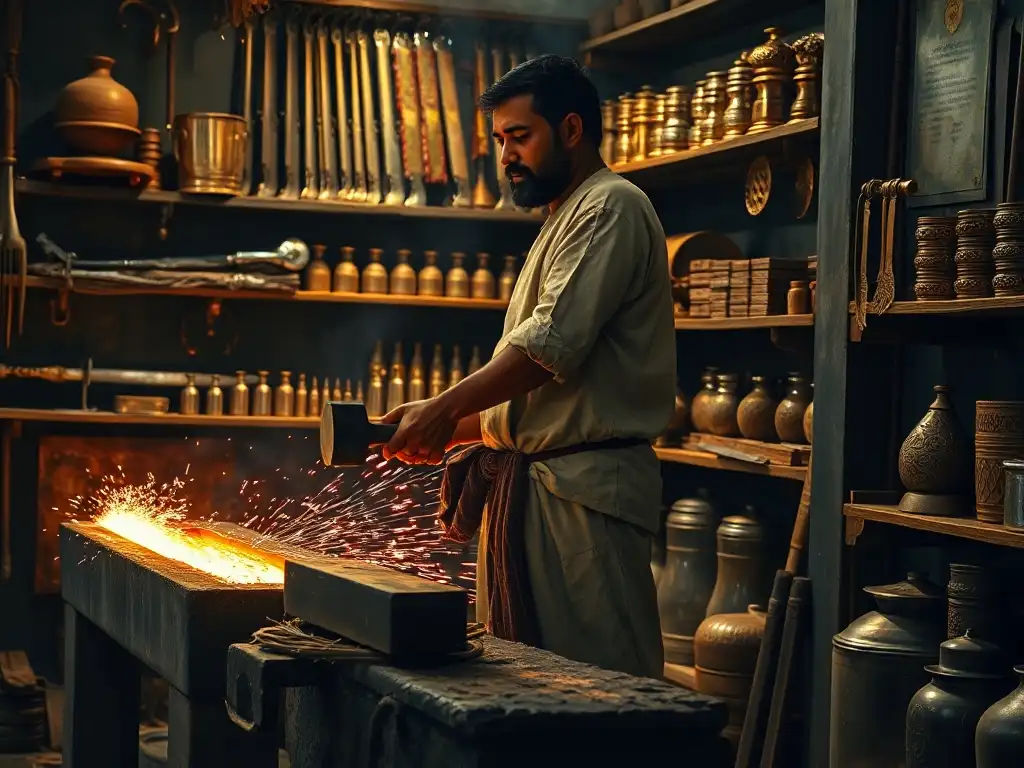
Welcome to Ancient India History, where we embark on a captivating journey through the rich tapestry of ancient Indian civilizations. Here, you'll unravel the mysteries of past innovations that shaped the world, such as the legendary Wootz steel production techniques. This remarkable art of steel-making not only exemplifies the technological prowess of its time but also reveals the profound contributions of ancient India to modern metallurgy. Prepare to dive deeper into the fascinating world of ancient technologies and discover how they continue to influence our lives today. Join us in exploring the science behind this extraordinary legacy!
Introduction to Wootz Steel
Wootz steel, a product of ancient Indian metallurgy, is renowned for its remarkable properties and historical significance. Originating from the southern regions of India around the 3rd century BCE, this high-carbon steel is characterized by its unique patterning and exceptional strength.
The production techniques of Wootz steel are not merely a testament to the craftsmanship of ancient Indian blacksmiths but also highlight the advanced scientific understanding of material properties that existed in that era. As we delve into the intricate processes behind Wootz steel production, we uncover a fascinating narrative of innovation that contributed to global metallurgy and influenced steel production worldwide.
Overview of Ancient Indian Metallurgy
The metallurgical practices in ancient India were sophisticated and varied, reflecting a deep knowledge of materials and their properties. Central to these practices was the mastery of iron and steel production, which can be traced back to the early civilizations of the Indus Valley.
- Key Techniques and Innovations:
- Bloomery Process: Early iron smelting involved the bloomery process, where iron ore was heated with charcoal, yielding a spongy mass of iron known as a bloom.
- Crucible Steel Production: The transition to higher quality steel, such as Wootz, involved the use of crucibles, where iron was melted together with carbon-rich materials to produce high-carbon steel.
- Alloying: Ancient Indian metallurgists experimented with various elements to enhance the characteristics of steel, leading to different grades and types of steel, including the famed Wootz.
A combination of natural resources, such as iron ore and charcoal, along with advanced techniques, allowed ancient Indian metallurgists to produce steel that was not only functional but also aesthetically appealing, with unique patterns formed during the cooling process.
Significance of Wootz Steel in Historical Context
The historical impact of Wootz steel extends far beyond its production; it represents a pinnacle of ancient technological achievement and cultural exchange.
- Cultural Impact:
- Wootz steel was highly sought after in trade, reaching markets as far as the Middle East and Europe. Its reputation for quality made it a valuable commodity that facilitated cultural interactions.
- Artisans and blacksmiths incorporated Wootz steel into weaponry and tools, which played pivotal roles in the military and agricultural advancements of ancient civilizations.
- Scientific Contributions:
- The production techniques of Wootz steel contributed to the foundational knowledge of metallurgy, influencing later developments in steel-making across different cultures.
- The unique properties of Wootz, such as its ability to hold a sharp edge, positioned it as a precursor to modern high-carbon steels, underscoring the relevance of ancient practices in contemporary material science.
The story of Wootz steel is not just about metallurgy; it embodies the spirit of innovation, trade, and cultural exchange that characterized ancient Indian civilization. As we explore the intricate details of Wootz steel production techniques, we uncover a legacy that continues to resonate in the field of metallurgy today.
- Introduction to Wootz Steel
- Overview of Ancient Indian Metallurgy
- Significance of Wootz Steel in Historical Context
The Origins of Wootz Steel
Historical Background of Steel Production in India
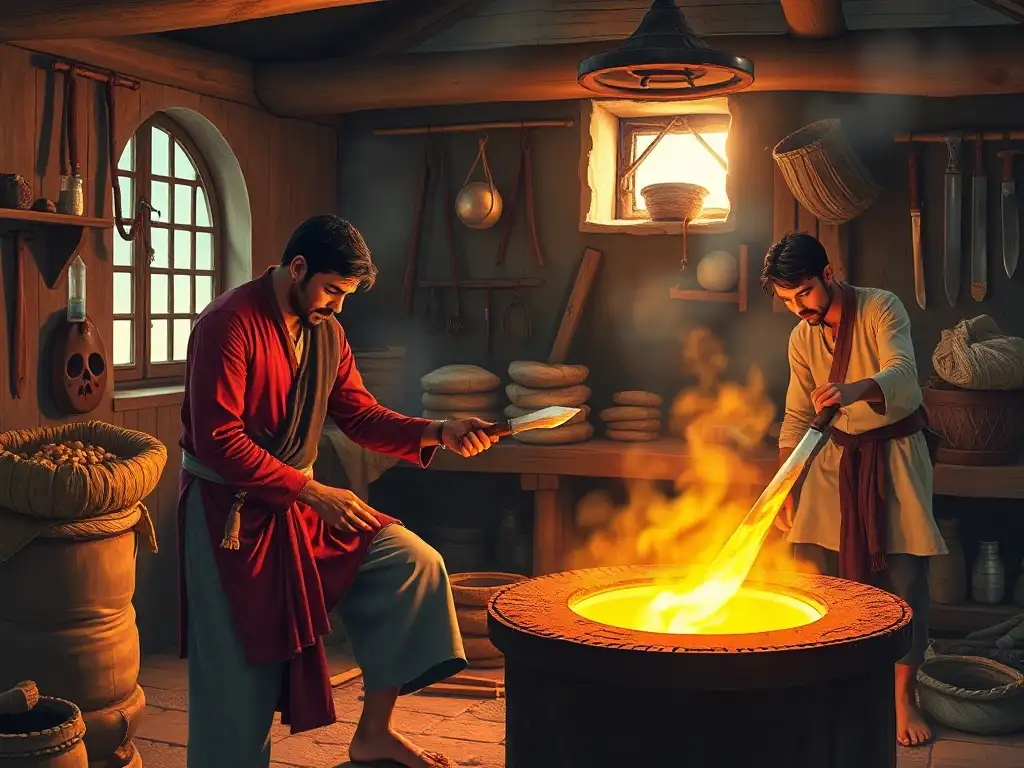
The history of steel production in India dates back to ancient times, with archaeological evidence suggesting that the metallurgical knowledge of the subcontinent was both advanced and diverse. The earliest indications of iron smelting can be traced to around 1200 BCE in the Indian subcontinent, with the emergence of high-quality steel production becoming prominent by the 3rd century CE. Among these innovations, Wootz steel stands out as a remarkable achievement.
Wootz steel, known for its unique patterns and exceptional quality, originated in South India and later gained international acclaim. The process of producing Wootz steel involved the use of high-carbon iron, which was produced by using a modern form of bloomery smelting. The unique properties of this steel were attributed to the specific techniques employed in its production, which included:
- Controlled Carbon Content: Crafting Wootz steel required precise control over the carbon content, typically ranging from 1.5% to 2.5%. This high carbon content contributed to the steel’s hardness and ability to retain a sharp edge.
- Crucible Method: The production process involved melting iron in a crucible, often made of clay or ceramic. This method allowed the iron to absorb carbon from the charcoal, resulting in the formation of high-carbon steel.
- Quenching and Tempering: After the crucible process, the steel was quenched in water or oil, followed by tempering, which enhanced the strength and ductility of the final product.
Wootz steel's historical significance extends beyond its production; it was highly sought after by various cultures, including the Middle East and Europe, leading to its inclusion in legendary tales of swords and weaponry.
Geographical Distribution of Wootz Steel Production
The geographical distribution of Wootz steel production primarily centered around the southern regions of India, particularly in areas such as:
- Karnataka: The most renowned region for Wootz steel production, particularly in cities like Bellary and Hospet. The presence of high-quality iron ores and the availability of suitable raw materials made this region a hub for metallurgical activities.
- Tamil Nadu: Areas around the ancient city of Kanchipuram and other locations contributed significantly to the production of Wootz steel. The expertise of local smiths in manipulating iron and carbon was critical in achieving the desired quality.
- Andhra Pradesh: This region also played a role in Wootz steel production, with some historical references indicating the existence of skilled artisans adept at creating high-quality steel.
The geographical advantages of these regions, combined with ancient trade routes, facilitated the spread of Wootz steel beyond Indian borders. Historical records indicate that Wootz steel was exported to places such as Arabia, Persia, and even to Europe, where it was revered for its superior quality.
Key Civilizations Involved in Wootz Steel Manufacturing
Several ancient civilizations contributed to the mastery of Wootz steel manufacturing in India. Among them, the following stand out:
- The Maurya Empire (322-185 BCE): Under the reign of Chandragupta Maurya and his grandson Ashoka, advancements in metallurgy flourished. The empire's extensive trade networks likely facilitated the exchange of techniques and materials crucial for Wootz steel production.
- The Satavahana Dynasty (230 BCE - 220 CE): This dynasty played a significant role in the development of trade and industry in South India. The Satavahanas were known for their patronage of artisans, which contributed to the refinement of steel production techniques.
- The Chola Dynasty (300-1200 CE): The Cholas were instrumental in the proliferation of Wootz steel, as they were known for their military prowess and the need for quality weaponry. The demand for swords and other steel tools drove innovations in production methods during this period.
- The Vijayanagara Empire (1336-1646 CE): This empire saw a resurgence in the knowledge of metallurgy, with Wootz steel becoming a symbol of prestige. Artisans during this time perfected the art of producing patterned steel, further enhancing its reputation.
These civilizations not only advanced the techniques of Wootz steel production but also integrated it into their cultural and military practices, ensuring its legacy continued through the ages. The combination of skilled artisans, geographic resources, and rich cultural heritage made ancient India a cornerstone in the history of metallurgy and material science.
Wootz Steel Production Techniques
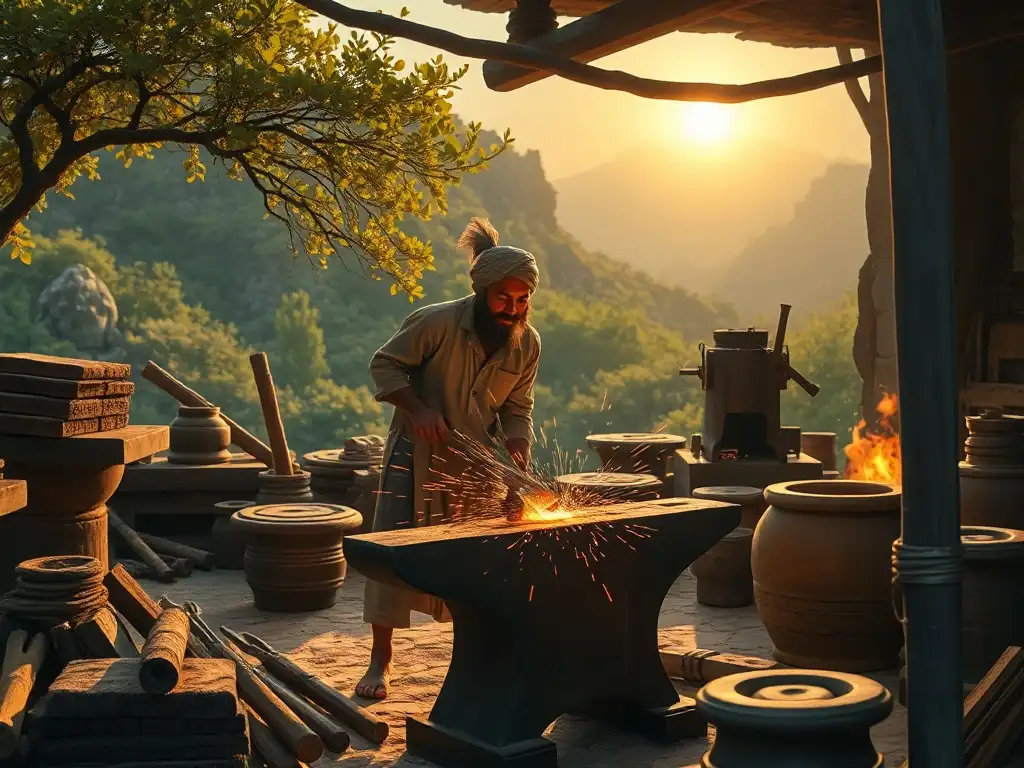
Wootz steel, renowned for its exceptional quality and distinctive patterns, has captivated historians and metallurgists alike. The production techniques employed in creating Wootz steel are not only a testament to the advanced metallurgical knowledge of ancient Indian civilizations but also highlight the intricate methods that led to the creation of a material that was sought after globally.
Raw Materials Used in Wootz Steel Production
The production of Wootz steel began with the careful selection of raw materials, which played a crucial role in determining the quality of the final product. The key raw materials included:
- Iron Ore: The primary ingredient for Wootz steel, sourced from specific regions known for their high-quality iron deposits.
- Types of Iron Ore:
- Limonite
- Hematite
- Types of Iron Ore:
- Charcoal: Used as a reducing agent during the smelting process, charcoal was produced from specific types of wood, which imparted unique properties to the steel.
- Fluxing Agents: Materials such as limestone were added to aid in the removal of impurities during the smelting process.
- Alloying Elements: Certain materials, like manganese and phosphorus, were included to enhance the properties of the steel.
These raw materials were essential in achieving the unique characteristics of Wootz steel, including its high carbon content and distinctive damask pattern.
The Process of Creating Wootz Steel
The process of creating Wootz steel was intricate and involved several stages that required a high level of skill and knowledge. The entire production could be broken down into two primary stages: smelting and forging.
Smelting Techniques in Ancient India
The smelting of iron ore was the first critical step in Wootz steel production. Ancient Indian metallurgists utilized various techniques, with the following methods being prominent:
- Bloomery Process: This technique involved heating iron ore with charcoal in a furnace, where the iron would partially melt and form a spongy mass known as a bloom.
- Direct Reduction: In this method, iron ore was heated in the presence of carbon (from charcoal) at relatively low temperatures to reduce the ore into metallic iron without melting it completely.
The smelting process allowed for the extraction of iron from its ore, forming the basis for the subsequent steps in Wootz steel production.
Crucible Method of Steel Production
The crucible method is perhaps the most significant and unique aspect of Wootz steel production. This technique involved the following steps:
- Crucible Preparation: A clay crucible was prepared and filled with a mixture of wrought iron, carbon sources (often in the form of charcoal), and other alloying materials.
- High-Temperature Heating: The crucible was then placed in a furnace, where it was subjected to extremely high temperatures (around 1,500°C). This environment allowed the materials to melt and mix thoroughly.
- Carbon Absorption: During this process, the wrought iron absorbed carbon from the other materials, leading to the formation of high-carbon steel.
- Cooling and Forging: Once cooled, the metal was extracted and forged into various shapes, allowing artisans to create weapons, tools, and decorative items.
The crucible method not only resulted in the production of high-quality steel but also contributed to the unique patterns seen in finished products, which became a hallmark of Wootz steel.
The Wootz steel production techniques exemplify the advanced metallurgical practices of ancient India, showcasing a blend of science and artistry that has left a lasting legacy in the world of materials science.
Innovations in Wootz Steel Production
Wootz steel, renowned for its unique properties and exceptional quality, emerged from innovative production techniques that were finely tuned over centuries. The process involved several key innovations that distinguished Wootz steel from other steel types. One of the most significant advancements was the method of crucible steel production, where iron was melted in a closed crucible, allowing for precise control over the carbon content. This process led to the creation of high-carbon steel, which is crucial for producing blades that are both hard and resilient.
Additionally, the use of controlled heating and cooling cycles was pivotal in the creation of Wootz steel. Artisans learned to heat the steel to specific temperatures and then quench it in water or oil, a technique that enhanced the material's hardness while maintaining ductility. The resulting steel was not only strong but also featured a distinct pattern, often likened to flowing water, which is a hallmark of Wootz. This innovation in metallurgical practices was a direct result of empirical knowledge passed down through generations of blacksmiths and metallurgists.
Influence of Local Resources on Steel Quality
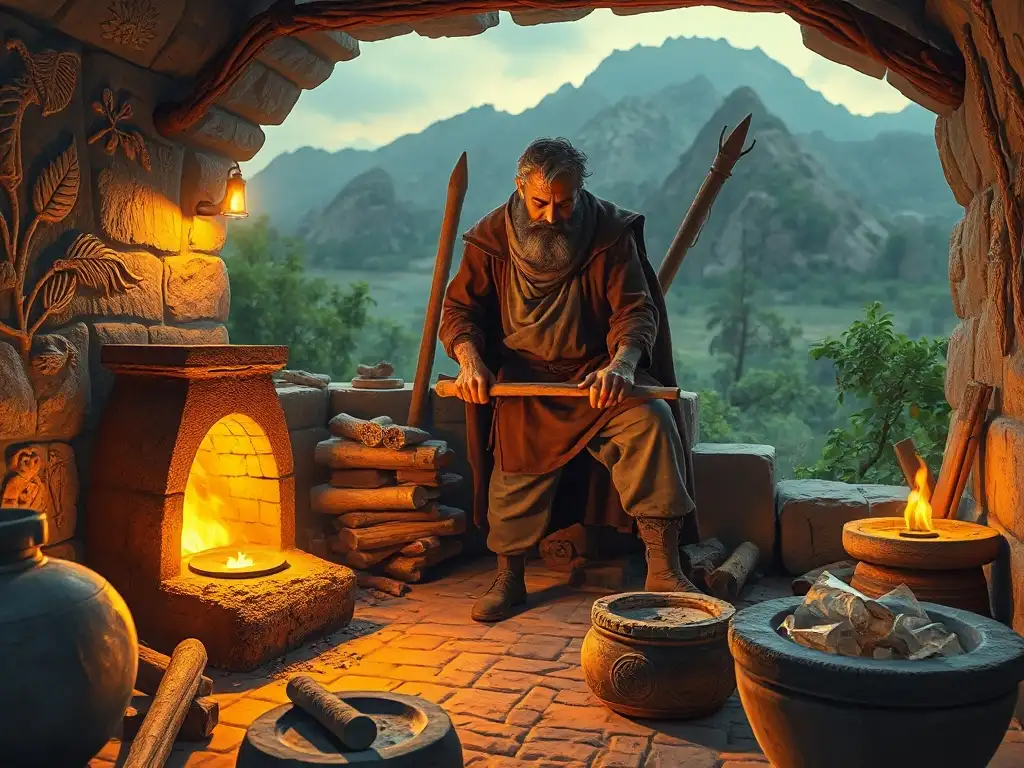
The quality of Wootz steel was heavily influenced by the local resources available in specific regions of ancient India. The iron ores sourced from various locations contained different impurities and trace elements, which significantly affected the final product. For instance, the iron derived from the mines in the southern regions, particularly Karnataka, was noted for its high purity and low phosphorous content, leading to superior quality steel.
Moreover, the availability of various types of charcoal, used as a fuel source in the heating process, influenced the carbon content of the steel. Different woods produced charcoals with varying properties, affecting both the temperature and the chemical reactions during production. This local resourcefulness allowed artisans to experiment and refine their techniques, resulting in the distinct qualities of Wootz steel, which often boasted a higher carbon content compared to steels produced in other regions.
Role of Artisans and Blacksmiths in Wootz Production
The artisans and blacksmiths of ancient India played a crucial role in the production of Wootz steel, combining traditional knowledge with practical skills to create one of the most coveted materials of their time. These craftsmen were not mere workers; they were skilled metallurgists who understood the intricacies of steel-making. Their expertise allowed them to manipulate the furnace conditions, control the carbon levels, and determine the optimal heating and cooling cycles needed to produce high-quality steel.
The role of these artisans extended beyond mere production; they were also innovators who contributed to the advancement of metallurgical techniques. Many blacksmiths developed proprietary methods and closely guarded their recipes, leading to a variety of Wootz steels with different characteristics. This artisanal knowledge was often passed down through generations, creating a rich tradition of craftsmanship that was integral to the identity of various Indian communities.
Moreover, the social structure surrounding steel production fostered collaboration among artisans. They would often work in guilds, sharing insights and innovations, which enhanced the overall quality of the Wootz steel produced. This collective effort not only ensured the preservation of techniques but also propelled the development of advanced metallurgical practices that would influence steel production far beyond the borders of ancient India.
Properties of Wootz Steel
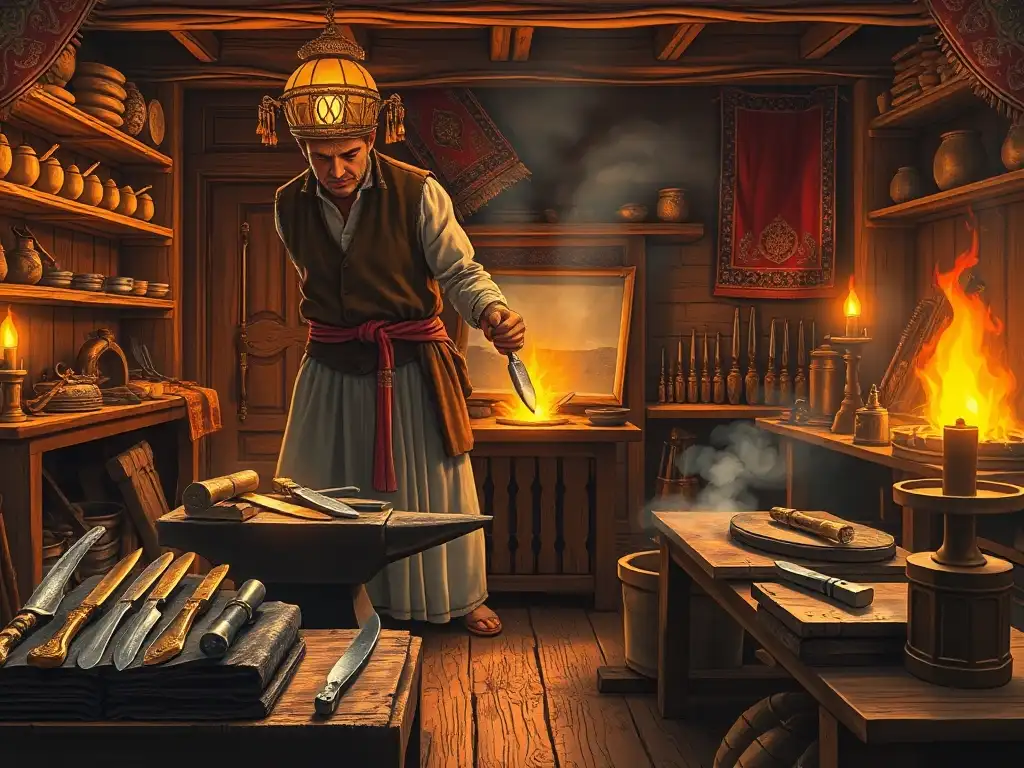
Wootz steel, a legendary material from ancient India, is renowned for its distinct properties that have fascinated metallurgists and historians alike. The unique production techniques used in creating Wootz steel led to its exceptional durability, strength, and aesthetic characteristics, which set it apart from other ancient alloys. Understanding these properties is crucial to appreciating the significance of Wootz steel in the context of ancient metallurgy.
Unique Characteristics of Wootz Steel
Durability and Strength
Wootz steel is celebrated for its remarkable durability and strength, achieved through a combination of high carbon content and the specific processing techniques employed during its production. Typically, Wootz steel contains around 1-2% carbon, which contributes to its hardness and ability to retain a sharp edge.
- Carburization Process: The unique process of carburization, where iron is heated in the presence of carbon-rich materials, allows for a uniform distribution of carbon throughout the steel, enhancing its toughness.
- Heat Treatment: The ancient blacksmiths would perform a series of heat treatments, which included quenching and tempering, further refining the microstructure and mechanical properties of the steel.
As a result, blades and tools made from Wootz steel could withstand rigorous use and maintain their integrity, making them highly sought after in both warfare and craftsmanship.
Patterns and Aesthetics in Wootz Steel
Beyond its functional properties, Wootz steel is renowned for its striking aesthetic patterns, often described as "watered" or "cloudy." These patterns are a direct result of the unique crystallization process during the solidification of the steel.
- Visible Patterns: The intricate designs formed by carbide and ferrite phases give Wootz steel a distinctive appearance, often admired by collectors and historians alike.
- Cultural Significance: The aesthetic qualities of Wootz steel were not merely decorative; they held cultural significance and were often seen as indicators of the quality and craftsmanship involved in the production process.
These unique visual characteristics, combined with its superior functionality, made Wootz steel a symbol of prestige in ancient societies.
Comparison of Wootz Steel with Other Ancient Steel Types
Wootz steel stands out not only for its unique properties but also when compared to other ancient steel types. Understanding these differences provides valuable insights into the metallurgical advancements of ancient civilizations.
Differences Between Wootz Steel and Damascus Steel
While both Wootz and Damascus steel are celebrated for their beauty and functionality, they differ significantly in their composition and production techniques:
| Feature | Wootz Steel | Damascus Steel |
|---|---|---|
| Composition | High carbon content (1-2%) | Variable carbon content, often less uniform |
| Production Method | Carburization and heat treatment | Pattern welding of iron and steel layers |
| Aesthetic Patterns | Intricate, crystalline patterns | Wavy patterns formed by folding and welding |
| Mechanical Properties | High toughness and edge retention | Excellent flexibility and shock resistance |
The differences in these properties reflect the unique metallurgical traditions of their respective cultures, with Wootz steel emerging as a product of Indian innovation.
Advantages of Wootz Steel Over Other Materials
Wootz steel's unique production techniques and properties confer several advantages over other ancient materials:
- Superior Edge Retention: The high carbon content of Wootz steel enables it to maintain a sharper edge for longer periods compared to many other steels, reducing the need for frequent sharpening.
- Enhanced Durability: Its exceptional toughness allows tools and weapons made from Wootz steel to endure significant stress, making them ideal for both practical applications and artistic expressions.
- Cultural Legacy: The rich history and cultural significance associated with Wootz steel elevate its status beyond mere utility, making it a coveted material for collectors and historians.
The properties of Wootz steel, including its durability, unique patterns, and comparative advantages, underscore its importance in the study of ancient metallurgy and material science.
Cultural Impact of Wootz Steel
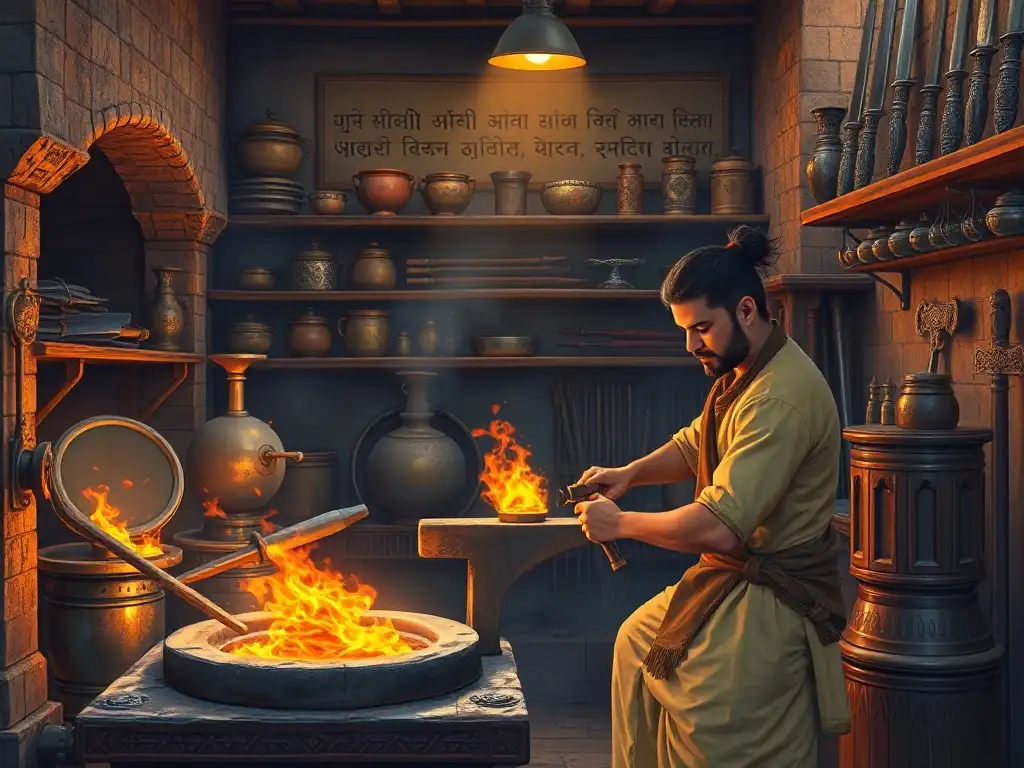
Wootz Steel in Ancient Indian Warfare
Wootz steel, known for its exceptional strength and sharpness, played a pivotal role in ancient Indian warfare. The unique properties of this steel made it highly sought after for weaponry, particularly swords and daggers. The production techniques used to create Wootz steel involved a careful selection of iron ores, combined with the precise control of carbon content during the smelting process. This resulted in a steel that was not only durable but also capable of being honed to a sharp edge.
- Superior Weapons: The swords made from Wootz steel were favored by Indian warriors and were often used in battles during the ancient period. Historical accounts suggest that these weapons were revered for their ability to maintain sharpness longer than those made from other materials.
- Craftsmanship: The artisans who specialized in Wootz steel production were highly respected in society. Their skills were passed down through generations, emphasizing the cultural importance of metallurgical knowledge in warfare.
- Trade and Warfare: The demand for Wootz steel extended beyond India’s borders, leading to trade relationships with regions like Persia and the Middle East. This exchange not only facilitated the spread of Wootz steel but also influenced military tactics and weaponry in various cultures.
Influence of Wootz Steel on Global Metallurgy
The production techniques behind Wootz steel had a profound impact on global metallurgy. As the knowledge of Wootz steel spread through trade routes, it inspired metallurgists in various cultures to explore and adopt similar methods.
- Technological Exchange: The intricate method of producing Wootz steel, which involved the use of crucibles, showcased advanced metallurgical practices. This technique was later adapted in different regions, leading to innovations in steel production worldwide.
- Cultural Integration: The introduction of Wootz steel into foreign markets influenced local craftsmanship. For instance, the production of Damascus steel, which is known for its patterned surface and remarkable strength, can be traced back to the techniques employed in creating Wootz steel.
- Scientific Exploration: The unique properties of Wootz steel prompted early scientists and metallurgists to investigate the relationship between carbon content and the characteristics of steel. This laid the groundwork for future advancements in material science.
The Legacy of Wootz Steel in Modern Times
The legacy of Wootz steel continues to resonate in modern metallurgy and material science. Contemporary research often revisits ancient techniques to uncover the secrets behind this legendary steel.
- Revival of Ancient Techniques: Modern metallurgists are increasingly interested in replicating the Wootz steel production methods. Efforts to recreate the traditional techniques have led to a renewed appreciation for ancient craftsmanship and its relevance in today’s technology.
- Application in Modern Tools: The principles discovered through the study of Wootz steel have influenced the production of high-performance tools and cutlery. Today’s manufacturers often seek to incorporate similar methods to enhance the durability and effectiveness of their products.
- Cultural Heritage: Wootz steel is not merely an artifact of the past; it represents a significant cultural heritage of India. The revival of interest in Wootz steel serves as a reminder of the rich history and innovation that ancient civilizations contributed to the world of metallurgy.
The cultural impact of Wootz steel is multifaceted, influencing warfare, global metallurgical practices, and continuing to inspire modern advancements. The exploration of Wootz steel production techniques not only sheds light on ancient Indian ingenuity but also highlights the interconnectedness of cultural advancements throughout history.
Conclusion
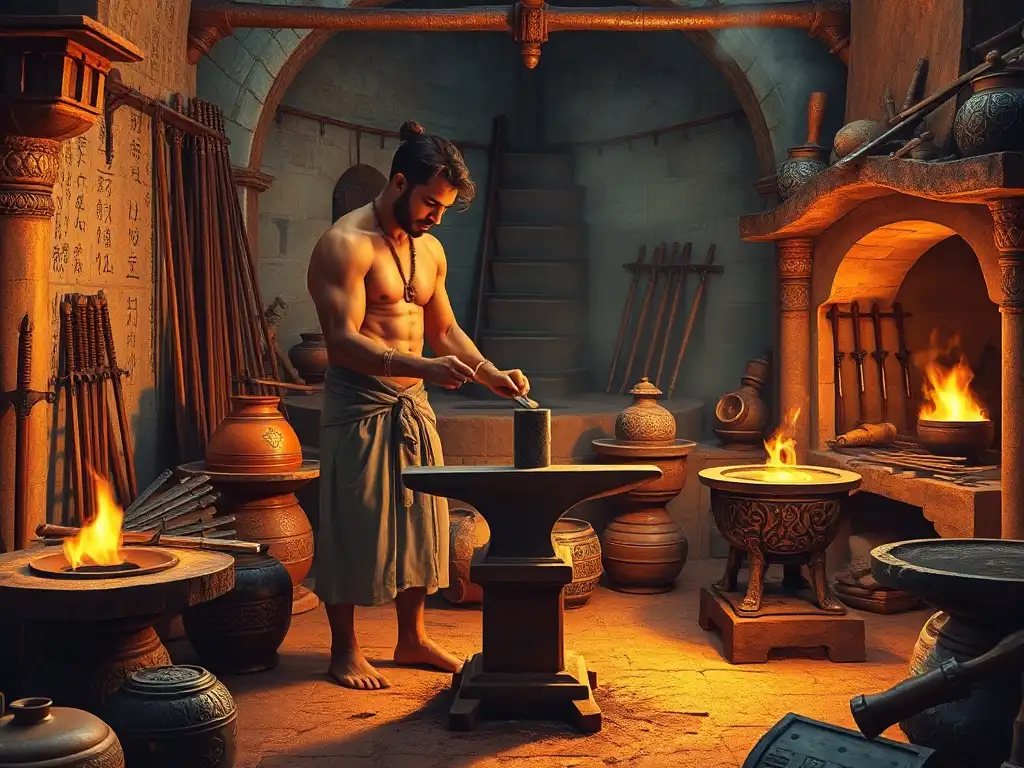
Summary of Wootz Steel Production Techniques
Wootz steel, renowned for its exceptional quality and distinctive patterns, is a significant achievement in ancient metallurgy. The production techniques of Wootz steel involved a sophisticated process that can be summarized as follows:
- Raw Material Selection:
- High-quality iron ore was sourced, often enriched with carbon.
- The ore was typically found in regions rich in minerals, such as the Southern Indian states.
- Smelting Process:
- Crucible Method: A crucial innovation in Wootz steel production was the use of crucibles, small clay pots where the iron ore and carbon-rich materials were heated together.
- The crucibles were placed in a furnace and subjected to high temperatures, around 1,500 °C (2,732 °F), enabling a reaction that infused carbon into the iron.
- Cooling and Forging:
- After smelting, the molten steel was cooled slowly, allowing carbon to form a unique crystalline structure.
- The steel was then forged into various shapes, revealing the characteristic patterns and enhancing its strength and flexibility.
- Heat Treatment:
- The final pieces underwent heat treatment, which further refined their properties, making them suitable for weapons and tools.
This intricate and methodical approach to steel production not only resulted in a product that was superior in quality but also laid the groundwork for metallurgical advancements in subsequent civilizations.
The Enduring Influence of Ancient Indian Metallurgy
The techniques utilized in Wootz steel production have left an indelible mark on metallurgy and material science. The influence is evident in several aspects:
- Cultural Exchange: Ancient Indian Wootz steel was highly sought after, leading to trade with civilizations such as the Romans, Persians, and later, the Chinese. This exchange fostered a cross-cultural appreciation for metallurgy, influencing techniques and styles.
- Technological Advancements: Wootz steel production techniques inspired later metallurgical practices in various regions. The unique properties of Wootz steel led to innovations in weapon manufacturing, enhancing the effectiveness of swords, daggers, and tools.
- Legacy of Craftsmanship: The methods of producing Wootz steel have been passed down through generations, influencing not only the field of metallurgy but also the artistry associated with metalwork. The intricate patterns of Wootz steel are still celebrated in modern crafts.
Final Thoughts on the Importance of Wootz Steel in History
Wootz steel is more than just a remarkable material; it signifies the height of ancient Indian metallurgy. Its production techniques represent a fusion of art and science, showcasing the advanced understanding of materials that ancient civilizations possessed. The legacy of Wootz steel is an enduring testament to the ingenuity and innovation of ancient Indian metallurgists, whose contributions have shaped the future of material science.
As we explore the rich history of ancient India, the story of Wootz steel serves as a reminder of the sophistication and complexity of early technological advancements. The techniques and knowledge developed during this era continue to resonate, highlighting the importance of preserving and studying these ancient practices for future generations.
Frequently Asked Questions
What is Wootz steel?
Wootz steel is an ancient Indian steel known for its high quality and unique patterns. It was produced using specialized techniques that made it highly sought after for weaponry and tools.
How was Wootz steel produced?
The production techniques for Wootz steel involved temperature control and specific raw materials. This method allowed artisans to create steel with high carbon content, resulting in its exceptional hardness and durability.
What were the applications of Wootz steel?
Wootz steel was primarily used for making swords, knives, and other cutting tools due to its strength. Its reputation for quality made it popular among warriors and craftsmen alike throughout history.
How did Wootz steel influence other cultures?
The unique properties of Wootz steel influenced various cultures, particularly in the Middle East and Europe. It contributed to the development of damascus steel, which was known for its beauty and effectiveness in weaponry.
Why is Wootz steel significant in history?
Wootz steel represents the advanced metallurgical knowledge of ancient Indian civilizations. Its significance lies not only in its technological innovation but also in its impact on trade and cultural exchanges throughout history.
Final Reflection: The Enduring Legacy of Wootz Steel
The exploration of Wootz steel production techniques not only reveals the remarkable ingenuity of ancient Indian metallurgists but also underscores the timeless relevance of traditional craftsmanship in today's world. As we navigate an era dominated by rapid technological advancements, the intricate methods and profound knowledge embedded in Wootz steel production remind us of the importance of preserving and honoring our cultural heritage. The legacy of this legendary steel is a testament to human creativity and resilience, inspiring us to seek sustainable practices in our modern industries.
Cultural appreciation for ancient techniques like those used in Wootz steel production continues to shape our understanding of material science and craftsmanship. The intricate patterns and superior quality of Wootz steel have not only captured the imagination of historians and metallurgists but have also influenced contemporary artisans and manufacturers. The past is not dead; it is not even past.
This quote by William Faulkner resonates deeply as we reflect on how the knowledge of Wootz steel informs current practices and innovations, bridging the gap between ancient wisdom and modern technology.
As you ponder the fascinating journey of Wootz steel, I invite you to reflect on how the lessons from this ancient craft can be applied in your own life. Consider the value of patience, precision, and a deep respect for materials in your endeavors. Whether you are an artist, a scientist, or simply someone navigating the complexities of daily life, let the story of Wootz steel inspire you to embrace the beauty of craftsmanship and the wisdom of tradition. Together, we can honor the past while forging a brighter, more sustainable future.
Unleash the Power of Wootz Steel Today!
Thank you for exploring the fascinating world of ancient Indian steel and its remarkable legacy! You’ve just uncovered the secrets behind Wootz steel, a marvel of engineering that continues to inspire innovation. Now, let’s turn this knowledge into action!
- Dive deeper into the history of metallurgy: Explore more articles on our website to enhance your understanding of how ancient techniques influence modern materials.
- Share your discoveries with friends: Discuss what you’ve learned about Wootz steel on social media or in conversation—let others appreciate this ancient wonder!
- Join our community: Subscribe to our newsletter for exclusive insights and updates on ancient technologies and their contemporary implications.
What aspect of ancient metallurgy intrigues you the most, and how do you believe it can influence today’s technological advancements?