
The Role of Women in Ancient Indian Metallurgical Practices

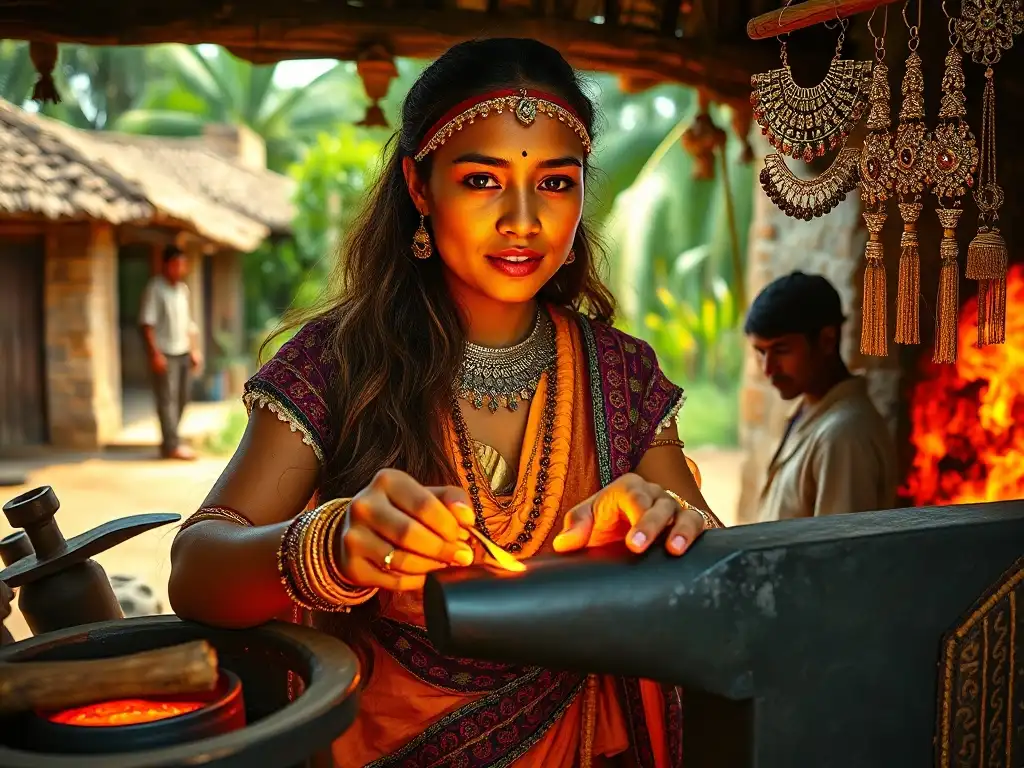
Welcome to Ancient India History, where we delve into the captivating tapestry of India’s ancient civilizations! In this exploration, we shine a light on the often-overlooked contributions of women in the realm of metallurgy. Discover how these skilled artisans played a pivotal role in shaping not just technology, but also the cultural landscape of their time. As you journey through our insights on "Women in Ancient Indian Metallurgy," prepare to uncover the stories, innovations, and legacies that continue to resonate today. Join us in this fascinating adventure through history, and let the past inspire your understanding of the present!
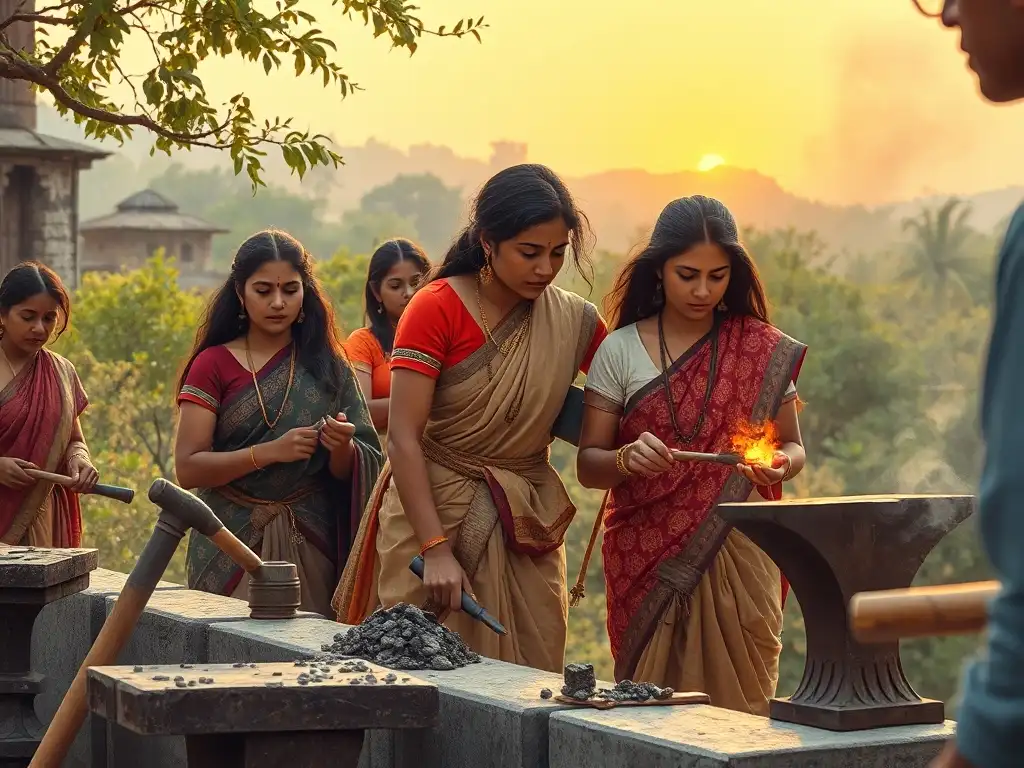
The exploration of women's contributions to metallurgy in ancient India uncovers a rich tapestry of skills, knowledge, and innovation that played a crucial role in the advancement of this field. From the sophisticated techniques developed during the Indus Valley Civilization to the intricate metallurgical practices of the Mauryan and Gupta Empires, women were not merely passive observers but active participants in the craft. This article delves into the pivotal role women played in shaping metallurgical practices, highlighting their contributions and the cultural significance of their involvement in this vital area of ancient Indian technology.
Introduction to Women in Ancient Indian Metallurgy
The significance of metallurgy in ancient Indian society cannot be overstated, as it served as a foundation for the development of various tools, ornaments, and artifacts. The involvement of women in these practices is often overlooked, yet it is essential to recognize their influence on the techniques and materials used. Women were traditionally associated with domestic tasks, but their roles extended into the realms of craftsmanship, where they contributed to the production and innovation of metalwork.
Overview of Metallurgy in Ancient India
Metallurgy in ancient India dates back thousands of years, with evidence suggesting that the Indus Valley Civilization (circa 3300-1300 BCE) was among the first to utilize advanced metallurgical techniques. The use of copper, bronze, and later iron transformed not only the economy but also the social structure of the time. Key points regarding metallurgy in ancient India include:
- Early Developments: The emergence of metallurgy is closely linked to agricultural advancements, which created a demand for better tools.
- Cultural Significance: Metal objects were not only utilitarian but also held religious and cultural significance.
- Technological Innovations: Innovations such as the lost-wax casting method and alloying techniques were pivotal in enhancing the quality and variety of metal products.
Importance of Women in Ancient Metallurgical Practices
Women’s involvement in metallurgy extended beyond mere participation; they were often the custodians of traditional knowledge and techniques passed down through generations. Their roles included:
- Craftsmanship: Women were skilled artisans, creating intricate jewelry, tools, and ceremonial objects.
- Knowledge Keepers: They played a crucial role in preserving metallurgical knowledge, including techniques for smelting and alloying.
- Economic Agents: By engaging in metalwork, women contributed to their families' economic stability and the broader community, influencing trade dynamics.
Historical Context of Women in Metallurgy
To understand the role of women in ancient Indian metallurgy, it is essential to contextualize their contributions within specific historical periods.
Women in the Indus Valley Civilization
The Indus Valley Civilization showcases some of the earliest evidence of women's involvement in metallurgy. Archaeological findings suggest that:
- Artifacts: Numerous bronze and copper artifacts, including tools and ornaments, indicate that women were likely involved in their production.
- Social Structure: The presence of workshops and evidence of communal activities suggests a collaborative environment where women contributed significantly.
Contributions During the Vedic Period
The Vedic period (circa 1500-500 BCE) marked a time of significant cultural and technological change in ancient India, with women continuing to play an influential role:
- Textual References: Ancient texts reference women as knowledgeable in crafting and metallurgy, suggesting their active participation in the community.
- Cultural Practices: Women were involved in rituals that required metallurgical expertise, such as crafting ceremonial items.
The Role of Women in the Mauryan and Gupta Empires
During the Mauryan (322-185 BCE) and Gupta (c. 240-550 CE) empires, women's roles in metallurgy evolved:
- Professional Guilds: Evidence suggests that women participated in guilds or cooperatives, enhancing their skills and economic independence.
- Artistic Contributions: The Gupta period is noted for its artistic advancements, with women contributing to the intricate designs and craftsmanship of metal artifacts.
The narrative of women in ancient Indian metallurgy is one of resilience, skill, and innovation, highlighting their indispensable contributions to the field and society at large. The following sections will delve deeper into specific periods and the unique roles women played in shaping the metallurgical landscape of ancient India.
Techniques and Skills of Women Metallurgists
Women in ancient Indian metallurgy were not mere bystanders; they played an intricate role in the development and execution of various metallurgical techniques. Their expertise encompassed a range of skills, from mining and smelting to alloying and crafting intricate metal objects. Many women were involved in the initial stages of metal production, where they sourced raw materials and prepared them for processing.
The metallurgical processes often required a high level of precision and knowledge of materials. Women utilized traditional knowledge passed down through generations, allowing them to master techniques that were vital to their communities. This included understanding the properties of different metals, recognizing the best sources for ores, and employing techniques like smelting, forging, and casting.
Traditional Metallurgical Techniques Used by Women
Several traditional metallurgical techniques were predominantly practiced by women in ancient India, reflecting their integral role in the craft.
- Smelting: Women often participated in the smelting process, which involved heating ores to extract metals. This process required not only physical labor but also an understanding of the correct temperatures and methods to maximize yield.
- Alloying: The skill of alloying different metals to create stronger or more useful materials was commonly practiced. Women would mix metals like copper and tin to produce bronze, a significant advancement in metallurgy.
- Casting and Forging: Women were also involved in casting metal objects by pouring molten metal into molds. They would forge tools and decorative items, showcasing their artistic skills alongside their technical expertise.
- Decorative Techniques: The application of decorative techniques such as engraving, inlaying, and plating were often the domain of women, allowing them to contribute both functionally and artistically to metallurgical practices.
Tools and Materials Employed by Women in Metallurgy
The tools and materials utilized by women in ancient Indian metallurgy were diverse and often handmade.
- Tools: Women employed simple yet effective tools like hammers, anvils, and molds. These tools were often crafted from locally available materials, reflecting the resourcefulness of women metallurgists.
- Materials: Common materials included copper, bronze, gold, and iron. Women were adept at sourcing high-quality ores and understanding the properties that made certain metals preferable for specific applications.
- Fuels: The use of charcoal and other organic materials as fuel for smelting and forging was also a critical aspect of their work. Women had to manage these resources efficiently to ensure successful metal production.
Oral Traditions and Knowledge Transfer Among Women
Oral traditions played a crucial role in the knowledge transfer among women metallurgists in ancient India. This knowledge was often passed down through generations, forming a rich tapestry of skills and techniques unique to each community.
- Storytelling: Women used storytelling as a method to convey complex metallurgical processes, making it easier for younger generations to learn and retain information.
- Mentorship: Older women often served as mentors, teaching younger women the intricate details of metallurgy, from raw material selection to the final crafting of metal objects.
- Community Workshops: Communal workshops provided spaces for women to collaborate and share knowledge, fostering a culture of learning and innovation in metallurgical practices.
Women held a significant place in the social and cultural fabric of ancient Indian metallurgy. Their contributions extended beyond mere economic functions, influencing community identity and cultural practices.
Women as Key Contributors to Community Economies
The involvement of women in metallurgy significantly bolstered local economies. By engaging in the production of essential tools, jewelry, and decorative items, women created products that were vital for daily life and trade.
- Economic Independence: Many women were able to achieve a degree of economic independence through their metallurgical skills, contributing to family income and community wealth.
- Trade Networks: Women engaged in local and regional trade, exchanging their crafted metal goods for other essential items or services, thus forming vital trade networks.
Gender Roles and Their Impact on Metallurgical Practices
Gender roles in ancient India shaped the practices and perceptions surrounding metallurgy. While women were integral to the craft, societal norms often restricted their visibility and recognition.
- Division of Labor: Despite their significant contributions, metallurgical practices were often perceived as male-dominated fields. Women’s roles were frequently relegated to informal settings, which limited their recognition in historical accounts.
- Changing Dynamics: Over time, shifts in societal structures began to acknowledge the importance of women in metallurgy, leading to greater appreciation and respect for their contributions.
Influence of Religion and Mythology on Women's Roles in Metallurgy
Religion and mythology played crucial roles in defining the status of women in metallurgical practices. Many ancient texts and stories highlighted the reverence for women connected to metalwork.
- Deities and Myths: Various deities associated with metallurgy, such as Vishwakarma, the divine architect, often included female figures in their retinues, symbolizing the sacred aspect of metalworking.
- Ritual Practices: Women often participated in rituals that involved metallurgy, such as the creation of ceremonial objects. These practices not only highlighted their skills but also reinforced their cultural significance.
The roles of women in ancient Indian metallurgy were multifaceted, influencing not only the technological advancements of their time but also the cultural and economic landscapes of their communities. Their contributions remain an essential part of the rich narrative of ancient Indian history.
Case Studies of Notable Women in Ancient Indian Metallurgy
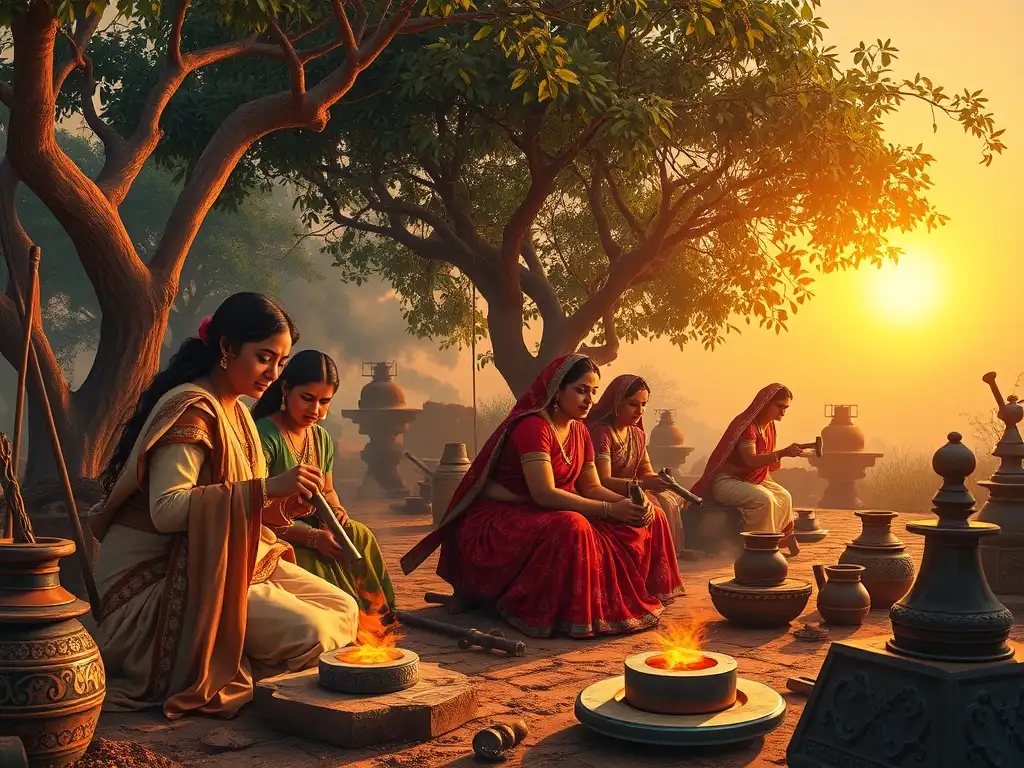
Throughout ancient Indian history, women played a crucial role in metallurgy, often contributing significantly to the development and innovation in this field. One prominent case is that of Vatsala, a metallurgist from the Gupta period, who is believed to have pioneered techniques in copper smelting. Her methods were so advanced that they were documented in ancient texts, influencing subsequent generations of metalworkers.
Another example is Madhulika, who worked in the iron metallurgy of the early medieval period. Her unique approach to alloying iron with carbon led to the creation of high-quality steel, known as Wootz steel, which later became famous worldwide.
These women not only excelled in practical metallurgy but also contributed to the theoretical understanding of materials. Their work often went unrecognized in historical records, but archaeological findings have revealed tools and artifacts that bear the marks of their innovative techniques.
Profiles of Influential Women Metallurgists
- Vatsala - A key figure during the Gupta Empire, she is credited with the introduction of advanced smelting techniques that improved the efficiency of copper production. Her influence extended beyond metallurgy, as she also engaged in the training of apprentices, ensuring that her knowledge was passed down through generations.
- Madhulika - Known for her expertise in iron and steel production, Madhulika's contributions included the development of unique alloy compositions. Her work in producing Wootz steel laid the groundwork for future advancements in metallurgy not only in India but also in the Middle East.
- Rukmini - A lesser-known but impactful figure in the medieval period, Rukmini was involved in the decorative arts, incorporating metallurgy in jewelry making. Her techniques in inlaying precious metals into various forms of jewelry showcased the intersection of artistry and metallurgy.
These profiles highlight that women were not just passive participants but active innovators in the field of metallurgy.
Specific Contributions and Innovations by Women
Women in ancient India made several specific contributions to metallurgy that were pivotal to the field's advancement:
- Tool Making: Women were often responsible for creating the initial tools used in metallurgy, including hammers, anvils, and molds. Their understanding of materials allowed them to design tools that enhanced productivity and efficiency.
- Alloy Development: Women like Madhulika were instrumental in the creation of new metal alloys, experimenting with different combinations of metals to produce superior quality products. Their knowledge of local minerals and ores contributed to the richness of metallurgical practices in their regions.
- Artistic Techniques: The integration of metallurgy with art forms was another area where women excelled. Their contributions in techniques such as damascening—the art of inlaying patterns in metal—ensured that functional items were also aesthetically pleasing, bridging the gap between utility and beauty.
These innovations underscore the significant role women played in shaping the metallurgical landscape of ancient India.
Legacy of Women in Ancient Indian Metallurgical Practices
The legacy of women in ancient Indian metallurgy is profound, yet often overshadowed by their male counterparts. Their contributions laid the foundation for future metallurgical advancements and set a standard for quality and craftsmanship.
- Influence on Future Generations: The techniques developed and refined by women metallurgists influenced not only their immediate communities but also regions beyond India. The export of Indian iron and steel products during the medieval period can be traced back to the innovations established by these women.
- Cultural Heritage: The practices of women in metallurgy are an integral part of India's cultural heritage. Their stories and contributions, although not widely documented, resonate in the traditions of craftsmanship and metalwork that continue to this day.
- Recognition and Rediscovery: In recent years, there has been a growing recognition of the contributions of women in fields traditionally dominated by men. This ongoing rediscovery of women's roles in ancient metallurgy is helping to rewrite the narrative of history, ensuring that their contributions are acknowledged and celebrated.
Challenges Faced by Women in Metallurgical Roles
Despite their significant contributions, women faced numerous challenges in the field of metallurgy.
Societal Constraints and Limitations
Women in ancient India often encountered societal constraints that limited their access to education and resources in metallurgy. Cultural norms frequently designated metallurgy as a male domain, relegating women to lesser roles. This meant that even skilled women artisans were often overshadowed by their male counterparts.
Additionally, the lack of formal recognition for women's work in historical records has perpetuated the notion that metallurgy was exclusively a male profession. As a result, many women were compelled to work in secrecy or anonymity, limiting the scope of their impact on the field.
The Impact of Changing Dynasties on Women’s Roles
The fluctuating power dynamics of various dynasties in ancient India significantly impacted women's roles in metallurgy. During periods of stability, women often enjoyed greater freedom to practice their craft, leading to innovations and advancements. Conversely, during times of conflict or transition, their opportunities dwindled, and many were forced to abandon their metallurgical pursuits.
For instance, under the rule of the Mauryan dynasty, women experienced a relative degree of empowerment, allowing for greater involvement in various crafts, including metallurgy. However, with the rise of more patriarchal regimes, such as the later Gupta Empire, women's roles became increasingly restricted.
Preservation of Women’s Contributions in Historical Records
A major challenge in recognizing the contributions of women in metallurgy is the lack of documentation in historical records. Many ancient texts focused on male achievements, neglecting the vital roles played by women. This has led to a significant gap in understanding the full scope of women's contributions to metallurgy.
Efforts to preserve women's contributions have been hindered by the passage of time and the loss of artifacts. Recent archaeological findings have begun to shed light on the roles women played, but much work remains to be done. Scholars and historians are now advocating for a more inclusive approach to studying metallurgy, emphasizing the need to highlight and document the achievements of women alongside their male counterparts.
Conclusion: The Lasting Impact of Women in Ancient Indian Metallurgy
The role of women in ancient Indian metallurgy is significant and multifaceted, reflecting their integral contributions to technological advancements in this field. Women were not merely passive participants; they were active practitioners, innovators, and custodians of metallurgical knowledge. Their skills in metalworking, particularly in the crafting of jewelry, tools, and ritual objects, highlight their expertise and artistry.
The influence of women can also be seen in the transmission of metallurgical skills across generations, ensuring that knowledge was preserved and adapted over time. This legacy of craftsmanship contributed to the complex socio-economic structures of ancient Indian societies, where women's roles were essential in facilitating trade and cultural exchange. As such, understanding the historical contributions of women in metallurgy not only enriches our knowledge of ancient Indian history but also underscores the importance of gender roles in technological development.
Reflection on the Role of Women in Technological Advancements
Women in ancient India played a pivotal role in the evolution of various technologies, including metallurgy. Their involvement extended beyond mere participation; they often held specialized knowledge that was crucial for the production of metal artifacts. This expertise was essential in communities where metal tools and ornaments were not just functional items but also symbols of status and power.
Moreover, women's roles in metallurgy reflect broader themes in the history of technology, where gender dynamics influence the development and dissemination of skills. By examining the intersection of gender and technology, we gain insights into how women navigated societal structures and contributed to advancements, often in ways that remain underrepresented in historical narratives. The recognition of women's contributions encourages a re-evaluation of their role in shaping technological progress and highlights the need for more inclusive historical accounts.
Future Research Directions on Women in Ancient Indian Metallurgical Practices
The study of women in ancient Indian metallurgy presents numerous avenues for future research. Scholars can explore regional variations in women's metallurgical practices, examining how local resources and cultural contexts influenced their contributions. Additionally, interdisciplinary approaches that combine archaeology, anthropology, and gender studies can provide a more comprehensive understanding of women's roles in metallurgy.
Another promising area of research is the investigation of oral traditions and folk practices related to metallurgy that may shed light on the knowledge systems women utilized. By documenting these practices, researchers can uncover lost histories and recognize the resilience of women's contributions in technological fields. Furthermore, examining the impact of socio-political changes on women’s roles in metallurgy throughout different historical periods can illuminate the evolving landscape of gender and technology in ancient India.
References
Key Texts and Archaeological Findings
- "Metallurgy in Ancient India" by R. P. Khatri – This book provides a comprehensive overview of the metallurgical practices in ancient India, including insights into the roles women played in these processes.
- "Women in Ancient India: A Historical Perspective": by R. S. Sharma – An exploration of women's societal roles, including their contributions to various crafts and technologies.
- Excavation Reports from Harappa and Mohenjo-Daro – Archaeological findings that highlight the advanced metallurgical techniques used in the Indus Valley Civilization, with references to gender roles in these practices.
Recommended Further Reading on Women in Ancient Indian History
- "Gender and History in Ancient India" by Malathi de Alwis – A text that examines gender dynamics within the context of ancient Indian history, focusing on various crafts, including metallurgy.
- "Crafting Gender: Women and Metalwork in Ancient India": by Anita B. Mehta – This book specifically addresses the intersection of gender and craft, shedding light on women's roles in metalworking.
- "The Forgotten Half: Women in Ancient Indian Society": by Kavita Sharma – A detailed account of women’s contributions across various sectors, including technology and craftsmanship.
The exploration of these texts will not only deepen our understanding of women in ancient Indian metallurgy but also enhance our appreciation for their broader historical significance.
- Introduction to Women in Ancient Indian Metallurgy
- Historical Context of Women in Metallurgy
- Techniques and Skills of Women Metallurgists
- Social and Cultural Significance of Women in Metallurgy
- Case Studies of Notable Women in Ancient Indian Metallurgy
- Challenges Faced by Women in Metallurgical Roles
- Conclusion: The Lasting Impact of Women in Ancient Indian Metallurgy
- References
- What was the role of women in ancient Indian metallurgy?
- How did ancient Indian metallurgy impact women's status in society?
- Were there any specific tools or techniques used by women in metallurgy?
- Did women have any formal education in metallurgy during ancient times?
- What contributions did women make to the development of metallurgy in ancient India?
Frequently Asked Questions
What was the role of women in ancient Indian metallurgy?
Women played a significant role in metallurgical practices, often participating in the extraction, refining, and crafting of metals, contributing to the overall economic and cultural development of ancient societies.
How did ancient Indian metallurgy impact women's status in society?
The involvement of women in metallurgy helped to elevate their status within their communities, as they were recognized for their skills and contributions to both artisanal and domestic spheres.
Were there any specific tools or techniques used by women in metallurgy?
Yes, women utilized various tools and techniques passed down through generations, including the use of furnaces and smelting methods, showcasing their knowledge and expertise in metalworking.
Did women have any formal education in metallurgy during ancient times?
While formal education was limited, women often learned through apprenticeship and family traditions, acquiring knowledge and skills essential for their roles in metallurgy from a young age.
What contributions did women make to the development of metallurgy in ancient India?
Women contributed to the innovation and evolution of metallurgical techniques, influencing the quality and variety of metal products, which played a crucial role in trade and cultural exchange.
Final Reflection: The Enduring Legacy of Women in Ancient Indian Metallurgy
The exploration of women's roles in ancient Indian metallurgy reveals a profound connection between gender and craftsmanship that resonates powerfully in today's discourse on gender equality and empowerment. As we delve into the historical significance of women in this field, we uncover not only their contributions to metallurgy but also the broader implications of their involvement in shaping societal norms and practices. This understanding challenges us to reconsider the narratives we hold about women's capabilities and their rightful place in history.
Clearly, the impact of women in ancient Indian metallurgy extends beyond the confines of their time, influencing contemporary cultural and social landscapes. Their expertise and innovation in metalworking serve as a testament to the strength and resilience of women throughout history. As we reflect on this legacy, we are reminded of the words of the renowned historian, History is not just about the past; it is a lens through which we can understand the present and shape our future.
This perspective invites us to acknowledge the often-overlooked contributions of women and to celebrate their roles as pioneers in various fields.
As we move forward, let us take the lessons from the past and apply them to our lives today. I invite you to reflect on the stories of these remarkable women and consider how their legacy can inspire us to advocate for gender equality and inclusivity in all spheres of life. Embrace the spirit of innovation and resilience that they embodied, and strive to create a world where every individual's contributions are recognized and valued, regardless of gender. Together, we can honor the past while forging a more equitable future.
Unveil the Legacy of Women in Metallurgy!
Thank you for diving into the fascinating world of women's roles in ancient Indian metallurgical practices! By exploring this topic, you've uncovered the rich contributions women made to this field, highlighting their skills, traditions, and innovations. Now, let’s take the next step to honor and amplify this legacy.
Here are a few **empowering actions** you can take:
- Share your insights: Discuss what you've learned with friends or on social media. Use the hashtag **#WomenInMetallurgy** to raise awareness and foster community engagement!
- Explore further: Investigate additional resources about women in ancient crafts. You might be surprised at the **inspiring stories** and **legacies** waiting to be uncovered.
- Join a local workshop: Many communities offer workshops on traditional crafts, including metallurgy and metalworking. Experience the skills firsthand and connect with like-minded enthusiasts!
What unique stories or insights have you discovered about women’s roles in other historical fields? **We invite you to share your thoughts below! **