
The Mystical Symbolism in Upanishadic Teachings


Welcome to Ancient India History, where we journey through the rich tapestry of ancient Indian civilizations. Dive into the depths of mystical wisdom as we uncover the profound layers of Upanishadic teachings symbolism analysis in our featured article, "The Mystical Symbolism in Upanishadic Teachings." Discover how these ancient texts resonate with timeless truths and explore the spiritual significance that has shaped the very essence of Indian thought. Prepare to be captivated as you unveil the secrets that lie within these sacred teachings—your exploration begins now!
- Introduction to Upanishadic Teachings and Symbolism
- Understanding the Concept of Symbolism in Hindu Philosophy
- The Key Symbols in Upanishadic Teachings
- Deep Dive into Symbolism Analysis in Upanishadic Texts
- Case Studies of Symbolism in Specific Upanishads
- The Impact of Upanishadic Symbolism on Eastern Philosophy
- Conclusion
- Frequently Asked Questions
- Final Reflection: Embracing the Depth of Upanishadic Symbolism
- Unlock the Mysteries of Upanishadic Wisdom
Introduction to Upanishadic Teachings and Symbolism
The Upanishads, regarded as one of the foundational texts of Hindu philosophy, present a profound exploration of metaphysical concepts and spiritual wisdom. These ancient scriptures, composed between 800 and 200 BCE, delve into the nature of reality, the self, and the universe. Their teachings offer insights into the ultimate truths that govern existence and the interconnectedness of all beings. This article aims to conduct an in-depth analysis of the symbolism present in Upanishadic teachings, highlighting its significance and implications for understanding ancient Indian spirituality.
Overview of Upanishads
The Upanishads, often referred to as Vedanta (the end of the Vedas), encapsulate a diverse range of philosophical ideas and spiritual practices. Comprising more than 200 texts, they vary in scope and focus, but collectively they emphasize the pursuit of knowledge (jnana) and self-realization (moksha). Key concepts such as Brahman (the ultimate reality) and Atman (the individual soul) are central, often conveyed through allegorical narratives and metaphors.
Some notable Upanishads include:
- Chandogya Upanishad: Explores the significance of sound and the essence of the universe.
- Brihadaranyaka Upanishad: Delves into existential questions and the nature of the self.
- Taittiriya Upanishad: Discusses the layers of existence and the relationship between the individual and the cosmos.
The rich tapestry of allegorical language and mystical symbolism in these texts invites readers to engage in contemplative analysis, allowing for a deeper understanding of the spiritual truths they convey.
Importance of Symbolism in Ancient Texts
Symbolism serves as a powerful tool in ancient texts, providing layers of meaning that transcend literal interpretation. In the context of the Upanishads, symbols often encapsulate deep philosophical ideas, enabling readers to grasp complex concepts through relatable imagery. The use of symbols can facilitate:
- Cognitive Engagement: Encouraging readers to ponder and reflect on the deeper meanings behind the words.
- Cultural Transmission: Conveying teachings that resonate across generations, adapting to various contexts while preserving core ideas.
- Spiritual Insight: Allowing individuals to connect with the divine and explore their own spiritual journeys.
By employing symbolism, the Upanishads not only articulate profound truths but also invite a transformative experience, urging readers to look beyond the surface and engage with the text on a personal level.
Purpose of Symbolism Analysis in Upanishadic Teachings
Analyzing the symbolism within Upanishadic teachings serves several critical purposes:
- Decoding Complex Ideas: Through symbolic interpretation, intricate philosophies become more accessible, aiding in the understanding of abstract concepts.
- Enhancing Spiritual Practice: Symbolism can enrich meditation and contemplation practices, allowing individuals to draw upon symbolic imagery as focal points for deeper introspection.
- Fostering Interdisciplinary Connections: Symbolism in the Upanishads resonates with various fields such as psychology, literature, and comparative religion, making it a rich area for scholarly exploration.
By engaging in a thorough analysis of the symbolism embedded within Upanishadic teachings, one can uncover profound insights into the nature of existence and the human experience. This exploration not only enriches our understanding of ancient Indian philosophy but also illuminates contemporary spiritual practices influenced by these timeless teachings.
Understanding the Concept of Symbolism in Hindu Philosophy

The concept of symbolism is deeply ingrained in Hindu philosophy, particularly within the framework of the Upanishads. These ancient texts explore the nature of reality and the self, often employing symbolic language to convey profound spiritual truths. Symbolism in the Upanishads serves as a bridge between the material and spiritual realms, allowing practitioners to grasp complex metaphysical ideas through tangible representations.
Definition of Symbolism in Hinduism
Symbolism in Hinduism refers to the use of symbols to represent deeper spiritual truths and concepts. These symbols can manifest in various forms—objects, colors, rituals, and even words. In the context of Upanishadic teachings, symbolism is primarily employed to express the nature of Brahman (the ultimate reality) and Atman (the individual self).
Key aspects of symbolism in Hinduism include:
- Representation of the Divine: Various deities and their attributes are symbolized through icons and images, facilitating an understanding of their roles in cosmic order.
- Metaphysical Concepts: Abstract ideas such as infinity, unity, and duality are often symbolized through numbers (e.g., the sacred number 108) and geometric shapes (e.g., mandalas).
- Rituals and Practices: Many rituals incorporate symbolic elements, such as fire (Agni) representing purification and transformation.
In the Upanishads, these symbols are not just mere representations but are imbued with layers of meaning that invite contemplation and interpretation. Through metaphor and allegory, the Upanishads guide seekers toward transcending the limitations of language and thought.
Historical Context of Symbolism in Ancient Indian Scriptures
The use of symbolism in ancient Indian scriptures can be traced back to early Vedic texts, where hymns and chants often contained hidden meanings and allegorical references. As the philosophical landscape evolved, the Upanishads emerged as a significant body of work that enriched the symbolic language already present in Vedic literature.
Key historical milestones include:
- Vedic Period (1500 - 500 BCE):
- The Rigveda and other texts laid the foundation for symbolic expression, often associating natural phenomena with divine attributes.
- Symbolism was initially practical, focused on rituals and sacrifices, but began to adopt philosophical dimensions.
- Formation of the Upanishads (circa 800 - 200 BCE):
- The Upanishads marked a transition from ritualistic practices to introspective inquiry, emphasizing inner knowledge and the quest for truth.
- Philosophical concepts began to be articulated through symbolism, allowing for a deeper exploration of the self and the cosmos.
- Influence of Other Philosophical Schools:
- The development of other Indian philosophical traditions, such as Buddhism and Jainism, also contributed to the rich tapestry of symbolism, often offering contrasting perspectives that further enriched Upanishadic discourse.
The historical context of symbolism in ancient Indian scriptures reveals a dynamic interplay between ritual, philosophy, and spiritual inquiry. The Upanishadic teachings symbolism analysis not only reflects the evolution of thought in ancient India but also serves as a testament to the enduring quest for understanding the nature of existence.
The Key Symbols in Upanishadic Teachings
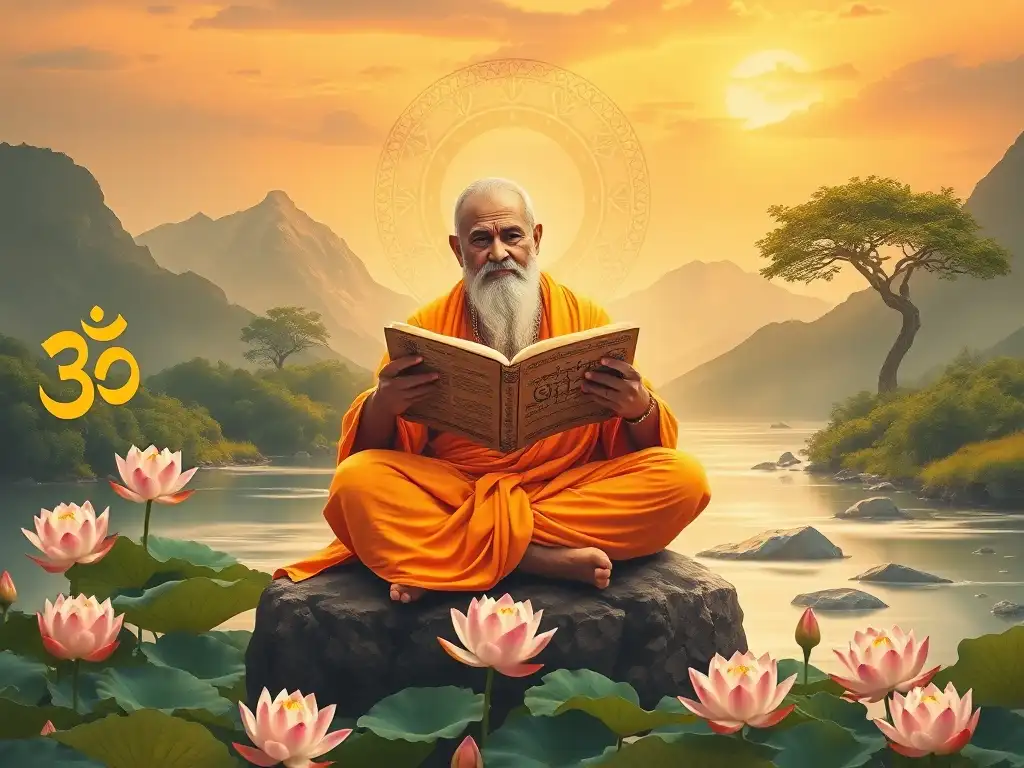
The Upanishads, the philosophical texts that form the concluding part of the Vedas, are rich in symbolism that transcends mere words to convey profound truths about existence, consciousness, and the ultimate reality. Analyzing the symbolism embedded in these teachings reveals layers of meaning that are essential for understanding the core philosophies of ancient Indian spirituality. Below, we delve into three significant symbols that are pivotal in Upanishadic teachings: Brahman, Atman, and Maya.
The Symbol of Brahman
Brahman is the ultimate reality in Upanishadic thought, symbolizing the unchanging, infinite, and transcendent essence of the universe. It is often described as:
- Nirguna: Without attributes or form
- Saguna: With attributes, when viewed through the lens of the material world
Brahman is not merely a concept but a symbol that reflects the interconnectedness of all existence. In the Upanishads, it is articulated through various metaphors and analogies:
- The Ocean and Waves: Brahman is likened to an ocean, representing the underlying reality, while the individual souls (Atman) are like waves, appearing distinct yet inseparable from the ocean's essence.
- The Cosmic Being (Purusha): In the Rigveda, Brahman is depicted as the cosmic being from whom all creation emerges, symbolizing the unity of existence.
- The Light: Often represented as a radiant light, Brahman symbolizes the ultimate truth that dispels the darkness of ignorance.
The exploration of Brahman encourages seekers to transcend dualistic thinking and experience the oneness of all life, a central tenet in Upanishadic teachings.
The Symbol of Atman
Atman, or the individual self, serves as a crucial symbol in the Upanishads, representing the inner essence of beings. It is the realization of Atman that leads to spiritual enlightenment. Key aspects of Atman include:
- Eternal Nature: Atman is described as eternal and unchanging, signifying the essence of identity beyond the physical form.
- Unity with Brahman: The famous phrase "Tat Tvam Asi" (That Thou Art) encapsulates the profound realization that Atman and Brahman are ultimately one. This identification emphasizes that the individual soul is not separate from the universal spirit.
The Symbol of Maya
Maya, often translated as illusion, symbolizes the deceptive nature of the material world that obscures the true reality of Brahman. In the Upanishads, Maya is characterized by:
- Illusion of Duality: It creates a sense of separateness between individuals and Brahman, leading to attachment and suffering.
- Perceptions of Reality: The teachings highlight how our perceptions are clouded by ignorance, emphasizing the need to look beyond superficial appearances to grasp the underlying unity.
Maya serves as a reminder for practitioners to cultivate discernment (Viveka) in their spiritual journey, allowing them to pierce through the layers of illusion and recognize the true nature of existence.
The analysis of Upanishadic teachings symbolism reveals a profound interconnectedness between Brahman, Atman, and Maya. Understanding these symbols not only enhances one's grasp of ancient Indian philosophy but also provides a foundation for deeper spiritual inquiry and realization in the context of Hinduism.
The Symbol of Karma
The concept of Karma in Upanishadic teachings is a profound and intricate symbol that embodies the law of cause and effect. Derived from the Sanskrit word "karman," which means "action," Karma signifies the ethical principle that every action has consequences, shaping an individual’s fate in this life and the next. This notion is not merely about moral judgment; it encompasses the entirety of one's actions, intentions, and their resultant impact on the universe.
In the Upanishads, Karma is intricately linked to the cycle of samsara, or the cycle of birth, death, and rebirth. The teachings emphasize that the quality of one's actions directly influences the nature of future births. For instance, righteous actions lead to favorable rebirths, while negative actions may result in suffering in subsequent lifetimes. This cyclical understanding underscores a deeper existential truth about the interconnectedness of all beings and the responsibility each individual holds in their actions.
Moreover, the Upanishads illustrate Karma through various metaphors and narratives, reinforcing the idea that one’s current circumstances are a direct manifestation of past actions. The symbolism of Karma serves as a moral compass, guiding adherents to engage in virtuous deeds and to cultivate intentions that align with dharma, or righteous living.
The teachings resonate with the idea that self-realization comes from understanding the nature of one’s actions. By recognizing the karmic implications of our choices, individuals can transcend the cycle of samsara. This transcendence is achieved through jnana (knowledge) and bhakti (devotion), which lead to liberation (moksha). In this way, the symbol of Karma transcends mere action; it represents a pathway to spiritual enlightenment and ultimate freedom.
The symbolism of Karma within Upanishadic teachings is a multifaceted representation of how actions shape existence and consciousness. It invites seekers to reflect on their choices, encouraging a life of mindfulness, ethical behavior, and spiritual growth.
Deep Dive into Symbolism Analysis in Upanishadic Texts

The Upanishads, a collection of ancient Indian texts, are renowned for their profound philosophical insights and intricate symbolism. The symbolism embedded within these texts serves as a gateway to deeper understanding and interpretation of the essential concepts they convey. Analyzing this symbolism requires a multi-faceted approach, as it draws from various methodologies that encompass linguistic, cultural, and philosophical dimensions. By undertaking a systematic exploration of these methodologies, scholars and enthusiasts alike can uncover the layers of meaning hidden within the Upanishadic teachings.
Methodologies for Symbolism Analysis
-
Textual Analysis
This method involves a close reading of the Upanishadic texts to identify and interpret symbols. Scholars often focus on specific verses, examining word choices, metaphors, and imagery to reveal deeper meanings. For instance, the term Brahman is frequently analyzed not only as the ultimate reality but also in its representation of the universe's interconnectedness.
-
Comparative Analysis
By comparing symbols across different Upanishads or with other philosophical texts, researchers can uncover common threads and divergences. This method highlights how certain symbols evolve over time or vary in interpretation, providing insight into the cultural context of the teachings.
-
Historical Contextualization
Understanding the historical and cultural background in which the Upanishads were composed is crucial. This approach considers how the symbolism reflects the societal norms, values, and spiritual practices of ancient India. For example, the symbolism of the sacred sound Om can be explored within the context of Vedic rituals and their transformation in Upanishadic philosophy.
-
Philosophical Interpretation
Engaging with the philosophical implications of symbols allows for a deeper comprehension of their significance. This approach often involves examining how symbols relate to ideas of self, consciousness, and the nature of reality, such as the symbolism of Atman (the individual self) and its relationship to Brahman.
-
Psychological and Spiritual Analysis
Some methodologies incorporate psychological perspectives, exploring how symbolism resonates with the human experience. The symbolism of the lotus, for instance, can be analyzed as a representation of spiritual awakening and purity, reflecting the journey of the soul through the cycles of birth and rebirth.
Common Themes in Upanishadic Symbolism
The Upanishads are rich with recurring themes that permeate their symbolic landscape. Understanding these themes can enhance the analysis of their teachings:
-
Unity and Interconnectedness
A predominant theme in Upanishadic symbolism is the concept of unity, particularly the relationship between Atman and Brahman. This is often symbolized through metaphors such as the ocean (Brahman) and the waves (Atman), illustrating how individual souls are expressions of a singular divine essence.
-
Duality and Non-Duality
The tension between dualism and non-dualism is another central theme. Symbols like the two birds in the Mundaka Upanishad depict the dual nature of existence, where one bird represents the individual soul and the other the cosmic spirit, emphasizing the journey towards realization of their unity.
-
Transcendence and Immanence
The Upanishads frequently explore the balance between the transcendent nature of the divine and its immanent presence in the world. Symbols such as the fire represent both the transformative power of divinity and its manifestation in the material realm.
-
Cycles of Life and Death
Symbolism related to life cycles, such as the lotus blooming, reflects themes of rebirth and spiritual evolution. This imagery conveys the idea that enlightenment is attainable through the cycles of existence.
The Role of Metaphor and Allegory in Upanishadic Teachings
Metaphors and allegories play a crucial role in conveying the profound philosophical teachings of the Upanishads. They serve as vehicles for abstract ideas, making complex concepts more accessible and relatable.
-
Metaphorical Language
The use of metaphorical language in the Upanishads allows for nuanced interpretations. For instance, the metaphor of the chariot is commonly employed to illustrate the relationship between the body, senses, and the soul. Here, the body is the chariot, the senses are the horses, and the charioteer represents the intellect guiding the journey of life.
-
Allegorical Narratives
Allegories within the Upanishadic texts often present philosophical principles through storytelling. The Katha Upanishad features the dialogue between Yama (the god of death) and Nachiketa, which serves as an allegory for the quest for knowledge and the nature of reality. This narrative framework invites readers to engage with the philosophical questions posed in a more dynamic and relatable manner.
-
Encouraging Reflection
The symbolic and metaphorical language encourages readers to reflect on their own lives and experiences. By engaging with these symbols, individuals can find personal meaning and relevance, fostering a deeper connection to the teachings of the Upanishads.
-
Facilitating Mystical Experience
The allegorical aspects of the Upanishads often point towards the mystical experience of realizing one's true nature. Symbols like the cave or mountain serve as metaphors for the inner journey towards enlightenment, guiding the seeker towards self-discovery.
The analysis of symbolism in Upanishadic teachings opens a pathway to understanding the profound insights of these ancient texts. By employing various methodologies and examining common themes, one can appreciate the intricate layers of meaning that continue to resonate in contemporary spiritual discourse.
Case Studies of Symbolism in Specific Upanishads

Symbolism in the Chandogya Upanishad
The Chandogya Upanishad, one of the oldest and most significant Upanishads, is rich in symbolism that conveys profound philosophical concepts. Central to this text is the concept of Brahman, the ultimate reality, represented through various symbols and metaphors.
- The Cosmic Sound (Shabda): The Upanishad introduces the idea of Om as a symbol of the universe and its essence. The syllable is not merely a sound; it embodies the entirety of existence. As stated in the text, it is the "Pranava," the source of all sounds and the key to understanding the ultimate reality.
- The Pot and the Space: Another potent symbol in the Chandogya is the analogy of the pot (Ghataka) and space (Akasha). Just as a pot contains space, but does not define it, so too does the individual soul (Atman) exist within the universal spirit (Brahman). This symbolism emphasizes the non-duality of Atman and Brahman, illustrating that while they appear separate, they are fundamentally one.
- The Stages of Life: The Upanishad also uses the symbolism of life's stages— student, householder, hermit, and renunciant—to represent the journey towards enlightenment. Each stage carries distinct responsibilities and teachings, symbolizing the evolution of consciousness and spiritual growth.
Symbolism in the Taittiriya Upanishad
The Taittiriya Upanishad offers a layered approach to symbolism, particularly through its exploration of the five sheaths (Koshas) that encapsulate the human experience.
- Five Sheaths (Koshas): The five sheaths are symbolic representations of the layers of existence: Annamaya (food), Pranamaya (breath), Manomaya (mind), Vijnanamaya (intellect), and Anandamaya (bliss). Each sheath provides a different perspective on human identity and experience, revealing the complexity of the self and its connection to the universe.
- The Symbol of Food: The Annamaya Kosha symbolizes the physical body and material sustenance. It highlights the importance of nourishment not only for physical well-being but also for spiritual growth, suggesting that our physical state influences our mental and spiritual conditions.
- The Concept of Brahman: In Taittiriya, Brahman is symbolized through the phrase “Satyam Jnanam Anantam,” meaning "Truth, Knowledge, and Infinity." This triad emphasizes the limitless nature of the ultimate reality, inviting practitioners to seek deeper understanding beyond the material world.
Symbolism in the Mandukya Upanishad
The Mandukya Upanishad is unique in its exploration of AUM and its philosophical implications. Its symbolism serves as a gateway to understanding the nature of reality.
- The AUM Symbol: The Mandukya Upanishad intricately analyzes the syllable AUM, dissecting it into three components: A (the waking state), U (the dream state), and M (the deep sleep state), alongside the fourth state (Turiya), which represents pure consciousness. This symbolism illustrates the various states of human experience and points towards the transcendent state beyond them.
- The Four States of Consciousness: Each state symbolizes different levels of awareness:
- Waking (Jagrat): Represents the external world and sensory experience.
- Dreaming (Svapna): Symbolizes the internal world of thoughts and dreams.
- Deep Sleep (Sushupti): Represents a state of unawareness and bliss.
- Turiya (The Fourth): Symbolizes the ultimate reality, transcending all dualities.
- The Symbol of the Self (Atman): The Mandukya Upanishad emphasizes that the Atman is synonymous with Brahman, symbolizing the idea that the individual soul is a reflection of the universal spirit. This serves as a powerful reminder of the interconnectedness of all beings and the pursuit of self-realization.
The Upanishadic teachings symbolism analysis reveals a profound depth of thought embedded within these ancient texts. Each Upanishad presents unique symbols that encapsulate complex philosophical ideas, urging seekers to delve deeper into their meanings and implications. The symbolism found in the Chandogya, Taittiriya, and Mandukya Upanishads not only enhances our understanding of ancient Indian philosophy but also provides timeless insights into the nature of existence itself.
The Impact of Upanishadic Symbolism on Eastern Philosophy

The Upanishads, often regarded as the culmination of Vedic thought, have significantly influenced the trajectory of Eastern philosophy, particularly through their rich and multifaceted symbolism. This symbolism serves as a bridge between abstract ideas and concrete experiences, allowing for a deeper understanding of the self and the universe.
Influence on Later Philosophical Schools
The symbolic themes found within Upanishadic teachings have permeated various philosophical schools, shaping their foundational concepts. Among the most notable influences are:
- Advaita Vedanta: This non-dualistic school of thought draws heavily from the Upanishads, particularly in its interpretation of Brahman (the ultimate reality) and Atman (the individual self). The symbolism of light and darkness is central here, where light symbolizes knowledge and enlightenment, while darkness represents ignorance. This duality echoes through the teachings of figures like Adi Shankaracharya, who articulated the idea of non-separation between individual consciousness and the universal consciousness.
- Buddhism: While Buddhism diverges from Upanishadic philosophy, the symbolic notions of impermanence (anicca) and the interconnectedness of all beings find parallels in Upanishadic teachings. The Upanishadic concept of Maya (illusion) resonates with the Buddhist understanding of the transient nature of reality, emphasizing the importance of transcending worldly attachments.
- Yoga Philosophy: The symbolism of the chakras and the Kundalini energy in yoga can trace their roots back to Upanishadic concepts. The idea of awakening the dormant potential within aligns with the symbolism of the serpent coiled at the base of the spine, representing the journey towards self-realization and enlightenment.
These philosophical schools illustrate the depth of Upanishadic symbolism, showcasing its enduring relevance across centuries and cultures.
Relevance of Symbolic Interpretations in Modern Context
In contemporary times, the symbolism inherent in Upanishadic teachings continues to resonate, providing tools for personal introspection and societal understanding. The following points highlight its relevance today:
- Psychological Insights: Modern psychology often references the symbolism of the Upanishads to explore the human psyche. Concepts such as the inner self and the journey toward self-awareness mirror therapeutic practices aiming at emotional and spiritual healing. Carl Jung's idea of archetypes can also be seen as a modern reflection of the symbolic representations found in the Upanishads.
- Interfaith Dialogue: The universal themes of the Upanishads facilitate dialogue among different religious traditions. Symbols such as the quest for truth and the pursuit of inner peace are common threads that allow adherents of various faiths to find common ground, fostering mutual respect and understanding.
- Cultural Identity and Spirituality: As individuals seek deeper meaning in their lives amidst a rapidly changing world, the symbolic interpretations of the Upanishads offer a framework for exploring spirituality. The emphasis on self-exploration and the interconnectedness of all life resonates with the modern quest for identity, encouraging individuals to look within while recognizing their place in the larger tapestry of existence.
The analysis of Upanishadic teachings symbolism not only enhances our understanding of ancient philosophies but also provides invaluable insights that remain pertinent in addressing contemporary existential questions and enhancing personal growth. Through these teachings, we can appreciate the intricate layers of meaning that continue to inspire and guide seekers on their spiritual journeys.
Conclusion
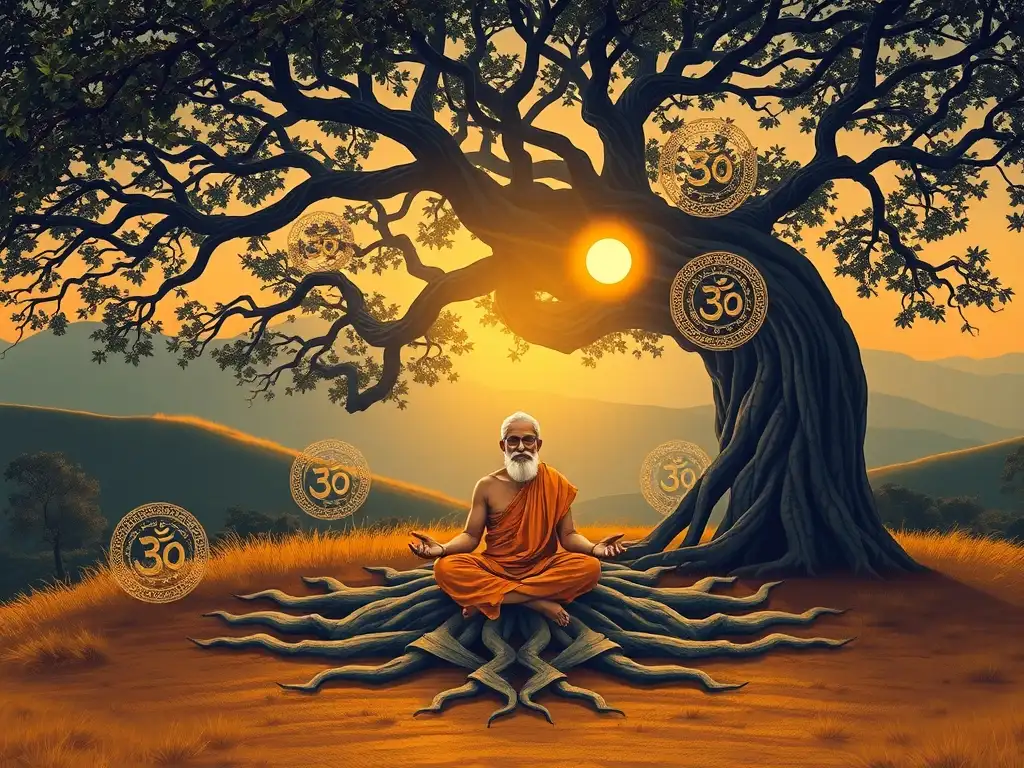
Recap of Upanishadic Teachings Symbolism Analysis
The Upanishads, revered as the culmination of Vedic thought, are rich in symbolism that serves to convey profound philosophical concepts. Through a meticulous analysis of Upanishadic teachings symbolism, we uncover layers of meaning that reflect the intricate relationship between the individual soul (Atman) and the universal consciousness (Brahman). Key symbols such as light, the sacred syllable "Om," and the lotus flower encapsulate essential truths about existence, knowledge, and spiritual awakening.
- Light: Represents knowledge and enlightenment, guiding the seeker away from ignorance towards self-realization.
- The Syllable "Om": Signifies the essence of the ultimate reality, encompassing the past, present, and future, and is often chanted for spiritual resonance.
- Lotus Flower: Embodies purity and spiritual emergence, symbolizing how one can rise above worldly attachments to attain higher states of consciousness.
These symbols not only enrich the spiritual landscape of Hindu philosophy but also offer a unique insight into the quest for understanding the cosmos and one's place within it.
The Lasting Legacy of Symbolism in Hindu Philosophy
The legacy of symbolism found within Upanishadic teachings is profound and enduring, influencing diverse facets of Hindu philosophy and spirituality. The nuanced meanings behind these symbols continue to inspire generations of thinkers, practitioners, and scholars, fostering a deeper appreciation of metaphysical concepts.
- Influence on Rituals and Practices: The symbols derived from Upanishadic teachings manifest in various rituals and practices within Hinduism, promoting a deeper connection with the divine. For example, the use of "Om" in prayers and mantras emphasizes the importance of sound vibrations in spiritual practice.
- Philosophical Interpretations: Scholars and philosophers, such as Adi Shankaracharya and Ramanuja, have drawn on these symbols to articulate their interpretations of Vedanta, further embedding the significance of these teachings in philosophical discourse.
- Cultural Integration: The symbolic elements of Upanishadic thought have transcended religious texts, permeating art, literature, and popular culture. This integration showcases the universal themes of enlightenment and self-discovery that resonate with a broad audience.
The analysis of Upanishadic teachings symbolism not only enriches our understanding of ancient Indian philosophy but also highlights its relevance in contemporary spiritual and philosophical discussions. The enduring nature of these symbols serves as a bridge connecting the ancient wisdom of the Upanishads with modern existential inquiries, ensuring that their teachings remain vibrant and impactful.
Frequently Asked Questions
What are Upanishadic teachings?
Upanishadic teachings are philosophical concepts found in ancient Indian texts that explore the nature of reality, the self, and the universe. They emphasize spiritual knowledge and the pursuit of understanding the ultimate truth.
How does the article analyze symbolism in Upanishadic texts?
The article provides a detailed analysis of various symbols used in Upanishadic texts, explaining their mystical significance and how they convey deeper philosophical meanings related to existence and consciousness.
Why is the symbolism in the Upanishads considered important?
The symbolism in the Upanishads is crucial because it helps to illustrate complex spiritual concepts and makes them more accessible for interpretation. These symbols serve as tools for meditation and understanding higher truths.
What contributions did the Upanishadic teachings make to Indian philosophy?
Upanishadic teachings laid the foundation for key philosophical ideas in Hinduism, influencing concepts of Brahman (ultimate reality) and Atman (soul). They have also shaped other Indian philosophies, emphasizing self-realization and liberation.
How do the Upanishadic teachings relate to modern spirituality?
Many modern spiritual movements draw upon the Upanishadic teachings, using their insights to promote ideas of inner peace, mindfulness, and the pursuit of self-knowledge. Their timeless wisdom continues to resonate in today's spiritual practices.
Final Reflection: Embracing the Depth of Upanishadic Symbolism
The exploration of Upanishadic teachings reveals a profound connection between ancient wisdom and contemporary life. In a world increasingly driven by materialism and superficial understanding, the symbolism embedded in these teachings serves as a guiding light, illuminating paths toward self-realization and spiritual awakening. The timeless nature of these symbols resonates with our current quest for meaning, urging us to delve deeper into the essence of existence.
The influence of Upanishadic symbolism extends beyond mere philosophical discourse; it permeates our cultural and social landscape. As we navigate the complexities of modern life, these teachings remind us of the interconnectedness of all beings and the importance of introspection. They challenge us to question our perceptions and inspire a journey toward inner peace and enlightenment. The Upanishads are a treasure trove of wisdom, inviting us to explore the depths of our own consciousness.
As we conclude this exploration, I invite you to reflect on how the teachings of the Upanishads can enrich your own life. Consider the symbols that resonate with you and how they might guide your personal journey toward understanding and fulfillment. Embrace the opportunity to integrate these timeless lessons into your daily practice, allowing the mystical symbolism of the Upanishads to inspire a more profound connection with yourself and the world around you.
Unlock the Mysteries of Upanishadic Wisdom
Thank you for journeying with us through the mystical realms of Upanishadic teachings! We hope you feel inspired and enlightened by the profound wisdom we've explored together. Now, it's time to take that inspiration and put it into action!
Here are some steps you can take to deepen your understanding and engage with this ancient philosophy:
- Dive Deeper: Read a translation of a selected Upanishad to connect directly with these timeless teachings.
- Join a Community: Participate in a local or online discussion group centered around Upanishadic philosophy, where you can share insights and learn from others.
- Reflect and Meditate: Set aside time each week to meditate on a specific verse or concept and observe how it resonates with your personal experiences.
How do you envision the insights from the Upanishads shaping your daily life?