
Unraveling the Secrets of Ancient Indian Sculptures: A Luxurious Art Tour

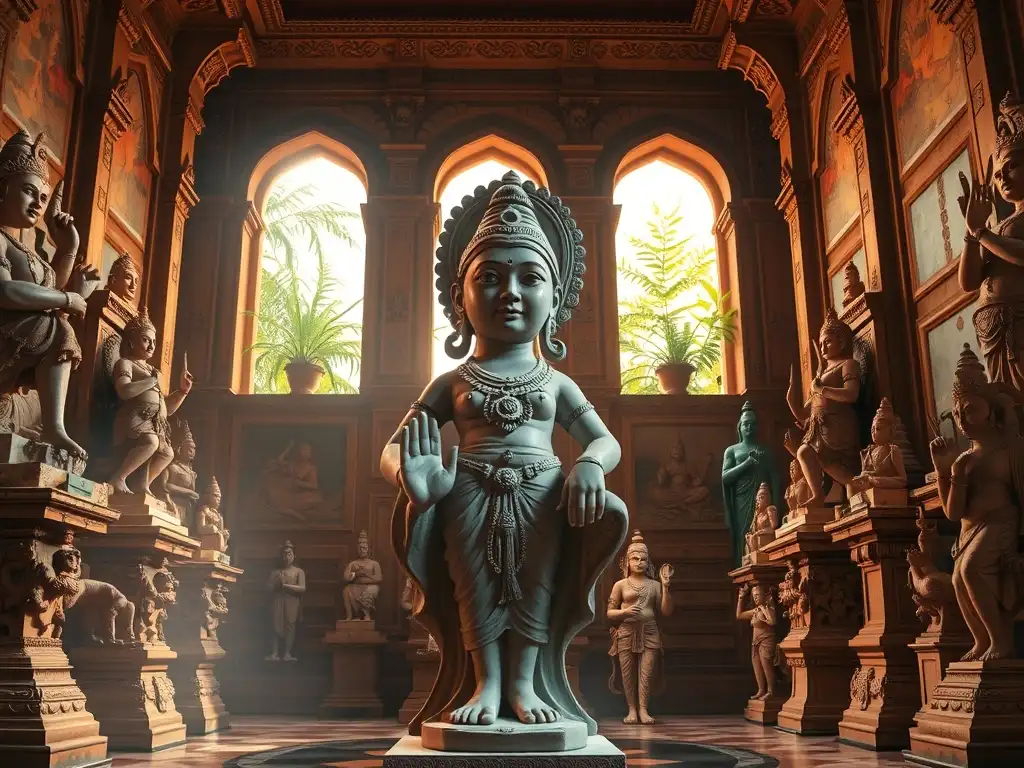
Welcome to Ancient India History, where we invite you to embark on a fascinating journey through the rich tapestry of ancient Indian civilizations. As you delve into our featured article, "Unraveling the Secrets of Ancient Indian Sculptures: A Luxurious Art Tour," prepare to uncover the intricate stories behind the stunning sculptures that have graced temples and palaces for millennia.
What secrets do these masterpieces hold, and how have they shaped the cultural landscape of India? Join us as we explore the elegance and artistry of ancient Indian sculpture history, igniting your curiosity and inspiring your next adventure in luxury and historical travel.
Introduction to Ancient Indian Sculpture History
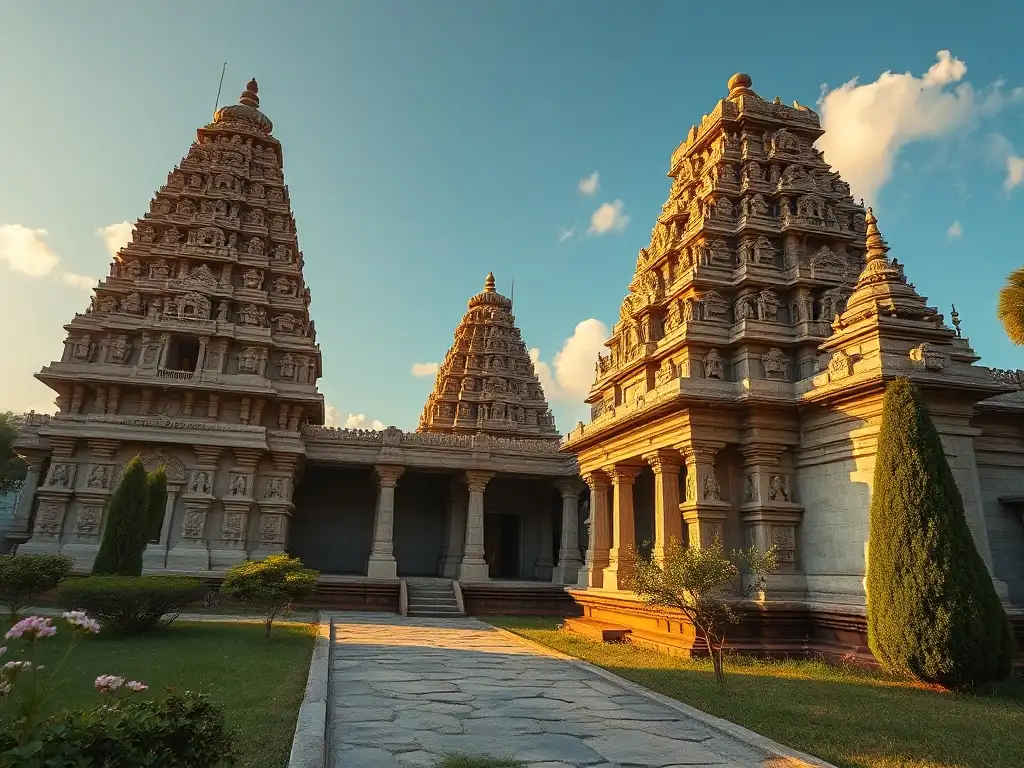
The history of ancient Indian sculpture is a captivating journey that reveals the artistic prowess and cultural sophistication of one of the world's oldest civilizations. Spanning thousands of years, this art form not only reflects the aesthetic sensibilities of various epochs but also serves as a window into the spiritual, social, and political contexts of the times. From the intricately carved figures of the Indus Valley Civilization to the majestic sculptures of the Gupta Empire, ancient Indian sculptures tell stories that resonate with the essence of both divinity and humanity.
Embarking on a luxurious art tour dedicated to exploring ancient Indian sculpture history allows travelers to appreciate these masterpieces in their historical and cultural contexts. Each sculpture is a testament to the craftsmanship, religious beliefs, and daily life of the people who created them, making them invaluable artifacts for understanding the rich tapestry of ancient Indian heritage. This article will guide you through the evolution of ancient Indian sculpture, highlighting significant periods and influential factors that shaped this remarkable art form.
The Evolution of Ancient Indian Sculpture
The evolution of ancient Indian sculpture can be divided into several key phases, each marked by unique styles, themes, and techniques. Understanding this evolution not only enhances our appreciation of the art but also provides insights into the changing cultural and religious landscapes of ancient India.
From the Indus Valley Civilization to the Gupta Empire
- Indus Valley Civilization (c. 3300–1300 BCE): The earliest known sculptures from ancient India emerged during this period, characterized by small terracotta figures, seals, and stone carvings. The famous "Dancing Girl" statue exemplifies the advanced craftsmanship and artistic expression of this civilization.
- Maurya Period (c. 322–185 BCE): The Mauryan Empire saw a significant shift in sculpture with the introduction of monumental stone carvings, most notably the Ashoka Pillars and stupas. These structures often featured intricate reliefs and symbols associated with Buddhism.
- Sculptural Flourishing in the Gupta Empire (c. 320–550 CE): Often referred to as the Golden Age of Indian art, this period witnessed a remarkable refinement in sculpture. The iconic images of deities, exquisite carvings in temples, and the development of narrative reliefs are hallmarks of Gupta artistry, showcasing an unparalleled level of detail and spirituality.
Major Influences on Indian Sculpture
Several factors have influenced the development of ancient Indian sculpture over the centuries:
- Religious Beliefs: The rise of major religions such as Hinduism, Buddhism, and Jainism played a crucial role in shaping the themes and styles of sculptures. Temples and monasteries became the primary sites for sculptural art, reflecting the divine and moral teachings of these religions.
- Cultural Exchanges: Trade routes and interactions with neighboring civilizations, including the Greeks and Persians, introduced new artistic techniques and themes, enriching the traditional Indian sculptural vocabulary.
- Regional Variations: As different regions developed their own artistic traditions, unique styles emerged, such as the intricate stone carvings of South India and the bronze sculptures of the Chola dynasty.
By delving into these aspects, we can better understand the intricate tapestry of ancient Indian sculpture history and appreciate the luxurious artistry that continues to inspire awe and admiration today.
Iconic Sites to Explore Ancient Indian Sculptures
Exploring ancient Indian sculptures is akin to stepping into a time capsule that reveals the artistic brilliance and cultural richness of bygone eras. The sculptural heritage of India is vast and varied, with each region showcasing its unique style and historical significance. Here are some iconic sites where you can immerse yourself in the exquisite beauty of ancient Indian sculptures:
The Ajanta Caves: A UNESCO World Heritage Site
The Ajanta Caves, located in Maharashtra, are a stunning collection of 29 rock-cut Buddhist cave monuments that date back to the 2nd century BCE to 480 CE. These caves are renowned for their intricate sculptures and frescoes that depict the life of the Buddha and various Jataka tales. The artistry of the Ajanta Caves is characterized by its detailed carvings and vibrant mural paintings, which exemplify the techniques of ancient Indian sculptors. The use of natural pigments and the skillful application of perspective create a visual narrative that transports visitors to an era of spiritual enlightenment and artistic innovation.
Visitors to the Ajanta Caves can witness the remarkable craftsmanship that has stood the test of time, with sculptures of Bodhisattvas and intricate motifs that are both mesmerizing and spiritually significant. The UNESCO designation highlights not only the aesthetic value but also the historical importance of these caves as a reflection of early Buddhist culture in India.
Khajuraho Temples: A Blend of Art and Architecture
The Khajuraho group of temples, located in Madhya Pradesh, is famous for its stunning erotic sculptures and intricate architectural design. Built between 950 and 1050 CE during the Chandela dynasty, these temples are a remarkable representation of the artistic and cultural ethos of ancient India. The sculptures on the temple walls depict various aspects of life, including love, nature, and spirituality, and are celebrated for their sensuousness and attention to detail.
The temples themselves are designed with meticulous care, featuring a unique blend of Nagara and Dravidian architectural styles. The most famous among them, the Kandariya Mahadeva Temple, showcases exquisite carvings that narrate stories from Hindu mythology. The interplay of light and shadow on these sculptures adds to their allure, making Khajuraho a must-visit destination for art enthusiasts and historians alike.
Hampi: The Epitome of Dravidian Architecture
Hampi, the former capital of the Vijayanagara Empire in Karnataka, is a UNESCO World Heritage Site renowned for its stunning ruins and remarkable sculptures. The site reflects the grandeur of Dravidian architecture, with its elaborate temples, palaces, and monuments dating back to the 14th century. The Virupaksha Temple, one of the most significant structures in Hampi, boasts intricate carvings and towering gopurams (gateway towers) that showcase the skill of ancient artisans.
The sculptures at Hampi are not only aesthetically pleasing but also rich in symbolism. They depict various deities, celestial beings, and historical figures, illustrating the profound connection between art, religion, and society in ancient India. Walking through the remnants of Hampi is like traversing a living museum, where every sculpture tells a story of its own, inviting visitors to explore the depths of its history.
The Artistic Techniques Behind Ancient Indian Sculptures
The creation of ancient Indian sculptures involved a deep understanding of materials and techniques, which were passed down through generations. This craftsmanship reflects the cultural and spiritual beliefs of the time, with each piece serving a purpose beyond mere decoration.
Materials Used in Ancient Indian Sculpture
Ancient Indian sculptors employed a variety of materials, each chosen for its unique properties and significance. Common materials included:
- Stone: Sandstone, granite, and marble were frequently used, allowing for intricate detailing. The hardness of these stones ensured durability, preserving the sculptures for centuries.
- Bronze: The lost-wax casting technique was often used to create detailed bronze sculptures, particularly of deities. This method allowed for fine intricacies and smoother finishes.
- Wood: Though less common, wooden sculptures were crafted, often used in temple rituals or as portable icons. These pieces reflected the skill of artisans in carving and detailing.
- Clay: Terracotta sculptures were used for both decorative and functional purposes, often seen in household shrines and rituals.
These materials not only highlight the artistic prowess of ancient Indian craftsmen but also demonstrate their resourcefulness in utilizing local resources.
Symbolism and Themes in Ancient Indian Art
Ancient Indian sculptures are rich in symbolism, often reflecting the philosophical and religious beliefs of the time. Common themes include:
- Religious Iconography: Many sculptures depict deities from Hinduism, Buddhism, and Jainism, serving as both devotional objects and artistic expressions of faith.
- Nature and Animals: Sculptors frequently incorporated motifs from nature, such as flora and fauna, symbolizing the interconnectedness of life and the divine.
- Human Emotions and Relationships: The portrayal of love, valor, and other human experiences can be seen in the intricate carvings, emphasizing the depth of human experience and its connection to the spiritual realm.
Through these themes and symbols, ancient Indian sculptures provide not just aesthetic pleasure but also profound insights into the cultural and spiritual life of the civilizations that produced them. Each piece serves as a testament to the values, beliefs, and artistic excellence of its time, making them invaluable treasures of India's heritage.
Luxurious Tours and Experiences Focused on Ancient Indian Sculpture
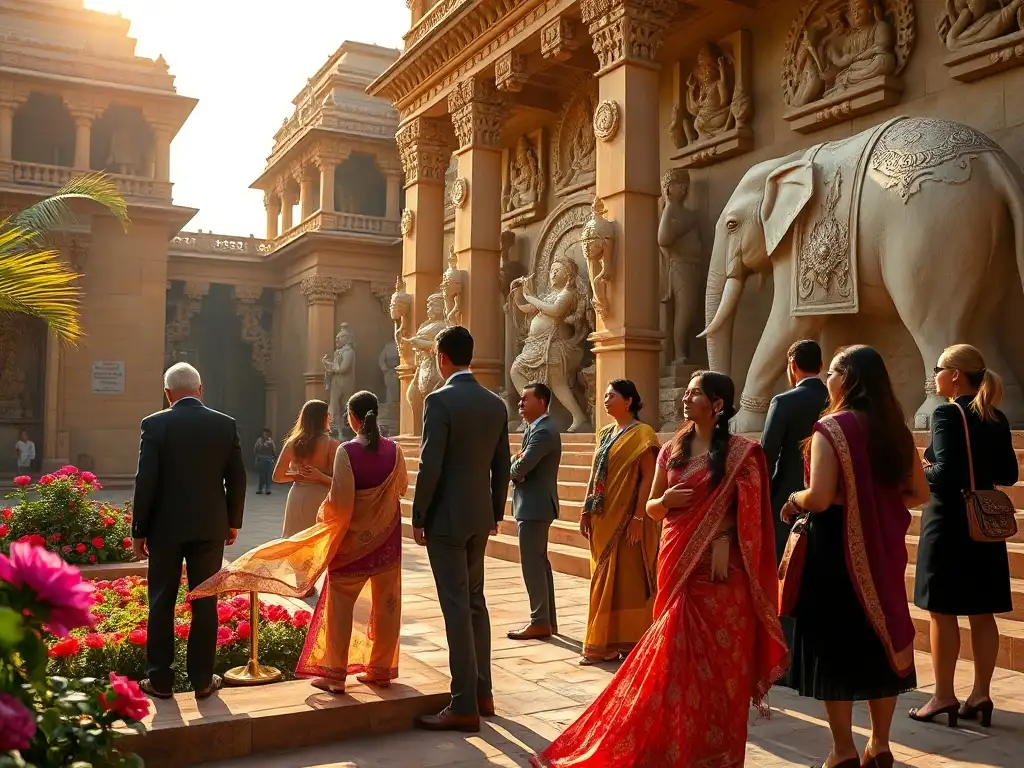
Exploring the history of ancient Indian sculpture offers travelers a unique opportunity to connect with the rich artistic traditions and cultural heritage of India. Luxurious tours are designed to provide an in-depth exploration of this art form, allowing visitors to appreciate the intricacies of sculptures while indulging in comfort and elegance. These experiences often include private access to renowned historical sites, expert guides, and bespoke itineraries that cater to the interests of art enthusiasts.
The focus on ancient Indian sculpture history reveals the significance of this art form, which spans several millennia and reflects the philosophical, religious, and social dynamics of various civilizations. From the exquisite carvings of the Indus Valley Civilization to the grandeur of sculptures from the Gupta Empire, each piece tells a story that is integral to India's cultural narrative. Luxurious tours often incorporate visits to iconic sites such as Khajuraho, Hampi, and Ajanta, where travelers can marvel at the breathtaking craftsmanship and artistry of ancient sculptors.
In addition to visiting significant monuments, these tours often include exclusive experiences such as private viewings of sculptures in museums and galleries, allowing for a deeper understanding of the techniques and materials used in ancient Indian sculpting. Travelers can engage with local artisans, exploring the tools and methods that have been passed down through generations, further enriching their understanding of this captivating art form.
Exclusive Guided Tours of Historical Sites
Exclusive guided tours of historical sites provide an immersive experience for those interested in ancient Indian sculpture. With knowledgeable guides who are experts in art history, these tours offer insights that enhance the appreciation of the intricate details and cultural significance of each sculpture.
Many tours feature visits to UNESCO World Heritage Sites, where guests can explore renowned temples and monuments adorned with stunning sculptures. For example, the intricate carvings at the Sun Temple in Konark or the erotic sculptures of Khajuraho not only reflect artistic excellence but also convey philosophical and spiritual themes central to ancient Indian society.
These exclusive tours often include:
- Private Access: Enjoy behind-the-scenes access to sites, allowing for a more intimate experience with the art.
- Personalized Itineraries: Tailor your travel experience according to personal interests, whether focusing on religious art, royal patronage, or specific periods in sculpture history.
- Luxury Transportation: Travel in comfort with high-end vehicles and expert drivers, ensuring a seamless journey between sites.
With a focus on both luxury and education, these guided tours provide a rich tapestry of experiences that highlight the beauty and complexity of ancient Indian sculpture, making them perfect for discerning travelers.
Art Workshops and Cultural Immersion
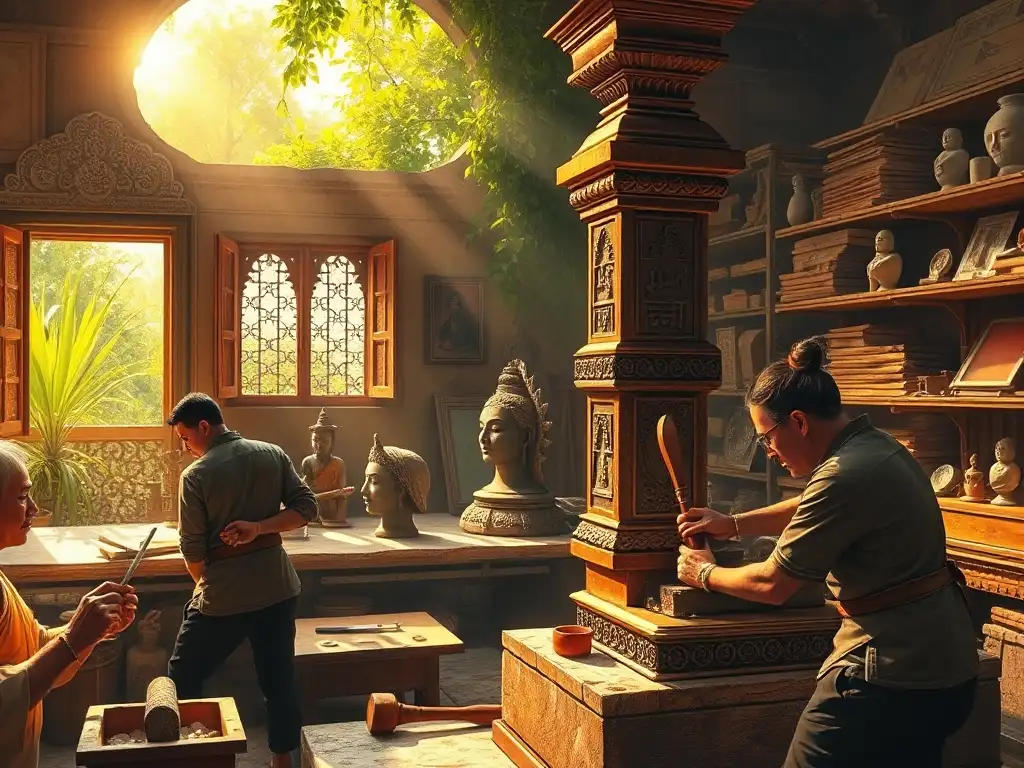
Art workshops and cultural immersion experiences are integral elements of luxurious tours focused on ancient Indian sculpture. These hands-on activities allow participants to engage directly with the craft, fostering a deeper understanding of the techniques and materials used by ancient artisans.
Participants can take part in:
- Sculpting Workshops: Led by master sculptors, these workshops provide lessons in traditional techniques, enabling travelers to create their own sculptures inspired by ancient styles.
- Cultural Classes: Learn about the historical and cultural contexts of the sculptures, including the religious significance, myths, and stories that influenced ancient artists.
- Local Artisan Interactions: Engage with local craftspeople to gain insights into contemporary practices and the revival of ancient techniques, promoting the continuation of this rich heritage.
These immersive experiences not only celebrate ancient Indian sculpture history but also foster a connection between travelers and local communities, enriching the overall journey. By participating in art workshops, travelers leave with not just memories but also tangible creations inspired by their explorations.
Conclusion: The Allure of Ancient Indian Sculpture History
The allure of ancient Indian sculpture history lies in its ability to transport viewers to a time when artistry flourished in the hands of skilled artisans. Luxurious tours that focus on this art form provide a unique lens through which travelers can explore the complex narratives and cultural significance embedded in each sculpture.
By engaging in exclusive guided tours and immersive workshops, visitors not only appreciate the aesthetic beauty of ancient sculptures but also gain a profound understanding of the historical contexts that shaped them. These experiences make for an unforgettable journey, blending luxury travel with a deep appreciation for the rich heritage of ancient India. Travelers leave not only with exquisite memories but also with a renewed respect for the craftsmanship that has defined generations of artists, making ancient Indian sculpture an enduring symbol of India's vibrant history.
Call to Action
Embark on an unforgettable journey through time by exploring the exquisite world of ancient Indian sculpture. Whether you're an art enthusiast, a history buff, or a curious traveler, this luxurious art tour promises to immerse you in the rich tapestry of India's artistic heritage. Don't miss the chance to witness the intricate carvings and monumental sculptures that narrate the stories of civilizations past.
Book your tour today to experience the grandeur of ancient Indian sculptures firsthand. Engage with knowledgeable guides who will unveil the secrets behind these masterpieces, and enjoy exclusive access to sites often overlooked by the average traveler. 🌏✨
Additional Resources
To deepen your understanding of ancient Indian sculpture history, we've compiled a selection of additional resources. These materials offer insights into the various styles, techniques, and cultural contexts of sculptures from different periods in Indian history.
- Documentaries: Explore documentaries that visually depict the artistry and craftsmanship behind ancient Indian sculptures.
- Online Courses: Enroll in courses focused on ancient Indian art and architecture to gain a more structured understanding of the subject.
- Virtual Tours: Experience virtual tours of museums housing ancient sculptures, allowing you to appreciate their beauty from the comfort of your home.
- Expert Talks: Attend webinars or talks featuring historians and archaeologists discussing the significance of these sculptures.
Recommended Reading on Ancient Indian Sculpture History
To further enrich your knowledge of ancient Indian sculpture history, consider the following recommended readings:
| Title | Author | Description |
|---|---|---|
| The Art of Ancient India: Buddhist, Hindu, Jain | Benjamin Rowland | This comprehensive book covers the evolution of Indian sculpture in the context of religious and cultural developments. |
| Indian Sculpture: A History | R. Nagaswamy | This work offers an in-depth analysis of Indian sculpture across different periods, emphasizing artistic techniques and regional styles. |
| The Sculpture of India | John Guy | Focusing on key historical periods, this book presents a broad overview of Indian sculpture, highlighting significant works and their meanings. |
| Buddhist Sculpture of India and Its Neighbors | H. C. P. B. Chatterjee | This book explores the impact of Buddhism on Indian sculpture and its influence on neighboring regions. |
These texts provide valuable perspectives and insights that can enhance your appreciation of the stunning artistry found in ancient Indian sculptures. Happy reading! 📚
Final Thoughts on Experiencing Ancient Indian Sculpture
Embarking on a journey through the world of ancient Indian sculptures is not just a visual feast; it is an immersive experience that connects travelers with the profound history and culture of ancient civilizations. The intricate craftsmanship and artistic expressions found in sculptures from different periods—such as the Indus Valley Civilization, Mauryan Empire, and Gupta Empire—offer a unique window into the beliefs, values, and daily life of the people who created them.
Exploring these historical sites provides more than just an appreciation of art; it invites travelers to engage with the stories behind each piece. Whether it’s the serene Buddha statues of Sarnath, the elaborate carvings at Khajuraho, or the majestic figures at Ajanta and Ellora caves, each sculpture serves as a testament to the artistic genius and religious fervor of its time.
Moreover, participating in guided tours led by knowledgeable experts enhances the experience, offering insights that are often overlooked by casual visitors. These tours can help illuminate the significance of specific sculptures, the techniques used by ancient artisans, and the cultural context in which these masterpieces were created.
Experiencing ancient Indian sculpture is a luxurious journey through time, rich with history and artistry. It is a chance to reflect on the enduring legacy of ancient Indian civilizations and their contributions to the world of art. As you plan your luxury heritage tour, immerse yourself in this unique aspect of India’s historical narrative, and allow the sculptures to tell their stories as you uncover the secrets of a vibrant and illustrious past.
- Introduction to Ancient Indian Sculpture History
- The Evolution of Ancient Indian Sculpture
- Iconic Sites to Explore Ancient Indian Sculptures
- The Artistic Techniques Behind Ancient Indian Sculptures
- Luxurious Tours and Experiences Focused on Ancient Indian Sculpture
- Conclusion: The Allure of Ancient Indian Sculpture History
- Call to Action
- Additional Resources
- Recommended Reading on Ancient Indian Sculpture History
- Final Thoughts on Experiencing Ancient Indian Sculpture
- What is the significance of ancient Indian sculpture history?
- Which civilizations are notable for their contributions to ancient Indian sculpture?
- What materials were commonly used in ancient Indian sculptures?
- How did religion influence ancient Indian sculpture history?
- What are some key features of ancient Indian sculpture styles?
Frequently Asked Questions
What is the significance of ancient Indian sculpture history?
The ancient Indian sculpture history reflects the cultural richness and artistic achievements of various civilizations, showcasing their beliefs, values, and daily life through intricate designs and forms.
Which civilizations are notable for their contributions to ancient Indian sculpture?
The Indus Valley Civilization, the Maurya Empire, and the Gupta Empire are particularly significant, each contributing unique styles and techniques that enriched the artistic landscape of ancient India.
What materials were commonly used in ancient Indian sculptures?
Ancient Indian sculptures were typically crafted from materials like stone, bronze, and terracotta, each chosen for its durability and ability to convey intricate details and expressions.
How did religion influence ancient Indian sculpture history?
Religion played a crucial role, with many sculptures depicting deities, mythological figures, and spiritual themes, serving both aesthetic and devotional purposes in ancient Indian society.
What are some key features of ancient Indian sculpture styles?
Key features include intricate carvings, symbolic representations, and a focus on dynamic poses, which together illustrate the cultural narratives and spiritual beliefs of the time.
Final Reflection: Embracing the Legacy of Ancient Indian Sculpture
The intricate beauty and profound symbolism of ancient Indian sculpture history resonate deeply in today’s world, reminding us of the rich cultural tapestry that shapes our identity. As we navigate a fast-paced, modern society, the timeless artistry of these sculptures invites us to pause and appreciate the craftsmanship and spiritual significance embedded within each piece. The stories told through stone not only connect us to our past but also challenge us to reflect on our present values and aspirations.
The influence of ancient Indian sculptures extends far beyond mere aesthetics; they serve as a bridge between generations, preserving the wisdom and creativity of our ancestors. The intricate details and narratives captured in these works continue to inspire artists, historians, and enthusiasts alike, fostering a deeper understanding of cultural heritage. As Mahatma Gandhi once said, “A nation’s greatness is measured by how it treats its weakest members.” This sentiment echoes through the ages, reminding us that the appreciation of art is not just about beauty, but also about recognizing the stories and struggles behind it.
As you reflect on the lessons drawn from ancient Indian sculpture history, consider how you can incorporate these insights into your own life. Take a moment to appreciate the art around you, whether it’s in a museum, a local gallery, or even in your own home. Allow the stories of the past to inspire your present actions and future creations. Engage with your cultural heritage, and let the beauty of these ancient sculptures guide you in fostering a deeper connection with your identity and community.
Embark on Your Journey into the World of Ancient Indian Sculptures!
Thank you for diving into the fascinating world of ancient Indian sculptures with us! We hope you’ve uncovered the remarkable artistry, history, and cultural significance behind these timeless masterpieces. Now, it's time to take your passion further and embrace the beauty of this art form in your everyday life.
Here are a few simple steps to get started:
- Visit a local museum or art gallery that showcases Indian sculptures, and take the time to appreciate the intricate details firsthand.
- Participate in an art workshop where you can create your own sculpture, drawing inspiration from ancient techniques and styles.
- Share your newfound knowledge with friends by hosting a small discussion group or creating a social media post about your favorite piece!
As you explore, remember that art is meant to be shared and celebrated.
Which piece of ancient Indian sculpture resonates most with you, and how do you perceive its influence on contemporary art today?