
The Significance of the Battle of Gangaikonda Cholapuram

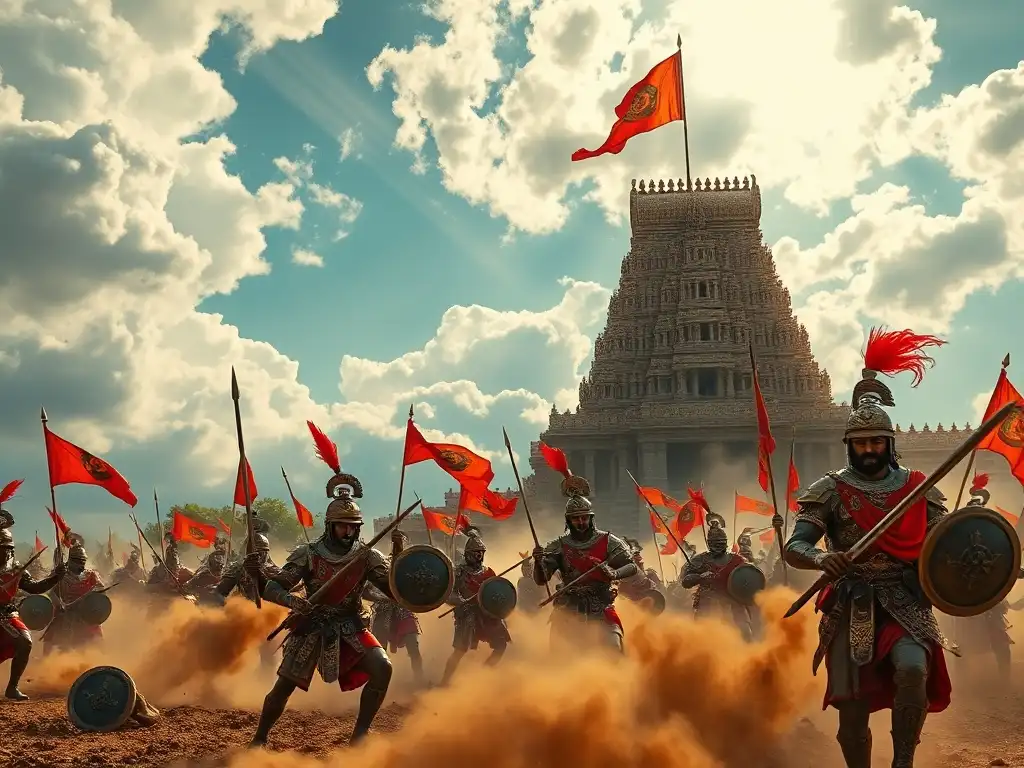
Welcome to Ancient India History, where we embark on a riveting journey through the intricacies of one of the world's oldest civilizations. Today, we delve into the significance of the Battle of Gangaikonda Cholapuram, a pivotal moment that not only shaped military strategies but also influenced the cultural and political landscape of its time.
As we unravel the layers of this historic battle, prepare to discover the profound impact it had on the rise of the Chola dynasty and its enduring legacy. Join us as we explore the echoes of the past and uncover the stories that continue to resonate through the ages.
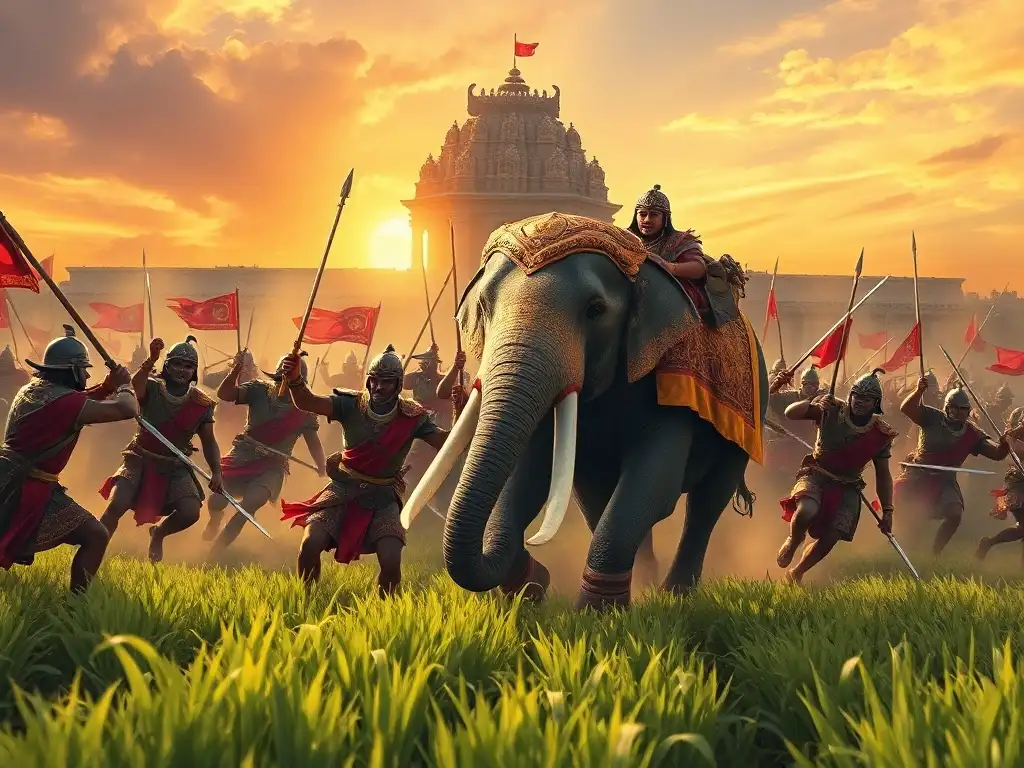
The Battle of Gangaikonda Cholapuram stands as a pivotal moment in the military history of ancient India, encapsulating the strategic brilliance and ambitious pursuits of the Chola Empire. This battle not only highlights the military might of the Cholas but also reflects the intricate socio-political dynamics of the time.
Understanding the significance of this battle is essential for appreciating the broader patterns of conflict and governance in ancient Indian civilizations. As we delve into this topic, we will explore the historical context leading up to the battle, its importance within ancient Indian military history, and the key figures who played crucial roles in this significant encounter.
Introduction to the Battle of Gangaikonda Cholapuram
The Battle of Gangaikonda Cholapuram, fought in the early 11th century, marks a defining moment in the expansionist campaigns of the Chola dynasty. The battle was not merely a contest for territorial dominance; it represented the clash of ideologies, military strategies, and cultural influences that shaped ancient Indian history. The outcome had lasting implications for the region, influencing the political landscape and the course of subsequent dynasties.
Overview of the Historical Context
To fully grasp the significance of the Battle of Gangaikonda Cholapuram, it is crucial to understand the historical context in which it occurred. During the 10th and 11th centuries, the Chola Empire was at the zenith of its power, known for its advanced administrative systems, economic prosperity, and military prowess.
The battles fought during this period were not only for land but also served as a means to assert dominance over rival kingdoms. The backdrop of this particular battle involved the Cholas' ongoing conflicts with the Pala Empire in the north and the strategic ambitions to expand their influence across the Indian subcontinent.
Importance in Ancient Indian Military History
The significance of the Battle of Gangaikonda Cholapuram extends beyond its immediate military outcomes. It serves as a critical case study for understanding the military strategies employed by the Chola kings, particularly under the leadership of Rajendra Chola I, who was instrumental in the battle's planning and execution. This encounter exemplifies the use of innovative military tactics and the importance of naval power, which played a crucial role in the Chola expansion. Furthermore, the battle is a testament to the intricate relationships between various dynasties, illustrating how warfare influenced political alliances and cultural exchanges in ancient India.
Background of the Battle
As we delve deeper into the background of the Battle of Gangaikonda Cholapuram, it becomes essential to explore the rise of the Chola Empire and the key figures involved in this historic confrontation.
The Chola Empire: Rise to Power
The Chola Empire, one of the longest-ruling dynasties in southern India, experienced a remarkable rise to power from the 9th century onwards. Under leaders like Vijayalaya Chola and later Rajaraja Chola I, the empire expanded its territorial reach, establishing a strong naval presence and effective administrative systems. The Cholas were notable for their contributions to art, architecture, and literature, but their military campaigns were equally significant in consolidating their power and influence across the Indian subcontinent.
Key Figures Involved in the Battle
The Battle of Gangaikonda Cholapuram featured several prominent figures who were crucial to its narrative. Rajendra Chola I, the son of Rajaraja Chola I, emerged as a formidable military leader, known for his strategic acumen and ambition. Alongside him were key commanders and generals who played vital roles in the execution of military strategies, showcasing the collaborative efforts that defined the Chola military apparatus. Additionally, understanding the opposing forces and their leaders provides a comprehensive view of the battle's dynamics and its lasting impact on the region.
The Battle's Timeline and Key Events
The Battle of Gangaikonda Cholapuram, fought in the early 11th century, stands as a pivotal moment in the military history of the Chola Empire. This confrontation was primarily between the forces of the Chola dynasty and the Western Chalukyas. The timeline of the battle is marked by a series of strategic maneuvers, fierce clashes, and significant outcomes that shaped the political landscape of South India.
The battle can be traced back to the escalating tensions arising from territorial disputes and power struggles. Initially, the Chola Empire, under the leadership of Rajendra Chola I, had established a formidable presence across Southeast Asia, but their ambitions led to conflicts with neighboring kingdoms, particularly the Chalukyas. The key events leading to the battle include:
- Preparation Phase (Early 11th Century): Rajendra Chola I mobilizes his forces, consolidating troops and resources in anticipation of a confrontation with the Chalukyas.
- March to Gangaikonda Cholapuram (1018 CE): The Chola army advances towards the strategic town of Gangaikonda Cholapuram, which serves as a stronghold for the Chalukyas.
- The Battle Begins (1019 CE): Skirmishes erupt as both forces engage, utilizing their respective tactical advantages.
The battle unfolded over several days, marked by strategic planning and fierce engagements, leading to a decisive outcome that would resonate through subsequent generations.
Prelude to the Battle: Strategic Movements
In the lead-up to the Battle of Gangaikonda Cholapuram, the strategic movements of both the Chola and Chalukya forces were crucial. The Cholas, renowned for their naval prowess and administrative efficiency, prepared meticulously for the conflict. Rajendra Chola I sought to reassert his dominance in the region, which necessitated a calculated approach to warfare.
Key movements included:
- Mobilization of Forces: Rajendra Chola I gathered a vast army, including infantry, cavalry, and naval units, demonstrating the Chola's integrated military tactics.
- Infiltration and Reconnaissance: Chola scouts conducted reconnaissance missions to gather intelligence on Chalukya positions and movements, ensuring informed decisions during the battle.
- Securing Supply Lines: The Chola army ensured that their supply lines were secure, allowing for sustained engagement over multiple days.
Conversely, the Western Chalukyas under the leadership of Tailapa II fortified their defenses in anticipation of the Chola advance. They strategically positioned their troops to leverage the terrain, aiming to repel the Chola forces.
Major Clashes and Tactical Maneuvers
The Battle of Gangaikonda Cholapuram was characterized by several major clashes and tactical maneuvers that showcased the military acumen of both sides. The intensity of the engagements illustrated the high stakes involved, as each side sought to claim dominance over the region.
- Initial Engagements: The battle began with skirmishes at the outskirts of Gangaikonda Cholapuram, where the Chola forces attempted to breach the Chalukya defenses. The Chalukyas, leveraging their knowledge of the terrain, mounted a fierce resistance.
- Flanking Maneuvers: The Chola forces executed flanking maneuvers, attempting to encircle and overwhelm the Chalukya troops. This tactic allowed them to exploit vulnerabilities in the Chalukya formation.
- Naval Engagements: The Chola's naval strength came into play, with some forces engaging in riverine maneuvers that aimed to cut off Chalukya reinforcements and supply routes.
The battle's complexity was heightened by the use of elephants, cavalry charges, and archers, making it a brutal and dynamic confrontation.
Outcome of the Battle: Immediate Consequences
The outcome of the Battle of Gangaikonda Cholapuram had immediate consequences that reverberated throughout the Chola Empire and the surrounding regions. The Chola forces emerged victorious, marking a significant triumph over the Western Chalukyas.
Key immediate consequences included:
- Territorial Expansion: The victory allowed the Cholas to expand their control over significant portions of South India, reinforcing their dominance in the region.
- Decline of Chalukya Power: The defeat weakened the Western Chalukya dynasty, leading to a decline in their influence and an eventual shift in the balance of power towards the Cholas.
- Boost to Chola Morale: The success of the battle bolstered the morale of the Chola troops and the populace, solidifying Rajendra Chola I's status as a formidable ruler.
The immediate aftermath set the stage for further military campaigns and solidified the Chola Empire's reputation as a dominant military power in South India.
Significance of the Battle of Gangaikonda Cholapuram
The Battle of Gangaikonda Cholapuram holds profound significance in the historical narrative of ancient India, particularly in understanding the military, political, and cultural dynamics of the time. Its implications extended beyond the battlefield, influencing various aspects of the Chola Empire and its interactions with neighboring kingdoms.
Political Implications for the Chola Empire
The political ramifications of the battle were substantial. The victory not only consolidated Rajendra Chola I's power but also reinforced the Chola Empire's status as a preeminent force in South India. Several political implications arose:
- Strengthening of Central Authority: The decisive victory allowed Rajendra Chola I to strengthen his central authority, curbing dissent and unifying the empire under a single banner.
- Territorial Claims: Following the battle, the Chola Empire expanded its territorial claims, encompassing regions previously held by the Chalukyas, which facilitated greater control over trade routes and resources.
- Diplomatic Maneuvering: The Cholas leveraged their victory to engage in diplomatic relations with other kingdoms, showcasing their military prowess and securing alliances that would benefit their strategic interests.
Cultural and Economic Impact
The Battle of Gangaikonda Cholapuram also had profound cultural and economic effects on the region. The conflict and its outcome influenced various aspects of life in the Chola Empire.
- Cultural Flourishing: The victory inspired a wave of cultural achievements, including literature, art, and temple architecture. The Chola Empire is renowned for its contributions to Dravidian architecture, with temples constructed during this period exhibiting unparalleled artistic excellence.
- Economic Growth: The consolidation of power and territorial expansion led to increased trade and commerce. The Chola Empire became a hub of economic activity, benefiting from control over trade routes and the influx of wealth.
- Legacy of Military Innovation: The battle and its tactics influenced future military strategies within the empire, leading to innovations in warfare that would define the Chola military legacy.
The Battle of Gangaikonda Cholapuram was not merely a military engagement; it was a turning point that shaped the political landscape, cultural identity, and economic prosperity of the Chola Empire, leaving a lasting legacy in the annals of ancient Indian history.
Legacy of the Battle
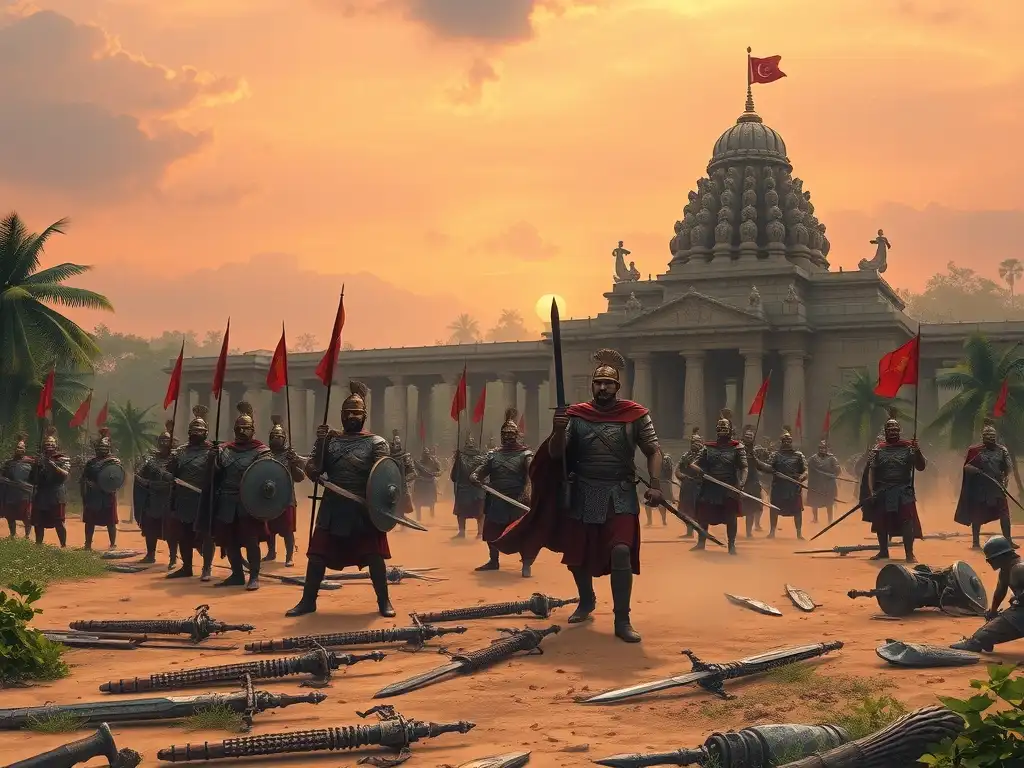
The Battle of Gangaikonda Cholapuram, fought in the early 11th century, is a pivotal moment in the military history of ancient India. This battle not only marked a crucial confrontation between the Chola dynasty and the Pala Empire but also set the stage for the political and cultural developments in the region for centuries to come.
The victorious Cholas solidified their dominance in South India, expanding their territory and influence, which had lasting implications for trade, culture, and administrative practices. The establishment of Gangaikonda Cholapuram as a capital symbolized the zenith of Chola power, showcasing their military prowess and cultural sophistication.
The aftermath of the battle saw a flourishing of architecture, literature, and religious patronage under Chola rule. Temples built during this period, such as the Brihadeeswarar Temple, reflect the artistic and architectural achievements that emerged from this era of stability and prosperity. The Chola dynasty's legacy, particularly through their naval expeditions and interactions with Southeast Asia, can be traced back to their victories in battles like that of Gangaikonda Cholapuram, which bolstered their confidence and resources for expansion.
Long-term Effects on Subsequent Conflicts
The Battle of Gangaikonda Cholapuram had profound implications for subsequent military engagements in the Indian subcontinent. One significant effect was the establishment of a clear precedent for the concept of regional dominance through military might. The Cholas, after their victory, became a formidable force, inspiring both admiration and resentment among neighboring kingdoms, leading to a series of conflicts that characterized the medieval era.
This battle also influenced the strategies and political alliances of future rulers. The tactical innovations employed by the Cholas, such as the effective use of cavalry and war elephants, were studied and adapted by subsequent generations of military leaders. Moreover, the battle's outcome prompted rival factions to either forge alliances to counter the Chola threat or seek to expand their own territories aggressively, leading to a cycle of warfare that reshaped the geopolitical landscape of southern India.
Historical Narratives and Interpretations
The historical narratives surrounding the Battle of Gangaikonda Cholapuram have evolved over time, influenced by various historians, poets, and chroniclers. Early accounts often glorified the Chola victory, framing it as a divine sanction of their rule, while later interpretations began to analyze the socio-political ramifications of the conflict more critically.
Modern historians have delved deeper into the motivations behind the battle, examining the economic and strategic factors that led to the confrontation. The Pala Empire's attempts to assert its influence in the south, coupled with the Chola's desire for expansion, reflect broader themes of power dynamics in ancient India. The battle is often viewed not just as a military encounter but as a significant event that illustrates the complexities of ancient Indian politics and interstate relations.
Conclusion
Summary of the Battle's Significance
The Battle of Gangaikonda Cholapuram stands as a landmark in ancient Indian history, marking a decisive moment in the ongoing struggle for power between the Chola and Pala empires. Its significance lies not only in the military victory but also in the cultural and political ramifications that followed. The battle reinforced the Chola dynasty's supremacy in southern India, allowing for a flourishing of art, architecture, and governance that would influence generations.
Reflection on its Place in Ancient Indian History
Reflecting on its place in ancient Indian history, the Battle of Gangaikonda Cholapuram serves as a reminder of the intricate tapestry of conflict, culture, and power that characterized the subcontinent's past. It exemplifies how battles were not merely contests of arms but were deeply intertwined with the socio-economic and cultural fabric of the time. The legacy of this battle continues to resonate today, as scholars and historians seek to understand the forces that shaped ancient India and the enduring impact of its great civilizations.
Further Reading and Resources
To gain a deeper understanding of the Battle of Gangaikonda Cholapuram and its broader implications within the context of the Chola Empire, various resources can provide valuable insights. These resources encompass historical analyses, chronicles, and scholarly works that explore military strategies, politics, and cultural contributions of the Chola dynasty during this significant period. Here are some recommended readings:
Suggested Books and Articles on the Chola Empire and Notable Battles
-
Books:
-
"The Chola Dynasty: A History" by J. S. D. L. Narasimhan
This comprehensive book delves into the history of the Chola dynasty, covering its rise, notable battles, including Gangaikonda Cholapuram, and the empire's administration and culture.
-
"The Imperial Cholas: A Study of the Chola Empire from the 9th to 13th Centuries" by R. Nagaswamy
This work provides an in-depth analysis of the Chola Empire’s military campaigns, including strategic insights into the Battle of Gangaikonda Cholapuram.
-
"War and Society in Ancient India" by R. C. Majumdar
This book examines the relationship between warfare and societal structures in ancient India, offering context for the significance of battles like Gangaikonda Cholapuram.
-
-
Articles:
-
"The Chola Empire and Its Military Campaigns"
This scholarly article details the military strategies employed by the Chola dynasty, focusing on key battles and their outcomes, including the Battle of Gangaikonda Cholapuram.
-
"Chola Architecture and its Historical Significance"
While primarily focused on architecture, this article discusses the socio-political context of the Chola Empire, shedding light on the influence of military victories on cultural developments.
-
-
Documentaries and Online Resources:
-
"The Chola Empire: A Glimpse into Ancient South India"
This documentary provides visual insights into the life and times of the Chola dynasty, including the impact of significant battles.
-
Online archives and databases like JSTOR and Project Gutenberg may contain numerous journals and historical texts related to the Chola Empire and its military history.
-
By exploring these suggested readings and resources, enthusiasts and scholars alike can gain a well-rounded perspective on the Battle of Gangaikonda Cholapuram and its significance within the broader tapestry of ancient Indian history.
- Introduction to the Battle of Gangaikonda Cholapuram
- Background of the Battle
- The Battle's Timeline and Key Events
- Significance of the Battle of Gangaikonda Cholapuram
- Legacy of the Battle
- Conclusion
- Further Reading and Resources
- What was the Battle of Gangaikonda Cholapuram?
- Why is the Battle of Gangaikonda Cholapuram historically important?
- How did the Battle of Gangaikonda Cholapuram impact the Chola Empire?
- Who were the main opponents in the Battle of Gangaikonda Cholapuram?
- What lessons can we learn from the Battle of Gangaikonda Cholapuram?
Frequently Asked Questions
What was the Battle of Gangaikonda Cholapuram?
The Battle of Gangaikonda Cholapuram was a significant conflict during the Chola dynasty, highlighting the military prowess and strategic importance of this ancient Indian kingdom.
Why is the Battle of Gangaikonda Cholapuram historically important?
This battle is crucial for understanding the political dynamics of the time and the expansionist policies of the Cholas, which played a major role in shaping South Indian history.
How did the Battle of Gangaikonda Cholapuram impact the Chola Empire?
The battle solidified the Chola Empire's dominance in the region, leading to increased territorial control and furthering the empire's economic prosperity through enhanced trade routes.
Who were the main opponents in the Battle of Gangaikonda Cholapuram?
The conflict was primarily between the Chola forces and their rivals, showcasing the inter-dynastic rivalries that characterized the political landscape of ancient India.
What lessons can we learn from the Battle of Gangaikonda Cholapuram?
The battle teaches us about the importance of military strategy, diplomacy, and the socio-political structures that influenced the rise and fall of empires in ancient India.
Final Reflection: The Enduring Significance of the Battle of Gangaikonda Cholapuram
The Battle of Gangaikonda Cholapuram stands as a pivotal moment in history, not only for its immediate military implications but also for its lasting impact on the cultural and political landscape of South India. Today, as we navigate a world increasingly defined by historical narratives and identity, the significance of this battle resonates more than ever. Understanding its importance allows us to appreciate the complexities of regional power dynamics and the rich tapestry of heritage that shapes our contemporary society.
The influence of the Battle of Gangaikonda Cholapuram extends far beyond the battlefield; it has woven itself into the cultural fabric of Tamil Nadu and beyond. This battle symbolizes the resilience and ambition of the Chola dynasty, reflecting a time when art, architecture, and governance flourished under their rule. As we reflect on its legacy, we are reminded of the words of historian K.A. Nilakanta Sastri: The Chola Empire was not merely a political entity; it was a cultural phenomenon that left an indelible mark on the Indian subcontinent.
This observation underscores how the battle's significance continues to shape our understanding of identity and heritage in modern times.
As we conclude our exploration of this historic event, I invite you to reflect on the lessons it imparts about leadership, ambition, and cultural pride. Consider how the values demonstrated during the Battle of Gangaikonda Cholapuram can inspire your own journey. Whether it’s in the pursuit of personal goals or the commitment to preserving cultural heritage, let the spirit of resilience and determination from this historic battle guide you. Embrace the significance of your own battles, both big and small, and recognize the profound impact they can have on your life and the world around you.
Unleash Your Curiosity about Ancient Battles!
Thank you for taking the time to explore the significance of the Battle of Gangaikonda Cholapuram! Your interest in this historical event helps keep the legacy of ancient India alive and inspires further discovery. Now, it’s time to take your newfound knowledge and ignite your passion for history.
Here are a few exciting actions you can take right now:
- Dive deeper: Seek out additional resources or documentaries about the Chola dynasty and their military exploits.
- Join the conversation: Share your thoughts on our website’s discussion forum or social media— engage with fellow enthusiasts who share your passion for history!
- Experience history: Plan a visit to Gangaikonda Cholapuram or explore other historical sites in India for an immersive encounter with your rich heritage.
What aspect of the Chola dynasty sparks your imagination the most, and how can you incorporate that interest into your personal exploration of history?