
The Spread of Indian Textiles: A Cultural Exchange with the Mediterranean

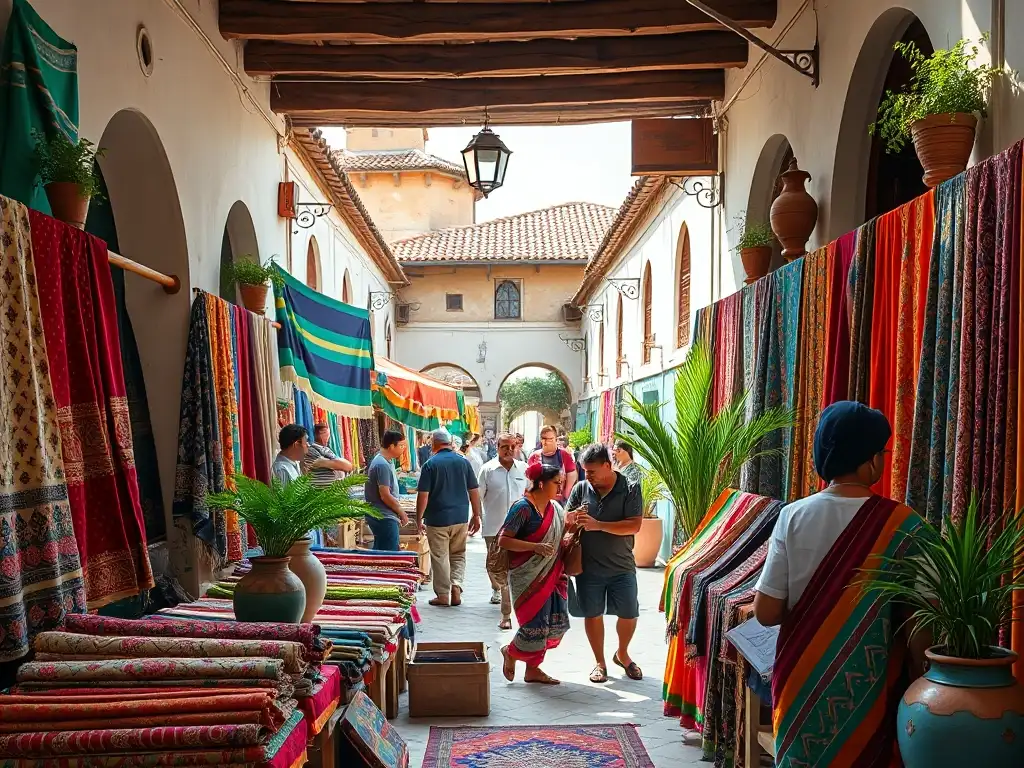
Welcome to Ancient India History, where we embark on a fascinating journey through the rich tapestry of India's past. In this section, we delve into the intriguing narrative of Indian textiles and their pivotal role in cultural exchange with the Mediterranean. Discover how these exquisite fabrics not only adorned the elite but also served as a bridge linking diverse civilizations. What secrets lie within the threads of history? Join us as we unravel the profound impact of Indian textiles on global culture, and prepare to be captivated by the stories waiting just beyond this introduction.
Introduction to Indian Textiles and Cultural Exchange History
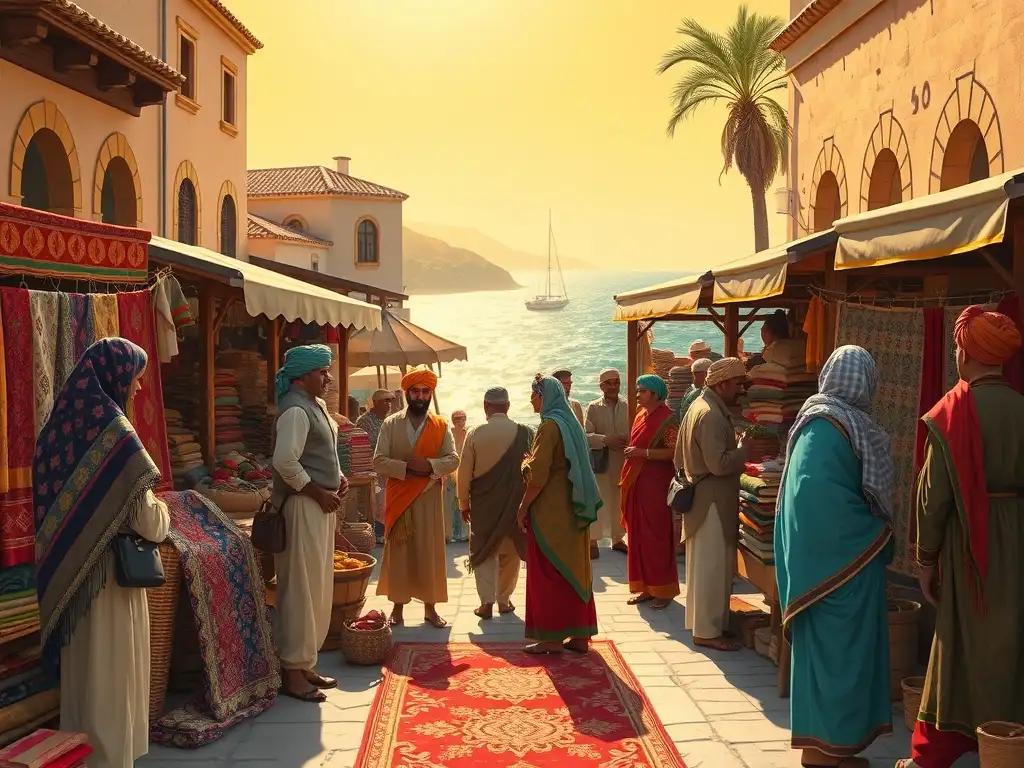
The history of Indian textiles is a rich tapestry woven with threads of culture, creativity, and commerce that has significantly influenced not only the subcontinent but also far-reaching regions such as the Mediterranean. This article delves into the fascinating journey of Indian textiles, exploring how these exquisite fabrics were not merely products of artistry but also vehicles of cultural exchange that connected diverse civilizations. The term "Indian textiles cultural exchange history" encapsulates the essence of this exploration, highlighting the intricate interactions that shaped the social, economic, and artistic landscapes of ancient societies.
Overview of Indian Textiles
Indian textiles have long been revered for their unparalleled craftsmanship, vibrant colors, and intricate designs. From the earliest days of the Indus Valley Civilization, textiles have played a crucial role in daily life, trade, and cultural expression. Key features of Indian textiles include:
- Diverse Materials: Cotton, silk, wool, and jute, each contributing to the unique characteristics of Indian fabrics.
- Varied Techniques: Techniques like weaving, dyeing, and embroidery, showcasing regional specialties such as block printing in Rajasthan and intricate brocades in Varanasi.
- Symbolic Designs: Patterns and motifs that often carry deep cultural meanings, reflecting religious beliefs, social status, and local traditions.
These elements not only highlight the ingenuity of ancient Indian artisans but also set the stage for expansive trade and cultural exchanges with neighboring civilizations.
Significance of Cultural Exchange in Ancient Civilizations
Cultural exchange in ancient civilizations was pivotal in fostering mutual understanding and cooperation between diverse groups. As Indian textiles made their way across borders, they facilitated:
- Artistic Innovation: The introduction of Indian designs influenced Mediterranean art, leading to new styles and techniques.
- Economic Growth: Trade in textiles created economic ties that benefitted both India and its partners, enhancing wealth and prosperity.
- Cultural Fusion: Shared practices and ideas led to the blending of traditions, enriching the cultural fabric of societies involved in the exchange.
The significance of this exchange is evident in the myriad ways it shaped not only the material culture but also the philosophical and aesthetic values of ancient societies.
Purpose of the Article: Exploring Connections with the Mediterranean
The purpose of this article is to illuminate the connections between Indian textiles and Mediterranean cultures, focusing on how these interactions contributed to a broader understanding of cultural exchange. By examining trade routes, the origins of textile production, and the development of techniques, we aim to highlight the enduring legacy of these exchanges and their impact on both Indian and Mediterranean civilizations.
Historical Context of Indian Textiles
To fully appreciate the role of Indian textiles in cultural exchanges, it is essential to understand their historical context. This section will explore the origins of Indian textiles, the evolution of techniques and styles, and the trade routes that facilitated their spread.
The Origins of Indian Textiles
The origins of Indian textiles can be traced back to the ancient Indus Valley Civilization, where evidence of cotton cultivation and weaving techniques has been found in archaeological sites such as Mohenjo-Daro and Harappa. These early practices laid the groundwork for the rich textile heritage that would follow. Key points include:
- Cotton Cultivation: The Indus Valley's favorable climate allowed for the thriving of cotton production, establishing India as one of the first centers for cotton textiles.
- Weaving Techniques: Early evidence suggests sophisticated weaving techniques, with artisans creating durable and intricate fabrics that were suited for both everyday wear and ceremonial purposes.
Development of Techniques and Styles in Ancient India
As Indian textiles evolved, so too did the techniques and styles associated with them. The following developments are noteworthy:
- Regional Specialization: Different regions in India became known for specific textile techniques, such as ikat from Gujarat and handloom weaving from Bengal.
- Dyeing Methods: Natural dyes derived from plants, minerals, and even insects contributed to the vibrant color palette of Indian textiles, influencing styles across borders.
- Embroidery and Decoration: Decorative techniques such as zardozi and chikan embroidery emerged, showcasing the artistic skills of Indian artisans.
These developments played a crucial role in enhancing the appeal of Indian textiles in foreign markets, including those in the Mediterranean.
Trade Routes Connecting India and the Mediterranean
The establishment of trade routes was instrumental in facilitating the exchange of Indian textiles with Mediterranean cultures. Key routes included:
- Silk Road: This ancient trade network connected India to various civilizations, allowing for the exchange of textiles, spices, and ideas.
- Maritime Trade Routes: Sea routes from the western coast of India to ports in the Mediterranean enabled direct trade with regions such as Egypt and Greece.
Through these routes, Indian textiles not only reached new markets but also interacted with local traditions, leading to a dynamic exchange of culture and craftsmanship that resonates through history.
The Mediterranean's Influence on Indian Textiles
The Mediterranean region played a pivotal role in the evolution and dissemination of Indian textiles, establishing a dynamic cultural exchange that significantly influenced both regions. This interaction was not merely a transaction of goods; it was a profound exchange of ideas, techniques, and aesthetics that shaped the textile traditions of India. The fascination with Indian textiles in the Mediterranean world can be traced back to their unique qualities, intricate designs, and vibrant colors, which were often complemented by the Mediterranean's own rich textile heritage.
Introduction to Mediterranean Cultures
The Mediterranean basin has been historically characterized by a mosaic of cultures, including the Greeks, Romans, Phoenicians, and later the Byzantines and Arabs. Each of these cultures contributed to a rich tapestry of artistic expression, which included textiles. The Mediterranean societies were known for their advanced craftsmanship and trade networks, which facilitated the exchange of not just textiles but also ideas and cultural practices.
The Greeks, for instance, admired the luxurious silks and cottons from India, often depicting them in their art and literature. Roman elite households adorned themselves with Indian fabrics, which were seen as symbols of wealth and status. This admiration for Indian textiles led to a burgeoning demand, which in turn influenced local textile production in the Mediterranean through the adoption of motifs and dyeing techniques.
Key Mediterranean Materials and Techniques
In the Mediterranean, textiles were traditionally made from materials such as linen, wool, and silk. However, the introduction of Indian cotton and silk profoundly impacted local production. Indian textiles were often characterized by:
- Cotton Production: The soft, breathable quality of Indian cotton was highly sought after, leading to its integration into Mediterranean clothing.
- Silk Weaving: The intricate patterns and vibrant colors of Indian silk were adopted and adapted by Mediterranean weavers, often incorporating local motifs.
- Dyeing Techniques: The use of natural dyes, such as indigo for blues and madder for reds, was a notable influence. Techniques like resist dyeing, which were prevalent in Indian textiles, inspired similar practices in Mediterranean fabric production.
These materials and techniques not only enhanced the aesthetic value of Mediterranean textiles but also enriched the cultural narratives associated with them.
Exchange of Textile Knowledge and Practices
The cultural exchange between India and the Mediterranean extended beyond mere trade; it involved a significant transfer of knowledge regarding textile production. This exchange was facilitated by merchants, travelers, and artisans who moved along trade routes. Key aspects of this knowledge exchange included:
- Weaving Techniques: Indian innovations in weaving, such as the use of intricate patterns and the introduction of the jacquard technique, influenced Mediterranean textile artisans.
- Dyeing Methods: The sophistication of Indian dyeing practices, particularly the use of indigo and other natural dyes, led to the enrichment of color palettes in Mediterranean textiles.
- Design Aesthetics: The intricate motifs and designs typical of Indian textiles inspired Mediterranean artisans, leading to hybrid styles that combined elements from both cultures.
This confluence of ideas resulted in a unique textile tradition that highlighted the interconnectedness of these ancient civilizations.
The Role of Trade in Cultural Exchange
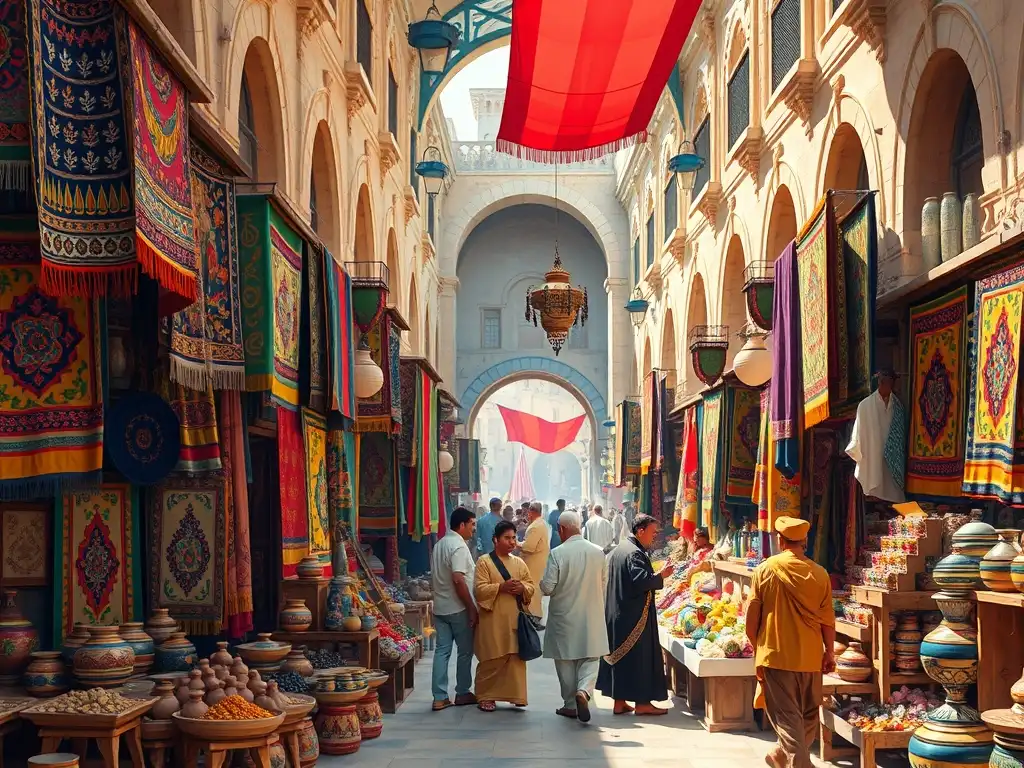
Trade was the lifeblood of cultural exchange between India and the Mediterranean. It established crucial links that allowed for the flow of not just goods but also cultural practices, ideas, and technologies. The textile trade was particularly significant, as it provided a framework for sustained interaction between the two regions.
Major Trade Routes Involved in Textile Exchange
Several key trade routes contributed to the exchange of textiles between India and the Mediterranean:
- The Silk Road: This ancient trade route facilitated the flow of Indian textiles, particularly silk, directly into the Mediterranean markets.
- The Maritime Trade Routes: Indian textiles traveled across the Arabian Sea to ports in the Persian Gulf and the Red Sea, linking India with Mediterranean trade hubs such as Alexandria and Carthage.
- Overland Routes: Caravans traveled overland to transport textiles through the Persian Empire, reaching markets in the Mediterranean.
These routes were not only vital for the movement of textiles but also for the cultural exchange that flourished along them.
Key Players in the Indian-Mediterranean Textile Trade
The textile trade involved various key players, including:
- Indian Artisans and Merchants: Skilled weavers and dyers in India produced high-quality textiles that attracted Mediterranean buyers.
- Middle Eastern Traders: Traders from regions like Persia and Mesopotamia acted as intermediaries, facilitating the exchange of textiles between India and the Mediterranean.
- Roman and Greek Merchants: These merchants were essential in establishing demand for Indian textiles, helping to integrate them into Mediterranean fashion and culture.
These players created a vibrant trade network that not only exchanged goods but also fostered intercultural dialogues and collaborations.
Economic Impact of Textile Trade on Ancient Civilizations
The trade of textiles had a profound economic impact on both Indian and Mediterranean civilizations. In India, the textile industry flourished, leading to increased prosperity for artisans and merchants. The demand for Indian textiles stimulated local economies and encouraged innovation in textile production.
In the Mediterranean, the influx of Indian textiles contributed to the luxury markets, influencing fashion and commerce. This trade led to the establishment of a thriving economy centered around textiles, with significant implications for social structures and wealth distribution.
Overall, the cultural exchange through textiles not only enriched the artistic heritage of both regions but also laid the foundation for future interactions that would continue to evolve over the centuries.
Iconic Textiles of India Reaching the Mediterranean
The exchange of textiles between India and the Mediterranean region has been a significant aspect of cultural interaction throughout history. Indian textiles, renowned for their quality and craftsmanship, found a prominent place in Mediterranean markets, influencing fashion and trade practices. The journey of these textiles, particularly cotton, silk, and dyed fabrics, showcases the interconnectedness of ancient civilizations and the impact of cultural exchanges.
Cotton Textiles and Their Popularity
Cotton textiles, often referred to as muslin, played a pivotal role in the trade between India and the Mediterranean. The soft, lightweight fabric was highly sought after, especially in regions like Egypt and Greece, where it was favored for its comfort and versatility. Indian artisans developed intricate weaving techniques that resulted in exquisite patterns and textures, making these fabrics a luxury item in Mediterranean markets.
The popularity of cotton textiles was not limited to their aesthetic appeal; they also symbolized the advanced textile production techniques of ancient India. Historical accounts, such as those by Greek historians, describe the rich variety of cotton fabrics available, highlighting their durability and the skill involved in their creation. As trade routes expanded, Indian cotton textiles became synonymous with quality and luxury, establishing a lasting legacy in Mediterranean fashion.
Silk and Brocade: Luxury Textiles in Demand
Silk and brocade emerged as some of the most luxurious textiles in ancient India, captivating the Mediterranean elite. The production of silk in India dates back to ancient times, with the country being one of the earliest centers of silk cultivation. The intricate designs and vibrant colors of Indian silk textiles made them highly desirable, particularly among the wealthy classes in Mediterranean societies.
Brocade, often embellished with gold or silver threads, was another textile that showcased the artistry of Indian weavers. These rich fabrics were frequently used in ceremonial attire and were indicative of high social status. Historical trade records reveal that silk and brocade were not only traded as commodities but also as symbols of cultural prestige and sophistication, further cementing India's reputation as a hub of textile production.
Dyed and Printed Fabrics: Techniques and Patterns
The art of dyeing and printing fabrics in India has a long-standing tradition, with techniques such as block printing and tie-dye (bandhani) being developed over centuries. These methods allowed artisans to create vibrant patterns and colors, making Indian textiles distinct and appealing to Mediterranean consumers.
The use of natural dyes from plants and minerals resulted in a rich palette of colors that were both durable and environmentally friendly. The unique patterns, often inspired by nature and local motifs, resonated with Mediterranean aesthetics, leading to a significant demand for these textiles. The intricate designs and techniques not only highlighted the creativity of Indian artisans but also facilitated a cultural exchange, as Mediterranean artisans began to adopt and adapt some of these practices in their own textile production.
Cultural Significance of Textiles in Both Regions
The cultural significance of textiles transcends mere functionality; they embody identity, tradition, and social status. In both India and the Mediterranean, textiles served as a means of expressing cultural values and social hierarchies, reflecting the intricate relationship between fabric and identity.
Symbolism and Usage of Textiles in Indian Culture
In Indian culture, textiles are deeply embedded in social and religious practices. Each region has its unique textile tradition, often associated with specific rituals and celebrations. For example, sarees woven from particular fabrics are worn during weddings and religious ceremonies, symbolizing purity and grace. Additionally, the colors and patterns of textiles can carry specific meanings, often linked to local folklore and mythology.
Textiles also play a crucial role in defining social status. The quality and type of fabric worn can indicate one's economic standing and cultural identity. Traditional garments, often passed down through generations, serve as markers of heritage, further emphasizing the significance of textiles in Indian society.
Mediterranean Textile Traditions and Their Meanings
Mediterranean textile traditions are equally rich and varied, with fabrics reflecting the diverse cultures that inhabit the region. Textiles often represented local craftsmanship, with each community developing its unique styles, techniques, and meanings. For example, the intricate tapestries of the Byzantine Empire not only served decorative purposes but also conveyed stories and historical narratives.
In Mediterranean cultures, textiles were also tied to social status and identity. The use of luxurious fabrics, such as silk and gold-threaded brocade, was often reserved for the elite, while more modest fabrics were associated with the lower classes. Thus, textiles became a medium through which cultural narratives and social structures were expressed and reinforced.
The Role of Textiles in Identity and Social Status
The role of textiles in both Indian and Mediterranean societies extends beyond mere adornment; they are integral to identity formation and social stratification. In India, the choice of textile often signifies regional identity and cultural affiliation. For instance, specific weaving techniques and patterns are unique to various communities, showcasing their heritage and craftsmanship.
Similarly, in the Mediterranean, the type of fabric worn can signify one's allegiance to a particular cultural or social group. The interplay between textiles and identity is a testament to how fabric can encapsulate history, tradition, and the socio-political dynamics of a region. Through the exchange of textiles between India and the Mediterranean, both regions enriched their cultural tapestries, leading to a vibrant dialogue that continues to influence contemporary practices.
Case Studies of Indian Textiles in the Mediterranean
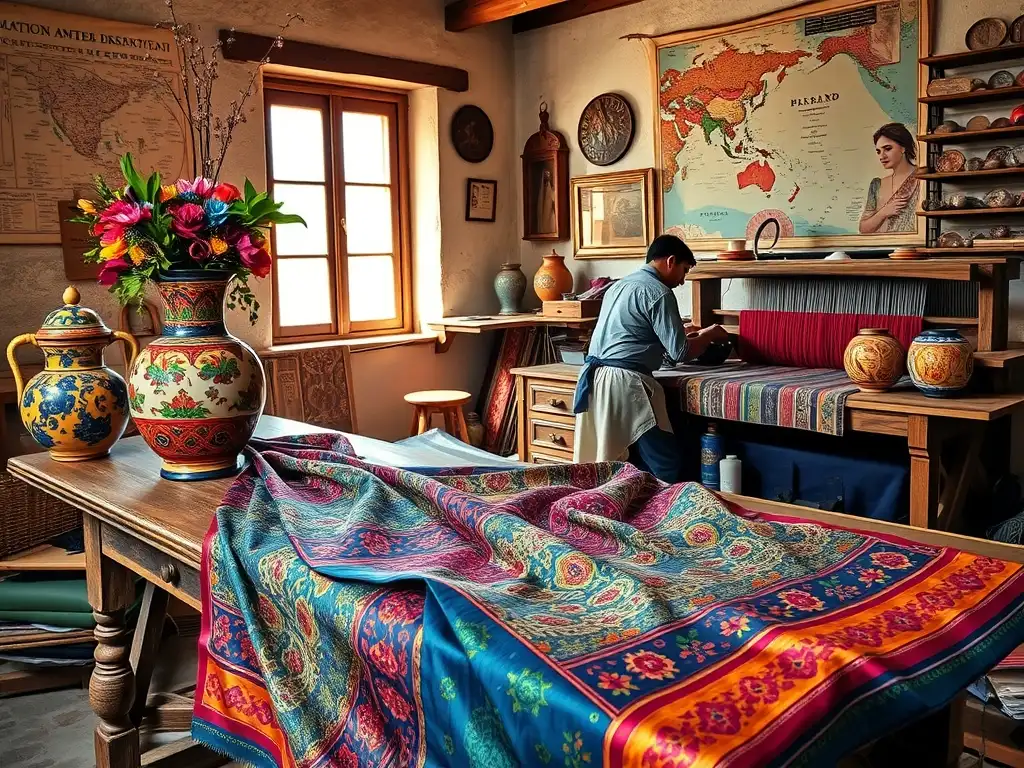
The exchange of textiles between India and the Mediterranean region showcases a rich tapestry of cultural interactions that have shaped both societies. Notably, the trade routes established during ancient times facilitated not just the movement of goods, but also ideas, techniques, and artistic expressions. A few prominent case studies illustrate the profound impact of Indian textiles on Mediterranean cultures.
Examples of Indian Textiles Found in Archaeological Sites
Archaeological excavations in areas such as Egypt and the Mediterranean islands have unearthed numerous examples of Indian textiles. For instance, the discovery of cotton textiles in the ruins of ancient Alexandria highlights the significance of Indian cotton in Mediterranean trade. These textiles often featured intricate designs and were dyed using natural pigments, showcasing advanced techniques that were later adopted by local artisans.
Additionally, excavations in the ancient city of Pompeii revealed the presence of silk fabrics, believed to be imported from India. The quality and artistry of these textiles not only reflect the craftsmanship of Indian weavers but also indicate a robust trade network that facilitated the exchange of luxurious materials.
Notable Historical References to Indian Textiles in Mediterranean Literature
Historical texts from the Mediterranean frequently mention Indian textiles, reflecting their esteemed status. Greek historians such as Herodotus referred to the "fine cloths" from India, particularly noting their vibrant colors and luxurious feel. Roman authors like Pliny the Elder also commented on the desirability of Indian silk, describing it as a product of exceptional quality that was highly sought after in Roman markets.
Moreover, the writings of Arab scholars during the Islamic Golden Age documented the intricate designs and techniques used in Indian textile production. These accounts not only highlight the textiles' physical attributes but also emphasize their role in trade and cultural exchange.
Influence on Mediterranean Fashion and Textile Production
The influence of Indian textiles on Mediterranean fashion can be seen in various clothing styles and textile production techniques that emerged during ancient times. The introduction of cotton and silk from India led to a shift in fabric preferences among the Mediterranean elites, who began to favor lighter and more breathable materials.
Moreover, Indian dyeing techniques and patterns inspired local artisans, leading to the development of new styles in textiles. For instance, the paisley motif, which has roots in Indian design, became widely popular in Mediterranean fashion, showcasing a blend of cultural aesthetics that persisted for centuries.
Conclusion: The Lasting Impact of Indian Textiles on Mediterranean Cultures
The exchange of textiles between India and the Mediterranean has left an indelible mark on both regions. This cultural exchange not only enriched the textile traditions of the Mediterranean but also allowed for a fusion of artistic styles and techniques that continue to be celebrated today.
Summary of Key Points on Indian Textiles Cultural Exchange History
- Indian textiles, particularly cotton and silk, were highly sought after in the Mediterranean.
- Archaeological findings illustrate the presence of Indian fabrics in ancient trade centers.
- Historical references emphasize the quality and desirability of Indian textiles.
- Indian designs and techniques influenced Mediterranean fashion and textile production.
Reflections on the Importance of Cultural Interactions
Cultural interactions, such as those facilitated by the trade of textiles, are crucial for understanding the development of societies. The exchange of ideas, materials, and techniques fosters innovation and creativity, allowing cultures to evolve and adapt over time. The story of Indian textiles in the Mediterranean serves as a testament to the power of cultural exchanges in shaping history.
Future Research Directions in Textile History and Cultural Exchange
Future research can delve deeper into the specific techniques used in Indian textile production and how they were adopted or adapted in the Mediterranean. Further archaeological studies may uncover more artifacts that illustrate the extent of this exchange. Additionally, exploring the socio-economic impacts of textile trade on both Indian and Mediterranean societies could provide valuable insights into historical interactions and cultural evolution.
References for Further Reading on Indian Textiles and Cultural Exchange
For those interested in delving deeper into the fascinating history of Indian textiles and their cultural exchanges with Mediterranean civilizations, a variety of resources are available. These include academic papers, books, and online materials that provide valuable insights and comprehensive analyses.
Academic Sources and Texts on Indian Textile History
-
"The Fabric of India" by Rosemary Crill
This book offers an in-depth exploration of Indian textiles, tracing their evolution from ancient times to contemporary practices. It highlights the techniques, materials, and cultural significance of textiles in Indian society.
-
"Indian Textiles: 5000 Years of Art and Craft" by John Gillow
Gillow's work presents a thorough history of Indian textiles, detailing various regional styles and the historical contexts that influenced them, including trade with Mediterranean civilizations.
-
Articles from the Journal of Indian Art History
Academic journals often publish research articles focusing on the influence of Indian textiles on global trade routes, including interactions with Mediterranean cultures. These articles provide peer-reviewed insights and are essential for serious scholars.
-
"Textiles of the Indus Valley Civilization" by R. P. Gupta
This academic work discusses the textile technologies and products of the Indus Valley, offering a foundational understanding of early Indian textile practices and their significance in trade.
Recommended Books on Cultural Exchange in Ancient Civilizations
-
"Trade and Cultural Exchange in the Ancient Mediterranean World" by S. F. M. T. Neumann
This book examines the broad scope of trade networks in the ancient Mediterranean and their impacts on cultural practices, including textiles. It provides context for understanding the interactions between Indian and Mediterranean societies.
-
"The Silk Roads: A New History of the World" by Peter Frankopan
Frankopan’s work highlights the significance of trade routes, including those connecting India and the Mediterranean. It illustrates how these routes facilitated not just the exchange of goods but also of cultural ideas and artistic expressions.
-
"Cultural Exchange in the Age of Empire" by C. A. Bayly
This book discusses the dynamics of cultural exchange during the imperial period, focusing on how textiles played a crucial role in shaping identities and cultural dialogues between civilizations.
-
"The Mediterranean and the Mediterranean World in the Age of Philip II" by Fernand Braudel
Braudel’s classic work provides a sweeping overview of the Mediterranean world, including trade and cultural exchanges that influenced regions as far afield as India.
Online Resources for Exploring Indian Textiles and Mediterranean Influences
-
The Victoria and Albert Museum Website
This museum houses an extensive collection of Indian textiles and provides a wealth of online resources, including articles and images that showcase the history and craftsmanship of Indian textile production.
-
The Textile Museum's Digital Collection
The Textile Museum offers an online database featuring a variety of textiles from different cultures, including Indian pieces that highlight their connections to Mediterranean trade routes.
-
The British Library's Digital Archives
The British Library hosts a variety of manuscripts and texts related to Indian textiles and trade with the Mediterranean. Their digital archives are an excellent resource for researchers and enthusiasts alike.
-
Academic Databases like JSTOR and Project MUSE
These databases provide access to numerous academic articles on Indian textiles and cultural exchanges, allowing users to explore scholarly discussions and findings related to the topic.
By utilizing these resources, readers can gain a comprehensive understanding of the intricate relationships between Indian textiles and their cultural exchanges with Mediterranean civilizations throughout history.
- Introduction to Indian Textiles and Cultural Exchange History
- Historical Context of Indian Textiles
- The Mediterranean's Influence on Indian Textiles
- The Role of Trade in Cultural Exchange
- Iconic Textiles of India Reaching the Mediterranean
- Cultural Significance of Textiles in Both Regions
- Case Studies of Indian Textiles in the Mediterranean
- Conclusion: The Lasting Impact of Indian Textiles on Mediterranean Cultures
- References for Further Reading on Indian Textiles and Cultural Exchange
- What role did Indian textiles play in cultural exchange?
- How did Indian textiles influence Mediterranean cultures?
- What were some major Indian textiles exported to the Mediterranean?
- When did the exchange of Indian textiles with the Mediterranean begin?
- How did the Gupta Empire impact the textile trade?
Frequently Asked Questions
What role did Indian textiles play in cultural exchange?
Indian textiles were pivotal in cultural exchange, serving as trade commodities that connected different civilizations, especially with the Mediterranean region.
How did Indian textiles influence Mediterranean cultures?
The introduction of vibrant fabrics and unique techniques from India significantly influenced Mediterranean art, fashion, and trade practices, fostering a rich cultural intermingling.
What were some major Indian textiles exported to the Mediterranean?
Cotton, silk, and woolen fabrics were among the most sought-after Indian textiles, known for their quality and intricate designs that appealed to Mediterranean consumers.
When did the exchange of Indian textiles with the Mediterranean begin?
The exchange began around 2000 BCE, continuing through various empires, with the Silk Road and maritime routes facilitating this extensive trade network.
How did the Gupta Empire impact the textile trade?
The Gupta Empire (c. 320-550 CE) enhanced textile production through innovation and patronage, making Indian textiles highly coveted in international markets, especially in the Mediterranean.
Final Reflection: The Timeless Legacy of Indian Textiles in Cultural Exchange
The intricate tapestry of Indian textiles serves as a powerful reminder of the enduring nature of cultural exchange, illustrating how threads of history weave together diverse societies. Today, as globalization continues to blur the lines between cultures, the historical significance of Indian textiles reminds us of the beauty and richness that arise from shared traditions and mutual appreciation. The story of these textiles is not just about fabric; it is about the connections formed across continents, transcending time and geography.
Cultural exchange is not a relic of the past; it is a living, breathing phenomenon that shapes our identities and influences our communities. The journey of Indian textiles into the Mediterranean is a testament to the profound impact that trade and artistry can have on societies. As we wear these textiles or admire their craftsmanship, we are participating in a legacy that celebrates diversity and collaboration. Art is the most beautiful of all lies.
This quote encapsulates the essence of how art, including textiles, can bridge gaps and foster understanding among people from different backgrounds.
As you reflect on the journey of Indian textiles and their role in cultural exchange, consider how you can contribute to this ongoing dialogue. Embrace the stories behind the fabrics you encounter, and let them inspire you to seek connections in your own life. Whether through supporting artisans, learning about different cultures, or sharing your own heritage, every small action can help sustain the rich tapestry of cultural exchange that has been woven over centuries. Let us celebrate and honor this legacy by fostering a spirit of curiosity and appreciation for the diverse narratives that shape our world today.
Embrace the Richness of Indian Textiles!
Thank you for joining us on this journey through the fascinating world of Indian textiles and their cultural exchange with the Mediterranean. You've uncovered the unique stories behind these exquisite fabrics and how they transcended borders, enriching lives. Now, it's time to take the next steps to deepen your connection with this vibrant heritage.
- Explore local markets or online stores to discover authentic Indian textiles and bring home a piece of this rich culture.
- Share your newfound knowledge! Engage with friends and family about the significance of Indian textiles in historical trade—spark meaningful conversations about cultural exchange.
- Join or follow online communities that celebrate the art of textiles—get inspired by fellow enthusiasts and talented artists!
What aspect of Indian textiles do you find most intriguing, and how do you see it influencing your understanding of cultural connections?