
The Role of Guilds in Shaping Ancient Indian Trade Practices

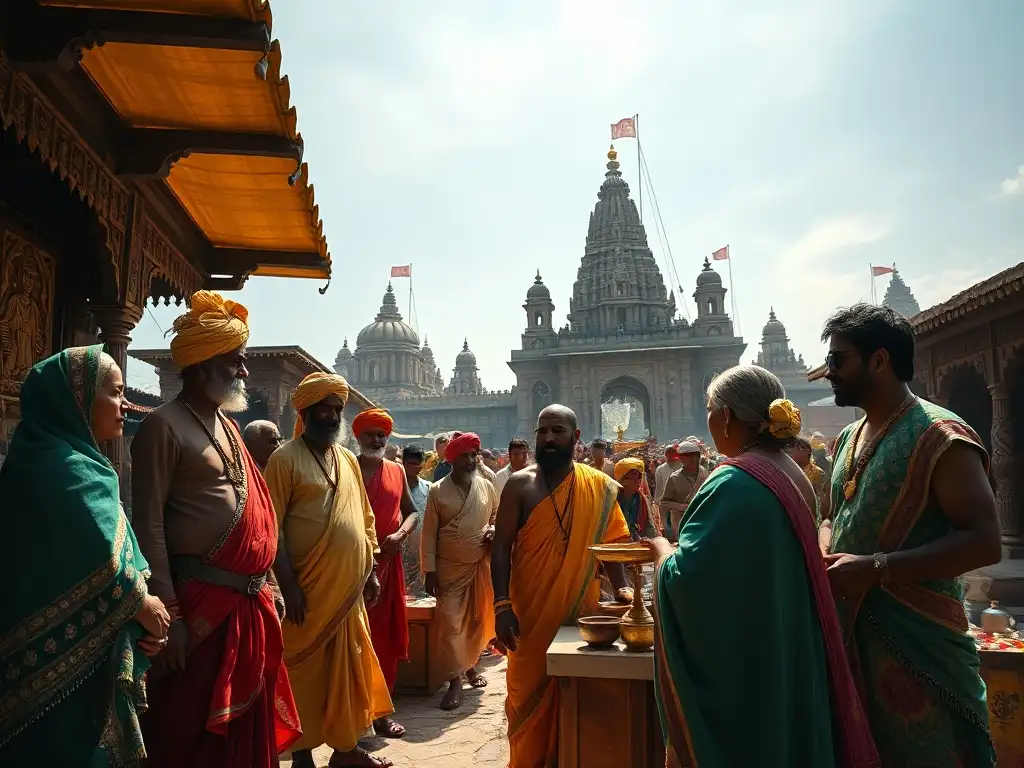
Welcome to Ancient India History, where we embark on a fascinating journey through the rich tapestry of ancient Indian civilizations. Today, we delve into the captivating world of ancient Indian trade guilds history, uncovering how these remarkable organizations shaped trade practices and economic landscapes from the bustling markets of the Indus Valley to the thriving commerce of the Gupta Empire.
Prepare to explore the intricate connections between culture and economy, and discover the vital role guilds played in fostering innovation and collaboration in ancient India. Join us as we unveil the secrets of the past that continue to resonate in today’s world!
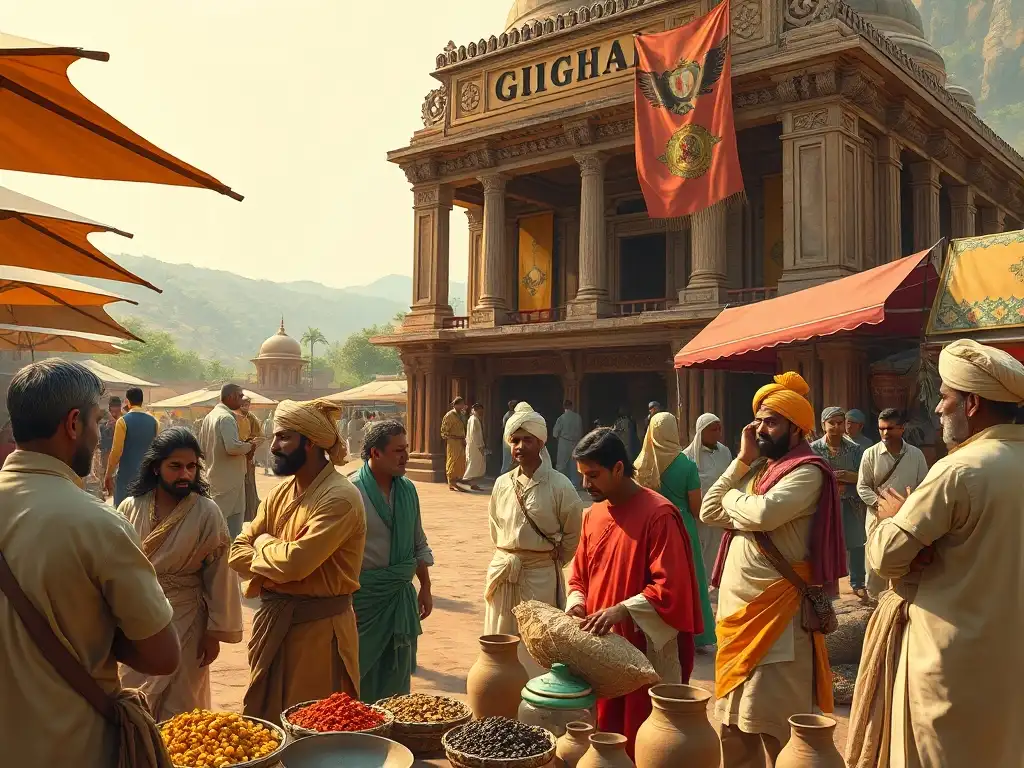
Introduction to Ancient Indian Trade Guilds History
The history of ancient Indian trade guilds is a fascinating aspect of the broader narrative of commerce and economic development in India. These organizations were not merely business associations; they played a pivotal role in the socio-economic fabric of ancient society.
By facilitating trade, regulating market practices, and fostering community among artisans and merchants, guilds contributed significantly to the prosperity and richness of ancient Indian civilizations. Understanding their role provides insight into how trade practices evolved and influenced various aspects of life in ancient India, from the bustling markets of the Indus Valley to the thriving trade routes established under the Gupta Empire.
Overview of Trade Guilds in Ancient India
Trade guilds, known as shrenis or panchayats, were integral to the economic landscape of ancient India. These associations comprised merchants, craftsmen, and traders who banded together to protect their interests and promote their trades. They established rules and regulations for their members, ensuring fair practices and quality control. The guilds also served as a platform for negotiation and conflict resolution, reflecting a sophisticated understanding of commerce that went beyond mere transactions.
- Types of Guilds:
- Merchant Guilds: Focused on trade and commerce across regions.
- Craft Guilds: Assisted artisans in their respective crafts, ensuring high standards.
- Regional Guilds: Represented local traders, facilitating intra-regional trade.
The existence and organization of these guilds illustrate the complexities of ancient Indian trade and the collaborative spirit that characterized it.
Importance of Guilds in Economic Development
Guilds were crucial for the economic development of ancient India. They not only provided a structured environment for trade but also contributed to the stability of the economy. By controlling the supply of goods and services, guilds could influence market prices and protect their members from external competition. Furthermore, guilds played a significant role in the dissemination of technology and skills, fostering innovation and efficiency in production processes.
- Economic Contributions:
- Standardization: Guilds set benchmarks for quality and pricing, creating trust among consumers.
- Infrastructure Development: Many guilds invested in the construction of roads and ports, enhancing trade routes.
- Cultural Exchange: Guilds facilitated interactions between different cultures, enriching the social and economic tapestry of India.
The Historical Context of Trade Guilds in Ancient India
Early Evidence of Trade Guilds in the Indus Valley Civilization
The origins of trade guilds in India can be traced back to the Indus Valley Civilization (circa 3300-1300 BCE), where archaeological findings suggest a sophisticated system of trade and commerce. Evidence such as standardized weights, seals, and urban planning points towards organized trade practices. The presence of large, well-planned cities like Harappa and Mohenjo-Daro indicates that trade was a vital part of daily life, with artisans and merchants likely forming early variations of guilds to regulate their activities.
- Archaeological Findings:
- Seals depicting trade activities.
- Standard weights used for measuring goods.
- Evidence of trade routes connecting to Mesopotamia and beyond.
These early trade practices laid the foundation for more structured guilds that would emerge in subsequent periods.
The Evolution of Guilds through Various Dynasties
As Indian civilization progressed through various dynasties, the structure and influence of trade guilds evolved significantly. From the Mauryan Empire to the Gupta period, guilds adapted to changing political and economic landscapes, enhancing their roles in society.
- Key Dynasties and Their Influence:
- Mauryan Empire: Standardized trade practices and established trade routes across the subcontinent.
- Gupta Empire: Flourishing trade networks and patronage of guilds led to advancements in arts and sciences.
The adaptability of these guilds to the socio-political changes in ancient India highlights their importance in shaping trade practices and contributing to the overall economic prosperity of the time. Their legacy can still be traced in modern trade practices and associations today, reflecting the enduring impact of ancient Indian trade guilds on commerce.
Structure and Organization of Ancient Indian Trade Guilds
The structure and organization of ancient Indian trade guilds were complex and hierarchical, reflecting the diverse nature of trade within the subcontinent. These guilds, known as "shrenis," served as essential institutions that governed various aspects of trade, commerce, and craft production. They comprised members from similar trades or professions and functioned as both social and economic units.
Typically, a guild would have a head, often referred to as the pramukh or shresthin, who was responsible for overseeing operations, resolving disputes, and representing the guild in dealings with external parties. Below this leadership, there were various officeholders such as treasurers and record-keepers, who managed financial transactions and maintained trade records.
The organization of these guilds also allowed for a democratic approach where members could participate in decision-making processes, ensuring that the interests of all members were represented. This structure not only facilitated trade but also fostered a sense of community among merchants, artisans, and traders, which was vital in sustaining socio-economic relations during ancient times.
Types of Guilds in Ancient India: A Classification
Ancient Indian trade guilds can be classified into several categories based on their functions and the nature of the trades they represented. These classifications include:
- Merchant Guilds (Sreshthi): Focused on long-distance trade, these guilds managed the trade of goods across regions and often included wealthy merchants who had extensive networks.
- Craft Guilds (Karmakar): Comprised artisans and craftsmen, these guilds specialized in the production of goods such as textiles, pottery, and metalwork.
- Agricultural Guilds (Krishi Shreni): Representing farmers and agricultural producers, these guilds played a crucial role in the distribution and trade of agricultural products.
- Professional Guilds: These included various service providers, such as weavers, potters, and blacksmiths, who banded together to protect their interests and ensure fair practices.
This classification highlights the diversity of trade activities in ancient India and underscores the guilds' pivotal role in facilitating economic interactions across various sectors.
Roles and Responsibilities within Trade Guilds
The roles and responsibilities within trade guilds were clearly delineated to ensure efficient functioning and maintain order within the trade community. Key roles included:
- Leadership Roles: The guild head and council members provided strategic direction and made decisions affecting the guild's operations, including trade agreements and dispute resolutions.
- Financial Management: Treasurers were responsible for managing the guild's finances, collecting dues from members, and ensuring that funds were allocated appropriately for guild activities.
- Quality Assurance: Specific members were tasked with overseeing the quality of goods produced and traded within the guild, ensuring that products met established standards.
- Training and Apprenticeship: Guilds often took on the responsibility of training new members or apprentices, passing down skills and knowledge necessary for trade practices.
These roles helped to maintain a cohesive structure within the guilds, contributing to their effectiveness as regulatory entities in the ancient Indian economy.
Functions of Guilds in Ancient Indian Trade Practices
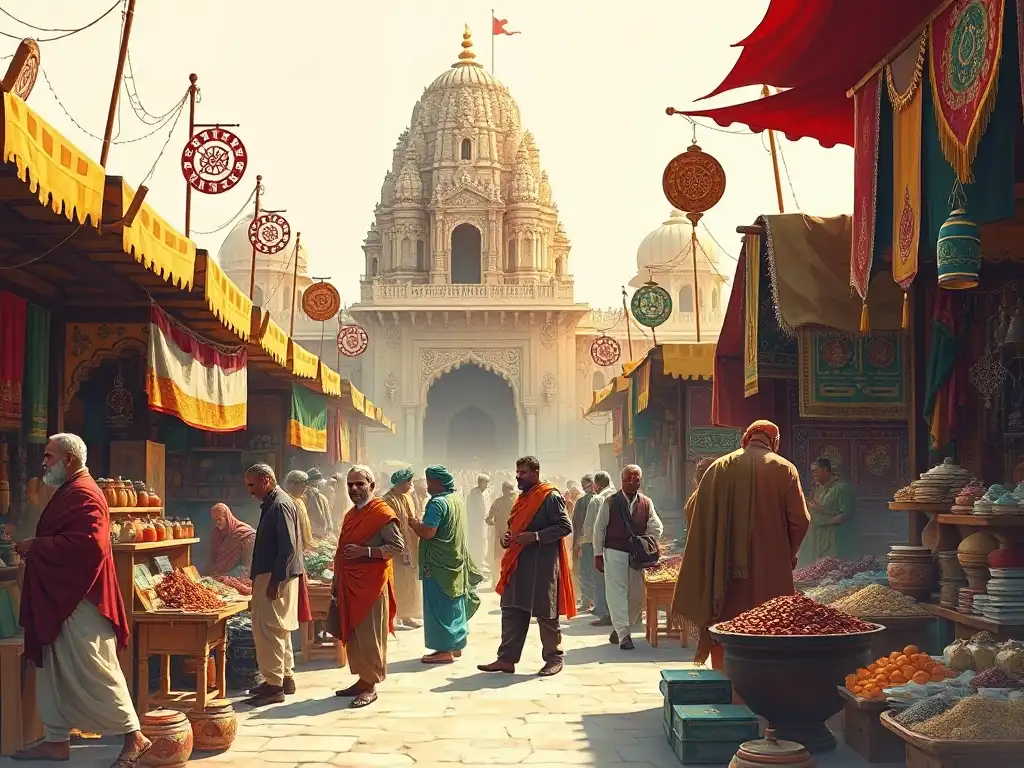
Guilds played a multifaceted role in shaping trade practices throughout ancient India. They were not merely trade associations; they significantly influenced various aspects of economic activity and societal norms.
Guilds as Regulatory Bodies in Trade
One of the primary functions of trade guilds was to act as regulatory bodies within the marketplace. They established rules and regulations governing trade practices, which included guidelines for fair pricing, ethical conduct, and the resolution of disputes among members. This regulatory framework helped to create a stable trading environment, fostering trust among merchants and consumers alike.
Guilds also had the authority to impose penalties for breaches of conduct, thus maintaining discipline within the trade. Their role as mediators in conflicts prevented disputes from escalating, facilitating smoother transactions and promoting a sense of community.
The Role of Guilds in Standardizing Weights and Measures
Guilds were instrumental in standardizing weights and measures, which was crucial for fair trade practices. By establishing uniform standards, guilds ensured that goods were measured accurately, preventing fraud and promoting trust among traders. This standardization extended to various commodities, including grains, textiles, and metals, which were vital for trade.
Through regular inspections and adherence to agreed-upon standards, guilds maintained quality control in transactions, which was essential for sustaining long-term trading relationships. This practice not only benefited the traders but also protected consumers from malpractices.
Guilds and Quality Control in Trade Goods
Quality control was a significant responsibility of ancient Indian trade guilds. They implemented strict measures to ensure that the goods produced by their members met specific quality standards. This focus on quality was essential for maintaining the guild's reputation and ensuring customer satisfaction.
Guilds often developed a system of certifications or marks that indicated the quality and authenticity of products. These marks served as a guarantee for consumers, enhancing the credibility of the guild and its members. By enforcing quality standards, guilds contributed to the overall advancement of trade practices and the economy, fostering a culture of excellence in craftsmanship and trade.
Economic Impact of Guilds on Ancient Indian Commerce
Guilds played a critical role in shaping the economic landscape of ancient India, serving as the backbone of trade and commerce in various regions. These associations of merchants and artisans not only facilitated the exchange of goods but also contributed to the overall economic stability of communities. By organizing trade practices and standardizing regulations, guilds enabled smoother transactions and enhanced trust amongst traders, which was essential in a time when formal banking systems were not prevalent.
The economic impact of guilds can be observed in several key areas, including their influence on local markets, their role in long-distance trade, and the establishment of trade routes. Furthermore, the wealth generated through guild activities often led to the funding of local infrastructure projects, such as roads and warehouses, which further stimulated commerce and improved the overall quality of life in urban centers.
Contribution of Guilds to Local Economies
Local economies greatly benefited from the presence of trade guilds. These organizations provided a structured framework for artisans and merchants to collaborate, share resources, and establish fair pricing systems. By pooling resources, guild members could reduce costs and increase the quality of their goods, which in turn attracted more customers.
Additionally, guilds often took on the responsibility of training new artisans, ensuring the transfer of skills and techniques across generations. This not only preserved traditional crafts but also stimulated local economies by creating a skilled workforce capable of producing high-quality goods. The artisanship fostered by guilds contributed significantly to the production and sale of textiles, pottery, and metalwork, which were vital to local economies.
Guilds and Long-Distance Trade Networks
Ancient Indian trade guilds were pivotal in establishing and maintaining long-distance trade networks that connected India with various regions, including Southeast Asia, the Middle East, and beyond. These guilds facilitated the exchange of not just goods but also ideas and cultural practices, enriching the societies involved.
Notable examples of such long-distance trade can be seen with the Silk Road and Maritime Spice Routes, where Indian merchants collaborated with foreign traders. Guilds often took charge of logistics, ensuring that goods were transported efficiently and safely across vast distances. Their expertise in navigation and commerce allowed them to adapt to different cultural contexts and foster relationships that transcended geographical boundaries.
The Influence of Guilds on Marketplaces and Trade Routes
The presence of guilds significantly influenced the development of marketplaces and trade routes in ancient India. By establishing designated trading areas, guilds created hubs of economic activity that attracted both local and foreign traders. This clustering effect led to increased commerce and the rise of urban centers, where diverse goods were exchanged.
Furthermore, guilds often negotiated exclusive rights to trade certain goods, which allowed them to control market prices and ensure fair competition among members. This control extended to the establishment of trade routes, as guilds would coordinate efforts to maintain the safety and efficiency of these paths, leading to an interconnected network of trade that spanned across the subcontinent.
Guilds were not just economic entities; they also played a crucial role in the cultural and social fabric of ancient Indian society. The relationships forged within guilds fostered a sense of community and identity among members, linking them to shared values and traditions.
Guilds and Community Identity in Ancient India
In ancient India, guilds served as a source of community identity, uniting members through shared professions and economic interests. Membership in a guild often extended beyond mere economic engagement; it represented a commitment to communal values, support, and mutual assistance among artisans and merchants.
Guilds organized festivals, rituals, and social gatherings that reinforced community bonds and celebrated achievements. These social events were crucial for maintaining a sense of belonging and pride within the community, and they often included elements of local culture and tradition, promoting solidarity among members.
The Role of Guilds in Promoting Artisanship and Craftsmanship
Guilds played an essential role in nurturing artisanship and craftsmanship throughout ancient India. By providing training and mentorship, guilds ensured that traditional skills were passed down through generations, preserving the rich heritage of Indian craftsmanship.
Artisans within guilds were encouraged to innovate and refine their techniques, leading to the development of unique styles and high-quality products. This culture of excellence not only elevated the status of craftsmen but also contributed significantly to the global reputation of Indian goods, from intricately woven textiles to finely crafted jewelry. Through the collaborative spirit fostered by guilds, artisans thrived, and their contributions became integral to the identity of ancient Indian trade.
Challenges Faced by Trade Guilds in Ancient India
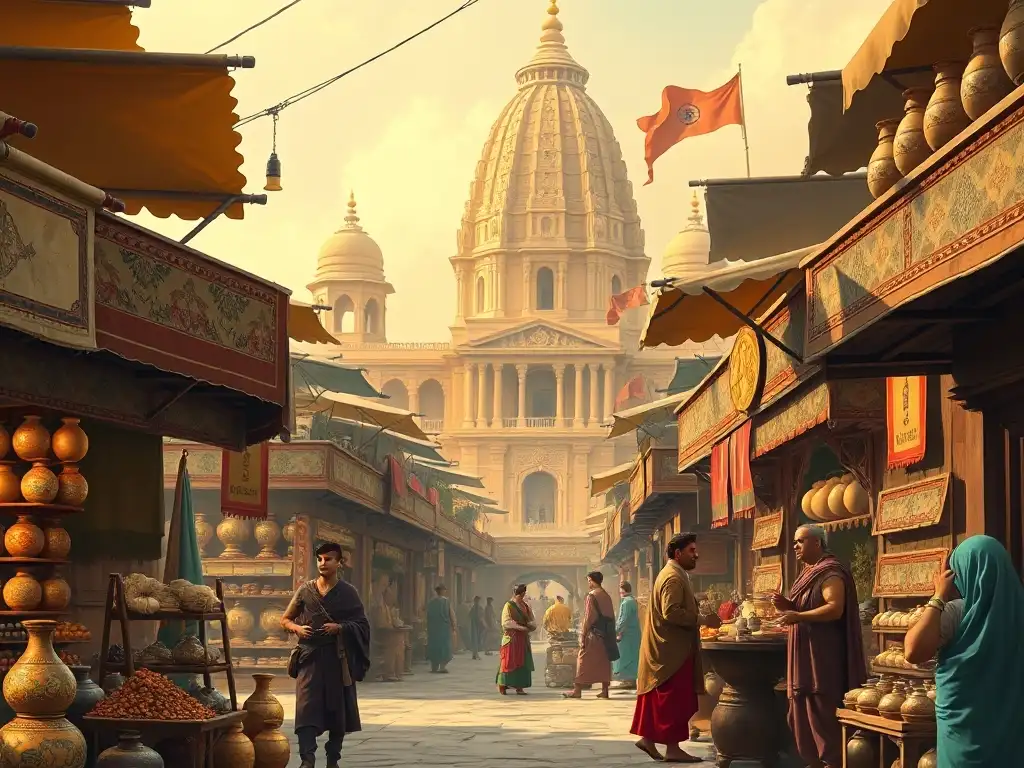
Trade guilds in ancient India were crucial in facilitating commerce, ensuring quality, and regulating prices. However, they faced numerous challenges that affected their operations and influence in the marketplace. Understanding these challenges provides a clearer picture of the dynamics of ancient trade and the resilience of these guilds in navigating a complex socio-economic landscape.
Economic Challenges and Competition
One of the primary economic challenges faced by trade guilds was intense competition, both among guilds and with independent traders. As trade flourished, especially along the Silk Route and maritime routes, various guilds emerged, each vying for a larger share of the market. This competition often led to price wars, undermining the profitability of many guilds.
Additionally, fluctuations in demand, influenced by seasonal changes or shifts in consumer preferences, posed a significant threat. Guilds had to adapt quickly to these changes to maintain their market position. The rise of new trading hubs and the establishment of foreign trade links introduced further economic uncertainties, compelling guilds to innovate and diversify their goods and services.
The economic landscape was also impacted by external factors such as natural disasters or invasions, which could disrupt trade routes and diminish access to essential resources. For example, the decline of the Indus Valley Civilization due to environmental changes severely affected the trade networks that guilds had established.
Political Influences on the Functioning of Guilds
Political dynamics played a significant role in shaping the operations of trade guilds in ancient India. The relationship between guilds and local rulers was often complex, with guilds needing to navigate the political landscape carefully to thrive. In many cases, rulers relied on guilds for revenue, imposing taxes and tariffs that could strain their operations.
Moreover, political favoritism could lead to unequal advantages for certain guilds, creating a sense of imbalance in trade practices. Some guilds managed to secure royal patronage, leading to monopolistic tendencies, while others struggled under the weight of political oppression. The power struggles between various kingdoms also affected trade routes and guild operations, as shifts in power could alter the economic landscape dramatically.
Guilds often had to engage in lobbying or negotiate terms with authorities to ensure their survival. This interplay between commerce and politics is a testament to the intricate relationship that existed in ancient Indian society, where trade was not merely an economic activity but also a political one.
Conclusion: The Legacy of Ancient Indian Trade Guilds
The legacy of ancient Indian trade guilds extends far beyond their time, influencing contemporary trade practices and organizational structures. Their established systems of quality control, pricing regulation, and ethical trading principles laid the groundwork for modern trade practices.
Lasting Impacts on Modern Trade Practices
Many of the principles upheld by ancient guilds continue to resonate in today's trade environment. For example, the idea of certification and standardization of products can be traced back to guild practices. Modern businesses often adopt similar regulatory frameworks to ensure quality and trust among consumers. Additionally, the concept of collective bargaining, a cornerstone of guild operations, persists in contemporary labor and trade negotiations.
Moreover, the social and economic networks created by these guilds have evolved into modern business associations and chambers of commerce, which continue to play a vital role in fostering trade relationships and supporting economic development.
Reflection on the Historical Significance of Trade Guilds in Ancient India
Reflecting on the historical significance of trade guilds in ancient India reveals their foundational role in shaping the economic landscape of the region. Beyond their economic contributions, guilds fostered a sense of community among traders, creating a structured social fabric that supported commerce.
They also contributed to cultural exchange, as trade brought together diverse communities, facilitating the sharing of ideas, customs, and technologies. The resilience and adaptability of these guilds in the face of challenges underscore their importance in the history of ancient Indian trade, leaving a legacy that informs our understanding of commerce even today.
References
Key Texts and Resources on Ancient Indian Trade Guilds History
-
"The Economic History of India: 1820-1947" by B.R. Tomlinson
This comprehensive work covers the evolution of trade practices in India, including a detailed examination of the role of guilds during various periods. Tomlinson's insights provide a foundation for understanding the socio-economic contexts in which these guilds operated.
-
"Trade and Traders in Early Indian Society" by R.S. Sharma
Sharma delves into the structure and functions of trade guilds in ancient India, discussing their impact on commerce and trade relations within and beyond Indian borders. This book is essential for anyone interested in the intricacies of ancient Indian trade networks.
-
"Indian Commerce and Industry: A Historical Perspective" by V. R. Patel
This text chronicles the development of trade practices in India, with a focus on guilds and their contributions to the economy. Patel's analysis includes case studies that highlight the significance of guilds in facilitating trade across regions.
-
"The World of the Indian Merchant: A Study of Trade and Society in Ancient India" by A. R. Desai
Desai's work provides a detailed exploration of the merchant community in ancient India, including the role of guilds in trade. This resource is particularly useful for understanding the social dynamics and economic strategies that characterized these organizations.
Suggested Further Reading on Trade and Economy in Ancient India
-
"Ancient Indian Economy: Structure and Processes" by K. N. Chitkara
This book offers a broad overview of the economic frameworks of ancient India, discussing various facets of trade and commerce, including the role of guilds and their operational mechanics.
-
"The Indus Valley Civilization: A Historical Overview" by N. D. Sharma
While primarily focused on the Indus Valley, this text provides insights into early trade practices that predate formal guilds, laying the groundwork for understanding how trade evolved into more organized systems.
-
"Trade Routes and Commerce of Ancient India" by S. Mukherjee
Mukherjee examines the various trade routes that facilitated commerce in ancient India, providing context for the emergence and significance of guilds in trade practices.
-
"Economic Life in Ancient India" by R. C. Majumdar
This resource delves into the economic systems of ancient India, offering a comprehensive look at how trade guilds contributed to the overall economy and their interactions with other social institutions.
These texts and resources will deepen your understanding of ancient Indian trade guilds and their pivotal role in shaping trade practices throughout history.
- Introduction to Ancient Indian Trade Guilds History
- The Historical Context of Trade Guilds in Ancient India
- Structure and Organization of Ancient Indian Trade Guilds
- Functions of Guilds in Ancient Indian Trade Practices
- Economic Impact of Guilds on Ancient Indian Commerce
- Cultural and Social Aspects of Trade Guilds
- Challenges Faced by Trade Guilds in Ancient India
- Conclusion: The Legacy of Ancient Indian Trade Guilds
- References
Frequently Asked Questions
What were trade guilds in ancient India?
Trade guilds were organized groups of merchants and artisans that regulated trade practices, set quality standards, and protected the interests of their members in ancient Indian society.
How did guilds influence economic growth in ancient India?
Guilds played a vital role in economic growth by promoting trade networks, ensuring fair practices, and facilitating the exchange of goods, which contributed to the prosperity of ancient Indian civilizations.
What was the significance of guild regulations?
Guild regulations were important as they established rules for pricing, quality control, and dispute resolution, thereby ensuring a stable market environment that benefited both producers and consumers.
How did cultural exchange occur through trade guilds?
Trade guilds facilitated cultural exchange by connecting different regions, which led to the sharing of ideas, art, and technology, enriching the cultural landscape of ancient India.
Guilds influenced the social structure by creating a sense of community among traders and craftsmen, fostering social cohesion, and often leading to the emergence of distinct class systems based on trade and craft specialization.
Final Reflection: The Enduring Legacy of Ancient Indian Trade Guilds
The intricate tapestry of ancient Indian trade guilds reveals their profound influence on economic practices and cultural exchanges that resonate even today. As we navigate a globalized economy, the historical significance of these guilds serves as a reminder of the foundational role that organized trade played in shaping societies. Understanding their contributions not only enriches our knowledge of ancient Indian trade guilds history but also highlights the timeless principles of collaboration and community that remain vital in contemporary commerce.
The legacy of these guilds extends far beyond their historical context, influencing modern trade practices and social structures. Their ability to foster cooperation among merchants and artisans laid the groundwork for economic systems that prioritize collective success. As we reflect on this, we are reminded of the words of Mahatma Gandhi: The best way to find yourself is to lose yourself in the service of others.
This sentiment echoes the essence of guilds, where individual prosperity was often intertwined with the welfare of the community, a lesson that continues to inspire social and economic interactions today.
As you contemplate the lessons of ancient Indian trade guilds, consider how their principles of unity, mutual support, and ethical practices can be applied in your own life. Embrace the spirit of collaboration in your endeavors, whether in business or personal relationships, and strive to create a positive impact in your community. By doing so, you not only honor the legacy of these guilds but also contribute to a more interconnected and thriving society.
Embrace the Wisdom of Ancient Trade: Join the Conversation!
Thank you for diving into the fascinating world of guilds and their influence on ancient Indian trade practices! Your engagement with this rich history not only deepens your understanding but also connects you to the vibrant legacy of trade that shaped societies. Now, let's take that newfound knowledge and turn it into action!
Here’s how you can continue your journey:
- Delve Deeper: Explore more about the different guilds in ancient India by checking out related articles on our website.
- Share Your Insights: Discuss with friends or your social media followers what you’ve learned about trade practices and their impacts on modern commerce.
- Join the Community: Consider participating in our forum to engage with fellow history enthusiasts and share your thoughts on how guilds influenced trade dynamics.
What aspect of ancient Indian guilds intrigues you the most: their economic roles or their cultural significance? **We invite you to share your thoughts below! **