
The Great Indian Revolt of 1857: Roots in Ancient Military Traditions

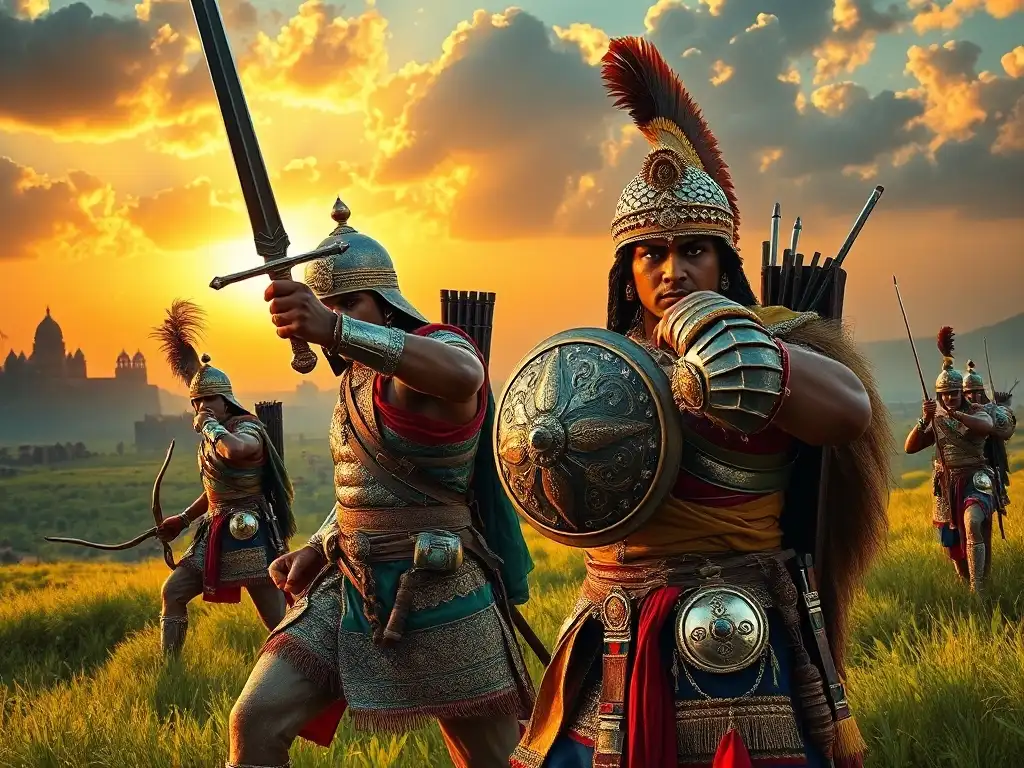
Welcome to Ancient India History, where we embark on a fascinating journey through the rich tapestry of one of the world’s oldest civilizations. Here, we explore the profound connections between culture, innovation, and warfare, illuminating how ancient Indian military history has shaped the very fabric of society. In our featured article, "The Great Indian Revolt of 1857: Roots in Ancient Military Traditions," we delve into the echoes of ancient strategies and values that influenced a pivotal moment in India’s past.
Join us as we uncover the layers of history that paved the way for the resilience and bravery displayed during this uprising, and discover how these ancient legacies continue to resonate today. Your adventure into the depths of ancient Indian military history begins now!
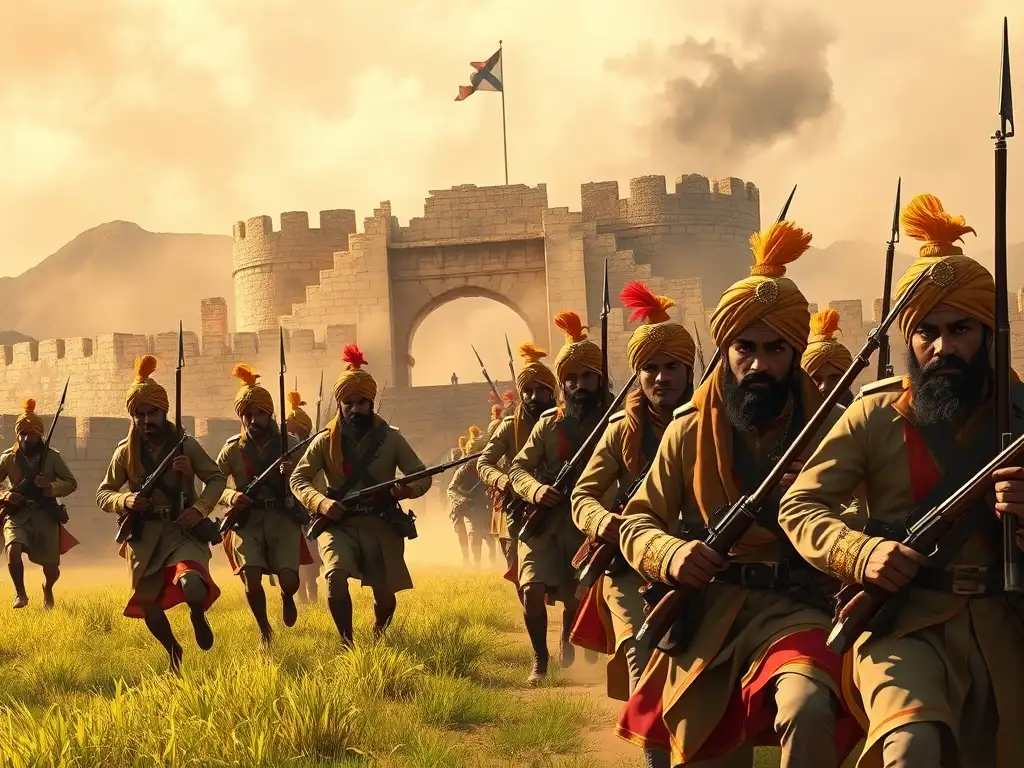
The Great Indian Revolt of 1857 stands as a pivotal moment in India's struggle against colonial rule, marking the beginning of a broader fight for independence. However, to fully understand this monumental uprising, one must delve into the ancient Indian military history that laid the groundwork for the strategies and tactics employed during the revolt.
The military traditions of ancient India, stretching from the sophisticated warfare of the Indus Valley Civilization to the organized armies of the Gupta Empire, have significantly influenced the patterns of conflict and resistance throughout Indian history. This article aims to explore how these rich military traditions shaped the events leading up to the revolt and the subsequent responses of the Indian populace.
Introduction to Ancient Indian Military History
Ancient India boasted a diverse and complex military history, characterized by various kingdoms and empires that each contributed unique strategies, weapons, and philosophies to warfare. The study of ancient Indian military history reveals a tapestry of cultural interactions, technological advancements, and strategic innovations that not only defined the battlefield but also influenced the societal structure of the time. Understanding these military traditions is crucial for grasping how they informed the tactics and motivations of those involved in the Great Indian Revolt of 1857.
Overview of Ancient Indian Warfare
Warfare in ancient India was marked by a variety of methods and practices, influenced by geography, culture, and available resources. Key elements of ancient Indian warfare included:
- Chariots and Elephants: Often employed in battle for mobility and intimidation.
- Infantry: A core component, featuring foot soldiers armed with swords, bows, and shields.
- Siege Warfare: Techniques developed to breach fortified cities and strongholds.
- Naval Power: While less emphasized than land warfare, coastal kingdoms utilized naval fleets for trade and defense.
The evolution of these practices can be traced through various historical texts, such as the Mahabharata and Arthashastra, which provide insight into military strategies and philosophies.
Importance of Military Traditions in Indian Society
Military traditions in ancient India were not merely confined to the battlefield; they played a vital role in shaping the social fabric. The warrior class, known as the Kshatriyas, held significant cultural and political power, acting as protectors of their territories and enforcers of dharma (righteousness). Military prowess was celebrated in literature, and the valor of warriors was often glorified in epics and folklore. This cultural reverence for military strength laid the groundwork for the collective resistance seen during the Great Indian Revolt.
Historical Context of the Great Indian Revolt
To understand the Great Indian Revolt, it is essential to explore the historical context in which it occurred. The revolt was not merely an isolated event but rather the culmination of various socio-political factors that had been brewing for decades.
Pre-Revolt Socio-Political Landscape
By the mid-19th century, India was under British colonial rule, which had drastically altered the socio-political landscape. The annexation of territories, heavy taxation, and the disregard for local customs and practices led to widespread discontent among various sections of society, including peasants, soldiers, and local rulers. The disintegration of traditional military practices and the replacement of indigenous armies with British-trained forces further exacerbated tensions.
Key Events Leading to the Revolt
Several pivotal events ignited the flames of rebellion, including:
- The Introduction of the Enfield Rifle: The use of animal fat in cartridges offended both Hindu and Muslim soldiers, leading to widespread outrage.
- The Revolt of the Sepoys: Discontent among Indian soldiers in the British East India Company’s army reached a boiling point, resulting in mutinies in various locations.
- Support from Indian Rulers: Disaffected local rulers and states began to support the sepoys, viewing the revolt as an opportunity to reclaim power.
The Role of Ancient Military Traditions in Shaping Tactics
The ancient military traditions of India played a crucial role in shaping the tactics employed during the revolt. Many rebels utilized guerrilla warfare tactics reminiscent of ancient strategies, leveraging their intimate knowledge of local geography and employing hit-and-run tactics against British forces. The revival of traditional weaponry and the mobilization of local militias demonstrated the lasting impact of centuries of military history on the revolt's dynamics.
Through this exploration of ancient Indian military history and its influence on the Great Indian Revolt of 1857, we gain a deeper appreciation for the resilience and ingenuity of a society determined to reclaim its sovereignty.
Ancient Military Traditions Influencing the Revolt
The Great Indian Revolt of 1857 was not an isolated event; rather, it was deeply rooted in the ancient military traditions of India. These traditions shaped the tactics, strategies, and organizational structures that were employed during the revolt. Understanding these influences provides insight into how ancient practices informed the resistance against British colonial rule.
The Influence of Warrior Classes in Ancient India
In ancient India, the warrior classes, particularly the Kshatriyas, played a pivotal role in shaping military traditions. This social class was responsible for the protection of the realm and had a long history of warfare, which influenced the mindset and strategies employed during the revolt. The Kshatriyas were not only skilled in combat but also held a significant social status, often seen as defenders of their communities.
During the revolt, many leaders emerged from this class, channeling their ancestral military prowess. They drew upon their heritage of valor and loyalty to rally troops and inspire resistance against the British. This strong sense of identity and honor among the warrior classes was crucial in mobilizing support for the revolt, fostering unity among various factions.
Military Strategies from the Maurya and Gupta Empires
The military strategies employed during the Maurya and Gupta empires set a precedent for warfare in India that persisted for centuries. The Mauryan Empire, under leaders like Chandragupta Maurya and Ashoka, utilized well-organized infantry and cavalry, along with innovative tactics, such as the use of spies and intelligence. These strategies were critical in establishing vast empires and maintaining control over diverse territories.
Similarly, the Gupta Empire is noted for its sophisticated military organization, combining various units for effective combat. The principles of these ancient strategies were echoed during the Great Indian Revolt, where local leaders adapted traditional tactics to fight against a technologically superior enemy. The emphasis on swift movements, surprise attacks, and the ability to adapt to battlefield conditions were vital elements inherited from these ancient military traditions.
Use of Elephants and Chariots in Warfare
The use of elephants and chariots has been a hallmark of ancient Indian warfare, symbolizing power and dominance on the battlefield. In the context of the Great Indian Revolt, these elements were not only used for combat but also served as psychological tools to instill fear in the enemy. Elephants were often adorned for war, showcasing their importance in traditional battle formations.
Chariots, on the other hand, provided mobility and speed, allowing for quick strikes against British forces. Many local leaders utilized these ancient war machines to their advantage, employing them in tactics reminiscent of earlier battles in Indian history. The continued reliance on these traditional forms of warfare illustrates the deep-rooted connection between ancient military practices and the strategies employed during the revolt.
Significance of Fortifications and Battlefields
Fortifications have been a critical aspect of military strategy throughout Indian history, with ancient structures designed to withstand sieges and protect territories. During the Great Indian Revolt, many leaders capitalized on existing forts and strategic locations to fortify their positions against British forces. The knowledge of terrain and the strategic use of fortifications were pivotal in several key battles.
The significance of battlefields, ranging from urban centers to rural landscapes, played a crucial role in the dynamics of the conflict. Leaders who understood the historical and cultural significance of these sites could leverage them effectively in combat. The ancient practices of fortifying positions and utilizing the landscape for defensive advantages were instrumental in shaping the course of the revolt.
Major Players in the Great Indian Revolt
The Great Indian Revolt saw a diverse array of players, each contributing uniquely to the resistance against British colonial rule. Understanding the major figures and regional forces involved provides a clearer picture of the revolt's complexity and the influence of ancient military traditions.
Key Figures and Leaders
Several key figures emerged during the Great Indian Revolt, each bringing their own historical and cultural backgrounds to the conflict. Leaders like Mangal Pandey, Rani Lakshmibai, and Bahadur Shah II played significant roles in rallying support and leading revolts against the British. Their leadership styles and military acumen were often influenced by the ancient traditions of warfare.
Mangal Pandey, for instance, is remembered for his bravery and the spark he ignited among soldiers. His actions were reminiscent of the valor exhibited by ancient warriors, showcasing the continuity of military spirit through the ages. Rani Lakshmibai, known for her strategic brilliance, embodied the warrior ethos of her ancestors, inspiring many to join the fight for freedom.
Contributions of Various Regional Forces
The revolt was not a singular movement but rather a coalition of various regional forces, each with its own military traditions and strategies. The involvement of local armies, such as the sepoys, princely states, and regional militias, highlighted the diversity of ancient military practices.
For example, the sepoys, trained in British military techniques, also drew upon their native traditions, creating a unique blend of strategies during the revolt. Similarly, regional forces brought their historical knowledge of warfare, adapting ancient tactics to contemporary challenges. This amalgamation of forces reflected the rich tapestry of ancient Indian military history, underscoring its impact on the revolt.
Influence of Traditional Military Units
Traditional military units, such as cavalry, infantry, and artillery, played a significant role in the dynamics of the Great Indian Revolt. Many of these units were steeped in ancient military traditions and practices, contributing to the overall effectiveness of the resistance. The cavalry, for example, was often composed of skilled horsemen who utilized tactics passed down through generations.
The influence of these traditional units became evident in the way they organized and executed their strategies during the revolt. The emphasis on loyalty, honor, and camaraderie among soldiers harkened back to ancient practices, reinforcing the sense of unity against a common adversary. This reliance on traditional military units not only preserved ancient military practices but also showcased their relevance in the context of the 1857 revolt.
Tactics and Strategies Employed During the Revolt
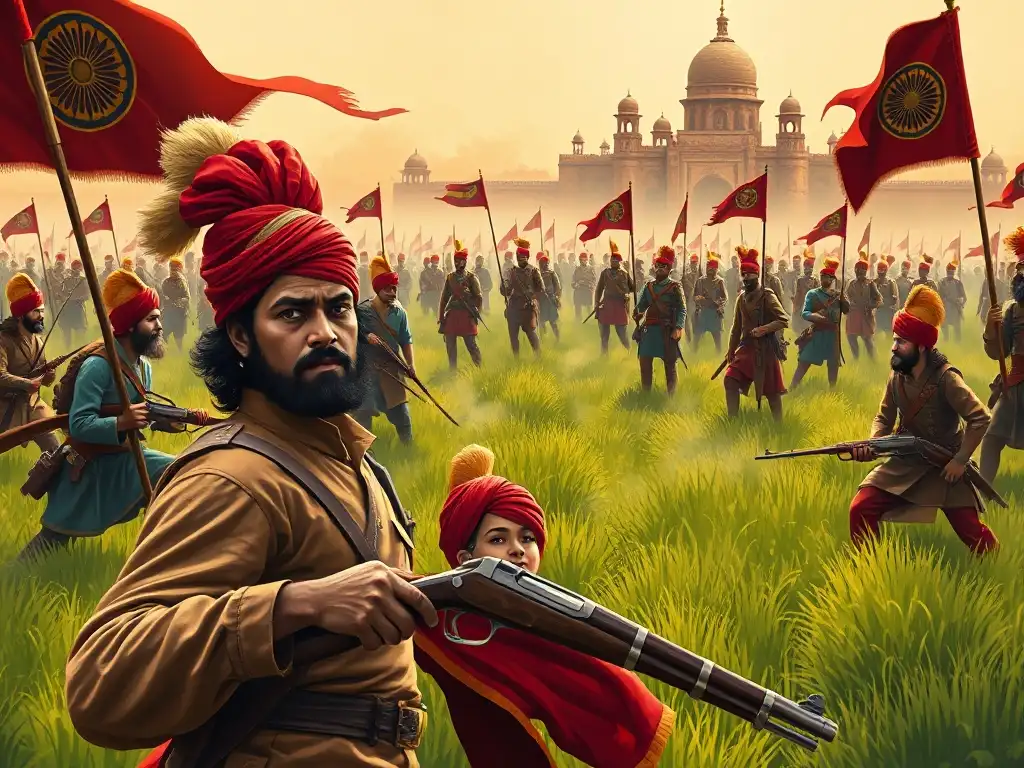
The Great Indian Revolt of 1857 was marked by a variety of tactics and strategies that reflected both the urgency of the moment and the deep-rooted military traditions of ancient India. The rebels, comprising a diverse coalition of soldiers, peasants, and local rulers, employed a combination of traditional warfare techniques and innovative strategies to challenge British colonial rule.
Adaptation of Ancient Military Tactics
Many of the tactics utilized during the revolt were adaptations of ancient military strategies that had been honed over centuries. For instance, the use of flanking maneuvers and ambush tactics can be traced back to the warfare practices of ancient Indian kingdoms such as the Mauryas and Guptas. Leaders like Mangal Pandey and Rani Lakshmibai drew upon their knowledge of fortifications and siege warfare, reminiscent of the ancient Indian military philosophy, to organize their forces effectively against a technologically superior enemy.
The rebels also utilized elephants and cavalry charges, reminiscent of ancient battle formations, to instill fear and disrupt British lines. This traditional approach was coupled with a deep understanding of local geography, allowing insurgents to exploit the terrain to their advantage, much like the military leaders of ancient India did during their campaigns.
Innovative Strategies Inspired by Historical Battles
The revolt saw a synthesis of historical military strategies that were adapted to contemporary needs. For instance, the siege of Delhi was reminiscent of the ancient Indian practice of encircling enemy strongholds. The rebels employed tactics such as hit-and-run attacks and sudden assaults, echoing strategies from the battles of ancient dynasties. The leadership of figures like Bahadur Shah II and Tatya Tope exemplified a blend of traditional command and innovative tactical adjustments that reflected the evolving dynamics of warfare.
Moreover, the revolutionary forces made effective use of propaganda and psychological warfare, drawing lessons from historical figures known for their ability to rally troops and inspire loyalty. This adaptation of ancient practices allowed the insurgents to galvanize support from various segments of society, demonstrating an understanding that transcended mere physical confrontation.
Role of Guerrilla Warfare in the Revolt
Guerrilla warfare played a crucial role during the Great Indian Revolt, showcasing tactics familiar to ancient military history. The rebels often engaged in sudden attacks on supply lines, ambushing British troops, and employing hit-and-run tactics. This approach not only disrupted British operations but also allowed the insurgents to exploit their knowledge of local terrain and support from the populace.
The legacy of guerrilla tactics can be traced back to various historical episodes in ancient Indian military conflicts, where smaller, mobile units utilized stealth and surprise to counter larger, more organized forces. By leveraging these ancient techniques, the rebels were able to sustain a prolonged resistance against British forces, emphasizing the adaptability and resilience rooted in ancient Indian military traditions.
Outcomes and Impact on Indian Military History
The Great Indian Revolt of 1857 had profound implications for Indian military history, reshaping the landscape of resistance against colonial rule and influencing future military strategies.
Consequences of the Great Indian Revolt
The immediate consequences of the revolt were severe, leading to the dissolution of the East India Company and the establishment of direct British rule over India. However, it also ignited a sense of nationalism and unity among diverse Indian communities, laying the groundwork for future movements against colonial oppression. The revolt underscored the potential of organized resistance and highlighted the need for a more cohesive military strategy, which would resonate in subsequent uprisings.
Long-term Effects on Military Strategies in India
The revolt catalyzed significant changes in military strategy, both for the British and Indian forces. The British adopted more stringent control measures and began restructuring their military approach, including the introduction of new technologies and tactics to counter guerrilla warfare. For Indian forces, the revolt served as a lesson in the importance of unified command, intelligence gathering, and strategic planning, elements that would influence military engagements in the years to come.
The emphasis on combined arms warfare and the integration of various military units became more pronounced, as leaders sought to create a more effective fighting force capable of challenging colonial dominance. This evolution reflected the deep-rooted traditions of ancient Indian military organization, adapted to the realities of modern warfare.
Legacy of Ancient Military Traditions in Modern India
The legacy of ancient military traditions continues to resonate in modern India. The principles of strategy, leadership, and adaptability exhibited during the revolt echo throughout Indian military doctrine today. Contemporary Indian armed forces often incorporate lessons from historical battles, emphasizing a blend of tradition and innovation.
Furthermore, the valor and resilience displayed by the rebels in 1857 serve as a source of inspiration for modern military personnel, illustrating the enduring spirit of resistance rooted in ancient Indian military history. The rich tapestry of tactics and strategies developed over centuries remains an integral part of India's military identity, influencing both the past and the future of Indian defense strategies.
Conclusion
The Great Indian Revolt of 1857 stands as a pivotal moment in the history of India, marking the first significant uprising against British colonial rule. However, its roots delve deep into the ancient military traditions of India, which have significantly influenced the strategies, tactics, and ideologies of warfare in the region. Understanding these ancient practices provides a comprehensive context for the events of 1857, revealing a continuity of resistance and the evolution of military thought that has shaped India's historical narrative.
The intertwining of ancient military history with the revolt highlights the resilience and adaptability of Indian warriors over centuries. The revolt was not merely a spontaneous reaction; it was a culmination of long-standing traditions rooted in the valor and tactical brilliance of ancient Indian military leaders. This connection underscores the importance of recognizing historical legacies as they inform contemporary understanding of military conflicts and national identity.
Reflection on the Interconnection Between Ancient Military History and the Revolt
Reflecting on the interconnection between ancient military history and the Great Indian Revolt reveals a rich tapestry of influences that shaped the uprising. Ancient texts, such as the Arthashastra by Kautilya, provided strategic frameworks that were utilized by leaders during the revolt. Concepts of guerrilla warfare, psychological tactics, and the importance of alliances were evident in the strategies employed by the rebels.
Moreover, the social structures and martial traditions of ancient Indian kingdoms fostered a sense of honor and duty among soldiers. The commitment of sepoys and other rebels during the revolt can be traced back to these historical precedents, emphasizing how ancient military ethos influenced their motivations and actions. This connection illustrates that the struggle against colonial powers was not solely a modern phenomenon but rather a continuation of a long-standing tradition of resistance deeply rooted in India's past.
The Continuing Influence of Ancient Traditions in Contemporary Military Practices
The influence of ancient Indian military traditions persists even in contemporary military practices. Modern Indian armed forces draw inspiration from the valor and strategies of ancient warriors, adapting time-tested principles to current contexts. For instance, the emphasis on strategic planning and the use of terrain often hark back to ancient military doctrines.
Additionally, the concept of dharma, or duty, which has its origins in ancient texts, continues to resonate within the framework of modern military ethics. Soldiers are often trained to uphold values that echo those of their ancestors, fostering a sense of pride and continuity. The reverence for ancient military history not only enriches the narrative of India's military legacy but also serves as a source of inspiration for current and future generations of military leaders.
References
Suggested Reading on Ancient Indian Military History
- "The Arthashastra" by Kautilya - A seminal text on statecraft and military strategy in ancient India.
- "Military History of Ancient India" by Brigadier M. H. S. Moin - A comprehensive overview of military practices in ancient Indian civilizations.
- "War and Society in Ancient India" by J. C. Sharma - Explores the relationship between warfare, society, and culture in ancient India.
Key Resources for Further Exploration of the 1857 Revolt
- "The Great Rebellion: India 1857" by Christopher Bailey: - A detailed account of the events leading up to and during the revolt.
- "The Indian Uprising of 1857-58" by David Omissi - Analyzes the revolt within the broader context of colonial history.
- "The Revolt of 1857 in India" by S. B. Chatterjee - Provides insights into the socio-political landscape that fueled the uprising.
- Introduction to Ancient Indian Military History
- Historical Context of the Great Indian Revolt
- Ancient Military Traditions Influencing the Revolt
- Major Players in the Great Indian Revolt
- Tactics and Strategies Employed During the Revolt
- Outcomes and Impact on Indian Military History
- Conclusion
- References
Frequently Asked Questions
What was the Great Indian Revolt of 1857?
The Great Indian Revolt of 1857 was a major uprising against British rule in India, marking a significant turning point in the struggle for independence, rooted in historical military traditions.
How did ancient military traditions influence the revolt?
The revolt was influenced by ancient Indian military history, where strategies, tactics, and leadership styles from earlier periods played a crucial role in uniting diverse groups against colonial forces.
What were the key causes of the Great Indian Revolt?
Key causes included economic exploitation, social and cultural grievances, and the dissatisfaction with the British East India Company's rule, which were all intertwined with India's military heritage.
How did the revolt impact Indian military practices?
The revolt led to a re-evaluation of military practices in India, emphasizing the need for modern training and organization, while also drawing on historical military strategies that had proven effective in ancient times.
What lessons can be learned from the revolt regarding military history?
The Great Indian Revolt of 1857 illustrates the importance of understanding historical contexts in military strategy, showcasing how ancient practices can inform modern approaches to warfare and resistance.
Final Reflection: Embracing the Legacy of Ancient Indian Military History
The Great Indian Revolt of 1857 serves as a powerful reminder of how deeply rooted ancient Indian military traditions are in our collective consciousness and identity. This pivotal moment in history not only highlights the resilience and valor of our ancestors but also underscores the relevance of understanding our past in shaping our present and future. As we navigate the complexities of modern society, the lessons from this revolt resonate strongly, urging us to reflect on our heritage and the enduring spirit of resistance that has characterized our history.
The influence of ancient military traditions on contemporary Indian society is profound and multifaceted. From the valor of legendary warriors to the strategic brilliance of ancient texts, these elements continue to inspire and inform our cultural identity. The Great Indian Revolt, rooted in these traditions, serves as a testament to the power of unity and courage in the face of adversity. History is not just about the past; it is a living force that shapes our present and future.
This quote encapsulates the essence of how our understanding of ancient military history can empower us today, fostering a sense of pride and purpose.
As we reflect on the lessons of the Great Indian Revolt and its connections to ancient military history, I invite you to explore your own relationship with this rich legacy. Consider how the values of bravery, strategy, and unity can inspire you in your personal and professional life. Let the stories of our ancestors guide you as you forge your path, reminding you that the spirit of resistance and resilience is not just a relic of the past, but a vital force that can propel us toward a brighter future.
Unveil the Legacy: Take Action on the Great Indian Revolt!
Thank you for diving into the fascinating roots of the Great Indian Revolt of 1857 and its connections to ancient military traditions. We hope you gained valuable insights into how the past continues to shape modern narratives. Now, it's time to take your learning further!
Here’s how you can deepen your engagement:
- Explore more: Delve into other significant revolts in India and discover their connections to the military traditions we've discussed!
- Share your thoughts: Join our community by sharing this article with friends or on social media. Let’s spark discussions about our rich history!
- Participate in a local event: Attend a workshop or seminar focused on Indian history, or explore online platforms that host engaging historical discussions.
How do you think ancient military strategies have influenced contemporary military practices in India? We’d love to hear your thoughts!