
Ancient Indian Universities: A Model for Modern Education Systems

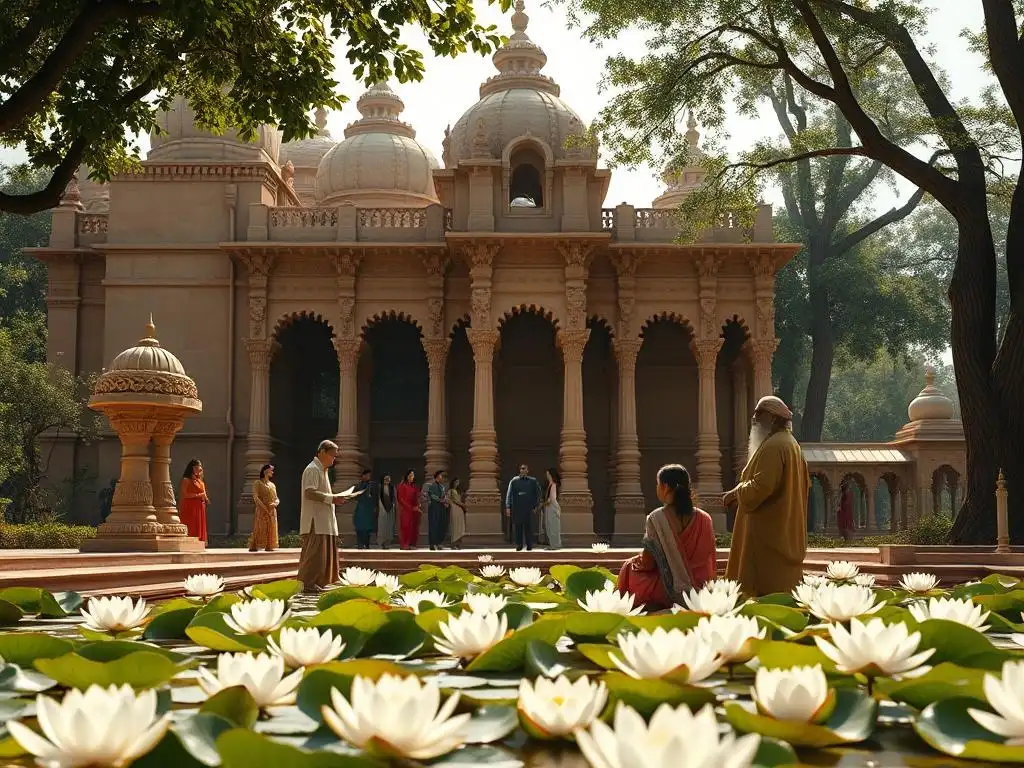
Welcome to Ancient India History, where we embark on an enlightening journey through the rich tapestry of ancient Indian civilizations. Here, we delve into the remarkable contributions that shaped the education landscape of the past, with a keen focus on the ancient Indian universities education model. What can these time-honored institutions teach us about modern educational systems? As you explore this captivating article, prepare to uncover insights that not only honor our past but also inspire the future of learning. Join us in discovering how the wisdom of ancient India can transform contemporary education!
- Introduction to Ancient Indian Universities and Their Education Model
- Key Features of the Ancient Indian Universities Education Model
- Prominent Ancient Indian Universities and Their Contributions
- Comparisons Between Ancient Indian Universities and Modern Education Systems
- Challenges Faced by Ancient Indian Universities
- Reviving the Ancient Indian Universities Education Model Today
- Conclusion: The Legacy of Ancient Indian Universities in Modern Education
-
Frequently Asked Questions
- What were ancient Indian universities known for?
- How did the education model of ancient Indian universities differ from modern systems?
- What impact did ancient Indian universities have on global education?
- How did ancient Indian universities support students from different backgrounds?
- What subjects were primarily taught in ancient Indian universities?
- Final Reflection: Embracing the Wisdom of Ancient Indian Universities
- Embrace the Wisdom of Ancient Learning!
Introduction to Ancient Indian Universities and Their Education Model
Ancient Indian universities were not merely institutions of learning; they were vibrant centers of knowledge, culture, and innovation that laid the groundwork for educational systems worldwide. With their inception during a time when literacy and philosophy flourished, these universities, such as Nalanda and Takshashila, became beacons of intellectual pursuit and discourse.
By examining the education model of ancient Indian universities, we can gain valuable insights into teaching methodologies, curricular diversity, and the holistic development of students. This article explores the rich history of these institutions and how their educational frameworks can inspire and inform modern education systems, particularly in the context of fostering critical thinking, creativity, and a sense of community.
Overview of Ancient Indian Universities
Ancient Indian universities emerged as prominent centers of learning between the 5th century BCE and the 12th century CE. These institutions attracted scholars not only from different parts of India but also from regions such as Central Asia, Tibet, and Southeast Asia.
- Key Features of Ancient Indian Universities:
- Diverse Curriculum: Ancient universities offered a wide range of subjects including philosophy, medicine, mathematics, astronomy, and arts.
- Multilingual Education: Instruction was often provided in multiple languages, including Sanskrit, Pali, and Prakrit, reflecting the linguistic diversity of the time.
- Eminent Scholars: Renowned scholars like Aryabhata and Nagarjuna were associated with these institutions, contributing significantly to various fields of knowledge.
- Residential Learning: Students lived on campus, fostering a close-knit community where knowledge was shared both formally and informally.
The legacy of these universities continues to resonate today, illustrating how education can transcend boundaries and promote cultural exchange.
Importance of Education in Ancient India
Education in ancient India was considered a vital aspect of personal and societal development. The ancient Indian education system was characterized by a few pivotal elements:
- Holistic Development: Education aimed at nurturing both the intellect and character of individuals. It was believed that a well-rounded education would produce not only knowledgeable individuals but also ethical and responsible citizens.
- Role of Gurus: The relationship between students and teachers (gurus) was deeply revered. Gurus played an essential role in the moral and intellectual upbringing of their students, emphasizing the importance of mentorship in education.
- Cultural Preservation: Through education, ancient Indian universities served as custodians of culture, philosophy, and spirituality, ensuring that knowledge was passed down through generations.
- Economic and Social Mobility: Education provided opportunities for individuals from various backgrounds to rise in society, fostering a sense of equality and aspiration among the populace.
The education model of ancient Indian universities holds significant relevance for contemporary educational practices. By understanding their foundations, we can explore new avenues to enhance our modern education systems, ensuring they are inclusive, diverse, and focused on holistic growth.
Key Features of the Ancient Indian Universities Education Model
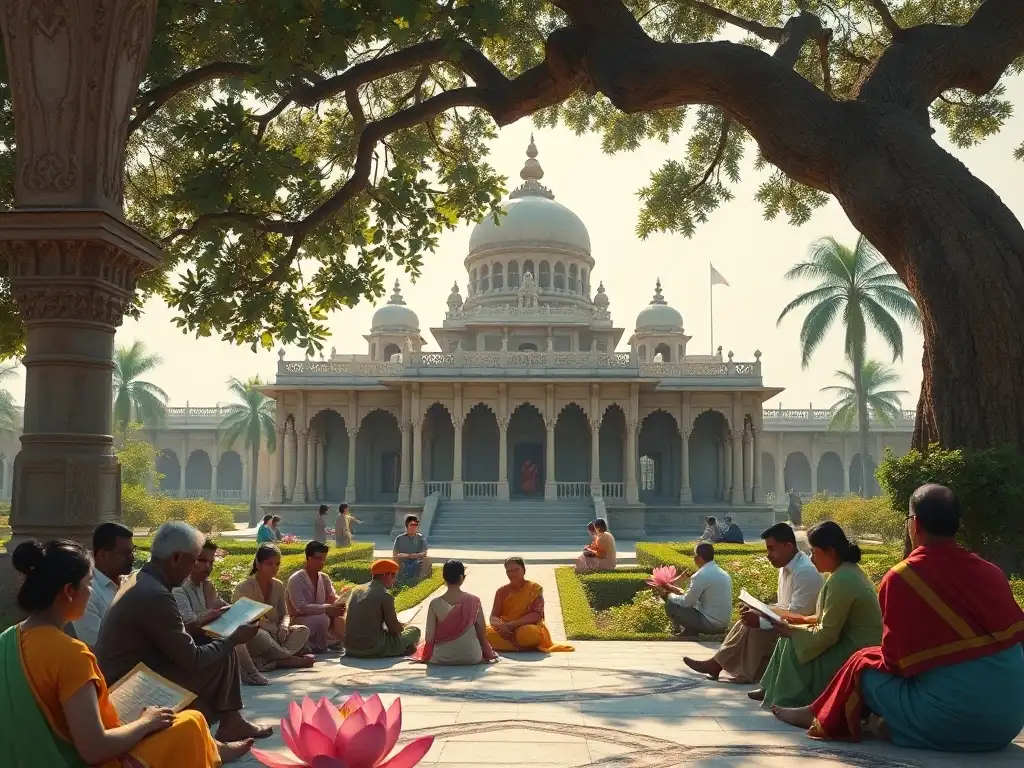
Curriculum and Subjects Offered
The curriculum of ancient Indian universities was remarkably diverse and comprehensive, reflecting the multifaceted nature of Indian civilization. Subjects ranged from the spiritual and philosophical to practical sciences, creating a holistic education model that addressed both the intellectual and ethical development of students.
- Core Areas of Study:
- Philosophy: Central to many ancient Indian universities, particularly at Nalanda and Takshashila, students engaged with texts like the Vedas, Upanishads, and various schools of thought including Buddhism and Jainism.
- Mathematics and Astronomy: Ancient scholars made significant contributions in these fields, studying concepts like zero and the decimal system. Universities offered courses in arithmetic, geometry, and celestial mechanics.
- Medicine: The Ayurvedic system of medicine was extensively taught, with a focus on herbal remedies, surgery, and holistic wellness.
- Arts and Literature: Poetry, music, and drama were integral parts of the curriculum, fostering creativity alongside academic rigor.
- Political Science and Economics: These subjects prepared students for governance and administration, reflecting the practical needs of society.
This well-rounded curriculum aimed to produce not only knowledgeable individuals but also morally responsible citizens, demonstrating the ancient Indian universities' commitment to a balanced education model.
Teaching Methods and Pedagogical Approaches
Ancient Indian universities employed innovative teaching methods that emphasized experiential learning and critical thinking. This approach fostered an environment of inquiry and discussion, setting the stage for a rich educational experience.
- Interactive Learning:
- Debates and Discussions: Students engaged in rigorous debates, encouraging the articulation of ideas and fostering critical thinking skills.
- Practical Demonstrations: Subjects like medicine and astronomy often included hands-on training, allowing students to apply theoretical knowledge in real-world contexts.
- Mentorship and Guidance:
- Guru-Shishya Tradition: The relationship between teacher (guru) and student (shishya) was central to the educational experience. This mentorship model fostered a deep bond, allowing for personalized guidance and support.
- Use of Textual and Oral Traditions:
- Scriptural Studies: Texts were studied in-depth, with a focus on interpretation and contextual understanding. Oral recitation played a critical role in preserving knowledge and encouraging memorization.
These pedagogical approaches not only enhanced learning outcomes but also prepared students for meaningful contributions to society.
Role of Teachers and Mentorship in Ancient Indian Universities
Teachers held a revered position in ancient Indian universities, often regarded as spiritual and intellectual guides. Their role extended beyond mere instruction, encompassing mentorship, moral guidance, and character building.
- Reverence for Teachers:
- Cultural Importance: The status of teachers was elevated in society, often compared to parental figures. This cultural reverence encouraged respect and dedication among students.
- Personalized Mentorship:
- Tailored Learning Experiences: Teachers adapted their methods to suit individual student needs, fostering a supportive learning environment. This personalized attention was vital in cultivating a deep understanding of complex subjects.
- Lifelong Learning:
- Role Models: Teachers exemplified the values of lifelong learning and intellectual curiosity, inspiring students to pursue knowledge beyond their formal education. This legacy continues to influence modern educational ideologies.
The role of teachers in ancient Indian universities was pivotal in shaping the educational experiences of students, emphasizing the importance of mentorship in fostering intellectual growth and ethical development. The ancient Indian universities education model serves as a valuable reference for modern educational systems, highlighting the significance of a well-rounded curriculum, innovative teaching methods, and the vital role of mentorship.
Prominent Ancient Indian Universities and Their Contributions
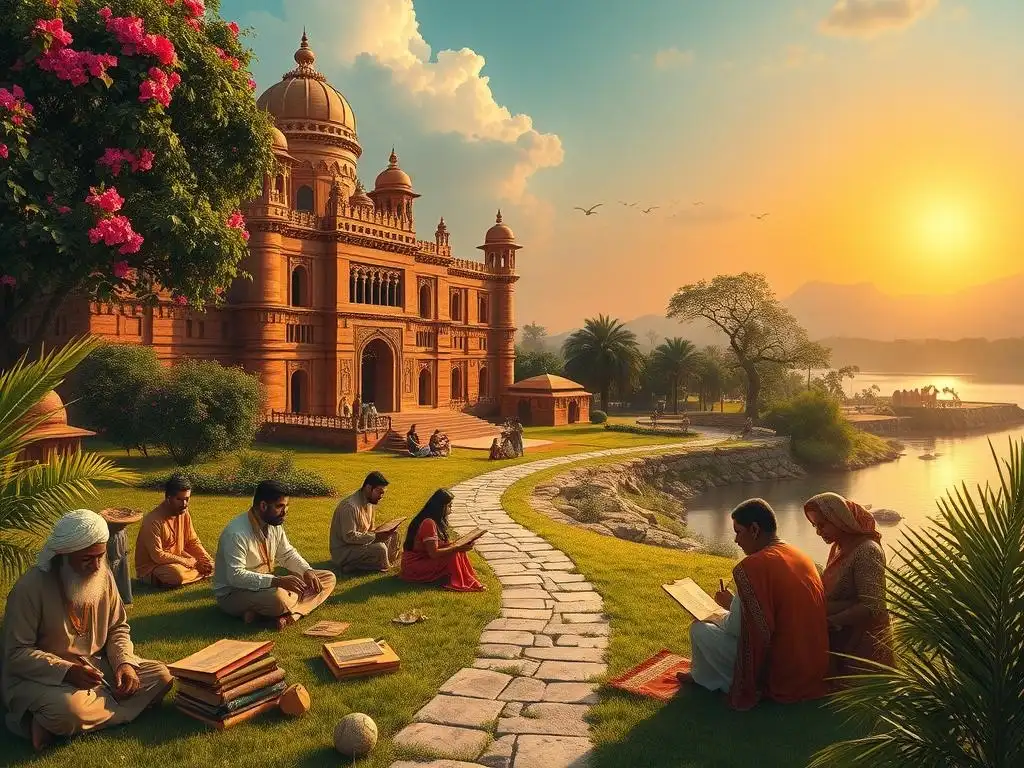
Ancient Indian universities were not mere centers of learning; they were vibrant hubs of knowledge that contributed significantly to various fields such as philosophy, science, medicine, and the arts. These institutions attracted students from diverse backgrounds, fostering an environment of intellectual exchange that laid the foundation for modern education systems.
Nalanda University: A Beacon of Knowledge
Historical Significance of Nalanda University
Nalanda University, established in the 5th century CE, stands as one of the earliest residential universities in the world. Located in present-day Bihar, it flourished under the patronage of various Indian dynasties, particularly the Gupta Empire. The university attracted scholars from across Asia, including China, Korea, Japan, Tibet, Mongolia, and Sri Lanka, making it a melting pot of cultures and ideas.
The historical significance of Nalanda lies in its extensive curriculum that encompassed a broad spectrum of subjects. Notable figures such as Xuanzang, the Chinese monk and traveler, documented his experiences at Nalanda, emphasizing its role as a vital link in the transmission of knowledge between India and the East.
Academic Legacy and Influences
Nalanda's academic legacy is profound, influencing not only contemporary education in India but also shaping educational systems globally. The university was renowned for its rigorous approach to learning, which included debate, discussion, and critical thinking—a model that resonates with modern educational philosophies.
The curriculum at Nalanda included subjects such as:
- Philosophy
- Mathematics
- Astronomy
- Medicine
- Grammar
Its influence extended beyond India, impacting Buddhist education in various Asian countries. The architectural marvel of Nalanda, with its grand stupas and extensive library, reflects the significance of education in ancient Indian society.
Takshashila (Taxila): The Cradle of Learning
Diverse Disciplines and Global Influence
Takshashila, located in present-day Pakistan, was another prominent center of learning dating back to at least the 6th century BCE. Known as the "Cradle of Learning," it offered a diverse range of disciplines, including:
- Medicine
- Mathematics
- Political Science
- Military Science
- Philosophy
The university's curriculum was dynamic, adapting to the needs of the time and the interests of its students. Scholars from various regions, including the Persian Empire and beyond, were drawn to Takshashila, leading to a rich exchange of ideas that contributed to the development of knowledge across civilizations.
Contributions to Science and Philosophy
Takshashila's contributions to science and philosophy are noteworthy. It is often credited with advancements in various scientific fields, particularly in medicine and mathematics. The university produced influential thinkers, such as Charaka, known for his work in Ayurveda, and Panini, who made significant contributions to linguistics.
The philosophical discourse at Takshashila laid the foundation for various schools of thought, influencing not only Indian philosophy but also the philosophical traditions of neighboring regions. The university's emphasis on inquiry and debate established a precedent for academic freedom and critical thinking, principles that are essential in today’s educational frameworks.
Ancient Indian universities like Nalanda and Takshashila played a pivotal role in shaping the educational landscape of their time. Their contributions to knowledge and intellectual thought continue to inspire modern educational systems, emphasizing the relevance of the ancient Indian universities education model in today's context.
Vikramshila University: Innovation in Education
Vikramshila University, founded in the 8th century CE by the renowned scholar Dharmapala, stands as one of the most significant ancient Indian universities. Located in present-day Bihar, it was established as a response to the growing need for a center of advanced learning in Buddhist philosophy and other disciplines. Unlike its counterpart, Nalanda University, Vikramshila was designed to emphasize a more structured approach to education, prioritizing specialized programs and innovative teaching methodologies.
The university's architecture reflected its intellectual ambitions, featuring a large central stupa surrounded by numerous monasteries that housed thousands of students and scholars. This physical layout facilitated an environment conducive to collaboration and intellectual exchange, fostering a culture of inquiry and debate. Vikramshila's curriculum was comprehensive, covering subjects such as logic, grammar, medicine, and the arts, alongside its primary focus on Buddhist studies. This holistic educational framework positioned Vikramshila as a beacon of learning in ancient India.
Specialized Programs and Research Contributions
Vikramshila University was particularly notable for its specialized programs, which were tailored to meet the evolving needs of students and society. The university offered advanced studies in various fields, including:
- Buddhist Philosophy: Focusing on the intricacies of Buddhist texts and doctrines, students engaged deeply with the teachings of the Buddha, developing critical thinking and analytical skills.
- Logic and Epistemology: The study of logic was integral to the curriculum, enabling students to develop strong argumentative skills and a nuanced understanding of knowledge.
- Medicine and Ayurveda: The inclusion of medical education demonstrated an early recognition of the importance of health sciences in the holistic development of society.
The university's commitment to research led to significant contributions in these fields. Scholars at Vikramshila produced a wealth of commentaries and texts, many of which became foundational to later Buddhist scholarship. The environment encouraged rigorous debate and cross-disciplinary research, positioning Vikramshila as a hub for intellectual innovation.
Impact on Buddhist Studies
Vikramshila University played a pivotal role in the development and dissemination of Buddhist thought across Asia. Its rigorous academic framework cultivated a generation of scholars who contributed to the evolution of Mahayana Buddhism. The university’s emphasis on practical training in Buddhist philosophy not only enriched the intellectual landscape of India but also influenced Buddhist practices in Tibet, Mongolia, and beyond.
Several notable scholars emerged from Vikramshila, including the great Buddhist philosopher Atisha, who later traveled to Tibet and significantly shaped Tibetan Buddhism through his teachings. The university's curriculum and methodologies laid the groundwork for a systematic approach to Buddhist studies, emphasizing the importance of debate and critical analysis.
Moreover, Vikramshila's commitment to preserving and promoting Buddhist texts ensured that key teachings and philosophies were documented and transmitted effectively. This preservation of knowledge was instrumental in maintaining the continuity of Buddhist thought during periods of political and social upheaval.
Vikramshila University was not just an educational institution; it was a transformative force in ancient Indian education, particularly in the realm of Buddhist studies, influencing generations of scholars and shaping the future of Buddhist philosophy across Asia.
Comparisons Between Ancient Indian Universities and Modern Education Systems
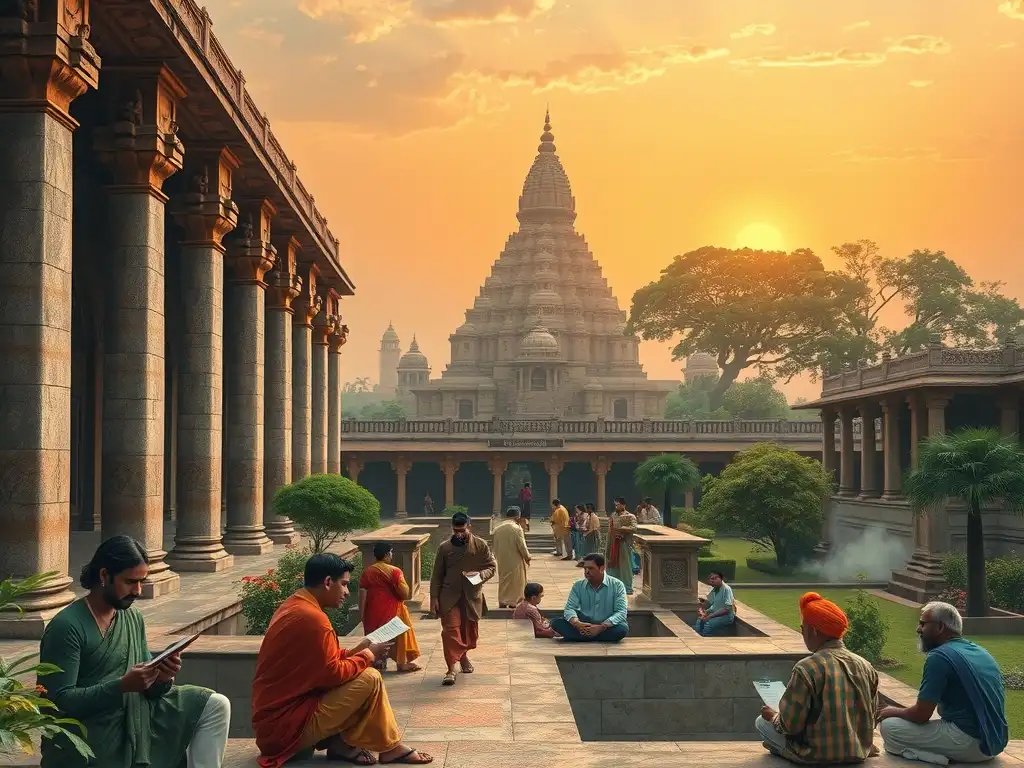
Similarities in Educational Philosophy
Ancient Indian universities, such as Nalanda and Takshashila, shared a profound educational philosophy that resonates with modern educational systems. Both emphasize holistic learning, where the development of character and intellect is paramount.
- Student-Centric Approach: Just like contemporary educational institutions, ancient universities prioritized the needs and interests of students. Teachers, or gurus, fostered a nurturing environment that encouraged inquiry and critical thinking.
- Integration of Disciplines: Ancient Indian universities offered a multidisciplinary approach to education. Subjects ranged from philosophy, medicine, and mathematics to astronomy and arts, reflecting a belief in the interconnectedness of knowledge. This mirrors the modern trend of integrating STEM and humanities, promoting a well-rounded education.
Ancient Indian universities were not merely places of learning; they were vibrant centers of intellectual exchange and culture.
Differences in Curriculum and Structure
While there are similarities, the curriculum and structure of ancient Indian universities significantly differ from those of modern education systems.
- Flexible Curriculum: Ancient universities provided a flexible curriculum tailored to the individual student's pace and interests. In contrast, modern education often follows a standardized curriculum that may not accommodate diverse learning styles.
- Duration and Depth of Study: Students in ancient universities could spend years mastering a subject, emphasizing depth over breadth. Modern education typically requires a more accelerated pace, which can sometimes compromise deep understanding.
- Assessment Methods: Evaluation in ancient times was largely formative, focusing on discussions, debates, and practical demonstrations. Modern systems, however, often rely heavily on standardized tests and examinations, which may not accurately reflect a student's knowledge or abilities.
| Feature | Ancient Indian Universities | Modern Education Systems |
|---|---|---|
| Curriculum Flexibility | Highly flexible | Generally standardized |
| Duration of Study | Longer, in-depth learning | Shorter, breadth-focused |
| Assessment Methods | Formative assessments | Standardized testing |
Lessons Modern Education Systems Can Learn from Ancient Indian Universities
Modern education systems can draw valuable lessons from the ancient Indian universities' education model to enhance current practices.
- Fostering Critical Thinking: By shifting the focus from rote learning to encouraging critical thinking and problem-solving, modern systems can cultivate independent thinkers who are better prepared for real-world challenges.
- Encouraging Multidisciplinary Learning: Integrating various fields of study can lead to more innovative and holistic education. This approach not only enhances creativity but also prepares students for complex issues that require diverse perspectives.
- Personalized Learning Experiences: Adopting a more flexible curriculum that allows for personalized learning paths can help meet the unique needs of students, promoting engagement and deeper understanding.
- Emphasizing Character Development: Ancient Indian universities placed significant importance on character and ethics in education. Modern systems can benefit from integrating values and ethics into the curriculum, nurturing responsible and empathetic individuals.
The ancient Indian universities education model stands as a testament to a rich educational tradition that modern systems can look to for inspiration and improvement, creating a balance between knowledge acquisition and character-building for future generations.
Challenges Faced by Ancient Indian Universities

Ancient Indian universities, such as Nalanda and Takshashila, were monumental centers of learning that greatly contributed to the intellectual development of the region. However, these institutions faced numerous challenges that affected their sustainability and growth over the centuries. Understanding these challenges provides valuable insights into the ancient Indian universities education model and its relevance to contemporary education systems.
Political instability and social dynamics played crucial roles in shaping the environment of ancient Indian universities. Several factors contributed to the challenges faced by these educational institutions:
- Political Turmoil:
- The rise and fall of empires such as the Mauryas, Guptas, and others led to significant disruptions in governance. This often resulted in insufficient support for educational institutions.
- Frequent invasions and conflicts, particularly during the medieval period, destabilized regions housing these universities. For instance, the invasion of the Huns in the 5th century severely impacted the educational landscape.
- Shift in Patronage:
- Ancient Indian universities relied heavily on royal patronage for funding and resources. As political power shifted, certain universities lost their benefactors, leading to a decline in financial support.
- The transition from Hindu-Buddhist rulers to Islamic empires altered the educational priorities and funding mechanisms, impacting institutions like Nalanda that were primarily Buddhist.
- Social Changes:
- The stratification of society into rigid caste systems affected the accessibility of education. Higher education was often exclusive to certain castes, which limited the diversity of thought and innovation within these institutions.
- The societal perception of education also changed, with some periods witnessing a decline in the value placed on academic pursuits, leading to reduced enrollment and engagement.
- Religious Conflicts:
- Religious intolerance and conflicts between different sects disrupted the peaceful coexistence that allowed for intellectual exchanges. The decline of Buddhism in India, especially during the rise of Hindu kingdoms, led to the deterioration of Buddhist universities.
Decline and Closure of Ancient Institutions
The decline and eventual closure of ancient Indian universities can be attributed to a combination of internal and external pressures that undermined their foundations.
- Economic Constraints:
- As political support waned, the financial stability of universities was jeopardized. The lack of funds led to inadequate infrastructure and educational resources, making it difficult to attract students and faculty.
- The economic downturn in regions surrounding these universities resulted in fewer students being able to afford education, further exacerbating enrollment issues.
- Invasions and Destruction:
- Notably, the destruction of Nalanda in the 12th century by Bakhtiyar Khilji marked a significant blow to ancient Indian education. The library, which housed thousands of manuscripts, was set ablaze, leading to a devastating loss of knowledge.
- Other institutions faced similar fates during various invasions, which not only destroyed physical structures but also disrupted academic traditions and continuity.
- Transition to New Educational Models:
- The emergence of new educational systems under foreign rule introduced changes that marginalized ancient universities. The focus shifted to modern forms of education that were often influenced by Western ideals, sidelining traditional Indian knowledge systems.
- The lack of adaptability of ancient universities to the changing educational landscape contributed to their decline, as they struggled to incorporate new methodologies and curricula.
- Cultural Shifts:
- The changing cultural landscape of India, which began to prioritize practicality and vocational training over philosophical and theoretical studies, led to a decline in the relevance of traditional universities.
- The shift toward colonial education systems further diminished the role of ancient universities, as they could not compete with the newly established institutions that aligned with British educational policies.
The challenges faced by ancient Indian universities stemmed from a complex interplay of political, social, economic, and cultural factors. Understanding these challenges not only sheds light on the historical context of these institutions but also provides a framework for analyzing modern educational systems and their evolution.
Reviving the Ancient Indian Universities Education Model Today
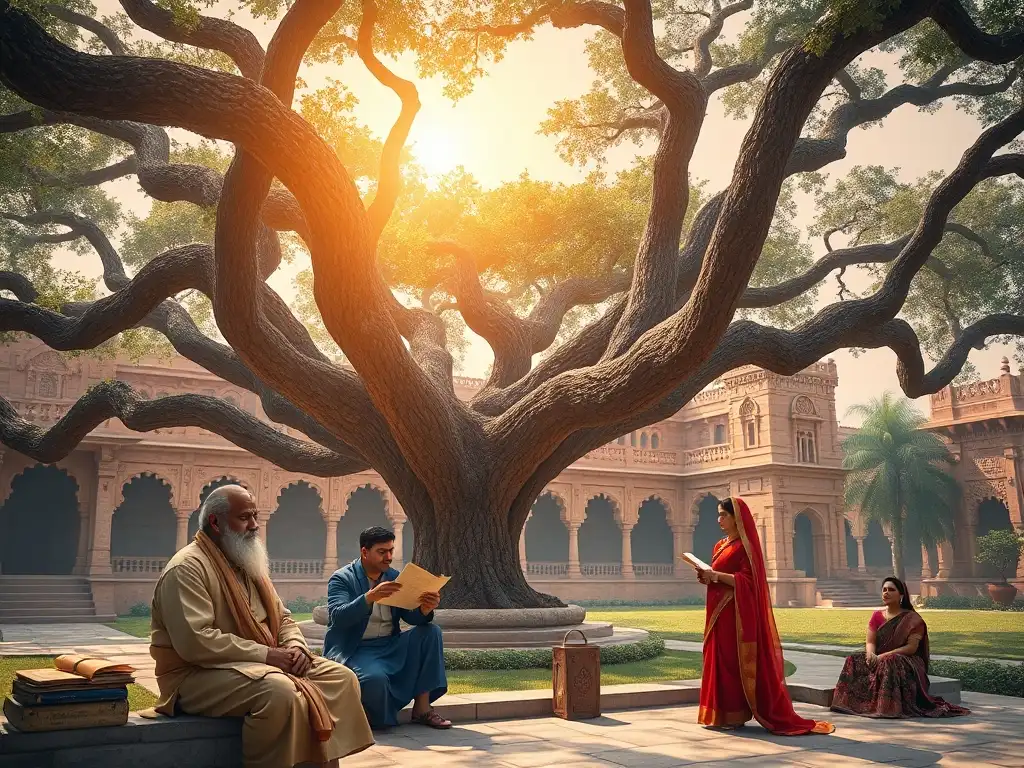
The ancient Indian universities, particularly renowned institutions like Nalanda and Takshashila, were not merely centers of learning but vibrant intellectual ecosystems that fostered a unique education model. Reviving this ancient Indian universities education model today can provide valuable insights into creating a more holistic and inclusive education system that caters to the diverse needs of students. This revival involves integrating ancient methodologies, philosophies, and practices into contemporary education, ensuring that students receive a well-rounded education that nurtures their intellectual, emotional, and spiritual growth.
Integrating Ancient Wisdom into Modern Curriculums
To effectively incorporate ancient wisdom into modern curriculums, educators can draw from the subjects taught in ancient Indian universities. These universities offered a vast array of disciplines including philosophy, mathematics, astronomy, medicine, and literature.
- Multidisciplinary Approach: Ancient Indian universities emphasized a multidisciplinary approach, allowing students to explore various fields of study. This can be mirrored today by designing curriculums that encourage cross-disciplinary learning, where students can draw connections between subjects like science, art, and ethics.
- Sanskrit and Literature: Incorporating ancient languages such as Sanskrit into the curriculum can enrich students' understanding of cultural heritage and literature. Learning these languages not only aids in accessing ancient texts but also enhances cognitive skills.
- Philosophical Inquiry: Philosophical teachings from ancient texts, such as the Upanishads and the Bhagavad Gita, can be integrated into modern philosophy courses. Encouraging students to engage in philosophical inquiry can develop critical thinking and ethical reasoning skills.
By blending these ancient educational practices with contemporary teaching methods, we can create a rich learning environment that promotes deeper understanding and appreciation for knowledge.
Promoting Holistic Education Inspired by Ancient Practices
The ancient Indian universities were characterized by a holistic approach to education, focusing on the overall development of students. This can be revitalized in modern educational systems through various methods:
- Mindfulness and Meditation: Incorporating practices such as yoga and meditation into the daily routine of students can enhance focus, reduce stress, and foster emotional well-being. This mirrors the holistic approach adopted by ancient scholars who recognized the importance of mental and spiritual health in learning.
- Mentorship and Guru-Shishya Tradition: The ancient guru-shishya (teacher-student) relationship emphasized personalized learning and mentorship. Modern educational institutions can encourage closer teacher-student relationships, promoting mentorship programs that facilitate individualized guidance and support.
- Community Learning: Ancient universities often engaged with the local community, fostering a sense of social responsibility among students. Contemporary education can promote community service and collaborative projects, bridging the gap between academic knowledge and real-world applications.
By adopting these holistic practices, educational institutions can nurture well-rounded individuals who are not only academically proficient but also socially responsible and emotionally intelligent.
The Role of Technology in Educating the Future Generations
As we seek to revive the ancient Indian universities education model, the integration of technology becomes essential.
- Online Learning Platforms: Leveraging technology to create online learning platforms can facilitate access to ancient texts and resources, allowing students worldwide to engage with Indian philosophy, science, and arts.
- Virtual Reality and Simulations: Utilizing virtual reality can provide immersive experiences of ancient learning environments, allowing students to explore the architectural wonders of institutions like Nalanda and Takshashila. This experiential learning approach can enhance engagement and retention.
- Data-Driven Personalization: Modern educational technologies offer data analytics capabilities that can help tailor learning experiences to individual student needs. By analyzing learning patterns, educators can provide customized content, similar to the personalized guidance once offered by ancient gurus.
Reviving the ancient Indian universities education model today involves a thoughtful integration of ancient wisdom, holistic education practices, and modern technology. By fostering a learning environment that values intellectual diversity and personal growth, we can prepare future generations to thrive in an increasingly complex world.
Conclusion: The Legacy of Ancient Indian Universities in Modern Education
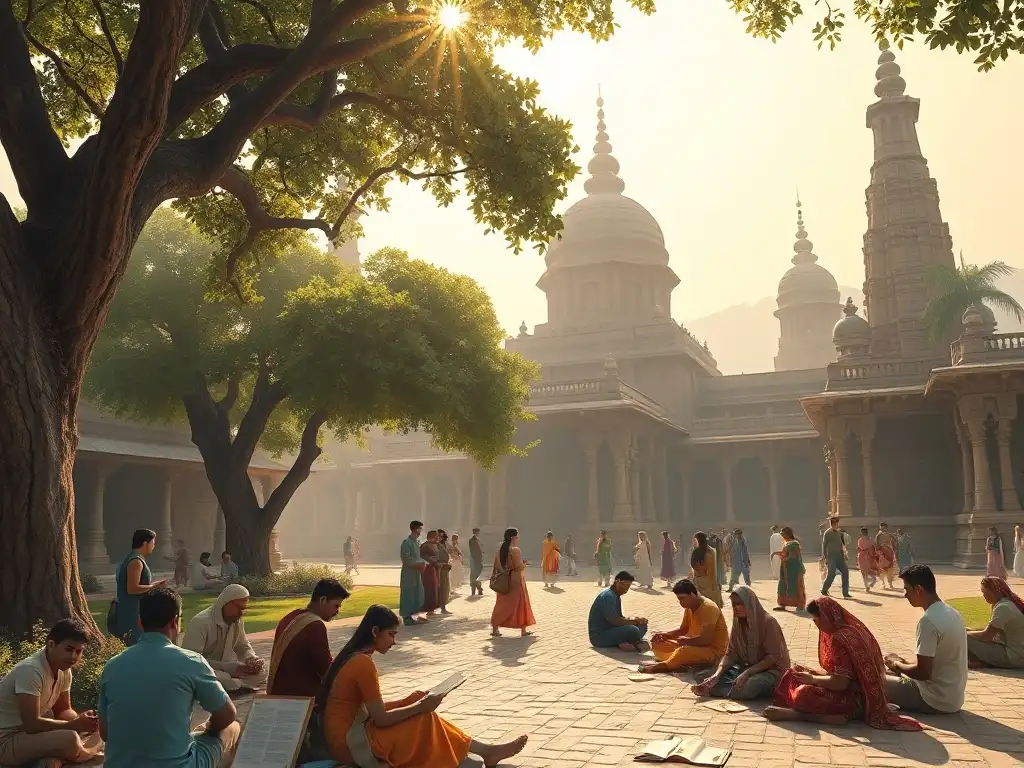
The legacy of ancient Indian universities, particularly institutions like Nalanda and Takshashila, continues to resonate in contemporary education systems worldwide. These universities not only provided a robust platform for academic pursuit but also fostered an environment of inquiry, debate, and holistic learning. Their multifaceted approach to education emphasized critical thinking, interdisciplinary studies, and the integration of moral and ethical values, elements that modern educational frameworks are increasingly recognizing as vital.
Reflecting on the Education Model's Relevance Today
Ancient Indian universities operated on principles that hold significant relevance today. The ancient Indian universities education model was characterized by:
- Inclusivity: Education was accessible to a wide array of students, regardless of their background. This inclusivity can inspire modern institutions to promote diversity and equal opportunities in learning environments.
- Holistic Curriculum: Subjects ranged from the sciences and mathematics to philosophy and arts. This interdisciplinary approach encourages a well-rounded education, much needed in today’s specialized world.
- Mentorship and Guru-Shishya Tradition: The close relationship between teachers (gurus) and students (shishyas) fostered personalized learning experiences. This model promotes the idea of mentorship in modern education, highlighting the importance of guidance in a student’s academic journey.
- Collaborative Learning: Students often engaged in discussions and debates, enhancing critical thinking skills. Modern classrooms can benefit from this collaborative approach, moving away from rote learning towards interactive, student-centered methods.
Incorporating these elements can significantly enrich the educational landscape, making it more adaptable and relevant for modern challenges.
Future Prospects for Educational Reform Inspired by Ancient India
Looking ahead, there is a growing recognition of the need for educational reform inspired by ancient Indian universities. As societies face rapid changes and challenges, the following prospects can guide future educational systems:
- Curriculum Reform: Integrating a broader range of subjects and promoting interdisciplinary studies can help students develop a more comprehensive understanding of the world. Schools and universities might consider adopting curricula that reflect the diverse knowledge systems once celebrated in ancient India.
- Mentorship Programs: Establishing mentorship initiatives that echo the guru-shishya tradition can enhance student engagement and success. By fostering strong relationships between educators and learners, institutions can create supportive environments conducive to personal and academic growth.
- Community Engagement: Ancient universities often served as community hubs for knowledge exchange and cultural preservation. Modern educational institutions can benefit from engaging with local communities, promoting collaborative projects that enhance learning and cultural understanding.
- Focus on Ethics and Values: Integrating discussions on ethics, values, and social responsibility into curricula can help cultivate well-rounded individuals who are not only knowledgeable but also conscientious members of society.
By embracing these principles, modern educational systems can create a more enriching, inclusive, and relevant learning environment, echoing the enduring wisdom of ancient Indian universities. The vision for the future of education may well be rooted in the past, drawing from the rich traditions that have shaped knowledge and learning through the ages.
Frequently Asked Questions
What were ancient Indian universities known for?
Ancient Indian universities, such as Nalanda and Takshashila, were renowned for their comprehensive education models that included diverse subjects like mathematics, astronomy, and philosophy.
How did the education model of ancient Indian universities differ from modern systems?
The ancient Indian education model emphasized holistic learning, where students engaged in practical knowledge, debate, and mentorship, contrasting with today’s more structured and examination-focused systems.
What impact did ancient Indian universities have on global education?
These universities influenced educational practices across Asia and beyond by promoting scholarship, research, and the exchange of ideas, laying the groundwork for higher education globally.
How did ancient Indian universities support students from different backgrounds?
Ancient Indian universities were often inclusive, welcoming students from various cultural and socioeconomic backgrounds, thus fostering a diverse intellectual community that enriched the learning experience.
What subjects were primarily taught in ancient Indian universities?
Students at ancient Indian universities studied a wide array of subjects, including literature, science, medicine, and grammar, reflecting the multifaceted approach to education prevalent at the time.
Final Reflection: Embracing the Wisdom of Ancient Indian Universities
The educational philosophies and practices of ancient Indian universities remain remarkably relevant today, as they emphasize holistic learning and the pursuit of knowledge beyond mere vocational training. In an era where education often prioritizes standardized testing and quantifiable outcomes, the ancient Indian model reminds us of the importance of nurturing critical thinking, creativity, and moral values in our learners. This approach not only fosters well-rounded individuals but also cultivates a society that values wisdom and ethical responsibility.
The influence of ancient Indian universities on contemporary education is profound and enduring. These institutions were not merely centers of learning; they were vibrant communities that encouraged dialogue, debate, and the exchange of ideas across diverse disciplines. As we navigate the complexities of modern education, we can draw inspiration from their inclusive and interdisciplinary approaches. Education is the most powerful weapon which you can use to change the world.
– Nelson Mandela. This sentiment resonates deeply with the legacy of ancient Indian universities, urging us to rethink how we structure our educational systems to empower future generations.
As we reflect on the lessons from the ancient Indian education model, I invite you to consider how you can incorporate these principles into your own life and community. Let us strive to create learning environments that prioritize curiosity, collaboration, and ethical development. By embracing the wisdom of the past, we can forge a brighter future where education serves as a transformative force for individuals and society alike. Together, we can honor the legacy of ancient Indian universities and inspire a new generation of learners who are equipped to face the challenges of tomorrow.
Embrace the Wisdom of Ancient Learning!
Thank you for joining us on this journey through the remarkable legacy of ancient Indian universities. You've uncovered insights into how these institutions shaped education, fostering critical thinking and holistic development. Now, it’s time to transform this knowledge into action!
Here’s how you can take the next steps:
- Explore modern educational initiatives inspired by ancient practices. Look for local workshops or webinars that incorporate holistic learning methodologies.
- Share this article with friends, educators, and community leaders to spark discussions about integrating these timeless principles into today's learning environments.
- Connect with organizations or forums focused on educational reform that align with the values of ancient wisdom.
What steps will you take to incorporate the timeless lessons from ancient Indian universities into your own learning journey or community initiatives?