
The Indus Valley's Impact on Metallurgical Techniques in Ancient India

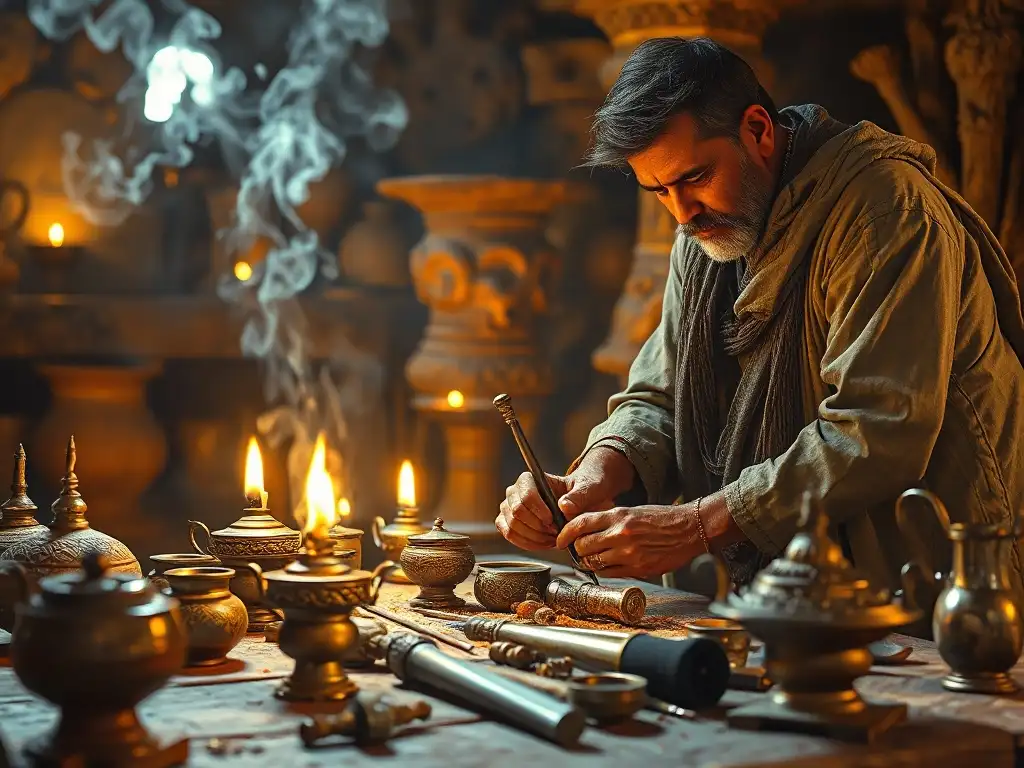
Welcome to Ancient India History, where we embark on a fascinating journey through time to uncover the rich tapestry of ancient Indian civilizations. Today, we dive deep into the Indus Valley metallurgy techniques, exploring how these groundbreaking innovations shaped not only their society but also the future of metallurgy across the subcontinent. Join us as we unravel the intricate details of this remarkable era, and discover how the ingenuity of the Indus Valley continues to inspire and inform our understanding of ancient technologies.
Are you ready to unlock the secrets of a civilization that laid the foundation for modern advancements? Let's delve in!
- Introduction to Indus Valley Metallurgy Techniques
- Historical Context of Metallurgy in the Indus Valley
- Types of Metals and Alloys Used in the Indus Valley
- Metallurgical Techniques Employed by the Indus Valley Civilization
- Cultural and Economic Impact of Metallurgy in the Indus Valley
- Comparison of Indus Valley Metallurgy Techniques with Other Ancient Civilizations
- Legacy of Indus Valley Metallurgy on Later Indian Civilizations
- Conclusion: The Lasting Impact of Indus Valley Metallurgy Techniques
-
Frequently Asked Questions
- What were the metallurgy techniques used in the Indus Valley?
- How did the Indus Valley contribute to ancient metallurgy?
- What materials were primarily used in Indus Valley metallurgy?
- How did the metallurgical advancements of the Indus Valley affect later civilizations?
- Are there any archaeological findings that support Indus Valley metallurgy techniques?
- Final Reflection: The Lasting Legacy of Indus Valley Metallurgy
- Unlock the Secrets of Ancient Metallurgy!
Introduction to Indus Valley Metallurgy Techniques
The Indus Valley Civilization, one of the world's earliest urban societies, flourished between 3300 and 1300 BCE in what is now Pakistan and northwest India. Renowned for its advanced city planning, architecture, and trade networks, the civilization also made significant strides in metallurgy that laid the groundwork for subsequent technological developments in ancient India. This article delves into the intricacies of Indus Valley metallurgy techniques, highlighting their significance and the profound impact they had on later metallurgical practices throughout the region.
Overview of the Indus Valley Civilization
The Indus Valley Civilization was characterized by its impressive urban centers, such as Harappa and Mohenjo-Daro, which featured sophisticated drainage systems, granaries, and standardized weights and measures. Its inhabitants engaged in agriculture, craft production, and trade, utilizing various materials, including metals, to enhance their daily lives.
- Key Features of the Indus Valley Civilization:
- Urban Planning: Grid-pattern cities with advanced drainage and sanitation systems.
- Trade Networks: Extensive trade routes connecting to Mesopotamia and beyond.
- Craftsmanship: Skilled artisans who produced pottery, textiles, and metalwork.
Metallurgy played a crucial role in this civilization's development, influencing everything from tools and weapons to trade goods and decorative items.
Importance of Metallurgy in Ancient Societies
Metallurgy is essential for the technological advancement of any civilization. In ancient societies, mastery of metalworking allowed for the production of stronger tools and weapons, which in turn facilitated agriculture, warfare, and trade. The ability to manipulate metals such as copper, bronze, and later iron was fundamental in shaping social structures, economies, and cultural practices.
- Benefits of Metallurgy in Ancient Societies:
- Enhanced Agricultural Productivity: Improved tools led to more efficient farming techniques.
- Military Advancements: Stronger weapons and armor gave rise to powerful armies.
- Economic Growth: Increased trade opportunities through the production of metal goods.
The Indus Valley Civilization's innovative metallurgical techniques not only advanced their own society but also set a precedent for future civilizations in the Indian subcontinent.
The Scope of Metallurgical Techniques in the Indus Valley
The metallurgical practices of the Indus Valley Civilization were varied and sophisticated. They primarily worked with copper, bronze, lead, and tin, employing techniques that demonstrated a deep understanding of metallurgy. Evidence suggests that they utilized both casting and forging methods to create a range of items.
- Key Metallurgical Techniques:
- Casting: The creation of objects by pouring molten metal into molds, allowing for intricate designs.
- Forging: The shaping of metal through hammering, which enhanced the strength and durability of tools.
- Alloying: Combining different metals to produce stronger and more versatile materials, such as bronze.
These innovative techniques not only reflect the technical prowess of the Indus Valley artisans but also underscore the civilization's significant contributions to the evolution of metallurgy in ancient India. The legacy of these practices can be seen in the subsequent advancements during the later Vedic and Gupta periods, marking the Indus Valley Civilization as a pivotal player in the history of metallurgy.
Historical Context of Metallurgy in the Indus Valley
Chronological Development of Metallurgical Practices
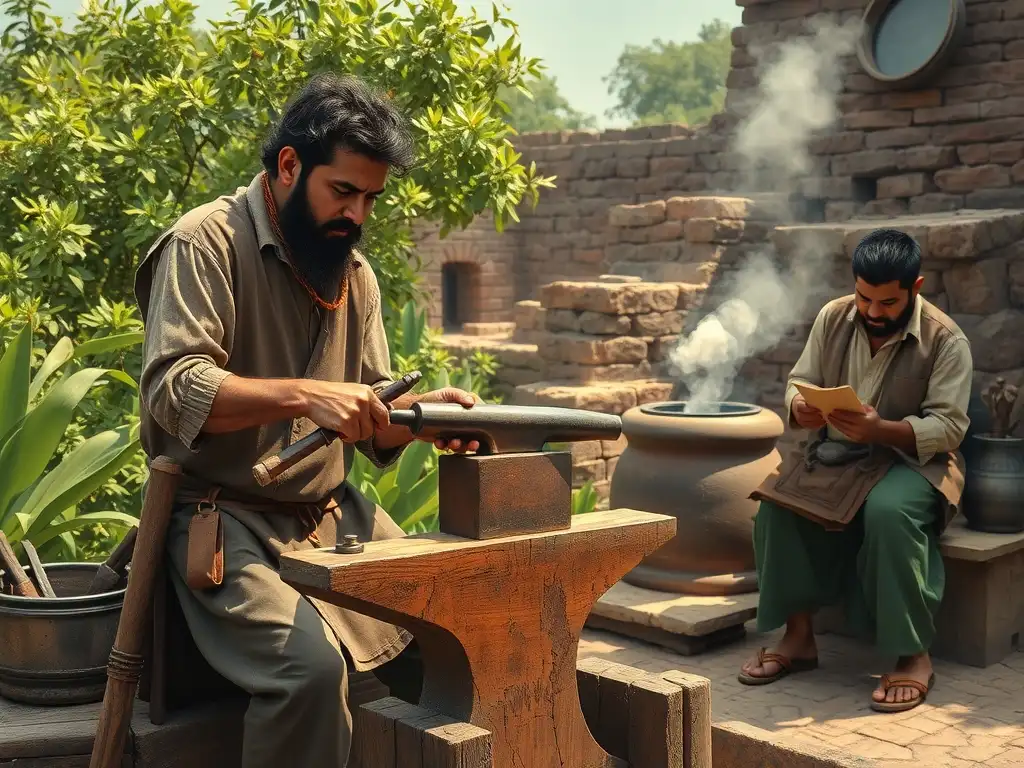
The Indus Valley Civilization (IVC), flourishing from approximately 3300 to 1300 BCE, displayed remarkable advancements in metallurgy, which played a significant role in its development. The chronological evolution of metallurgical practices in the IVC can be divided into several key phases:
-
Early Copper Usage (c. 3300-2600 BCE):
The initial phase of metallurgy in the IVC is marked by the use of native copper. Artisans crafted tools and ornaments, including simple axes, bangles, and figurines. This early stage laid the foundation for more sophisticated techniques.
-
Advancement in Smelting Techniques (c. 2600-1900 BCE):
The peak of the IVC saw the introduction of smelting techniques, allowing for the extraction of metals from ores. Archaeological evidence suggests the use of furnaces with controlled temperatures, enabling the production of copper and its alloys, such as bronze. This period is characterized by an increase in the variety and complexity of metal objects.
-
Integration of Bronze (c. 2500-2000 BCE):
The development of bronze, an alloy of copper and tin, marked a significant technological advancement. The IVC was among the earliest civilizations to utilize bronze, resulting in more durable tools and weapons. Artifacts such as swords, chisels, and statuettes exemplify this innovation.
-
Decline and Transition (c. 1900-1300 BCE):
As the civilization faced environmental changes and socio-political shifts, the production of metals began to decline. However, the metallurgical knowledge developed during this period influenced subsequent cultures in the Indian subcontinent.
Key Archaeological Sites and Discoveries
Several archaeological sites provide insight into the metallurgical techniques employed by the Indus Valley Civilization. Notable discoveries include:
-
Mohenjo-Daro:
Excavations at this prominent site revealed a range of metal artifacts, including tools, ornaments, and a well-preserved bronze statuette known as the "Dancing Girl." The presence of advanced casting techniques highlights the sophistication of IVC metallurgy.
-
Harappa:
The site of Harappa yielded evidence of copper and bronze artifacts, as well as remnants of furnaces and slag, indicating extensive metalworking. The discovery of a large number of copper tools suggests a thriving industry that catered to various needs.
-
Chandraketugarh:
This site, located near the Ganges, has provided evidence of trade links with the Indus Valley and showcases metal artifacts that exhibit similarities with IVC styles, suggesting the diffusion of metallurgical knowledge.
-
Lothal:
Known for its dockyard and trade connections, Lothal exhibits a variety of metal tools and ornaments, emphasizing the role of metallurgy in trade and economic activities within the IVC.
Influence of Geography on Metallurgical Resources
The geographical features of the Indus Valley had a profound impact on the availability and utilization of metallurgical resources:
-
Proximity to Metal Ores:
The IVC was strategically located near rich deposits of copper and tin in regions such as the Khetri Copper Belt and the Malanjkhand region. This accessibility allowed for easier extraction and processing of metals, fostering a vibrant metallurgical industry.
-
River Systems:
The fertile plains of the Indus River facilitated agriculture, which in turn supported a growing population that demanded more tools and materials. The river system also served as a transportation route for trade, helping to disseminate metallurgical knowledge and resources.
-
Climate and Resources:
The semi-arid climate of the region influenced the types of materials available. The adaptation of metallurgy to local conditions resulted in innovative techniques tailored to the resources at hand, such as the use of clay for furnace construction.
The Indus Valley metallurgy techniques were not only a reflection of the civilization's technological prowess but also a product of its historical context, archaeological discoveries, and geographical advantages. These factors collectively contributed to the rich legacy of metallurgical practices that would influence later Indian civilizations.
Types of Metals and Alloys Used in the Indus Valley
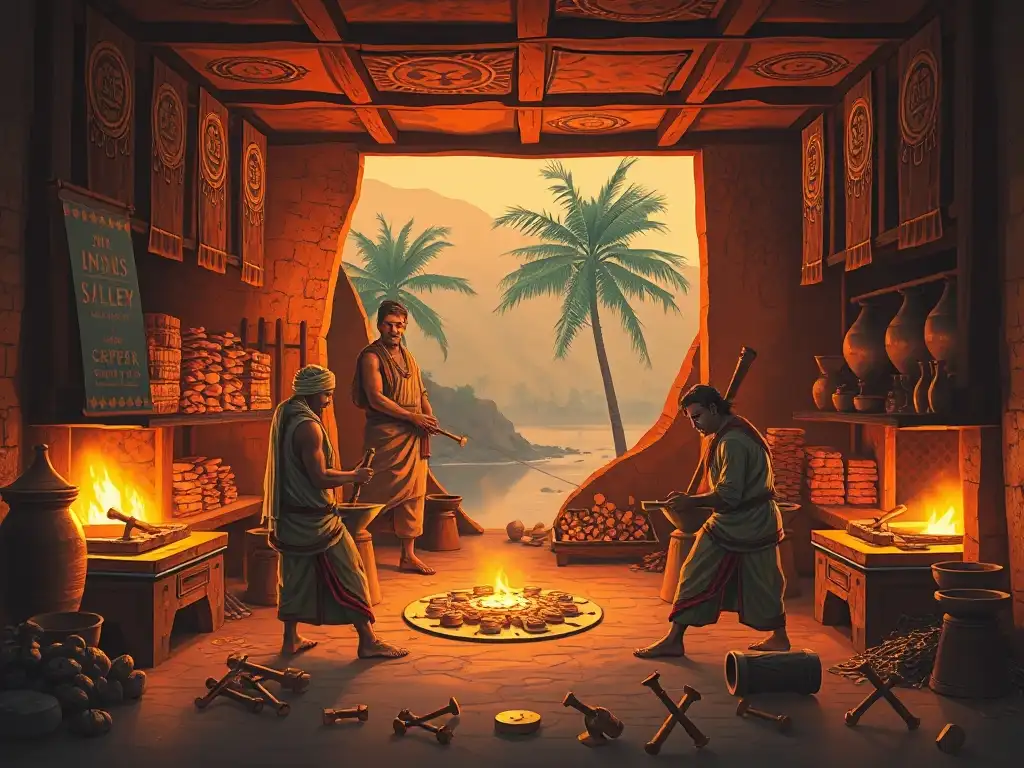
The Indus Valley Civilization (IVC), known for its advanced urban planning and sophisticated craftsmanship, was also remarkable for its metallurgical techniques. The residents of this ancient civilization utilized a range of metals and alloys, each serving specific purposes in daily life, trade, and cultural practices.
Copper: The Foundation of Early Metallurgy
Copper was one of the primary metals used in the Indus Valley, marking the beginning of the metallurgical era in this region.
- Extraction and Production: The Indus Valley people sourced copper from nearby regions, particularly from mines in present-day Rajasthan and Oman. The smelting techniques involved heating the copper ores in furnaces to extract the metal, a process that required significant expertise.
- Applications: Copper was utilized to create various tools, weapons, and household items. Common artifacts include:
- Axes: Used for agricultural purposes.
- Knives: Essential for daily tasks and food preparation.
- Jewelry: Decorative items reflecting the artistry of the time.
- Alloying: The early metallurgists also experimented with alloying copper with other metals, which laid the groundwork for future advancements in metallurgy.
The extensive use of copper in the IVC not only indicates advanced technological skills but also highlights the importance of trade networks that facilitated the exchange of metal resources.
Bronze: Innovations and Applications
Bronze, an alloy primarily made of copper and tin, represented a significant technological advancement during the IVC.
- Production Techniques: The process of creating bronze involved alloying copper with tin, which enhanced the metal's durability and corrosion resistance. The precise ratio of tin to copper varied, influencing the characteristics of the final product.
- Uses of Bronze:
- Tools and Weapons: The introduction of bronze tools greatly improved agricultural efficiency and hunting capabilities. For instance, bronze plows and sickles allowed farmers to cultivate more land effectively.
- Artistic Creations: Bronze was also used in creating intricate sculptures and figurines, showcasing the artistic prowess of the Indus Valley craftsmen. Notable examples include the famous "Dancing Girl" statue, which highlights both skill and aesthetic sensibility.
- Cultural Significance: The use of bronze is indicative of the technological and social advancements of the IVC. It played a crucial role in trade, as bronze items were often exchanged with neighboring cultures, enhancing economic ties.
The transition from copper to bronze metallurgy marked a pivotal moment in the technological evolution of the Indus Valley, influencing various aspects of life and commerce.
Gold and Silver: Symbolism and Trade Value
While copper and bronze were predominant in everyday use, gold and silver held significant cultural and economic importance in the Indus Valley Civilization.
- Cultural Symbolism: Gold and silver were often associated with wealth, power, and the divine. They were used in religious artifacts and royal adornments, signifying status within the society. The exquisite craftsmanship of gold jewelry reveals the high level of artistry and the cultural emphasis on beauty and prestige.
- Trade Value: Gold and silver were also crucial in trade networks. The Indus Valley engaged in extensive trade with Mesopotamia and other regions, where these precious metals were highly valued.
- Artifacts: A variety of gold and silver items, including:
- Coins: Used in trade and commerce, facilitating economic exchanges.
- Ornaments: Necklaces, earrings, and bracelets made from gold and silver showcased the skilled craftsmanship of the time.
The presence of gold and silver artifacts in archaeological sites underscores the complexity of the Indus Valley's economy and its connections with other ancient civilizations.
The metallurgical techniques of the Indus Valley, particularly the use of copper, bronze, gold, and silver, highlight the ingenuity and sophistication of this ancient civilization. The advancements in metallurgy not only contributed to technological progress but also played a vital role in cultural practices and trade relationships, shaping the trajectory of ancient Indian history.
Metallurgical Techniques Employed by the Indus Valley Civilization
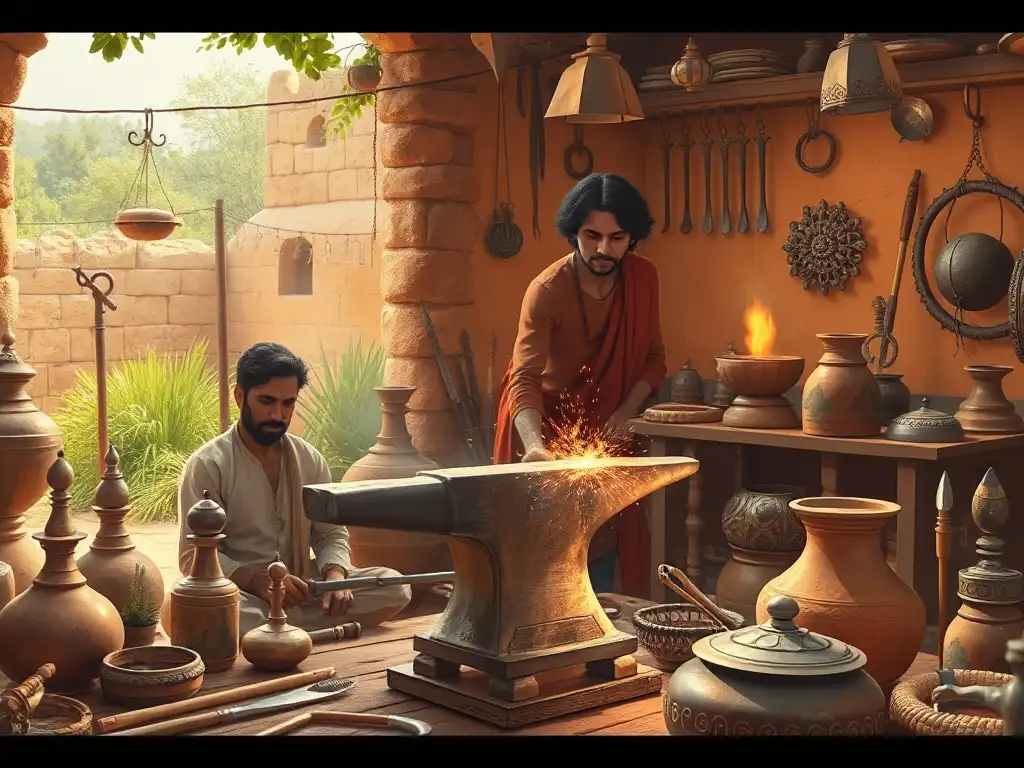
The Indus Valley Civilization (IVC), flourishing around 2500 BCE, is renowned for its advanced metallurgical techniques, which played a pivotal role in shaping the technological landscape of ancient India. The mastery of metallurgy in this civilization is evidenced by the variety of metals utilized and the sophistication of the methods employed. The IVC's metallurgical practices laid the groundwork for subsequent advancements in the region, influencing cultures far beyond its geographical boundaries.
Smelting Processes and Technologies
The smelting processes in the Indus Valley were characterized by the extraction of copper, bronze, lead, and zinc from their ores. The IVC artisans employed several techniques to achieve this:
- Furnaces:
- The construction of circular furnaces, often made of clay, was common. These furnaces were capable of reaching high temperatures necessary for smelting metals.
- Evidence indicates that the IVC used reverberatory furnaces, which allowed for more efficient heat distribution and better control over the smelting process.
- Ores Used:
- The primary ores utilized were chalcopyrite (for copper) and sphalerite (for zinc). The proximity of these ores to urban centers facilitated their use.
- The smelting of copper ores often resulted in the production of bronze when alloyed with tin, showcasing the advanced understanding of material properties.
- Innovative Techniques:
- The use of bellows to increase airflow and raise temperatures during smelting was a significant technological advancement. The implementation of bellows allowed artisans to achieve the high temperatures required for efficient smelting.
The successful extraction of metals through these smelting processes contributed to the IVC's reputation as a metallurgical hub of the ancient world.
Casting Techniques: Methods and Tools
Casting techniques in the Indus Valley were equally impressive, allowing for the creation of intricate metal objects. The primary methods and tools used include:
- Lost-Wax Casting:
- This technique involved creating a wax model of the desired object, which was then encased in clay. Upon heating, the wax melted away, leaving a mold into which molten metal was poured.
- Artifacts such as figurines and jewelry demonstrate the precision achievable through this method.
- Sand Casting:
- Sand casting was another prevalent method, where artisans would form molds from compacted sand, allowing for the production of larger objects.
- This method was efficient for creating tools and weapons, contributing to the daily life and defense of the IVC.
- Tools and Equipment:
- The use of chisels and hammers for shaping metal post-casting was common. These tools were essential for refining the details of cast objects.
- The development of molds with intricate designs indicates a level of artistry and sophistication in the casting process.
The casting techniques employed by the IVC artisans not only facilitated the production of functional items but also artifacts of great aesthetic value.
Techniques for Metalworking: From Hammering to Inlaying
Metalworking in the Indus Valley encompassed a variety of techniques that transformed raw metal into finished products. Key methods included:
- Hammering and Forging:
- Artisans skillfully utilized hammers to shape and refine metal into tools, weapons, and decorative items. This process enhanced the strength and durability of the products.
- Forging techniques allowed for the creation of items with specific uses, such as axes and knives, showcasing the practical applications of metalwork.
- Inlaying Techniques:
- Inlaying was a sophisticated method where artisans would embed materials, such as semi-precious stones, into metal surfaces to create decorative patterns. This technique highlighted the artistic capabilities of IVC craftsmen.
- The use of inlays in jewelry and ceremonial items indicates that metalwork was not only functional but also symbolic, reflecting cultural ideals and aesthetics.
- Polishing and Finishing:
- The finishing touches, including polishing and surface treatment, were crucial in enhancing the appearance of metal objects. This attention to detail is evident in various artifacts unearthed from IVC sites.
Through these advanced techniques, the Indus Valley Civilization established itself as a leader in metallurgy, influencing future generations and contributing significantly to the technological heritage of ancient India.
Cultural and Economic Impact of Metallurgy in the Indus Valley
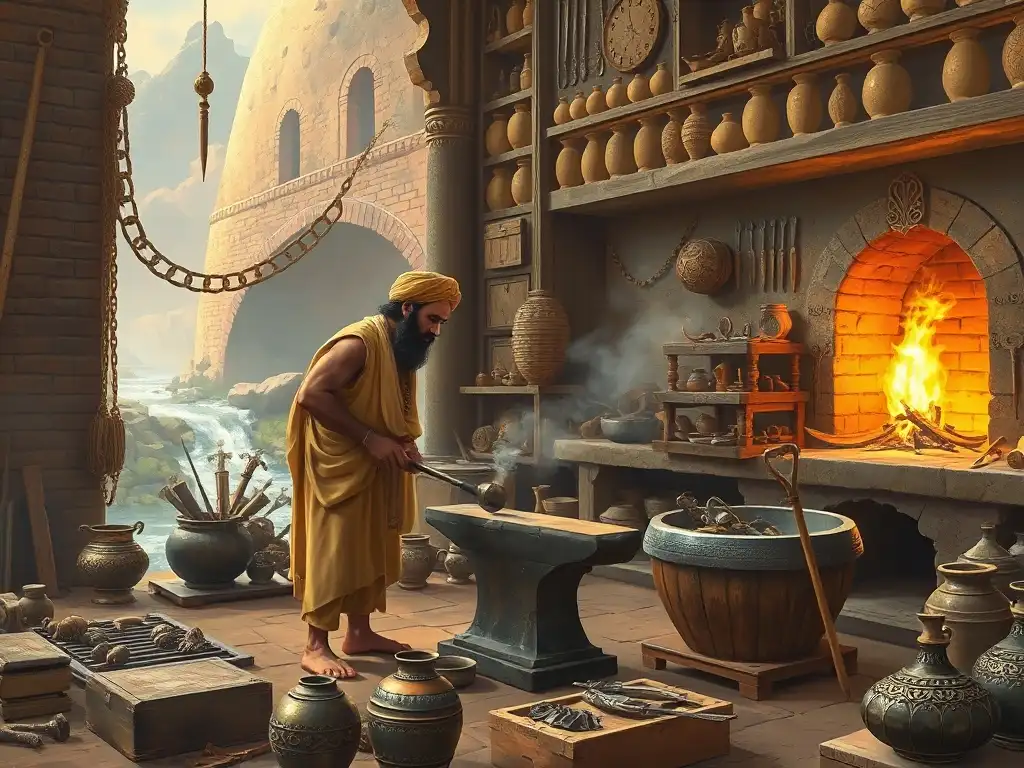
The Indus Valley Civilization (IVC), known for its advanced urban planning and sophisticated societal structures, was also a pioneer in metallurgy techniques. The ability to manipulate metals significantly influenced both the economic framework and cultural identity of the region. The emergence of metallurgy marked a transformative period, facilitating trade, enhancing social hierarchies, and inspiring artistic expression.
Metallurgy’s Role in Trade and Economy
Metallurgy played a crucial role in the trade networks of the Indus Valley. The production of metal goods, particularly those made from copper, bronze, and gold, not only catered to local demands but also became valuable trade commodities. The IVC's strategic location allowed it to engage in extensive trade with neighboring regions, including Mesopotamia and Persia.
- Trade Goods:
- Copper: Mainly sourced from the nearby regions, copper tools and ornaments were highly valued.
- Bronze: The alloying of copper with tin created bronze, which was used for making a variety of tools, weapons, and ceremonial items.
- Gold and Silver: These precious metals were used for crafting jewelry and other decorative items, enhancing their economic significance.
The surplus production of metal goods stimulated economic growth within the civilization, as artisans began to specialize in various metallurgical techniques. The presence of workshops in major urban centers indicates a well-established economy that thrived on trade. This not only enriched the local economy but also facilitated cultural exchanges with other civilizations.
Metalworkers in the Indus Valley held a unique position within the societal hierarchy. Their specialized skills in metallurgy often elevated their status compared to general laborers. The intricate craftsmanship displayed in metal artifacts suggests that metalworkers were respected artisans, possibly even part of a distinct social class.
- Craftsmanship and Knowledge:
- Mastery of metallurgy required knowledge of various techniques, including smelting, alloying, and casting. This expertise likely conferred prestige upon the metalworkers, as their skills were crucial for both practical tools and luxury items.
- Community Role:
- Metalworkers likely played a key role in community activities, including religious and ceremonial practices. The creation of ritualistic items points to their involvement in spiritual and social functions.
Furthermore, the complex trade networks that metalworkers participated in would have enhanced their social connections and influence, solidifying their importance in the broader context of IVC society.
Artistic Expressions: Jewelry and Decorative Items
The art of metallurgy in the Indus Valley extended beyond utility; it also encompassed a rich tradition of artistic expression. Jewelry and decorative items crafted from metals were not only symbols of status but also showcased the aesthetic sensibilities of the civilization.
- Types of Metal Artifacts:
- Jewelry: Items such as necklaces, earrings, and bangles were commonly made from gold, silver, and copper, often adorned with semi-precious stones.
- Decorative Items: Metal figurines, ceremonial vessels, and intricate designs on tools highlight the artistic capabilities of Indus artisans.
- Cultural Significance:
- The stylistic elements observed in metalwork reflect the cultural narratives and values of the time. For instance, motifs and designs often drew inspiration from nature and mythology, revealing insights into the belief systems of the Indus Valley people.
The aesthetic quality of these artifacts not only underscores the technical proficiencies in metallurgy but also illustrates the cultural identity and artistic heritage of the civilization. The legacy of Indus Valley metallurgy techniques continues to influence the artistic traditions in India, showcasing the enduring impact of this ancient civilization.
Comparison of Indus Valley Metallurgy Techniques with Other Ancient Civilizations
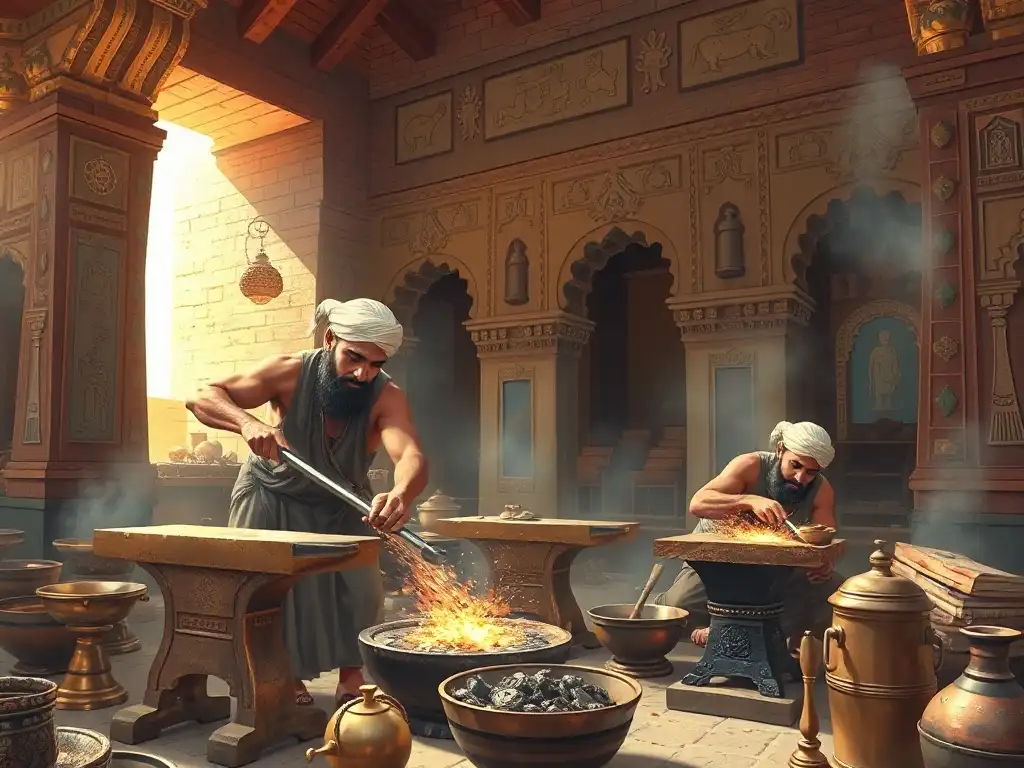
Metallurgical Innovations in Mesopotamia
The metallurgical innovations of ancient Mesopotamia played a crucial role in the development of metalworking techniques across the region, showcasing distinct methodologies and materials in contrast to those found in the Indus Valley. Mesopotamia, often heralded as the "cradle of civilization," made significant strides in metallurgy, particularly during the Bronze Age, around 3000 BCE.
- Materials Used:
- Copper and Tin: The Mesopotamians predominantly utilized copper, alloying it with tin to create bronze, a process that significantly enhanced the durability and utility of tools and weapons.
- Gold and Silver: Precious metals were also extensively used, particularly for decorative purposes in jewelry and ceremonial objects.
- Techniques:
- Casting and Forging: The Mesopotamians developed advanced casting techniques, including the lost-wax method, which allowed artisans to create intricate designs.
- Metalworking Tools: The use of anvils and hammers for shaping metals was common, enhancing the precision in metalwork compared to earlier practices.
- Cultural Significance:
- Metallurgical advancements in Mesopotamia were closely tied to trade and warfare, with bronze tools enhancing agricultural productivity and weapons improving military capabilities.
Overall, while both the Indus Valley and Mesopotamia made significant contributions to metallurgy, the latter's focus on bronze production and complex metalworking techniques set a different trajectory for technological development.
Comparisons with Ancient Egyptian Metallurgy
Ancient Egypt exhibits a unique metallurgical heritage, with techniques that reflect its geographic and cultural context. While the Indus Valley civilization also demonstrated notable metallurgical skills, the differences in methods and applications are significant.
- Materials and Alloys:
- Copper Dominance: Like the Indus Valley, the Egyptians primarily used copper, with gradual incorporation of bronze. However, Egyptian metallurgy relied more heavily on native copper rather than alloys, impacting the strength and applications of their tools.
- Gold Utilization: Gold was extensively mined and used in Egypt, symbolizing wealth and divine connection, evidenced by artifacts found in tombs.
- Techniques and Processes:
- Jewelry and Decorative Arts: Egyptians excelled in decorative metallurgy, with techniques such as granulation and inlay, which were less prominent in Indus Valley practices.
- Tools and Weaponry: Egyptian tools were often simpler but functional, focusing on utility in agriculture and construction rather than the complex weaponry seen in other civilizations.
- Social Implications:
- The role of metallurgy in Egypt was intertwined with religious and societal structures, as metal objects often carried deep symbolic meanings, unlike the more practical application seen in the Indus Valley.
While both the Indus Valley and ancient Egypt made remarkable advancements in metallurgy, their respective focus on materials, techniques, and cultural significance provides a fascinating contrast.
Unique Features of Indus Valley Techniques
The metallurgical techniques of the Indus Valley civilization stand out for their ingenuity and sophistication, showcasing unique features that differentiate them from contemporary civilizations.
- Advanced Copper Working:
- The Indus Valley civilization was among the first to develop advanced techniques for smelting and alloying copper, creating high-quality artifacts. This was essential for producing tools, ornaments, and various implements, which were often found in archaeological sites.
- Innovative Use of Alloys:
- Evidence suggests that the Indus Valley metallurgists experimented with various copper alloys, leading to the production of arsenical bronze. This alloy, which includes arsenic as an additive, was known to enhance the hardness and durability of the metal.
- Craftsmanship and Design:
- Artisans in the Indus Valley demonstrated exceptional skill in metalworking, producing intricate designs and finely crafted items. The presence of detailed seals and tools indicates a high level of craftsmanship that reflected both artistic and functional priorities.
- Trade and Resource Utilization:
- The strategic location of the Indus Valley allowed access to diverse resources, facilitating trade and the exchange of metallurgical knowledge with neighboring regions. This exchange not only enriched their techniques but also integrated influences from other cultures.
- Archaeological Evidence:
- Numerous archaeological findings, such as the well-preserved bronze figurines and tools, highlight the advanced metallurgical practices of the Indus Valley civilization. These artifacts serve as testament to their innovative techniques, which were pivotal in the evolution of metallurgy in ancient India.
The unique features of Indus Valley metallurgy techniques reflect a blend of innovation, craftsmanship, and resourcefulness, positioning them as a significant contributor to the broader narrative of ancient metallurgy.
Legacy of Indus Valley Metallurgy on Later Indian Civilizations
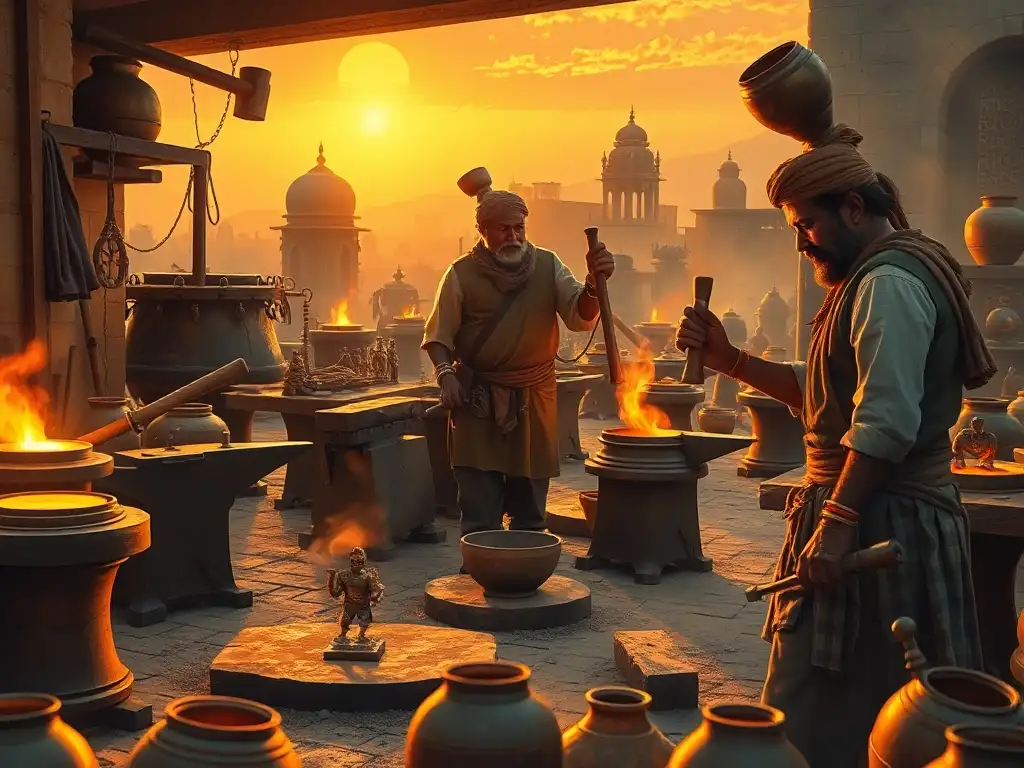
The metallurgical techniques established during the Indus Valley Civilization laid a robust foundation for future advancements in metalworking across subsequent Indian civilizations. This legacy not only influenced the immediate Vedic period but also extended its reach into the sophisticated metallurgical practices of the Gupta Empire. The advancements made in metallurgy during the Indus Valley era can be categorized into several key areas, including the development of smelting techniques, alloy creation, and the use of various metals, which collectively shaped the technological landscape of ancient India.
Continuation of Techniques in the Vedic Period
The Vedic period, which followed the decline of the Indus Valley Civilization around 1500 BCE, witnessed a significant continuation of metallurgy techniques. Evidence suggests that the people of this era adopted and adapted the metallurgical knowledge inherited from the Indus Valley.
- Cultural Transition:
- The transition from urban centers of the Indus Valley to the pastoral and agrarian societies of the Vedic period did not result in the loss of metallurgical knowledge. Instead, many techniques were preserved and evolved.
- Metals Utilized:
- The Vedic texts, particularly the Rigveda, mention several metals including gold, silver, copper, and iron. This indicates the continued significance of metallurgy in society.
- Iron Use: Interestingly, while iron was not predominant in the Indus Valley, its increased usage during the Vedic period marked a significant development. The advent of iron tools and weapons allowed for enhanced agricultural productivity and military capabilities.
- Craftsmanship:
- The craftsmanship of metalworkers during the Vedic period is evident in the artifacts discovered, such as ornaments and ceremonial tools.
- Artisans built upon the casting and forging methods established by their Indus Valley predecessors, leading to a refinement in techniques.
Influence on Gupta Empire Metallurgical Practices
The Gupta Empire (approximately 320 to 550 CE) is often regarded as a golden age of Indian culture and technology, including advancements in metallurgy that can be traced back to the innovations of the Indus Valley.
- Refinement of Techniques:
- Gupta metallurgists adopted and refined earlier Indus Valley techniques, particularly in the processing and smelting of metals. This era saw improvements in furnace design and the introduction of new methods for alloying metals.
- Notably, the Gupta period is recognized for the high-quality iron produced, exemplified by the famous Iron Pillar of Delhi, which showcases remarkable corrosion resistance attributed to advanced metallurgical knowledge.
- Alloy Production:
- The Gupta period also marked significant advancements in the creation of alloys, particularly brass and bronze. The knowledge of alloying can be traced back to earlier practices in the Indus Valley, where copper and tin were skillfully combined.
- Cultural Significance:
- Metallurgy during the Gupta Empire not only contributed to practical applications but also played a role in religious and artistic expressions. Metal statues and inscriptions from this period demonstrate the aesthetic advancements that were made possible through metallurgy.
Modern Implications of Ancient Techniques
The metallurgical techniques developed in the Indus Valley and their subsequent evolution have significant implications even in modern times.
- Historical Studies:
- Modern metallurgical studies often refer back to the techniques used in ancient times to understand the evolution of metalworking practices. Archaeological findings continue to inform contemporary metallurgical science.
- Sustainable Practices:
- Techniques such as smelting and alloying methods can offer insights into sustainable practices in modern metallurgy. The minimal waste and environmentally considerate approaches of ancient methods can inspire current practices aimed at reducing ecological footprints.
- Cultural Heritage:
- The legacy of Indus Valley metallurgy serves as a reminder of the rich cultural heritage of India. It fosters a sense of identity and continuity that is celebrated in modern Indian society.
The Indus Valley metallurgy techniques not only influenced the metallurgical practices of subsequent civilizations, such as the Vedic period and Gupta Empire, but they also resonate in contemporary discussions of sustainability and heritage. The profound impact of these ancient techniques continues to be relevant today, showcasing the ingenuity of early Indian civilizations.
Conclusion: The Lasting Impact of Indus Valley Metallurgy Techniques
Summary of Key Contributions
The Indus Valley Civilization (IVC), known for its advanced urban planning and social organization, also made remarkable strides in metallurgy that have left a lasting legacy on subsequent Indian civilizations. Among the key contributions of Indus Valley metallurgy techniques are:
- Copper and Bronze Production: The IVC is credited with the early use of copper and bronze, which were essential for tools, weapons, and ornaments. Archaeological findings indicate that they employed sophisticated smelting techniques to produce high-quality alloys.
- Innovative Casting Methods: Evidence suggests that the people of the Indus Valley utilized lost-wax casting techniques, allowing them to create intricate metal artifacts. This method not only showcased their craftsmanship but also influenced later metallurgical practices in India.
- Standardization of Weights and Measures: The IVC established systems for measuring metals, which facilitated trade and production. Standardized weights made it easier to regulate metal exchanges, enhancing economic interactions both locally and with neighboring regions.
- Use of Alloys: Beyond simple copper and bronze, the Indus Valley metallurgists experimented with various alloys, demonstrating an understanding of materials science that would inform future metallurgical developments.
These contributions laid the foundation for the development of metallurgy in ancient India, influencing subsequent dynasties, including the Maurya and Gupta Empires, which built upon these techniques to further enhance their own metallurgical practices.
Reflection on the Importance of Historical Metallurgy Studies
Studying the metallurgical techniques of the Indus Valley Civilization goes beyond mere historical interest; it provides critical insights into the technological advancements of ancient societies. The exploration of Indus Valley metallurgy techniques can significantly enhance our understanding of:
- Cultural Exchange: The metallurgy practices of the IVC reveal how ancient societies interacted, shared knowledge, and influenced one another. By analyzing metallurgical artifacts, historians can trace trade routes and cultural exchanges, painting a broader picture of ancient connectivity.
- Technological Progress: The innovations in metallurgy during the Indus Valley period reflect a significant leap in technological capability. Understanding these advancements enables researchers to appreciate the complexity of ancient societies and their ability to manipulate natural resources for various applications.
- Sustainability Practices: Investigating the methods used by the Indus Valley metallurgists may offer insights into sustainable practices. Their techniques, rooted in local resources, highlight how ancient civilizations adapted to their environments, which can inform modern approaches to sustainability and resource management.
The study of Indus Valley metallurgy techniques not only enriches our knowledge of ancient Indian civilizations but also underscores the importance of historical metallurgy in understanding the evolution of technology and culture throughout the ages. The legacy of the Indus Valley continues to resonate, reminding us of the ingenuity and resourcefulness of our ancestors.
Frequently Asked Questions
What were the metallurgy techniques used in the Indus Valley?
The Indus Valley civilization is known for its advanced metallurgy techniques, particularly in copper, bronze, and tin production, which laid the foundation for future metalworking in India.
How did the Indus Valley contribute to ancient metallurgy?
The Indus Valley greatly influenced ancient metallurgy through innovative smelting processes and the creation of high-quality tools and ornaments, showcasing their craftsmanship and technological prowess.
What materials were primarily used in Indus Valley metallurgy?
The primary materials used in Indus Valley metallurgy included copper and bronze, along with gold and silver for decorative items, demonstrating their skill in extracting and manipulating metals.
How did the metallurgical advancements of the Indus Valley affect later civilizations?
The metallurgical advancements of the Indus Valley provided essential techniques and knowledge that were adopted and further refined by subsequent civilizations, particularly during the Mauryan and Gupta periods.
Are there any archaeological findings that support Indus Valley metallurgy techniques?
Yes, numerous archaeological findings, such as metal tools, artifacts, and furnaces, have been discovered, providing concrete evidence of the sophisticated metallurgy techniques employed by the Indus Valley civilization.
Final Reflection: The Lasting Legacy of Indus Valley Metallurgy
The Indus Valley civilization's innovative metallurgy techniques continue to resonate in today's world, showcasing the brilliance of ancient craftsmanship and its profound influence on modern practices. As we explore the advancements made by this remarkable civilization, we realize that their contributions to metallurgy were not merely a reflection of their time but a foundation that has shaped various industries and technologies we rely on today. The ingenuity of the Indus Valley artisans serves as a striking reminder of how ancient knowledge can transcend generations and inspire contemporary innovation.
The impact of Indus Valley metallurgy techniques extends far beyond historical significance; it has woven itself into the very fabric of our cultural and social landscape. From the intricate designs of jewelry to the robust construction of tools, the legacy of these ancient metallurgists is evident in our daily lives. Their ability to manipulate metals with precision and creativity has inspired countless artisans and engineers throughout history. As noted by historian R. S. Sharma, The metallurgical skills of the Indus Valley civilization laid the groundwork for future advancements, influencing not just India but the world at large.
This ongoing influence highlights the importance of preserving and understanding our historical roots as we navigate the complexities of modern technology.
As we reflect on the lessons learned from the Indus Valley's metallurgical innovations, I invite you to consider how you can apply this knowledge in your own life. Embrace the spirit of innovation and craftsmanship that characterized this ancient civilization, and seek to explore your own creative potential.
Whether through art, engineering, or any other field, let the legacy of the Indus Valley inspire you to push boundaries and contribute to the ongoing narrative of human ingenuity. Together, we can honor the past while forging a brighter future, one where the lessons of history continue to illuminate our path forward.
Unlock the Secrets of Ancient Metallurgy!
Thank you for diving into the fascinating journey of the Indus Valley and its incredible contributions to metallurgical techniques in ancient India! Your curiosity has equipped you with valuable insights into how this ancient civilization shaped our understanding of metalworking.
Now, it’s time to take those insights and put them into action! Here are some engaging steps you can take:
- Explore local museums or online exhibits that showcase artifacts from ancient metallurgy; you might uncover hidden treasures that resonate with the techniques discussed.
- Join or start a community group focused on ancient history and metallurgy—sharing knowledge can lead to enriching conversations!
- Try your hand at a modern metallurgy workshop or a makerspace; connecting the past with your own creativity can spark new ideas!
What aspect of ancient metallurgical techniques fascinates you the most, and how do you think these innovations impact our lives today?