
The Role of Dharma in the Mahabharata: A Moral Compass for Humanity

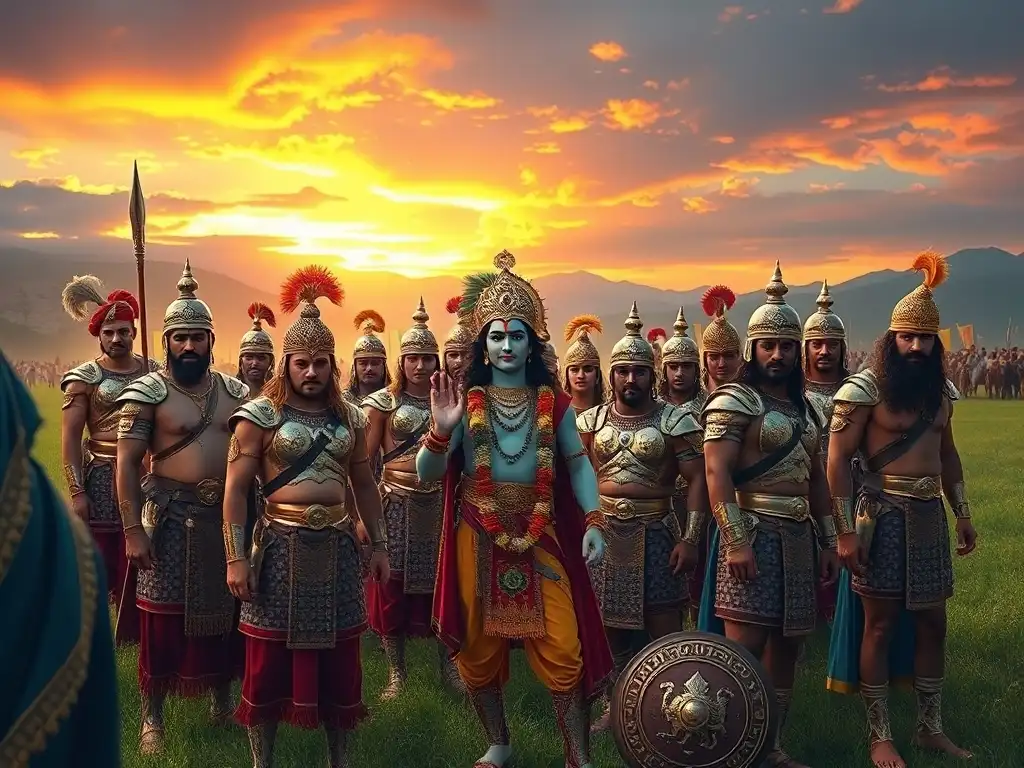
Welcome to Ancient India History, where we embark on a fascinating journey through the rich tapestry of ancient Indian civilizations. Here, we delve into the profound teachings and timeless wisdom encapsulated in epic literature, with a special focus on Dharma in the Mahabharata. This cornerstone of Indian philosophy serves as a moral compass, guiding humanity in its quest for righteousness amidst the complexities of life.
As you explore our latest article, “The Role of Dharma in the Mahabharata: A Moral Compass for Humanity,” prepare to uncover the intricate layers of meaning that continue to resonate through the ages. Join us as we illuminate the path of virtue and justice that has shaped the very essence of human existence.
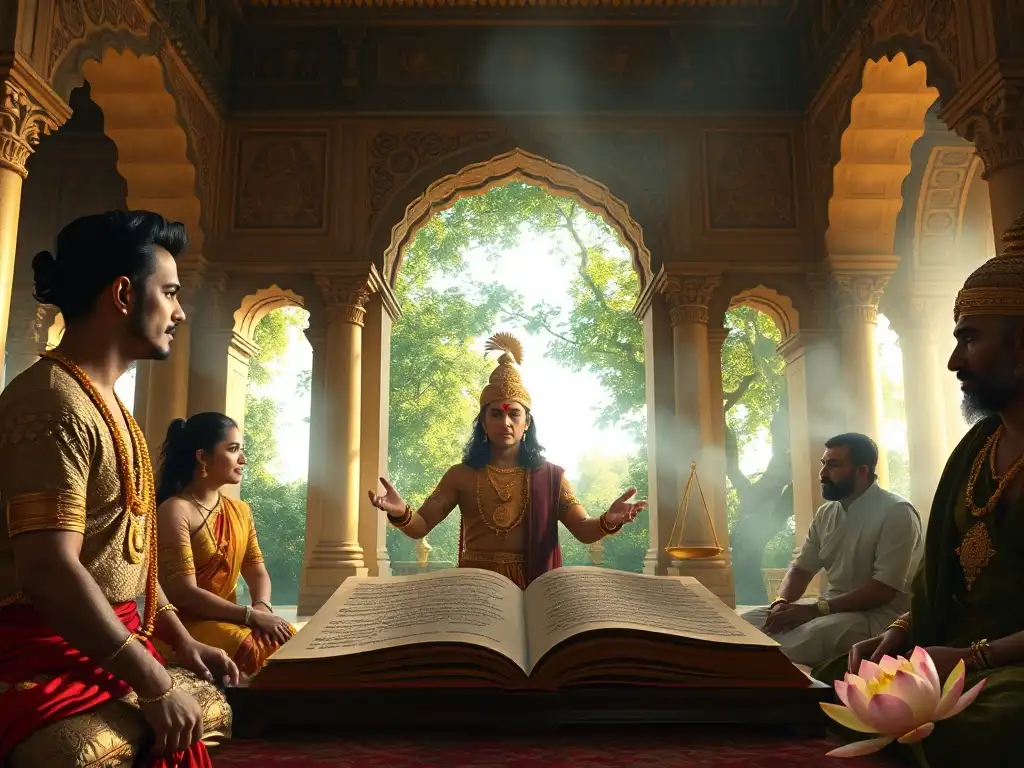
The concept of Dharma holds a central place in the epic narrative of the Mahabharata, serving not only as a guiding principle for the characters within the story but also as a profound moral compass for humanity. As one of the foundational texts of ancient Indian literature, the Mahabharata intricately weaves the complexities of human behavior, ethical dilemmas, and the pursuit of righteousness through its rich tapestry of narratives.
The exploration of Dharma within this epic provides invaluable insights into the moral fabric of ancient Indian civilization, making it a crucial subject for scholars and enthusiasts alike. This article will delve into the multifaceted nature of Dharma as depicted in the Mahabharata, its significance in ancient Indian philosophy, and how it continues to resonate with contemporary interpretations of morality and ethics.
Introduction to Dharma in the Mahabharata
The Mahabharata is not merely a tale of conflict and war; it is an exploration of the very essence of Dharma. The epic portrays its characters as they navigate the murky waters of right and wrong, often facing dilemmas that challenge their understanding of justice and duty.
Dharma, in this context, is portrayed as a dynamic construct, shaped by the circumstances surrounding the characters and the broader societal norms of the time. As we journey through the epic, we will encounter poignant moments that illustrate how the characters grapple with their responsibilities, moral obligations, and the inevitable consequences of their choices.
Understanding Dharma: Definition and Significance
Dharma, derived from the Sanskrit root "dhr," which means "to uphold" or "to support," can be understood as the moral law that governs individual conduct in accordance with the cosmic order. In the context of the Mahabharata, Dharma serves as a guiding principle that informs the characters' actions and decisions. Its significance extends beyond the narrative, encapsulating the values and ethical frameworks of ancient Indian society.
Key aspects of Dharma include:
- Righteousness: Upholding truth and justice in one's actions.
- Duty: Fulfilling obligations to family, society, and oneself.
- Balance: Maintaining harmony between personal desires and societal responsibilities.
Through the lens of Dharma, the Mahabharata provides a framework for understanding the moral complexities of life, emphasizing that what is considered righteous may vary based on context and circumstance.
Overview of the Mahabharata as an Epic Literature
The Mahabharata is one of the longest epic poems in the world, comprising over 100,000 verses and spanning various themes, including love, betrayal, sacrifice, and the quest for power. Composed by the sage Vyasa, this monumental work not only tells the story of the Kurukshetra War but also includes significant philosophical discourses, such as the Bhagavad Gita.
Distinctive features of the Mahabharata include:
- Narrative Complexity: Multiple intertwining stories and characters that reflect the diversity of human experiences.
- Philosophical Depth: Rich discussions on ethics, duty, and the nature of reality.
- Cultural Heritage: Reflects the social, political, and spiritual milieu of ancient India.
As a cornerstone of Indian epic literature, the Mahabharata transcends mere storytelling, offering profound insights into the human condition and the eternal struggle between good and evil.
The Concept of Dharma in Ancient Indian Philosophy
Dharma is not only a literary theme but also a central tenet of ancient Indian philosophy, deeply embedded in the cultural consciousness of the time. To understand its role in the Mahabharata, it is essential to explore its philosophical underpinnings and historical context.
Historical Context of Dharma in Indian Culture
In ancient India, Dharma was seen as essential for maintaining social order and harmony. The Vedic texts, which predate the Mahabharata, laid the groundwork for understanding Dharma through rituals, moral codes, and societal roles. As society evolved, so did the interpretations of Dharma, adapting to changing cultural and social dynamics.
Significant factors influencing the concept of Dharma include:
- Varna System: The division of society into different classes, each with its own duties and responsibilities.
- Cultural Practices: Rituals and customs that reinforced moral obligations.
- Philosophical Schools: Various schools of thought, such as Vedanta and Buddhism, that contributed to the discourse on morality and ethics.
These historical nuances provide a backdrop against which the Mahabharata articulates its complex portrayal of Dharma, reflecting the tensions and adaptations of moral values throughout Indian history.
Different Interpretations of Dharma
The Mahabharata offers multiple interpretations of Dharma, showcasing how its characters often face conflicting duties and moral uncertainties. This plurality highlights the nuanced nature of righteousness, suggesting that there is no single answer to what constitutes Dharma.
Some divergent interpretations include:
- Kshatriya Dharma: The duty of warriors to protect and uphold justice, even if it means engaging in warfare.
- Brahminical Dharma: The responsibilities of priests and scholars to impart wisdom and maintain spiritual integrity.
- Family Dharma: The obligations individuals have toward their family and kin, which can sometimes clash with broader societal duties.
Through these varied perspectives, the Mahabharata invites readers to reflect on their own understanding of Dharma and the moral complexities inherent in everyday life, making it a timeless exploration of ethics and humanity.
Key Characters and Their Representation of Dharma
The Mahabharata, a monumental epic, intricately weaves the concept of Dharma through its characters, each representing different facets of this moral and ethical principle. The characters embody various interpretations of Dharma, showcasing the complexity and nuances involved in its application. This section delves into the key characters and how their journeys reflect the multifaceted nature of Dharma in the epic.
Yudhishthira: The Embodiment of Righteousness
Yudhishthira, the eldest Pandava brother, is often regarded as the epitome of Dharma. His unwavering commitment to truth and righteousness sets him apart as a moral compass in the narrative. Despite the immense pressures and challenges he faces, including the loss of his kingdom and family, Yudhishthira consistently strives to uphold his principles.
His famous declaration, “Dharma is my only ally,” reflects his belief that adherence to Dharma is paramount, even in the face of adversity. His ethical dilemmas, particularly during the game of dice, illustrate the struggles of maintaining righteousness when confronted with temptation and deceit. Ultimately, Yudhishthira’s journey emphasizes that true Dharma often requires sacrifice and self-restraint, underscoring the moral complexities that govern human behavior.
Arjuna: The Struggle Between Duty and Morality
Arjuna, another central character in the Mahabharata, epitomizes the conflict between duty (Kshatriya Dharma) and personal morality. As a warrior, Arjuna is bound by his duty to fight in the Kurukshetra War; however, he grapples with the moral implications of waging war against his own kin. His initial reluctance to engage in battle highlights the emotional turmoil and ethical dilemmas that arise when personal relationships clash with societal obligations.
In the Bhagavad Gita, Krishna advises Arjuna on the importance of fulfilling his Kshatriya duties despite his reservations. This dialogue serves as a critical exploration of how Dharma must sometimes supersede personal feelings, presenting a profound commentary on the nature of righteousness in the face of conflict. Arjuna’s evolution throughout the epic reflects the transformative power of understanding one’s Dharma as a means to navigate the complexities of existence.
Karna: The Complexity of Loyalty and Dharma
Karna, the tragic hero of the Mahabharata, embodies the intricate relationship between loyalty and Dharma. Born to a noble lineage but raised by a lowly charioteer, Karna’s life is marked by his fierce loyalty to Duryodhana, the antagonist of the epic. His unwavering allegiance to his friend often leads him to make choices that conflict with the broader concept of Dharma.
Karna’s struggle is emblematic of the tension between personal loyalty and moral righteousness. Despite his noble qualities, including bravery and generosity, his choices often place him at odds with the overarching principles of justice and duty. His tragic fate prompts readers to consider the consequences of misplaced loyalty and the moral ambiguities that permeate human relationships. Through Karna, the Mahabharata invites reflections on how personal choices can complicate the understanding and execution of Dharma.
The Mahabharata intricately explores several themes related to Dharma, revealing its complexities and contradictions. These themes serve as a lens through which readers can understand the moral fabric of the epic and its implications for human behavior and societal norms.
The Conflict of Dharma: Duty vs. Desire
One of the most profound themes in the Mahabharata is the conflict between duty (Dharma) and personal desire. Characters often find themselves at a crossroads where their responsibilities clash with their personal aspirations. This theme is particularly evident in the decisions made by characters like Arjuna and Yudhishthira, who struggle to balance their obligations with their desires for personal happiness and fulfillment.
The epic illustrates that the pursuit of Dharma is not always straightforward; it often requires individuals to forgo personal desires in favor of greater societal responsibilities. This tension reflects the universal human experience of navigating the challenges posed by competing interests, highlighting the intricate nature of moral decision-making.
The Role of Dharma in War: Just War Theory
The Mahabharata presents a nuanced exploration of Dharma in the context of war, particularly through the lens of Just War Theory. The epic raises critical questions about the morality of warfare, the justification for violence, and the ethical implications of killing in battle. Characters like Krishna and Yudhishthira grapple with the righteousness of their actions in the face of war, emphasizing the complex interplay between Dharma and the necessity of conflict.
The concept of Dharma in warfare is portrayed as multifaceted, encompassing not just the justification for battle but also the ethical conduct of warriors. The implications of this theme extend beyond the narrative, prompting readers to reflect on the moral obligations of individuals and nations in times of conflict, thereby establishing a timeless discourse on the ethics of war.
The Influence of Dharma on Personal Relationships
Dharma profoundly influences personal relationships within the Mahabharata, shaping the dynamics between family members, friends, and foes. The epic reveals how adherence to or deviation from Dharma can either strengthen or fracture these relationships. For instance, the bonds of kinship are tested through acts of betrayal, loyalty, and sacrifice.
Characters like Draupadi and Kunti exemplify the complexities of navigating personal relationships while adhering to their respective Dharmas. Draupadi’s humiliation and her subsequent demand for justice underscore the intersection of personal dignity and moral righteousness. This theme invites readers to consider how Dharma governs interpersonal relationships, emphasizing the importance of maintaining ethical standards in all aspects of life.
The Teachings of the Bhagavad Gita on Dharma
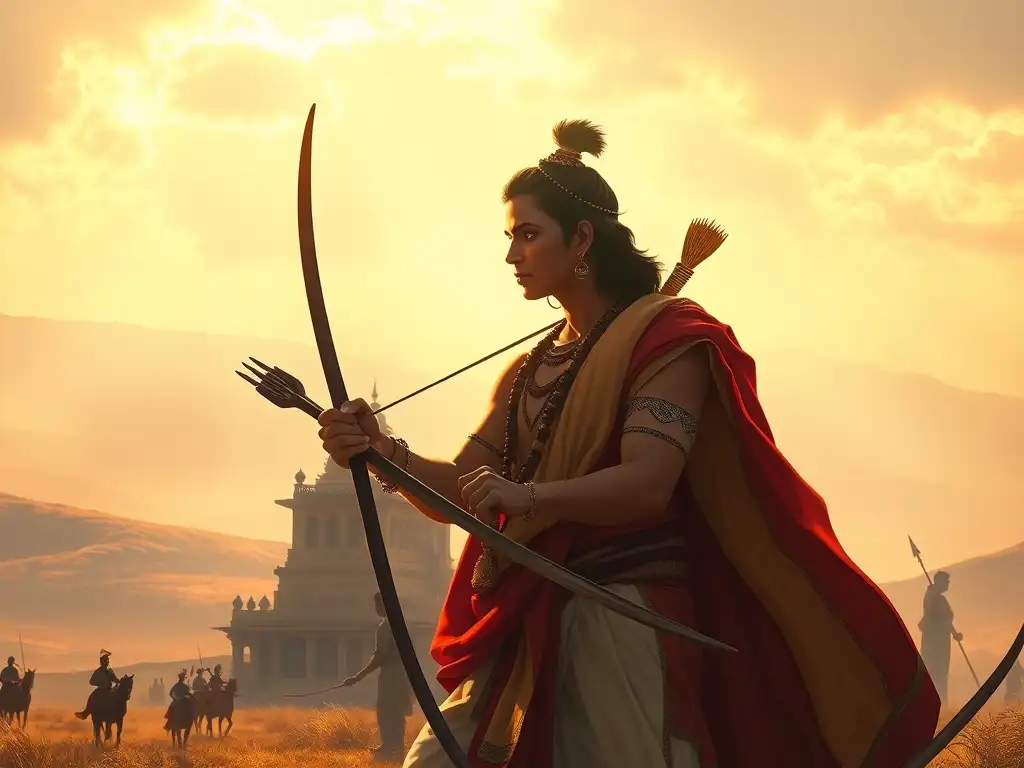
The Bhagavad Gita, a central part of the Mahabharata, explores the concept of dharma in profound depth. It presents dharma as an essential guiding principle that governs individual conduct and societal norms. Through the dialogue between Prince Arjuna and Lord Krishna, the Gita elucidates the complexities of duty, righteousness, and moral dilemmas faced in life. It emphasizes that dharma is not a rigid set of rules but a fluid concept that must be interpreted in the context of one’s circumstances, responsibilities, and the greater good.
Krishna advocates for the performance of one's duty (karma) without attachment to the results, a principle known as Nishkama Karma. This teaching encourages individuals to engage in righteous actions in accordance with their dharma, irrespective of the outcomes. The Gita's teachings on dharma affirm the importance of selfless action, compassion, and a commitment to justice, providing a timeless moral framework that resonates with both ancient and contemporary audiences.
Krishna's Guidance on Righteous Action
Krishna's guidance in the Bhagavad Gita is pivotal for understanding the essence of dharma. He urges Arjuna to rise above his doubts and fears, emphasizing that a warrior's duty is to fight for righteousness. Krishna teaches that true dharma is aligned with the cosmic order (rita) and serves the greater good of society. He stresses the importance of intention behind actions, advocating that one should act according to their dharma while maintaining a spirit of detachment from the fruits of those actions.
Krishna's teachings illustrate the nuances of dharma, asserting that it is not a one-size-fits-all doctrine. For instance, the dharma of a warrior differs fundamentally from that of a sage or a merchant. This tailored approach allows individuals to navigate the moral complexities of their lives with wisdom and discernment, reinforcing the idea that righteousness should prevail even amidst chaos.
The Relevance of the Gita's Philosophy in Modern Times
The philosophy of dharma articulated in the Bhagavad Gita remains remarkably relevant in today's world. In an era characterized by rapid change and ethical ambiguities, the Gita offers timeless wisdom on moral integrity and personal responsibility. Its teachings encourage individuals to reflect on their duties in various roles—whether as parents, leaders, or citizens—promoting a sense of accountability and ethical conduct.
Moreover, the Gita’s emphasis on selfless action resonates with contemporary movements advocating for social justice, environmental sustainability, and corporate responsibility. By inspiring individuals to act with integrity and compassion, the teachings of the Gita foster a more equitable and harmonious society, echoing the same values that were foundational to ancient Indian civilization.
The Impact of Dharma on Society and Governance
Dharma has played a crucial role in shaping societal norms and governance throughout Indian history. It serves as a moral compass, guiding rulers and citizens alike towards ethical behavior and just governance. The principles derived from dharma influence not only personal conduct but also the larger framework of laws and societal expectations, creating a cohesive and just society.
Historically, the concept of dharma was integral to the functioning of the state, with rulers expected to uphold dharma in their decisions and policies. This expectation ensured that governance was not merely a matter of power but was infused with a sense of responsibility towards the populace. Thus, the impact of dharma extends beyond individual morality, influencing the very fabric of society.
Dharma as a Blueprint for Ethical Leadership
Dharma serves as a blueprint for ethical leadership, emphasizing the need for leaders to embody righteousness and justice. Leaders are expected to prioritize the welfare of their subjects, ensuring that their actions reflect the values of integrity, fairness, and compassion. Historical texts, including the Arthashastra, highlight the importance of dharma in governance, suggesting that a ruler's legitimacy is derived from their commitment to justice and ethical conduct.
In modern governance, the principles of dharma can guide leaders in making decisions that benefit society as a whole. Ethical leadership rooted in dharma promotes transparency, accountability, and service to the community, fostering trust and cooperation between the government and its citizens. This approach not only enhances the effectiveness of governance but also contributes to social harmony and stability.
The Role of Dharma in Justice and Law
Dharma plays a fundamental role in shaping concepts of justice and law in ancient Indian society. The ancient texts articulate that law must align with the principles of dharma to be considered just. This alignment ensures that the legal system reflects moral values and promotes the welfare of all individuals, rather than serving the interests of a select few.
In the context of the Mahabharata, the conflict between the Pandavas and Kauravas illustrates the complexities of dharma in legal matters. The war itself is depicted as a struggle to restore dharma, showcasing how legal disputes are often intertwined with moral dilemmas. Thus, the Mahabharata presents a nuanced understanding of justice, one that prioritizes ethical considerations alongside legal frameworks, highlighting the need for a harmonious balance between law and morality.
Overall, the enduring significance of dharma in justice and law underscores its vital role in creating a society that values righteousness, fairness, and the common good.
Conclusion: The Enduring Legacy of Dharma in the Mahabharata
The concept of Dharma in the Mahabharata is not merely a narrative device; it serves as a fundamental moral compass that guides characters through the complexities of life and conflict. As the epic unfolds, Dharma emerges as a multifaceted principle, shaping actions and decisions while embodying righteousness, duty, and ethical behavior. The lessons derived from the Mahabharata resonate through the ages, highlighting the timeless struggle between right and wrong, and the intricate balance one must maintain in pursuit of justice.
The enduring legacy of Dharma is evident in how it continues to influence contemporary moral and ethical discussions. The dilemmas faced by characters like Arjuna and Yudhishthira reflect universal human experiences, making the teachings of the Mahabharata relevant across generations. This epic fosters a deeper understanding of moral complexities, encouraging individuals to reflect on their own duties and responsibilities in the context of society.
Dharma as a Moral Compass for Humanity
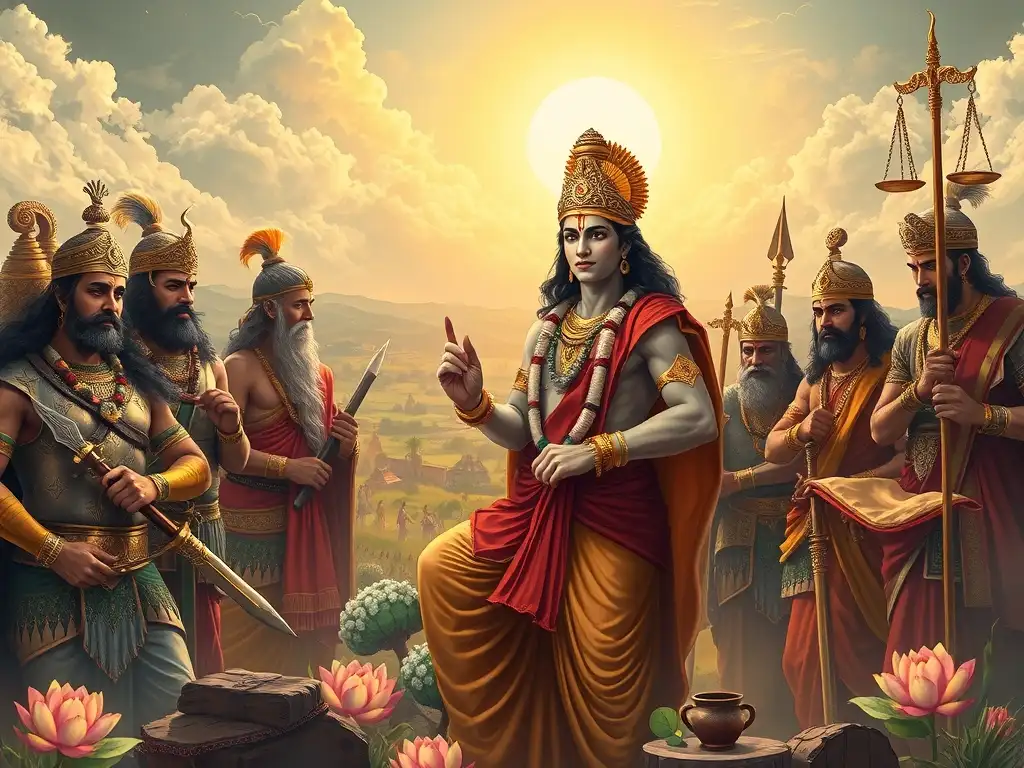
Dharma acts as a moral compass in the Mahabharata, guiding both the protagonists and antagonists through their struggles and choices. It is portrayed as an intrinsic aspect of human existence, defined by one's role in society, relationships, and personal integrity. The epic illustrates various dimensions of Dharma, demonstrating that it is not a one-size-fits-all concept but rather a nuanced framework that adapts to specific circumstances.
For instance, Arjuna's initial reluctance to fight in the Kurukshetra War embodies the conflict between personal desires and societal obligations. His eventual acceptance of his Kshatriya duty reflects adherence to Dharma, reinforcing the idea that moral responsibilities can sometimes conflict with personal ethics. This complexity allows readers to engage with the characters on a deeper level, fostering empathy and understanding of the moral dilemmas they face.
Moreover, the Mahabharata emphasizes that Dharma is not static; it evolves with context and intention. The characters' struggles with their duties illustrate that ethical decision-making often involves navigating gray areas, where the right choice is not always clear-cut. This portrayal encourages individuals to contemplate their own moral choices, making Dharma a relevant and vital aspect of human experience.
Reflections on the Relevance of the Mahabharata's Teachings Today
The teachings of the Mahabharata regarding Dharma continue to resonate in modern society, offering insights into contemporary moral dilemmas. Issues such as justice, integrity, and the balance between personal ambition and societal welfare are as pertinent today as they were in ancient times. The epic's exploration of the consequences of actions—both good and bad—serves as a reminder of the long-lasting impact of our choices.
Furthermore, the Mahabharata invites individuals to engage in self-reflection and critical thinking about their responsibilities within various contexts, whether familial, social, or professional. The teachings encourage an understanding that one's duty may require sacrifices or difficult decisions, promoting a culture of accountability and ethical leadership.
In today's fast-paced world, where ethical standards are often challenged, the lessons of Dharma from the Mahabharata provide a framework for navigating the complexities of modern life. This legacy emphasizes the importance of grounding one's actions in morality, highlighting that the pursuit of Dharma can lead to a more just and harmonious society.
References and Further Reading
Suggested Books on Mahabharata and Dharma
-
The Mahabharata: A Modern Rendering by Ramesh Menon
This retelling of the Mahabharata offers a contemporary perspective while remaining faithful to the original epic's teachings, making it accessible to a modern audience.
-
Mahabharata: The Greatest Spiritual Epic of All Time by Swami Tejomayananda
This book delves into the philosophical aspects of the Mahabharata, focusing on the spiritual and moral lessons of Dharma that are relevant to everyday life.
-
The Essence of the Mahabharata by K. S. Shukla
An analytical approach to the epic, exploring the themes of Dharma and ethical decision-making in the context of its historical and cultural significance.
Articles and Journals for In-Depth Study of Epic Literature
-
"The Concept of Dharma in Indian Philosophy" by R. M. Desai
This article explores the broader philosophical implications of Dharma, including its origins and evolution within Indian literature.
-
"Moral Dilemmas in the Mahabharata" published in the Journal of Indian Philosophy
An academic analysis of the ethical conflicts presented within the Mahabharata, highlighting the significance of these dilemmas in understanding human morality.
-
"Epic Narratives and Ethics: The Mahabharata's Lessons for Contemporary Society" in Literature and Society
This journal article examines the relevance of the Mahabharata's teachings on Dharma in addressing modern ethical challenges.
- Introduction to Dharma in the Mahabharata
- The Concept of Dharma in Ancient Indian Philosophy
- Key Characters and Their Representation of Dharma
- Major Themes Related to Dharma in the Mahabharata
- The Teachings of the Bhagavad Gita on Dharma
- The Impact of Dharma on Society and Governance
- Conclusion: The Enduring Legacy of Dharma in the Mahabharata
- Dharma as a Moral Compass for Humanity
- Reflections on the Relevance of the Mahabharata's Teachings Today
- References and Further Reading
- What is Dharma in the Mahabharata?
- How does the concept of Dharma influence the characters in the Mahabharata?
- Why is Dharma considered a moral compass in the Mahabharata?
- How does the Mahabharata depict the consequences of ignoring Dharma?
- Can the lessons of Dharma in the Mahabharata be applied to modern life?
Frequently Asked Questions
What is Dharma in the Mahabharata?
Dharma refers to the moral and ethical duties governed by one's role in society, emphasizing righteousness and justice throughout the epic narrative of the Mahabharata.
How does the concept of Dharma influence the characters in the Mahabharata?
The characters in the Mahabharata often face complex dilemmas where they must interpret their Dharma, leading to conflicts and critical decisions that shape the course of the story.
Why is Dharma considered a moral compass in the Mahabharata?
Dharma serves as a guiding principle that helps characters navigate personal and societal challenges, reinforcing the idea that moral actions are essential for humanity's progress.
How does the Mahabharata depict the consequences of ignoring Dharma?
The Mahabharata illustrates that neglecting Dharma can lead to chaos, suffering, and destruction, as seen in the devastating outcomes of the Kurukshetra War.
Can the lessons of Dharma in the Mahabharata be applied to modern life?
Absolutely! The teachings of Dharma in the Mahabharata provide timeless insights into ethics and responsibility, encouraging individuals to reflect on their choices and impact on society.
Final Reflection: The Enduring Legacy of Dharma in the Mahabharata
The concept of Dharma in the Mahabharata serves as a timeless moral compass, guiding humanity through the complexities of ethical dilemmas and societal responsibilities. In today's world, where moral ambiguity often clouds our judgment, the teachings of this ancient epic resonate profoundly, reminding us that our choices define not only our character but also the fabric of society itself. The Mahabharata's exploration of Dharma challenges us to navigate our paths with integrity and purpose, highlighting that the quest for righteousness is as relevant now as it was in ancient times.
Cultural narratives continue to shape our understanding of morality, and the Mahabharata stands as a monumental testament to this influence. The epic's characters grapple with profound ethical questions, reflecting the struggles we face in our own lives. As we witness the ongoing relevance of these dilemmas, we are reminded of the words of Mahatma Gandhi: The Mahabharata is a great book of life. It teaches us how to live.
This sentiment underscores the importance of Dharma as a guiding principle, urging us to engage with our moral responsibilities and the consequences of our actions in a world that often feels chaotic and uncertain.
As we reflect on the teachings of the Mahabharata, let us embrace the call to embody Dharma in our daily lives. Consider how you can apply these timeless lessons to your own journey, fostering a sense of responsibility and compassion in your interactions with others. The path of Dharma is not merely an ancient ideal; it is a living practice that can transform our communities and ourselves. Together, let us strive to be the bearers of this legacy, ensuring that the moral compass of the Mahabharata continues to illuminate our way forward.
Embrace Your Dharma: Take Action Today!
Thank you for taking the time to explore the profound insights of Dharma within the Mahabharata! By delving into this ancient narrative, you’ve uncovered invaluable lessons that resonate with humanity's moral journey. Now, it’s time to transform those insights into meaningful action.
Here’s how you can engage with the wisdom of Dharma:
- Reflect on your own values: Take a moment to identify the principles that guide your life. Consider what Dharma means to you personally. Journaling your thoughts can provide deeper clarity.
- Share your insights: Discuss the significance of Dharma with friends or family. Initiate a conversation that encourages others to reflect on their own moral compass and values.
- Explore further: Dive deeper into the Mahabharata by choosing a character or scenario that resonates with you. Think about how their choices can inspire your own actions in today’s world.
What steps are you willing to take today to align your life more closely with your understanding of Dharma?