
The Spiritual Practices Inspired by the Mahabharata: A Guide to Modern Practitioners


Welcome to Ancient India History, where we embark on an enlightening journey through the captivating tapestry of ancient Indian civilizations. Here, you will uncover the spiritual practices from the Mahabharata, a profound epic that not only shapes the spiritual landscape of India but also offers timeless wisdom for modern practitioners.
As we delve into the intricate connections between ancient traditions and contemporary life, prepare to be inspired by the rich culture and contributions that have stood the test of time. Join us as we explore the depths of this epic literature and discover how its teachings can illuminate your path today!
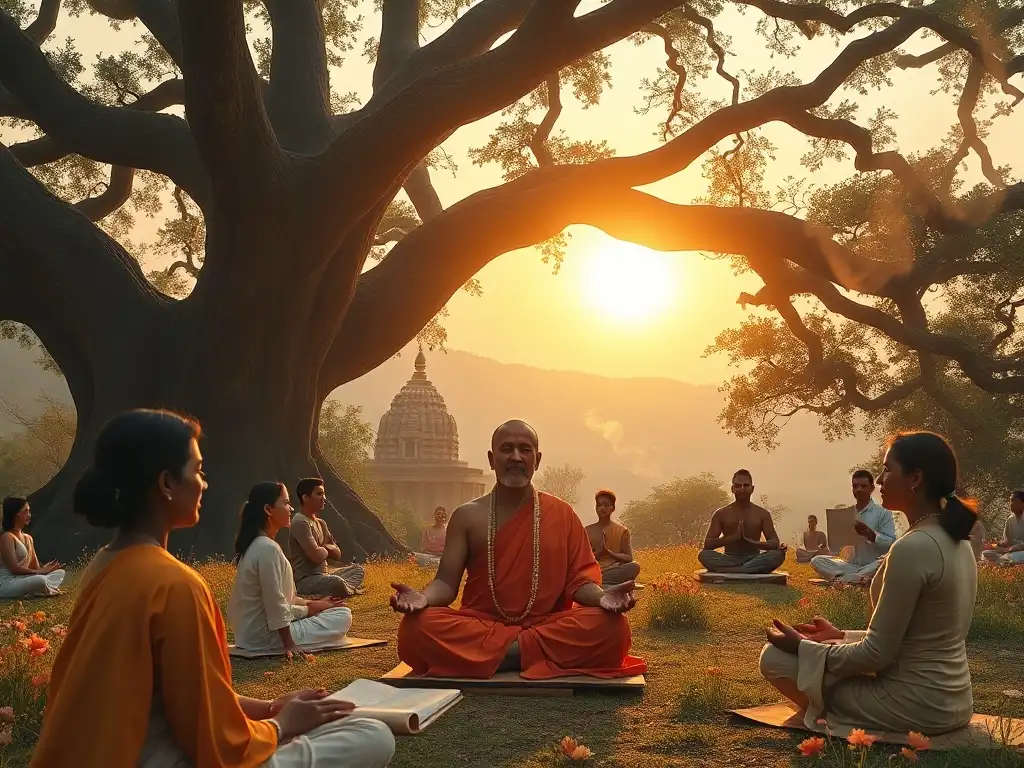
Introduction to Spiritual Practices from the Mahabharata
The Mahabharata, one of the longest and most revered epics in Indian literature, offers profound insights into the spiritual practices that continue to resonate with modern practitioners. This ancient text, rich in philosophical teachings and moral dilemmas, serves as a guide for those seeking to navigate the complexities of life through spiritual wisdom. From its narratives of duty to the exploration of devotion, the spiritual practices from the Mahabharata not only reflect the values of ancient Indian civilization but also provide timeless lessons applicable to contemporary life.
As we delve into the spiritual themes encapsulated in this epic, we will uncover how they can inform and inspire modern spiritual journeys, bridging the past with the present.
Overview of the Mahabharata and Its Significance
The Mahabharata narrates the story of the Kurukshetra War between the Pandavas and Kauravas, intertwining the lives of its characters with complex moral and ethical dilemmas. Beyond its historical narrative, the epic is a treasure trove of spiritual wisdom, featuring characters like Krishna, who embody divine principles and offer guidance on how to live a life of righteousness.
Key aspects of the Mahabharata include:
- Philosophical Discourses: Dialogues that explore profound spiritual concepts.
- Moral Lessons: Stories that highlight the importance of virtues such as truth, honor, and justice.
- Diverse Characters: Figures who represent various paths of spirituality, allowing for a multifaceted understanding of human experience.
The Relevance of Ancient Texts in Modern Spirituality
In an age where modernity often overshadows tradition, the teachings of the Mahabharata remain remarkably relevant. These ancient texts encourage individuals to reflect on their own lives, providing frameworks for ethical decision-making, personal growth, and spiritual development.
Modern spiritual practitioners can draw upon the Mahabharata for:
- Guidance in Ethical Dilemmas: Understanding the complexities of duty and righteousness in contemporary contexts.
- Inspiration for Devotion: Cultivating a personal relationship with the divine through practices rooted in the text.
- Insight into Human Nature: Learning from the diverse experiences and choices of the characters within the epic.
Key Spiritual Themes in the Mahabharata
The Mahabharata encapsulates several key spiritual themes that continue to inspire practitioners today. These themes serve as guiding principles for navigating life’s challenges and understanding one's place in the universe.
Dharma: The Concept of Duty and Righteousness
Dharma, or duty, is a central theme in the Mahabharata, emphasizing the importance of moral integrity and ethical conduct. The text illustrates how characters grapple with their responsibilities, often facing difficult choices that test their commitment to righteousness.
Key points regarding Dharma include:
- Personal Responsibility: Each individual must understand and fulfill their unique role in society.
- Moral Complexity: The narrative acknowledges the often ambiguous nature of right and wrong, urging practitioners to reflect deeply on their choices.
- Balance in Life: Dharma encourages a balanced approach to personal desires and societal obligations.
Bhakti: The Path of Devotion to God
Bhakti, or devotion, is beautifully portrayed in the Mahabharata, particularly through the character of Krishna, who embodies divine love and guidance. The text illustrates how devotion can lead to spiritual liberation and fulfillment.
Aspects of Bhakti include:
- Personal Connection: Encouraging a heartfelt relationship with the divine, transcending ritualistic practices.
- Surrender and Faith: Highlighting the importance of trust in divine wisdom and the power of surrendering to God’s will.
- Expressions of Love: Demonstrating how devotion manifests in various forms, from prayer to service.
Karma: Understanding Action and Consequences
Karma, the law of cause and effect, is intricately woven into the narratives of the Mahabharata. It teaches that every action has consequences, shaping the lives of individuals and influencing their spiritual journeys.
Key elements of Karma include:
- Awareness of Actions: Encouraging mindfulness in thoughts, words, and deeds.
- Long-term Perspective: Understanding that the effects of actions may unfold over time, influencing future experiences.
- Empowerment through Choice: Emphasizing that individuals have the power to choose their actions, shaping their destinies.
Through these spiritual themes, the Mahabharata not only offers a profound understanding of life’s complexities but also serves as a practical guide for modern practitioners seeking spiritual growth and fulfillment.
Major Spiritual Practices Derived from the Mahabharata
The Mahabharata, one of the longest epics in world literature, is not just a narrative of conflict but a treasure trove of spiritual wisdom and practices. The teachings and stories encapsulated within its verses have inspired countless spiritual practices that resonate deeply with modern practitioners. Central to these practices are themes of dharma (righteousness), karma (action and consequence), and devotion. These concepts encourage individuals to live ethically, engage in self-improvement, and cultivate a deeper understanding of life's purpose.
Among the prominent spiritual practices derived from the Mahabharata are meditation, rituals, storytelling, and communal activities. Each of these practices provides unique pathways for self-exploration and spiritual growth, enabling practitioners to connect with the teachings of the epic on a personal level. The emphasis on introspection, moral duty, and the interplay between fate and free will found in the Mahabharata continues to resonate, guiding followers toward holistic living.
Meditation Techniques Inspired by Mahabharata Characters
Meditation practices inspired by the Mahabharata often draw on the profound wisdom of its characters. For instance, Arjuna’s dilemmas and his eventual realization of his duty (dharma) can inspire practitioners to engage in meditative practices that focus on duty and ethical decision-making. Techniques such as mindfulness meditation can help individuals reflect on their actions and intentions, allowing them to cultivate a sense of purpose akin to Arjuna’s transformation on the battlefield.
Moreover, the character of Vyasa, the sage who authored the Mahabharata, emphasizes the necessity of quiet contemplation. Practitioners often adopt techniques that involve visualizations—imagining themselves in the presence of Vyasa, seeking guidance and clarity. This not only enhances their focus but also fosters a connection with the wisdom of the epic. The practice of bhakti meditation (devotional meditation) can also be utilized, where practitioners chant mantras or prayers inspired by the epic, connecting emotionally and spiritually with the divine.
Rituals and Offerings in the Context of the Epic
Rituals and offerings play a significant role in the spiritual practices derived from the Mahabharata. The epic itself is rich with instances of rituals, from the grand Rajasuya Yagna performed by Yudhishthira to the intimate rituals of prayer and devotion exhibited by various characters. Modern practitioners often recreate these rituals in their own lives as a form of homage to the teachings of the Mahabharata.
Common practices include puja (worship) that involves offerings of flowers, fruits, and incense to deities mentioned in the epic, fostering a sense of gratitude and connection to the divine. Additionally, practitioners may engage in commemorative rituals on significant dates, such as Dussehra, which celebrates the victory of good over evil, mirroring the overarching themes of the Mahabharata. These rituals not only serve to honor the epic’s teachings but also to create a sense of community and shared purpose among participants.
Storytelling and Its Role in Spiritual Growth
Storytelling is an ancient practice that finds a prominent place in the transmission of spiritual knowledge, and the Mahabharata stands as a quintessential example. The narratives within the epic are not merely tales but vehicles for moral and spiritual lessons. Modern practitioners utilize storytelling as a method of reflection and personal growth, allowing the characters’ journeys to resonate with their own life experiences.
Engaging in Satsang (truthful company) where stories from the Mahabharata are shared creates an environment for discussion and reflection. This practice encourages listeners to draw parallels between the epic’s moral dilemmas and their personal challenges, facilitating deeper understanding and spiritual introspection. By recounting stories of valor, sacrifice, and wisdom, practitioners can inspire growth and transformation within themselves and their communities.
Case Studies of Modern Practitioners
Individual Experiences: Transformative Journeys through Mahabharata Teachings
Many individuals have reported transformative experiences by integrating the spiritual teachings of the Mahabharata into their lives. For example, a practitioner may recount how studying the character of Draupadi, facing adversity with resilience, empowered them to confront their own life challenges. This engagement can lead to personal revelations about the nature of strength, dignity, and perseverance.
Another common narrative involves practitioners who, through the lens of Arjuna’s teachings, have learned to embrace their responsibilities in personal and professional spheres. By applying the principles of dharma, individuals find themselves making more ethical choices, leading to enhanced relationships and a profound sense of fulfillment. These personal stories underscore the epic's relevance and its capacity to inspire dynamic changes in contemporary life.
Community Practices: Group Meditations and Discussions
Community engagement is vital in spiritual practices inspired by the Mahabharata. Group meditations and discussions allow practitioners to come together, share insights, and deepen their understanding of the epic's teachings. These gatherings often facilitate a collective exploration of the epic's themes, such as duty, morality, and spirituality.
Group meditations centered around specific characters or events from the Mahabharata create a shared space for reflection and connection. Participants may engage in guided meditations that involve visualizing significant scenes from the epic, fostering a collective sense of purpose and unity. Additionally, regular discussion groups focusing on different chapters or verses encourage members to delve into the text, sharing interpretations and personal experiences, thus enriching their spiritual journey as a community.
Ultimately, these communal practices not only reinforce individual growth but also create a supportive environment where collective wisdom can flourish, embodying the spirit of the Mahabharata in modern contexts.
Integrating Mahabharata Teachings into Daily Life
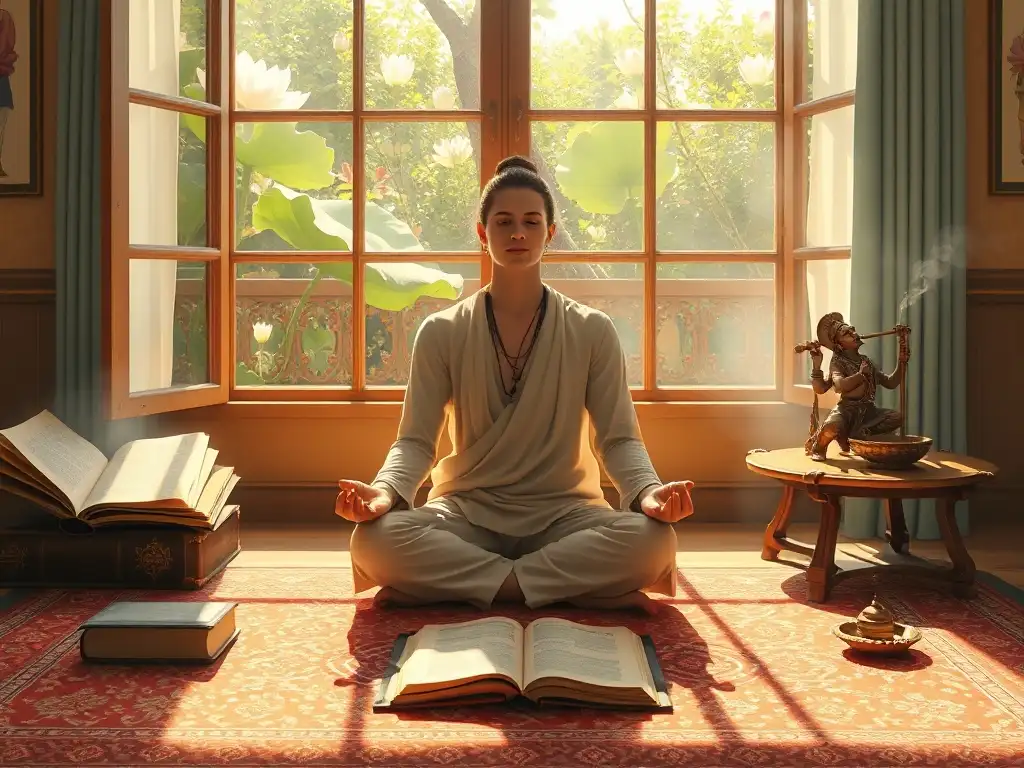
The Mahabharata, one of the most significant epics in Indian literature, offers profound insights into human nature, ethics, and spirituality. Integrating its teachings into daily life can foster personal growth and enhance one's spiritual journey. By reflecting on the values presented in the epic, individuals can align their actions with the principles of dharma (righteousness) and cultivate a more meaningful existence.
To start integrating these teachings, individuals can engage in daily reflections on the stories and characters of the Mahabharata. For instance, contemplating the virtues of figures like Yudhishthira, who exemplifies truth and righteousness, can inspire one to act with integrity in everyday situations. Additionally, setting aside time for meditation on the themes of the Mahabharata can deepen understanding and promote mindfulness, helping to create a balanced life that resonates with the wisdom of the epic.
Practical Applications of Dharma in Modern Society
The concept of dharma, or duty, is central to the Mahabharata and remains relevant in contemporary society. Applying this principle involves recognizing one's responsibilities towards family, community, and the environment. Modern practitioners can embody dharma by making ethical choices in their personal and professional lives, promoting justice, and contributing positively to society.
For example, in the workplace, practitioners can strive to create an inclusive environment that values teamwork and fairness, reflecting the principles of dharma. Similarly, involvement in community service projects can serve as a practical application of dharma, allowing individuals to fulfill their social responsibilities while fostering a sense of unity and compassion among diverse groups.
Cultivating Bhakti through Daily Rituals and Prayers
Bhakti, or devotion, is a significant spiritual practice derived from the Mahabharata that can be cultivated through daily rituals and prayers. Engaging in these practices not only strengthens the connection to the divine but also enhances emotional well-being. Modern practitioners can establish a routine that includes morning prayers, chanting of mantras, or offering gratitude to deities depicted in the epic, such as Krishna, who plays a pivotal role in guiding the characters throughout their journeys.
Creating a sacred space at home dedicated to these rituals can foster a sense of peace and spirituality. Additionally, participating in group prayers or community gatherings can enrich the experience of bhakti, allowing practitioners to share their devotion and strengthen bonds with others who share similar values.
Karma Yoga: Engaging in Selfless Action
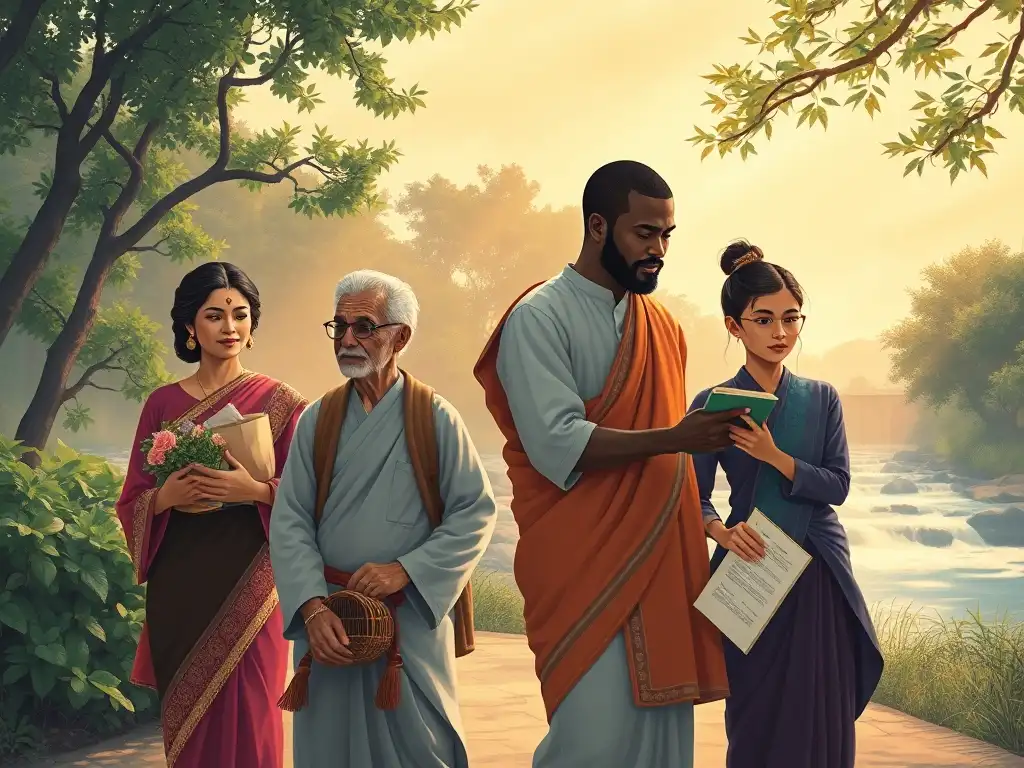
Karma Yoga, the path of selfless action, is a fundamental teaching from the Mahabharata that encourages individuals to act without attachment to the fruits of their labor. This spiritual practice emphasizes the importance of performing one's duty with dedication while surrendering the outcomes to a higher power. In today’s context, this can translate to engaging in work or volunteer efforts motivated by a desire to help others, rather than seeking personal gain.
Practitioners can integrate Karma Yoga into their daily lives by focusing on the intention behind their actions. Whether in professional settings or personal relationships, choosing to serve others selflessly can lead to a more fulfilled and meaningful existence. This approach not only promotes inner peace but also contributes to the greater good, resonating with the values taught in the Mahabharata.
Challenges and Misunderstandings Regarding Spiritual Practices
Despite the rich teachings of the Mahabharata, practitioners often face challenges and misunderstandings regarding its spiritual practices. Misinterpretations can lead to a superficial understanding of the teachings, hindering genuine spiritual growth. It is essential for individuals to approach the epic with an open heart and a willingness to explore its depths, recognizing the complexity and nuance of its messages.
Furthermore, the modern reinterpretation of these ancient practices can sometimes lead to a dilution of their significance. To navigate these challenges, it is crucial to engage with knowledgeable sources, such as scholars or experienced practitioners, who can provide context and insights into the spiritual practices inspired by the Mahabharata.
Common Misconceptions about Mahabharata Spirituality
One of the most prevalent misconceptions about Mahabharata spirituality is that it solely focuses on duty and righteousness without considering individual emotional experiences and personal struggles. In reality, the epic addresses the complexities of human emotions, relationships, and moral dilemmas, highlighting that spirituality is not just about adhering to strict codes of conduct but also about understanding and navigating life's challenges.
Another common misunderstanding is the belief that the teachings of the Mahabharata are outdated and irrelevant to modern life. However, the core principles of love, duty, compassion, and justice remain timeless and can be applied to contemporary issues. By recognizing the epic's relevance, practitioners can draw valuable lessons that resonate with current societal dynamics.

As the teachings of the Mahabharata gain popularity worldwide, concerns regarding cultural appropriation arise. It is essential for modern practitioners to approach these spiritual practices with respect and sensitivity, acknowledging their origins and the cultural context from which they emerge. Engaging with the Mahabharata should not be merely about adopting practices but rather about understanding and honoring the rich heritage and traditions associated with the epic.
Practitioners can navigate these complexities by educating themselves about the cultural significance of the practices they wish to adopt. Collaborating with and learning from those who are part of the tradition can foster a deeper appreciation and ensure that the practices are honored appropriately. This commitment to cultural respect can lead to a more authentic and enriching spiritual experience, aligning with the true essence of the Mahabharata.
Conclusion: Embracing the Spiritual Wisdom of the Mahabharata
The Mahabharata serves as a profound source of spiritual wisdom that resonates with practitioners seeking to deepen their understanding of life, morality, and the universe. Its teachings encompass a wide range of spiritual practices, including meditation, selfless service (Seva), and the pursuit of dharma, providing frameworks that modern practitioners can integrate into their daily lives.
By embracing these spiritual lessons, individuals can cultivate a more meaningful existence, fostering inner peace and a greater connection to the world around them. The epic encourages us to reflect on our choices, relationships, and responsibilities, ultimately guiding us toward a holistic understanding of our spiritual journey.
The Lasting Impact of Mahabharata on Contemporary Spirituality
The influence of the Mahabharata on contemporary spirituality cannot be overstated. Its narratives and philosophical discourses have shaped various spiritual movements, encouraging individuals to explore their inner selves and engage with their communities. Concepts such as karma, dharma, and the importance of righteous action remain relevant today, inspiring countless followers to practice mindfulness and ethical living.
Additionally, the epic's characters, such as Arjuna and Krishna, embody timeless dilemmas faced by individuals, inviting readers to draw parallels with their own lives. This enduring relevance ensures that the teachings of the Mahabharata will continue to inspire future generations in their spiritual endeavors.
Encouragement for Continued Exploration of Ancient Texts
Engaging with ancient texts like the Mahabharata not only enriches personal spiritual practices but also fosters a deeper appreciation for the cultural and historical contexts from which they arise. Practitioners are encouraged to delve into the complexities of these texts, understanding their multifaceted narratives and the wisdom they offer. By exploring the Mahabharata and other ancient scriptures, individuals can uncover insights that address contemporary challenges and enhance their spiritual journeys. This exploration can lead to transformative experiences, nurturing both personal growth and a broader understanding of humanity's spiritual heritage.
Additional Resources for Further Study
To further immerse oneself in the spiritual practices inspired by the Mahabharata, a variety of resources are available. These resources can deepen understanding and provide practical tools for integrating the epic's teachings into modern life.
Recommended Books and Articles on Mahabharata Spiritual Practices
-
The Mahabharata: A Modern Rendering by Ramesh Menon
A contemporary retelling of the epic that maintains its spiritual essence while making it accessible to modern readers.
-
The Essence of the Mahabharata by Swami Sivananda
This work distills the core spiritual teachings of the Mahabharata, providing insights into its moral and philosophical dimensions.
-
Mahabharata: The Greatest Story Ever Told by Peter Brook
An exploration of the Mahabharata through the lens of theater, highlighting its universal themes and spiritual lessons.
-
Dharma: Understanding the Mahabharata by Sushma Gupta
This book delves into the concept of dharma as portrayed in the Mahabharata, offering practical applications for contemporary readers.
Online Courses and Workshops for Deepening Understanding
-
Online Course: The Spiritual Lessons of the Mahabharata
Offered by various educational platforms, this course explores the spiritual themes within the Mahabharata and their relevance today.
-
Workshop: Practicing Dharma in Daily Life
Interactive workshops that focus on applying the principles of dharma from the Mahabharata to everyday situations.
-
Webinar Series: Characters of the Mahabharata and Their Spiritual Journeys
A series of webinars featuring experts discussing the spiritual journeys of key characters in the Mahabharata and their teachings.
By utilizing these resources, practitioners can enhance their understanding of the spiritual practices from the Mahabharata, integrating its wisdom into their lives for a more profound and meaningful spiritual experience.
- Introduction to Spiritual Practices from the Mahabharata
- Key Spiritual Themes in the Mahabharata
- Major Spiritual Practices Derived from the Mahabharata
- Case Studies of Modern Practitioners
- Integrating Mahabharata Teachings into Daily Life
- Practical Applications of Dharma in Modern Society
- Cultivating Bhakti through Daily Rituals and Prayers
- Karma Yoga: Engaging in Selfless Action
- Challenges and Misunderstandings Regarding Spiritual Practices
- Common Misconceptions about Mahabharata Spirituality
- Navigating Cultural Appropriation in Spiritual Practices
- Conclusion: Embracing the Spiritual Wisdom of the Mahabharata
- Additional Resources for Further Study
- What are the spiritual practices mentioned in the Mahabharata?
- How can modern practitioners apply the teachings of the Mahabharata?
- What role does meditation play in the Mahabharata?
- Are there any specific rituals from the Mahabharata that are still practiced today?
- How has the Mahabharata influenced other spiritual traditions?
Frequently Asked Questions
What are the spiritual practices mentioned in the Mahabharata?
The Mahabharata encompasses various spiritual practices, including meditation, yoga, and rituals, which are designed to enhance one's connection with the divine and foster inner peace.
How can modern practitioners apply the teachings of the Mahabharata?
Modern practitioners can integrate lessons of duty (dharma), selflessness, and devotion into their daily lives, promoting a holistic approach to spirituality and personal growth.
What role does meditation play in the Mahabharata?
Meditation is emphasized as a means to achieve mental clarity, cultivate self-awareness, and connect with the universal consciousness, reflecting the ancient wisdom found in the text.
Are there any specific rituals from the Mahabharata that are still practiced today?
Yes, many rituals such as puja and yajna continue to be practiced today, often drawing inspiration from the Mahabharata to promote spiritual growth and community bonding.
How has the Mahabharata influenced other spiritual traditions?
The Mahabharata has profoundly shaped various spiritual traditions in India, influencing Hindu philosophy, ethics, and even modern psychology, showcasing its timeless relevance in spiritual discourse.
Final Reflection: Embracing Spiritual Practices from the Mahabharata for Modern Life
In today's fast-paced world, the spiritual practices from the Mahabharata resonate more than ever, offering timeless wisdom that transcends generations. As we navigate the complexities of modern existence, the teachings embedded within this ancient epic provide a roadmap for personal growth, ethical living, and deeper connections with ourselves and others. The Mahabharata is not just a story of conflict and resolution; it is a profound exploration of the human experience, reminding us that our spiritual journeys are as relevant today as they were thousands of years ago.
The influence of the Mahabharata on our cultural and social landscape is undeniable, shaping our understanding of duty, righteousness, and the pursuit of truth. As we engage with these spiritual practices, we find ourselves part of a larger narrative that encourages introspection and communal harmony. The teachings inspire us to cultivate virtues like compassion and resilience, which are essential in our contemporary lives. The greatest warrior is not the one who wins battles, but the one who conquers himself.
This quote encapsulates the essence of the Mahabharata's teachings, urging us to look inward and strive for self-mastery in our daily lives.
As we reflect on the lessons drawn from the Mahabharata, I invite you to explore how these spiritual practices can be woven into your own life. Consider setting aside time for meditation, self-reflection, or community service—each a step toward embodying the values of this ancient text. Let the wisdom of the Mahabharata guide you in your personal journey, encouraging you to live with intention and purpose. Together, we can honor these teachings and create a more compassionate world, one mindful action at a time.
Unleash Your Spiritual Journey Today!
Thank you for taking the time to explore the profound spiritual practices inspired by the Mahabharata. We hope you’ve gained invaluable insights that can enrich your modern spiritual journey and deepen your understanding of this ancient text. Now, let's turn that knowledge into action!
Here are a few steps you can take to embark on your spiritual exploration:
- Embrace a daily practice inspired by the characters of the Mahabharata—consider starting with journaling your thoughts or meditating on the lessons you discover each day.
- Share your newfound knowledge! Engage in discussions with friends or join online communities dedicated to ancient wisdom.
- Explore local or virtual workshops that focus on spiritual practices rooted in Indian mythology—this is a wonderful opportunity to connect with like-minded individuals on your transformative path.
Which spiritual practice from the Mahabharata resonates most with you, and how do you plan to incorporate it into your daily life?