
The Connection Between the Indus Valley Civilization and the Aryan Invasion Theory

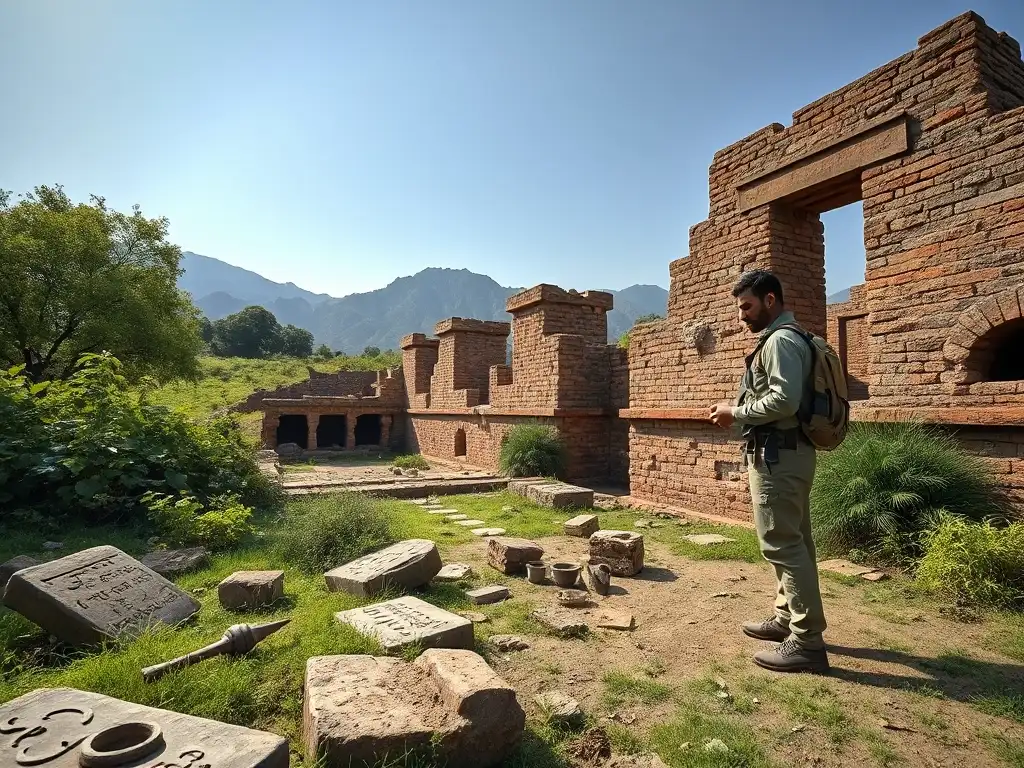
Welcome to Ancient India History, where we embark on a captivating journey through the rich tapestry of ancient Indian civilizations. In this exploration, we delve deep into the Indus Valley Aryan Invasion Theory, an intriguing subject that has sparked debate and curiosity among historians for centuries. What secrets lie beneath the ruins of the Indus Valley, and how do they connect to the narratives of the Aryans?
Join us as we unravel these fascinating connections and discover the profound impacts of these early societies on the cultural landscape of India. Your adventure into the depths of history begins here—let's uncover the mysteries together!
Introduction to the Indus Valley Civilization
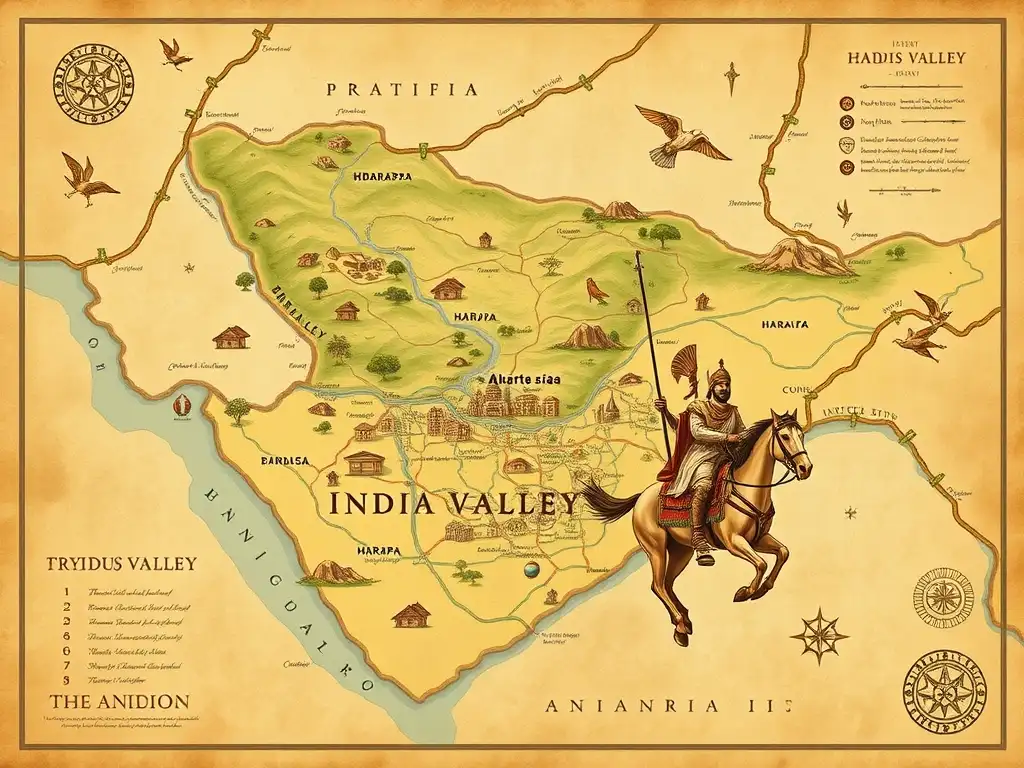
The Indus Valley Civilization, one of the world's oldest urban cultures, flourished around 2500 BCE in what is now modern-day Pakistan and northwest India. It is renowned for its sophisticated city planning, advanced drainage systems, and impressive architecture. As we explore the intricate relationship between this remarkable civilization and the Aryan Invasion Theory, we delve into a pivotal moment in ancient Indian history that continues to generate scholarly debate and intrigue.
Understanding the Indus Valley Civilization's contributions and its eventual decline provides crucial insights into the subsequent cultural and demographic shifts that shaped ancient India. Through this examination, we aim to illuminate how these early inhabitants interacted with later groups and the lasting impact of these interactions on the subcontinent's history.
Overview of the Indus Valley Civilization
The Indus Valley Civilization (IVC) emerged around 3300 BCE, peaking between 2500 and 1900 BCE. It is distinguished by its urban centers, such as Harappa and Mohenjo-Daro, which showcase advanced planning and infrastructure. The civilization is marked by:
- Planned cities: Streets laid out in grids, sophisticated drainage systems, and standardized fired bricks.
- Trade networks: Extensive trade connections with neighboring regions, including Mesopotamia and Central Asia.
- Artistic achievements: Intricate jewelry, pottery, and seals that reflect a rich cultural life.
Geographic and Cultural Significance of the Indus Valley
The IVC was strategically located along the Indus River, providing fertile lands for agriculture, which was the backbone of its economy. The region's geography facilitated trade and cultural exchanges with neighboring civilizations. Significant aspects include:
- Agriculture: The fertile land supported crops like wheat, barley, and cotton.
- Cultural diversity: The civilization was home to various communities, contributing to a rich tapestry of cultural practices.
- Urban development: Innovations in urban planning influenced later Indian cities.
Major Achievements of the Indus Valley Civilization
The achievements of the Indus Valley Civilization are manifold and reflect a high level of social organization and technological advancement:
- Urban Planning: Cities like Harappa and Mohenjo-Daro were meticulously planned with public baths, granaries, and warehouses.
- Writing System: The IVC developed a script that remains undeciphered but indicates a complex administration.
- Trade and Economy: Established trade routes and economic systems that facilitated both local and long-distance trade.
Understanding the Aryan Invasion Theory
The Aryan Invasion Theory posits that a group of Indo-European nomadic tribes, referred to as the Aryans, invaded the Indian subcontinent around 1500 BCE, leading to the decline of the Indus Valley Civilization. This theory has been a focal point of historical inquiry and debate.
Definition of the Aryan Invasion Theory
The Aryan Invasion Theory suggests that the arrival of the Aryans, characterized by their distinct language and culture, resulted in significant changes in the social and cultural landscape of the Indian subcontinent. Key elements include:
- Cultural Transformation: The introduction of new languages, religious practices, and social structures.
- Decline of the IVC: The theory posits that the invasion contributed to the decline of the Indus Valley Civilization.
Historical Context of the Aryan Invasion Theory
Emerging in the 19th century, the Aryan Invasion Theory became a dominant narrative in understanding the transition from the IVC to the Vedic period. Important historical contexts include:
- Colonial Perspectives: Early interpretations were often influenced by colonial ideologies, framing the Aryans as superior.
- Linguistic Evidence: The spread of Indo-European languages across North India has been used to support the theory.
Key Proponents and Critiques of the Aryan Invasion Theory
The Aryan Invasion Theory has seen its share of proponents and critics:
- Proponents: Early scholars like Max Müller and others advocated for the theory based on linguistic and cultural comparisons.
- Critics: Modern scholars challenge the invasion narrative, suggesting migration rather than invasion and highlighting the continuity of cultures in the region.
The connection between the Indus Valley Civilization and the Aryan Invasion Theory encapsulates a critical chapter in ancient Indian history, filled with complexity and ongoing debate. Understanding this relationship is essential for grasping the evolution of ancient Indian civilizations and their enduring legacies.
The Interrelationship Between the Indus Valley Civilization and Aryan Invasion Theory
The Indus Valley Civilization (IVC), flourishing around 2500 BCE, was one of the world's earliest urban cultures, characterized by advanced city planning, impressive architecture, and a sophisticated drainage system. In contrast, the Aryan Invasion Theory (AIT) posits that a group of nomadic Indo-European tribes, known as Aryans, invaded the Indian subcontinent around 1500 BCE, leading to the decline of the IVC and the rise of Vedic culture. The interrelationship between these two entities is a subject of ongoing debate among historians and archaeologists.
Supporters of the Aryan Invasion Theory suggest that the arrival of the Aryans brought significant cultural changes, including new languages, religious practices, and social structures. They argue that the destruction of cities like Mohenjo-Daro and Harappa, along with changes in pottery styles and settlement patterns, signify a shift in population and culture, possibly caused by the invasion. Conversely, critics of the theory contend that there is insufficient archaeological evidence to support a violent invasion, proposing instead that the Aryans migrated peacefully and intermingled with the existing population, leading to a gradual cultural evolution rather than a dramatic overthrow.
This ongoing discourse emphasizes the need for nuanced interpretations of historical evidence, as the connection between the IVC and the Aryan Invasion Theory is complex and multi-faceted.
Theories on the Decline of the Indus Valley Civilization
Several theories have been proposed regarding the decline of the Indus Valley Civilization, reflecting a variety of perspectives.
- Environmental Factors: One leading theory suggests that climatic changes, such as shifting monsoon patterns and prolonged droughts, led to agricultural decline, forcing populations to migrate. This theory is supported by geological and climatic studies indicating that the region experienced significant environmental shifts during the late IVC period.
- Economic Decline: Another hypothesis posits that trade disruptions, particularly with Mesopotamia, could have weakened the economy of the IVC, leading to its eventual decline. As trade routes became less reliable, the economic structure that sustained urban centers may have faltered.
- Internal Social Strife: Some scholars argue that social upheaval, possibly due to class struggles or resource scarcity, might have contributed to the civilization's downfall. Evidence of urban decay in archaeological layers suggests that the societal structure may have been under stress before the civilization's collapse.
These theories reflect a broad spectrum of ideas about the decline of the Indus Valley Civilization, contributing to ongoing debates about the relationship between the IVC and subsequent cultures in the Indian subcontinent.
Evidence Supporting the Aryan Invasion Theory
Proponents of the Aryan Invasion Theory often cite several key pieces of evidence to support their claims:
- Linguistic Evidence: The emergence of Indo-European languages in the Indian subcontinent is often attributed to the arrival of the Aryans. The similarities between Sanskrit and other Indo-European languages suggest a common origin, leading to the theory that Aryans were instrumental in the spread of these languages.
- Vedic Texts: Ancient texts such as the Rigveda contain references to geographical features and practices that some argue reflect the experiences of a nomadic people settling in a new land. The descriptions of conflicts and the mention of cities could symbolize the transition from nomadic to settled life.
- Archaeological Correlates: Certain archaeological findings, such as the introduction of specific pottery styles and the presence of horse remains, are cited as indicators of Aryan presence and influence in the region. The emergence of new burial practices and religious symbols further supports these claims.
While these pieces of evidence are compelling, they are often contested and require careful interpretation within the broader context of ancient Indian history.
Counterarguments Against the Aryan Invasion Theory
Despite the arguments supporting the Aryan Invasion Theory, significant counterarguments challenge its validity:
- Lack of Direct Evidence: Critics argue that there is a conspicuous absence of archaeological evidence of a large-scale invasion or violent conflict at the end of the Indus Valley Civilization. Instead, many sites show signs of gradual decline rather than destruction.
- Cultural Continuity: Evidence suggests a degree of continuity in cultural practices between the IVC and subsequent societies, indicating that rather than an invasion, there may have been a peaceful migration and cultural exchange.
- Alternative Theories: Some scholars advocate for alternative explanations, such as the Aryan Migration Theory, which posits that Aryans migrated into the region over time rather than invading. This theory emphasizes the integration and interaction with local populations rather than a conflict-driven narrative.
These counterarguments highlight the complexity of ancient Indian history and the need for a more nuanced understanding of the relationship between the Indus Valley Civilization and the Aryan presence in the region.
Archaeological Findings and Their Implications
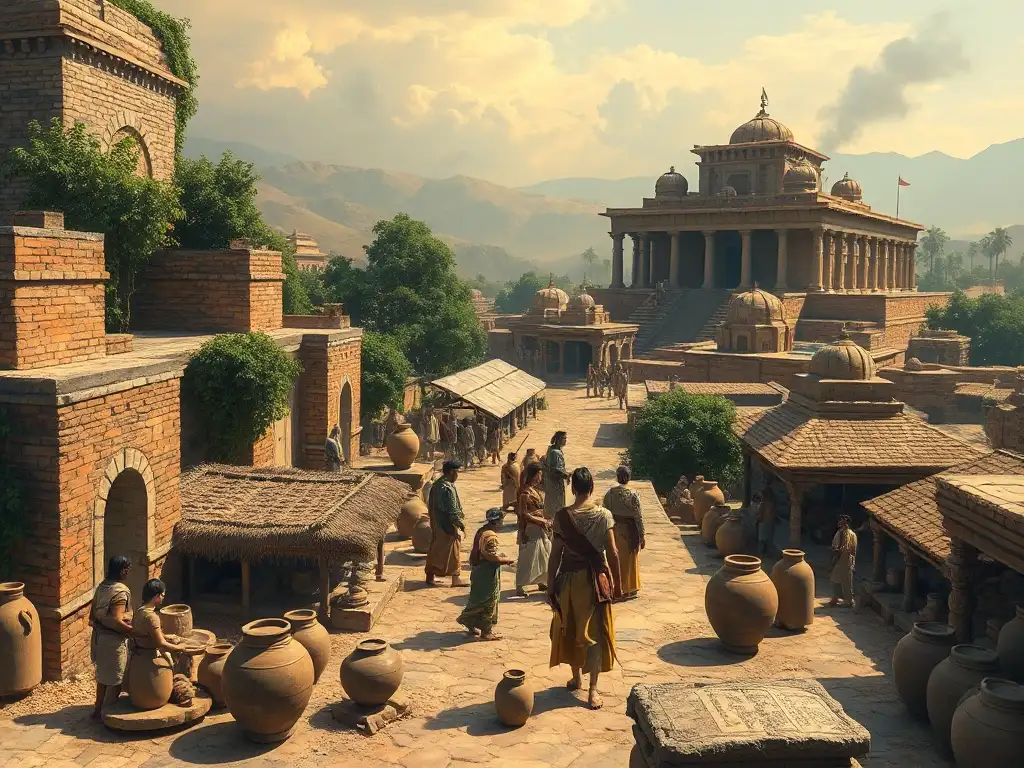
Archaeological findings provide critical insights into the Indus Valley Civilization and its potential interactions with the Aryans. Excavations and discoveries have reshaped our understanding of these ancient cultures and their legacies.
Key Archaeological Sites and Discoveries
Several key archaeological sites have significantly contributed to the understanding of the Indus Valley Civilization and its potential connections to the Aryan Invasion Theory:
- Mohenjo-Daro: This site is one of the most extensively studied IVC cities. The advanced urban planning and sophisticated drainage systems highlight the civilization’s achievements. However, signs of deterioration in urban infrastructure indicate a decline before the arrival of the Aryans.
- Harappa: Similar to Mohenjo-Daro, Harappa features remarkable urban architecture. Discoveries of seals and inscriptions raise questions about trade and communication, suggesting a complex society that may have interacted with incoming populations.
- Kalibangan: This site shows evidence of early agricultural practices and possibly ritualistic structures. The findings here contribute to the understanding of cultural continuity and change in the region, particularly in relation to the Aryans.
These sites collectively provide a wealth of information, allowing scholars to piece together the potential interactions between the Indus Valley Civilization and incoming groups.
Linguistic Evidence Linking the Two Civilizations
Linguistic evidence plays a crucial role in linking the Indus Valley Civilization and the Aryan Invasion Theory. The study of languages reveals connections between the Indo-European languages and the languages spoken in ancient India.
- Sanskrit and Proto-Indo-European: The development of Sanskrit as a language is believed to have emerged alongside the arrival of the Aryans. Linguists trace similarities between Sanskrit and other Indo-European languages, suggesting a shared origin.
- Indus Script: While the Indus script remains undeciphered, its potential links to later languages create intriguing questions about communication and cultural exchange between the IVC and subsequent Aryan societies.
This linguistic perspective offers valuable insights into the interactions and developments that may have occurred during this transformative period in ancient Indian history.
Cultural Artifacts and Their Significance
Cultural artifacts recovered from archaeological sites provide significant insights into the practices and beliefs of both the Indus Valley Civilization and the Aryan cultures.
- Seals and Figurines: The intricate seals found in the IVC, often depicting animals and symbols, suggest a rich cultural life and possibly religious practices. These artifacts raise questions about trade, communication, and the potential influence of Aryan culture on local practices.
- Pottery Styles: The transition in pottery styles from the IVC to the Vedic period indicates shifts in cultural practices. The introduction of new designs and materials may reflect both the influx of Aryan artisans and the adaptation of local traditions.
- Burial Practices: Changes in burial practices between the two cultures offer insights into evolving religious beliefs and social structures. The integration of new rituals could signify a fusion of Aryan and indigenous customs.
These artifacts not only highlight the creativity and complexity of ancient societies but also underscore the interconnectedness of cultural developments during this period.
Modern Perspectives on the Indus Valley Aryan Invasion Theory
In recent years, the Indus Valley Aryan Invasion Theory has undergone significant scrutiny and reevaluation. Scholars are increasingly adopting a nuanced approach that considers various forms of evidence, including archaeological, linguistic, and genetic data. This shift reflects a broader trend towards interdisciplinary research that aims to unravel the complexities of ancient Indian history.
Instead of viewing the arrival of the Aryans as a singular event marked by invasion, modern perspectives often frame it as a gradual process of migration and cultural exchange. This evolution in thought has led to a more holistic understanding of how ancient civilizations interacted and transformed over time.
Current Scholarship and Research Trends
Current scholarship around the Indus Valley Aryan Invasion Theory emphasizes the importance of integrating multiple lines of evidence. Researchers are exploring archaeological sites not just for artifacts, but also for the spatial patterns of settlement and the environmental context of these ancient communities. Recent excavations in the Indus Valley have unveiled new data that challenges previous assumptions about the decline of this civilization and the subsequent rise of Vedic culture. Moreover, the use of advanced technologies like remote sensing and geospatial analysis is providing fresh insights into the socio-political dynamics of the era.
Further, there has been a shift towards reconciling linguistic studies with archaeological findings. Scholars are examining the relationship between the Indo-Aryan languages and the languages spoken in the Indus Valley, seeking to understand how these linguistic groups might have interacted. This research is vital in understanding not only the migration patterns but also the cultural exchanges that occurred during this period.
The Role of Genetics in Understanding Ancient Populations
Genetic studies have emerged as a powerful tool in the investigation of ancient populations in the Indian subcontinent. Recent analyses of ancient DNA have revealed a complex genetic tapestry that reflects both continuity and change among populations in the region. These studies suggest that the genetic contributions from Indo-Aryans may not have been as significant as previously thought, indicating a more intricate narrative involving intermarriage and cultural assimilation rather than outright invasion.
Research has shown that the genetic makeup of modern Indian populations is a result of multiple waves of migration and mixing over millennia. The findings support the hypothesis that there was significant cultural continuity in the region, which complicates the traditional invasion narrative. By examining how genetic lineages have persisted over time, researchers are beginning to paint a clearer picture of the relationships between the Indus Valley civilization and later cultures.
Cultural Continuity vs. Disruption in Ancient India
The debate surrounding cultural continuity versus disruption in ancient India is central to understanding the Indus Valley Aryan Invasion Theory. While earlier theories posited a clear break between the Indus Valley civilization and the Vedic period, more recent evidence suggests a more gradual transition. Artifacts, urban planning, and agricultural practices from the Indus Valley have been found to bear similarities to those in later Vedic culture, indicating a level of continuity.
Moreover, the study of religious practices and societal structures reveals that many elements from the Indus Valley civilization may have been absorbed into the Vedic culture, rather than replaced. Rituals, deities, and societal norms show traces of evolution rather than abrupt discontinuity. This perspective encourages a reexamination of how cultural identities were formed and transformed over time, emphasizing the dynamic interplay of various influences rather than a simplistic narrative of invasion.
Conclusion: Reassessing the Connection
Summary of Key Points
The Indus Valley Aryan Invasion Theory is a complex and evolving topic that requires careful consideration of various forms of evidence. Modern scholarship emphasizes the integration of archaeological, linguistic, and genetic data to create a more nuanced understanding of ancient Indian history. The idea of a singular invasion has been challenged by findings that suggest gradual migration and cultural integration, underscoring the importance of continuity in the region's history.
The Importance of Understanding Historical Context
Understanding the historical context of the Indus Valley and its relationship with the Aryan migration is crucial for several reasons. It allows us to appreciate the sophistication of the Indus Valley civilization and the cultural richness of ancient India. Acknowledging the complexities of this historical narrative also helps to counteract oversimplified interpretations that have often been influenced by modern political and social agendas. A deeper comprehension of these historical dynamics fosters a greater appreciation for the interconnectedness of human civilizations throughout history.
Future Directions for Research on Indus Valley Civilization and Aryan Invasion Theory
Future research on the Indus Valley civilization and the Aryan Invasion Theory should continue to embrace interdisciplinary approaches, combining archaeology, genetics, and linguistic studies. There is a pressing need for more extensive excavations at key sites, as well as the analysis of previously unearthed artifacts that may offer new insights. Additionally, fostering international collaboration among scholars from various fields can yield innovative methodologies and interpretations. As we advance our understanding of these ancient cultures, we can better appreciate the rich tapestry of human history and its ongoing relevance today.
- Introduction to the Indus Valley Civilization
- Understanding the Aryan Invasion Theory
- The Interrelationship Between the Indus Valley Civilization and Aryan Invasion Theory
- Archaeological Findings and Their Implications
- Modern Perspectives on the Indus Valley Aryan Invasion Theory
- Conclusion: Reassessing the Connection
- What is the Indus Valley Aryan Invasion Theory?
- How did the Indus Valley Civilization contribute to ancient Indian culture?
- What evidence supports or refutes the Aryan Invasion Theory?
- How does the Indus Valley Civilization compare to the Gupta Empire?
- Why is the connection between the Indus Valley and the Aryan Invasion Theory important?
Frequently Asked Questions
What is the Indus Valley Aryan Invasion Theory?
The Indus Valley Aryan Invasion Theory suggests that Aryan tribes invaded the Indian subcontinent, leading to the decline of the Indus Valley Civilization. This theory has sparked significant debate among historians and archaeologists.
How did the Indus Valley Civilization contribute to ancient Indian culture?
The Indus Valley Civilization is known for its advanced urban planning, architecture, and trade systems. Its contributions laid the groundwork for subsequent cultural developments in ancient India.
What evidence supports or refutes the Aryan Invasion Theory?
Evidence such as linguistic studies, archaeological findings, and genetic research has both supported and challenged the Aryan Invasion Theory, leading to ongoing discussions about its validity.
How does the Indus Valley Civilization compare to the Gupta Empire?
While the Indus Valley Civilization was characterized by urban sophistication and trade, the Gupta Empire is known for its advancements in arts, science, and literature, showcasing a different aspect of ancient Indian history.
Why is the connection between the Indus Valley and the Aryan Invasion Theory important?
Understanding this connection is crucial for grasping the cultural evolution of ancient India and the influences that shaped its historical narrative, impacting both modern interpretations and identity.
Final Reflection: Unraveling the Threads of History
The exploration of the Indus Valley Civilization and the Aryan Invasion Theory remains profoundly relevant today, as it challenges us to reconsider our understanding of cultural evolution and historical narratives. In an era where misinformation can easily distort our grasp of the past, the examination of these ancient societies compels us to seek truth and foster a deeper appreciation for the complexities of human history. The intricate connections between these two significant historical phenomena remind us that our interpretations of the past are often layered and multifaceted.
The discourse surrounding the Indus Valley and the Aryan Invasion Theory has not only shaped academic discussions but has also permeated cultural identities and national narratives. The ongoing debates reflect how history is not merely a record of events but a living dialogue that influences contemporary society. As historian Romila Thapar aptly noted, History is not just about the past; it is a continuous process of understanding ourselves.
This perspective underscores the importance of engaging with history critically, as it informs our identities and societal structures today.
As we reflect on the lessons drawn from the Indus Valley and the Aryan Invasion Theory, I invite you to consider how these insights can shape your own understanding of cultural heritage and identity. Take a moment to ponder the narratives that define your community and how they intersect with broader historical contexts. By embracing a more nuanced view of history, we can foster empathy and connection in our increasingly globalized world, ensuring that the lessons of the past guide us toward a more inclusive and informed future.
Unearth the Mysteries of Ancient India!
Thank you for taking the time to explore the fascinating connection between the Indus Valley Civilization and the Aryan Invasion Theory. Your curiosity about these pivotal moments in history enriches your understanding and appreciation of our past!
Now, let’s transform your interest into action:
- Explore further: Dive into additional resources on Ancient Indian history to broaden your knowledge. Check out our related articles for deeper insights!
- Join the conversation: Share your thoughts or questions in the comments below – let’s discuss how these ancient cultures have shaped our world today!
- Spread the knowledge: Share this article with your friends and help spark their curiosity about India’s rich heritage.
What aspect of the Indus Valley Civilization or the Aryan Invasion Theory intrigues you the most, and why?