
Trade Agreements of Ancient India: Diplomacy Through Commerce


Welcome to Ancient India History, where we embark on an exciting journey through the rich tapestry of ancient Indian civilizations. Dive deep into the intricate world of ancient Indian trade agreements, a fascinating aspect of diplomacy that shaped not only commerce but also cultural exchanges across the region. What secrets did these agreements hold, and how did they influence the prosperity of empires from the Indus Valley to the Gupta Empire?
Join us as we unravel the complexities of trade and economy in ancient India, sparking your curiosity and inviting you to explore the myriad ways these agreements forged connections that transcended borders. Discover more as you delve into our in-depth article!
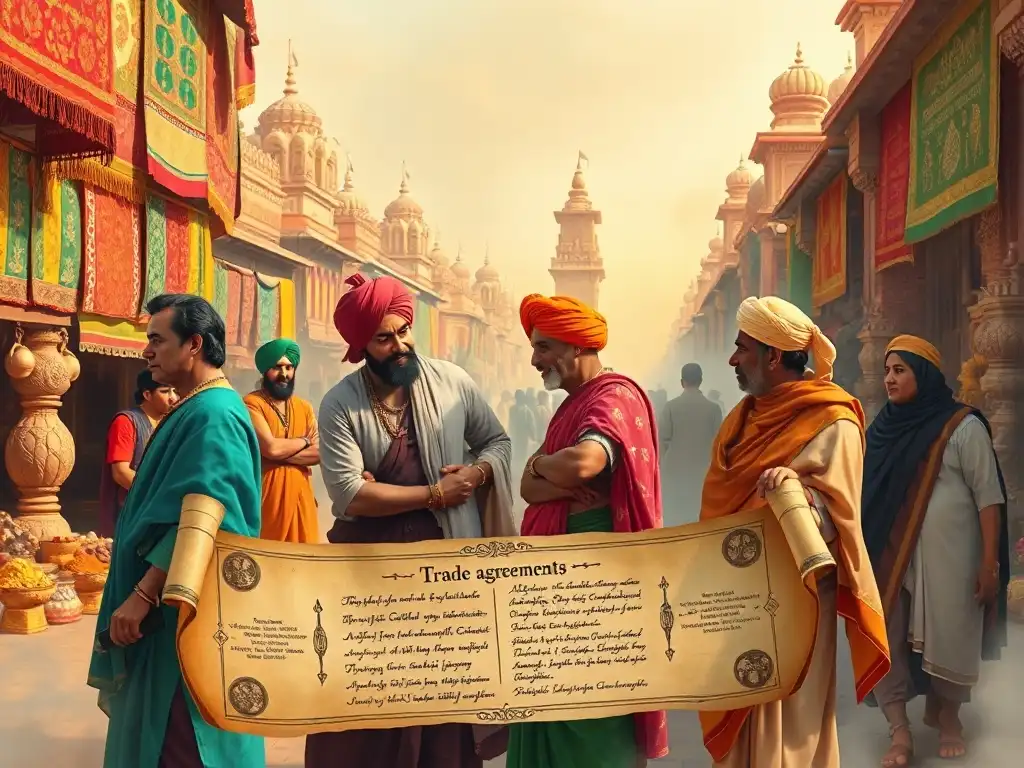
Introduction to Ancient Indian Trade Agreements
Ancient India, with its rich tapestry of civilizations and cultures, was not only a cradle of innovation and philosophy but also a hub of trade and commerce. The extensive trade networks established across the Indian subcontinent and beyond facilitated not just the exchange of goods, but also the mingling of ideas, cultures, and technologies. Trade agreements in ancient India played a pivotal role in fostering diplomatic relations between various kingdoms and empires, acting as a bridge for mutual economic benefits and cultural exchange.
The significance of ancient Indian trade agreements can be seen as a reflection of the intricate socio-political landscape of the time. These agreements often transcended mere economic transactions; they were instrumental in shaping alliances, securing peace, and promoting stability. By examining the various trade agreements from the Indus Valley civilization to the Gupta Empire, we can gain insightful perspectives on how commerce served as a tool for diplomacy.
As we delve deeper into this topic, we will explore the historical context, key trade routes, and the lasting impact of these ancient agreements on the socio-economic fabric of the Indian subcontinent.
Historical Context of Trade Agreements in Ancient India
The historical context of trade agreements in ancient India is marked by a vibrant interplay of geography, culture, and economics. From the bustling markets of the Indus Valley Civilization (circa 2600-1900 BCE) to the flourishing trade networks during the Maurya and Gupta Empires, ancient India showcased a dynamic trading environment that was both diverse and sophisticated.
- Indus Valley Civilization: The earliest known evidence of trade in ancient India is found in the archaeological remains of the Indus Valley Civilization. Cities like Harappa and Mohenjo-Daro had advanced urban planning and standardized weights and measures, which facilitated trade not only within the subcontinent but also with regions as far as Mesopotamia. This period laid the groundwork for future trade agreements, showcasing the importance of economic exchanges in establishing social relations.
- Mauryan Empire: The emergence of the Mauryan Empire (322-185 BCE) marked a significant evolution in trade agreements. Under the reign of Emperor Ashoka, the empire expanded its influence through strategic alliances and trade pacts with neighboring regions. The establishment of trade routes connecting India to Persia and the Mediterranean allowed for the exchange of luxury goods, such as silk, spices, and precious stones, thus enhancing diplomatic ties.
- Gupta Empire: The Gupta period (circa 320-550 CE) is often referred to as the Golden Age of India, characterized by remarkable achievements in arts, science, and commerce. Trade agreements during this era were formalized through diplomatic missions and treaties, promoting not just economic prosperity but also cultural interactions with foreign lands. This flourishing trade network enabled the spread of Indian culture, ideas, and innovations across Southeast Asia and beyond.
The evolution of trade agreements throughout these periods illustrates how ancient India adeptly utilized commerce as a means of diplomacy, fostering relationships that had profound economic and cultural implications. Such agreements not only enriched the kingdoms involved but also contributed to a legacy of interconnectedness that would influence future generations.
Major Trade Agreements of Ancient India
Ancient India was a hub of trade, with various civilizations engaging in extensive commercial activities that fostered diplomatic relations. These trade agreements were critical in facilitating the exchange of goods, culture, and ideas across regions. Major trade agreements were often formalized through treaties that outlined the terms of trade, the commodities exchanged, and the responsibilities of each party involved. Key players included not only Indian kingdoms but also foreign powers from regions like Persia, the Mediterranean, and Southeast Asia.
The ancient trade routes such as the Silk Road and maritime routes across the Indian Ocean played a significant role in these agreements, allowing for the movement of goods such as spices, textiles, and precious metals. Trade agreements often included provisions for mutual protection of merchants and guarantees against piracy, demonstrating a sophisticated understanding of economic diplomacy.
The Mauryan Trade Agreements
The Mauryan Empire (c. 322–185 BCE) was characterized by its extensive trade networks and formalized trade agreements. Under the reign of Emperor Ashoka, the empire established a series of treaties with foreign kingdoms, particularly in regions like Central Asia and the Mediterranean. These agreements were aimed at promoting trade and ensuring the safe passage of goods.
One notable feature of Mauryan trade agreements was the establishment of trade missions and the appointment of emissaries to negotiate terms. The Mauryan state also implemented regulations to standardize weights and measures, which facilitated smoother transactions with foreign traders. The exchange of commodities included luxury goods such as silk, ivory, and spices, which were highly sought after in distant markets.
The Mauryan trade network was further enhanced by the establishment of well-maintained roads and ports, which not only facilitated domestic trade but also connected India with international markets. The influence of Mauryan trade agreements can be seen in the flourishing of cities such as Pataliputra, which became significant commercial centers during this period.
Gupta Era Trade Agreements
The Gupta Empire (c. 320–550 CE) marked a golden age in ancient Indian history, including significant advancements in trade and commerce. The Gupta rulers recognized the importance of trade agreements as a means of fostering both economic prosperity and diplomatic relations. During this period, trade flourished not just within India but also with neighboring regions such as China, Southeast Asia, and the Roman Empire.
Gupta trade agreements often involved trade privileges that were granted to foreign merchants, including tax exemptions and protection from local authorities. This encouraged increased commercial activity and attracted traders from various regions to Indian markets. Goods such as textiles, spices, and precious stones were immensely popular, leading to the establishment of vibrant trade fairs and markets.
Additionally, the Gupta era saw the evolution of trade guilds, which played a crucial role in managing trade agreements. These guilds ensured that merchants adhered to the terms negotiated in treaties, promoting fair trade practices and protecting the interests of their members. The durability of Gupta trade agreements contributed significantly to the empire's economic stability and cultural exchange.
Goods and Commodities in Ancient Indian Trade
Ancient Indian trade was characterized by a rich variety of goods and commodities that were exchanged both domestically and internationally. The geographical diversity of India allowed for the production of numerous items, which became staples in trade agreements.
Key Commodities Included:
- Spices: India was renowned for its spices such as black pepper, cardamom, and turmeric, which were highly valued in foreign markets.
- Textiles: Cotton and silk textiles were among the most sought-after products, with Indian weavers producing intricate designs that captivated global audiences.
- Metals and Gems: Precious metals like gold and silver, along with gemstones such as diamonds and rubies, were significant exports that enhanced India’s wealth.
- Medicinal Plants: Ancient Indian knowledge of herbal medicine led to the export of various medicinal plants and formulations, promoting Ayurveda across borders.
The diverse range of goods not only highlights the economic prowess of ancient India but also its cultural impact on other civilizations. The demand for Indian commodities influenced trade routes and agreements, establishing India as a vital player in the global economy of the time.
Cultural Exchange and Diplomacy Through Trade Agreements

Trade agreements in ancient India were not merely economic tools; they served as vital conduits for cultural exchange and diplomatic engagements. As merchants traveled along well-established trade routes, they carried with them not only goods but also ideas, customs, and technologies. This interchange profoundly influenced the social and cultural fabric of the regions involved.
For instance, the trade routes connecting India to various parts of the world facilitated the spread of religions such as Buddhism and Hinduism. The Silk Road, which extended into the Indian subcontinent, was instrumental in this regard. Merchants and travelers, including the famous Buddhist monk Xuanzang, traversed these routes, sharing religious texts and philosophies. This cultural diffusion helped establish a shared heritage across regions, fostering mutual respect and understanding.
Moreover, the establishment of trade agreements often required diplomatic negotiations, leading to alliances that transcended mere commerce. The Mauryan Empire, for example, engaged in strategic partnerships with neighboring kingdoms to enhance trade, which not only boosted the economy but also strengthened political ties. Such diplomacy through commerce created a network of relationships that benefited all parties involved, highlighting the intricate bond between trade and cultural diplomacy.
Influence of Trade Agreements on Neighboring Regions
The influence of ancient Indian trade agreements extended well beyond its borders, impacting neighboring regions significantly. These agreements facilitated not only the exchange of goods but also the sharing of cultural practices, technologies, and political ideas. As a result, many neighboring regions experienced transformations in various aspects of their societies.
The influx of Indian textiles, spices, and precious stones into foreign markets had profound economic implications, while the adoption of Indian art and architectural styles can be traced back to these interactions. This influence was particularly strong in regions where trade routes converged, leading to the establishment of vibrant cultural hubs that blended Indian and local traditions.
Trade Relations with Southeast Asia
Southeast Asia was a crucial partner in ancient Indian trade, with the region establishing extensive maritime links with India as early as the 1st century CE. Indian traders ventured into Southeast Asia, establishing trade agreements that were mutually beneficial, involving commodities such as spices, gold, and textiles.
One notable outcome of these trade relations was the spread of Indian culture and religion throughout Southeast Asia. For example, the Khmer Empire, which flourished from the 9th to 15th centuries, adopted Hinduism and later Buddhism, which were introduced through these trade routes. Temples like Angkor Wat stand as testament to this cultural exchange, showcasing Indian influences in their architectural styles.
Additionally, the establishment of port cities, such as Funan and Srivijaya, facilitated further integration of Indian goods and culture into the local economies and societies. These cities became melting pots where Indian traditions blended with local customs, leading to the emergence of a unique Southeast Asian identity.
Trade Links with the Middle East and Africa
The trade links between ancient India and the Middle East and Africa were characterized by vibrant exchanges that shaped the economies and cultures of both regions. From as early as 2000 BCE, Indian merchants engaged in commerce with Persian and Arab traders, establishing agreements that allowed for the exchange of spices, textiles, and precious stones.
In the Middle East, Indian trade significantly influenced local markets, particularly in regions like Mesopotamia. Indian goods, such as silk and spices, became highly sought after, leading to a flourishing trade network that interconnected various cultures. The famous city of Alexandria served as a crucial hub for this trade, where Indian merchants mingled with traders from Europe and Africa.
Moreover, the Indian diaspora in the Middle East facilitated the exchange of ideas and cultural practices. The spread of Indian numerals and mathematics, along with concepts of astronomy and medicine, can be traced back to these interactions, showcasing how trade agreements fostered intellectual and cultural growth across regions. The legacy of these ancient trade links continues to resonate today, highlighting the enduring impact of ancient Indian trade agreements on global commerce and cultural exchange.
Challenges and Conflicts in Ancient Indian Trade Agreements
Ancient Indian trade agreements were not without their challenges and conflicts, which often arose from a combination of political rivalries, cultural misunderstandings, and economic competition. One of the primary obstacles faced by ancient traders was the intricate web of local and regional politics. Kingdoms and empires frequently vied for control over trade routes, leading to tensions that could disrupt commerce. For instance, the Mauryan Empire, while expansive, had to navigate complex relationships with neighboring states, such as the Indo-Greek kingdoms, which sometimes resulted in military confrontations that interrupted trade.
Moreover, the geographical diversity of the Indian subcontinent posed significant logistical challenges. Traders had to traverse rugged terrains, dense forests, and arid deserts, which not only made transportation difficult but also increased the risk of banditry. Such threats forced traders to band together for protection, leading to the formation of guilds that aimed to safeguard their interests. However, these guilds could also become embroiled in conflicts over pricing, monopolistic practices, and territorial disputes.
Cultural differences between trading partners could further complicate agreements. Language barriers, differing customs, and varying economic practices sometimes led to misunderstandings. For example, the ancient Tamil traders, known for their maritime commerce, encountered diverse cultures in Southeast Asia, which sometimes resulted in friction when negotiating trade terms. These challenges underscored the necessity for diplomacy and negotiation skills among ancient traders, as successful agreements required a delicate balance of interests and a keen understanding of the socio-political landscape.
The Legacy of Ancient Indian Trade Agreements
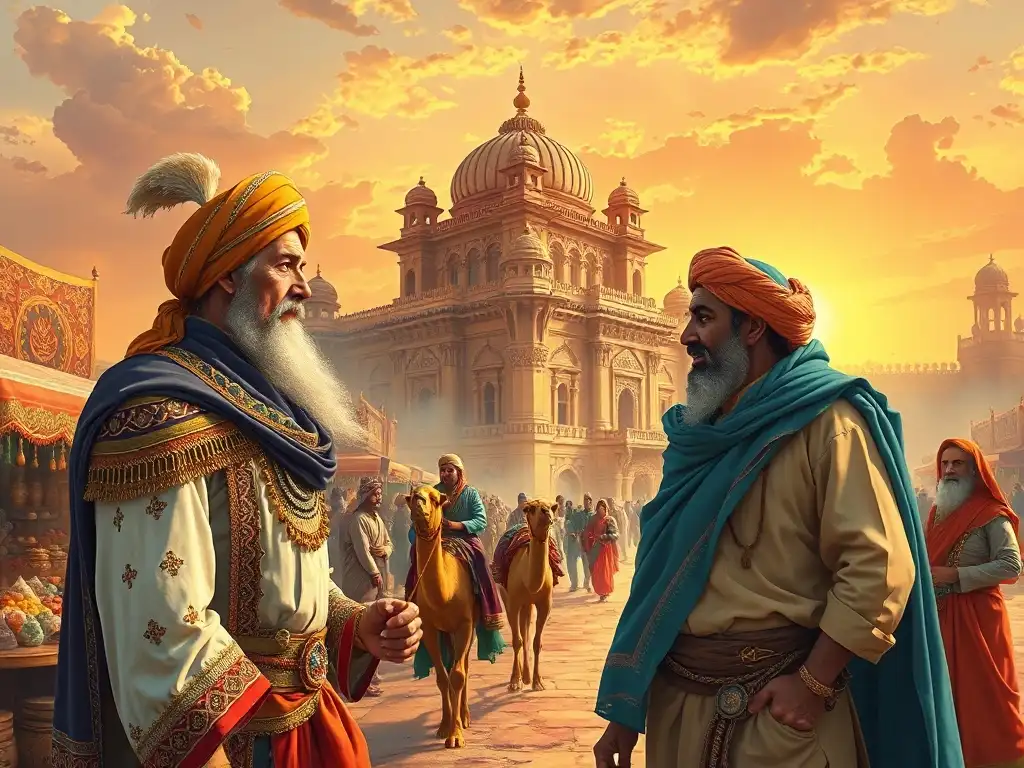
The legacy of ancient Indian trade agreements is profound, leaving an indelible mark on the economic and cultural fabric of the region. These agreements facilitated not only the exchange of goods but also the flow of ideas, technologies, and cultural practices across vast distances. The Silk Road and maritime routes connected India with trade partners as far away as Rome, Persia, and Southeast Asia, fostering a rich tapestry of intercultural interactions.
One significant aspect of this legacy is the introduction of diverse goods into the Indian market. Spices, textiles, precious metals, and gems were exchanged, which not only enriched local economies but also enhanced the global reputation of Indian craftsmanship. The demand for Indian products led to the establishment of trade centers and bustling markets, which became hubs of economic activity and cultural exchange.
Furthermore, the agreements laid the groundwork for later economic policies and trade practices. The principles of negotiation, mutual benefit, and trust established in these ancient agreements resonate in modern trade practices. The emphasis on diplomacy through commerce fostered a culture of cooperation and interdependence that continues to influence international trade relations today.
The cultural exchanges initiated through trade agreements also contributed to the spread of religions such as Buddhism and Hinduism, as merchants carried their beliefs along with their goods. This cultural diffusion helped shape the identities of various regions and contributed to a shared heritage that transcended geographical boundaries.
Conclusion: The Importance of Ancient Indian Trade Agreements
The significance of ancient Indian trade agreements extends beyond mere economic transactions; they played a crucial role in shaping the political, cultural, and social landscape of the region. These agreements were pivotal in establishing diplomatic relations, fostering peace, and promoting mutual understanding among diverse cultures. By emphasizing cooperation over conflict, they helped create stable environments conducive to trade and commerce.
The impact of these agreements is evident in the way they facilitated the exchange of not just goods, but also ideas, technologies, and cultural practices. They opened up channels for cross-cultural interactions that enriched societies and contributed to the overall development of ancient Indian civilization. The legacy of these trade agreements underscores the importance of trade as a diplomatic tool, demonstrating how commerce can bridge divides and foster harmonious relationships among nations.
In modern times, as we reflect on ancient Indian trade agreements, we can draw valuable lessons on the significance of diplomacy in commerce. The principles of cooperation, negotiation, and mutual benefit remain relevant in today's global economy, reminding us of the enduring power of trade as a means of fostering peace and understanding among diverse peoples. Thus, ancient Indian trade agreements not only shaped the past but continue to resonate in the present, highlighting the timeless importance of diplomacy through commerce.
References and Further Reading
To gain a deeper understanding of ancient Indian trade agreements and their significance in the context of diplomacy and commerce, the following texts and resources provide comprehensive insights:
-
"The Economic History of India: 1857-1947" by Tirthankar Roy
This book explores the economic landscape of India, including trade practices and policies that trace back to ancient times. It provides a historical framework that illustrates the evolution of trade agreements and their impact on India's economy.
-
"Merchants and Trade Networks in the Indian Ocean" by Ashin Dasgupta
This work delves into the trade networks that connected ancient India with other civilizations, highlighting key trade agreements and the role of merchants in facilitating commerce across the Indian Ocean.
-
"India: A History" by John Keay
Keay's narrative offers an extensive overview of India's history, with sections dedicated to the economic interactions of ancient India, including trade agreements with foreign powers. His work provides context and depth to the understanding of diplomatic relations through commerce.
-
"Ancient India: Culture and Civilization" by Romila Thapar
This book is a crucial resource for understanding the cultural and economic aspects of ancient India. It discusses various trade routes and agreements that shaped the interactions between Indian and foreign traders.
-
Scholarly Journals and Articles
- Journal of Asian Studies
- Indian Economic and Social History Review
These journals often publish articles that analyze specific trade agreements and their implications on ancient Indian society and its relations with neighboring regions.
-
Online Resources
- Digital South Asia Library: A collection of primary sources related to South Asian history, including trade documents and treaties.
- Archaeological Survey of India: Offers insights into archaeological findings related to trade routes and agreements in ancient India.
-
Documentaries and Lectures
- Look for educational documentaries that focus on ancient Indian civilizations and their trade practices, which can provide visual context and enhance understanding.
By exploring these references, readers can develop a more nuanced perspective on the intricacies of ancient Indian trade agreements and their role in shaping diplomatic relations through commerce.
- Introduction to Ancient Indian Trade Agreements
- Historical Context of Trade Agreements in Ancient India
- Major Trade Agreements of Ancient India
- Goods and Commodities in Ancient Indian Trade
- Cultural Exchange and Diplomacy Through Trade Agreements
- Influence of Trade Agreements on Neighboring Regions
- Challenges and Conflicts in Ancient Indian Trade Agreements
- The Legacy of Ancient Indian Trade Agreements
- Conclusion: The Importance of Ancient Indian Trade Agreements
- References and Further Reading
Frequently Asked Questions
What were the main trade agreements in ancient India?
Ancient India saw numerous trade agreements primarily with neighboring regions and empires. These agreements facilitated the exchange of goods, cultures, and diplomatic relations.
How did ancient Indian trade agreements impact culture?
Trade agreements significantly influenced cultural exchange, allowing ideas, art, and religious beliefs to travel alongside goods, enriching the civilizations involved.
What goods were commonly traded in ancient Indian trade agreements?
Ancient Indian trade agreements often involved spices, textiles, gemstones, and agricultural products. These goods were highly sought after and played a crucial role in economic prosperity.
Which regions were significant trade partners of ancient India?
Ancient India engaged in trade with regions such as Mesopotamia, Southeast Asia, and parts of Africa. These partnerships were essential for economic and diplomatic relations.
How did the Gupta Empire influence trade agreements?
The Gupta Empire enhanced trade agreements by establishing trade routes and fostering diplomatic ties. This period saw a significant increase in commerce and cultural interactions across regions.
Final Reflection: The Enduring Legacy of Ancient Indian Trade Agreements
The exploration of ancient Indian trade agreements reveals not only the sophistication of early diplomacy but also their profound relevance in today's global economy. As we navigate an increasingly interconnected world, the principles of commerce and cooperation established by our ancestors continue to resonate, reminding us that trade is not merely an exchange of goods but a bridge that fosters understanding and unity among diverse cultures.
Cultural exchanges facilitated by these ancient agreements have shaped societies and economies for centuries. The intricate web of trade routes and partnerships established by ancient Indian merchants laid the groundwork for a rich tapestry of cultural interactions that still influence our world today. Trade is the oldest form of diplomacy, and it remains a powerful tool for building bridges across cultures.
This enduring influence underscores the importance of recognizing our historical roots in commerce as we strive to create a more harmonious global community.
As you reflect on the lessons of ancient Indian trade agreements, consider how you can apply these principles of collaboration and mutual benefit in your own life. Embrace the spirit of diplomacy through commerce, whether in your personal relationships, professional endeavors, or community engagements. By fostering connections and understanding across cultural divides, you can contribute to a legacy of cooperation that honors the wisdom of our ancestors while shaping a brighter future for all.
Embrace the Legacy of Ancient Trade – Take Action Now!
Thank you for exploring the fascinating world of trade agreements in Ancient India! By delving into the intricacies of diplomacy through commerce, you’ve unlocked a deeper understanding of how these ancient practices shaped societies and fostered relationships. Now, how can you carry this knowledge forward?
Here’s what you can do next:
- Dive Deeper: Read more about the specific trade routes and their impact on cultural exchanges in Ancient India. Explore our related articles for a broader perspective!
- Share Your Insights: Engage in discussions with friends or participate in online communities. Consider how ancient trade practices might inform modern diplomacy.
- Join the Conversation: Connect with fellow history enthusiasts on our forum, where you can share your thoughts or questions regarding the vibrant trade networks of Ancient India.
As you reflect on these rich histories, let me ask you: In what ways do you think the principles of ancient trade agreements can still apply to today’s global commerce?