
The Indus Valley Civilization: Pioneers of Western Indian Heritage

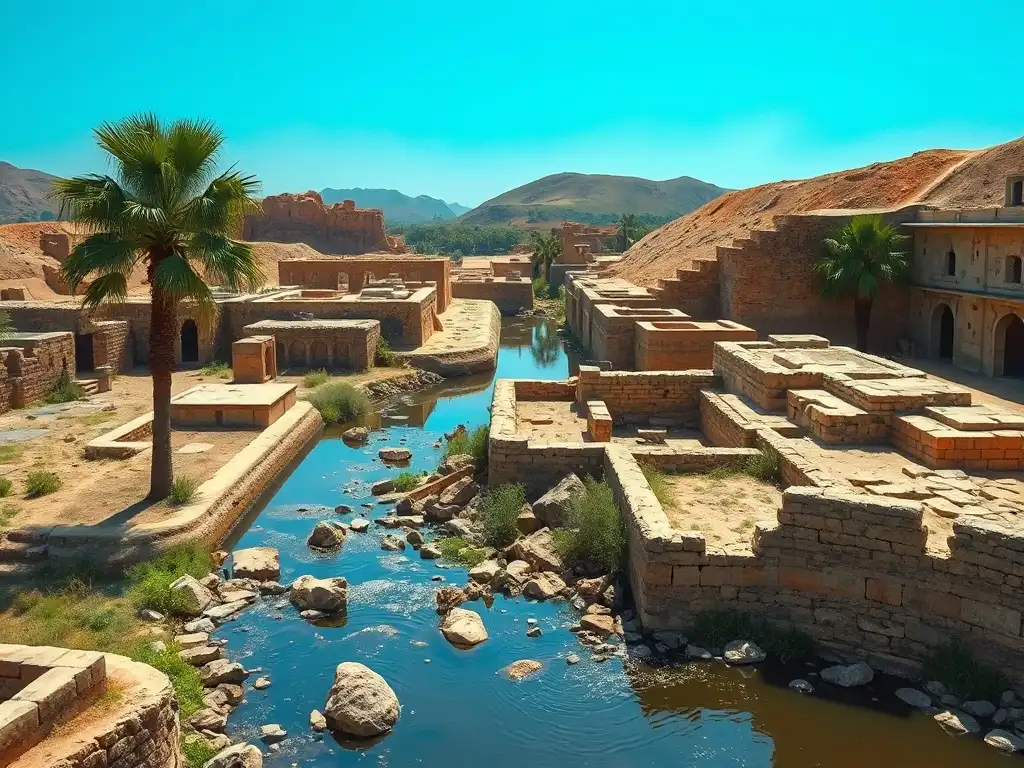
Welcome to Ancient India History, where we invite you to embark on a fascinating journey through the epochs of time that shaped one of the world's most intriguing civilizations. Dive deep into the Indus Valley Civilization, a remarkable beacon of innovation and culture, whose contributions laid the groundwork for Western Indian heritage. What secrets lie within their advanced urban planning, trade networks, and social structure?
Join us as we unravel the mysteries and marvels of this ancient society, igniting your curiosity and inspiring a deeper understanding of the incredible tapestry of India's past. Ready to explore the legacies that continue to influence us today? Let’s get started!
The Indus Valley Civilization (IVC), one of the world's earliest urban societies, flourished in the northwestern regions of South Asia from approximately 3300 to 1300 BCE. Recognized for its advanced urban planning, sophisticated drainage systems, and remarkable craftsmanship, the IVC is a critical cornerstone in the history of Western India.
As pioneers of various cultural, technological, and economic developments, the contributions of the Indus Valley Civilization have left an indelible mark on the heritage of the region and the world at large. This article delves into the multifaceted contributions of the IVC, exploring its innovations and their lasting impact on subsequent Indian civilizations and beyond.
Historical Context of the Indus Valley Civilization
The Indus Valley Civilization emerged in the fertile plains of the Indus River, primarily in present-day Pakistan and northwest India. This civilization is characterized by two major urban centers: Harappa and Mohenjo-Daro. Both cities showcased remarkable urban planning with grid layouts, advanced drainage systems, and impressive public buildings. The societal structure was complex, suggesting a high degree of political organization and social stratification.
Contributions of the Indus Valley Civilization
The contributions of the Indus Valley Civilization span several domains, including:
- Urban Planning and Architecture: The cities were meticulously planned, featuring wide streets, sophisticated drainage systems, and well-constructed buildings. This level of urban design was unprecedented for its time and influenced future urban developments.
- Trade and Economy: The IVC engaged in extensive trade, both locally and with distant regions such as Mesopotamia. Evidence of standardized weights and measures indicates a highly organized economic system that facilitated trade.
- Writing System: The Indus script, though still undeciphered, indicates a form of written communication that suggests a complex society with record-keeping practices.
- Arts and Crafts: The civilization is renowned for its craftsmanship, particularly in bead-making, pottery, and metallurgy. These artistic endeavors reflect the sophistication and aesthetic values of the society.
Lasting Impact on Indian Heritage
The innovations of the Indus Valley Civilization laid the foundation for many aspects of Indian culture and society. Their urban planning principles influenced later civilizations, while their trade practices set the stage for economic systems in the region. The artistic heritage of the IVC continues to inspire modern crafts and design.
Conclusion
The Indus Valley Civilization stands as a testament to the ingenuity and creativity of ancient Indian societies. Its contributions to urban planning, trade, and culture not only shaped the historical landscape of Western India but also established a legacy that resonates through the ages. Understanding the IVC's role in the broader context of Indian history is essential for appreciating the rich tapestry of cultural and historical narratives that define the subcontinent.
- Historical Context of the Indus Valley Civilization
- Contributions of the Indus Valley Civilization
- Lasting Impact on Indian Heritage
- Conclusion
- What were the main contributions of the Indus Valley Civilization?
- How did the Indus Valley Civilization influence later cultures in India?
- What writing system was used by the Indus Valley Civilization?
- How did trade function in the Indus Valley Civilization?
- What led to the decline of the Indus Valley Civilization?
Introduction to the Indus Valley Civilization
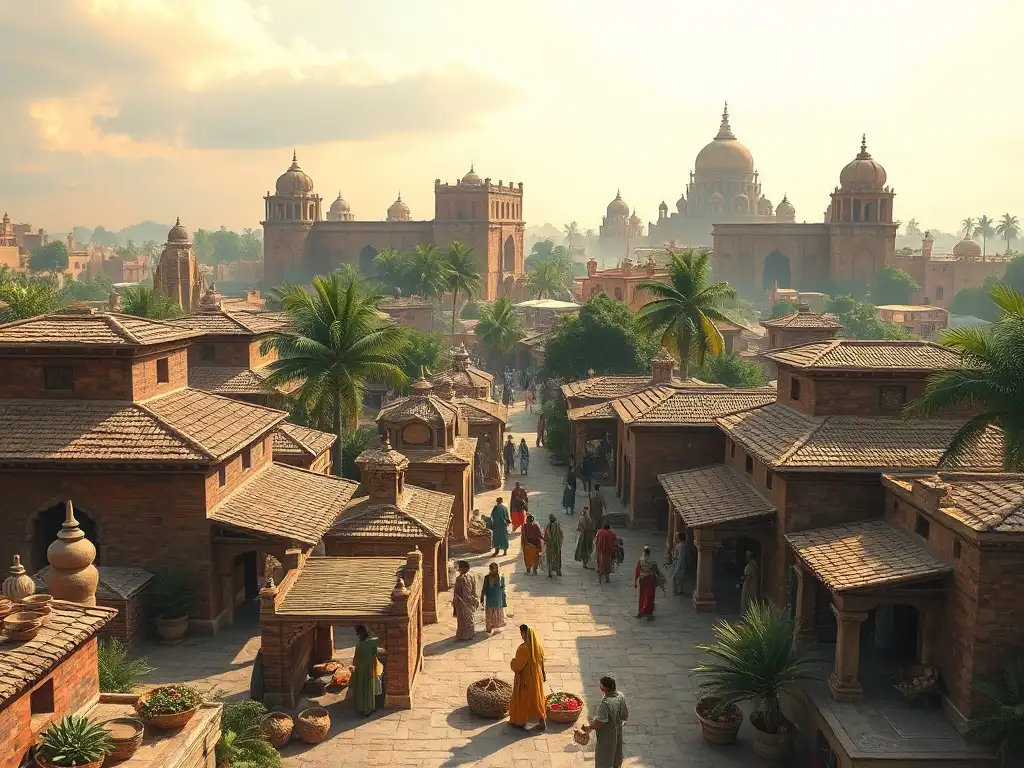
The Indus Valley Civilization (IVC), one of the world's earliest urban cultures, flourished from approximately 3300 BCE to 1300 BCE in the northwestern regions of South Asia. This civilization was primarily located in present-day Pakistan and northwest India, encompassing significant urban centers such as Harappa and Mohenjo-Daro. The IVC is renowned for its advanced urban planning, architecture, and social organization, marking it as a significant contributor to the historical tapestry of Western India.
Overview of the Indus Valley Civilization
The Indus Valley Civilization is characterized by its remarkable achievements in various domains. Here are some key aspects that highlight its contributions:
- Urban Planning: The cities of the IVC were meticulously planned with grid layouts, sophisticated drainage systems, and standardized fired-brick buildings. This level of urban planning was unprecedented for its time.
- Trade and Economy: The IVC was a hub of trade, engaging in extensive commerce with neighboring regions, including Mesopotamia. They traded goods like cotton textiles, pottery, and metals, which facilitated cultural exchanges.
- Agriculture: The fertile plains of the Indus River allowed for robust agricultural practices. Crops such as wheat, barley, and cotton were cultivated, with evidence suggesting advanced irrigation techniques.
- Writing System: The civilization developed one of the earliest known writing systems, known as the Indus script. Though still undeciphered, it indicates a complex society that valued communication and record-keeping.
- Art and Craftsmanship: The artisans of the IVC produced exquisite jewelry, pottery, and seals, showcasing advanced artistic skills and indicating a rich cultural life.
These attributes highlight the IVC's role as a precursor to subsequent Indian civilizations, shaping the socio-economic and cultural landscapes of the region.
Importance of the Indus Valley in Western Indian History
The significance of the Indus Valley Civilization in Western Indian history cannot be overstated. Its contributions laid the foundation for various aspects of later Indian culture, society, and economy. Here are some critical points underscoring its importance:
- Cultural Continuity: Many cultural practices, including agricultural techniques and trade networks, established during the IVC continued to influence later civilizations in India. This continuity is evident in the subsequent Vedic and Mauryan periods.
- Urbanization Influence: The urban planning and architecture of the IVC set a precedent for future urban centers across India. The grid layouts and drainage systems influenced the design of cities throughout subsequent eras.
- Economic Legacy: The trade practices initiated during the IVC paved the way for the establishment of extensive trade routes in Western India, contributing to economic prosperity and cultural exchanges that would define the region for centuries.
- Technological Innovations: The advancements in metallurgy, agriculture, and craft production during the IVC had lasting impacts on technology and industry in the region, fostering innovation in later civilizations.
- Historical Significance: As one of the first major civilizations in South Asia, the IVC serves as a crucial reference point for understanding the evolution of Indian history, contributing to the narrative of human development in the region.
The Indus Valley Civilization's contributions are not merely historical footnotes; they are foundational elements that continue to resonate in the cultural and historical identity of Western India. Its legacy is evident in the ongoing appreciation of urban planning, trade, and artistic achievements that trace their roots back to this remarkable civilization.
Key Contributions of the Indus Valley Civilization
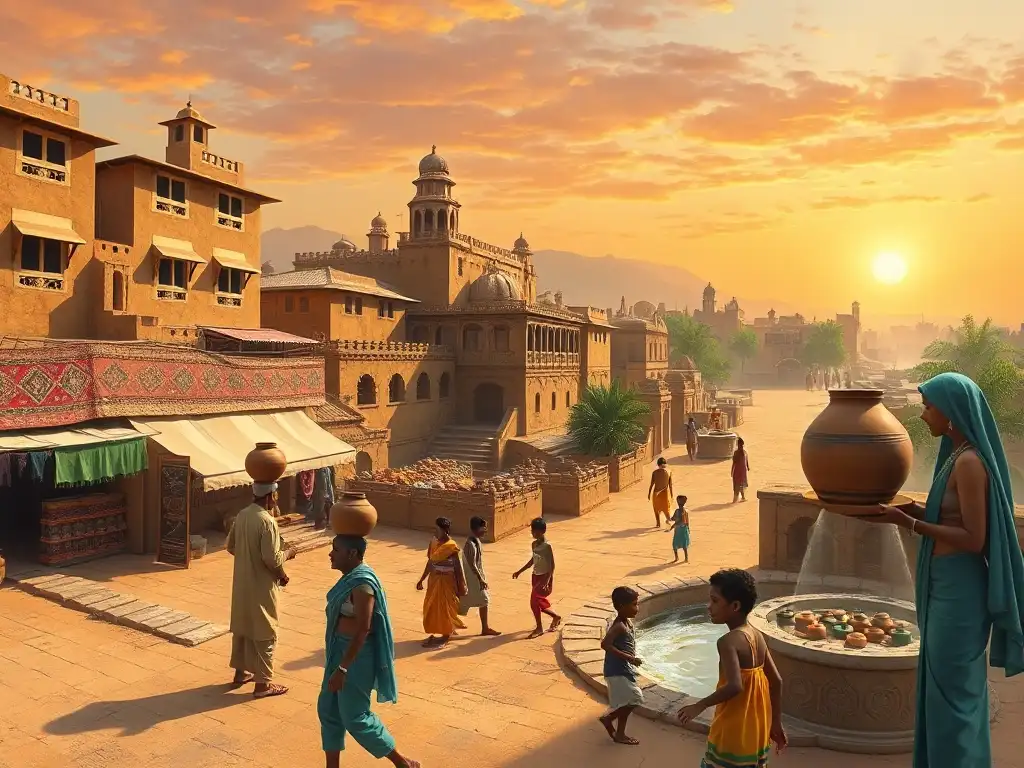
The Indus Valley Civilization, one of the world's earliest urban cultures, flourished from approximately 3300 BCE to 1300 BCE in what is now modern-day Pakistan and northwest India. This civilization is noted for its remarkable contributions that laid the foundation for future societies in the region. Among its key contributions are advancements in urban planning, agriculture, trade, and technology, which have significantly influenced Western Indian heritage.
Urban Planning and Architecture
The urban planning and architecture of the Indus Valley Civilization are often regarded as among the most sophisticated of ancient times. The cities, such as Harappa and Mohenjo-Daro, reflect a high level of organization and foresight in their design.
Advanced City Layouts
The cities of the Indus Valley Civilization were meticulously planned, featuring:
- Grid Patterns: Streets were laid out in a grid pattern, intersecting at right angles, which facilitated efficient movement and organization.
- Standardized Brick Sizes: The use of uniformly sized baked bricks (approximately 28 x 14 x 7 cm) enabled the construction of durable buildings and infrastructure.
- Drainage Systems: An advanced drainage system, complete with covered drains along the streets, ensured sanitation and hygiene within the urban environment.
These features indicate a profound understanding of urban planning principles, prioritizing functionality and public health.
Notable Structures and Buildings
Several remarkable structures highlight the architectural achievements of the Indus Valley Civilization:
- The Great Bath: Located in Mohenjo-Daro, this large, public bathing area is believed to have been a center for ritual purification and social gatherings.
- Granaries: Large granaries were constructed to store surplus grain, reflecting the civilization's agricultural prowess and the importance of trade.
- Citadels: Elevated areas known as citadels housed important buildings and possibly served as centers of administration or religious activity.
These structures not only served practical purposes but also reflected the civilization's social, political, and religious dynamics.
Agricultural Innovations
Agriculture was the backbone of the Indus Valley Civilization, enabling it to sustain a large population and facilitate trade with neighboring regions.
Irrigation Techniques
The Indus Valley Civilization developed sophisticated irrigation techniques to support agriculture in a semi-arid climate:
- Canal Systems: Evidence of canal systems indicates the diversion of river water for irrigation, allowing for the cultivation of crops in fertile but challenging terrains.
- Water Management: Techniques to manage seasonal flooding and droughts were essential. Structures such as reservoirs and cisterns were constructed to store water effectively.
These innovations allowed for the cultivation of crops year-round, enhancing food security and economic stability.
Crop Cultivation and Domestication
The agricultural practices of the Indus Valley Civilization included the cultivation of various crops and the domestication of animals:
- Crops: Major crops included wheat, barley, peas, and cotton, with cotton being one of the first fibers to be cultivated in the world.
- Animal Husbandry: The domestication of animals such as cattle, sheep, and goats played a crucial role in providing labor, food, and materials.
The agricultural techniques of the Indus Valley Civilization not only supported their population but also set the stage for agricultural practices in subsequent Indian civilizations.
The contributions of the Indus Valley Civilization, particularly in urban planning and agricultural innovations, were foundational to the development of Western Indian heritage. Their advanced systems and practices have left a lasting legacy that continues to influence modern societies.
Trade and Economic Contributions
The Indus Valley Civilization (IVC) was a significant player in the economic landscape of ancient India, laying the groundwork for subsequent trade practices in the region. Its strategic geographic location facilitated extensive trade networks that not only connected various cities within the civilization but also extended beyond its borders, making it a hub of commerce in the ancient world. The advanced economic systems implemented by the IVC were characterized by urban planning, standardized weights and measures, and a variety of goods that promoted trade.
Trade Networks Established
The IVC is renowned for its sophisticated trade networks that spanned across regions, linking cities such as Harappa, Mohenjo-Daro, and Dholavira with other contemporary civilizations, including Mesopotamia and the Persian Gulf. Archaeological findings suggest that the IVC engaged in maritime trade, utilizing the Arabian Sea for shipping goods. The establishment of trade routes enabled the exchange of not only physical goods but also cultural ideas and practices, promoting a shared heritage among diverse civilizations.
The trade networks were further strengthened by the use of a standardized system of weights and measures, which facilitated fair trading practices. Evidence of seals, often inscribed with symbols and scripts, indicates the presence of a bureaucratic system that regulated trade. These seals were likely used to mark ownership and ensure the authenticity of traded goods, highlighting the organized nature of the IVC's economic activities.
Goods and Resources Traded
The Indus Valley Civilization was rich in resources and produced various goods that were highly sought after in both local and international markets. Key commodities traded included:
- Cotton textiles: The IVC is credited with being one of the first civilizations to cultivate cotton and produce textiles, which were prized in trade.
- Metals: The civilization engaged in metallurgy, producing copper, bronze, and lead items that were traded extensively.
- Semi-precious stones: Artisans crafted jewelry and ornaments from lapis lazuli, carnelian, and agate, which were highly valued in trade.
- Pottery: Distinctive pottery, often decorated with intricate designs, was not only used locally but also traded with neighboring regions.
These goods not only contributed to the economic prosperity of the IVC but also facilitated cultural exchanges, influencing art and craftsmanship in neighboring civilizations.
Art and Craftsmanship
The artistic achievements of the Indus Valley Civilization reflect a high level of skill and creativity, showcasing the civilization's ability to blend functionality with aesthetic appeal. The craftsmanship exhibited in various art forms, from pottery to sculpture, provides insight into the cultural and social values of the time.
Pottery and Textiles
Pottery from the IVC is characterized by its variety and intricate designs, with notable styles including painted pottery and utilitarian wares. The craftsmanship involved in creating these vessels demonstrates advanced techniques, such as wheel-throwing and glazing, which were indicative of the civilization's technological prowess.
Textiles also played a pivotal role in the IVC's artistic expression. The production of cotton textiles was particularly remarkable, and evidence suggests that these fabrics were dyed and woven into elaborate patterns. This expertise in textile production not only met domestic needs but also became a significant export, contributing to the trade networks established by the civilization.
Sculpture and Terracotta Art
Sculpture and terracotta art from the Indus Valley Civilization exhibit a remarkable degree of realism and sophistication. Statues, often depicting deities, animals, or human figures, were crafted with attention to detail and proportion. The famous "Dancing Girl" bronze statue, for instance, exemplifies the skill of IVC artisans in metalwork and the cultural significance of dance and expression in their society.
Terracotta figurines, found in various sites, served as both toys and religious symbols, indicating a blend of play and spirituality in daily life. These artistic expressions not only highlight the aesthetic values of the civilization but also provide valuable insights into their rituals, social structures, and interactions with the environment.
The contributions of the Indus Valley Civilization in trade, economy, art, and craftsmanship have left an indelible mark on the cultural heritage of Western India, shaping the trajectory of subsequent civilizations in the region.
Cultural Significance of the Indus Valley Civilization
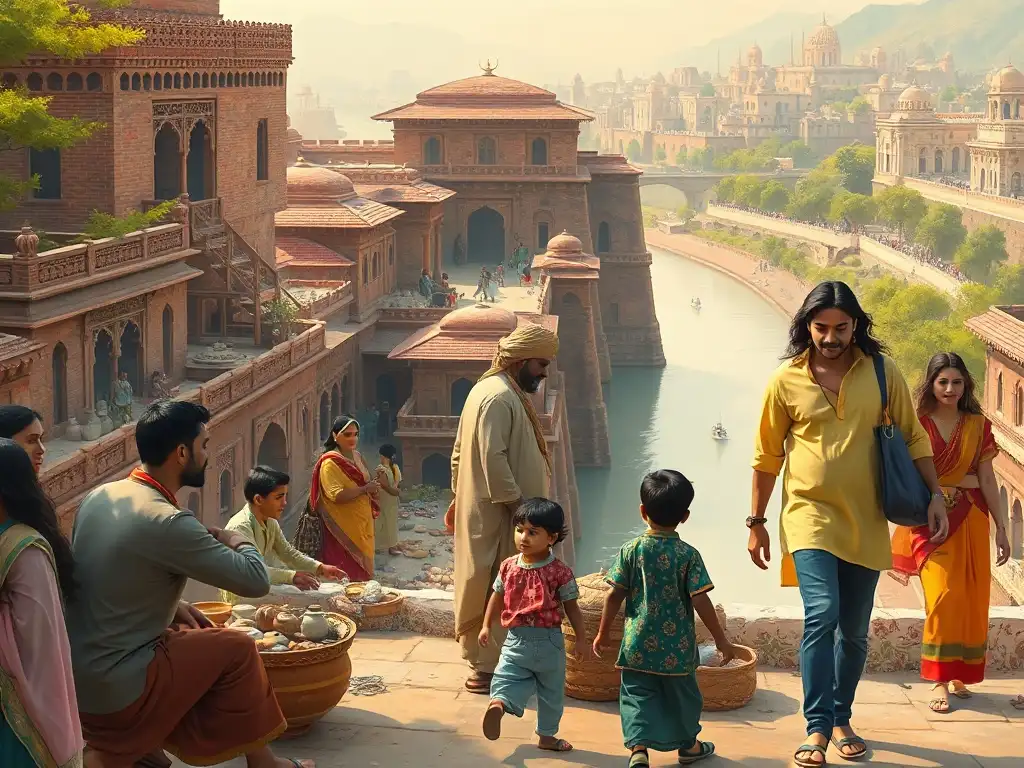
The Indus Valley Civilization (IVC), flourishing between 3300 and 1300 BCE, is a cornerstone of ancient Indian heritage, marking a period of significant cultural development. Its contributions span various aspects of society, including religion, language, art, and urban planning. This section delves into the cultural significance of the IVC, particularly in the realms of religion and language.
Religion and Spiritual Practices
Religion in the Indus Valley Civilization was deeply intertwined with daily life and societal structures. Archaeological findings suggest a complex belief system that emphasized fertility, nature, and possibly a pantheon of deities.
Beliefs and Deities
The IVC is noted for its reverence of fertility deities, likely symbolizing agricultural abundance. Statues such as the famous "Dancing Girl" and the "Priest King" indicate a possible connection to ritualistic practices. The presence of seals depicting various animals, including unicorns, hints at totemic beliefs and the veneration of specific creatures, suggesting that animal symbolism played a crucial role in their spirituality.
- Fertility Cults: Evidence from terracotta figurines suggests a strong emphasis on fertility worship. These artifacts often depict women in childbirth poses, signifying the importance of fertility in agrarian society.
- Nature Worship: The IVC peoples likely worshipped natural elements, as seen in the ruins of large public baths, which may have been used for ritual purification.
Cultural Artifacts and Their Meanings
Artifacts unearthed from IVC sites provide insights into the spiritual life of its people.
- Seals: The use of engraved seals, often depicting animals and deities, indicates a sophisticated system of trade and a connection to religious practices. These seals may have served as talismans or identifiers in trade and ritual.
- Terracotta Figurines: The figurines, particularly those representing female forms, are believed to symbolize mother goddesses and might indicate a matriarchal aspect of the society.
Language and Script
The linguistic landscape of the Indus Valley Civilization remains one of the most enigmatic aspects of its legacy. The development of a script has profound implications for understanding the civilization's administrative and cultural practices.
Development of Indus Script
The Indus script, which consists of around 400 unique signs, is still undeciphered but showcases the complexity of communication in the IVC.
- Pictographic Nature: The script appears to be pictographic, with symbols representing objects and ideas, suggesting a rich vocabulary and the ability to convey complex information.
- Usage: The script was likely used for trade, administrative purposes, and possibly religious texts, indicating a structured society with a need for record-keeping.
Linguistic Contributions to Later Cultures
While the Indus script has yet to be definitively understood, its influence on subsequent linguistic developments in the region is notable.
- Cultural Transmission: The interaction with later cultures, such as the Vedic civilization, might have integrated elements of the Indus language, contributing to the linguistic diversity of ancient India.
- Legacy: Even though the script did not survive in later texts, the sophistication of the IVC's communication systems laid the groundwork for future writing systems in the Indian subcontinent.
The contributions of the Indus Valley Civilization are invaluable in understanding the cultural and historical trajectory of Western India. Its advancements in religion, art, and language not only reflect the ingenuity of its people but also serve as a foundation upon which later civilizations would build.
The Legacy of the Indus Valley Civilization
Influence on Later Indian Civilizations
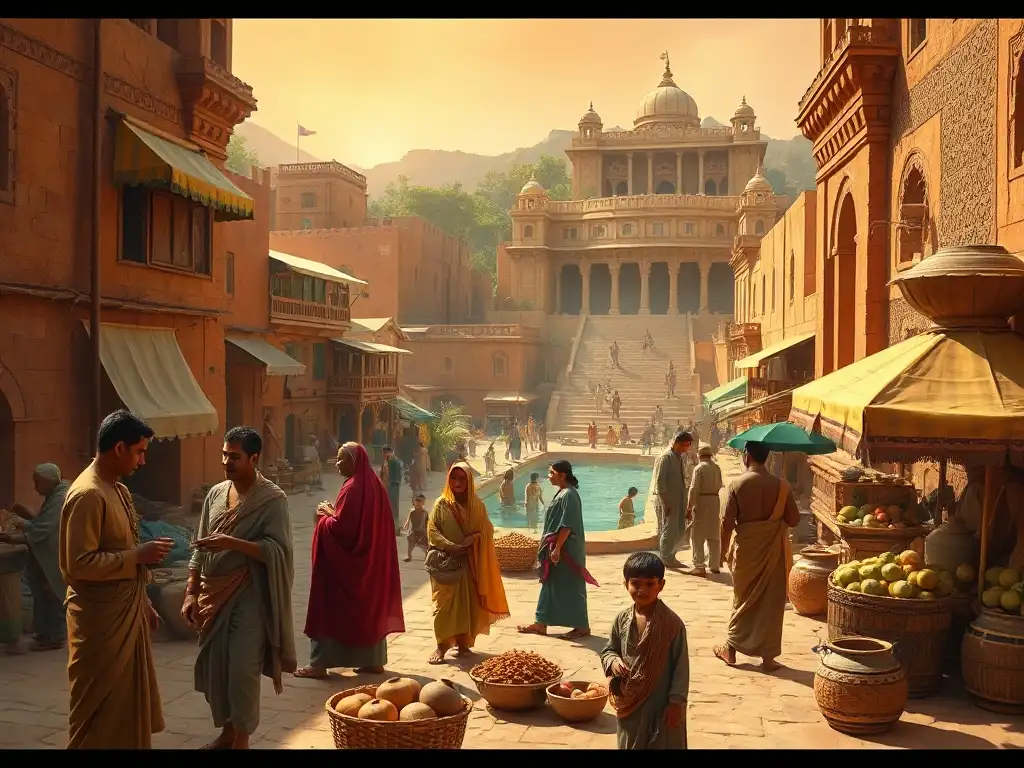
The Indus Valley Civilization (IVC), existing from approximately 3300 to 1300 BCE, set a foundational precedent for subsequent Indian civilizations. Its urban planning, advanced drainage systems, and standardized weights and measures influenced later societal structures and administrative practices. The IVC's emphasis on trade and commerce also established economic frameworks that would be adopted and adapted by later cultures.
The architectural techniques and urban design principles evident in cities like Harappa and Mohenjo-Daro paved the way for the city planning seen in subsequent periods. For instance, the grid layout of these ancient cities is reflected in later urban centers across India, showcasing the enduring legacy of IVC's organizational prowess.
Connections to the Vedic Period
The transition from the IVC to the Vedic period marks a significant cultural shift, yet there are notable continuities that suggest a shared heritage. Linguistic studies indicate that certain aspects of the early Indo-Aryan languages may have roots in the Dravidian languages prevalent in the IVC. This linguistic connection highlights an early instance of cultural synthesis.
Moreover, archaeological evidence has uncovered artifacts such as pottery and seals that suggest trade and interaction between the IVC and the early Vedic people. The agricultural practices established by the IVC, particularly in the cultivation of barley and wheat, continued to flourish during the Vedic period, reflecting the agricultural advancements pioneered by the IVC.
Contributions to the Gupta Empire
By the time of the Gupta Empire (circa 320 to 550 CE), the contributions of the IVC were deeply ingrained in the cultural and economic fabric of Indian society. The Gupta period is often referred to as a Golden Age of India, wherein the foundations laid by the IVC in terms of trade networks and urban centers became more pronounced.
The IVC's advances in metallurgy, particularly in the production of tools and decorative items, were further refined and expanded upon during the Gupta period. This era saw the emergence of sophisticated art forms influenced by earlier IVC techniques, contributing to the rich tapestry of Indian artistic expression.
Preservation of Indus Valley Heritage
Archaeological Sites and Discoveries
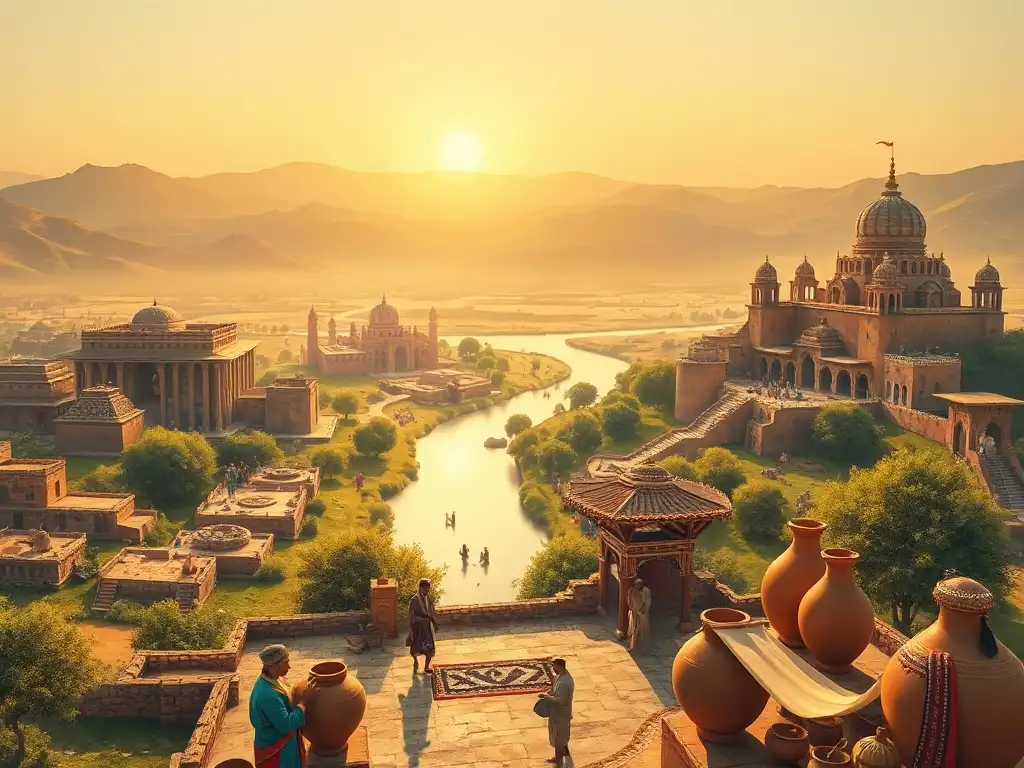
The preservation and study of various archaeological sites, such as Harappa and Mohenjo-Daro, have been crucial in understanding the complexities of the IVC. These sites have yielded an array of artifacts, including seals, pottery, and tools, which provide insight into the daily lives, trade practices, and spiritual beliefs of the IVC inhabitants.
Efforts to excavate and preserve these sites continue to reveal new findings that challenge and refine our understanding of this ancient civilization. Recent discoveries, such as sophisticated drainage systems and evidence of urban sanitation, underscore the advanced nature of IVC society.
Importance of Heritage Conservation
Heritage conservation plays a vital role in maintaining the legacies of the Indus Valley Civilization. Protecting archaeological sites not only preserves the physical remnants of this ancient culture but also fosters a deeper appreciation for its contributions to Indian history.
Initiatives aimed at raising awareness about the significance of the IVC have gained momentum, encouraging local communities and the government to invest in preservation efforts. Such initiatives help ensure that future generations can explore and learn from the rich legacy of the Indus Valley Civilization, allowing its contributions to remain a cornerstone of Western Indian heritage.
Through the exploration of these aspects, it becomes evident that the Indus Valley Civilization's contributions are not only foundational to ancient Indian history but also resonate through the ages, influencing various cultural and societal advancements in the region.
Conclusion
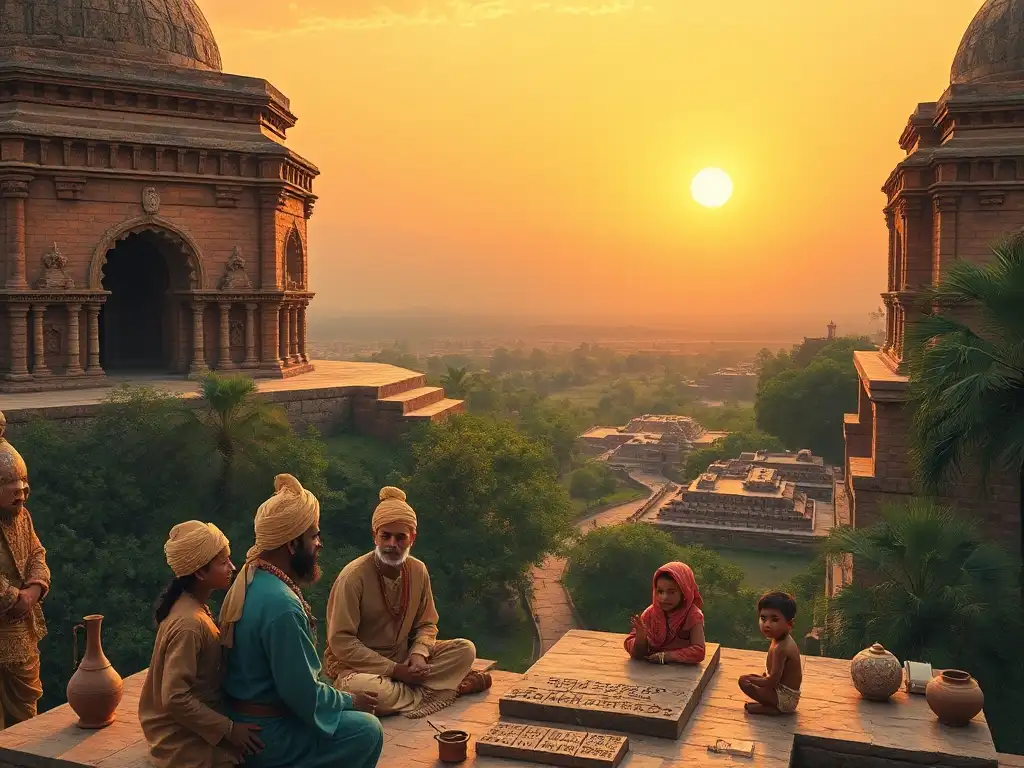
The Indus Valley Civilization stands as a testament to the ingenuity and sophistication of early human societies. Through their advanced urban planning, innovative technologies, and rich cultural practices, the inhabitants of this remarkable civilization laid the groundwork for subsequent developments in Western India and beyond.
Recap of Indus Valley Civilization Contributions
The contributions of the Indus Valley Civilization are manifold and significant. Here are some key highlights:
- Urban Planning and Architecture:
- The cities of Harappa and Mohenjo-Daro showcased remarkable urban planning with grid layouts, sophisticated drainage systems, and standardized fired-brick construction.
- Trade and Economy:
- The civilization engaged in extensive trade networks, both local and international, facilitating the exchange of goods such as cotton textiles, beads, and metals with regions as far as Mesopotamia.
- Writing System:
- Although still undeciphered, the Indus script represents one of the earliest forms of written communication, indicating a complex society with administrative needs.
- Agricultural Innovations:
- The use of irrigation and crop rotation contributed to agricultural productivity, supporting a thriving population.
- Art and Craftsmanship:
- Skilled artisans produced intricate pottery, jewelry, and figurines, reflecting a rich cultural life and aesthetic sensibilities.
- Social Organization:
- Evidence suggests a level of social stratification and governance, with public structures indicating a centralized authority or community organization.
These contributions not only shaped the immediate landscapes of Western India but also influenced subsequent cultures, enriching the region's historical tapestry.
The Lasting Impact on Western Indian Heritage
The impact of the Indus Valley Civilization on Western Indian heritage is profound and enduring. Several aspects illustrate this legacy:
- Cultural Continuity:
- Many cultural practices, such as pottery styles and agricultural techniques, can trace their origins back to the Indus Valley period, demonstrating a continuity of tradition.
- Architectural Influence:
- The principles of urban planning established during this era can be seen echoed in later Indian cities, influencing architectural styles that emerged in the subsequent Vedic period and beyond.
- Trade Practices:
- The trade networks developed by the Indus Valley pioneers laid the foundation for future commercial exchanges, contributing to the economic development of the region.
- Religious and Spiritual Traditions:
- Elements of spiritual practices and iconography from the Indus Valley have been linked to later Indian religions, including Hinduism, highlighting a deep-rooted spiritual legacy.
- Technological Advancements:
- Innovations in metallurgy and craftsmanship established by the Indus people paved the way for technological progress in later Indian civilizations.
The Indus Valley Civilization's contributions have left an indelible mark on Western Indian heritage, influencing various facets of life that continue to resonate today. Understanding this legacy is essential for appreciating the rich historical narrative of the region and its civilizations.
Frequently Asked Questions
What were the main contributions of the Indus Valley Civilization?
The Indus Valley Civilization is known for its advanced urban planning, sophisticated drainage systems, and innovative trade practices. These contributions laid the foundation for future civilizations in the region.
How did the Indus Valley Civilization influence later cultures in India?
The cultural practices and technological advancements of the Indus Valley Civilization significantly impacted later societies, especially in areas like agriculture, art, and architecture. This influence can still be seen in modern Indian culture.
What writing system was used by the Indus Valley Civilization?
The Indus Valley Civilization utilized a script that remains undeciphered today, often referred to as the Indus script. Despite extensive research, its meaning and structure continue to elude scholars.
How did trade function in the Indus Valley Civilization?
Trade was a vital aspect of the Indus Valley Civilization, with evidence of extensive trade networks linking them to regions like Mesopotamia. They traded goods such as cotton textiles, jewelry, and metals.
What led to the decline of the Indus Valley Civilization?
The decline of the Indus Valley Civilization is attributed to a combination of factors, including climate change, resource depletion, and potential invasions. These factors contributed to the eventual abandonment of major urban centers.
Final Reflection: Embracing the Legacy of the Indus Valley Civilization
The Indus Valley Civilization stands as a testament to the ingenuity and resilience of early human societies, showcasing remarkable contributions that continue to shape our understanding of urban planning, trade, and social organization. In an age where we often overlook the roots of our cultural heritage, it is crucial to recognize how these ancient pioneers laid the groundwork for many aspects of modern civilization. Their innovations remind us that the past is not merely a series of events but a living narrative that influences our present and future.
The impact of the Indus Valley Civilization resonates deeply within our cultural and social landscapes today. Their advancements in architecture, metallurgy, and trade networks have not only enriched our historical narrative but also fostered a sense of identity and continuity in Western Indian heritage. As we explore these ancient contributions, we are reminded of the words of historian Charles Mann: Civilizations are not static; they are dynamic and constantly evolving.
This observation underscores the importance of recognizing and honoring the legacies that shape our societies, encouraging us to appreciate the interconnectedness of our histories.
As we reflect on the profound contributions of the Indus Valley Civilization, I invite you to consider how these lessons can be applied in your own life. Embrace the spirit of innovation and community that defined this ancient society; let it inspire you to contribute positively to your own community and culture. By acknowledging our past, we can forge a brighter future, one that honors the rich tapestry of human achievement and fosters a deeper understanding of our shared heritage.
Uncover the Legacy of the Indus Valley!
Thank you for exploring the wonders of the Indus Valley Civilization with us! You’ve gained insights into one of history’s most remarkable cultures that laid the groundwork for Western Indian heritage. Now, it’s time to take the next steps and deepen your connection with this incredible past.
- Dive Deeper: Discover more about the daily lives of the Indus Valley inhabitants by exploring our extensive collection of articles on our website.
- Share the Knowledge: Engage with friends and family by discussing what you’ve learned. Don't hesitate to share this article on social media to inspire curiosity about ancient civilizations!
- Join the Conversation: Connect with fellow history enthusiasts by participating in our online forum, where you can share your thoughts and findings about the Indus Valley.
What aspect of the Indus Valley Civilization fascinates you the most, and how will you explore it further?