
Ancient Western Indian Warfare: Strategies and Key Battles

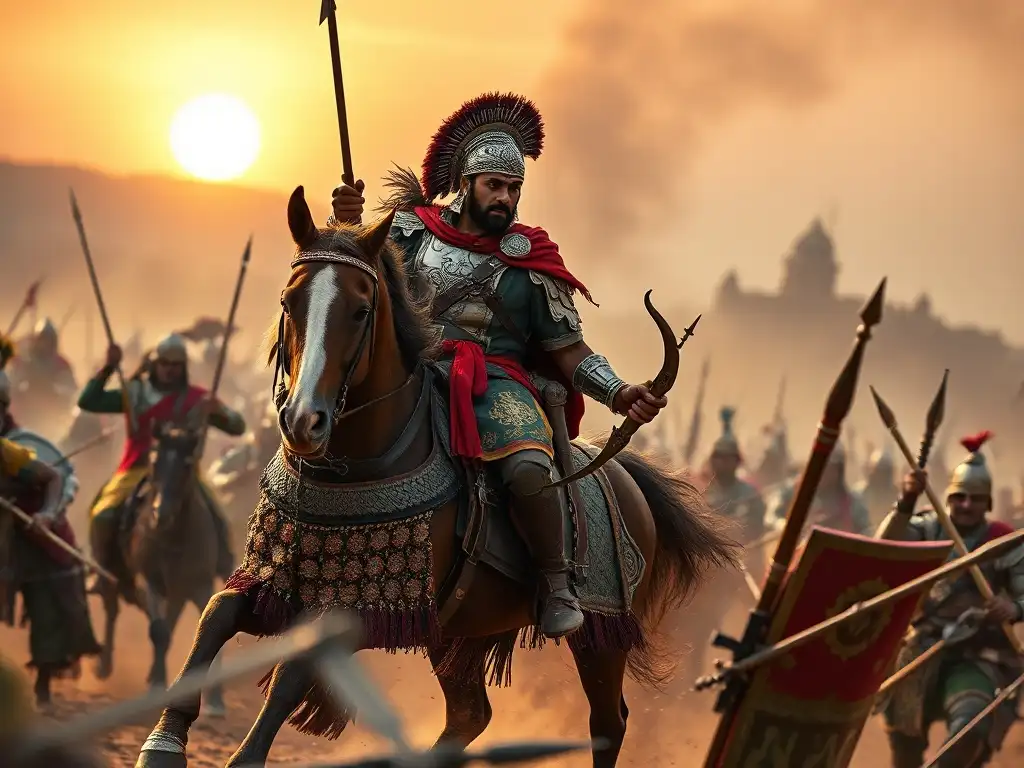
Welcome to Ancient India History, where we embark on a fascinating journey through the rich tapestry of ancient Indian civilizations. From the enigmatic Indus Valley to the illustrious Gupta Empire, we delve deep into the cultural and historical legacies that shaped a vibrant society. In our featured article, Ancient Western Indian Warfare: Strategies and Key Battles, we uncover the ingenious warfare strategies that defined regional conflicts and influenced the course of history.
As you navigate through our content, prepare to be captivated by the intricacies of ancient tactics and the remarkable stories behind key battles. Join us, and let the exploration of India's glorious past ignite your curiosity!
- Ancient Indian Warfare Strategies: An Overview of Western India
-
Frequently Asked Questions
- What were the main strategies used in ancient Western Indian warfare?
- Which battles are considered significant in the context of ancient Western Indian warfare?
- How did geography influence warfare strategies in ancient Western India?
- What role did technology play in ancient Indian warfare?
- How did ancient Western Indian warfare compare to other regions in India?
- Final Reflection: The Enduring Legacy of Ancient Indian Warfare Strategies
- Unveil the Secrets of Ancient Warfare Today!
Ancient Indian Warfare Strategies: An Overview of Western India
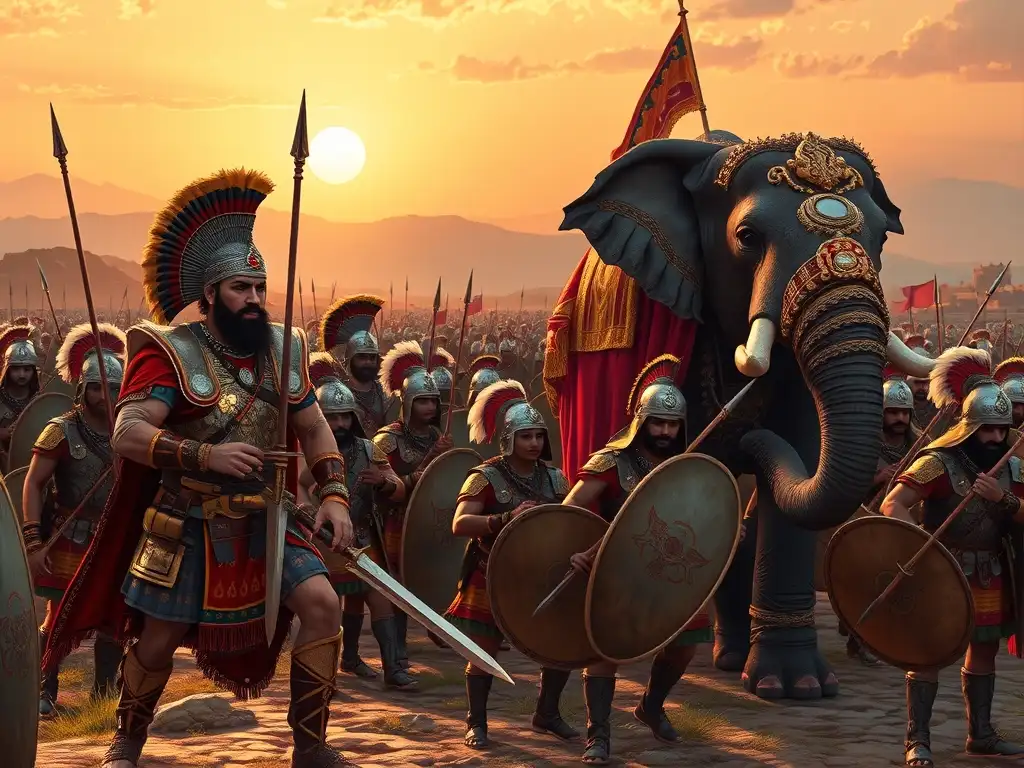
The history of warfare in ancient Western India is a fascinating tapestry woven with diverse strategies, significant battles, and evolving military techniques. As we delve into this intricate subject, we will explore how ancient Indian warfare strategies were shaped by various factors, including cultural influences, geographical features, and technological advancements. From the fortified cities of the Indus Valley Civilization to the martial prowess displayed during the Gupta Empire, the region's military history reveals a rich legacy that not only highlights the tactical ingenuity of its people but also their profound impact on the overall narrative of ancient Indian civilization.
Understanding ancient Indian warfare strategies requires an appreciation of the historical context that fostered military developments. This context is marked by a series of key battles and the evolution of tactics that have influenced not just Western India, but the broader spectrum of Indian military history. As we embark on this exploration, we will identify the significant strategies employed by ancient Indian armies and how these methods transformed in response to both internal dynamics and external challenges.
The Historical Context of Warfare in Ancient Western India
The historical backdrop of warfare in ancient Western India is characterized by a confluence of cultures, rivalries, and trade routes that shaped military practices. The presence of powerful kingdoms such as the Mauryas, Satavahanas, and Guptas played a crucial role in the evolution of warfare in this region. These empires were often engaged in territorial expansions, which led to numerous conflicts and the necessity for sophisticated military strategies.
The Evolution of Warfare Techniques in Ancient India
As we trace the evolution of warfare techniques in ancient India, it becomes evident that military strategies were not static; they adapted over time in response to technological advancements and changing battlefield dynamics. The introduction of iron weaponry, advances in chariot design, and the establishment of organized infantry units marked significant milestones in the development of military tactics.
The ancient Indian military system also saw the emergence of specialized roles within the army, including archers, spearmen, and cavalry, each trained to maximize their effectiveness in combat situations. This diversification of military roles allowed for more complex and coordinated strategies on the battlefield.
Influences of Geography on Military Strategies
Geography played a pivotal role in shaping military strategies in ancient Western India. The region's diverse landscapes, from rugged mountains to vast plains and coastal areas, influenced how battles were fought. For instance, the availability of resources, such as water bodies for cavalry maneuvers or natural fortifications for defensive strategies, dictated the choice of tactics employed by armies.
Additionally, the strategic significance of trade routes meant that control over these paths was often contested, further impacting the military strategies of competing kingdoms. The terrain not only dictated the logistics of warfare but also the psychological aspects of military engagement, as armies had to adapt to the environmental challenges presented by their surroundings.
Key Ancient Indian Warfare Strategies in Western India
The study of ancient Indian warfare strategies reveals a diverse array of tactics that were employed throughout Western India. These strategies reflect a combination of innovative techniques and traditional practices, shaped by the unique context of the region.
Infantry Tactics and the Role of Foot Soldiers
Foot soldiers formed the backbone of ancient Indian armies, and their tactics were central to the success of many military campaigns. The organization of infantry into formations allowed for coordinated attacks and defenses, while the use of shields and spears provided a robust defense against enemy forces.
Moreover, the strategic deployment of infantry units in combination with cavalry and archers exemplified the integrated approach to warfare that characterized ancient Indian military strategies. The foot soldiers' adaptability and training were crucial in various battles, as they often faced both organized formations and guerrilla-style tactics from rival factions.
Cavalry and Chariotry: Dominance on the Battlefield
Cavalry and chariotry were vital components of ancient Indian warfare, offering speed and maneuverability that could turn the tide of battle. The use of horse-mounted troops allowed for rapid advances, flanking maneuvers, and the ability to exploit weaknesses in enemy lines. Chariots, often equipped with archers and spearmen, provided a formidable platform for launching attacks while maintaining mobility.
The significance of cavalry in ancient Western Indian warfare is underscored by their strategic deployment in major battles, where their ability to outmaneuver slower infantry units often determined the outcome. The integration of chariots in warfare also exemplified the importance of technological advancements in shaping military strategies.
Siege Warfare: Techniques and Innovations
Siege warfare represented a critical aspect of ancient Indian military strategy, particularly in the context of fortified cities and strongholds. The techniques employed during sieges involved a combination of psychological warfare, engineering innovations, and logistical planning.
Ancient Indian armies developed various methods for breaching fortifications, including the use of battering rams, tunneling, and the construction of siege towers. These techniques were complemented by strategies aimed at demoralizing defenders, such as cutting off supply lines and launching psychological attacks.
The study of ancient Indian warfare strategies, particularly in Western India, reveals a complex interplay of tactics, technological advancements, and geographical influences. This rich historical legacy not only offers insights into the military practices of the time but also highlights the broader cultural and political dynamics that shaped ancient Indian civilizations.
Major Battles that Shaped Ancient Western Indian Warfare
Ancient Western India was a theater of numerous significant battles that not only showcased the martial prowess of various kingdoms but also influenced the socio-political landscape of the region. The strategies employed in these battles reveal much about the military innovations and tactical approaches of the time. Key battles such as the Battle of the Hydaspes and the conquests of Chandragupta Maurya stand out as pivotal moments that defined ancient Indian warfare strategies. These encounters not only determined the fate of empires but also shaped the cultural and economic interactions among different regions.
The Battle of the Hydaspes: A Turning Point in Indian Warfare
Fought in 326 BCE, the Battle of the Hydaspes was a landmark event in the annals of ancient Indian warfare. This battle pitted Alexander the Great against King Porus of the Paurava kingdom, located in present-day Punjab. Alexander’s innovative tactics, including the use of cavalry and a well-planned river crossing, contrasted sharply with Porus’s traditional war elephants and infantry formations.
The outcome of the battle was significant; despite Alexander's victory, the heavy resistance posed by Porus showcased the effectiveness of Indian military tactics. The strategies employed by both commanders reflected a blend of conventional and unconventional warfare techniques, with Alexander’s adaptability to the terrain and Porus’s defensive prowess marking this battle as a turning point in Indian warfare. The aftermath of the battle also led to Alexander’s eventual decision to turn back, highlighting the fierce resistance that characterized ancient Indian warfare.
The Conquests of Chandragupta Maurya: Strategies and Outcomes
Chandragupta Maurya, the founder of the Maurya Empire, played a crucial role in shaping the military strategies of ancient India. His campaigns, particularly against the Nanda Empire, demonstrated effective military organization and strategic planning. Utilizing a combination of guerilla tactics and formal warfare, Chandragupta was able to overthrow the Nandas and establish a powerful empire.
A key feature of his strategy was the formation of alliances, which allowed him to consolidate power and resources. The Mauryan army was organized into various units, including infantry, cavalry, and war elephants, which were essential for battlefield dominance. Additionally, his advisor Chanakya’s treatise, the Arthashastra, provided valuable insights into statecraft and military tactics, emphasizing the importance of espionage and psychological warfare. The successful expansion of the Maurya Empire under Chandragupta not only altered the power dynamics of Western India but also laid the groundwork for the political and military frameworks that would influence future empires.
The Role of Rajput Clans in Western Indian Warfare
The Rajput clans emerged as formidable forces in Western Indian warfare during the medieval period. Known for their valor and chivalry, these clans played a significant role in regional power struggles and the defense against invasions. The Rajputs, organized into clans such as the Rathores, Sisodias, and Chauhans, were adept at employing both cavalry and infantry tactics.
The feudal structure of Rajput society meant that local chieftains commanded loyalty from their vassals, which allowed for swift mobilization of troops during conflicts. Their warfare strategies often included the use of fortifications and guerilla tactics, reflecting a deep understanding of the rugged terrain of Western India. The battles fought by Rajput clans against invaders, such as the Khiljis and Mughals, were marked by their fierce resistance and innovative strategies, which often combined traditional warfare with cunning tactics. This legacy of military prowess significantly influenced the historical narrative of warfare in Western India.
The Impact of Ancient Indian Warfare Strategies on Society
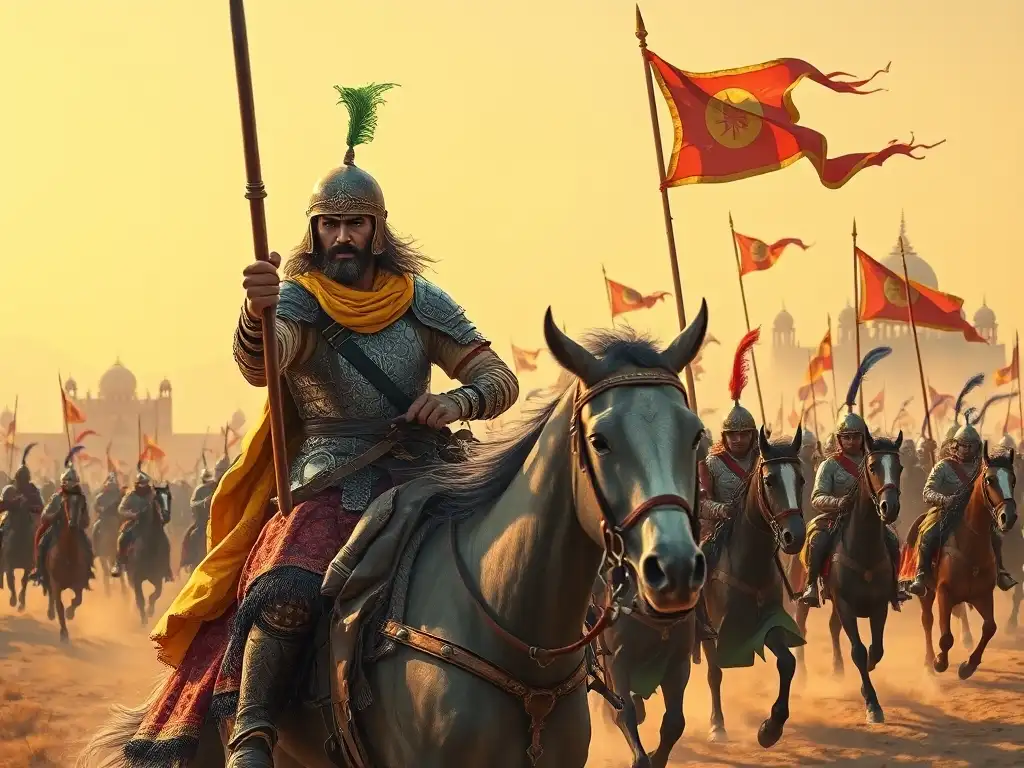
The warfare strategies employed in ancient India had profound implications for society, influencing everything from social structures to urban development. The military organization and tactics not only determined the outcomes of battles but also shaped the cultural and economic fabric of the region.
Military Organization and Social Structure in Ancient India
Ancient Indian military organization was intricately linked to the social structure of the time. Warriors often belonged to specific castes and clans, with a strong emphasis on honor and loyalty. The hierarchical nature of society meant that military roles were often inherited, creating a class of professional soldiers who were skilled in the arts of warfare.
The organization of armies into distinct units—infantry, cavalry, and chariots—reflected a sophisticated understanding of military tactics. This structure was crucial in sustaining prolonged conflicts and ensuring effective command and control. Furthermore, the need for resources to support military campaigns led to advancements in agriculture and trade, fostering economic growth and urbanization in various regions, particularly in Western India.
The Influence of Warfare on Urban Development in Western India
Warfare played a critical role in shaping the urban landscape of Western India. The establishment of fortified cities and strategic settlements was often a direct result of military needs. Cities such as Ujjain and Ahmedabad grew as important centers of trade and military logistics, benefiting from their strategic locations and defensive structures.
Additionally, the continuous need for resources to support military endeavors led to advancements in infrastructure, including roads and irrigation systems. The amalgamation of military and urban development fostered a culture of innovation and resilience, enabling cities to thrive amidst the challenges posed by warfare. As a result, the impact of ancient Indian warfare strategies extended far beyond the battlefield, leaving a lasting legacy on the social and economic structures of Western India.
Conclusion: The Legacy of Ancient Indian Warfare Strategies
The legacy of ancient Indian warfare strategies is profound and multifaceted, significantly shaping the military practices and cultural landscape of both ancient and modern India. The intricate tactics employed by various kingdoms in Western India, from the Mauryas to the Guptas, highlight a sophisticated understanding of warfare that integrated not just brute strength but also strategic planning, psychological warfare, and the importance of terrain. These strategies not only secured victories in numerous battles but also fostered a rich martial culture that emphasized valor, honor, and the significance of statecraft in military affairs.
As we reflect on this legacy, it becomes clear that the principles and tactics developed during these times laid foundational elements for subsequent military doctrines, influencing both regional and global military thought. The emphasis on formations, the use of elephants in warfare, and the strategic deployment of infantry and cavalry have made indelible marks on military history, demonstrating that ancient Indian warfare was not merely about conflict but also about the complex interplay of socio-political dynamics.
The Enduring Influence of Ancient Warfare on Modern Military Practices
The strategies and tactics of ancient Indian warfare continue to resonate in modern military practices. Contemporary military theorists and strategists often draw parallels between ancient techniques and modern warfare, highlighting the timeless nature of certain principles. For instance, the concept of using terrain to gain tactical advantages—an essential component of ancient Indian warfare—remains a core element in modern military strategy.
Modern armies also study historical battles for insights into leadership, troop morale, and the psychological aspects of warfare. The ancient Indian emphasis on intelligence gathering and the use of spies, as seen in texts like Kautilya's Arthashastra, underscores the importance of information in achieving military success—a principle that is just as relevant today in the age of cyber warfare and intelligence operations.
Moreover, the historical use of diverse troop formations and combined arms tactics in ancient Indian battles has influenced contemporary military training and operations. The lessons learned from the successes and failures of ancient generals provide valuable insights that are applicable in modern contexts, making ancient Indian warfare a crucial study area for military academies worldwide.
Reflections on the Cultural Significance of Warfare in Ancient India
Warfare in ancient India was not solely about conquest; it was deeply interwoven with cultural, religious, and social dimensions. The significance of warfare can be seen as a reflection of the values and beliefs of the time. Battles were often portrayed in epics like the Mahabharata and Ramayana, where they served as metaphors for moral dilemmas and the struggle between good and evil. These narratives illustrate how warfare was intertwined with the very fabric of societal identity, shaping notions of heroism, duty, and sacrifice.
Additionally, the rituals and ceremonies associated with warfare, such as the worship of deities for victory and the performance of rites before battle, highlight the spiritual aspects of conflict in ancient India. Such practices fostered a sense of communal identity and purpose, reinforcing the idea that warfare was a collective endeavor rather than an individual pursuit.
The cultural significance of warfare also extended to the arts, as depicted in sculptures, literature, and dance forms that celebrated martial valor and the heroism of warriors. This rich cultural legacy not only honors the sacrifices made in battle but also serves as a reminder of the complexities involved in the nature of conflict, emphasizing that ancient Indian warfare was as much about cultural expression as it was about military strategy.
Frequently Asked Questions
What were the main strategies used in ancient Western Indian warfare?
Ancient Western Indian warfare involved guerrilla tactics, ambushes, and fortified positions. These strategies capitalized on the region's diverse geography and local terrain to gain advantages over opponents.
Which battles are considered significant in the context of ancient Western Indian warfare?
Key battles include the Battle of Gujarat and the Siege of Dholka, which showcased the tactical prowess and strategic depth of Western Indian kingdoms against invading forces.
How did geography influence warfare strategies in ancient Western India?
The rugged terrain and arid landscapes of Western India significantly influenced military strategies, encouraging the use of hit-and-run tactics and the establishment of fortresses for defense.
What role did technology play in ancient Indian warfare?
Advancements in weaponry, such as the use of chariots and war elephants, enhanced the effectiveness of armies. Additionally, the development of fortification techniques provided strategic advantages in battles.
How did ancient Western Indian warfare compare to other regions in India?
While Western Indian warfare emphasized cavalry and archery, regions like the Gangetic plains focused more on infantry formations. This diversity reflects the unique cultural and environmental factors influencing warfare across ancient India.
Final Reflection: The Enduring Legacy of Ancient Indian Warfare Strategies
The exploration of ancient Indian warfare strategies reveals not only the tactical brilliance of past civilizations but also their profound relevance in today's world. As we navigate complex global challenges, the lessons learned from the strategies employed in key battles of ancient Western India remind us that adaptability, innovation, and understanding of the terrain are crucial in any conflict, whether on the battlefield or in our daily lives. The wisdom of our ancestors continues to resonate, urging us to reflect on how these historical insights can inform our modern approaches to conflict resolution and leadership.
The impact of these ancient strategies extends far beyond the battlefield; they have shaped cultural narratives and influenced societal structures throughout history. The intricate interplay of diplomacy, alliances, and warfare in ancient India serves as a testament to the sophistication of its civilizations. As historian Romila Thapar eloquently stated, History is not just about the past; it is a lens through which we can understand the present and shape the future.
This perspective invites us to appreciate the depth of our heritage and recognize how these ancient practices continue to inform contemporary military and strategic thought.
As we reflect on the lessons of ancient Indian warfare, let us consider how we can apply these insights in our own lives. Are we prepared to adapt our strategies in the face of modern challenges? I encourage you to take a moment to contemplate the principles of adaptability, foresight, and strategic thinking that have stood the test of time.
Embrace the wisdom of the past as you navigate your own battles, whether they be personal, professional, or societal. By doing so, we honor the legacy of our ancestors and empower ourselves to forge a path toward a more thoughtful and resilient future.
Unveil the Secrets of Ancient Warfare Today!
Thank you for diving deep into the fascinating strategies and key battles that shaped ancient Western Indian warfare. Your interest not only enriches your knowledge but also helps preserve the legacy of this remarkable history. Now, it’s time to take action and explore further!
Here are some exciting steps you can take:
- Join our community: Connect with fellow history enthusiasts by signing up for our newsletter to receive insights and access exclusive articles.
- Share your thoughts: Discuss your favorite ancient battle or strategy in the comments below—let's learn from one another’s perspectives!
- Explore further: Check out our recommended readings on ancient warfare strategies or visit our archives to discover more captivating events from history.
What aspect of ancient warfare intrigues you the most, and how do you think it influences our understanding of modern military strategies?