
The Role of Stupas in Buddhism: Symbols of Enlightenment

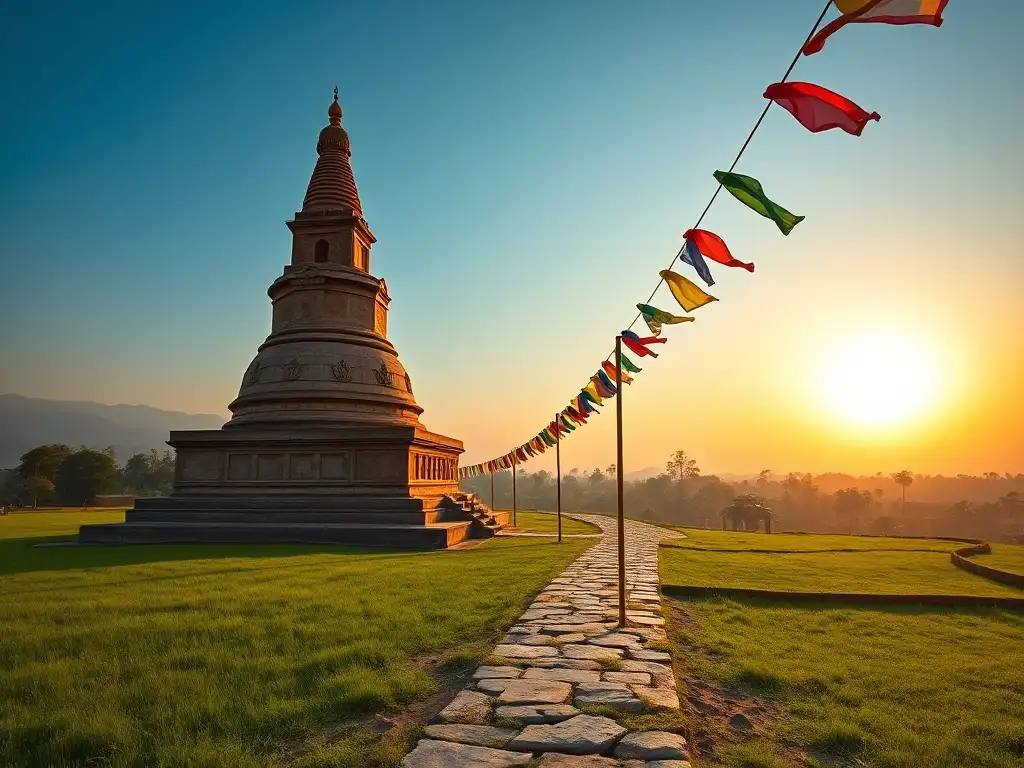
Welcome to Ancient India History, where we embark on a journey through the rich tapestry of India's past. Here, you'll uncover the fascinating stories and profound contributions of ancient civilizations, from the ingenious Indus Valley to the enlightened Gupta Empire. Today, we invite you to delve into the intriguing world of stupas in ancient Indian history—remarkable structures that symbolize enlightenment and play a pivotal role in Buddhism.
What secrets do these architectural wonders hold? Join us as we explore their significance and the spiritual heritage they represent, igniting your curiosity to learn more about the profound impact of these ancient relics on culture and religion.

Introduction to Stupas in Ancient Indian History
Stupas hold a profound significance in the tapestry of ancient Indian history, particularly within the context of Buddhism. These architectural marvels are not merely physical structures; they represent the essence of Buddhist teachings and the journey towards enlightenment. Emerging during the time of the Buddha, stupas serve as commemorative monuments that encapsulate the life, teachings, and spiritual aspirations of the Buddhist community.
As symbols of enlightenment, they are imbued with rich historical narratives that reflect the evolution of Buddhist thought and practice across centuries. This article delves into the multifaceted role of stupas in Buddhism, tracing their significance from ancient times to their enduring legacy in modern spirituality.
Definition and Significance of Stupas
A stupa is traditionally defined as a dome-shaped structure that serves as a reliquary for sacred relics, often associated with the Buddha or revered monks. The significance of stupas extends beyond their architectural form; they embody the Buddhist path to enlightenment. The circular shape symbolizes the cycle of life, death, and rebirth (samsara), while the upward tapering structure represents the ascent towards nirvana.
- Key Features of Stupas:
- Relics: Sacred remains or possessions of the Buddha or enlightened beings.
- Chhatras: Umbrella-like structures that signify protection and honor.
- Harmika: A square railing that represents the world of the gods.
- Toranas: Gateway structures that depict scenes from the Buddha's life, often adorned with intricate carvings.
The design and symbolism found in stupas encourage meditation and reflection, allowing practitioners to connect with the deeper teachings of Buddhism.
Overview of Stupas in Ancient Indian Civilization
Stupas emerged as significant cultural and religious centers within ancient Indian civilization. Following the death of the Buddha in the 5th century BCE, stupas were constructed to enshrine his relics, leading to the establishment of several monumental sites across India.
Notable stupas, such as the Sanchi Stupa and the Dhamek Stupa, reflect the architectural prowess of ancient Indian builders and their commitment to preserving Buddhist teachings. These structures not only served as places of worship but also as focal points for pilgrimage, attracting devotees from diverse regions. The intricate carvings and inscriptions found on stupas provide invaluable insights into the socio-religious fabric of the time, showcasing the blend of art, faith, and community.
Historical Development of Stupas in Buddhism
Origins of Stupas in Early Buddhism
The origins of stupas can be traced back to the Mourning Mound tradition, where ancient cultures constructed burial mounds to honor the deceased. In the context of early Buddhism, these mounds evolved into stupas, symbolizing the Buddha's physical and spiritual presence. The first stupas, such as the Buddhagaya Stupa, were simple structures, primarily serving as reliquaries.
As Buddhism spread, the design and function of stupas began to adapt, incorporating regional influences and artistic expressions. This evolution reflects the dynamic nature of Buddhist practice while maintaining the core principles of reverence and remembrance.
Evolution of Stupa Architecture through the Ages
The architecture of stupas underwent significant transformations over the centuries, influenced by varying artistic styles and cultural exchanges.
- Early Period (3rd century BCE - 1st century CE): Stupas were characterized by massive domes and simple designs, as seen in the Great Stupa at Sanchi.
- Medieval Period (1st century CE - 10th century CE): The introduction of elaborate carvings, gateways, and circumambulatory paths marked this era, with the Amaravati Stupa as a prime example.
- Later Period (10th century CE onwards): Stupas evolved into more intricate forms, incorporating local architectural styles, notably in Southeast Asia.
This architectural progression illustrates the adaptability of Buddhist symbols in response to changing cultural landscapes.
Key Historical Sites of Stupas in Ancient India
Several stupas across ancient India stand testament to the rich heritage of Buddhism and its architectural ingenuity. Some of the most significant sites include:
| Stupa Name | Location | Historical Significance |
|---|---|---|
| Great Stupa | Sanchi | One of the oldest stone structures in India, a UNESCO World Heritage Site. |
| Dhamek Stupa | Sarnath | Marks the site of the Buddha's first sermon. |
| Amaravati Stupa | Andhra Pradesh | Known for its intricate carvings and sculptures, representing Buddhist narratives. |
| Buddhagaya Stupa | Bodh Gaya | Site of the Buddha's enlightenment, a major pilgrimage destination. |
These sites not only reflect the architectural prowess of ancient Indian civilizations but also serve as vital links to the spiritual heritage of Buddhism, continuing to inspire seekers of truth and enlightenment to this day.
Symbolism of Stupas in Buddhism
Stupas hold profound significance in Buddhism, acting as symbols that encapsulate the essence of Buddhist teachings and the path towards enlightenment. Originally designed as reliquaries to house sacred relics of the Buddha or important Buddhist figures, stupas evolved into powerful symbols representing the Buddhist cosmology and the journey toward spiritual awakening. They serve as tangible reminders of the Buddha's teachings and the potential for all beings to achieve enlightenment.
The circular shape of stupas signifies the cycle of birth, death, and rebirth (samsara), highlighting the transient nature of life. This symbolism encourages practitioners to cultivate wisdom and compassion, guiding them on their path to liberation. Additionally, stupas are often adorned with intricate carvings and motifs that depict important events in the Buddha's life, further enriching their symbolic value and inviting deep contemplation by those who visit them.
Stupas as Symbols of Enlightenment
At their core, stupas embody the ultimate goal of Buddhism: the attainment of enlightenment (nirvana). Each component of a stupa represents a different aspect of the path to enlightenment. For instance, the dome represents the mind of the Buddha, while the spire symbolizes the aspiration to reach higher states of consciousness. The presence of relics within stupas serves not only as a physical connection to the Buddha but also as a spiritual catalyst for practitioners seeking to deepen their understanding and practice.
Moreover, stupas are often viewed as embodiments of the Buddha himself. The act of circumambulating a stupa is more than a physical journey; it signifies the inner journey of the practitioner, reflecting the ongoing quest for wisdom and understanding. In this way, stupas serve as both physical structures and spiritual guides, helping devotees to focus their thoughts and intentions toward achieving enlightenment.
The Structure and Meaning of Stupa Components
The architectural design of stupas is rich with symbolic meaning, with each component serving a specific purpose in conveying Buddhist philosophy. The key elements of a stupa include:
- Base: Represents the earth element, symbolizing stability and grounding.
- Dome (Anda): Signifies the water element, reflecting the cycle of birth and rebirth.
- Harmika: A square railing at the top of the dome represents the world of the gods, serving as a bridge between the earthly and the divine.
- Spire (Yasti): Symbolizes the fire element and the aspiration for enlightenment, pointing towards the heavens.
These components come together to create a holistic representation of the Buddha's teachings, emphasizing the interconnectedness of all elements in the pursuit of spiritual growth. The design and placement of stupas often follow specific geometrical patterns, which further enhance their spiritual significance, embodying the principles of harmony and balance central to Buddhist philosophy.
The Cultural Impact of Stupas on Ancient Indian Society
Stupas were not just religious structures; they played a vital role in shaping the cultural landscape of ancient India. Their construction and the rituals associated with them fostered a sense of community among Buddhists and facilitated the spread of Buddhist teachings throughout the region. The presence of stupas in various locations served as beacons of faith, attracting pilgrims and travelers alike, thereby contributing to the cultural exchange and dialogue between different communities.
Stupas as Centers of Pilgrimage and Worship
Stupas became important pilgrimage sites for Buddhists, drawing thousands of devotees who sought to pay homage and deepen their spiritual practice. Locations such as Sanchi, Bodh Gaya, and Amaravati became focal points for pilgrimage, where individuals could engage in rituals, meditate, and seek blessings. The act of pilgrimage not only allowed practitioners to connect with the relics housed within stupas but also fostered a sense of belonging to a larger spiritual community.
Festivals and ceremonies held at stupas further enriched their cultural significance, often featuring prayers, offerings, and communal gatherings. This practice helped to solidify Buddhism’s presence in ancient Indian society, promoting its teachings and values across various regions.
Influence of Stupas on Art and Architecture
The architectural beauty of stupas significantly influenced art and architecture in ancient India and beyond. As stupas evolved, they inspired a variety of artistic expressions, including carvings, sculptures, and paintings that adorned their surfaces. The intricate reliefs depicting scenes from the life of the Buddha and Jataka tales not only served as educational tools but also as a means of storytelling that conveyed moral lessons.
The design of stupas also set a precedent for subsequent architectural styles in India, inspiring the construction of other religious structures such as temples and monasteries. This cross-pollination of ideas led to the development of unique regional styles that integrated local cultural elements while retaining the core principles of Buddhist design.
Role of Stupas in Buddhist Education and Community
Stupas served as vital centers for education and community engagement in ancient Indian society. Monastic institutions often developed around stupas, where monks could impart teachings and conduct discussions on Buddhist philosophy. The presence of stupas facilitated the growth of educational programs designed to train new monks and disseminate Buddhist teachings to laypeople.
Furthermore, stupas fostered a sense of community among practitioners, providing a space for collective worship, meditation, and the sharing of knowledge. Through festivals, teachings, and communal activities centered around stupas, individuals found opportunities to cultivate relationships and support each other on their spiritual journeys, thus strengthening the bonds within the Buddhist community.
Stupas Across Different Buddhist Traditions
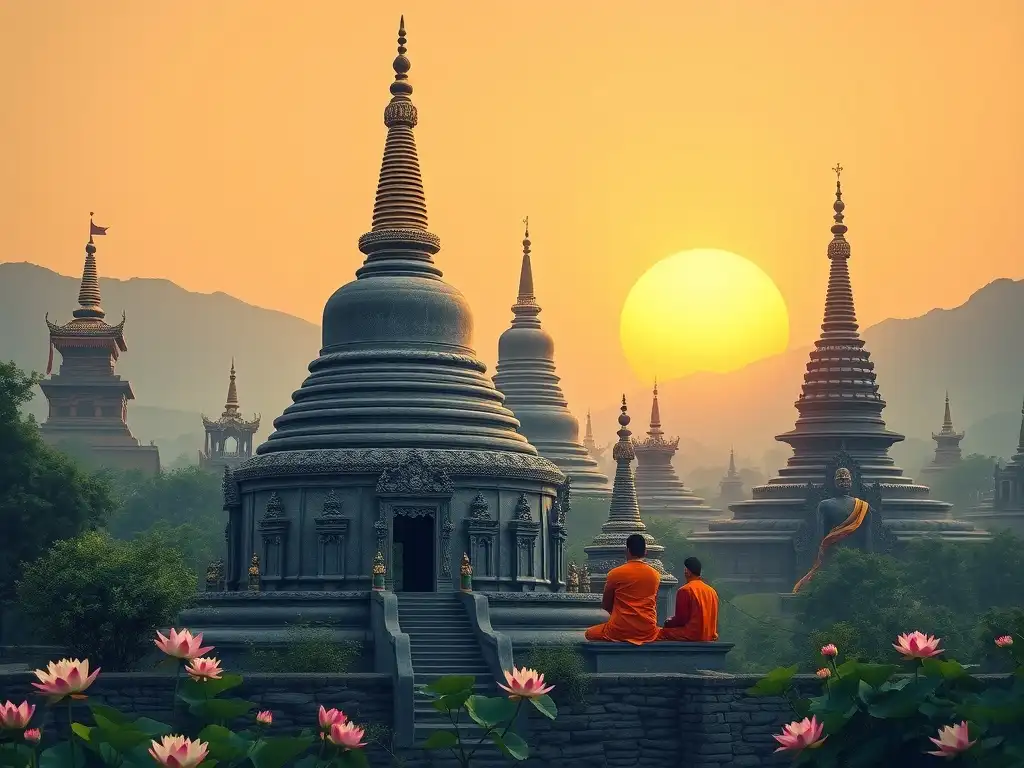
Stupas serve as a significant architectural and spiritual element across various Buddhist traditions, each interpreting their design and purpose through unique cultural lenses. These structures, which originally emerged as simple mound-like memorials, have evolved into complex symbols of enlightenment, representing the teachings of the Buddha and the path to Nirvana. The variations in stupas reflect the geographical, cultural, and doctrinal diversities within Buddhism, while maintaining a core essence that connects them back to the original teachings of the Buddha.
Variations of Stupas in Theravada Buddhism
In Theravada Buddhism, which is primarily practiced in Sri Lanka, Thailand, and Myanmar, stupas are often referred to as "chedis" or "pagodas." These structures typically serve as reliquaries, housing sacred relics of the Buddha or esteemed monks. The design of Theravada stupas is characterized by a bell-shaped dome (the "anda") and a spire (the "harmika") that symbolizes the ascent to enlightenment.
The most renowned example of a Theravada stupa is the Great Stupa at Sanchi, which dates back to the 3rd century BCE. This site not only exemplifies the architectural style but also serves as a pilgrimage destination, drawing followers who seek to connect with the historical roots of Buddhism. Additionally, the stupas in Theravada regions often feature intricate carvings and frescoes that narrate Jataka tales, emphasizing moral lessons and the virtues that lead to enlightenment.
Stupas in Mahayana Buddhism
Mahayana Buddhism, prevalent in East Asia, presents a distinctive interpretation of stupas, often incorporating additional elements that reflect its more expansive view of the Bodhisattva path. In this tradition, stupas can be more elaborate, sometimes taking the form of towering pagodas with multiple tiers that symbolize the heavens.
A notable example is the Giant Wild Goose Pagoda in Xi'an, China, which was built during the Tang dynasty to house Buddhist scriptures. The Mahayana stupas frequently serve a dual purpose as places of worship and as repositories of sacred texts and relics. Furthermore, the influence of local cultures has led to unique adaptations, such as the incorporation of Chinese architectural styles and motifs, which further enrich the symbolism associated with these structures.
Unique Features of Stupas in Vajrayana Buddhism
Vajrayana Buddhism, primarily practiced in Tibet and parts of the Himalayas, is known for its esoteric practices and rich symbolism. Stupas in this tradition, often called "chortens" or "zangdokpalri," possess unique features that differentiate them from their Theravada and Mahayana counterparts.
Vajrayana stupas are typically adorned with intricate carvings, colorful paintings, and symbolic representations of the Five Dhyani Buddhas, each corresponding to a cardinal direction and an aspect of enlightenment. The Boudhanath Stupa in Nepal is a prime example, featuring a large mandala and eyes that symbolize the omniscience of the Buddha watching over the world.
These stupas not only function as reliquaries but also as powerful symbols of the universe and the path to enlightenment, often incorporating ritual objects and relics that enhance their sacredness. The architectural design and placement of these stupas are meticulously aligned with cosmological principles, making them vital for both spiritual practice and cultural identity within Vajrayana communities.
The Decline and Revival of Stupas in History
The history of stupas in ancient India is marked by periods of flourishing and decline, reflecting the changing dynamics of Buddhism itself. Understanding the factors that led to the decline and the subsequent revival of these monumental structures provides insight into the resilience of Buddhist culture and its adaptability over time.
Factors Leading to the Decline of Stupas in Ancient India
The decline of stupas in ancient India can be attributed to several interrelated factors. The rise of Hinduism, particularly during the early medieval period, led to a gradual shift in religious patronage and cultural focus. As Hindu temples gained prominence, many stupas fell into disuse or were repurposed.
Additionally, political instability, invasions, and the fragmentation of empires contributed to the erosion of Buddhist influence in regions where stupas once thrived. The neglect and deterioration of these structures were further exacerbated by the lack of maintenance and support from the ruling classes, who shifted their allegiance towards Hindu religious practices and architecture.
Modern Revival and Preservation of Stupas
In the modern era, there has been a notable revival of interest in stupas, particularly as part of the broader resurgence of Buddhism globally. Efforts to preserve and restore ancient stupas are evident in various initiatives, with organizations and governments recognizing their cultural and historical significance.
Projects aimed at restoring stupas, such as the conservation initiatives for the Sanchi Stupa, demonstrate a commitment to preserving these symbols of enlightenment for future generations. Additionally, contemporary architects and artists are inspired by traditional designs, creating new stupas that honor ancient styles while incorporating modern elements, thus bridging the past with the present.
Continued Relevance of Stupas in Contemporary Buddhism
Today, stupas continue to hold profound relevance in contemporary Buddhism. They serve not only as places of worship and pilgrimage but also as symbols of peace, harmony, and enlightenment. In many Buddhist communities, stupas are central to rituals and ceremonies, embodying the teachings of the Buddha and serving as focal points for meditation and reflection.
The modern interpretation of stupas often emphasizes their role as cultural icons, promoting intercultural dialogue and understanding. Events such as the annual Kumarika Puja at the Swayambhunath Stupa in Nepal attract both locals and tourists, highlighting the importance of these structures in fostering a sense of community and shared heritage. As Buddhism continues to adapt and flourish worldwide, stupas remain a vital link to its rich history and teachings, inspiring future generations on their spiritual journeys.
Conclusion: The Enduring Legacy of Stupas in Ancient Indian History
Stupas hold a significant place in ancient Indian history, symbolizing not just the physical embodiment of Buddhist teachings but also the spiritual journey of enlightenment. Their design and construction reflect the philosophical ideals of Buddhism, serving as a testament to the cultural and religious evolution of the time. The enduring legacy of stupas can be seen in how they continue to inspire contemporary Buddhist practice and architecture, bridging the past with the present. As centers of pilgrimage and meditation, stupas resonate with the teachings of the Buddha, encouraging followers to engage in reflection and spiritual growth.
The influence of stupas extends beyond religious significance; they have shaped the artistic and architectural landscape of India and beyond. Their intricate carvings and symbolic representations provide insights into the socio-cultural dynamics of ancient Indian civilizations. Today, as we study these remarkable structures, we gain a deeper appreciation for the interconnectedness of history, spirituality, and community life in ancient India.
Stupas as Symbols of Spiritual Journey
Stupas serve as profound symbols of the spiritual journey within Buddhism, representing the path to enlightenment and the ultimate goal of nirvana. Each stupa is meticulously designed to embody various aspects of the Buddhist teachings. The hemispherical dome represents the universe, while the square base symbolizes the earth. The central axis, often depicted by a pole or spire, signifies the connection between the earthly realm and the spiritual world.
The act of circumambulating a stupa is a form of meditation, allowing practitioners to engage with the teachings of the Buddha actively. This ritual movement reflects the cyclical nature of life and the journey toward spiritual awakening. In essence, stupas embody the principles of mindfulness and devotion, inviting individuals to reflect on their personal paths while acknowledging the collective journey of the Buddhist community.
The Future of Stupas in Buddhism and Cultural Heritage
As we look to the future, the role of stupas in Buddhism is likely to evolve while remaining rooted in their historical significance. The revival of interest in ancient Indian history and culture has led to increased efforts in preserving and restoring stupas across the country. These structures not only serve as cultural heritage sites but also as active centers for spiritual practice and community engagement.
In a rapidly globalizing world, stupas are becoming focal points for intercultural dialogue, promoting understanding and respect among diverse religious traditions. Their timeless message of peace, compassion, and enlightenment resonates with contemporary audiences, making them relevant symbols in today's society. As modern Buddhists and scholars explore innovative ways to integrate traditional practices with contemporary issues, stupas will continue to play a vital role in shaping Buddhist thought and practice worldwide.
References and Further Reading on Stupas in Ancient Indian History
For those interested in delving deeper into the significance of stupas in ancient Indian history, a variety of resources are available that explore their historical, architectural, and spiritual dimensions. Below is a selection of recommended books, articles, and online resources that provide comprehensive insights into this fascinating topic.
Recommended Books and Articles
- "The Stupa: A Symbol of Enlightenment" by David Snellgrove: - This book delves into the history and significance of stupas, offering an in-depth analysis of their architectural features and spiritual meanings.
- "Buddhism: A Very Short Introduction" by Damien Keown: - A concise overview of Buddhist teachings, including a discussion of the role of stupas in the practice of Buddhism.
- "The Art of Ancient India" by Susan L. Huntington and John C. Huntington - This work includes sections dedicated to the art and architecture of stupas, providing context within the broader scope of Indian art history.
Notable Online Resources and Documentaries
- The Buddhist Art of India: 3D Tour: - An interactive online resource that allows users to explore the architecture and artistry of notable stupas in India.
- "Stupas: The Three Jewels" (Documentary): - A documentary that explores the history and cultural significance of stupas, featuring interviews with historians and Buddhist practitioners.
- The Archaeological Survey of India - Offers detailed reports and findings on the preservation and study of stupas across the country, including ongoing excavation projects and restoration efforts.
These resources will enhance your understanding of the rich history and cultural importance of stupas in ancient Indian history, encouraging further exploration of their enduring legacy.
- Introduction to Stupas in Ancient Indian History
- Historical Development of Stupas in Buddhism
- Symbolism of Stupas in Buddhism
- The Cultural Impact of Stupas on Ancient Indian Society
- Stupas Across Different Buddhist Traditions
- The Decline and Revival of Stupas in History
- Conclusion: The Enduring Legacy of Stupas in Ancient Indian History
- References and Further Reading on Stupas in Ancient Indian History
Frequently Asked Questions
What are stupas in ancient Indian history?
Stupas are dome-shaped structures that serve as Buddhist shrines. They are often used to house relics of the Buddha or other revered figures, symbolizing the path to enlightenment.
How did stupas contribute to Buddhism?
Stupas played a crucial role in spreading Buddhist teachings. They served as pilgrimage sites where devotees could gather, meditate, and reflect on the Buddha's life and teachings.
What is the significance of the architecture of stupas?
The architecture of stupas is rich in symbolism. The dome represents the universe, while the umbrella at the top signifies spiritual authority and protection, reflecting the spiritual journey of Buddhism.
Where can notable stupas be found in ancient India?
Notable stupas, such as the Sanchi Stupa and the Bodh Gaya Stupa, are found across India. These structures are historically significant and attract many visitors for their cultural and spiritual importance.
How did stupas evolve over time in ancient Indian history?
Over time, stupas evolved in their design and purpose. Initially simple, they grew in complexity and became elaborate structures, reflecting the growing influence of Buddhism and its integration into broader cultural practices.
Final Reflection: The Enduring Legacy of Stupas in Buddhism
The significance of stupas in ancient Indian history transcends mere architectural marvels; they embody the profound journey towards enlightenment. Today, as we navigate a world often clouded by chaos and distraction, the symbolism of stupas serves as a powerful reminder of the importance of mindfulness and spiritual growth. Their presence invites us to reflect on our own paths and the values we hold dear in our quest for inner peace.
The role of stupas extends beyond their historical context, shaping cultural and social landscapes in contemporary society. These sacred structures continue to inspire millions, fostering a sense of community and shared purpose among practitioners of Buddhism and those seeking spiritual solace. As the Dalai Lama once said, "> The purpose of our lives is to be happy." This pursuit of happiness, rooted in the teachings represented by stupas, encourages us to cultivate compassion and understanding in our daily lives.
As we conclude our exploration of stupas and their significance, I invite you to reflect on how these symbols of enlightenment can influence your own journey. Consider the lessons of patience, mindfulness, and compassion that these structures embody. How can you incorporate these values into your life? Embrace the opportunity to create your own path towards enlightenment, drawing inspiration from the rich heritage of stupas in ancient Indian history.
Embrace the Path to Enlightenment: Take Action Now!
Thank you for exploring the fascinating world of stupas and their profound significance in Buddhism. By delving into the intricacies of these ancient structures, you've unearthed valuable insights into their roles as symbols of enlightenment and devotion. Now, it's time to transform that understanding into meaningful action!
Here are some simple yet impactful steps you can take:
- Visit a local stupa or Buddhist temple: Experience the tranquility and beauty firsthand; immerse yourself in the energy and purpose that these structures embody.
- Share your newfound knowledge: Discuss the significance of stupas with friends or on social media; inspire others to appreciate these cultural treasures.
- Explore further: Dive into related topics—read about Buddhist philosophy or the art of stupa design to deepen your understanding.
As you reflect on these steps, consider this: How can the principles of enlightenment embodied by stupas influence your own journey towards personal growth and understanding? We encourage you to share your thoughts below!