
The Role of Music and Dance in Indus Valley Culture: A Daily Celebration

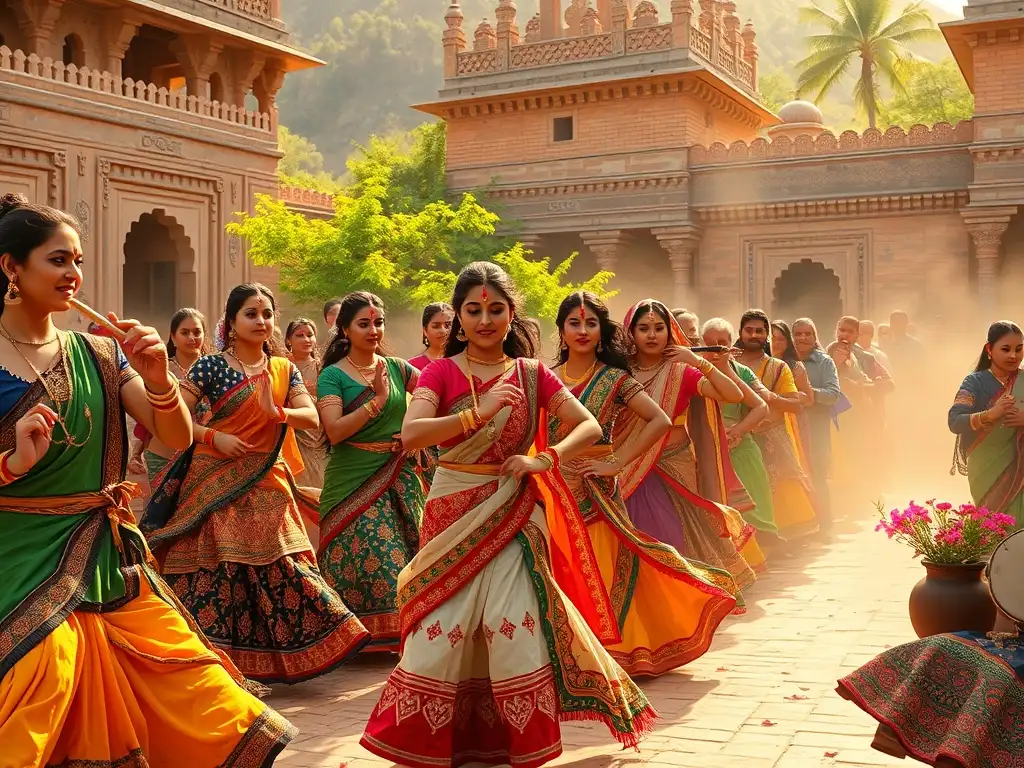
Welcome to Ancient India History, where we embark on a fascinating journey through the vibrant tapestry of ancient Indian civilizations. From the enigmatic Indus Valley to the illustrious Gupta Empire, we delve into the rich culture and remarkable contributions that have shaped India's heritage. In our featured article, "The Role of Music and Dance in Indus Valley Culture: A Daily Celebration," we uncover how these art forms were not just expressions of creativity but essential elements of daily life and spiritual practices.
Curious about how rhythm and movement resonated through the streets of the Indus Valley? Join us as we explore the captivating world of ancient Indian music and dance, and uncover the stories that have echoed through time!
Introduction to Indus Valley Music and Dance
The Indus Valley Civilization, one of the world's earliest urban cultures, thrived around 2500 BCE in present-day Pakistan and northwest India. This remarkable society is renowned not only for its advanced city planning and architecture but also for its rich cultural expressions, particularly through music and dance.
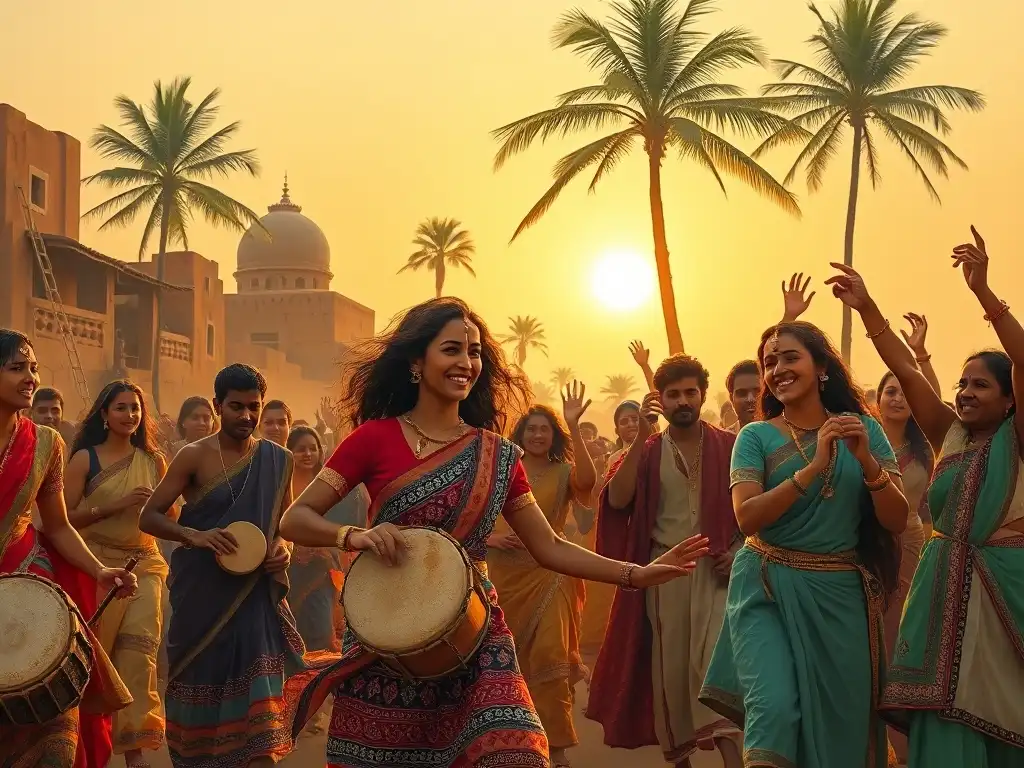
The role of Indus Valley music and dance in daily life was multifaceted, serving as a vital component of social interaction, religious practices, and artistic expression. By exploring these elements, we can gain a deeper understanding of how the people of the Indus Valley celebrated their lives and rituals through rhythmic melodies and captivating movements.
Overview of Indus Valley Civilization
The Indus Valley Civilization (IVC) is characterized by its well-planned cities, sophisticated drainage systems, and advanced craft production. Major urban centers like Harappa and Mohenjo-Daro exhibit a high degree of social organization. The civilization flourished for nearly a millennium, showcasing a blend of cultural influences. While much of its script remains undeciphered, archaeological evidence indicates a vibrant society where music and dance played essential roles in both public and private spheres. This cultural richness can be inferred from artifacts, seals, and figurines discovered at various sites, which hint at the significance of these art forms in everyday life.
Importance of Music and Dance in Ancient Societies
Across ancient civilizations, music and dance have served as powerful tools for communication, storytelling, and community bonding. In the context of the Indus Valley, these forms of expression likely facilitated social cohesion and played a significant part in rituals and celebrations. The harmonious blend of rhythm and movement not only entertained but also conveyed emotions and spiritual beliefs. The importance of music and dance in the Indus Valley culture underscores their role as a daily celebration of life, transcending mere entertainment to become a vital aspect of their identity.
The Significance of Music in Indus Valley Culture
The significance of music in the Indus Valley culture can be observed through various dimensions, from the instruments used to the social contexts in which music was performed.
Instruments Used in Indus Valley Music
Archaeological findings have unveiled a variety of musical instruments that were likely used in the Indus Valley. Some notable examples include:
- String Instruments: Instruments resembling harps and lyres, indicating a sophisticated understanding of stringed music.
- Percussion Instruments: Clay drums and other percussive tools, suggesting the importance of rhythm in their musical traditions.
- Wind Instruments: Flutes made from bone and clay, showcasing the diversity in musical expression.
These instruments reveal not only the technological advancements of the civilization but also their cultural values, emphasizing the integral role of music in daily activities and rituals.
Social Functions of Music in Daily Life
Music served various social functions within the Indus Valley community. It was integral to:
- Festivals and Celebrations: Music and dance were likely central to seasonal festivals, marking important agricultural events and community gatherings.
- Ceremonies: Ritualistic practices, including those related to marriage and fertility, often incorporated music to enhance the spiritual atmosphere.
- Storytelling: Oral traditions may have been conveyed through song, preserving cultural narratives and histories for future generations.
Through these social functions, music helped to unify individuals, foster community identity, and transmit cultural values across generations.
Religious and Spiritual Aspects of Music
In the spiritual realm, music held profound significance in the Indus Valley. It was possibly used in:
- Worship Practices: Music may have accompanied rituals dedicated to deities, enhancing the spiritual experience for worshippers.
- Healing Ceremonies: Certain melodies could have been believed to possess healing properties, used in rituals to invoke well-being.
- Meditative Practices: The calming effects of music likely played a role in meditation and reflection, aiding individuals in connecting with the divine.
The intertwining of music and spirituality in the Indus Valley culture highlights its role as a medium for exploring and expressing the human connection to the sacred. Through this lens, we can appreciate how deeply embedded music and dance were in the fabric of daily life, serving not just as forms of entertainment but as essential elements of cultural and spiritual identity.
The Role of Dance in Indus Valley Society
Dance played a significant role in the daily lives of the people in the Indus Valley Civilization, serving not only as a form of entertainment but also as a means of cultural expression and social interaction. The intricate movements and rhythms in dance were likely intertwined with various aspects of life, including religious rituals, agricultural celebrations, and communal gatherings. The societal structure of the Indus Valley was complex, and dance may have been a way to reinforce community bonds and convey shared cultural values.
Moreover, dance in this ancient society was not only a personal expression but also a collective one. It served as a medium through which individuals could come together, celebrate milestones, and mark significant events in their lives. The physicality of dance, accompanied by the harmonious rhythms of music, created a vibrant atmosphere that fostered unity and joy within the community.
Types of Dance Forms Practiced
The exact types of dance forms practiced in the Indus Valley remain largely speculative due to the limited historical records. However, archaeological findings suggest that dance was likely diverse, reflecting the various cultural influences within the civilization. Some possible forms could include:
- Celebratory Dances: Performed during harvests or festivals to honor the gods and celebrate the bounty of the land.
- Ritual Dances: Integrated into religious practices, these dances may have been performed to invoke blessings or seek favor from deities.
- Storytelling Dances: These could have served an educational purpose, passing down stories and folklore through movement.
The imagery of dancers found in seals and terracotta figurines indicates that dance was an essential aspect of life, with movements that might have been both graceful and symbolic.
Dance as a Means of Social Interaction
Dance provided a unique platform for social interaction among individuals of the Indus Valley Civilization. It helped to break down barriers between different social classes, allowing people to come together in a harmonious environment. Gatherings that featured dance often included communal participation, reinforcing relationships and promoting a sense of belonging.
Dances may have also served as a form of communication, conveying emotions, stories, and communal values without the need for words. This non-verbal expression through dance likely fostered empathy and understanding among the participants, further solidifying social ties within the community.
The Connection Between Dance and Rituals
Rituals were an integral part of life in the Indus Valley, and dance was often a vital component of these ceremonial practices. Whether associated with agricultural cycles, religious observances, or rites of passage, dance helped to enhance the spiritual significance of rituals.
The connection between dance and rituals can be observed in several ways:
- Invocation of Deities: Dance could be employed to honor gods and goddesses, inviting their presence into the community's celebrations.
- Seasonal Celebrations: Specific dances may have been performed during solstices or equinoxes to mark the changing seasons, reflecting the agricultural calendar.
- Life Cycle Events: From birth to marriage and beyond, dance likely played a role in significant life events, symbolizing transitions and shared experiences.
Through these connections, dance became a vital expression of the spiritual and cultural identity of the Indus Valley people.
Cultural Expressions Through Music and Dance
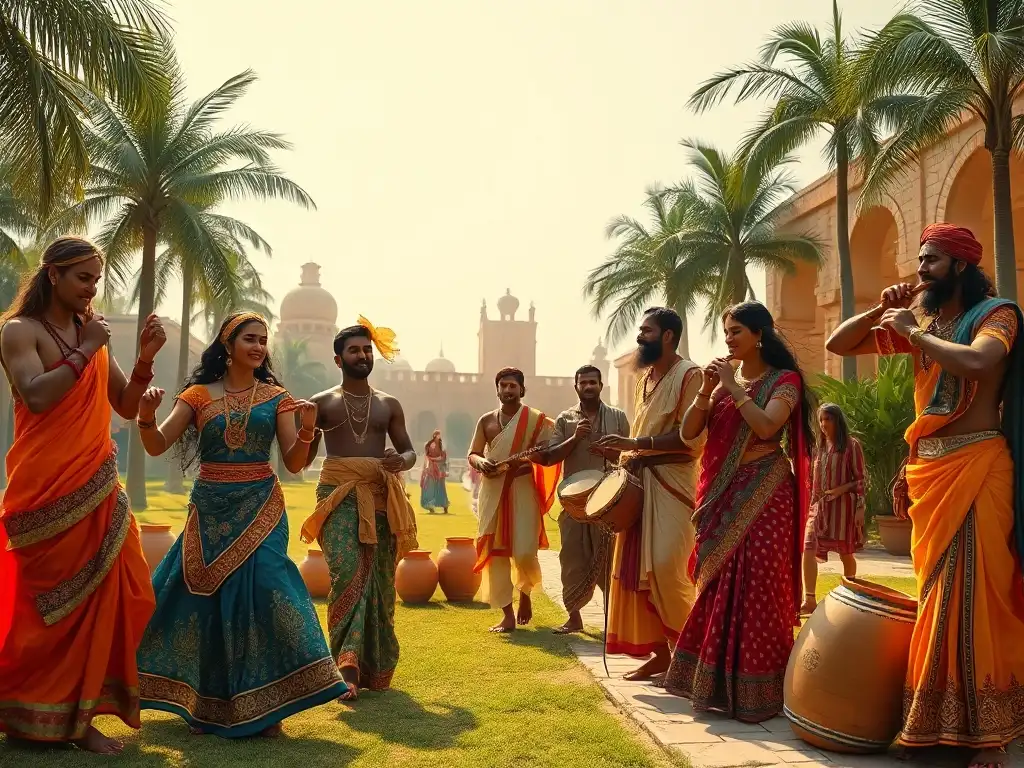
Music and dance were deeply interwoven in the fabric of Indus Valley culture, serving as vital forms of expression that reflected their beliefs, traditions, and everyday experiences. This cultural synergy fostered a rich environment where art flourished, contributing to the civilization's enduring legacy.
Visual Representations in Indus Valley Art
The artistic depictions found in the Indus Valley Civilization provide invaluable insights into the cultural practices of the time. Numerous seals and pottery fragments depict figures engaged in dance, often adorned with elaborate jewelry and clothing. These visual representations suggest that dance was not merely a physical activity but a form of art that was cherished and celebrated.
The stylized movements captured in these artifacts hint at the complexity of dance forms practiced in the civilization. The attention to detail in the portrayal of dancers indicates that music and dance were significant cultural touchstones, reflecting the aesthetics and values of the society.
Evidence of Music and Dance in Archaeological Finds
Archaeological discoveries have provided tangible evidence of the integral role of music and dance within Indus Valley culture. Musical instruments such as flutes, drums, and stringed instruments have been unearthed, suggesting that music accompanied many social and ritualistic activities.
Seals depicting musicians and dancers indicate a vibrant tradition of performance art, where both music and dance coalesced to create communal experiences. These findings reveal that the people of the Indus Valley recognized the power of music and dance to convey emotions, tell stories, and connect individuals within their society.
The Influence of Music and Dance on Indus Valley Festivals
Festivals in the Indus Valley were likely lively occasions filled with music and dance, celebrating agricultural cycles, religious observances, and communal achievements. These events provided an opportunity for the community to come together, reinforcing social bonds and cultural identity.
During festivals, the combination of rhythmic music and dynamic dance performances would have fostered a sense of joy and camaraderie among participants. The celebratory atmosphere likely encouraged communal participation, with individuals of all ages joining in the festivities. This collective engagement not only ensured the continuation of traditions but also highlighted the importance of music and dance as essential elements of Indus Valley culture.
The Legacy of Indus Valley Music and Dance
The legacy of Indus Valley music and dance is a fascinating aspect of ancient Indian culture that continues to resonate through the ages. Although direct evidence of musical instruments and dance forms from this period is limited, archaeological findings suggest that music played a vital role in the daily lives of the Indus Valley inhabitants. Artifacts such as terracotta figurines, seals, and pottery depict scenes of dancers and musicians, indicating that these art forms were integral to their social and spiritual practices.
The musical instruments discovered, including flutes and drums, point towards a well-established tradition of music that likely accompanied various aspects of life—be it religious rituals, festivals, or community gatherings. The presence of these elements reveals a society that valued artistic expression and found joy in the celebration of life through music and dance. Furthermore, the rhythmic patterns and melodies that characterized Indus Valley music may have laid the groundwork for future musical traditions in India, showcasing the civilization's significant contributions to the cultural tapestry of the subcontinent.
Continuity in Indian Music and Dance Traditions
The continuity of music and dance traditions from the Indus Valley civilization into later Indian cultures is evident in various forms of classical Indian art. Many elements found in contemporary Indian dance forms, such as Bharatanatyam and Kathak, can trace their roots back to the Indus Valley's artistic expressions. The intricate gestures and storytelling methods used in these classical dances reflect a long-standing tradition of narrative through movement, which is believed to have originated with the early dance practices of the Indus Valley people.
Moreover, Indian classical music continues to utilize scales and ragas that may have evolved from the melodic structures of ancient times. The importance of rhythm, as evidenced in the use of percussion instruments, also showcases a lineage that connects modern practices with those of the Indus Valley. This enduring legacy highlights the resilience and adaptability of these art forms, ensuring their survival and transformation over millennia.
Modern Interpretations of Indus Valley Music and Dance
In recent years, there has been a resurgence of interest in the music and dance of the Indus Valley civilization, leading to modern interpretations that blend historical elements with contemporary styles. Artists and choreographers have sought to recreate the spirit of Indus Valley performances by incorporating traditional instruments, movements, and motifs into their works. This fusion not only honors the ancient heritage but also makes it accessible to today's audiences.
The use of multimedia in performances has allowed for a richer storytelling experience, where the essence of Indus Valley culture is conveyed through innovative choreography and sound design. Festivals celebrating ancient Indian culture often feature performances inspired by Indus Valley music and dance, further cementing its place in the modern artistic landscape. Through these interpretations, the legacy of the Indus Valley continues to inspire and provoke thought about the importance of music and dance in human expression.
Influence on Subsequent Indian Civilizations
The influence of Indus Valley music and dance on subsequent Indian civilizations cannot be understated. As the Indus Valley civilization flourished, it set the stage for future dynasties, such as the Maurya and Gupta Empires, to build upon its artistic foundations. The spiritual themes and communal aspects of music and dance likely permeated various cultural practices in these later societies, fostering a sense of unity and identity among their people.
The incorporation of musical and dance elements into religious and royal ceremonies during these eras reflects the deep-rooted appreciation for the arts that originated in the Indus Valley. Additionally, the exchange of ideas through trade and migration allowed for a blending of styles and traditions, enriching the overall cultural fabric of ancient India. This continuity illustrates how the artistic expressions of the Indus Valley laid the groundwork for a vibrant and diverse cultural landscape that would evolve over the centuries.
Conclusion: Celebrating Indus Valley Music and Dance
The celebration of music and dance in the Indus Valley civilization underscores the significance of these art forms in the daily lives of its people. Through archaeological evidence and historical interpretations, we gain insight into a society that revered artistic expression as a means of connecting with each other and the divine.
The Enduring Impact of Music and Dance on Indian Culture
The impact of Indus Valley music and dance resonates through the ages, shaping the cultural identity of India. The traditions that emerged from this ancient civilization continue to influence various forms of artistic expression today, serving as a testament to the enduring power of music and dance as vehicles for cultural continuity. From religious rituals to festive celebrations, the essence of Indus Valley art remains alive in the hearts of modern Indians.
Reflection on the Daily Celebrations in Indus Valley Life
Reflecting on the daily celebrations within the Indus Valley, it becomes evident that music and dance were not merely entertainments but vital elements that enriched the community's social fabric. These celebrations fostered connections among individuals, allowing for shared experiences that transcended the mundane aspects of daily life. By honoring their music and dance traditions, we not only acknowledge the creativity of the Indus Valley civilization but also recognize the universal human desire for expression, joy, and connection that continues to thrive in cultures around the world.
- Introduction to Indus Valley Music and Dance
- The Significance of Music in Indus Valley Culture
- The Role of Dance in Indus Valley Society
- Cultural Expressions Through Music and Dance
- The Legacy of Indus Valley Music and Dance
- Conclusion: Celebrating Indus Valley Music and Dance
- What role did music and dance play in Indus Valley culture?
- Were there any specific instruments used in Indus Valley music?
- How did dance contribute to the social life of the Indus Valley people?
- Is there any evidence of dance styles from the Indus Valley civilization?
- How does the exploration of Indus Valley music and dance impact our understanding of ancient Indian civilizations?
Frequently Asked Questions
What role did music and dance play in Indus Valley culture?
Music and dance were integral to daily celebrations and rituals, reflecting the spiritual and social aspects of life in the Indus Valley civilization.
Were there any specific instruments used in Indus Valley music?
Yes, archaeological finds suggest that a variety of musical instruments, such as drums and flutes, were used, highlighting the diverse musical traditions of the time.
Dance served as a form of expression and community bonding, often performed during festivals and important events, reinforcing cultural identity.
Is there any evidence of dance styles from the Indus Valley civilization?
While specific dance styles are not well-documented, figurines and seals depict people in dance poses, indicating a rich tradition of movement and rhythm.
How does the exploration of Indus Valley music and dance impact our understanding of ancient Indian civilizations?
Studying these art forms provides insights into the cultural values, social structures, and daily life of the Indus Valley people, enhancing our understanding of their civilization.
Final Reflection: The Enduring Legacy of Indus Valley Music and Dance
The exploration of Indus Valley music and dance reveals a profound connection between art and daily life that resonates with our contemporary society. Today, as we navigate a world increasingly dominated by technology and fast-paced living, the significance of these ancient practices reminds us of the essential role that music and dance play in fostering community and cultural identity. The vibrant rhythms and movements of the Indus Valley civilization serve as a powerful reminder that art is not merely an expression but a celebration of life itself.
Cultural expressions like music and dance have shaped our social landscape for millennia, influencing everything from personal identity to collective memory. The legacy of the Indus Valley’s artistic practices continues to inspire modern artists and communities, encouraging us to embrace our own cultural heritage. As we reflect on the past, we can see how these forms of expression have transcended time, echoing the sentiment of renowned musician Leonard Cohen: There is a crack in everything. That's how the light gets in.
This quote encapsulates the idea that through the imperfections and struggles of life, music and dance offer a pathway to healing and connection.
As you ponder the insights shared in this article, consider how you can integrate the spirit of Indus Valley music and dance into your own life. Take a moment to celebrate your culture, engage in artistic expression, or simply dance to your favorite song. By doing so, you not only honor the rich traditions of the past but also contribute to the vibrant tapestry of human experience that continues to evolve. Let the rhythms of history inspire you to create your own daily celebrations, fostering joy and connection in your community.
Unleash Your Inner Rhythm and Celebrate History!
Thank you for diving into the vibrant world of music and dance in the Indus Valley culture! You've uncovered invaluable insights into how these art forms shaped daily life and community bonds. Now it’s time to take the next step and immerse yourself further in this fascinating history.
Here are a few ways you can continue your journey:
- Visit a local museum or exhibition that showcases ancient artifacts related to music and dance, allowing you to experience this rich culture firsthand.
- Practice a traditional dance or musical piece inspired by the Indus Valley, and share your creation online to inspire others!
- Join an online community dedicated to exploring ancient cultures, where you can discuss the influence of music and dance on contemporary society.
What aspect of ancient music or dance do you find most intriguing, and how do you believe it influences today's artistic expressions?