
The Influence of Indian Aesthetics on Persian and Central Asian Art

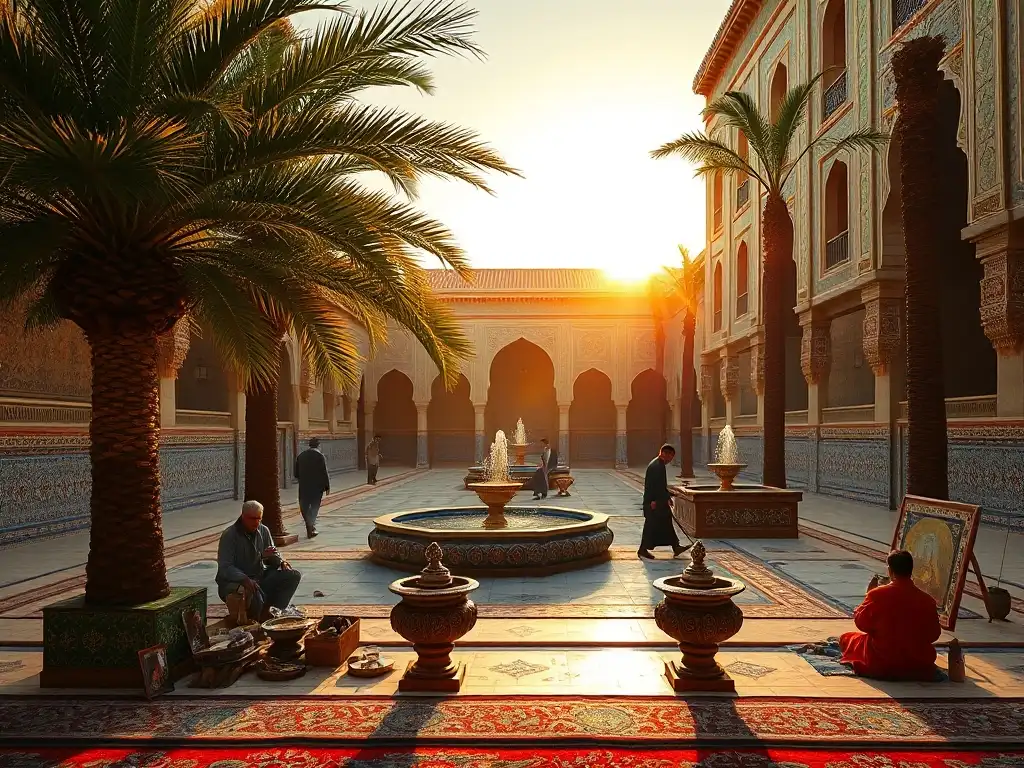
Welcome to Ancient India History, where we embark on a captivating journey through the rich tapestry of ancient Indian civilizations. From the sophisticated urban centers of the Indus Valley to the intellectual heights of the Gupta Empire, the legacy of India’s past continues to inspire. In this exploration, we delve into the fascinating topic of Indian aesthetics in Persian art, revealing the profound cultural exchanges that shaped artistic expressions across borders.
Join us as we uncover the intricate ways in which Indian beauty and philosophy influenced Persian and Central Asian art, inviting you to discover the interconnectedness of our world’s artistic heritage. Prepare to be intrigued and inspired—your adventure into the depths of history begins now!
Introduction to Indian Aesthetics
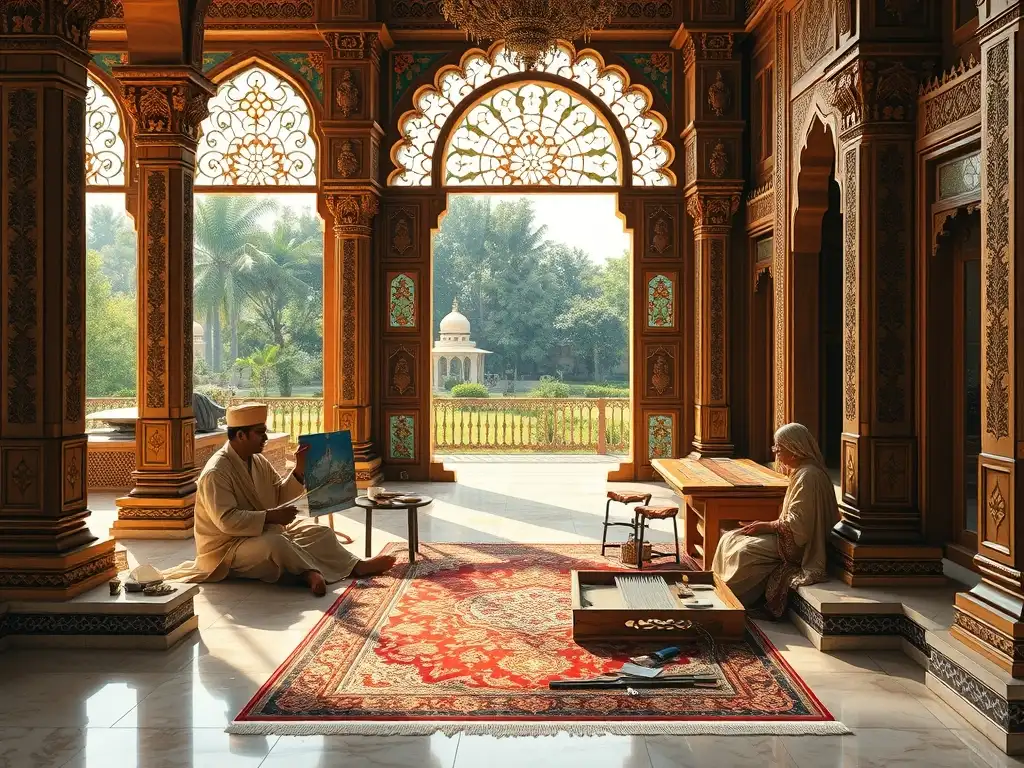
The influence of Indian aesthetics in Persian art marks a fascinating chapter in the narrative of cultural exchanges that have shaped artistic traditions across regions. From the ancient Indus Valley Civilization to the flourishing Gupta Empire, Indian aesthetics have offered a unique lens through which beauty, form, and spirituality are perceived.
This article delves into how these aesthetic principles traveled beyond the Indian subcontinent, particularly impacting Persian and Central Asian art. By exploring the intricate connections that have developed between these civilizations, we can gain deeper insights into the ways in which art transcends geographic boundaries and cultural differences, ultimately enriching the human experience.
Definition of Indian Aesthetics
Indian aesthetics is a complex and multifaceted concept that encompasses the principles of beauty, art, and emotional response within the Indian cultural context. Rooted in ancient texts such as the Natya Shastra and the Kāmasūtra, Indian aesthetics emphasizes the Rasa, or essence of experience, which includes a range of emotions and sensory perceptions. The key components of Indian aesthetics can be summarized as follows:
- Rasa (Essence): The emotional response evoked by art, which can range from joy to sorrow.
- Dharma (Duty): The moral and ethical framework guiding artistic expression.
- Samskara (Cultural Conditioning): The influence of cultural practices and traditions on art forms.
Understanding these fundamental aspects provides a foundation for exploring how Indian aesthetics permeated other artistic traditions, particularly in Persia and Central Asia.
Historical Context of Aesthetic Development in India
The development of aesthetics in India can be traced back to various periods, each contributing to a rich tapestry of artistic expression. Key historical milestones include:
- Indus Valley Civilization (c. 3300–1300 BCE): Known for its urban planning and craftsmanship, this era laid the groundwork for subsequent artistic endeavors.
- Maurya and Gupta Periods (c. 322 BCE–550 CE): Marked by significant advancements in art, literature, and philosophy, these periods saw the emergence of iconic sculptures and architectural marvels.
- Medieval Period (c. 600–1200 CE): The fusion of various regional styles further enriched Indian aesthetics, paving the way for interactions with neighboring cultures.
These historical contexts illustrate how Indian aesthetics evolved over time, establishing a foundation for its influence on Persian and Central Asian art.
The Connection Between Indian and Persian Art
Overview of Historical Interactions
The exchange of artistic ideas between India and Persia can be traced through centuries of trade, conquest, and diplomacy. Notable interactions include:
- Mauryan Empire and Achaemenid Persia: The diplomatic ties during the Mauryan period facilitated cultural exchanges, influencing art and architecture.
- Medieval Islamic Period: The establishment of the Delhi Sultanate and later the Mughal Empire brought Persian artists and scholars to India, further intertwining the two artistic traditions.
This historical backdrop sets the stage for understanding how Indian aesthetics found expression in Persian and Central Asian art forms.
Trade Routes and Cultural Exchanges
The Silk Road and other trade routes played a crucial role in the dissemination of artistic ideas. These routes facilitated not only the exchange of goods but also cultural and artistic practices. Key aspects include:
- Artistic Techniques: The transfer of painting styles, textile designs, and architectural elements.
- Cultural Festivals: Shared celebrations and events that inspired artistic collaborations.
These exchanges contributed to a vibrant tapestry of art that reflected the confluence of Indian and Persian aesthetics.
The Role of Religion in Artistic Influence
Religion has historically been a powerful catalyst in shaping artistic expressions. In the context of Indian aesthetics in Persian art, several factors are noteworthy:
- Hindu and Buddhist Influences: The spread of Indian religions in Persia introduced new themes and iconography into Persian art.
- Islamic Patronage: The arrival of Islam in India led to a unique synthesis of Persian and Indian artistic elements, particularly during the Mughal era, where Hindu motifs were incorporated into Islamic art.
Understanding these religious influences provides valuable insights into how Indian aesthetics were integrated into Persian and Central Asian artistic traditions.
Key Features of Indian Aesthetics in Persian Art
The influence of Indian aesthetics on Persian art is profound and multifaceted, intertwining elements of color, pattern, and architectural design that reflect a rich cross-cultural exchange. Indian aesthetics, characterized by its vibrant colors, intricate patterns, and symbolic meanings, has found a significant place in Persian art forms, particularly from the 13th century onwards. This interaction not only enriched Persian art but also created a distinctive style that merged the spiritual and the aesthetic, ultimately leading to a unique artistic tradition that celebrated both cultures.
The integration of these features can be observed in various art forms, including painting, textiles, and architecture, where Indian influences can be distinctly identified. Persian artists began to adopt and adapt Indian styles, resulting in artworks that resonate with the ethos of both civilizations. This fusion is particularly evident in the use of bright colors and elaborate designs, which are central to the Indian aesthetic tradition.
Color Schemes and Symbolism
Color in Indian aesthetics is deeply symbolic and conveys a variety of meanings, which Persian artists incorporated into their works. For instance, the use of vibrant reds, yellows, and blues can be traced back to Indian traditions, where each color holds specific significance. Red often symbolizes passion and love, while blue is associated with divinity and tranquility.
In Persian art, these colors were not merely decorative but were employed to evoke emotional responses and convey deeper meanings. The blending of Persian and Indian color schemes led to a rich palette that enhanced the visual impact of artworks. The result is a vivid and dynamic approach that captures the viewer's attention and evokes a sense of spirituality and connection to the divine.
Moreover, the symbolism behind these colors often reflects themes of nature and mythology, which are prevalent in both cultures. For example, the depiction of flora and fauna in vibrant hues not only beautifies the artwork but also signifies prosperity, fertility, and the harmony of life, further establishing the interconnectedness of Indian and Persian artistic philosophies.
Patterns and Motifs Derived from Indian Art
The intricate patterns and motifs that characterize Indian art have also significantly influenced Persian artistic expressions. Indian artists often employed geometric designs, floral patterns, and figural representations, which Persian artists adapted to their own stylistic preferences.
Common motifs such as the lotus, peacock, and interlacing vines are prevalent in both traditions. These elements are not only decorative but also represent philosophical concepts, such as the lotus symbolizing purity and spiritual awakening. Persian artists integrated these motifs into their works, creating a visual language that spoke to both Indian and Persian audiences.
The fusion of patterns is particularly evident in textiles, ceramics, and manuscripts, where the intricate detailing reflects a synthesis of Indian craftsmanship and Persian aesthetics. The result is a visually stunning array of artworks that celebrate the beauty of both cultures while showcasing their unique artistic identities.
Architectural Influences: Temples to Palaces
The architectural influence of Indian aesthetics on Persian structures is another significant aspect of this cultural exchange. The grandeur of Indian temple architecture, characterized by intricate carvings, towering spires, and elaborate facades, left an indelible mark on Persian architecture.
Persian palaces and mosques began to incorporate elements such as chhatris (elevated dome-like pavilions) and jali (lattice screens), which are reminiscent of Indian temple designs. The use of courtyards, water features, and lush gardens in Persian architecture also reflects Indian influences, emphasizing the importance of nature and tranquility.
Furthermore, the introduction of colorful tile work and frescoes in Persian buildings drew inspiration from Indian decorative practices. This blend of styles not only contributed to the aesthetic appeal of Persian architecture but also highlighted the shared cultural values of both regions, where art and spirituality coalesce.
Case Studies of Indian Aesthetics in Persian and Central Asian Art
Miniature Paintings: A Fusion of Styles
Miniature paintings serve as a prime example of the fusion of Indian aesthetics with Persian art. These small-scale artworks, characterized by their meticulous detail and vibrant colors, emerged during the Mughal era when Indian painters were influenced by Persian artistic traditions.
The themes depicted in these miniatures often reflect Indian mythology, court scenes, and nature, while the techniques employed, such as the use of gold leaf and intricate brushwork, are derived from Persian styles. The result is a unique genre of art that captures the essence of both cultures, showcasing a harmonious blend of Indian narratives and Persian aesthetics.
The Influence of Indian Textiles on Persian Fabrics
Indian textiles, renowned for their richness and variety, have significantly influenced Persian fabric designs. The introduction of Indian silk and cotton fabrics into Persian markets led to a vibrant exchange of textile techniques and patterns.
Persian weavers began to adopt Indian motifs such as paisley and floral designs, integrating them into traditional Persian textiles. This cross-pollination of styles not only enhanced the visual appeal of Persian fabrics but also elevated their status in the global textile market. The collaboration between Indian and Persian artisans resulted in a rich tapestry of designs that celebrated the craftsmanship of both cultures.
Sculpture and Reliefs: Indian Themes in Persian Context
Sculpture and relief work in Persian art also exhibit the influence of Indian themes. Indian religious motifs, including depictions of deities and mythological figures, found their way into Persian sculpture, often reinterpreted through a Persian lens.
This artistic dialogue is evident in the way Persian artists incorporated Indian iconography into their works, creating sculptures that resonate with the spiritual beliefs of both cultures. The use of symbolism and narrative in these artworks reflects a shared understanding of the human experience, bridging the gap between Indian and Persian artistic traditions.
The influence of Indian aesthetics on Persian and Central Asian art is a testament to the rich cultural exchanges that have shaped the artistic landscape of these regions. The integration of color, pattern, architecture, and thematic elements continues to inspire contemporary artists and serves as a reminder of the enduring connections between civilizations.
The Impact of Indian Aesthetics on Central Asian Art
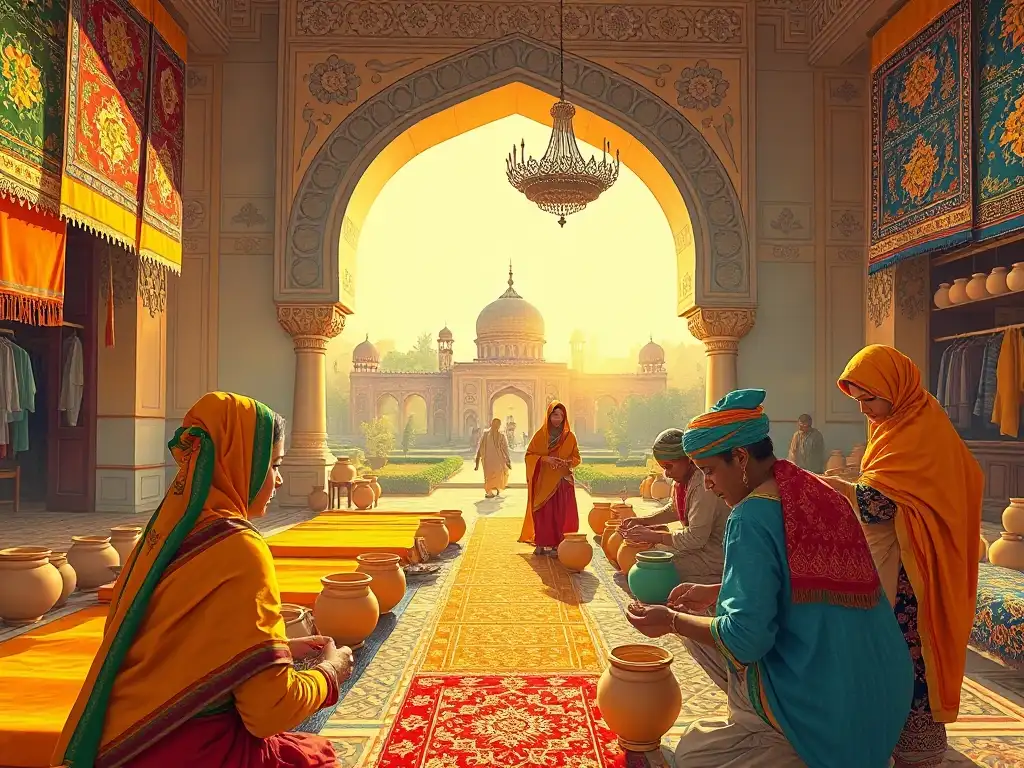
The influence of Indian aesthetics on Central Asian art represents a significant aspect of cultural exchange between these regions. As trade routes such as the Silk Road flourished, they facilitated not just the movement of goods but also ideas, artistic techniques, and stylistic elements. Indian aesthetics, renowned for their intricate patterns, vibrant colors, and spiritual themes, began to permeate the artistic expressions of Central Asia, leading to a rich fusion of styles that would shape the region's artistic heritage.
Adoption of Indian Elements in Central Asian Sculpture
Central Asian sculpture saw notable adaptations of Indian artistic elements, particularly in the depiction of deities and mythological figures. Sculptors began incorporating the iconic features of Indian art, such as the use of flowing garments, elaborate hairstyles, and detailed ornamentation. For instance, the influence is evident in the Bodhisattva sculptures found in regions like Gandhara, which showcase Greco-Buddhist styles integrating Indian motifs.
The use of iconography, such as lotus flowers and divine postures, became prevalent, highlighting the spiritual connections that transcended geographical boundaries. This blending of styles not only enriched Central Asian art but also reflected the underlying syncretism of beliefs and practices as Indian art conveyed its spiritual narratives through visual representation.
Influence on Central Asian Architecture
The architectural landscape of Central Asia was significantly impacted by Indian aesthetics, particularly during the periods of cultural interaction. Structures began to reflect Indian architectural principles, including the use of intricate carvings, decorative reliefs, and expansive courtyards. Notable examples can be seen in the architecture of the Buddhist stupas and monasteries, which borrowed elements such as the stupa's dome and the elaborate gateway designs.
Moreover, the introduction of Hindu temple architecture in regions like Kashmir exemplifies this influence. The intricate stonework, the use of mandapas (pillared halls), and the incorporation of vibrant frescoes echo the artistry found in Indian temples, thereby creating an architectural dialogue that resonates across cultures.
Cross-Cultural Artistic Collaborations
Artistic collaborations between Indian and Central Asian artisans played a pivotal role in shaping the aesthetic landscape of both regions. The movement of artists across borders facilitated the exchange of techniques and materials, leading to innovative artistic practices. For instance, Indian artisans brought with them skills in textile design, pottery, and metalwork, which were then blended with local artistic traditions.
Craft fairs and workshops became melting pots of creativity, where the convergence of ideas led to the emergence of hybrid art forms. The resulting collaborations produced unique works that embodied a synthesis of Indian and Central Asian influences, enriching the cultural tapestry of the region and paving the way for future artistic developments.
Comparative Analysis of Indian Aesthetics and Persian Artistic Traditions
A comparative examination of Indian aesthetics and Persian artistic traditions reveals both convergences and divergences that characterize their development. While both cultures shared a penchant for ornate decoration and symbolism, their artistic expressions diverged in execution and thematic focus, influenced by their unique historical and cultural contexts.
Similarities in Themes and Motifs
Despite the differences, Indian and Persian art exhibit striking similarities in themes and motifs. Both cultures often celebrated nature, depicting flora and fauna with intricate detailing. For instance, motifs such as the tree of life, celestial beings, and intricate floral patterns are prevalent in both Indian and Persian art.
Additionally, the representation of divine figures and narrative scenes from mythology is a commonality, showcasing the shared spiritual and cultural values. The use of vibrant colors and elaborate patterns serves to enhance the emotional depth of artworks in both traditions, creating a visual symphony that resonates with viewers.
Differences in Style and Execution
While similarities exist, the differences in style and execution are equally pronounced. Indian art is characterized by its vivid colors, flowing lines, and a sense of dynamism, often capturing the essence of movement and life. In contrast, Persian art tends to exhibit a more restrained elegance, emphasizing symmetry, geometric patterns, and a refined color palette.
The divergence is also evident in the medium and techniques used; Indian artisans often employed tempera and fresco techniques, while Persian artists favored intricate miniature painting and tile work. These stylistic choices reflect the distinct cultural values and artistic philosophies that shaped each tradition.
The Evolution of Art Through Cultural Interactions
The evolution of art in both Indian and Persian traditions can be traced through the lens of cultural interactions. As these civilizations engaged with one another, they exchanged not only artistic techniques but also philosophical ideas that influenced their respective art forms. This dynamic interplay led to the evolution of styles and genres, resulting in periods of artistic renaissance.
The Mughal Empire, for instance, epitomized this fusion, where Indian aesthetics melded with Persian artistic principles, giving rise to a unique artistic expression that defined the era. The incorporation of Persian motifs into Indian architecture, as seen in the Taj Mahal, exemplifies how cultural interactions can lead to a transformative evolution in art, leaving a lasting legacy that continues to inspire contemporary artists.
Conclusion
The intricate tapestry of Indian aesthetics has woven its way through the fabric of Persian and Central Asian art, creating a rich narrative of cultural exchange and influence. This interaction, marked by shared themes, motifs, and techniques, underscores the significance of Indian contributions to the artistic endeavors of neighboring civilizations. As we explore the fusion of styles and ideologies, it becomes evident that these aesthetic exchanges have not only enriched the artistic landscapes of Persia and Central Asia but have also laid the groundwork for future artistic endeavors in the region.
Summary of Key Points on Indian Aesthetics in Persian Art
- Cultural Exchange: The interaction between Indian and Persian artists facilitated the transfer of artistic techniques and motifs, enriching both traditions. The introduction of Indian elements into Persian art can be traced back to early trade routes and the spread of Buddhism.
- Motifs and Themes: Persian art absorbed various Indian motifs, including floral patterns, intricate designs, and vibrant color palettes. These elements became prominent in Persian miniatures and textiles, showcasing a blend of Indian and Persian aesthetics.
- Religious Influence: The incorporation of Indian iconography, particularly in the representation of deities and mythological scenes, highlights the syncretic nature of religious art in Persian culture. This fusion reflects the shared spiritual narratives and artistic practices between the two regions.
- Artistic Techniques: The techniques of painting, sculpture, and architectural design saw significant influence from Indian practices. The use of perspective and intricate detailing in Persian art owes much to Indian methodologies, enhancing the overall depth and complexity of the artwork.
The Lasting Legacy of Cultural Exchanges
The enduring legacy of Indian aesthetics in Persian and Central Asian art is evident in the continued relevance of these artistic traditions today. The shared heritage has fostered a sense of identity and unity among these cultures, transcending geographical boundaries. This legacy is not merely historical; it manifests in contemporary art forms that draw inspiration from both Indian and Persian techniques. Artisans and scholars alike continue to explore and reinterpret these influences, ensuring that the dialogue between cultures remains vibrant and dynamic.
Future Directions for Research on Aesthetic Interactions
Future research on the influence of Indian aesthetics in Persian art should focus on several key areas:
- Archaeological Studies: More excavations in historically significant areas along ancient trade routes could uncover artifacts that reveal deeper insights into the cultural exchanges between India and Persia.
- Interdisciplinary Approaches: Collaboration between art historians, cultural anthropologists, and historians can lead to a more holistic understanding of the aesthetic interactions. By combining perspectives, researchers can uncover the socio-political contexts that shaped artistic practices.
- Digital Humanities: The utilization of technology and digital tools in art analysis will provide new methodologies for studying the nuances of aesthetic influences. This approach can enhance our understanding of color usage, composition, and craftsmanship.
- Comparative Studies: Exploring the interactions between Indian aesthetics and other neighboring cultures, such as Mongolian or Middle Eastern art, can further illuminate the complexity of these exchanges and their impact on a wider artistic landscape.
Overall, the exploration of Indian aesthetics in Persian art is a vibrant field that promises to reveal more about the interconnectedness of ancient civilizations and their enduring legacies in contemporary art.
- Introduction to Indian Aesthetics
- The Connection Between Indian and Persian Art
- Key Features of Indian Aesthetics in Persian Art
- Case Studies of Indian Aesthetics in Persian and Central Asian Art
- The Impact of Indian Aesthetics on Central Asian Art
- Comparative Analysis of Indian Aesthetics and Persian Artistic Traditions
- Conclusion
- What is the significance of Indian aesthetics in Persian art?
- How did the Indus Valley civilization impact later art forms?
- What role did the Gupta Empire play in shaping artistic traditions?
- Can you explain the cultural exchanges between India and Persia?
- What are some examples of Indian influences in Central Asian art?
Frequently Asked Questions
What is the significance of Indian aesthetics in Persian art?
The influence of Indian aesthetics has greatly enriched Persian art, introducing vibrant colors, intricate designs, and themes that reflect Indian spirituality and philosophy.
How did the Indus Valley civilization impact later art forms?
The Indus Valley civilization laid a foundation for artistic expression, influencing later styles through its urban planning, architectural techniques, and symbolic motifs that permeated Persian culture.
What role did the Gupta Empire play in shaping artistic traditions?
The Gupta Empire is known for its golden age of art and literature, contributing significantly to Indian aesthetics that later resonated in Persian and Central Asian art, particularly in sculpture and painting.
Can you explain the cultural exchanges between India and Persia?
Cultural exchanges between India and Persia occurred through trade routes, leading to a blend of artistic styles and techniques, with Indian motifs being incorporated into Persian artworks.
What are some examples of Indian influences in Central Asian art?
Notable examples include the use of mythological themes, intricate floral patterns, and the portrayal of deities, showcasing how Indian aesthetics enriched the artistic landscape of Central Asia.
Final Reflection: The Enduring Legacy of Indian Aesthetics in Persian Art
The intricate interplay between Indian aesthetics and Persian art remains a testament to the profound cultural exchanges that have shaped our world. Today, as globalization continues to blur the lines between cultures, the influence of Indian aesthetics in Persian art serves as a reminder of the beauty that emerges from cross-cultural interactions. This enduring legacy not only enriches our understanding of art but also highlights the importance of embracing diversity in our increasingly interconnected society.
The impact of Indian aesthetics on Persian and Central Asian art is a vivid illustration of how artistic traditions can transcend borders and time. This fusion has not only created stunning works of art but has also fostered a deeper appreciation for the shared human experience. As we reflect on this cultural synergy, we are reminded of the words of the renowned art historian, John Onians: Art is a universal language that speaks to the soul, transcending the confines of geography and history.
This sentiment resonates deeply as we consider how these artistic influences continue to inspire contemporary artists and art lovers alike.
As we move forward, I invite you to explore the rich tapestry of cultural influences in your own life. Consider how the blending of different artistic traditions can inspire your creativity and broaden your perspective. Whether through art, literature, or personal interactions, let the lessons of Indian aesthetics in Persian art encourage you to celebrate diversity and seek connections that enrich your understanding of the world. Embrace the beauty of cultural exchange, and allow it to guide you on your journey of exploration and self-discovery.
Uncover the Beauty: Take the Next Step in Your Artistic Journey!
Thank you for taking the time to explore the fascinating influence of Indian aesthetics on Persian and Central Asian art. We hope you've discovered enriching insights that deepen your appreciation for this beautiful intertwining of cultures. Now, it’s time to channel that inspiration into action!
Here are some engaging ways to continue your journey:
- Dive deeper: Explore an Indian art form, such as miniature painting or textiles, and try your hand at recreating it.
- Share your insights: Discuss the artistic fusion you’ve learned about with friends or on social media—spark a conversation that celebrates cultural connections!
- Join a community: Seek out online forums or local groups focused on art appreciation to enhance your learning and connect with like-minded enthusiasts.
What aspect of Indian aesthetics captivates you the most, and how do you envision it influencing your personal style or creativity?