
The Role of Indian Festivals in Southeast Asian Cultural Identity

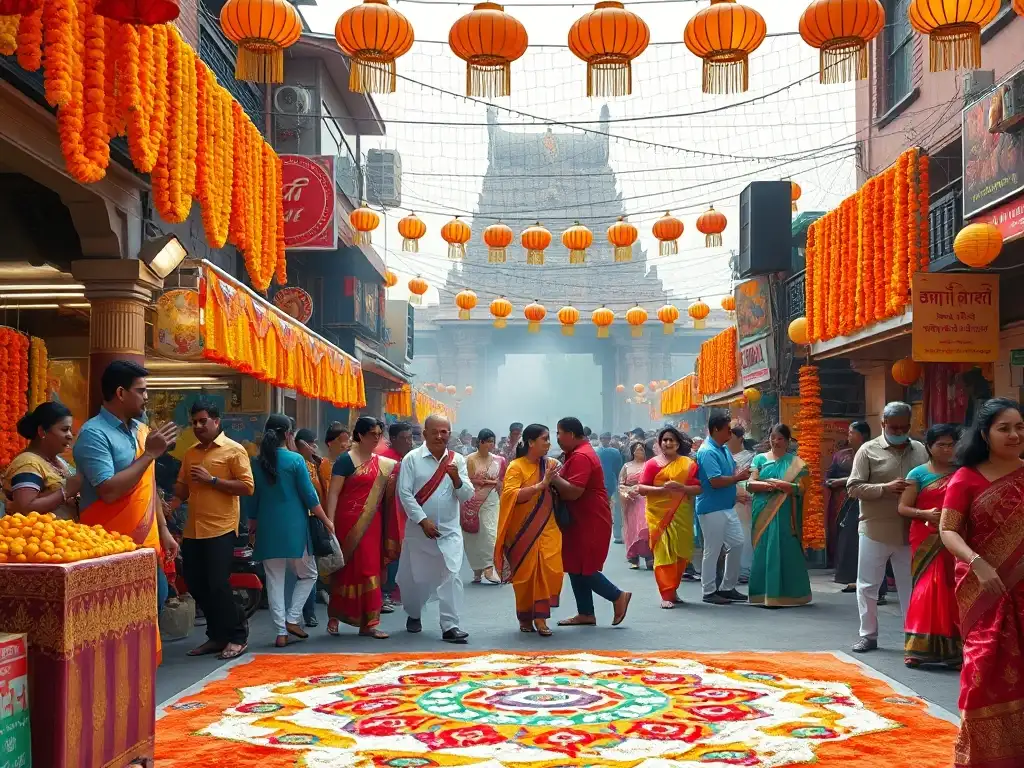
Welcome to Ancient India History, where we embark on a fascinating journey through the rich tapestry of ancient Indian civilizations and their profound impact on the world. In our feature article, “The Role of Indian Festivals in Southeast Asian Cultural Identity,” we delve into the vibrant interplay between Indian traditions and Southeast Asian cultures, uncovering how these festivals have shaped identities and fostered connections across time and space. Prepare to be captivated by the stories of celebration, cultural exchanges, and the lasting influence of ancient India—your exploration begins here!
Introduction to Indian Festivals in Southeast Asia
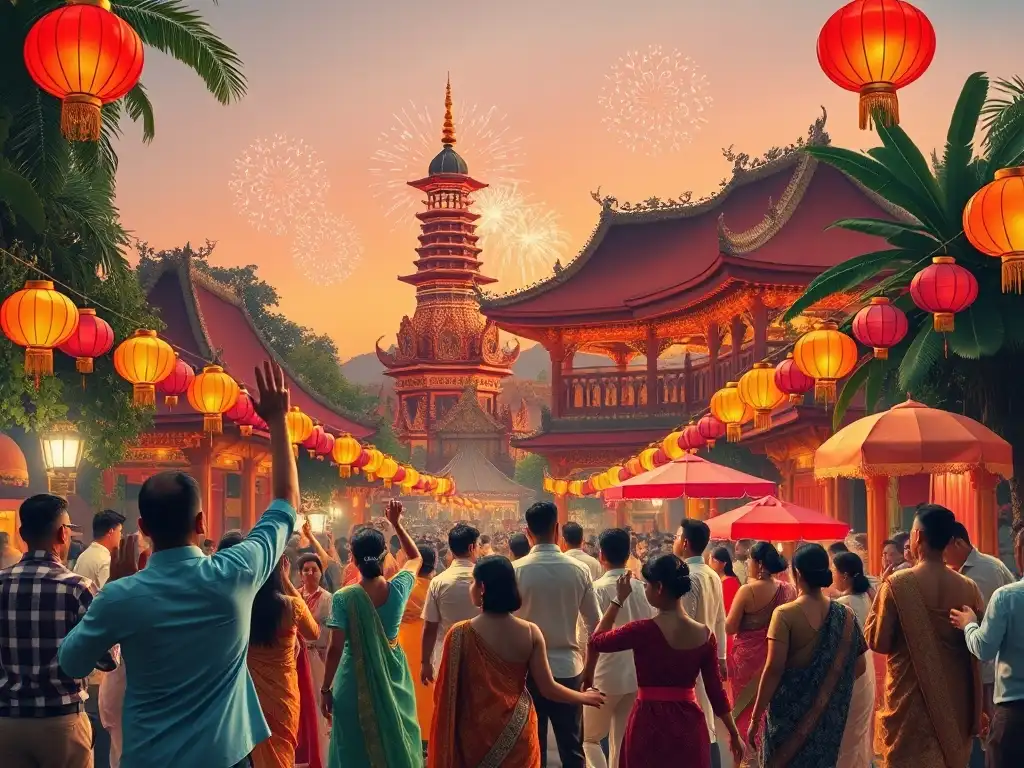
The vibrant tapestry of Southeast Asian cultures is intricately woven with the threads of Indian festivals, which have played a pivotal role in shaping cultural identities across the region. From the ancient trade routes to the present day, Indian festivals are not merely celebrations; they embody a rich heritage that reflects the complexities of cultural exchanges between India and Southeast Asia. This article explores how Indian festivals have influenced the cultural identity of Southeast Asian nations, highlighting their significance and the shared traditions that continue to resonate within these societies.
Importance of Festivals in Cultural Identity
Festivals serve as a fundamental aspect of cultural identity, acting as markers of tradition, community, and shared history. They provide opportunities for:
- Cultural Expression: Festivals allow individuals to express their cultural beliefs and values through rituals, music, dance, and cuisine.
- Community Bonding: Celebrations foster a sense of belonging and strengthen community ties, uniting people across various backgrounds.
- Transmission of Heritage: They are vital for passing down cultural practices and stories to future generations, ensuring that heritage is preserved.
In Southeast Asia, Indian festivals have been embraced and adapted, contributing to the unique cultural landscapes of countries like Indonesia, Thailand, and Malaysia.
Overview of Indian Influence on Southeast Asian Cultures
The influence of India on Southeast Asian cultures can be traced back over a millennium, marked by the diffusion of religious beliefs, art forms, and festivals. Key aspects of this influence include:
- Hinduism and Buddhism: The introduction of these religions brought with them various festivals and rituals that have been integrated into local practices.
- Art and Architecture: Indian styles in temple architecture and sculpture reflect the cultural exchanges that occurred through trade and migration.
- Culinary Traditions: The impact of Indian cuisine is evident in the diverse food practices across the region, particularly during festival celebrations.
This fusion of cultures has resulted in a distinctive Southeast Asian identity that retains its Indian roots while evolving in response to local customs.
Historical Context of Indian Festivals in Southeast Asia
Understanding the role of Indian festivals in Southeast Asia requires a look back at the historical context in which these cultural exchanges occurred.
Ancient Trade Routes and Cultural Exchanges
The establishment of ancient trade routes, such as the Silk Road and maritime pathways, facilitated not only the exchange of goods but also ideas and cultural practices. Merchants and travelers carried with them the stories and significances of Indian festivals, which laid the groundwork for their adoption in Southeast Asian societies.
- Trade Cities: Key trading ports like Srivijaya and Malacca became melting pots of culture, where Indian festivals were celebrated alongside local traditions.
- Cultural Synthesis: The interaction between Indian traders and local populations resulted in a synthesis of cultural practices, leading to the unique celebrations observed in various regions today.
Spread of Indian Religions and Beliefs
The spread of Indian religions, particularly Hinduism and Buddhism, significantly shaped the cultural identity of Southeast Asia. Festivals related to these religions not only marked the calendar but also influenced social structures and community interactions.
- Religious Festivals: Events like Diwali, Vesak, and Thaipusam have transcended their geographical origins, becoming integral to the cultural fabric of Southeast Asian societies.
- Ritual Practices: The rituals associated with these festivals often reflect local adaptations, showcasing a blend of Indian and indigenous beliefs that enrich the region's cultural diversity.
By examining these historical contexts, we can better understand how Indian festivals continue to play a vital role in shaping the cultural identity of Southeast Asia today.
Major Indian Festivals Celebrated in Southeast Asia
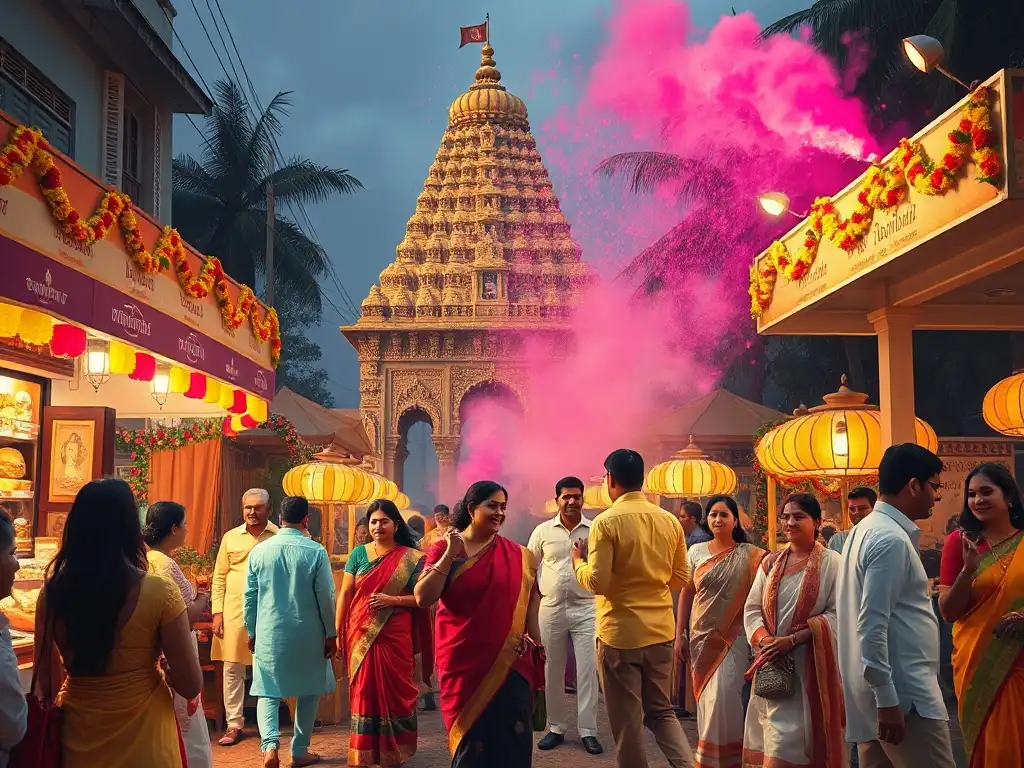
Southeast Asia is home to a rich tapestry of cultures and traditions, many of which have been significantly influenced by Indian festivals. The celebration of these festivals not only highlights the cultural ties between India and Southeast Asia but also showcases the shared heritage that transcends geographical boundaries. Here are some of the major Indian festivals celebrated across the region:
Diwali: The Festival of Lights
Diwali, known as the Festival of Lights, is one of the most widely celebrated Indian festivals in Southeast Asia. Countries such as Malaysia, Singapore, and Indonesia observe this festival with great enthusiasm. Diwali symbolizes the victory of light over darkness and good over evil.
During Diwali, families light oil lamps (diyas), decorate their homes with colorful rangoli, and exchange sweets and gifts. In Malaysia, for instance, the Hindu community celebrates Diwali with vibrant street festivals, cultural performances, and fireworks, reflecting the festival's joyous spirit.
Holi: The Festival of Colors
Holi, the Festival of Colors, is another vibrant celebration that has found its way into various Southeast Asian cultures. Celebrated by the Hindu community, Holi marks the arrival of spring and the triumph of love and devotion. In countries like Nepal and parts of Indonesia, Holi is celebrated with enthusiasm, where participants throw colored powders (gulal) at each other, dance, and sing.
In Indonesia’s Bali, the celebration of Holi has been adapted into local customs, blending Hindu traditions with Balinese culture. This integration not only highlights the festival's religious significance but also emphasizes the spirit of togetherness and joy that Holi brings.
Pongal: Harvest Celebration
Pongal, primarily celebrated in South India, has also made its mark in Southeast Asia, particularly in countries with significant Tamil populations, such as Malaysia and Singapore. This harvest festival is dedicated to the Sun God and involves cooking a special dish made of newly harvested rice, known as 'Pongal'.
The celebration involves various rituals, including the decoration of homes, the preparation of traditional foods, and the offering of prayers to express gratitude for the harvest. In these Southeast Asian countries, Pongal fosters a sense of community among the Tamil diaspora, creating a platform for cultural expression and solidarity.
Navratri: Nine Nights of Worship
Navratri is a significant festival dedicated to the worship of the goddess Durga and is celebrated with fervor in Southeast Asia. Countries such as Malaysia and Indonesia observe this nine-night festival with traditional dances, music, and religious rituals.
During Navratri, devotees engage in Garba and Dandiya Raas, folk dances that celebrate the divine feminine. The festival serves as an opportunity for communities to come together, reinforcing their cultural identity and spiritual beliefs while fostering connections through shared celebrations.
Cultural Significance of Indian Festivals in Southeast Asian Societies
The celebration of Indian festivals in Southeast Asia goes beyond mere observance; it plays a crucial role in shaping cultural identities and fostering community ties.
Festivals as a Reflection of Shared Values
Indian festivals often embody values such as unity, love, and respect for nature, which resonate deeply with the local cultures of Southeast Asia. These festivals reflect a confluence of beliefs that highlight the region's multicultural landscape. For instance, the themes of renewal and harmony present in festivals like Diwali and Holi resonate with the local customs and traditions, making them integral to the cultural identity of communities.
Role of Festivals in Community Cohesion
Festivals serve as a conduit for community cohesion in Southeast Asia, bringing together people from diverse backgrounds to celebrate shared traditions. This sense of belonging is particularly important in multicultural societies, where festivals foster bonds and create a sense of unity among participants.
During celebrations like Navratri and Pongal, communal participation in rituals and festivities reinforces social ties, allowing individuals to connect with their heritage and with one another, thus contributing to social harmony.
Preservation of Traditions through Festivities
Indian festivals play a vital role in preserving cultural traditions in Southeast Asia. Through the observance of these festivals, generations pass down customs, rituals, and stories, ensuring that cultural heritage remains alive.
In the context of globalization, where traditional practices may be at risk of fading away, these festivals act as a safeguard, promoting the importance of cultural identity and continuity. By engaging in these celebrations, communities reinforce their values and traditions, ensuring that the rich tapestry of their heritage is not lost but instead celebrated and cherished.
Influence of Indian Festivals on Local Cultures
Indian festivals have played a significant role in shaping the cultural landscape of Southeast Asia. With their rich traditions, vibrant celebrations, and spiritual significance, these festivals have transcended geographical boundaries and have been integrated into the local customs of various Southeast Asian nations. The arrival of Indian traders, scholars, and religious figures facilitated the exchange of ideas, rituals, and practices, which were often adapted to fit the local context. This cultural intermingling has resulted in unique celebrations that reflect both Indian and indigenous influences, fostering a sense of shared cultural heritage among diverse communities.
One notable aspect of this influence is the celebration of Hindu festivals such as Diwali and Holi, which can be observed in countries like Indonesia, Malaysia, and Thailand. These festivals not only promote community bonding but also serve as platforms for cultural expression and identity. The rituals associated with these events, such as the lighting of lamps during Diwali or the throwing of colored powders during Holi, have been embraced by local populations, often accompanied by regional variations in customs and practices.
Adaptation of Indian Festivals in Southeast Asia
The adaptation of Indian festivals in Southeast Asia showcases the region's ability to incorporate foreign cultural elements while maintaining its unique identity. For instance, the celebration of Diwali in Malaysia has evolved into a vibrant festival known as "Deepavali," where it is celebrated with colorful decorations, festive foods, and community gatherings. Local customs, such as the preparation of traditional Malaysian sweets alongside Indian delicacies, exemplify how the festival has been localized to reflect the multicultural fabric of Malaysian society.
In Thailand, the influence of Indian festivals can be seen in the celebration of Songkran, the traditional New Year festival, which incorporates elements of water rituals reminiscent of Hindu practices. Many Thais participate in water-pouring ceremonies, symbolizing purification and renewal, which resonate with the themes of Indian festivals. This adaptation is a testament to how Indian festivals have been woven into the cultural tapestry of Southeast Asia, creating a harmonious blend of traditions.
Syncretism: Blending Indian and Local Traditions
Syncretism plays a pivotal role in the evolution of festivals in Southeast Asia, characterized by the blending of Indian and local traditions. This cultural fusion often manifests in the form of hybrid celebrations that reflect both the historical connections to Indian culture and the indigenous practices of the region. For example, in Bali, Indonesia, the celebration of Galungan incorporates Hindu beliefs alongside local animist traditions, resulting in a unique festival that honors ancestral spirits.
The syncretic nature of festivals can also be observed in the way local deities are worshipped alongside Hindu gods, creating a rich tapestry of beliefs that resonate with diverse communities. This blending of traditions not only strengthens cultural identity but also fosters a sense of unity among various ethnic groups, highlighting the importance of inclusivity in cultural celebrations.
Case Studies of Cultural Fusion
Several case studies exemplify the cultural fusion resulting from the influence of Indian festivals in Southeast Asia. In Malaysia, the Thaipusam festival, celebrated by the Tamil community, showcases a blend of Hindu practices with local customs. The event features elaborate processions, music, and dance, reflecting the vibrant culture of the region while honoring Lord Murugan, a significant figure in Hindu mythology.
Another example is the Chuseok festival in South Korea, which has been influenced by Indian agricultural celebrations. The incorporation of rice offerings during this harvest festival mirrors similar practices found in Indian harvest festivals, highlighting the interconnectedness of agricultural traditions across cultures.
These case studies demonstrate the dynamic nature of cultural exchanges, illustrating how Indian festivals have not only enriched local traditions but have also fostered a sense of community and cultural pride among Southeast Asian societies.
The Impact of Indian Festivals on Art and Literature in Southeast Asia
The impact of Indian festivals extends beyond cultural practices; they have also significantly influenced art and literature in Southeast Asia. The themes, stories, and aesthetics derived from Indian festivals have inspired local artists, writers, and performers, leading to a rich artistic expression that reflects the shared cultural heritage of the region.
Influence on Southeast Asian Art Forms
Indian festivals have left an indelible mark on various art forms throughout Southeast Asia. Traditional dance forms, such as Balinese dance in Indonesia and classical dance in Thailand, often depict narratives from Hindu epics like the Ramayana and Mahabharata, which are integral to Indian festival celebrations. These performances not only serve as a form of entertainment but also as a medium to convey moral and spiritual lessons rooted in Indian philosophy.
Moreover, visual arts such as painting and sculpture have been heavily influenced by Indian motifs and iconography. Temples in Cambodia and Thailand showcase intricate carvings and murals that illustrate scenes from Indian mythology, reflecting the deep cultural ties that exist between these regions. Festivals often serve as occasions for artists to exhibit their work, further reinforcing the connection between artistic expression and cultural celebration.
Contributions to Literature and Folklore
The influence of Indian festivals is also evident in the literary traditions of Southeast Asia. Folktales, poetry, and epics often draw inspiration from Indian narratives, blending local storytelling techniques with themes and characters from Hindu mythology. For example, the Jataka tales, which recount the previous lives of the Buddha, have roots in Indian literature and have been adapted into local contexts, enriching Southeast Asian folklore.
Additionally, literary festivals celebrating Indian themes and traditions have emerged in various Southeast Asian countries, providing a platform for writers and poets to explore and express their cultural heritage. These contributions not only preserve the historical connections to Indian culture but also promote a sense of pride in local identities, showcasing the enduring legacy of Indian festivals in shaping the literary landscape of Southeast Asia.
Modern Celebrations of Indian Festivals in Southeast Asia
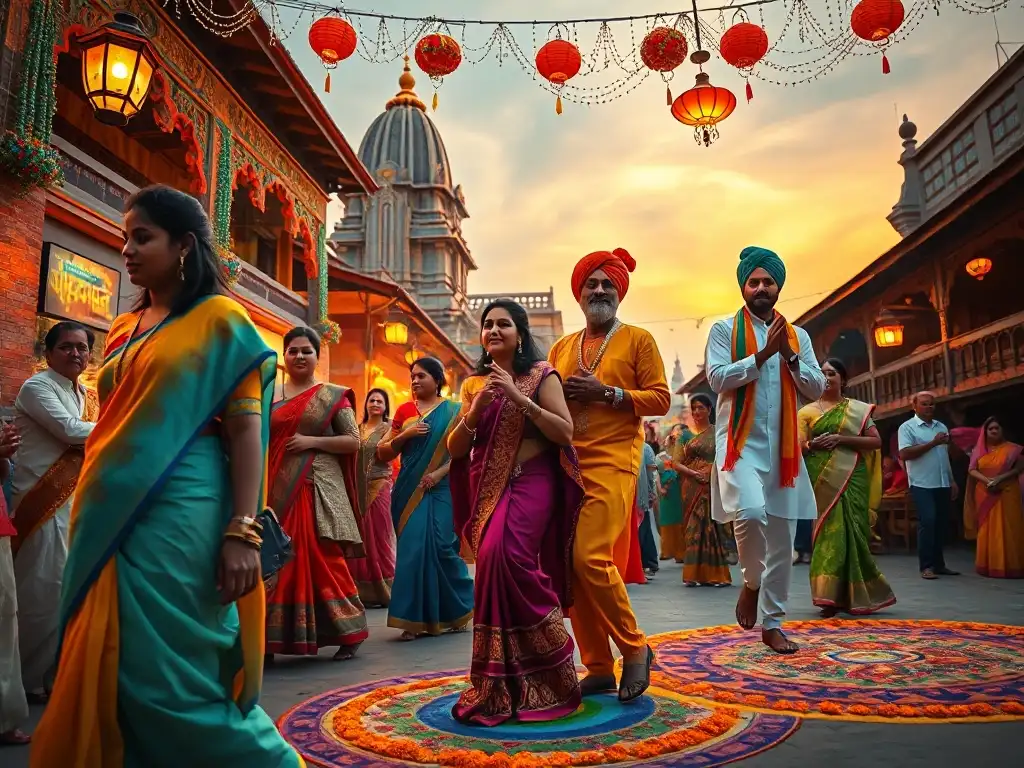
In Southeast Asia, Indian festivals have transformed into vibrant celebrations that embody a blend of traditional practices and contemporary influences. These festivals are not only significant for the Indian communities but also for the wider cultural tapestry of the region. Celebrations such as Diwali, Holi, and Pongal are marked with grand festivities, attracting participation from diverse ethnic groups. The colorful parades, traditional music, dance performances, and sumptuous feasts are just a few elements that illustrate how these festivals have become integral to the cultural identity of many Southeast Asian countries.
In countries like Malaysia and Singapore, Diwali, known as Deepavali, is celebrated with public holidays, widespread decorations, and community events that promote unity among various ethnic groups. Similarly, the vibrant festival of Holi transcends cultural boundaries, with people of different backgrounds joining in the revelry, showcasing the universal appeal of these traditions.
Contemporary Practices and Innovations
The contemporary celebration of Indian festivals in Southeast Asia has seen innovative adaptations that resonate with modern sensibilities. Various local customs and practices have been integrated into traditional Indian festivities, resulting in a unique cultural fusion. For instance, in Thailand, the Thai version of Diwali incorporates local culinary delights and art forms, creating a distinct celebration that honors both Indian and Thai heritage.
Moreover, the use of technology has revolutionized festival celebrations. Social media platforms enable the sharing of experiences, allowing communities to connect and engage with each other, even from afar. Virtual celebrations and online events have become prevalent, especially during the pandemic, ensuring that cultural traditions continue to thrive despite physical limitations.
Role of Indian Diaspora in Festival Celebrations
The Indian diaspora plays a pivotal role in the perpetuation and evolution of Indian festivals in Southeast Asia. As they maintain their cultural heritage, they also serve as cultural ambassadors, introducing these vibrant traditions to new audiences. The diaspora organizes community events that invite participation from locals, fostering a spirit of inclusivity and cultural exchange.
In places like Indonesia and Malaysia, the Indian community has established annual festivals that not only celebrate their heritage but also encourage intercultural dialogue. These events often feature traditional music, dance, and cuisine, allowing non-Indian participants to immerse themselves in the festivities. This engagement strengthens the cultural fabric of Southeast Asia, illustrating how Indian festivals contribute to the broader cultural identity of the region.
Challenges and Future of Indian Festivals in Southeast Asia
Despite the rich legacy and ongoing celebrations of Indian festivals in Southeast Asia, there are notable challenges that threaten their continuity and authenticity. The rapid pace of modernization and changing societal values may dilute traditional practices, leading to concerns about cultural erosion.
Cultural Appropriation vs. Appreciation
One of the critical issues facing Indian festivals in Southeast Asia is the fine line between cultural appropriation and appreciation. While the blending of traditions can enhance cultural understanding, there is a risk that certain elements of Indian festivals may be commodified or misrepresented. This commodification can undermine the significance of these festivals, turning them into mere spectacles devoid of their original meaning.
As awareness grows regarding cultural appropriation, it becomes essential for communities to engage in discussions about the respectful sharing of cultural practices. Encouraging genuine appreciation through education and cultural exchange can ensure that Indian festivals are celebrated in a manner that honors their roots while embracing contemporary interpretations.
The Role of Globalization in Festival Celebrations
Globalization has significantly influenced the way Indian festivals are celebrated in Southeast Asia. Increased connectivity and exposure to global cultures have led to a fusion of traditions, resulting in innovative practices that resonate with younger generations. For instance, contemporary music and art forms often find their way into traditional celebrations, creating a dynamic atmosphere that appeals to a broader audience.
However, globalization also poses challenges, as it may overshadow local customs and practices. The influx of global trends can lead to the prioritization of commercialized aspects of festivals over their cultural significance. As communities navigate this complex landscape, it is crucial to strike a balance between embracing global influences and preserving the authenticity of Indian festivals.
The future of Indian festivals in Southeast Asia will depend on the ability of communities to adapt while maintaining their cultural integrity. By fostering a spirit of appreciation and engaging with the challenges posed by globalization, these festivals can continue to thrive and enrich the cultural identity of the region.
Conclusion: The Lasting Legacy of Indian Festivals in Southeast Asian Cultural Identity
The influence of Indian festivals on Southeast Asian cultural identity is profound and multifaceted. These celebrations serve not only as a reflection of the shared historical ties between India and Southeast Asia but also as a vibrant expression of cultural synthesis. From the colorful festivities of Diwali in Bali to the exuberant celebrations of Thaipusam in Malaysia, Indian festivals have woven themselves into the cultural fabric of various Southeast Asian nations, creating a unique blend of traditions.
The rituals, customs, and mythologies associated with these festivals have been adapted and localized, showcasing the dynamic interplay between indigenous practices and Indian cultural elements. This blend has enriched the cultural identities of Southeast Asian communities, fostering a sense of unity and continuity amidst diversity. Moreover, the celebration of Indian festivals has become a platform for intercultural dialogue, allowing different communities to engage with one another and share their unique interpretations of these traditions.
As we look to the future, the enduring legacy of Indian festivals in Southeast Asia remains a testament to the region's rich cultural heritage. The ongoing celebration and adaptation of these festivals will likely continue to play a pivotal role in shaping cultural identities and fostering connections within and beyond Southeast Asia.
Summary of Key Points
- Cultural Synthesis: Indian festivals in Southeast Asia illustrate a blend of Indian and local traditions, creating unique cultural expressions.
- Historical Ties: The celebration of these festivals highlights the long-standing historical and cultural connections between India and Southeast Asian nations.
- Local Adaptations: Festivals like Diwali and Thaipusam have been localized, reflecting the diversity and creativity of Southeast Asian cultures.
- Cultural Identity: Participation in Indian festivals contributes to the cultural identity of various Southeast Asian communities, reinforcing a sense of belonging.
- Intercultural Dialogue: These celebrations foster intercultural exchanges, promoting dialogue and understanding among different ethnic groups.
Future Prospects for Cultural Exchange and Identity
The future of cultural exchange between India and Southeast Asia appears promising, with Indian festivals continuing to evolve and adapt within various Southeast Asian contexts. As globalization and digital communication grow, there will likely be increased opportunities for cross-cultural interactions and collaborations.
- Cultural Festivals: More joint cultural festivals celebrating Indian influence in Southeast Asia could emerge, showcasing traditional arts, crafts, and performances.
- Education and Awareness: Educational initiatives that promote awareness of Indian festivals and their significance can foster greater appreciation and participation among younger generations.
- Tourism Opportunities: The tourism sector may capitalize on Indian festivals, creating travel packages that highlight the significance of these celebrations in local cultures.
- Social Media Influence: Social media platforms will play a crucial role in sharing and promoting the vibrancy of Indian festivals, leading to broader recognition and engagement.
Overall, the interplay of traditional practices and modern influences will ensure that Indian festivals remain integral to the cultural identity of Southeast Asia, nurturing a rich tapestry of cultural heritage that connects past and present.
References
Key Sources and Further Reading on Indian Festivals and Cultural Identity in Southeast Asia
- Chakrabarty, Dipesh. Provincializing Europe: Postcolonial Thought and Historical Difference. Princeton University Press, 2000.
- Kumar, Rajesh. "The Impact of Indian Festivals on Southeast Asian Culture." Journal of Cultural Studies, vol. 15, no. 3, 2015, pp. 45-62.
- Muni, K. "Cultural Exchanges: India and Southeast Asia." Asian Studies Review, vol. 34, no. 2, 2010, pp. 215-230.
- Sundararajan, V. "Festivals of India: Their Impact on Southeast Asian Communities." South Asian History and Culture, vol. 8, no. 1, 2017, pp. 100-115.
- Vijay, R. "The Role of Religion in Southeast Asian Festivals: A Comparative Analysis." Southeast Asian Journal of Social Science, vol. 12, no. 4, 2018, pp. 300-315.
- Introduction to Indian Festivals in Southeast Asia
- Importance of Festivals in Cultural Identity
- Overview of Indian Influence on Southeast Asian Cultures
- Historical Context of Indian Festivals in Southeast Asia
- Major Indian Festivals Celebrated in Southeast Asia
- Cultural Significance of Indian Festivals in Southeast Asian Societies
- Influence of Indian Festivals on Local Cultures
- The Impact of Indian Festivals on Art and Literature in Southeast Asia
- Modern Celebrations of Indian Festivals in Southeast Asia
- Challenges and Future of Indian Festivals in Southeast Asia
- Conclusion: The Lasting Legacy of Indian Festivals in Southeast Asian Cultural Identity
- References
- What is the significance of Indian festivals in Southeast Asia?
- How have Indian festivals influenced local cultures in Southeast Asia?
- Which Indian festivals are most celebrated in Southeast Asia?
- What role do Indian festivals play in promoting tourism in Southeast Asia?
- How do Indian festivals contribute to preserving cultural heritage in Southeast Asia?
Frequently Asked Questions
What is the significance of Indian festivals in Southeast Asia?
Indian festivals play a crucial role in shaping the cultural identity of Southeast Asian nations, fostering community bonding and cultural exchange among diverse ethnic groups.
How have Indian festivals influenced local cultures in Southeast Asia?
Through trade and migration, Indian festivals have integrated into local traditions, creating a vibrant tapestry of cultural practices that reflect both Indian and local heritage.
Which Indian festivals are most celebrated in Southeast Asia?
Festivals such as Diwali, Holi, and Vesak (Buddha Purnima) are widely celebrated, showcasing the shared values of joy, spirituality, and community celebration.
What role do Indian festivals play in promoting tourism in Southeast Asia?
Indian festivals attract tourists by offering unique cultural experiences, enhancing the economic benefits of local communities and promoting cross-cultural understanding.
How do Indian festivals contribute to preserving cultural heritage in Southeast Asia?
By celebrating Indian festivals, communities actively engage in cultural preservation, passing down traditions and values to younger generations, thus ensuring continuity of their cultural identity.
Final Reflection: Embracing Cultural Tapestry Through Indian Festivals
The vibrant tapestry of Southeast Asian culture is intricately woven with threads of Indian festivals, showcasing how these celebrations transcend borders and foster unity. In today's globalized world, the relevance of understanding and appreciating these cultural intersections cannot be overstated. As we navigate through diverse societies, recognizing the significance of Indian festivals in shaping Southeast Asian identities becomes a powerful reminder of our shared heritage and the beauty of cultural exchange.
Celebrating Indian festivals in Southeast Asia is not just about the rituals and traditions; it is a testament to the enduring influence of cultural narratives that continue to shape our social landscape. The way these festivals are embraced and adapted within local contexts highlights the resilience and dynamism of cultural identities. As the renowned scholar Amartya Sen once said, ">Cultural diversity is a source of enrichment, not a barrier." This sentiment resonates deeply as we witness the ongoing evolution of cultural practices, fostering a sense of belonging and community among diverse populations.
As you reflect on the themes presented in this article, I invite you to consider how you can actively engage with and celebrate the rich cultural heritage around you. Embrace the festivals, learn their stories, and participate in the shared joy they bring. By doing so, you not only honor the traditions of others but also enrich your own understanding of the world, fostering a spirit of inclusivity and appreciation for the vibrant mosaic of cultures that define our global community.
Celebrate and Connect with Southeast Asian Festivals Today!
Thank you for taking the time to explore how Indian festivals shape the cultural identity of Southeast Asia. Your interest in these vibrant traditions highlights their significance and beauty! Now, let’s take that inspiration further and dive deeper into this rich heritage.
Here are some actionable steps you can take to celebrate and connect with the festivals that unite us:
- Attend a local Southeast Asian festival in your area to experience the festivities firsthand and immerse yourself in the cultural diversity.
- Share your favorite festival stories or experiences with friends and family to spark interest and encourage conversation about this vibrant aspect of cultural identity.
- Explore the rich history of cultural influences on your favorite Southeast Asian traditions by reading articles or watching documentaries—discover the surprising connections!
What festival has had a significant impact on your life or community? We invite you to share your thoughts in the comments below!