
Uncovering the Myths: Folklore Surrounding Indian Gemstones

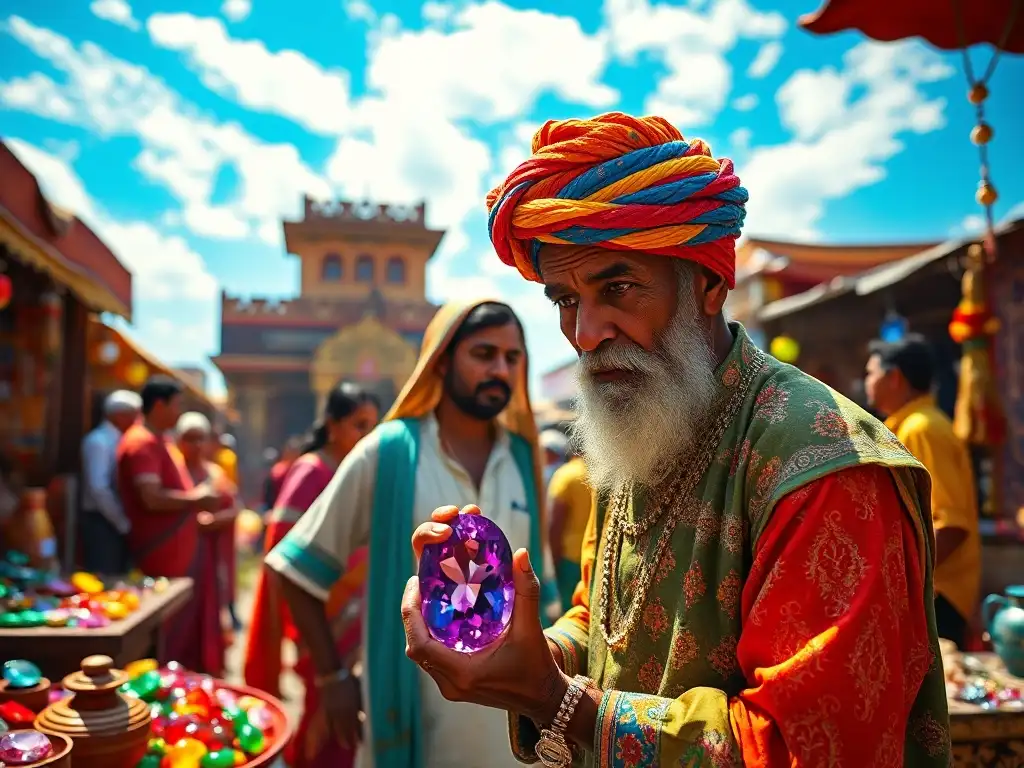
Welcome to Ancient India History, where we invite you to embark on a fascinating journey through time, exploring the rich tapestry of ancient Indian civilizations. From the enigmatic Indus Valley to the illustrious Gupta Empire, our mission is to uncover the diverse cultural heritage that has shaped India’s past. In this article, we delve into the captivating world of Indian gemstones folklore myths, revealing the stories and beliefs that surround these precious stones.
What secrets do these gems hold? What myths have been woven around their beauty and power? Join us as we uncover the legends that sparkle through history, and let your curiosity guide you deeper into the enchanting realm of Indian gemstones!
Introduction to Indian Gemstones Folklore Myths
Indian gemstones have long been steeped in a tapestry of rich folklore and captivating myths that reflect the diverse cultural heritage of the subcontinent. From the ancient Indus Valley civilization to the splendor of the Gupta Empire, gemstones have not only been valued for their aesthetic beauty but also for their perceived mystical properties. This article delves into the enchanting world of Indian gemstones folklore myths, exploring how these beliefs have shaped societal views and practices surrounding gemstones throughout history.
The allure of Indian gemstones is further amplified by the stories and legends associated with them, which often intertwine with spirituality, astrology, and healing practices. As we embark on this journey to uncover the myths surrounding these precious stones, we will also examine their significance in rituals, beliefs, and the broader context of Indian culture.
The Historical Context of Gemstones in Indian Culture
The history of gemstones in India is as colorful and varied as the stones themselves. Ancient Indian civilizations have regarded gemstones not only as adornments but also as symbols of power, prosperity, and protection. From the sparkling diamonds of Golconda to the vibrant rubies and emeralds, each gemstone carries with it a story that is deeply rooted in Indian mythology and tradition.
Ancient Beliefs: The Role of Gemstones in Indian Society
In ancient Indian society, gemstones were believed to possess specific powers and attributes, often linked to astrological beliefs. It was thought that wearing particular stones could bring good fortune, health, and protection from negative energies. For instance, ruby was associated with the Sun and was believed to enhance vitality and energy, while emerald was linked to Mercury, known for promoting intelligence and communication.
- Gemstones and Astrology
- Each gemstone corresponds to a planet in Vedic astrology.
- Wearing the right gemstone was believed to balance the energies of the planets.
- Spiritual Significance
- Gemstones were often used in religious rituals and ceremonies.
- They were considered gifts from the gods, offering divine protection and blessings.
- Symbol of Status
- Gemstones were also a reflection of wealth and social status.
- Kings and queens adorned themselves with intricate jewelry made from precious stones, signifying their power and influence.
The Influence of Ancient Texts on Gemstone Folklore
Ancient texts such as the Rajatarangini, Atharva Veda, and Puranas play a significant role in the preservation and dissemination of gemstone folklore in India. These texts contain references to various gemstones, their attributes, and their importance in rituals and daily life.
- Rajatarangini: Chronicles the history of Kashmir, detailing the role of gemstones in the lives of its rulers.
- Atharva Veda: Discusses the magical properties of specific stones and their uses in healing practices.
- Puranas: Mythological stories often feature gemstones as pivotal elements in the narratives, influencing how they were perceived in society.
Through an exploration of these texts, we can gain insights into how ancient Indians understood the natural world and their belief systems, which continue to influence contemporary views on gemstones today.
In the following sections, we will further unravel the myths and legends surrounding specific Indian gemstones, revealing the profound impact they have had on culture, society, and the perception of beauty throughout the ages.
Common Myths Surrounding Indian Gemstones
Indian gemstones have been shrouded in myths and folklore for centuries, often attributed with mystical properties and significant cultural meanings. These stories not only reflect the beliefs of ancient civilizations but also shape contemporary perceptions of gemstones. Understanding these common myths can provide insight into the rich tapestry of Indian culture and the importance of gemstones within it.
Myth 1: The Protective Powers of Gemstones
One of the most prevalent myths surrounding Indian gemstones is their supposed protective powers. It is often believed that certain gemstones can shield individuals from negative energies, ill fortune, and even physical harm. For instance, the blue sapphire (neelam) is thought to bring protection against the evil eye and misfortune, while emeralds (panna) are said to enhance wisdom and protect the wearer from deceit.
This belief is deeply rooted in ancient texts, such as the Astrology Shastras, which suggest that gemstones resonate with cosmic energies and can harmonize an individual's spiritual and physical well-being. While many cultures embrace these beliefs, scientific evidence supporting the protective capabilities of gemstones remains absent, leading to skepticism among modern audiences.
Myth 2: The Association of Gemstones with Zodiac Signs
Another enduring myth is the association of gemstones with astrological signs. In Indian astrology, it is commonly believed that each zodiac sign corresponds to a specific gemstone that can enhance the positive traits of individuals born under that sign. For example, ruby (manik) is associated with the sign of Leo, while pearl (moti) is linked to Cancer.
This myth stems from the ancient practice of astrology, which seeks to understand celestial influences on human life. Astrologers often recommend wearing certain gemstones to align with cosmic forces, believing that wearing the appropriate stone can bring good fortune and success. While many people swear by these associations, they can vary widely across different cultures and astrological systems, leading to confusion and debate about their validity.
Myth 3: Gemstones and Their Healing Properties
The belief in the healing properties of gemstones is another prevalent myth in Indian folklore. It is often claimed that various gemstones can cure ailments, improve mental health, and promote overall well-being. For instance, amethyst is believed to promote calmness and clarity, while garnet is said to invigorate the body and mind.
This myth has ancient roots in Ayurvedic medicine and holistic practices, where gemstones were utilized in rituals and treatments. However, while some individuals report positive experiences associated with gemstones, the scientific community generally views these claims with caution, emphasizing the need for empirical evidence to support such assertions.
The Reality Behind the Myths
Historical Evidence vs. Folklore Myths
When examining the historical evidence surrounding Indian gemstones, it becomes clear that while many myths hold cultural significance, they often lack empirical support. Ancient texts and archaeological findings reveal that gemstones were highly valued for their beauty and rarity, often used as symbols of status and wealth. However, the metaphysical claims attributed to them are more reflective of cultural beliefs than scientific truths.
For example, the use of gemstones in royal adornments can be traced back to the Indus Valley civilization, but their purported powers were likely more symbolic than functional. Historical evidence suggests that gemstones served as a means of expressing power and prestige rather than a tangible source of protection or healing.
Modern Interpretations of Gemstone Folklore
In contemporary society, the folklore surrounding Indian gemstones continues to evolve. Many people still embrace the cultural narratives associated with these stones, using them in jewelry and personal adornment. However, there is a growing trend towards a more critical understanding of these myths, with individuals exploring the historical context and scientific perspectives on gemstones.
Modern interpretations often merge traditional beliefs with contemporary wellness practices, where gemstones are incorporated into holistic therapies, yoga, and meditation. While the protective and healing properties of gemstones remain largely anecdotal, their aesthetic beauty and cultural significance endure, highlighting the complex relationship between folklore and modern understanding in the realm of Indian gemstones.
Conclusion: Understanding Indian Gemstones Through Folklore
The folklore surrounding Indian gemstones is a rich tapestry that reflects the cultural, spiritual, and historical significance of these stones throughout the ages. Not only do these stories enrich our understanding of the gemstones themselves, but they also provide insight into the values, beliefs, and practices of ancient Indian civilizations.
Indian gemstones, such as diamonds, rubies, sapphires, and emeralds, have been attributed with various mystical properties and protective qualities in folklore. For instance, the belief that wearing a blue sapphire can bring about prosperity and peace is deeply rooted in the narratives passed down through generations. These myths illustrate how gemstones were not merely ornamental; they were also regarded as powerful talismans imbued with divine energy.
Furthermore, the connection between gemstones and astrology in Indian culture highlights a unique aspect of how these stones are integrated into daily life. Each gemstone corresponds to a specific planet, and their influence is believed to affect individuals' fortunes and personalities. This astrological significance continues to shape how gemstones are viewed in contemporary society.
Understanding Indian gemstones through the lens of folklore enriches our appreciation of their historical context and cultural relevance. By delving into these myths, we gain a deeper perspective on how ancient civilizations revered these natural treasures, intertwining them with their spiritual and social narratives.
Recommended Resources for Further Exploration
For those interested in exploring the fascinating world of Indian gemstones and their folklore further, here are some recommended resources:
- Books:
- Gemstones of India by R. R. Rao – This book provides an in-depth look at the various gemstones found in India and their historical significance.
- The Mythology of Gemstones by S. K. Gupta – A comprehensive exploration of the myths associated with gemstones across different cultures, including India.
- Documentaries:
- The Secret Life of Gemstones – A documentary that delves into the geological and mythological aspects of gemstones, featuring segments on Indian gems.
- Legends of the Gems – This series examines the folklore and mysticism surrounding various gemstones, including those significant to Indian culture.
- Online Courses:
- Understanding Gemstones: History and Folklore – An online course offering insights into the historical and cultural significance of gemstones, with a focus on Indian traditions.
- Astrology and Gemstones in Indian Culture – A course that explores the relationship between astrology and gemstones in Indian society.
- Websites:
- Indian Gemological Institute – A resource for information on gemstone identification, valuation, and their significance in Indian culture.
- Gemstone Folklore and Myths – A website dedicated to collecting and sharing folklore related to gemstones from around the world, with a special focus on Indian narratives.
By engaging with these resources, readers can deepen their knowledge of Indian gemstones and the rich folklore that surrounds them, uncovering the layers of meaning that have developed over centuries.
- Introduction to Indian Gemstones Folklore Myths
- The Historical Context of Gemstones in Indian Culture
- Common Myths Surrounding Indian Gemstones
- The Reality Behind the Myths
- Conclusion: Understanding Indian Gemstones Through Folklore
- Recommended Resources for Further Exploration
- What are some common myths about Indian gemstones?
- How does folklore play a role in the understanding of gemstones in India?
- What is the significance of gemstones in ancient Indian culture?
- Are there specific gemstones associated with particular myths in India?
- How can one learn more about the folklore of Indian gemstones?
Frequently Asked Questions
What are some common myths about Indian gemstones?
Many myths revolve around the healing properties and symbolic meanings of gemstones, suggesting they can influence emotions, luck, and overall well-being.
How does folklore play a role in the understanding of gemstones in India?
Folklore often intertwines with cultural beliefs, attributing various powers and significance to gemstones, influencing how they are perceived and used in rituals.
What is the significance of gemstones in ancient Indian culture?
In ancient Indian culture, gemstones were believed to hold spiritual power and were often used in jewelry, amulets, and rituals to bring protection and prosperity.
Are there specific gemstones associated with particular myths in India?
Yes, specific gemstones like ruby, emerald, and diamond are associated with various myths, often linked to deities and their powers in Hindu mythology.
How can one learn more about the folklore of Indian gemstones?
Researching ancient texts, visiting museums, and exploring cultural studies can provide deeper insights into the folklore and myths surrounding Indian gemstones.
Final Reflection: The Enduring Allure of Indian Gemstone Folklore
The exploration of Indian gemstones folklore myths reveals a rich tapestry of cultural narratives that resonate deeply in today's world. As we navigate an era increasingly defined by materialism, the stories and beliefs surrounding these gemstones remind us of the profound connections between nature, culture, and spirituality. The myths surrounding Indian gemstones are not mere tales of old; they serve as a bridge between generations, offering wisdom and insight that remain relevant in our modern lives.
Cultural narratives shape our understanding of the world and ourselves, and the folklore surrounding Indian gemstones is no exception. These stories have influenced not only personal beliefs but also societal values, emphasizing the significance of heritage and tradition. As we reflect on these myths, we recognize their power to foster a sense of identity and belonging. Folklore is the heart of a culture, a reflection of its values and beliefs.
This ongoing influence invites us to appreciate the depth of our roots while navigating the complexities of contemporary life.
As you ponder the insights shared in this article, I encourage you to embrace the lessons embedded in these folklore myths. Consider how the stories of Indian gemstones can inspire you to seek deeper meaning in your own life and the world around you. Whether it’s through the lens of personal growth, cultural appreciation, or spiritual exploration, let these narratives guide you toward a more profound understanding of your journey. Remember, the myths we uncover today can illuminate the path for generations to come.
Unveil the Mysteries of Indian Gemstones!
Thank you for diving into the fascinating world of Indian gemstone folklore with us! We hope you’ve uncovered valuable insights into the rich myths that surround these beautiful stones. Now, it's time to transform that knowledge into action and deepen your engagement with this captivating subject.
Here are a few steps you can take right now:
- Explore local gem shops or reputable online retailers to discover authentic Indian gemstones and learn about their unique histories and significances.
- Share this article with friends or family who might be curious about the intriguing tales of gemstones, sparking conversations about their cultural beliefs and stories.
- Consider attending workshops or events focused on gemstones and their historical context, where you can connect with fellow enthusiasts who share your passion.
What gemstone myth has resonated with you the most, and how do you see it influencing your appreciation of gemstones in your life?