
The Impact of Colonialism on India's Gemstone Industry


Welcome to Ancient India History, where we delve deep into the rich tapestry of ancient civilizations that shaped the subcontinent. In this captivating exploration, we invite you to uncover the intricate effects of colonialism on India's gemstone industry. Discover how the legacy of foreign rule transformed this age-old craft, influencing not only the economy but also the cultural significance of gemstones in Indian society.
As we navigate through history's gems, prepare to be intrigued by the stories that sparkle beneath the surface—each with the power to reshape your understanding of this vibrant heritage. Join us on this journey and let the allure of India's past illuminate the gems of its present!
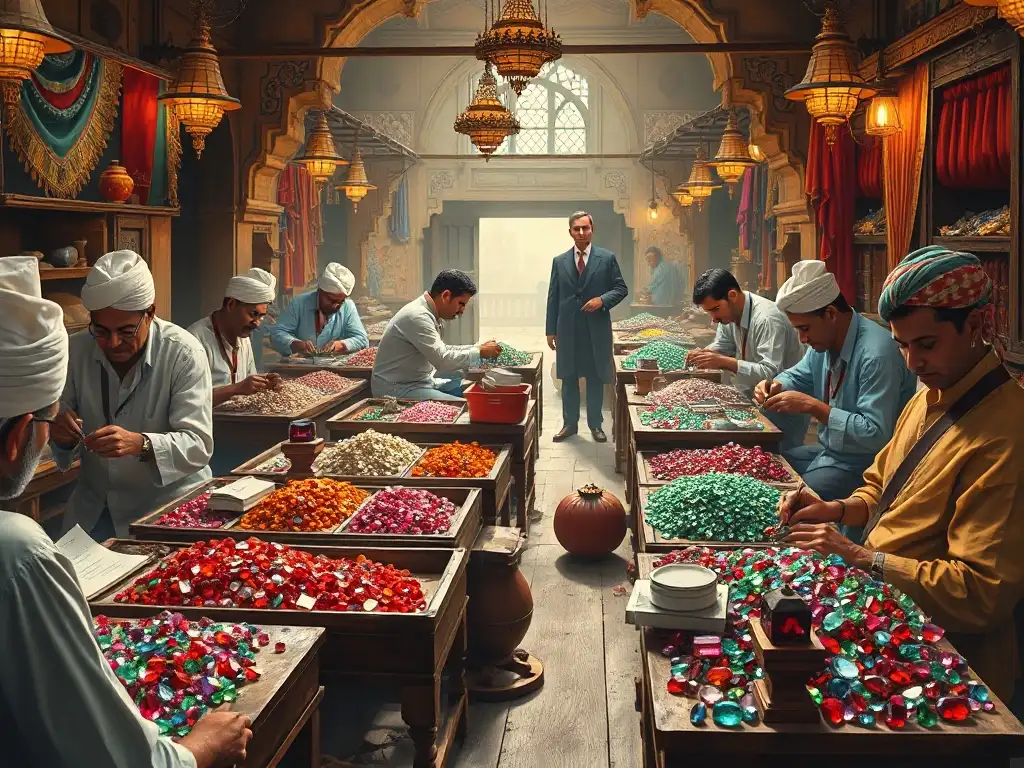
Introduction to Colonialism and Indian Gemstones
The interaction between colonialism and India's gemstone industry presents a fascinating narrative that reveals not only the socio-economic dynamics of the time but also the cultural significance of gemstones in Indian society. Throughout history, gemstones have played a pivotal role in Indian culture, serving as symbols of wealth, spirituality, and craftsmanship.
However, the advent of colonial rule introduced a paradigm shift in this ancient industry, impacting its production, trade, and cultural value. The study of colonialism effects on Indian gemstones is crucial for understanding how foreign powers altered local practices and exploited resources for their benefit, fundamentally reshaping the industry.
As we delve into the intricate relationship between colonialism and India's gemstone trade, we will explore how the British Empire's policies and practices influenced the production and distribution of gemstones. This exploration will provide a clearer understanding of the lasting impacts that colonialism had on local artisans, traditional practices, and the global perception of Indian gemstones.
Historical Context of Colonialism in India
Colonialism in India began in earnest in the 17th century, primarily with the arrival of the British East India Company. By the mid-19th century, following the Sepoy Mutiny of 1857, India transitioned from company rule to direct British crown rule. This period marked significant changes in various sectors, including economy, governance, and social structures.
During the colonial era, the gemstone industry, which had thrived for centuries, found itself increasingly integrated into a global economy. The British empire sought to exploit India's vast natural resources, including its rich deposits of precious stones, such as diamonds, emeralds, and rubies. The establishment of policies favoring British merchants over local artisans disrupted traditional trade routes and diminished the autonomy of Indian craftsmen.
Key developments during this period included:
- Exportation of Resources: The British monopolized the export of gemstones, redirecting profits to Britain while local artisans struggled to make a living.
- Introduction of Western Techniques: European cutting and polishing techniques began to replace traditional Indian methods, altering the craftsmanship that had been passed down through generations.
- Market Changes: The influx of British consumers created a demand for Indian gemstones in Europe, but this demand was often met at the expense of local artisans, who were sidelined in favor of colonial interests.
This historical context sets the stage for a deeper examination of how colonialism reshaped the Indian gemstone industry.
Colonialism Effects on Indian Gemstones
The effects of colonialism on India's gemstone industry were multifaceted, leading to both immediate and long-term consequences. Understanding these impacts requires an analysis of various dimensions, including economic, social, and cultural ramifications.
- Economic Disruption:
- Loss of Local Control: Traditional artisans lost control over their craft as the British established monopolies over gemstone mining and trade.
- Price Manipulation: The British often manipulated market prices, which disadvantaged local producers and led to economic instability for many families dependent on gemstone trade.
- Cultural Erosion:
- Shift in Techniques: The introduction of Western cutting and polishing methods diminished the unique styles that characterized Indian gemstones. This shift not only affected the quality and aesthetics of the gemstones but also diluted the cultural heritage tied to these practices.
- Decline of Traditional Markets: As British interests prioritized their markets, traditional local markets and trade routes saw a decline, leading to a loss of cultural significance associated with gemstones.
- Reinvention of Identity:
- Global Perception: The British promoted the idea of Indian gemstones as exotic luxury items, changing their perception in the global market. This led to a commodification of Indian culture, often stripping it of its historical and cultural context.
The impact of colonialism on India's gemstone industry was profound and enduring. While the colonial period may have opened new avenues for trade and exposure, it simultaneously inflicted significant harm on local traditions and livelihoods. Understanding this complex history is essential for appreciating the contemporary landscape of India's gemstone industry and the ongoing efforts to revive and preserve its rich heritage.
Case Studies: Specific Gemstones Affected by Colonialism
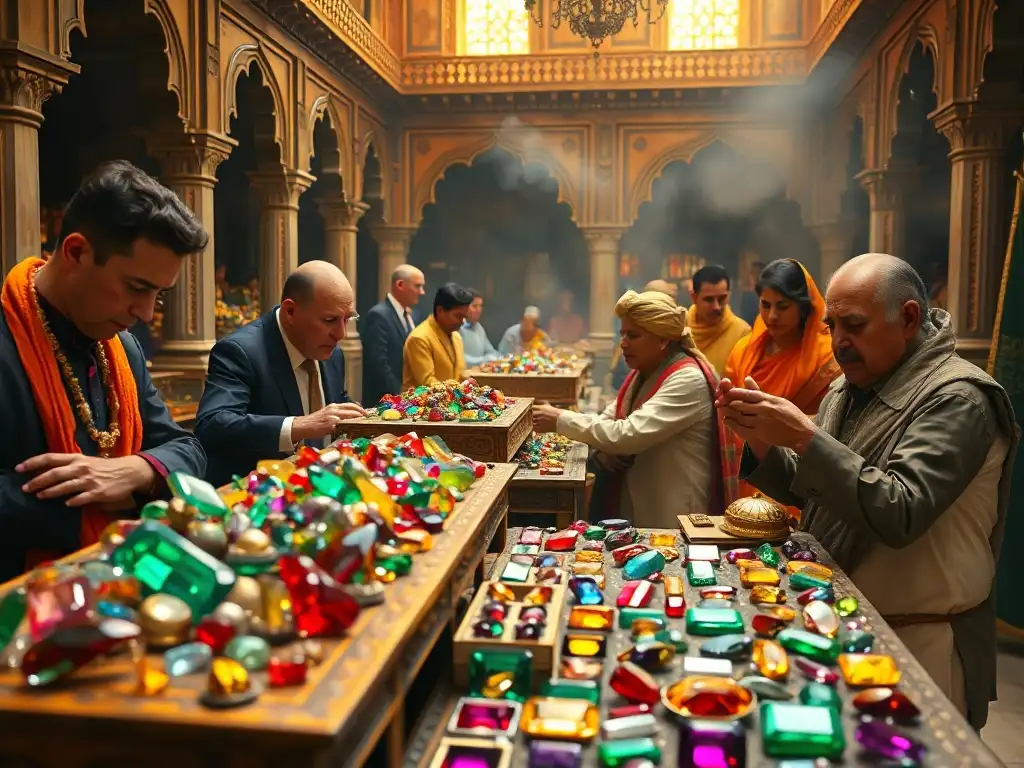
Colonialism had a profound impact on the gemstone industry in India, influencing various gemstones in unique ways. Here are some notable case studies:
- Diamonds: The diamond trade in India was significantly altered during colonial times, especially with the discovery of the Golconda mines. Before British rule, Indian diamonds were highly sought after, with the Golconda region being the primary source of famous diamonds like the Koh-i-Noor. However, British control shifted the market dynamics. The British established a monopoly over the diamond trade, redirecting the flow of Indian diamonds to European markets and diminishing local craftsmanship.
- Emeralds: The colonial period saw a rise in demand for emeralds, particularly among European elites. The British established export channels that prioritized the mining and distribution of emeralds, particularly from regions like the Punjab. This led to the exploitation of local miners and a significant extraction of wealth from the region, as profits were funneled back to Britain.
- Rubies: Burmah (now Myanmar) was the primary source of rubies during the colonial era, but India also had a rich history of ruby mining. The British colonial administration focused on importing rubies from neighboring regions, sidelining Indian sources. This not only affected local economies but also diminished the traditional art of ruby cutting and polishing in India.
- Tourmaline: During colonial times, the demand for tourmaline surged in Europe. The British began large-scale extraction from the mines in Southern India, which led to the depletion of local resources. The focus on export rather than local consumption changed the landscape of the gemstone trade, affecting artisans who relied on tourmaline for their crafts.
These case studies illustrate the direct impact of colonialism on the production, trade, and cultural significance of various gemstones in India, leading to long-lasting changes in the industry.
The Role of Colonial Administration in Gemstone Regulation
The British colonial administration played a pivotal role in the regulation and control of the gemstone industry in India. This involvement can be understood through several key aspects:
- Monopolistic Practices: The British established monopolistic control over gemstone mining and trade. This control often involved the expropriation of local mines and the establishment of British-owned companies, which dictated the terms of production and trade. Local artisans and miners were marginalized, losing their traditional rights and access to resources.
- Taxation and Revenue: The colonial government imposed heavy taxes on the gemstone trade, significantly burdening local traders and craftsmen. This taxation system was primarily designed to maximize revenue for the British Empire, often at the expense of local economies. As a result, many craftsmen were unable to sustain their livelihoods, leading to a decline in traditional gemstone craftsmanship.
- Quality Control and Standardization: The British introduced systems of quality control and standardization that aligned with European markets. While this aimed to ensure the quality of gemstones exported from India, it often disregarded local practices and standards, undermining the rich heritage of Indian gemstone craftsmanship.
- Infrastructure Development: The colonial administration invested in infrastructure, such as railways and ports, to facilitate the export of gemstones. While this improved transportation, it primarily served the interests of the British, enabling easier access to Indian gemstones for European markets while neglecting local needs.
Through these regulatory measures, the colonial administration fundamentally reshaped the gemstone industry in India, prioritizing British interests and altering the traditional practices that had flourished for centuries.
Cultural Consequences of Colonialism on Indian Gemstones
The cultural implications of colonialism on India's gemstone industry extended far beyond economic changes. These consequences are notable in several key areas:
- Loss of Traditional Craftsmanship: As British regulations and market demands shifted the focus toward mass production and export, traditional techniques of gemstone cutting and jewelry making began to decline. Many skilled artisans were forced to abandon their crafts, leading to a loss of unique artistic expressions that had been passed down through generations.
- Cultural Appropriation: The colonial era saw European elites adopting Indian gemstones and jewelry styles, often without recognition of their cultural significance. This appropriation diluted the rich cultural heritage associated with these gemstones and transformed their meanings in the eyes of both colonizers and the colonized.
- Altered Symbolism and Status: Gemstones in Indian culture were historically imbued with spiritual and social significance. However, colonialism redefined these meanings, often aligning them with Western ideals of wealth and status. As a result, the intrinsic cultural values attached to gemstones were overshadowed by their commodification in global markets.
- Reintegration of Gemstones in Post-Colonial Identity: In the post-colonial period, there has been a resurgence of interest in the cultural significance of gemstones. Efforts to revive traditional practices and promote local craftsmanship are part of a broader movement to reclaim and celebrate India's rich heritage. This reintegration highlights the resilience of Indian culture in the face of colonial disruption.
These cultural consequences illustrate how colonialism not only transformed the gemstone industry economically but also reshaped the cultural landscape of India, leading to a complex legacy that continues to influence the industry today.
The Post-Colonial Era: Revival and Resilience of India's Gemstone Industry

The post-colonial era marked a significant turning point for India's gemstone industry, which had endured considerable disruption during British rule. After gaining independence in 1947, India sought to reclaim its heritage and rebuild its economy, with the gemstone sector playing a pivotal role in this resurgence. Many artisans and craftsmen, who had previously struggled under colonial restrictions, began to reclaim their traditional techniques and styles, leading to a renaissance in gemstone cutting and jewelry design.
State Support and Policy Changes
The Indian government recognized the potential of the gemstone industry as an avenue for economic growth and employment. Policies were implemented to support small-scale industries, including tax incentives and subsidies for gem processing units. Moreover, the establishment of institutions such as the Gem & Jewellery Export Promotion Council (GJEPC) helped facilitate international trade and promote Indian gemstones globally.
Global Market Integration
As the world economy evolved, so did India's position in the global gemstone market. The country transformed from merely a supplier of raw stones to a hub for cutting and finishing gemstones. Indian artisans became renowned for their unique craftsmanship, blending traditional methods with modern technology. This adaptability allowed Indian gemstones to gain a significant presence in international markets, catering to a diverse clientele.
Challenges and Adaptations
Despite this revival, the industry faced ongoing challenges, including competition from synthetic gemstones and fluctuating global prices. However, Indian gemstone producers adapted by emphasizing the intrinsic qualities of natural gemstones, such as their cultural significance and craftsmanship. The rise of ethical and sustainable sourcing practices further enhanced the appeal of Indian gemstones, allowing artisans to market their products not just as luxury items but as symbols of heritage and artistry.
Conclusion: Reflecting on Colonialism's Long-Term Effects on Indian Gemstones
The legacy of colonialism has had lasting implications for India's gemstone industry. While British colonial rule imposed restrictions that stunted growth and innovation, the post-colonial period has seen a remarkable resurgence in the sector. Today, the industry stands as a testament to resilience, creativity, and the ability to adapt to changing global dynamics.
Colonialism's impact is evident in both the challenges faced and the strategies developed for overcoming them. The experience has instilled a sense of pride among artisans, who now actively promote their heritage and skills in a global marketplace. As we reflect on the long-term effects of colonialism on Indian gemstones, it becomes clear that the industry has transformed adversity into opportunity, paving the way for a vibrant future.
Additional Resources and References
- Books:
- "The Gemstone Industry in India" by R. K. Sharma
- "Jewels of India: The Art and Craft of Gemstones" by Anjali Kapoor
- Articles:
- "The Evolution of India's Gemstone Trade Post-Independence" - Journal of Indian History
- "Revival of Traditional Gemstone Craftsmanship in Modern India" - Indian Journal of Cultural Studies
- Websites:
- Gem & Jewellery Export Promotion Council (GJEPC)
- The International Gem Society (IGS) - Resources on Gemstone Trade
This collection of resources provides further insights into the historical context and contemporary developments within India's gemstone industry, offering a comprehensive understanding of its evolution and significance.
- Introduction to Colonialism and Indian Gemstones
- Historical Context of Colonialism in India
- Colonialism Effects on Indian Gemstones
- Case Studies: Specific Gemstones Affected by Colonialism
- The Role of Colonial Administration in Gemstone Regulation
- Cultural Consequences of Colonialism on Indian Gemstones
- The Post-Colonial Era: Revival and Resilience of India's Gemstone Industry
- Conclusion: Reflecting on Colonialism's Long-Term Effects on Indian Gemstones
- Additional Resources and References
- What were the main effects of colonialism on India's gemstone industry?
- How did the British influence gemstone trade in India?
- Were Indian gemstones valued differently during colonial times?
- What role did technology play in the colonial gemstone industry?
- How has colonialism impacted the modern gemstone market in India?
Frequently Asked Questions
What were the main effects of colonialism on India's gemstone industry?
Colonialism led to exploitation of resources, including gemstones, as British traders prioritized profits over local craftsmanship. This resulted in a decline of traditional practices and loss of local knowledge.
How did the British influence gemstone trade in India?
The British established monopolies over gemstone trade routes, controlling the distribution and pricing of precious stones. This shift altered the dynamics of trade and marginalized local artisans.
Were Indian gemstones valued differently during colonial times?
Yes, during colonial times, Indian gemstones were often undervalued due to the British perception of local craftsmanship. However, they were still sought after for their quality and aesthetic appeal in Western markets.
What role did technology play in the colonial gemstone industry?
Colonial powers introduced modern technologies for mining and processing gemstones, which led to mass production but often compromised the artistry and unique characteristics of traditional Indian gemstones.
How has colonialism impacted the modern gemstone market in India?
The legacy of colonialism continues to influence the modern gemstone market, with disparities in ownership, trade practices, and the recognition of Indian artisans in the global context. This historical context is crucial for understanding current market dynamics.
Final Reflection: Understanding the Lasting Effects of Colonialism on Indian Gemstones
The impact of colonialism on India's gemstone industry is not just a historical footnote; it is a profound narrative that continues to resonate today. The exploitation and transformation of this vibrant sector during colonial rule have left indelible marks that shape its current dynamics. As we explore the legacy of colonialism, we uncover the complexities of cultural heritage, economic disparity, and the ongoing struggle for authenticity in a global market dominated by historical injustices.
Clearly, the colonial past has woven itself into the fabric of India's gemstone industry, influencing everything from production practices to market perceptions. The echoes of this history remind us that the gemstones we admire today carry stories of resilience and resistance. As Mahatma Gandhi once said, "> The best way to find yourself is to lose yourself in the service of others." This sentiment resonates deeply within the context of the gemstone industry, where the quest for ethical sourcing and fair trade is a modern reflection of the fight against the remnants of colonial exploitation.
As we move forward, let us take a moment to reflect on our role in this narrative. Consider how your choices as a consumer can contribute to a more equitable future for the artisans and communities involved in the gemstone trade. By supporting ethical practices and advocating for transparency, we can honor the rich heritage of Indian gemstones while fostering a more just and sustainable industry. Together, we can transform the legacy of colonialism into a catalyst for positive change, ensuring that the beauty of these gemstones is matched by the integrity of their journey.
Thank you for taking the time to explore the profound effects of colonialism on India’s vibrant gemstone industry. You’ve gained insights into historical impacts, cultural shifts, and the rich heritage that shapes this mystical trade. Now, it's time to take action and connect more deeply with this intriguing narrative!
- Join a local workshop on gemstone crafting to experience the artistry firsthand.
- Share your thoughts on social media using the hashtag #GemstoneLegacy to ignite conversations about cultural history and preservation.
- Visit local gem markets or fairs and support artisans by purchasing pieces that reflect the true essence of India’s heritage.
What aspect of India's gemstone history surprised you the most, and how can you engage with it in your daily life?