
Temples of Tamil Nadu: Architectural Marvels and Their Historical Significance

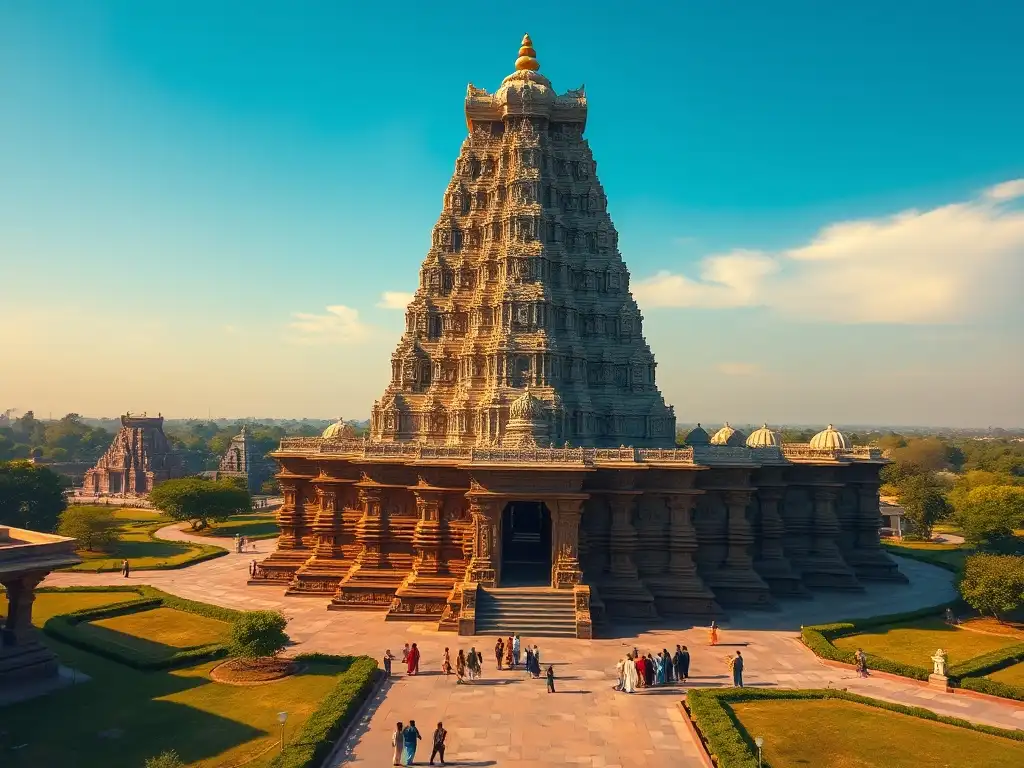
Welcome to Ancient India History, where we embark on a captivating journey through the rich tapestry of India's past. In our featured article, "Temples of Tamil Nadu: Architectural Marvels and Their Historical Significance," we delve into the stunning artistry and profound cultural heritage encapsulated within these ancient structures. From the intricate carvings that tell stories of devotion to the historical events that shaped the very foundations of Tamil Nadu, each temple is a testament to the ingenuity and spirituality of its time.
Prepare to uncover the mysteries and marvels of this remarkable region as we explore how these temples continue to inspire and inform our understanding of ancient Indian civilization. Join us as we unlock the secrets of the Temples of Tamil Nadu and their enduring legacy!
Introduction to Temples of Tamil Nadu History
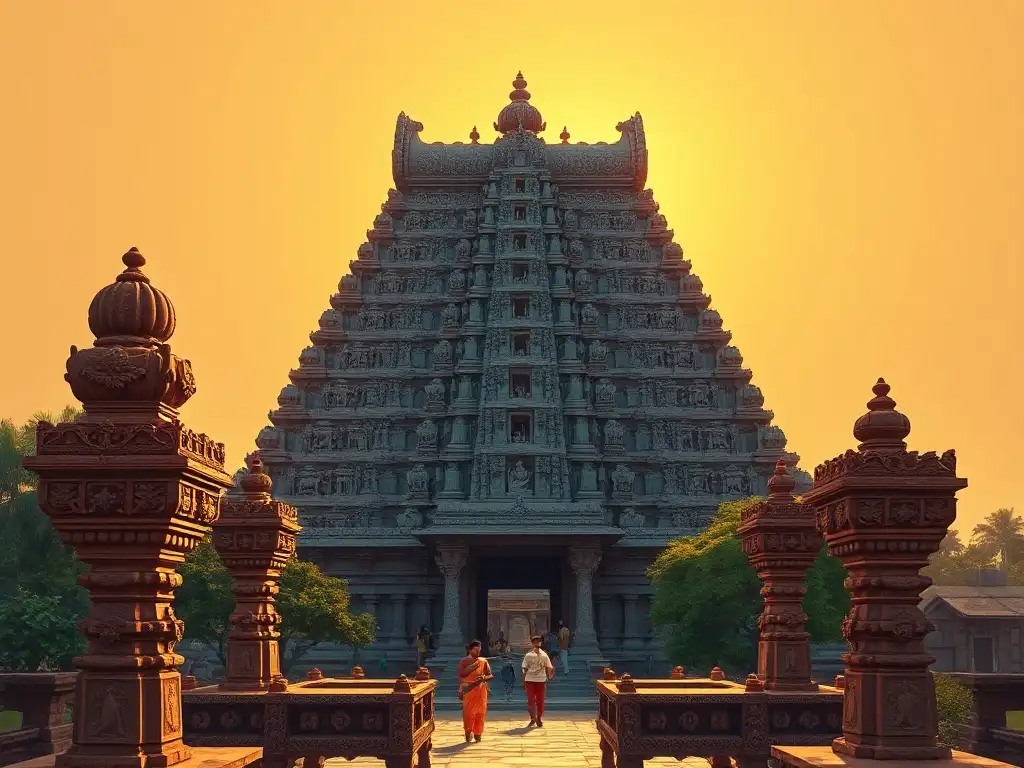
The Temples of Tamil Nadu stand as exquisite examples of architectural brilliance, encapsulating the rich history and cultural heritage of ancient India. These temples are not merely places of worship; they are vibrant repositories of art, spirituality, and socio-political history that reflect the evolving narratives of Tamil Nadu's civilization over millennia.
From the intricate carvings of the Chola dynasty to the expansive complexes of the Nayak period, the temples serve as a testament to the region's commitment to craftsmanship and devotion. Understanding the historical significance of these architectural marvels allows us to appreciate not only their aesthetic beauty but also their role in shaping the cultural identity of Tamil Nadu.
Overview of Tamil Nadu's Cultural Heritage
Tamil Nadu boasts a diverse cultural heritage influenced by its ancient civilizations, language, and traditions. The state's history is marked by the presence of various dynasties such as the Cholas, Pandyas, and Cheras, each contributing to the cultural tapestry.
- Language and Literature: The Tamil language, one of the oldest languages in the world, has a rich literary heritage that includes classical poetry and philosophical texts.
- Art and Dance: Tamil Nadu is home to classical dance forms like Bharatanatyam, which narrate stories through expressive movements, rooted in temple rituals.
- Festivals and Rituals: The state's vibrant festivals, often centered around temple worship, reflect the deep-seated spiritual beliefs and communal harmony.
This cultural richness is vividly expressed in the temples, which serve as focal points for community gatherings and religious celebrations.
Importance of Temples in Tamil Nadu History
Temples in Tamil Nadu have historically functioned as more than places of worship; they have played vital roles in the socio-economic and political landscapes of the region:
- Spiritual Significance: Temples are seen as abodes of deities, fostering a deep spiritual connection among devotees.
- Economic Hubs: Many temples operated as economic centers, facilitating trade and supporting local artisans and craftsmen.
- Political Power: Temples often reflected the power and patronage of ruling dynasties, showcasing their wealth and commitment to religious activities.
These multifaceted roles underscore the temples' significance in the historical narrative of Tamil Nadu, making them essential to understanding the region's past.
Architectural Features of Temples in Tamil Nadu
The architectural style of Tamil Nadu temples is distinguished by its unique features, which have evolved through various historical periods.
Dravidian Architecture: Characteristics and Styles
Dravidian architecture is characterized by its grand scale and intricate details. Key features include:
- Gopurams (Gateway Towers): Tall, ornate towers that serve as monumental entrances to temple complexes.
- Vimana (Sanctum Tower): The structure above the sanctum sanctorum, often adorned with sculptures and carvings.
- Mandapas (Pillared Halls): Spacious halls supported by intricately carved pillars, used for various rituals and gatherings.
Prominent examples of Dravidian architecture can be found in temples such as the Brihadeeswarar Temple in Thanjavur and the Meenakshi Amman Temple in Madurai, showcasing the grandeur and intricacy of this architectural style.
Iconography and Symbolism in Tamil Nadu Temples
The temples of Tamil Nadu are rich in iconography, with sculptures and carvings that convey profound spiritual and cultural meanings:
- Deity Representations: Statues of deities are often depicted in dynamic poses, conveying their divine attributes.
- Mythological Scenes: Carvings narrate stories from ancient texts, emphasizing moral and philosophical teachings.
- Symbolic Motifs: Common motifs such as lotus flowers and elephants symbolize purity and strength, respectively.
Such iconographic elements not only enhance the aesthetic appeal of the temples but also serve as educational tools that impart religious narratives to devotees.
Notable Architectural Techniques Used in Temple Construction
The construction of Tamil Nadu temples involved remarkable architectural techniques that have withstood the test of time:
- Granite and Stone Carving: Temples were primarily constructed using locally sourced granite, allowing for intricate carvings and durability.
- Water Management Systems: Ingenious water management systems, including tanks and channels, were integrated into temple complexes to support rituals and provide water for the community.
- Geometric Precision: Temples were designed with precise geometrical layouts, reflecting the ancient Indian architectural principles that align with cosmic elements.
These techniques not only highlight the engineering prowess of ancient builders but also their deep understanding of the environment and spirituality.
Through the exploration of Tamil Nadu's temples, one can gain a profound appreciation for the artistry, devotion, and historical narratives that have shaped this vibrant region of ancient India.
Historical Significance of Temples in Tamil Nadu
Temples in Tamil Nadu are not merely places of worship; they serve as vital centers of historical, cultural, and social significance. The architectural grandeur of these temples reflects the artistry and skill of ancient builders, while their intricate carvings and sculptures tell stories of mythology, history, and devotion. Over the centuries, these temples have played a crucial role in shaping the socio-political landscape of the region, acting as hubs for various community activities and cultural celebrations.
Temples also facilitated the preservation of Tamil language and literature, as many inscriptions and texts were composed and recorded within their walls. This rich tapestry of history is woven into the very fabric of Tamil Nadu's identity, making these temples a cornerstone of the region’s heritage.
Temples as Centers of Power and Influence
Throughout history, temples in Tamil Nadu have functioned as powerful institutions that wielded significant influence over political and social matters. They were often the nucleus around which communities formed, providing economic sustenance through agricultural and trade activities. The wealth generated by the temples enabled them to become centers of patronage for the arts, education, and architecture.
The rulers of various dynasties, such as the Cholas, Pandyas, and Nayaks, recognized the strategic importance of temples in consolidating their power. By endowing temples with land and resources, they not only sought divine favor but also endeavored to legitimize their authority. The construction of grand temples served as a statement of power, reflecting the political aspirations of their patrons.
Role of Temples in Community Life and Society
Temples in Tamil Nadu have historically served as community gathering places, transcending their religious functions. They have been crucial in fostering social cohesion, providing a space for collective worship, festivals, and cultural activities. Events such as annual festivals, temple fairs, and processions are integral to community life, drawing people together in celebration and shared identity.
Additionally, temples often acted as centers of education and learning, nurturing various fields of study, including philosophy, music, and dance. The temples also played a significant role in social welfare by providing food, shelter, and healthcare to the needy, reinforcing their position as pillars of support within society.
Temples and Their Connection to Rulers and Dynasties
The intricate relationship between temples and rulers in Tamil Nadu is evident in the architectural styles and inscriptions found within these sacred spaces. Many temples were commissioned by kings as acts of devotion or as a means to showcase their wealth and power. The inscriptions found in these temples often document the grants made by rulers, detailing their contributions and devotion to the deities.
For instance, the Chola dynasty is renowned for its magnificent temples, which were built during the reigns of kings like Raja Raja Chola I and Rajendra Chola I. These temples not only served as places of worship but also as symbols of the Chola Empire's grandeur and influence. The connection between temples and rulers highlights the intertwined nature of religion and governance in ancient Tamil Nadu.
Major Temples of Tamil Nadu: A Closer Look
The temples of Tamil Nadu are celebrated for their architectural brilliance and historical importance. Each temple tells a unique story, reflecting the diverse cultural heritage of the region.
Brihadeeswarar Temple: A UNESCO World Heritage Site
The Brihadeeswarar Temple, located in Thanjavur, is one of the most significant examples of Dravidian architecture and a UNESCO World Heritage Site. Built during the reign of Raja Raja Chola I in the 11th century, this temple is dedicated to Lord Shiva and is renowned for its massive gopuram (gateway tower) and intricately carved sculptures. The temple complex is an architectural marvel, showcasing the engineering prowess of the Chola dynasty.
Its historical significance extends beyond its architectural grandeur; it also played a pivotal role in the cultural and religious life of the Chola Empire. The temple's inscriptions reflect the socio-economic conditions of the time, providing valuable insights into the history of Tamil Nadu.
Meenakshi Amman Temple: Architectural and Cultural Marvel
The Meenakshi Amman Temple in Madurai is another iconic structure that epitomizes the richness of Tamil Nadu's temple architecture. Dedicated to Goddess Meenakshi and her consort, Sundareshwarar, the temple complex is famous for its stunning gopurams adorned with colorful sculptures depicting various deities and mythological scenes.
Apart from its architectural beauty, the temple is a vital religious site and a focal point for the vibrant culture of Madurai. The annual Meenakshi Tirukkalyanam festival attracts thousands of devotees, showcasing the temple's role in promoting community participation and cultural traditions.
Ranganathaswamy Temple: Historical Importance and Architectural Splendor
The Ranganathaswamy Temple in Srirangam is one of the largest functioning Hindu temples in the world and is dedicated to Lord Ranganatha, a manifestation of Lord Vishnu. This temple is not only an architectural wonder with its sprawling layout and ornate sculptures but also holds immense historical significance as a center for Vaishnavism in South India.
Throughout history, the temple has been a site of pilgrimage and devotion, attracting devotees from across the region. Its historical narratives are interwoven with the tales of the great saints and philosophers who have graced its halls, further solidifying its place in Tamil Nadu's spiritual landscape.
Other Notable Temples and Their Contributions to Tamil Nadu History
In addition to the aforementioned temples, Tamil Nadu is home to numerous other significant temples, each contributing to the region's rich history.
- Kumarakottam Temple: Located in Kanchipuram, this temple is dedicated to Lord Murugan and showcases beautiful bronze sculptures.
- Gangaikonda Cholapuram Temple: Another UNESCO World Heritage Site, this temple exemplifies the architectural brilliance of the Chola dynasty and reflects the empire's expansive reach.
- Nataraja Temple in Chidambaram: Renowned for its depiction of the cosmic dance of Lord Shiva, this temple is a key center of Tamil Nadu's cultural and religious traditions.
These temples, along with many others, not only serve as places of worship but also act as repositories of history, culture, and art, enriching the narrative of Tamil Nadu's past and its enduring legacy.
Influence of Religion and Philosophy on Tamil Nadu Temples
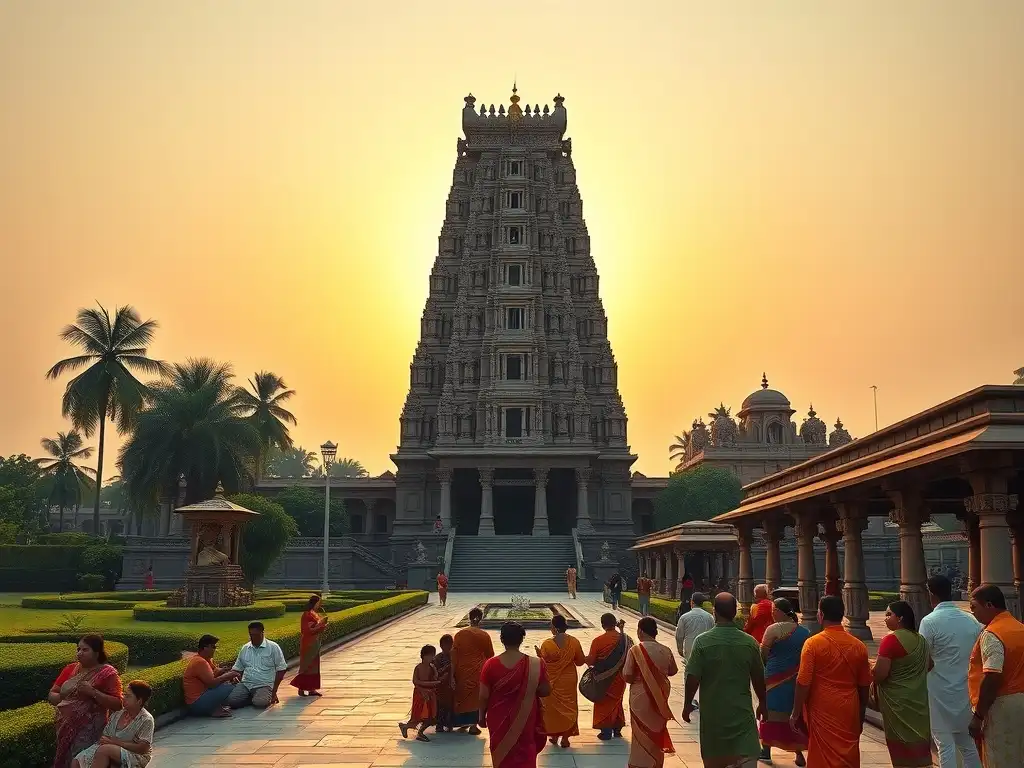
The temples of Tamil Nadu stand as magnificent symbols of the region's rich spiritual heritage, influenced profoundly by various religious and philosophical movements. They serve not only as places of worship but also as epicenters of cultural expression, artistic endeavors, and social organization. The architectural styles, iconography, and rituals observed in these temples reflect the intricate interplay between religion and philosophy that has shaped Tamil Nadu's history.
Hinduism's Role in Shaping Temple Architecture
Hinduism has played a pivotal role in the development of temple architecture in Tamil Nadu. The intricate designs and elaborate carvings found in temples such as the Brihadeeswarar Temple in Thanjavur and the Meenakshi Temple in Madurai showcase the depth of spiritual beliefs and rituals central to Hindu worship. The temple architecture is often characterized by towering gopurams (gateway towers), mandapas (pillared halls), and sanctums, all reflecting the cosmic order and the divine hierarchy.
Furthermore, Hindu scriptures like the Agamas and Vastu Shastra provided the foundational guidelines for temple construction, influencing the layout, orientation, and aesthetics. Temples are designed as microcosms of the universe, with the sanctum sanctorum representing the ultimate reality, or Brahman. This philosophical underpinning is evident in the meticulous attention to detail and symmetry in temple architecture, which aims to create a harmonious space that facilitates the divine connection.
The Impact of Bhakti Movement on Temple Construction and Design
The Bhakti movement, which emerged in the Tamil region during the medieval period, significantly influenced temple construction and design. This devotional movement emphasized personal devotion to a chosen deity, often expressed through poetry, music, and dance. Temples became vibrant centers for these expressions of faith, leading to a surge in temple construction that prioritized accessibility for all devotees.
With the advent of the Bhakti movement, the architecture of temples began to incorporate elements that facilitated communal participation in rituals. The introduction of open courtyards and larger prayer halls allowed for greater congregation during festivals and events. Temples like the Kanyakumari Temple and the Thiruvannamalai Temple exemplify this transformation, reflecting a shift towards inclusivity and community engagement.
Moreover, the Bhakti saints, such as Alvars and Nayanars, inspired a rich iconographic tradition within temples, leading to the creation of numerous sculptures and images that depicted their lives and teachings. This melding of devotion and artistry contributed to the temples' significance as not only places of worship but also as cultural repositories of Tamil literature and philosophy.
Interactions with Other Religions and Their Influence on Tamil Nadu Temples
Tamil Nadu's temples have not only been shaped by Hinduism but have also interacted with other religions, including Buddhism and Jainism. Historical evidence suggests that Buddhist and Jain architectural styles influenced some temple designs, particularly in the early centuries of the Common Era. Rock-cut temples, such as those at Mahabalipuram and the cave temples at Kanchipuram, display stylistic elements that reflect these interactions.
The coexistence of various religious traditions led to a syncretic architectural style in some regions, where motifs and symbols from different faiths were integrated into temple designs. For example, the use of lotus motifs, commonly associated with Buddhism, can be found in several Hindu temples, symbolizing purity and spiritual awakening.
Additionally, the influence of Islamic architecture, particularly during the rule of the Nawabs and later the British, introduced new design elements such as domes and arches into some temple structures. This blend of styles exemplifies the dynamic cultural exchanges that have characterized Tamil Nadu's history, showcasing its ability to absorb and adapt diverse influences while maintaining its unique identity.
Preservation and Conservation of Temples in Tamil Nadu
The preservation and conservation of Tamil Nadu's ancient temples are critical to maintaining the region's cultural heritage and historical significance. With a rich tapestry of architectural marvels, these temples face various challenges that threaten their structural integrity and artistic value.
Challenges Faced in Preserving Ancient Temples
One of the primary challenges in preserving ancient temples is the impact of environmental factors, such as pollution, humidity, and flooding. These elements can lead to the deterioration of intricate stone carvings and frescoes that adorn temple walls. Moreover, the increasing urbanization and encroachment of modern development pose significant threats to the physical space surrounding these temples, often leading to structural damage and loss of accessibility.
Additionally, the lack of adequate funding and resources for maintenance poses a severe hindrance to preservation efforts. Many temples are maintained by trusts or local communities that may lack the financial means or technical expertise to carry out necessary restoration work. As a result, several temples risk falling into disrepair, losing their historical significance and cultural value.
Efforts Toward Conservation and Restoration
Despite these challenges, concerted efforts are being made toward the conservation and restoration of Tamil Nadu's temples. Government initiatives, along with support from non-governmental organizations and cultural heritage bodies, aim to secure funding for restoration projects. For example, the Archaeological Survey of India (ASI) has undertaken various restoration efforts for significant temples, such as the Brihadeeswarar Temple, ensuring that their historical integrity is preserved.
Community engagement plays a crucial role in these efforts, as local populations often have a vested interest in the upkeep of their temples. This grassroots involvement fosters a sense of ownership and responsibility, leading to volunteer-driven initiatives for cleaning, maintenance, and small-scale restoration projects.
Moreover, awareness campaigns focusing on the cultural significance of these temples help garner public support for preservation efforts. Educational programs in schools and community centers emphasize the importance of safeguarding these architectural treasures for future generations.
The Role of Modern Technology in Preserving Temple Architecture
Modern technology has emerged as a powerful ally in the preservation of Tamil Nadu's temple architecture. Techniques such as 3D scanning and digital modeling allow for detailed documentation of temple structures, capturing intricate details that may be lost over time. This digital data can serve as a reference for restoration projects, ensuring that any reconstruction efforts remain true to the original design.
Additionally, the application of advanced materials and conservation techniques helps mitigate the effects of environmental degradation. For instance, the use of non-invasive cleaning methods and protective coatings can enhance the longevity of stone carvings while preserving their aesthetic qualities.
Furthermore, virtual reality (VR) and augmented reality (AR) technologies are being explored to create immersive experiences that showcase the grandeur of these temples. By allowing people to explore temples digitally, these technologies can foster greater appreciation and awareness of Tamil Nadu's rich architectural heritage, ultimately supporting ongoing conservation efforts.
Conclusion: Legacy of Temples in Tamil Nadu History
The temples of Tamil Nadu are not merely structures of worship; they are a testament to the region's rich cultural tapestry and historical evolution. With their intricate architecture, vibrant sculptures, and profound spiritual significance, these temples encapsulate the essence of Tamil Nadu’s history.
From the early Dravidian styles to the more elaborate constructions during the Chola and Pandya periods, the evolution of temple architecture reflects the changing societal norms, religious practices, and artistic expressions over centuries. The legacy of these temples goes beyond their physical presence; they are symbols of community identity, spiritual devotion, and artistic endeavor that continue to inspire future generations.
In addition to their architectural brilliance, the temples serve as crucial repositories of knowledge, housing inscriptions and artifacts that provide insights into the socio-political and economic conditions of their time. Festivals, rituals, and daily practices carried out in these temples foster a sense of continuity, connecting the past with the present. The temples of Tamil Nadu thus stand as monumental legacies, preserving the historical narratives and cultural values of the region while continuing to be sites of pilgrimage and social gathering.
The Enduring Influence of Tamil Nadu Temples on Indian Culture
The influence of Tamil Nadu temples extends well beyond the borders of the state, resonating throughout Indian culture as a whole. These temples have played a pivotal role in shaping religious practices, artistic traditions, and social structures across the subcontinent. The architectural styles and iconography developed in Tamil Nadu have influenced temple construction in other regions, showcasing the diffusion of cultural elements throughout India.
Moreover, the rich tapestry of myths and legends associated with these temples has contributed significantly to the literary and artistic canon of India. Temples like the Brihadeeswarar Temple in Thanjavur and the Meenakshi Temple in Madurai are not just religious sites but also cultural landmarks that inspire countless works of art, dance, and literature. The classical dance forms of Bharatanatyam and Kuchipudi, for instance, often draw inspiration from temple architecture and the deities worshipped within these sacred spaces.
The festivals celebrated in Tamil Nadu temples, such as Pongal and Thaipusam, reflect the cultural diversity and communal harmony of the region. These events attract visitors from all walks of life, highlighting the temples as spaces of convergence for diverse cultural expressions. Thus, the temples of Tamil Nadu have left an indelible mark on the broader canvas of Indian culture, fostering a rich dialogue between history, spirituality, and artistic expression.
Future Prospects for Tamil Nadu Temples and Their Historical Significance
Looking ahead, the future prospects for Tamil Nadu temples and their historical significance remain promising yet challenging. As centers of cultural heritage, these temples face the dual task of preserving their historical integrity while adapting to contemporary societal needs. Efforts to promote sustainable tourism can enhance the visibility of these temples, allowing more people to appreciate their architectural and historical significance. However, this must be balanced with initiatives aimed at conserving their physical structures and spiritual essence.
Moreover, the ongoing research and documentation of temple inscriptions and artifacts are critical for understanding the historical context of these sites. Collaborations between historians, archaeologists, and local communities can facilitate the preservation of traditional practices and promote educational programs focused on the history of Tamil Nadu temples.
In a rapidly globalizing world, the temples can serve as beacons of cultural identity, fostering pride among local communities and contributing to intercultural dialogues. By embracing modern technology, such as virtual tours and digital archives, the temples can reach a wider audience, ensuring their relevance for future generations. Ultimately, the temples of Tamil Nadu will continue to be vital in narrating the rich tapestry of Indian history, culture, and spirituality, standing resilient against the test of time.
- Introduction to Temples of Tamil Nadu History
- Architectural Features of Temples in Tamil Nadu
- Historical Significance of Temples in Tamil Nadu
- Major Temples of Tamil Nadu: A Closer Look
- Influence of Religion and Philosophy on Tamil Nadu Temples
- Preservation and Conservation of Temples in Tamil Nadu
- Conclusion: Legacy of Temples in Tamil Nadu History
- What are the key architectural features of Tamil Nadu temples?
- How do Tamil Nadu temples reflect historical significance?
- What is the historical timeline of temple construction in Tamil Nadu?
- Are there any notable temples in Tamil Nadu that stand out?
- How do the temples of Tamil Nadu integrate with the local culture?
Frequently Asked Questions
What are the key architectural features of Tamil Nadu temples?
Tamil Nadu temples are known for their intricate carvings, towering gopurams (gateway towers), and vast courtyards. These features reflect the rich cultural heritage and artistry of ancient Indian architecture.
How do Tamil Nadu temples reflect historical significance?
The temples of Tamil Nadu serve as repositories of history, showcasing the political, religious, and social dynamics of their time. They often commemorate important events and deities, linking them to the region's cultural narrative.
What is the historical timeline of temple construction in Tamil Nadu?
Temple construction in Tamil Nadu dates back to the Chola dynasty (9th century CE), continuing through the Pandya and Pallava periods. Each era contributed unique styles and architectural innovations to the temples.
Are there any notable temples in Tamil Nadu that stand out?
Yes, temples like the Brihadeeswarar Temple in Thanjavur and the Meenakshi Temple in Madurai are renowned for their magnificent architecture and historical importance, attracting both pilgrims and tourists alike.
How do the temples of Tamil Nadu integrate with the local culture?
The temples are central to community life in Tamil Nadu, serving as venues for festivals, rituals, and daily worship. They play a pivotal role in preserving local traditions and fostering a sense of cultural identity.
Final Reflection: The Enduring Legacy of Tamil Nadu's Temples
The temples of Tamil Nadu stand as monumental testaments to a rich tapestry of history, culture, and spirituality that continues to resonate in contemporary society. These architectural marvels not only reflect the artistic genius of their time but also serve as vital links to the past, reminding us of the intricate narratives woven into the fabric of Tamil Nadu's history. As we navigate an ever-evolving world, the significance of these temples becomes increasingly evident, showcasing the timelessness of their beauty and the stories they hold.
The influence of Tamil Nadu's temples extends far beyond their physical structures; they are living embodiments of cultural identity and community spirit. Each temple is a hub of activity, drawing people together for worship, festivals, and celebrations that have persisted through centuries. The words of the renowned historian, K.A. Nilakanta Sastri, resonate deeply here: The temples of Tamil Nadu are not merely places of worship; they are the very heart of Tamil culture.
This ongoing connection to our heritage fosters a sense of belonging and continuity, reminding us of the values and traditions that shape our lives today.
As we reflect on the historical significance of these temples, I invite you to consider how their lessons can inspire your own journey. Embrace the richness of your heritage, seek to understand the stories that have shaped your community, and allow the wisdom of the past to guide your actions in the present.
In doing so, you not only honor the legacy of Tamil Nadu's temples but also contribute to the preservation of cultural narratives that enrich our collective human experience. Let us carry forward the spirit of these architectural wonders, ensuring that their significance endures for generations to come.
Unveil the Wonders of Tamil Nadu’s Temples!
Thank you for immersing yourself in the rich history of Tamil Nadu's architectural marvels! You've just uncovered the incredible stories woven into these sacred structures. Now, it’s time to take action and deepen your exploration.
Here are some engaging steps you can take next:
- Visit a local temple or cultural center to experience the beauty and spirituality of Tamil architecture firsthand.
- Engage with our community! Share your thoughts or pictures of the temples you've visited in the comments section.
- Explore literature or documentaries that delve into South Indian architecture to enhance your appreciation of their rich history and significance.
What architectural marvel or historical aspect of Tamil Nadu's temples excites you the most? Let's discuss!