
The Teachings of Maitreya: The Future Buddha and His Significance


Welcome to Ancient India History, where we embark on a journey through the rich tapestry of ancient civilizations that have shaped not just India, but the world. In our featured article, “The Teachings of Maitreya: The Future Buddha and His Significance,” we delve into the profound influence of Maitreya Buddha, exploring his teachings and the pivotal role he plays in the history of ancient Indian religions.
Join us as we unravel the mysteries and contributions of this significant figure, and discover how his legacy continues to resonate today. Prepare to be captivated by the depth of knowledge and cultural richness that awaits you!
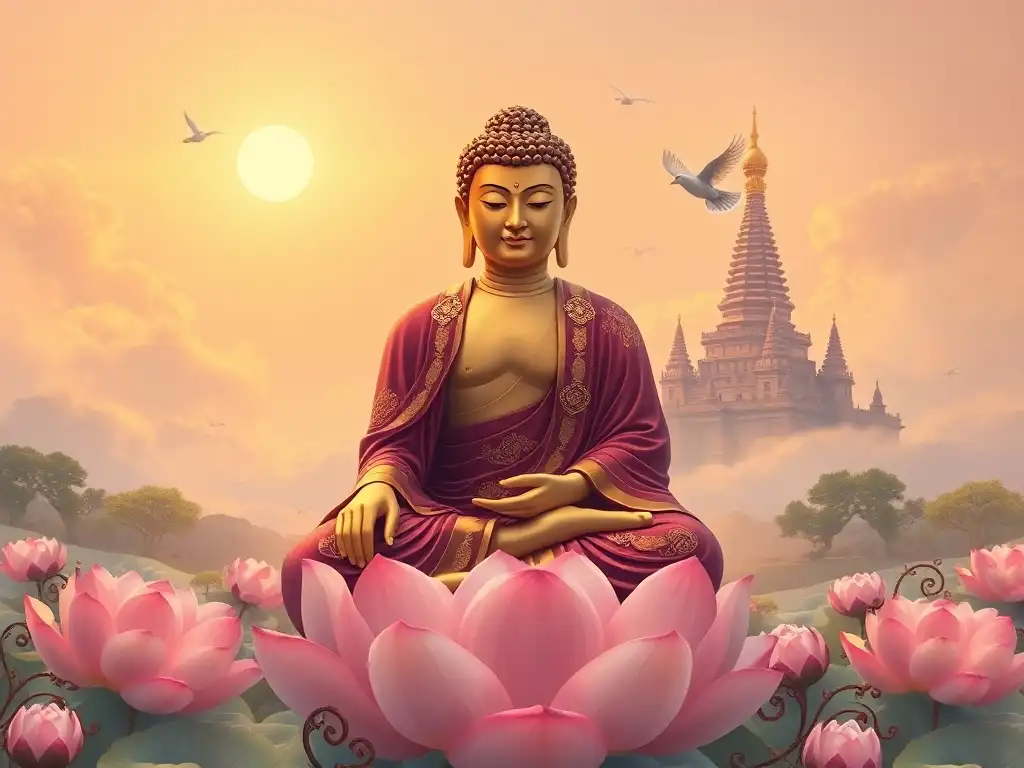
Introduction to Maitreya Buddha
The figure of Maitreya Buddha, often referred to as the Future Buddha, holds a pivotal role in Buddhist tradition and philosophy. As the prophesized successor to Gautama Buddha, Maitreya embodies the promise of hope and enlightenment for future generations. His teachings and significance stretch across various Buddhist schools and texts, reflecting the dynamic nature of Buddhism as it evolved through time and geography.
Understanding Maitreya Buddha is essential for grasping the broader themes of compassion, wisdom, and the cyclical nature of time and existence in Buddhist thought. This exploration of Maitreya's significance in history will delve into his origins, teachings, and the varying interpretations across different traditions.
Overview of Maitreya in Buddhist Tradition
Maitreya is often depicted as a benevolent figure, radiating warmth and compassion. In Buddhist iconography, he is frequently shown seated on a throne, symbolizing his future role as a teacher of the Dharma. His name translates to "loving-kindness," which encapsulates the essence of his teachings.
- Key Characteristics of Maitreya:
- Embodiment of Compassion: Maitreya's teachings emphasize the importance of loving-kindness and compassion towards all sentient beings.
- Future Teacher: As the future Buddha, Maitreya is expected to appear on Earth when the teachings of Gautama Buddha have been forgotten, bringing a new era of enlightenment.
- Cultural Depictions: Across various cultures, Maitreya is represented in different forms, from the jovial, pot-bellied figure in East Asian traditions to more traditional depictions in Tibetan and Theravada art.
The Concept of Maitreya as the Future Buddha
Maitreya's role as the Future Buddha is deeply rooted in Buddhist eschatology. According to Buddhist texts, he resides in the Tushita Heaven, awaiting the appropriate time to descend to Earth and guide humanity toward enlightenment. This cyclical view of time in Buddhism emphasizes the impermanence of teachings and the eventual renewal of wisdom.
- Significance of Maitreya's Arrival:
- Restoration of Dharma: Maitreya's coming is seen as a restoration of the Dharma, re-establishing moral order and spiritual enlightenment.
- Cultural Relevance: His anticipated arrival has inspired countless followers, serving as a beacon of hope for those seeking spiritual fulfillment in turbulent times.
Historical Context of Maitreya Buddha
To fully appreciate the significance of Maitreya Buddha, it is essential to understand the historical context in which his teachings emerged. The development of Maitreya as a key figure in Buddhism can be traced back to early Buddhist texts and the evolving interpretations within different sects.
Origins of Maitreya in Early Buddhism
The origins of Maitreya are found in early Buddhist scriptures, where he is mentioned in texts such as the Pali Canon and various Mahayana sutras. His presence signifies the early recognition of future Buddhas and the ongoing nature of enlightenment.
- Early References:
- In the Pali Canon, Maitreya is referred to as a celestial being who will bring peace and enlightenment.
- The Maitreya Sūtras, composed later, elaborate on his qualities, teachings, and the nature of his future teachings.
Maitreya in Theravada and Mahayana Traditions
The significance of Maitreya Buddha varies notably between the Theravada and Mahayana traditions, each offering unique insights into his role and teachings.
- In Theravada Buddhism:
- Maitreya is viewed primarily as a future figure who will come to teach the Dharma, but there is less emphasis on his worship compared to other Buddhas.
- In Mahayana Buddhism:
- Maitreya assumes a more prominent role, often depicted as an object of devotion, with numerous temples and practices centered around his veneration.
- Concepts such as Maitreya's Bodhisattva path highlight his commitment to helping all beings achieve enlightenment before his own Buddhahood.
The teachings of Maitreya Buddha are a rich tapestry woven from historical, cultural, and philosophical threads, reflecting the enduring legacy of Buddhism and its adaptation through ages. Understanding Maitreya's significance in history not only sheds light on the evolution of Buddhist thought but also emphasizes the universal themes of compassion and hope that resonate across cultures.
Maitreya Buddha Significance in History
Maitreya Buddha holds a profound significance in the annals of Buddhist history, representing the future potential of enlightenment and the continuation of the Buddha's teachings. Historically, Maitreya is perceived as a bodhisattva who will appear on Earth in the future, succeeding Gautama Buddha.
His presence symbolizes the enduring hope for a new age of enlightenment and moral conduct, contrasting with the moral decline often associated with the current age, known as the Kali Yuga in Hindu cosmology. Maitreya's significance is not merely eschatological; it also reflects the adaptability of Buddhist thought, allowing it to resonate across different cultures and eras.
Throughout history, Maitreya has been depicted in various forms across different Buddhist traditions, from Mahayana to Theravada, each emphasizing unique aspects of his character and teachings. His significance has evolved, influencing the development of Buddhist practices, art, and literature, thereby cementing his status as a key figure in the spiritual landscape of Buddhism.
Influence on Buddhist Philosophy and Teachings
Maitreya's teachings have significantly influenced Buddhist philosophy, particularly in the Mahayana tradition. As the embodiment of compassion and loving-kindness, Maitreya is often associated with the ideal of the bodhisattva, who delays their own enlightenment to assist others in attaining liberation. This concept has shaped the ethical framework of Mahayana Buddhism, promoting altruism and community service as essential components of spiritual practice.
Moreover, Maitreya's anticipated arrival encourages the notion of continual renewal within the Buddhist community. His teachings emphasize the importance of compassion and moral integrity, urging practitioners to cultivate these qualities in their daily lives. This focus on ethical living has inspired numerous schools of thought within Buddhism, fostering a rich dialogue about the role of compassion in personal and communal enlightenment.
Maitreya's Role in Buddhist Eschatology
In Buddhist eschatology, Maitreya plays a pivotal role as the future Buddha who will come to restore the teachings of Dharma when they have faded from the world. This belief is rooted in the concept of cyclical time, where ages of enlightenment alternate with periods of moral decline. The prophecy of Maitreya's arrival serves as a powerful reminder of the impermanence of human existence and the inevitability of change.
The narratives surrounding Maitreya's coming often depict a time of great suffering and disillusionment, followed by a period of renewed wisdom and compassion. This eschatological perspective reinforces the importance of living a life aligned with the principles of Buddhism, as practitioners await his arrival. Maitreya's role in this context not only inspires hope but also encourages individuals to engage actively in their spiritual journey, fostering a collective aspiration for a better future.
Maitreya as a Symbol of Hope and Renewal
Maitreya is widely regarded as a symbol of hope and renewal in Buddhism. His expected return signifies the promise of a future filled with peace, compassion, and enlightenment, providing solace to those who feel disheartened by the challenges of contemporary life. This aspect of Maitreya's significance resonates deeply with practitioners, who often look to him as an anchor during times of uncertainty.
In addition to his role as a harbinger of a brighter future, Maitreya embodies the ideals of optimism and perseverance. His teachings encourage individuals to maintain faith in their ability to transform their lives and the world around them through compassion and ethical conduct. This message of hope is particularly relevant in modern society, where individuals frequently seek meaning and purpose amidst chaos.
Maitreya's Teachings and Their Impact
Maitreya's teachings, while rooted in ancient wisdom, continue to have a profound impact on Buddhist practice today. His emphasis on compassion, kindness, and the interconnectedness of all beings resonates with practitioners across different cultures and backgrounds. These teachings provide a framework for ethical living that aligns with contemporary values of social justice and environmental sustainability.
Core Teachings of Maitreya Buddha
The core teachings of Maitreya Buddha revolve around compassion, loving-kindness, and the importance of community. He emphasizes the necessity of helping others as a pathway to personal enlightenment, advocating for a life dedicated to altruism. Maitreya’s teachings also encourage mindfulness and the cultivation of positive mental states, which are crucial for overcoming suffering and achieving inner peace.
Maitreya is often associated with the idea of “Bodhicitta,” the aspiration to attain enlightenment for the sake of all beings. This concept is central to Mahayana Buddhism and serves as a guiding principle for practitioners who strive to embody Maitreya's compassionate qualities in their daily lives.
How Maitreya's Teachings Resonate in Modern Buddhism
In contemporary Buddhism, Maitreya's teachings resonate strongly with the increasing focus on social engagement and activism within the Buddhist community. Many modern practitioners recognize the urgency of addressing social, economic, and environmental issues through the lens of compassion and ethical responsibility. Maitreya's teachings inspire individuals to take action, advocating for peace and justice in a world that often appears fragmented and chaotic.
Moreover, Maitreya's message of hope and renewal aligns with the growing interest in mindfulness practices aimed at personal and societal healing. As individuals seek to navigate the complexities of modern life, the teachings of Maitreya offer a timeless reminder of the transformative power of compassion and the importance of collective effort in fostering a more harmonious world.
Maitreya in Art and Culture
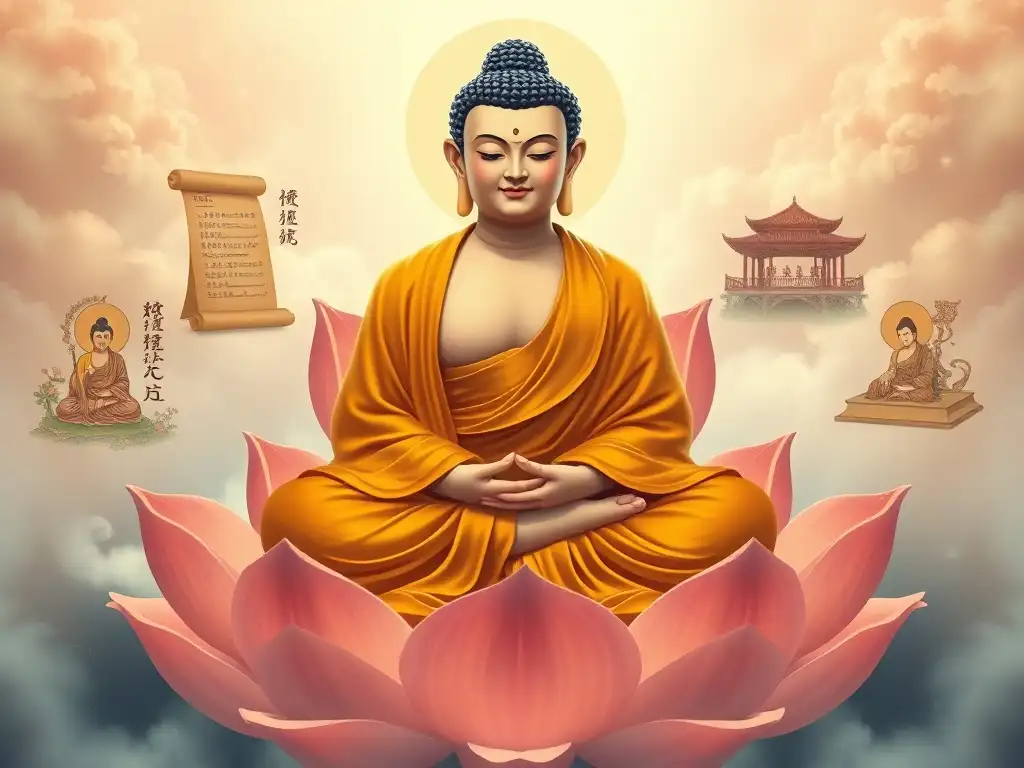
Maitreya, known as the Future Buddha, holds a significant place in the realm of art and culture, particularly within Buddhist traditions. His depictions and representations span centuries and various regions, reflecting the evolving interpretations and values associated with his figure. From ancient sculptures to modern adaptations, Maitreya's image continues to inspire and resonate in contemporary society.
Representations of Maitreya in Buddhist Art
The artistic representations of Maitreya can be traced back to early Buddhist art, particularly in the Gandhara and Mathura schools. In these early depictions, Maitreya is often shown seated on a throne, symbolizing his future role as a universal spiritual leader. Notable features include a serene expression, a distinctive ushnisha (topknot), and sometimes, the presence of a stupa, which signifies enlightenment.
In later periods, particularly during the Tang and Song dynasties in China, Maitreya's portrayals became more elaborate. Artists began to incorporate elements of humor and joy, reflecting Maitreya's characteristics as a benevolent and jolly figure. Statues depicting him laughing, surrounded by children, or holding a bag of treasures, emphasize his role as a harbinger of prosperity and happiness.
In Japan, Maitreya is known as Miroku and is often depicted in various forms, including paintings and sculptures. Many of these artworks showcase Maitreya in a more humanized form, interacting with devotees and symbolizing hope for a better future. The iconic image of Maitreya seated on a lotus or in a meditative pose continues to inspire both artists and worshippers alike.
Maitreya's Influence on Literature and Popular Culture
Maitreya's significance extends beyond visual arts into literature and popular culture. Ancient texts, such as the "Maitreya Sutra," discuss his teachings and the prophecies concerning his future arrival to restore dharma (cosmic order). These literary works have influenced numerous writers and poets throughout history, inspiring them to explore themes of hope, renewal, and the promise of a better world.
In contemporary literature, Maitreya has emerged as a symbol of peace and unity, often referenced in novels and philosophical treatises addressing spiritual awakening and social justice. His teachings resonate with various movements advocating for change, and his figure serves as a reminder of the potential for a brighter future through compassion and understanding.
Moreover, Maitreya's influence can be seen in popular culture, including films, television shows, and even video games. His character often embodies the ideals of kindness and hope, encouraging audiences to reflect on the values of love, harmony, and spiritual growth. This cultural adaptation highlights Maitreya's relevance in a modern context, bridging ancient teachings with contemporary issues.
Maitreya's Relevance Today
Maitreya's teachings and symbolism are increasingly relevant in today’s world, offering perspectives that resonate with diverse spiritual and philosophical movements. His message of compassion and the promise of future enlightenment serves as a source of inspiration for individuals seeking deeper meaning and connection.
Maitreya Buddha in Contemporary Spiritual Movements
In recent years, Maitreya has gained prominence within various contemporary spiritual movements, often associated with themes of global unity and collective awakening. Groups focusing on mindfulness, compassion, and social responsibility frequently invoke Maitreya's teachings to promote a vision of a harmonious future.
Many meditation centers and spiritual communities incorporate the concept of Maitreya into their practices, encouraging practitioners to cultivate qualities that align with his teachings, such as loving-kindness and altruism. Workshops, retreats, and discussions centered around Maitreya's significance help foster a sense of community and shared purpose among followers.
In addition, the idea of Maitreya as a future savior resonates with those advocating for ecological sustainability and social justice, reinforcing the belief that a collective effort can lead to transformative change. This modern interpretation emphasizes Maitreya's role as a guiding figure for those committed to creating a better world.
The Significance of Maitreya in Global Buddhism
Maitreya's influence is felt across various branches of Buddhism, from Theravada to Mahayana, showcasing his universal appeal. In global Buddhism, Maitreya is often viewed as a symbol of hope and the potential for renewal within the human experience. His anticipated arrival is seen as a time of enlightenment, where suffering will be alleviated, and peace will prevail.
In many Buddhist communities, Maitreya is not only revered as the Future Buddha but also as a representation of the inherent potential for goodness within all individuals. This perspective encourages practitioners to embody Maitreya's qualities in their daily lives, fostering a sense of interconnectedness and responsibility toward one another.
As Buddhism continues to spread and adapt across cultures, Maitreya remains a central figure, inspiring countless individuals in their spiritual journeys. His teachings, rich in compassion and optimism, serve as a beacon of light, guiding followers toward a future filled with hope and harmony.
Conclusion
The significance of Maitreya Buddha in history cannot be overstated. As the prophesied Future Buddha, Maitreya embodies the hope for the coming of a new era in Buddhist teachings, one that promises enlightenment and compassion for all beings. His teachings offer a unique perspective on the potential for human transformation and the universal quest for spiritual awakening. Understanding Maitreya's role provides valuable insights into the evolution of Buddhist thought and the persistence of hope within the human experience.
Summary of Maitreya Buddha's Historical Impact
The historical impact of Maitreya Buddha is profound, particularly in the context of Buddhist philosophy and practice. Emerging from the teachings of Siddhartha Gautama, Maitreya represents the ultimate fulfillment of the Buddha's promise of awakening. His significance is reflected in various Buddhist texts and traditions, including the Maitreya Sūtra and the Lotus Sūtra, where he is often depicted as a compassionate figure destined to arrive in a future age to revive the true teachings of Buddhism.
Maitreya's influence extends beyond religious doctrine; he has inspired art, architecture, and cultural practices throughout Asia. Temples and statues dedicated to Maitreya can be found in multiple countries, showcasing his importance across different cultures. The anticipation of Maitreya's arrival has also fostered a sense of community and shared purpose among practitioners, guiding their spiritual endeavors and emphasizing the importance of ethical living and compassion in the present moment.
Final Thoughts on the Teachings of Maitreya and Their Legacy
The teachings of Maitreya Buddha resonate deeply with contemporary audiences, offering timeless wisdom that encourages individuals to cultivate compassion, mindfulness, and altruism. His legacy continues to be relevant today, as the world grapples with challenges that require collective action and understanding. Maitreya symbolizes the hope for a future where peace and harmony prevail, reminding us that the journey towards enlightenment is a communal effort.
As we reflect on the significance of Maitreya Buddha in history, it is essential to recognize that his teachings are not confined to a distant future but are applicable in our daily lives. Embracing the principles of Maitreya can foster a more compassionate society, paving the way for a brighter future for all beings. Ultimately, the teachings of Maitreya invite us to reflect on our role in the world and the impact of our actions, emphasizing that every individual has the potential to contribute to the unfolding of a more enlightened and harmonious existence.
- Introduction to Maitreya Buddha
- Historical Context of Maitreya Buddha
- Maitreya Buddha Significance in History
- Maitreya's Teachings and Their Impact
- Maitreya in Art and Culture
- Maitreya's Relevance Today
- Conclusion
- What is the significance of Maitreya Buddha in history?
- How does Maitreya differ from historical Buddhas like Siddhartha Gautama?
- What role does Maitreya play in Buddhist teachings?
- Are there any artistic representations of Maitreya Buddha?
- How does Maitreya's significance influence modern Buddhism?
Frequently Asked Questions
What is the significance of Maitreya Buddha in history?
Maitreya Buddha is regarded as the future Buddha in Buddhist tradition, symbolizing hope and the promise of spiritual advancement for humanity.
How does Maitreya differ from historical Buddhas like Siddhartha Gautama?
Unlike Siddhartha Gautama, who achieved enlightenment and taught the path to liberation, Maitreya is yet to appear and represent the ideal of future enlightenment.
What role does Maitreya play in Buddhist teachings?
Maitreya embodies the ultimate compassion and serves as a spiritual guide, emphasizing the importance of kindness and wisdom in achieving enlightenment.
Are there any artistic representations of Maitreya Buddha?
Yes, Maitreya Buddha is often depicted in sculptures and paintings, typically shown seated or standing, indicating his role as a future savior and a figure of hope.
How does Maitreya's significance influence modern Buddhism?
In modern Buddhism, Maitreya's teachings inspire followers to cultivate compassion and mindfulness, reinforcing the relevance of Buddhist values in contemporary society.
Final Reflection: Embracing the Wisdom of Maitreya Buddha's Teachings
The teachings of Maitreya Buddha resonate profoundly in our contemporary world, reminding us of the timeless significance of compassion and hope. As we navigate the complexities of modern life, the ideals embodied by Maitreya offer a guiding light, encouraging us to cultivate kindness and understanding in our communities. In a time marked by division and uncertainty, the promise of Maitreya's future arrival serves as a powerful reminder that transformation and renewal are always possible.
Maitreya's influence extends beyond religious boundaries, shaping cultural narratives and inspiring social movements throughout history. His teachings have fostered a sense of unity and purpose, urging individuals to engage in acts of compassion and altruism. As we reflect on Maitreya's significance, we can recall the words of the Dalai Lama: Love and compassion are necessities, not luxuries. Without them, humanity cannot survive.
This sentiment encapsulates the essence of Maitreya's message, highlighting the urgent need for empathy in our daily lives.
As we look to the future, let us embrace the lessons of Maitreya Buddha and strive to embody his teachings in our actions. I invite you to reflect on how you can bring more compassion into your life and the lives of those around you. Consider the impact of your choices and the legacy you wish to leave behind. By nurturing the spirit of Maitreya within ourselves, we can contribute to a more harmonious and compassionate world, paving the way for a brighter future for all.
Unveil Your Path to Enlightenment Today!
Thank you for exploring the fascinating insights about Maitreya, the Future Buddha. Your interest in this profound topic opens a window to understanding compassion, hope, and future possibilities. Now, it’s time to take meaningful steps toward your own journey of enlightenment and connection with these teachings!
- Explore the teachings of Maitreya by reading spiritual texts or engaging with local communities. Discover how compassion can transform your everyday life.
- Share your newfound knowledge with friends and family; consider starting a discussion group to deepen understanding and encourage diverse perspectives.
- Consider volunteering for a cause that aligns with Maitreya's values—this act of kindness is a direct way to embody his teachings.
Which aspect of Maitreya's teachings will you incorporate into your life first, and how do you believe it might change your perspective?