
Ancient Gynecology: Surgical Techniques for Women’s Health in India

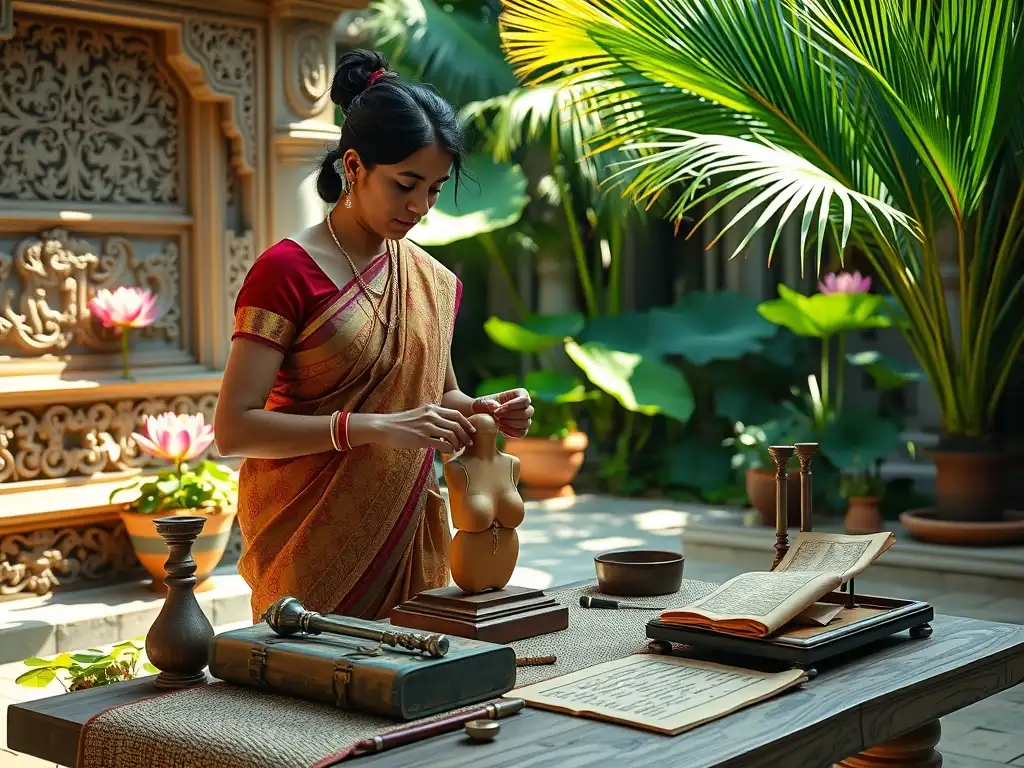
Welcome to Ancient India History, where we embark on a thrilling journey through the rich tapestry of ancient Indian civilizations. In this space, we uncover the fascinating contributions of our ancestors, and today, we delve into a captivating aspect of their medical wisdom: ancient Indian gynecology techniques. Have you ever wondered how women’s health was approached in a time long before modern medicine?
Join us as we explore the intricate surgical techniques that not only reflect the advanced understanding of the human body but also highlight the remarkable role of women in ancient Indian society. Prepare to be intrigued and inspired as you discover these hidden gems of history!
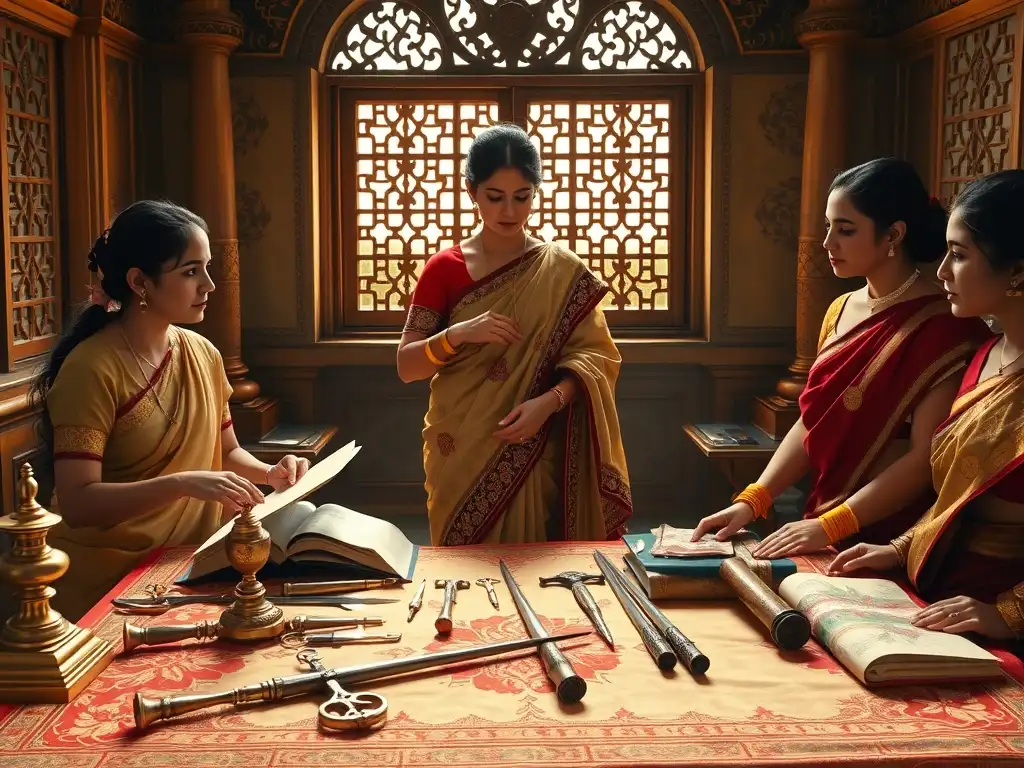
Introduction to Ancient Indian Gynecology Techniques
The study of ancient Indian gynecology techniques reveals a fascinating blend of medical knowledge and cultural practices that underscore the significance of women's health in ancient Indian society. From the highly sophisticated surgical methods to the holistic approaches rooted in Ayurveda, ancient Indian gynecology offers a unique perspective on how women's health was understood and managed long before the advent of modern medicine. This article aims to explore the surgical techniques that were employed to address various gynecological issues, highlighting their relevance and contributions to the field of women's health.
Overview of Gynecology in Ancient India
In ancient India, gynecology was not merely a medical specialty but an integral part of a larger health system that emphasized the importance of women's well-being. Ancient texts reveal that practitioners utilized a combination of surgical techniques and herbal remedies to treat conditions ranging from menstrual disorders to childbirth complications. Notably, the ancient Indian physicians, known as vaidyas, were well-versed in anatomical knowledge and surgical procedures, which enabled them to perform intricate operations with remarkable precision.
- Key Practices in Ancient Gynecology:
- Surgical techniques for childbirth and gynecological disorders.
- Use of herbal medicines for treatment and prevention.
- Integration of spiritual and physical health in care practices.
The holistic approach to health care in ancient India ensured that women's health was prioritized, reflecting the societal understanding of the vital role women played in family and community life.
Importance of Women's Health in Ancient Indian Society
Women's health was regarded as essential to the overall health of the family and society. Ancient Indian texts, such as the Sushruta Samhita and Charaka Samhita, emphasize the significance of maintaining women's health for the continuity of lineage and community well-being. The concept of Dharma, or duty, also extended to health, where women were expected to fulfill their roles as caretakers, mothers, and contributors to societal stability.
This societal perspective fostered an environment where women's health issues were openly discussed and addressed, leading to the development of advanced surgical techniques that catered specifically to their needs. The respect for women's health in ancient times can be seen as a precursor to modern medical practices that continue to evolve and adapt.
Historical Context of Gynecology in Ancient India
The historical backdrop of gynecology in ancient India is marked by a continuous evolution of medical practices and a wealth of knowledge that has been documented over centuries. This context is crucial for understanding the sophistication of ancient Indian gynecology techniques and their impact on women's health.
The Evolution of Medical Practices in Ancient India
Medical practices in ancient India can be traced back to the Indus Valley civilization, where there is evidence of early surgical techniques and health care systems. Over time, these practices evolved, influenced by various philosophical and cultural movements, leading to the establishment of Ayurveda as a formal medical system.
- Key Milestones in Medical Evolution:
- Development of surgical instruments made from metals.
- Formation of medical schools and the training of specialized practitioners.
- Emphasis on observation and documentation in medical texts.
This evolution laid the groundwork for advanced gynecological practices that addressed the unique health needs of women in society.
Key Texts and Manuscripts on Gynecology
Several ancient texts serve as the cornerstone of our understanding of gynecology in ancient India. The Sushruta Samhita, attributed to the ancient surgeon Sushruta, is particularly significant for its detailed descriptions of surgical procedures related to women's health. Other important texts include the Charaka Samhita and various works by later scholars that compiled and expanded upon earlier knowledge.
- Notable Texts:
- Sushruta Samhita: Detailed surgical techniques and instruments.
- Charaka Samhita: Focus on holistic health and herbal remedies.
- Later manuscripts that reflect the evolving understanding of women's health.
These texts not only provide insights into the surgical techniques utilized but also reflect the cultural attitudes towards women’s health in ancient India, emphasizing the importance of care and respect for female patients.
Ancient Indian Gynecology Techniques: An Overview
Ancient Indian gynecology is a remarkable field that showcases the sophisticated understanding of women's health in early Indian civilizations. Rooted in texts like the Sushruta Samhita and Charaka Samhita, these ancient manuscripts provide invaluable insights into surgical techniques and medical practices aimed specifically at addressing gynecological issues. The knowledge and practices developed during this time laid the foundation for many modern gynecological techniques, emphasizing the importance of women’s health in society.
Ancient practitioners employed a holistic approach, combining surgical interventions with herbal remedies, dietary recommendations, and lifestyle modifications. This comprehensive methodology not only aimed to treat existing conditions but also focused on promoting overall wellness in women. The emphasis on preventive care is still relevant today, as it highlights the importance of maintaining health rather than merely treating illness.
Understanding Surgical Interventions for Women
Surgical interventions in ancient Indian gynecology were not just limited to treatment but were also instrumental in understanding the female anatomy and reproductive health. Surgeons were trained to perform various procedures, often under the guidance of experienced mentors. Knowledge of the human body was advanced for its time, allowing practitioners to undertake complex surgeries with precision.
Surgical techniques were often performed in specialized settings equipped with essential tools and instruments. The training for these interventions included a thorough understanding of anatomy, physiology, and the potential risks associated with surgical procedures. This comprehensive understanding ensured that interventions were conducted safely and effectively, providing women with the necessary care for various gynecological conditions.
Types of Gynecological Conditions Addressed
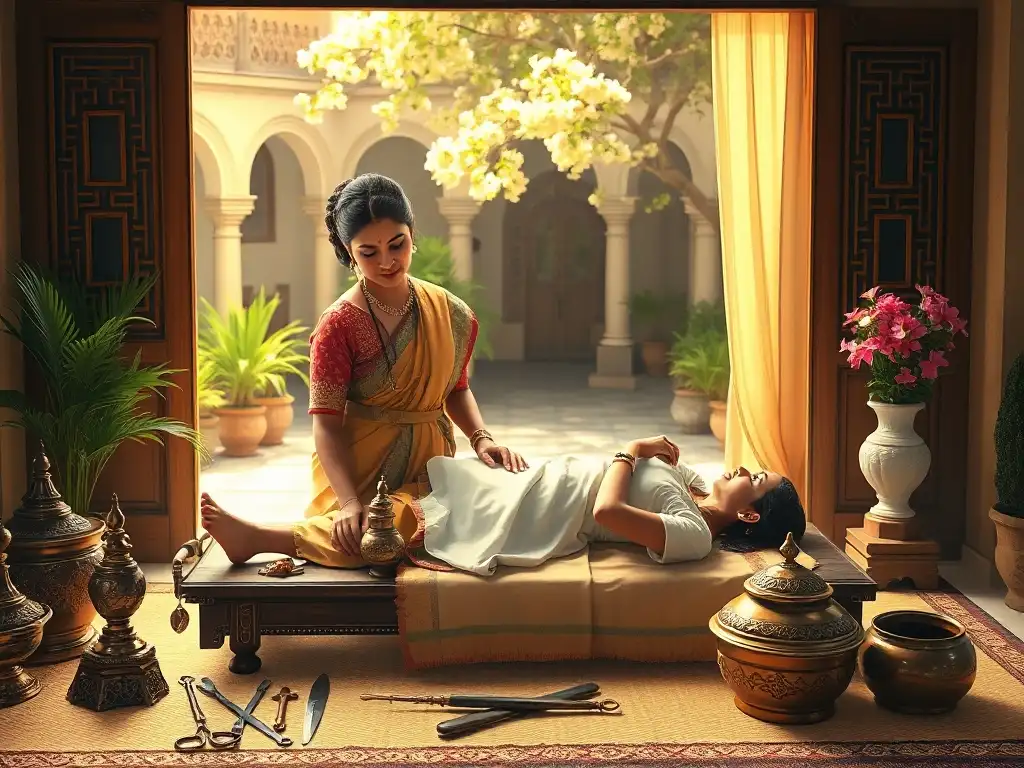
Ancient Indian gynecology addressed a wide range of conditions affecting women's health, including:
- Obstructed Labor: Techniques were developed to assist in childbirth complications, including surgical interventions to alleviate obstructions.
- Uterine Disorders: Conditions such as fibroids and abnormal growths were treated through surgical removal or other interventions.
- Fistulas: Surgical repairs were performed to correct obstetric fistulas, a common and distressing condition resulting from childbirth complications.
- Menstrual Disorders: Treatments were offered for irregularities in menstruation, including surgical procedures to restore normal function.
- Infertility Issues: Ancient texts describe methods aimed at treating infertility, which may have included surgical techniques to address anatomical issues.
These conditions reflect the diverse challenges women faced and the advanced understanding ancient practitioners had regarding female health.
Surgical Techniques in Ancient Indian Gynecology
Overview of Surgical Procedures Used
Ancient Indian gynecology included a variety of surgical procedures that showcased the skills of practitioners. Some notable techniques included:
- Vaginal Surgeries: Procedures to repair or reconstruct vaginal tissues were common, often performed to address trauma or congenital abnormalities.
- Hysterectomy: Surgical removal of the uterus was performed in cases of severe uterine disorders, with significant emphasis on patient safety and recovery.
- Laparotomy: This invasive procedure involved making incisions in the abdominal area to address internal gynecological issues, showcasing advanced surgical knowledge.
- Cauterization: This technique was employed to treat abnormal growths or control bleeding during surgical procedures, illustrating the innovative approaches used.
Each of these procedures was meticulously documented in ancient texts, detailing the techniques, indications, and expected outcomes, which contributed to the body of knowledge in women's health.
Instruments Used in Ancient Gynecology
The surgical instruments used in ancient Indian gynecology were specifically designed for gynecological procedures. Some of the key instruments included:
- Scalpels: Used for making incisions with precision, these tools were crafted from materials like steel or bronze.
- Forceps: Essential for assisting in childbirth and other surgical procedures, forceps were designed to grip and manipulate tissues effectively.
- Speculums: These instruments allowed practitioners to visualize the vaginal canal and cervix, enabling accurate diagnosis and treatment.
- Cautery Instruments: Used for cauterization, these tools were critical in controlling bleeding and ensuring surgical sites remained clean.
The development and use of these instruments reflect the advanced surgical practices of ancient Indian gynecologists, showcasing their commitment to women's health and safety.
The Role of Ayurveda in Ancient Gynecology
Ayurveda, the ancient Indian system of medicine, has played a pivotal role in shaping gynecological practices in India. Rooted in holistic principles, Ayurveda emphasizes balance within the body and the importance of understanding individual constitution (Prakriti) when addressing health issues, including those related to women. The Ayurvedic texts, particularly the Sushruta Samhita and the Charaka Samhita, contain extensive discussions on women's health, reproductive issues, and the management of gynecological disorders.
The Ayurvedic approach to gynecology focuses on prevention, emphasizing the importance of maintaining a healthy lifestyle, proper diet, and mental well-being. This system categorizes women's health issues into various doshas (Vata, Pitta, and Kapha), tailoring treatments to restore balance. Specific practices such as yoga, meditation, and dietary adjustments are recommended to enhance reproductive health. Furthermore, Ayurveda's emphasis on herbal therapies aligns with surgical techniques, providing a comprehensive approach to treating various gynecological conditions.
Integrative Approaches to Women’s Health
Ancient Indian gynecology was not solely about surgical interventions; it encompassed a broad spectrum of integrative approaches to women's health. Practitioners believed in combining surgical techniques with lifestyle modifications, dietary changes, and herbal treatments. This holistic perspective aimed to address not just the symptoms but the underlying causes of gynecological issues.
For instance, women experiencing menstrual irregularities were advised to follow specific dietary regimens, engage in yoga practices, and utilize herbal infusions to promote regular cycles. Similarly, during pregnancy, a comprehensive approach was adopted, including prenatal massages and dietary guidelines to ensure the health of both mother and child. This integrative methodology underscored the belief that physical, mental, and emotional health are interconnected, advocating for a well-rounded approach to gynecological care.
Herbal Remedies and Their Surgical Applications
Herbal remedies were an essential component of ancient Indian gynecology, often used in conjunction with surgical techniques. The Sushruta Samhita lists numerous herbs and plants recognized for their medicinal properties, specifically tailored for women's health. For example, herbs such as Ashoka ( Saraca asoca) and Shatavari ( Asparagus racemosus) were frequently employed to address various gynecological conditions, including menstrual disorders and reproductive health issues.
In surgical contexts, herbal preparations were often utilized to prepare patients for surgery, enhance recovery, and manage post-operative pain. Certain herbal concoctions were also used to promote healing and prevent infections post-surgery. This synergy between herbal medicine and surgical practices exemplifies the advanced understanding ancient Indian surgeons had regarding the holistic treatment of women's health.
Case Studies: Notable Practitioners of Ancient Gynecology
The field of ancient Indian gynecology boasts several notable practitioners who made significant contributions to the understanding and treatment of women's health. Their legacy is preserved in ancient texts, which offer insights into their techniques and methodologies. These practitioners not only advanced surgical techniques but also integrated holistic approaches into their care for women.
Contributions of Sushruta in Gynecological Surgery
Sushruta, often referred to as the "father of surgery," was a pioneering figure in ancient Indian medicine, whose contributions to gynecology are particularly noteworthy. His seminal work, the Sushruta Samhita, is one of the earliest texts to provide systematic descriptions of surgical techniques, including those specifically for women. Sushruta emphasized the importance of understanding female anatomy, which allowed for more effective surgical interventions.
Among his many contributions, Sushruta's techniques for treating female ailments, such as fistulas and prolapse, were groundbreaking. He described intricate surgical procedures, including the use of sutures and the careful handling of tissues, which laid the foundation for modern gynecological surgery. His holistic approach also considered the psychological aspects of women's health, advocating for compassionate care during surgical treatments.
Influences of Other Ancient Indian Surgeons
In addition to Sushruta, other ancient Indian surgeons also made significant contributions to gynecological practices. Charaka, for instance, focused on internal medicine and provided valuable insights into women's health through his text, the Charaka Samhita. He discussed various conditions affecting women and the importance of lifestyle and diet in maintaining reproductive health.
Another notable figure is Vagbhata, whose works synthesized knowledge from earlier texts, including those of Sushruta and Charaka. His contributions to gynecology included detailed descriptions of treatments for menstrual disorders and childbirth complications. The collective efforts of these ancient surgeons highlight the collaborative nature of medical knowledge in ancient India, showcasing a rich tapestry of practices that contributed to the development of gynecology as a vital medical field.
Comparisons with Other Ancient Civilizations
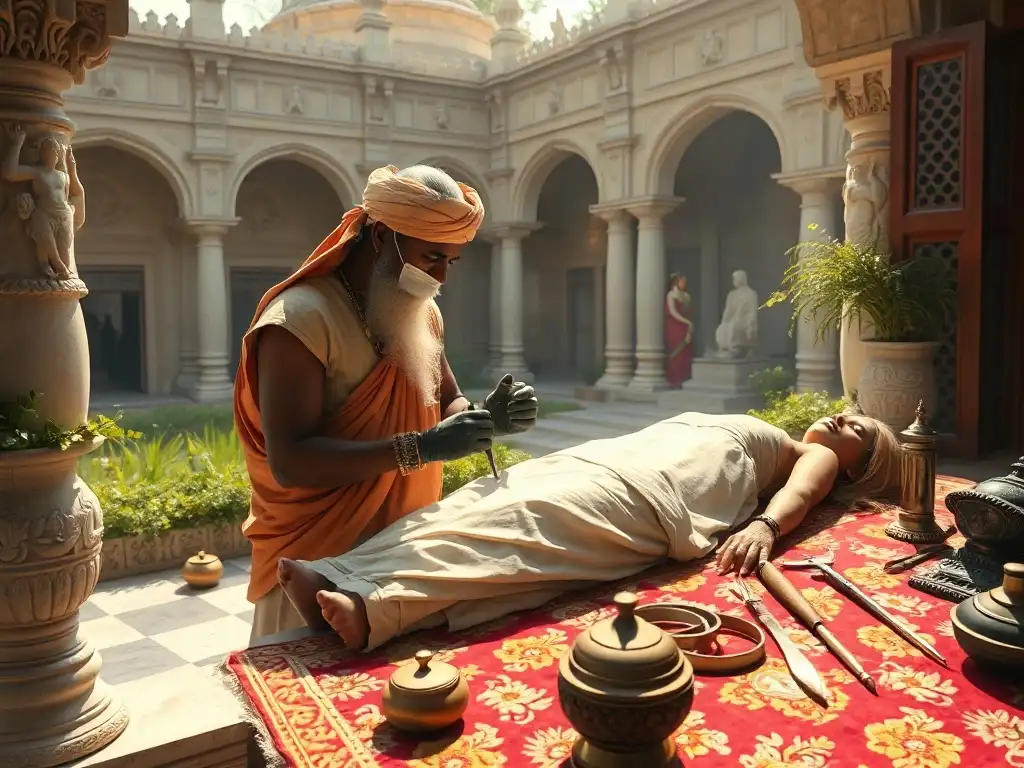
Ancient Indian gynecology, particularly its surgical techniques for women's health, can be understood more deeply by comparing it with practices from other ancient civilizations, such as Greece, Egypt, and China. Each of these cultures developed their own approaches to women's health, influenced by their societal norms, medical understanding, and available resources.
Gynecological Practices in Ancient Greece
In ancient Greece, gynecology was often intertwined with broader medical practices. Notable figures like Hippocrates and Galen contributed significantly to the understanding of women's health. The Greeks viewed women's bodies through a lens of humoral theory, which suggested that health was a balance of bodily fluids. Techniques included herbal remedies, dietary adjustments, and surgical interventions, although these were less common.
Greek gynecological texts, such as those attributed to Soranus of Ephesus, outlined various conditions affecting women, including childbirth complications and menstrual disorders. The Greeks also practiced rudimentary surgical techniques, such as manual removal of obstructions in childbirth, but their understanding of anatomy was limited compared to that of ancient Indian practitioners.
Similarities and Differences in Surgical Techniques
While both ancient Indian and Greek gynecological practices aimed to address women's health, they differed markedly in their surgical techniques and philosophies.
- Surgical Techniques: Ancient Indian surgeons, particularly those influenced by texts like the "Sushruta Samhita," employed advanced surgical methods, including suturing and the use of specialized instruments. Their techniques for cesarean sections and the treatment of gynecological disorders were often more sophisticated than their Greek counterparts.
- Philosophical Approach: The Greeks often emphasized natural remedies and the balance of humors, while Indian practices integrated a holistic approach that combined surgery with herbal medicine and spiritual healing.
- Instruments: Indian gynecologists used a variety of surgical instruments that were meticulously described in ancient texts, while Greek instruments were generally simpler and less diverse.
The Legacy of Ancient Indian Gynecology Techniques
The contributions of ancient Indian gynecology extend beyond their time, influencing medical practices across cultures and leaving a lasting legacy that resonates in contemporary women's health care.
Impact on Modern Gynecology
Ancient Indian gynecology techniques have had a profound impact on modern gynecological practices. The surgical methods developed in ancient India, such as the use of sutures and advanced surgical instruments, laid the groundwork for contemporary surgical procedures.
- Innovations: Techniques for cesarean sections, which were documented in ancient texts, are now standard practices in modern obstetrics, demonstrating the advanced understanding of surgical procedures in ancient India.
- Holistic Approach: The integration of herbs and holistic treatments in ancient Indian gynecology continues to influence modern complementary therapies, highlighting the importance of a multifaceted approach to women's health.
Continued Relevance in Contemporary Women's Health Practices
The principles of ancient Indian gynecology remain relevant in contemporary women's health practices, particularly in the realm of holistic medicine and alternative therapies.
- Cultural Practices: Many traditional practices, such as the use of specific herbs for menstrual health or postpartum recovery, are still embraced in various cultures, illustrating the enduring legacy of ancient techniques.
- Education and Awareness: Modern practitioners of holistic and alternative medicine often draw upon ancient Indian texts to inform their approaches, emphasizing the importance of women's health and the need for comprehensive care.
The study of ancient Indian gynecology techniques reveals a rich tapestry of knowledge that has influenced and continues to shape women’s health practices today, serving as a bridge between the past and modern medical advancements.
Conclusion
The exploration of ancient Indian gynecology highlights a sophisticated understanding of women's health that was prevalent in Indian civilization. From surgical techniques to herbal remedies, practitioners of ancient gynecology contributed significantly to the well-being of women, demonstrating a blend of medical knowledge and cultural sensitivity. The insights gained from texts like the Sushruta Samhita and the Charaka Samhita provide a glimpse into the advanced practices that existed long before modern medicine.
As we reflect on the legacy of ancient Indian gynecology, it is clear that these practices were not only clinically effective but also deeply intertwined with the socio-cultural fabric of the time. This understanding can inspire contemporary practices in women's health, emphasizing holistic approaches that consider both the physiological and emotional aspects of care.
Summary of Ancient Indian Gynecology Techniques
Ancient Indian gynecology techniques encompassed a variety of surgical and non-surgical practices aimed at enhancing women's health. Key components included:
- Surgical Procedures: Techniques such as cesarean sections and hysterectomies were performed with notable skill. Ancient texts describe methods to minimize complications and enhance recovery.
- Herbal Remedies: The use of medicinal plants was prevalent, with formulations tailored to address specific conditions such as menstrual irregularities and fertility issues. For example, ashoka (Saraca asoca) was commonly used for gynecological ailments.
- Diagnostic Techniques: Ancient practitioners employed observations of physical symptoms and menstrual cycles to diagnose conditions, showcasing an early form of clinical assessment.
- Postpartum Care: Emphasis was placed on the health of women after childbirth, with practices aimed at ensuring recovery and fostering maternal well-being.
These techniques reveal a profound respect for women's health and an understanding that was both practical and innovative.
The Importance of Preserving and Understanding Ancient Medical Knowledge
Preserving ancient medical knowledge, particularly in the field of gynecology, is crucial for several reasons:
- Cultural Heritage: Ancient Indian gynecology represents a vital part of the country's rich medical history. Understanding these practices helps maintain cultural identity and pride in historical achievements.
- Holistic Approaches: Ancient techniques often focused on holistic care, integrating physical, mental, and emotional health. Modern medicine can benefit from these perspectives, promoting comprehensive healthcare for women.
- Innovative Solutions: Many ancient practices were developed in response to specific health challenges. By studying these solutions, contemporary medical professionals can find inspiration for new approaches to women's health issues that remain relevant today.
- Educational Value: Teaching about ancient gynecology can enhance medical education, providing future practitioners with a broader understanding of healthcare evolution and the significance of historical context in medicine.
The preservation and study of ancient Indian gynecology techniques is essential not only for honoring the past but also for improving current and future practices in women's health. Embracing this knowledge can lead to advancements that respect tradition while addressing contemporary challenges.
- Introduction to Ancient Indian Gynecology Techniques
- Historical Context of Gynecology in Ancient India
- Ancient Indian Gynecology Techniques: An Overview
- Understanding Surgical Interventions for Women
- Types of Gynecological Conditions Addressed
- Surgical Techniques in Ancient Indian Gynecology
- The Role of Ayurveda in Ancient Gynecology
- Case Studies: Notable Practitioners of Ancient Gynecology
- Comparisons with Other Ancient Civilizations
- The Legacy of Ancient Indian Gynecology Techniques
- Conclusion
Frequently Asked Questions
What are ancient Indian gynecology techniques?
Ancient Indian gynecology techniques refer to traditional medical practices and surgical methods developed in India to address women’s health issues, including childbirth and reproductive health.
How were surgical techniques performed in ancient India?
Surgeons in ancient India used herbal medicines, surgical instruments, and advanced techniques that were documented in texts like the Sushruta Samhita, which laid the foundation for many gynecological procedures.
What role did Ayurveda play in ancient Indian gynecology?
Ayurveda, the ancient system of medicine, emphasized holistic approaches to women's health, integrating diet, lifestyle, and herbal remedies to treat gynecological conditions effectively.
What contributions did the Gupta Empire make to gynecology?
During the Gupta Empire, advancements in medical knowledge and surgical practices were documented, leading to improved understanding of women's health and the development of more refined gynecological techniques.
Are any ancient gynecology techniques still used today?
Some aspects of ancient Indian gynecology, particularly herbal treatments and Ayurvedic practices, continue to be valued in modern holistic health approaches, influencing contemporary practices in women’s health care.
Final Reflection: Embracing the Wisdom of Ancient Indian Gynecology
The exploration of ancient Indian gynecology techniques reveals a profound understanding of women's health that resonates powerfully in today's world. As we navigate modern medical practices, the insights and surgical techniques developed centuries ago remind us of the importance of holistic approaches to health and well-being. The legacy of these ancient practices not only enriches our understanding of gynecology but also challenges us to integrate this wisdom into contemporary healthcare.
The influence of ancient Indian gynecology extends beyond historical significance; it shapes our cultural perceptions of women's health and empowerment. The techniques and philosophies rooted in this tradition emphasize the importance of women's autonomy and the need for compassionate care. As we reflect on this, we are reminded of the words of Dr. Vasant Lad: The body is a temple, and we must honor it with knowledge and respect.
This perspective invites us to appreciate the intricate relationship between body, mind, and spirit, fostering a deeper connection to our own health journeys.
As we look to the future, let us commit to honoring the lessons of ancient gynecology in our lives and communities. I encourage you to reflect on how these time-honored techniques can inspire a more compassionate and informed approach to women's health today. By embracing the wisdom of the past, we can advocate for a future where women's health is prioritized, respected, and celebrated, ensuring that the voices of women are heard and valued in every aspect of healthcare.
Uncover the Secrets of Ancient Women's Health!
Thank you for taking the time to explore the fascinating world of ancient gynecology in India! Your interest in these groundbreaking surgical techniques highlights their significance in women’s health throughout history. Now, let’s harness this knowledge and enhance your engagement even further.
Here are some empowering actions you can take:
- Dive Deeper: Explore more about ancient practices by reading related articles on ancientindiahistory.com to uncover the holistic approaches utilized in women's health.
- Share Your Insights: Spread the knowledge! Share this article with friends or on your social media platforms to inspire discussions about the history of women’s health.
- Join the Conversation: Engage with our community by commenting below. Share your thoughts on how ancient practices could influence modern health strategies.
Which ancient practice do you think could offer the most benefit to today’s new generations of women?