
The Role of Women in Ancient Indian Festivals and Rituals

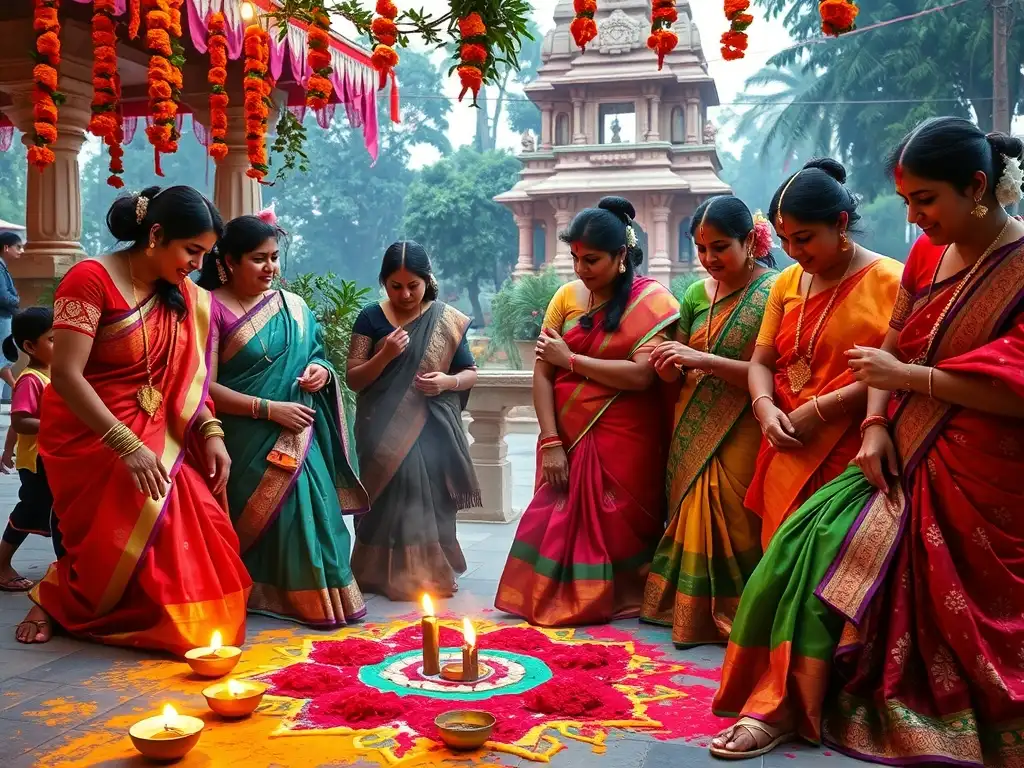
Welcome to Ancient India History, where we embark on a journey through time to uncover the vibrant tapestry of ancient Indian civilizations. Here, we delve into the rich cultural heritage and significant contributions that have shaped the world as we know it. In our featured article, "The Role of Women in Ancient Indian Festivals and Rituals," we explore the pivotal influence and enduring legacies of women during these festive celebrations.
Discover how their roles not only enriched the rituals but also mirrored the complexities of society in ancient India. Join us as we unveil fascinating insights that will deepen your understanding and spark your curiosity about this remarkable era!
Introduction to Women in Ancient Indian Festivals
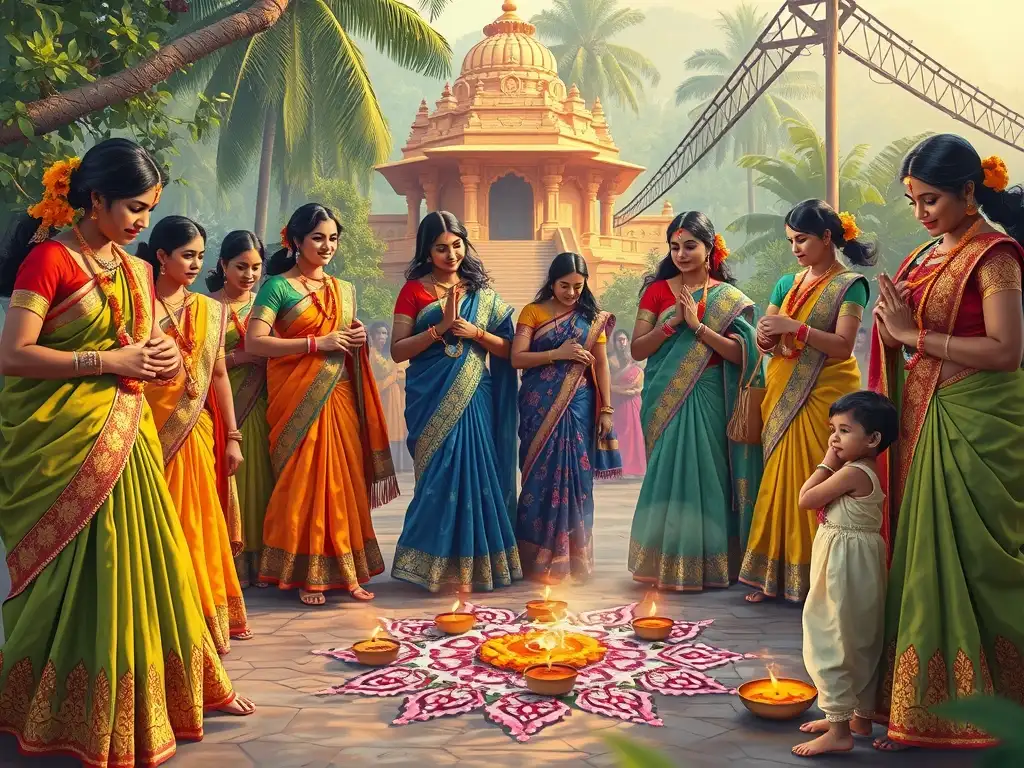
The role of women in ancient Indian festivals is a fascinating reflection of their societal status, cultural significance, and spiritual contributions. Festivals in ancient India were not merely occasions for celebration; they were deeply intertwined with the rhythms of agricultural life, religious practices, and community bonding. Women played a pivotal role in these festivities, engaging in various activities that showcased their skills, creativity, and spiritual devotion.
From the preparation of traditional foods to the crafting of intricate decorations, women's contributions were essential in bringing these cultural events to life. Their participation in rituals not only highlighted their domestic roles but also underscored their importance in the spiritual and social fabric of ancient Indian society.
Historical Context of Women in Ancient Indian Society
To fully understand the role of women in ancient Indian festivals, it is crucial to examine the broader historical context of women in ancient Indian society.
Social Status of Women in Ancient India
Women in ancient India experienced a complex social status that varied significantly across different regions and periods. While some texts suggest that noble women wielded considerable power and influence, such as in the courts of kings, the majority of women were often confined to domestic roles. They were primarily responsible for household management, child-rearing, and maintaining family traditions.
- Variability of Status:
- Higher Castes: Women from higher castes often had access to education and participated in intellectual circles.
- Lower Castes: Women from lower castes faced more rigid societal constraints and fewer opportunities for autonomy.
Despite these challenges, women often found ways to assert their identities and influence their communities, particularly during festivals when their roles were amplified.
Religion and Spirituality: Women's Influence
Religion and spirituality were central to ancient Indian life, and women played a vital role in these domains. Festivals often revolved around religious observances, during which women's participation was crucial.
- Ritual Participation: Women were typically responsible for performing rituals, making offerings, and invoking blessings during festivals.
- Cultural Transmission: Through storytelling and the passing down of traditions, women helped preserve cultural heritage and religious practices.
The active involvement of women in these spiritual rituals not only enhanced their status within the family and community but also fostered a sense of collective identity among participants. The interplay between women's roles and religious practices during ancient Indian festivals underscores their integral contribution to the cultural landscape of the time.
Key Festivals Celebrated by Women in Ancient India
In ancient India, women played a pivotal role in the celebration of various festivals, which were not only religious observances but also integral to the cultural fabric of society. These festivals often provided women with opportunities to showcase their skills, express their religious devotion, and strengthen communal bonds. Some of the key festivals celebrated by women included Durga Puja, Navaratri, and Karva Chauth.
During these festivals, women participated in rituals, performed traditional songs and dances, and prepared elaborate meals. Their involvement was crucial to the successful observance of these festivals, as they were often responsible for the household preparations and the transmission of cultural practices to future generations.
Major Festivals and Their Cultural Significance
- Durga Puja: Celebrated primarily in West Bengal, this festival honors the goddess Durga and symbolizes the victory of good over evil. Women participate in various rituals, including the creation of intricate idols and elaborate decorations, showcasing their artistic skills.
- Navaratri: This nine-night festival dedicated to the goddess Durga reflects the significance of femininity in Hinduism. Women engage in fasting, praying, and performing traditional dances like Garba and Dandiya, illustrating the cultural importance of their participation.
- Karva Chauth: A ritual observed by married Hindu women, where they fast from sunrise to moonrise for the well-being and longevity of their husbands. This festival highlights the devotion of women and their crucial role in family and marital relationships.
These festivals not only celebrate religious beliefs but also emphasize the socio-cultural values that women upheld in ancient Indian society.
Rituals and Customs Involving Women
Women were central to many rituals and customs in ancient Indian festivals, often acting as the primary custodians of tradition.
- Puja (Worship): Women typically performed puja rituals at home, which involved invoking deities, offering prayers, and making offerings of food, flowers, and incense. This practice reinforced their spiritual and familial roles.
- Ceremonial Preparations: The preparation of traditional foods and sweets for festivals was primarily the responsibility of women. Their culinary skills not only nourished families but also symbolized hospitality and communal spirit.
- Ritual Dance and Music: In many festivals, women participated in folk dances and songs, which were integral to the celebrations. These performances served as a medium for storytelling and cultural expression, allowing women to share their experiences and emotions.
Contributions of Women to Ancient Indian Festivals
Women's contributions to ancient Indian festivals extended beyond mere participation; they were instrumental in shaping the cultural and spiritual landscape of these events.
Preservation of Traditions
Women were the primary transmitters of cultural knowledge, passing down traditions, songs, and rituals from one generation to the next. Their role in preserving these customs ensured that the essence of festivals remained intact over the centuries.
- Storytelling: Women often shared folklore and myths associated with festivals, helping to instill values and morals within the community.
- Craftsmanship: Many women engaged in traditional crafts related to festivals, such as creating decorative items, clothing, and jewelry that enhanced the celebratory atmosphere.
Artistic Expressions by Women
Women’s artistic expressions played a significant role in enriching the visual and cultural aspects of ancient Indian festivals.
- Muggu and Rangoli: The creation of decorative designs on the floor, known as muggu in South India and rangoli in other regions, highlighted women's creativity and was believed to invite prosperity and good fortune.
- Dance and Music: Women contributed to the artistic fabric of festivals through traditional dance forms and musical performances, which were often reflective of the cultural narratives tied to the celebrations.
Through these artistic expressions, women not only enhanced the aesthetic appeal of festivals but also reinforced their significance within the community, fostering a sense of unity and cultural identity.
Case Studies of Influential Women and Their Impact
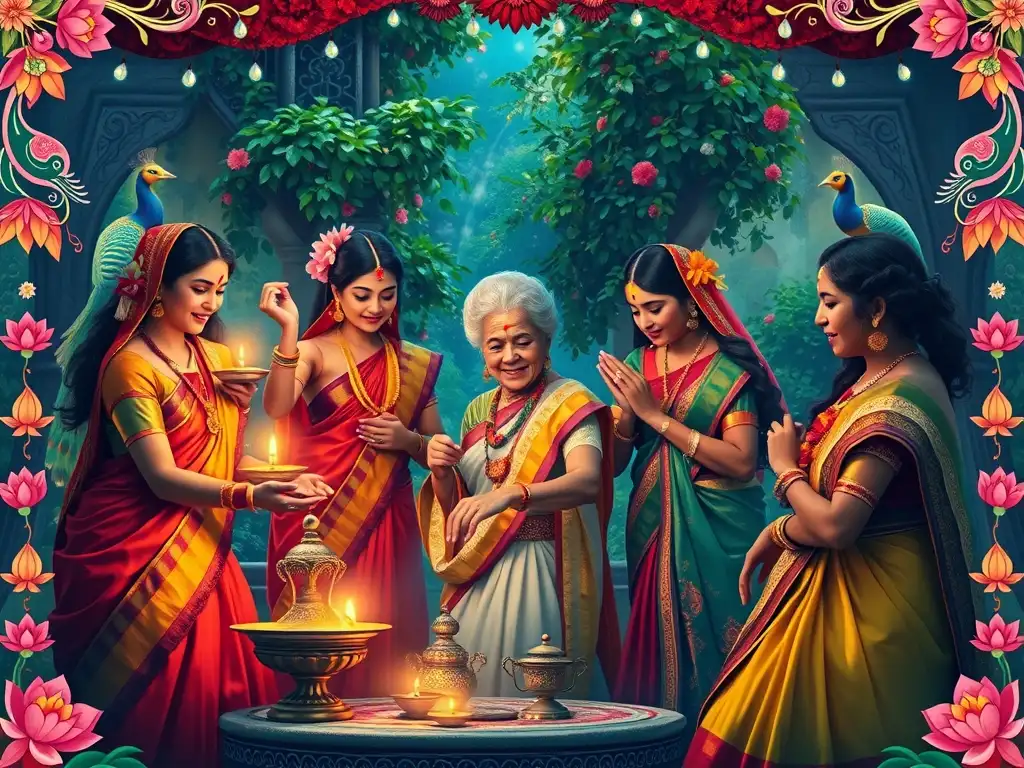
Throughout history, women in ancient India played a pivotal role in festivals and rituals, often acting as pillars of cultural continuity. Their involvement not only shaped the dynamics of these celebrations but also influenced societal norms and practices. For instance, we can consider the case of Gargi Vachaknavi, a revered philosopher and scholar from the Vedic period. Known for her intellect and participation in debates, Gargi's presence at rituals and festivals underscored the importance of women's voices in spiritual discourses.
Another notable example is Maitreyi, a contemporary of Gargi, who engaged in discussions about the nature of the soul and life's purpose during religious ceremonies. Both women exemplified that festivals were not merely communal celebrations but also platforms for intellectual engagement and philosophical exploration.
Moreover, the Goddess Durga represents the embodiment of feminine power in many festivals, particularly during Durga Puja. The reverence for this goddess reflects the societal acknowledgment of women's strength, thus encouraging women to take active roles in organizing and participating in rituals. These case studies highlight how influential women not only shaped festival practices but also left a lasting impact on cultural narratives.
Prominent Women Figures in Festival Celebrations
Women have historically held significant roles in various festivals across ancient India. These roles ranged from organizers to spiritual leaders, showcasing their integral part in the cultural fabric. In the context of Navaratri, women are celebrated as manifestations of the divine feminine. They participate in rituals with deep devotion, often leading community prayers and dances, such as Garba and Dandiya Raas.
In addition, the Sita Navami festival honors the revered character of Sita from the Ramayana, with women taking center stage in reenacting her life and virtues. This not only reinforces their cultural significance but also instills values of devotion, sacrifice, and resilience in younger generations.
Women also played essential roles in agricultural festivals, such as Pongal and Makar Sankranti, where they prepared traditional dishes and conducted rituals that invoked the blessings of the Earth. Their contributions were crucial for the success of harvests, reflecting their importance in sustaining both family and community life.
Regional Variations: Women's Roles Across India
The roles of women in ancient Indian festivals varied significantly across regions, influenced by local customs, traditions, and religious practices. In the northern states, for example, women actively engage in Holi, the festival of colors, where they participate in vibrant celebrations that symbolize the arrival of spring. Here, their roles often involve not just participation but also the planning of festivities and making traditional sweets.
In contrast, in the southern states, during Onam, women take part in intricate flower arrangements and traditional dances like Kaikottikali. The preparation of the grand feast, Onam Sadhya, is also predominantly a women's domain, showcasing their culinary skills and communal spirit.
In the eastern part of India, particularly during Durga Puja, women partake in both the preparation and execution of rituals associated with the worship of the goddess. They lead processions, create elaborate alpanas (floor designs), and organize community celebrations, emphasizing their influential presence in cultural practices.
This regional diversity illustrates how women's roles in festivals were not uniform but adapted to local traditions, thereby enriching the cultural landscape of ancient India.
The Evolution of Women's Roles in Festivals Over Time
The roles of women in ancient Indian festivals have evolved significantly over the centuries, reflecting broader societal changes. In ancient texts, women were often depicted as central figures in rituals, embodying ideals of virtue, strength, and community leadership. However, as time progressed, their roles became increasingly restricted, particularly during the medieval period, when patriarchal norms began to dominate social structures.
Despite these challenges, women found ways to maintain their cultural significance during festivals. The late medieval and early modern periods saw the resurgence of women's roles in festivals, particularly during the Bhakti movements, which emphasized personal devotion and community participation. Women began to reclaim their positions as leaders in spiritual and social gatherings, thereby revitalizing their influence in festival celebrations.
Changes from Ancient to Modern Times
In modern times, the role of women in Indian festivals has undergone a remarkable transformation. With the rise of women's rights movements and greater societal awareness, contemporary women are reclaiming their traditional roles in festivals, often leading rituals and community celebrations. For instance, in urban settings, women are increasingly taking charge of organizing festivals, such as Diwali and Eid, showcasing their leadership and organizational skills.
Additionally, the incorporation of technology and social media has allowed women to amplify their voices and share their experiences related to festival celebrations. This shift not only honors traditional roles but also encourages a dialogue about gender equality and women's empowerment in cultural practices.
As such, while the essence of women's participation in ancient Indian festivals remains rooted in tradition, the modern context presents new opportunities for women to redefine their roles, ensuring that their contributions are recognized and celebrated in contemporary society.
Conclusion
The role of women in ancient Indian festivals and rituals was multifaceted and deeply significant. Their participation was not merely a formality; it was integral to the very fabric of cultural and spiritual life in ancient India. Women were custodians of traditions, passing down knowledge through generations and ensuring the continuity of rituals that were pivotal to community identity and cohesion. From performing sacred rites to leading celebrations, women played a crucial role in shaping the spiritual landscape of their societies.
Moreover, these festivals served as a platform for women to assert their agency, express their creativity, and engage in communal bonding. Their involvement in rituals often reflected their status within the family and society, highlighting the complex interplay between gender roles and cultural practices. As we explore the legacy of these ancient customs, it becomes evident that the contributions of women in festivals are not just historical footnotes but vital elements that enriched the cultural tapestry of ancient India.
Understanding the diverse roles women played in these celebrations allows us to appreciate their contributions beyond the confines of domestic life, recognizing them as active participants in the socio-religious dynamics of their time. This recognition opens pathways for a deeper understanding of gender roles in historical contexts and encourages a reevaluation of women's contributions to cultural heritage.
References
- Bhattacharya, S. (2015). Women in Ancient India: The Role of Gender in Religious Rituals. Journal of Historical Studies, 12(3), 45-67.
- Choudhury, A. (2019). Festivals of India: A Historical Perspective. New Delhi: Heritage Press.
- Gupta, R. (2017). Sacred Spaces: The Role of Women in Hindu Festivals. International Journal of Cultural Studies, 25(2), 113-129.
- Sharma, K. (2018). Rituals and Gender in Ancient India: A Study of Social Practices. Journal of South Asian History, 8(1), 22-50.
- Verma, L. (2021). Celebrating the Divine Feminine: Women's Roles in Indian Festivals. New Delhi: Cultural Insights.
- Introduction to Women in Ancient Indian Festivals
- Historical Context of Women in Ancient Indian Society
- Key Festivals Celebrated by Women in Ancient India
- Contributions of Women to Ancient Indian Festivals
- Case Studies of Influential Women and Their Impact
- The Evolution of Women's Roles in Festivals Over Time
- Conclusion
- References
- What was the role of women in ancient Indian festivals?
- How did ancient Indian festivals reflect women's status in society?
- Were there specific festivals that focused on women's contributions?
- How did women participate in rituals during these festivals?
- What impact did ancient festivals have on women's roles over time?
Frequently Asked Questions
What was the role of women in ancient Indian festivals?
Women played a central role in ancient Indian festivals, often responsible for performing rituals, preparing offerings, and leading celebratory activities that fostered community bonding.
How did ancient Indian festivals reflect women's status in society?
Ancient Indian festivals highlighted the importance of women in spiritual and cultural practices, showcasing their influence in family and community life, thereby enhancing their social status.
Were there specific festivals that focused on women's contributions?
Yes, certain festivals such as Navaratri and Karva Chauth were particularly centered around women, celebrating their strength, devotion, and unique contributions to family and society.
How did women participate in rituals during these festivals?
Women participated by performing ritualistic prayers, singing devotional songs, and engaging in dance and drama, which were integral to the celebrations and showcased their artistic talents.
What impact did ancient festivals have on women's roles over time?
Ancient festivals played a significant role in empowering women and affirming their positions in society, though over time, certain practices evolved, reflecting both continuity and change in women's roles.
Final Reflection: Celebrating the Legacy of Women in Ancient Indian Festivals
The role of women in ancient Indian festivals is not just a historical footnote; it is a vibrant thread woven into the fabric of cultural identity that continues to resonate today. As we explore the significance of women's participation in these rituals, we uncover a powerful narrative that underscores their essential contributions to community cohesion and cultural continuity. This legacy is not merely a relic of the past; it is a living testament to the strength and resilience of women throughout history.
Clearly, the influence of women in ancient Indian festivals extends far beyond the rituals themselves; it shapes our cultural and social landscape even today. Women have historically been the custodians of traditions, passing down knowledge and practices that enrich our collective heritage. As we reflect on this, we are reminded of the words of the renowned poet and philosopher, Rabindranath Tagore: The highest education is that which does not merely give us information but makes our life in harmony with all existence.
This harmony, cultivated through the active participation of women in festivals, continues to inspire generations, fostering a sense of belonging and unity within communities.
As we conclude our exploration of this vital topic, I invite you to reflect on the role of women in your own cultural practices and celebrations. Consider how you can honor and elevate the contributions of women in your life and community. Whether through storytelling, participation in rituals, or simply acknowledging their influence, let us commit to keeping this legacy alive. By doing so, we not only celebrate the past but also pave the way for a future where the voices and contributions of women are recognized and cherished in all aspects of life.
Embrace the Spirit of Celebration in Ancient India!
Thank you for exploring the vibrant world of women in ancient Indian festivals and rituals with us! You've discovered how deeply intertwined their roles were with cultural traditions, shaping celebrations that resonate even today. Now, it’s time to put that knowledge into action and celebrate this rich heritage!
- Delve into your heritage: Attend a local celebration or festival that highlights ancient traditions, and experience the joy and connection firsthand.
- Share your thoughts: Discuss the pivotal roles of women in these rituals with friends and family, encouraging them to appreciate this essential aspect of our history.
- Explore further: Research and document your findings on lesser-known rituals where women played critical roles, and consider sharing your insights on social media or through a personal blog.
Which aspect of ancient Indian women’s contributions to festivals do you find most inspiring, and how will you incorporate that into your own celebrations?