
Trade Networks of the Indus Valley: A Comprehensive Study

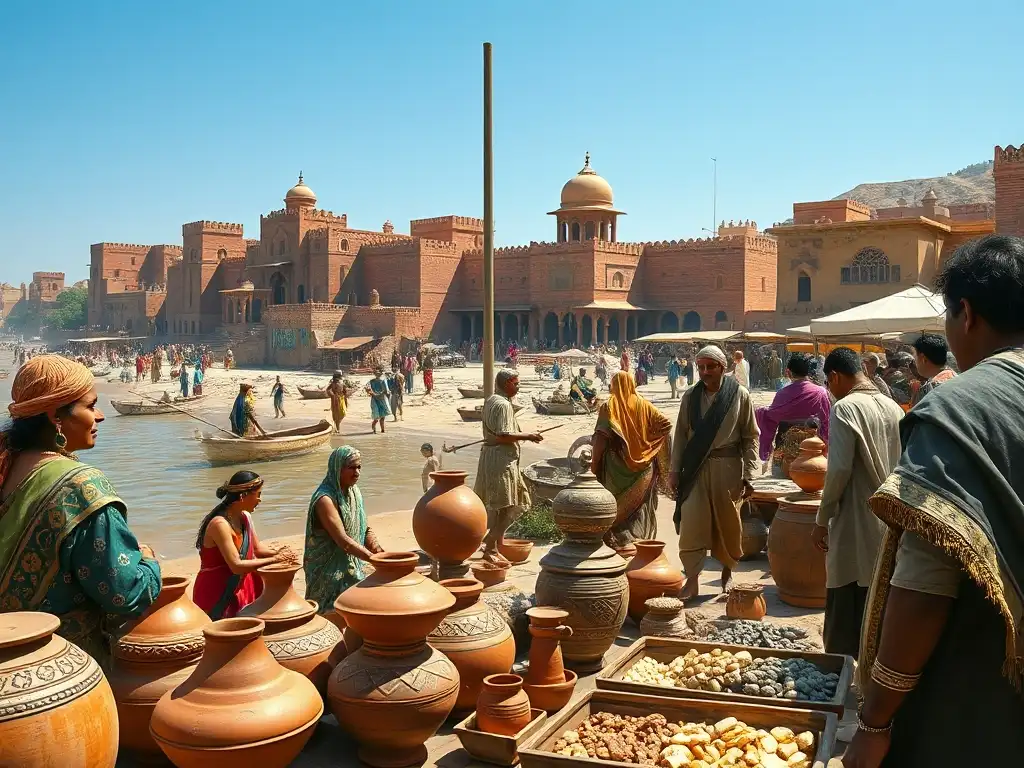
Welcome to Ancient India History, where we embark on an enthralling journey through the rich tapestry of India's past! In our featured article, “Trade Networks of the Indus Valley: A Comprehensive Study,” we delve into the intricate web of commerce that connected one of the world's earliest civilizations. Discover how the Indus Valley trade networks not only shaped the economy but also influenced cultural exchanges that resonate to this day.
Are you ready to uncover the secrets of ancient trade routes and their impact on society? Dive in and explore the fascinating connections that laid the groundwork for future civilizations!
-
Indus Valley Trade Networks History: A Comprehensive Study
- Introduction to Indus Valley Trade Networks
- Historical Context of Trade Networks in the Indus Valley
- Key Features of Indus Valley Trade Networks
- Economic Practices in Indus Valley Trade Networks
- Cultural Exchanges through Trade Networks
- Archaeological Evidence of Indus Valley Trade Networks
- Challenges and Decline of Indus Valley Trade Networks
- Legacy of Indus Valley Trade Networks
- Conclusion: Reflections on Indus Valley Trade Networks History
- References and Further Reading
-
Frequently Asked Questions
- What were the main goods traded in the Indus Valley trade networks?
- How did the geography of the Indus Valley influence trade?
- What role did the Indus Valley civilization play in ancient trade?
- How did the decline of the Indus Valley trade networks affect the civilization?
- What are some archaeological findings related to Indus Valley trade?
- Final Reflection: The Enduring Legacy of Indus Valley Trade Networks
- Unveil the Secrets of Indus Valley Trade!
Indus Valley Trade Networks History: A Comprehensive Study
Introduction to Indus Valley Trade Networks
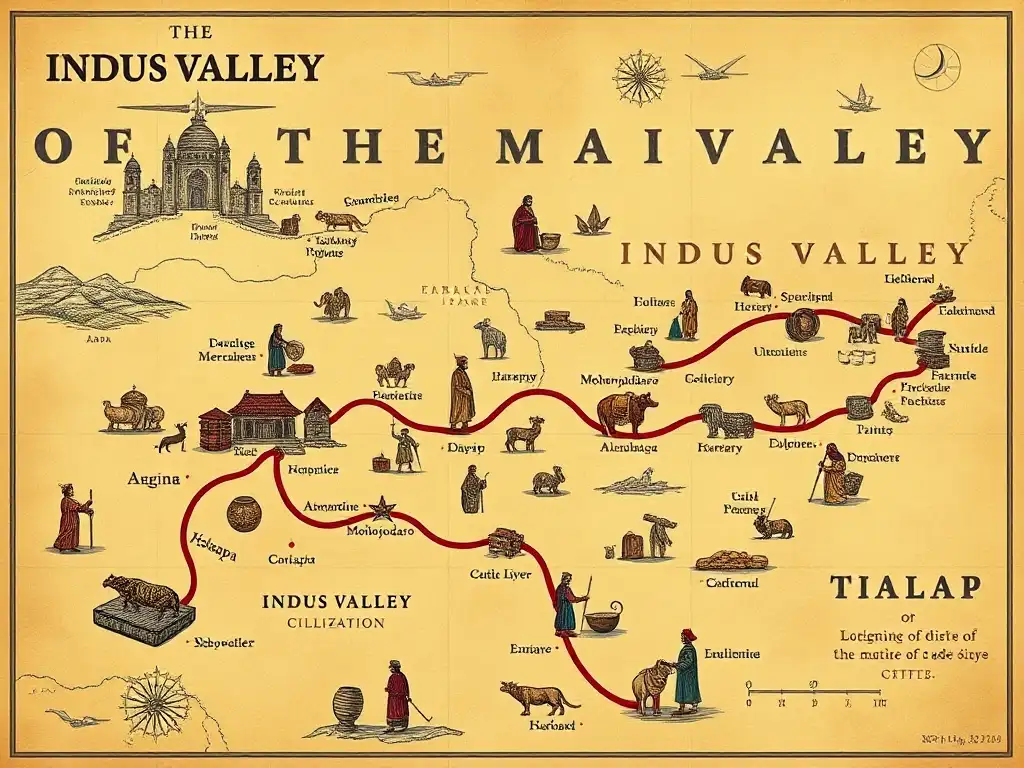
The Indus Valley Civilization, one of the world's oldest urban cultures, flourished around 2500 BCE in what is now modern-day Pakistan and northwest India. This era is marked not only by its remarkable urban planning and advanced architecture but also by its extensive trade networks that facilitated economic interactions both within the civilization and beyond.
Understanding the Indus Valley trade networks history provides critical insights into the economic practices and systems that were foundational to ancient Indian civilization. These trade routes played a pivotal role in the exchange of goods, ideas, and cultural practices, shaping the socio-economic landscape of the time.
Overview of the Indus Valley Civilization
The Indus Valley Civilization (IVC) is renowned for its sophisticated city layouts, including well-planned streets and advanced drainage systems. Major cities such as Harappa and Mohenjo-Daro served as hubs for trade and commerce. The civilization thrived due to its strategic geographic location, which enabled access to rich natural resources and facilitated trade with neighboring regions.
The IVC engaged in various forms of trade, including:
- Local Trade: Exchange of goods within the civilization, such as pottery, tools, and textiles.
- Long-Distance Trade: Interaction with distant cultures, including Mesopotamia and Egypt, involving commodities like precious stones, metals, and agricultural products.
Significance of Trade in Ancient Economies
Trade was a fundamental component of the Indus Valley economy, influencing social structures and cultural exchanges. The prosperity gained from trade allowed the civilization to flourish, leading to advancements in various fields such as:
- Art and Craftsmanship: The demand for luxury goods stimulated artistic expression and innovation.
- Urban Development: Trade hubs contributed to the growth of cities, enhancing infrastructure and urban planning.
- Cultural Exchange: Interaction with other civilizations led to the sharing of ideas, technologies, and cultural practices.
Historical Context of Trade Networks in the Indus Valley
To appreciate the depth of the Indus Valley trade networks, it is essential to explore their historical context. This includes understanding the timeline of trade development and identifying major trade cities and centers that were instrumental in fostering economic growth.
Timeline of Trade Development in the Indus Valley
The development of trade networks in the Indus Valley can be traced through several key phases:
- Early Trade (c. 3300-2600 BCE): Initial barter systems emerge, with communities trading local resources.
- Mature Harappan Phase (c. 2600-1900 BCE): Establishment of major trade routes and cities, leading to increased trade with distant regions.
- Late Harappan Phase (c. 1900-1300 BCE): Decline in trade activities, attributed to various factors, including environmental changes and invasions.
| Phase | Time Period | Key Developments |
|---|---|---|
| Early Trade | c. 3300-2600 BCE | Barter systems, local resource exchange |
| Mature Harappan Phase | c. 2600-1900 BCE | Major trade routes, city development |
| Late Harappan Phase | c. 1900-1300 BCE | Decline in trade activities |
Major Trade Cities and Centers in the Indus Valley
Several cities within the Indus Valley served as significant trade centers, facilitating commerce and cultural exchange:
- Harappa: Known for its strategic location, Harappa was a key trading hub that connected various regions, allowing for the easy movement of goods.
- Mohenjo-Daro: This city featured advanced infrastructure and served as a central marketplace, showcasing the wealth generated from trade.
- Lothal: Recognized for its dockyard, Lothal was pivotal in maritime trade, linking the Indus Valley with distant maritime routes.
The trade networks of the Indus Valley were not merely avenues for commerce; they were vital arteries that sustained and enriched the civilization, fostering a legacy that resonates through history. Understanding this complex web of economic interactions helps us appreciate the ingenuity and sophistication of ancient Indian civilizations.
Key Features of Indus Valley Trade Networks
The Indus Valley trade networks were marked by several key features that not only facilitated commerce but also contributed to the socio-economic fabric of the civilization. One of the most notable characteristics was the extensive network of trade routes that connected various cities within the Indus Valley civilization, such as Harappa and Mohenjo-Daro, to other regions including Mesopotamia, Persia, and the Arabian Peninsula. This connectivity enabled the exchange of goods, ideas, and cultural practices.
Another significant feature was the diversity of goods traded. The Indus Valley merchants engaged in the exchange of a wide array of products, ranging from agricultural produce to intricate handicrafts. The presence of specialized craftspeople and traders in urban centers facilitated the production and distribution of these goods. Additionally, trade was often characterized by a strong emphasis on quality and craftsmanship, as evidenced by the sophisticated artifacts unearthed at various archaeological sites.
Moreover, the trade networks were supported by advanced logistical strategies, including the use of standardized weights and measures. This not only streamlined trade transactions but also fostered a sense of trust among traders. The role of river systems and the use of maritime routes further enhanced the efficiency of trade, allowing for the movement of goods over long distances.
Trade Routes and Their Geographic Importance
The geographic positioning of the Indus Valley civilization played a crucial role in shaping its trade routes. Situated near the confluence of several major rivers, including the Indus River, the civilization had access to fertile plains and abundant water resources, making it an agricultural hub. The river systems served as natural highways, enabling the transportation of goods to various destinations.
Trade routes extended beyond the confines of the Indus Valley, linking it to prominent regions such as Mesopotamia and Central Asia. The Khyber Pass and the Bolān Pass were critical land routes that facilitated overland trade with neighboring civilizations. These routes were not only conduits for goods but also pathways for cultural exchanges, influencing art, architecture, and social practices.
Maritime trade also flourished, with the Indus Valley civilization utilizing the Arabian Sea for overseas commerce. Ports such as Lothal emerged as significant trade centers, enabling merchants to engage in long-distance trade with civilizations in Africa and the Middle East. The strategic geographic location of the Indus Valley thus played an instrumental role in establishing it as a thriving trading hub.
Types of Goods Traded in the Indus Valley
The diversity of goods traded in the Indus Valley reflects the complexity and richness of its economy. Key categories of traded goods included:
- Agricultural Products: The fertile lands of the Indus Valley supported the cultivation of wheat, barley, and cotton, which were essential staples and export commodities.
- Crafts and Artifacts: The civilization was renowned for its craftsmanship, producing intricate jewelry, pottery, and textiles that were highly sought after in both local and foreign markets.
- Metals and Minerals: The trade networks facilitated the exchange of precious metals such as gold and silver, as well as semi-precious stones like lapis lazuli and carnelian.
- Raw Materials: The Indus Valley also engaged in the trade of raw materials like timber and ivory, which were vital for various industries.
This variety in goods not only highlights the economic diversity of the Indus Valley trade networks but also underscores their significance in connecting different cultures and regions through commerce.
Role of River Systems in Trade Facilitation
The river systems of the Indus Valley played an indispensable role in trade facilitation. The Indus River and its tributaries provided reliable means of transport, allowing for the movement of goods over long distances with relative ease. The rivers acted as natural highways, connecting urban centers with agricultural areas and facilitating the distribution of surplus produce.
River trade enabled merchants to transport heavier loads compared to overland routes, making it economically viable to trade bulk goods like grain and raw materials. Additionally, the seasonal flooding of the rivers ensured that the trade routes remained navigable, further enhancing the efficiency of trade.
The strategic positioning of major cities along these riverbanks allowed traders to establish trading posts, which served as hubs for commerce. These posts played a vital role in regulating trade, managing stockpiles of goods, and fostering relationships with neighboring regions. The interplay between river systems and trade practices thus formed the backbone of the Indus Valley economy.
Economic Practices in Indus Valley Trade Networks
Barter System vs. Currency Usage
In the context of the Indus Valley trade networks, the barter system was predominantly employed, especially in local transactions. Goods and services were exchanged directly without the use of a standardized currency, relying heavily on mutual agreement between trading parties. This system allowed for flexibility, as traders could negotiate based on the perceived value of goods.
However, as trade expanded and the volume of transactions increased, the limitations of barter became apparent. Some scholars suggest that the Indus Valley civilization may have utilized early forms of currency, such as standardized weights made of stone or metal, to facilitate trade. These weights likely represented specific values and helped in measuring goods during transactions, adding a layer of sophistication to the economic practices of the civilization.
The evolution from barter to a more structured trading system reflects the dynamic nature of the Indus Valley economy and hints at the complexities involved in their trade networks.
Influence of Trade on Local Economies
Trade had a significant impact on the local economies of the Indus Valley civilization, driving urbanization and economic specialization. The establishment of trade centers led to the growth of cities like Harappa and Mohenjo-Daro, which became bustling hubs of commerce and craft production. As trade flourished, so did the demand for various goods and services, prompting specialization among craftsmen and laborers.
The influx of goods from distant lands also contributed to the diversification of local economies. For instance, the introduction of new agricultural practices and crops through trade enhanced food security and agricultural productivity. The wealth generated from trade allowed for investments in infrastructure, including roads and irrigation systems, further bolstering economic growth.
Moreover, trade fostered social stratification, as wealth accumulated among traders and merchants created distinct social classes. The interconnectedness of local economies through trade networks ultimately shaped the cultural and social landscape of the Indus Valley civilization.
Trade Regulations and Practices in the Indus Valley
Trade regulations and practices in the Indus Valley were essential for maintaining order and facilitating commerce. Archaeological evidence suggests that there were established practices governing trade activities, including the use of standardized weights and measures to ensure fair transactions. This practice was crucial for building trust among traders and providing a framework for economic interactions.
Additionally, the presence of seals and inscriptions indicates the existence of regulatory authorities that oversaw trade practices. These authorities likely enforced rules regarding the quality of goods, trade tariffs, and dispute resolution among traders. Such regulations not only protected the interests of merchants but also promoted the reputation of the Indus Valley as a reliable trading partner.
Trade fairs and markets served as organized venues for commerce, where traders could gather to exchange goods, promote their products, and network. The implementation of such structured practices highlights the sophistication of economic systems within the Indus Valley, reflecting a well-organized trade network that contributed to the civilization's prosperity.
Cultural Exchanges through Trade Networks
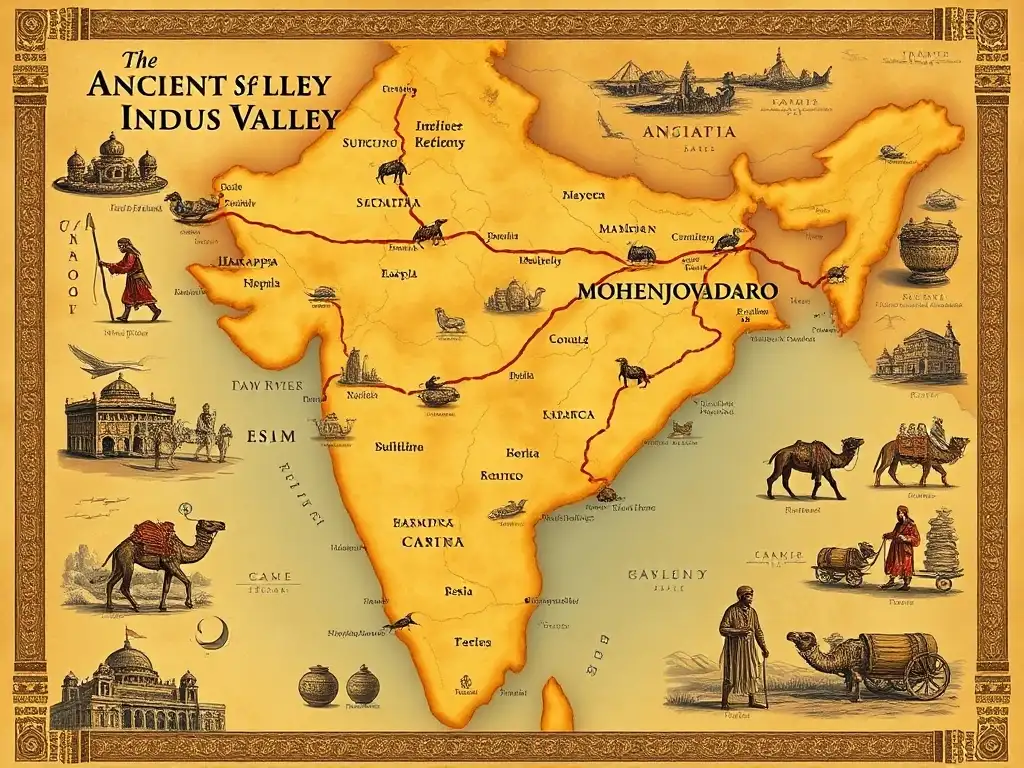
The trade networks of the Indus Valley Civilization were instrumental in fostering cultural exchanges that transcended geographical boundaries. As one of the earliest urban societies, the Indus Valley engaged in extensive commerce not only within its own cities but also with neighboring regions. The interactions facilitated by trade played a crucial role in the sharing of ideas, customs, and technologies among diverse cultures.
Interactions with Neighboring Civilizations
The Indus Valley Civilization's trade networks connected it with several neighboring civilizations, including Mesopotamia, Persia, and the Arabian Peninsula. This interaction was characterized by the exchange of goods such as textiles, beads, and precious metals. Notably, seals bearing inscriptions in the Indus script have been discovered in Mesopotamia, suggesting that the Indus traders traveled extensively to establish trade links. This cross-cultural interaction not only enriched the economic landscape but also created a vibrant tapestry of shared traditions and practices, influencing everything from social customs to religious beliefs.
Influence of Trade on Art and Craftsmanship
Trade significantly influenced the art and craftsmanship of the Indus Valley. Artisans were inspired by foreign styles and techniques, leading to the creation of intricate jewelry, pottery, and sculptures that reflect a blend of local and foreign aesthetics. For example, the use of carnelian, a semi-precious stone, became widespread due to trade with regions rich in this material. The craftsmanship involved in making seals, which often depicted animals and deities, also evolved as artisans incorporated influences from other cultures, enhancing their artistic expressions and techniques.
Spread of Ideas and Technologies via Trade
The trade networks of the Indus Valley were not limited to material goods; they also served as conduits for the transmission of ideas and technologies. Innovations such as urban planning, standardized weights and measures, and advanced metallurgy spread through trade interactions. The influence of the wheel, for instance, became more pronounced in the region due to trade with Mesopotamia, leading to advancements in transportation and agriculture. Moreover, the exchange of agricultural practices, such as irrigation techniques, significantly improved productivity in the Indus Valley, showcasing how trade facilitated technological advancements.
Archaeological Evidence of Indus Valley Trade Networks
Archaeological findings have revealed a wealth of evidence supporting the existence of complex trade networks in the Indus Valley. Excavations at various sites have uncovered artifacts that not only indicate the types of goods traded but also provide insights into the socio-economic structures of the civilization.
Discoveries from Major Excavation Sites
Major excavation sites like Harappa and Mohenjo-Daro have yielded significant discoveries that illuminate the trade practices of the Indus Valley Civilization. Artifacts such as weights, measures, and trade seals have been found, suggesting a sophisticated system of commerce. The presence of dockyards at Lothal, a prominent trading center, indicates that the Indus people engaged in maritime trade, facilitating the movement of goods across vast distances. These discoveries highlight the advanced nature of trade networks operating during this period.
Analysis of Artifacts Related to Trade
An in-depth analysis of artifacts related to trade reveals much about the economic practices of the Indus Valley Civilization. Items such as terracotta figurines, pottery, and specialized tools indicate a thriving craft industry supported by trade. Additionally, the discovery of standardized weights suggests that the Indus people had established a regulated trading system. The extensive variety of beads made from semi-precious stones, often found in burial sites, points to a demand for luxury goods, further emphasizing the role of trade in shaping economic practices.
Case Studies of Specific Trade Goods
Several case studies highlight the importance of specific trade goods in the Indus Valley trade networks. For instance, the trade of cotton textiles transformed not only the local economy but also had a lasting impact on global textile practices. Indus Valley cotton was highly prized, leading to its export to other civilizations.
Additionally, the trade of metals such as copper and bronze significantly influenced the technological advancements within the civilization. The trade of these goods demonstrates how the Indus Valley was not only a consumer of resources but also a significant player in the broader economic landscape of ancient civilizations.
Challenges and Decline of Indus Valley Trade Networks
The Indus Valley trade networks, once thriving and intricate, faced numerous challenges that ultimately contributed to their decline. These trade networks were characterized by extensive connections with neighboring regions, facilitating the exchange of goods, culture, and ideas. However, several interrelated factors, including environmental changes, socio-political shifts, and economic disruptions, played significant roles in undermining this complex system.
Factors Leading to Trade Decline
One of the primary factors leading to the decline of Indus Valley trade networks was the significant shift in climate around 2000 BCE. This shift resulted in reduced agricultural productivity, which directly impacted the economy that heavily relied on agriculture and trade. As the population began to dwindle due to food scarcity, urban centers started to decline, leading to diminished trade activities.
Additionally, archaeological evidence suggests that over-exploitation of resources, such as timber and minerals, may have contributed to economic instability. The depletion of these resources could have restricted trade routes and diminished the quality and quantity of goods available for exchange.
Lastly, the emergence of new political entities and changing power dynamics in the region may have disrupted established trade routes. As different cultures and civilizations sought to expand their influence, traditional trade networks faced competition, leading to fragmentation and decline.
Impact of Environmental Changes on Trade Practices
Environmental changes played a pivotal role in shaping the trade practices of the Indus Valley civilization. The region experienced a gradual shift towards arid conditions, which significantly affected agricultural output. As crop yields decreased, so did the surplus that was essential for trade.
This decline in agricultural productivity led to increased competition for diminishing resources. Communities that once thrived through trade began to focus more on subsistence farming, diverting attention away from long-distance trade networks. The scarcity of goods also meant that trade became less lucrative, leading to a decline in trade routes and partnerships that had previously been established.
Furthermore, the changing monsoon patterns likely disrupted the seasonal rhythms that facilitated trade, as these patterns were crucial for agricultural planning and the movement of goods. Disrupted agricultural cycles would have caused fluctuations in trade supplies, making it challenging to maintain consistent trade relationships.
Historical Theories on the Fall of the Indus Valley Trade Systems
Several historical theories have emerged to explain the fall of the Indus Valley trade systems. One prominent theory is the "Environmental Stress Theory," which posits that climate change and environmental degradation were the primary catalysts for the decline. Researchers argue that prolonged droughts and shifting river courses severely impacted agriculture and trade, leading to the eventual abandonment of cities.
Another theory is the "Economic Collapse Theory," which suggests that the interconnectedness of trade networks made the entire system vulnerable to localized disruptions. If one area faced economic hardship, it could have a cascading effect on trade relationships across the network, leading to widespread economic decline.
Additionally, the "Invasion Theory" proposes that external threats, such as invasions from neighboring cultures, could have led to the disintegration of trade systems. While concrete evidence of invasions remains debated, the potential for conflict certainly posed a risk to the stability of trade networks.
Legacy of Indus Valley Trade Networks

The legacy of the Indus Valley trade networks extends far beyond their decline, influencing economic practices and systems in India and beyond. The sophisticated trade systems established during this period laid the groundwork for future economic interactions, not only within the Indian subcontinent but also with regions as far as Mesopotamia and the Arabian Peninsula.
Influence on Subsequent Indian Trade Systems
The trade practices of the Indus Valley civilization set a precedent for subsequent Indian trade systems. The emphasis on urban centers as trade hubs continued, with later civilizations, such as the Maurya and Gupta Empires, adopting and enhancing these networks. The Indus Valley's focus on standardized weights and measures influenced trade regulations, contributing to a more organized economic framework in later periods.
Moreover, the trade routes established during the Indus Valley civilization paved the way for the Silk Road and other significant trade networks, facilitating cultural and commercial exchange across vast distances. This continuity of trade practices highlights the enduring impact of the Indus Valley economy on the evolution of Indian commerce.
Lasting Impacts on Modern Economic Practices
The legacy of Indus Valley trade networks can also be seen in modern economic practices in India and surrounding regions. The principles of trade established during this period, such as market organization, commodity exchange, and resource management, continue to inform contemporary economic strategies.
Additionally, the concept of urban trade hubs remains relevant today, with cities serving as vital centers for commerce and trade. The emphasis on trade as a means of cultural exchange is also mirrored in current practices, where economic interactions promote globalization and interconnectedness among nations.
Relevance of Indus Valley Trade in Today's Context
In today's context, the study of Indus Valley trade networks remains relevant as it offers insights into the foundations of economic systems. Understanding the complexities of these ancient networks can inform modern trade policies and practices, particularly regarding sustainability and resource management.
Furthermore, the historical significance of these trade networks serves as a reminder of the importance of cultural exchange and collaboration in fostering economic growth. As nations grapple with contemporary economic challenges, revisiting the lessons from the Indus Valley trade networks could provide valuable perspectives on building resilient and adaptive economic systems for the future.
Conclusion: Reflections on Indus Valley Trade Networks History
The exploration of the Indus Valley trade networks reveals a sophisticated economic system that not only supported the daily lives of its inhabitants but also facilitated extensive interactions with contemporary civilizations. The findings underscore the importance of trade in the growth and stability of these ancient societies, highlighting their advanced logistical capabilities, cultural exchanges, and the integration of diverse goods and services.
Summary of Key Findings
The study of the Indus Valley trade networks has yielded several key insights:
- Geographic Reach: Trade routes extended from the Indus Valley to regions as far as Mesopotamia, Persia, and Arabia, indicating a wide-reaching economic influence.
- Diverse Goods: The exchange of various commodities—including textiles, beads, metals, and agricultural products—demonstrates the economic diversity and specialization within the Indus Valley civilization.
- Urban Planning: The layout of cities like Harappa and Mohenjo-Daro, with their well-planned streets and dockyards, reflects the importance of trade in urban development.
- Cultural Exchange: Trade facilitated not just the movement of goods, but also ideas and cultural practices, contributing to the rich tapestry of ancient Indian civilization.
Importance of Studying Ancient Trade Networks
Understanding the trade networks of the Indus Valley is crucial for several reasons:
- Economic Insights: Analyzing these networks provides a clearer picture of economic practices and systems in ancient societies, which can inform our understanding of modern economic principles.
- Cultural Connections: Trade was a significant factor in cultural diffusion. By studying these networks, we can better appreciate the interconnectivity of ancient civilizations and their shared influences.
- Archaeological Significance: The remnants of trade activities, such as seals and weights, serve as vital archaeological evidence that sheds light on the societal organization and technological advancements of the time.
Future Directions for Research on Indus Valley Trade
Future research on Indus Valley trade should focus on:
- Interdisciplinary Approaches: Combining archaeology, anthropology, and historical linguistics can yield a more holistic understanding of trade dynamics.
- Technological Advancements: Investigating the technological innovations that facilitated trade, such as maritime technology and transport methods, may uncover new insights into the operational aspects of these networks.
- Comparative Studies: Comparing Indus Valley trade practices with those of contemporaneous civilizations can help identify unique features and shared practices across ancient cultures.
References and Further Reading
Suggested Books and Articles on Indus Valley Trade
- "The Indus Valley Civilization: A Comprehensive Study": by Jane McIntosh
- "Trade and Exchange in Ancient India" by S. R. Rao
- "The Archaeology of the Indus Valley" by Himanshu Prabha Ray
- "Indus Valley Seals and Their Significance" by Michael Jansen
Online Resources for Further Exploration of Ancient Indian Trade Networks
- The Archaeological Survey of India: Offers extensive resources and findings related to the Indus Valley.
- Digital South Asia Library: Provides access to historical texts and maps focusing on ancient Indian civilizations.
- Ancient History Encyclopedia: Features articles and studies about the trade networks and economic practices of the Indus Valley civilization.
- Academia.edu: A platform where researchers publish papers on various aspects of ancient Indian history, including trade networks.
Frequently Asked Questions
What were the main goods traded in the Indus Valley trade networks?
The Indus Valley trade networks primarily traded cotton textiles, metals, semi-precious stones, and agricultural products. These goods were highly valued and facilitated trade both locally and with distant regions.
How did the geography of the Indus Valley influence trade?
The geography of the Indus Valley provided access to rivers and trade routes that were crucial for transporting goods. The proximity to the Arabian Sea also enabled maritime trade with other ancient civilizations.
What role did the Indus Valley civilization play in ancient trade?
The Indus Valley civilization was a significant player in ancient trade, establishing sophisticated trade networks that connected them with cultures in Mesopotamia and beyond, showcasing their advanced economic system.
How did the decline of the Indus Valley trade networks affect the civilization?
The decline of the Indus Valley trade networks led to reduced economic activity, which contributed to the civilization's decline. This resulted in less resource availability and eventual urban decay.
Archaeological discoveries, including weights, seals, and trade goods, have shed light on the trade practices of the Indus Valley. These findings indicate a sophisticated trading system and interactions with other cultures.
Final Reflection: The Enduring Legacy of Indus Valley Trade Networks
The intricate trade networks of the Indus Valley civilization not only shaped the economic landscape of their time but also laid the groundwork for cultural exchanges that resonate today. As we explore the history of these trade networks, we uncover a remarkable tapestry of connections that transcended geographical boundaries, illustrating the profound impact of commerce on societal development. The significance of these ancient trade routes is not merely a relic of the past; they serve as a reminder of how interconnected our world has always been, urging us to recognize the importance of collaboration and exchange in fostering progress.
Culturally and socially, the legacy of the Indus Valley trade networks continues to influence our understanding of globalization and interdependence. The exchange of goods, ideas, and cultural practices among diverse communities highlights the value of cooperation and mutual respect. As we navigate our modern world, characterized by rapid globalization, we can draw parallels to the ancient networks that once flourished. Trade is a bridge that connects people, transcending borders and fostering understanding.
This quote encapsulates the essence of trade as a catalyst for unity, reminding us that the spirit of collaboration is timeless.
As we reflect on the lessons learned from the Indus Valley trade networks, I invite you to consider how you can apply these insights in your own life. Think about the connections you forge and the exchanges you engage in daily. Whether in your personal relationships, professional endeavors, or community involvement, strive to cultivate a spirit of openness and collaboration. By embracing the legacy of the Indus Valley, we can contribute to a future where trade and connection continue to enrich our lives and the world around us.
Unveil the Secrets of Indus Valley Trade!
Thank you for diving into the fascinating world of the Indus Valley trade networks with us! By exploring this rich history, you’ve uncovered insights into one of the most advanced civilizations of the ancient world. Now, let’s take those insights further and put your newfound knowledge into action.
Here’s how you can engage more deeply:
- Explore Further: Visit local museums or virtual exhibits showcasing artifacts from the Indus Valley to deepen your understanding of their trade practices.
- Join the Conversation: Engage with fellow history enthusiasts on social media or forums. Share your thoughts about the significance of these networks in shaping ancient economies.
- Spread the Knowledge: Write an article or initiate a discussion about the impacts of trade in the Indus Valley and its relevance to modern trade networks.
As you reflect on these actions, we’d love to hear from you: What aspect of the Indus Valley trade intrigues you the most, and why? Share your thoughts below, and let’s continue this journey together!