
How Archaeologists Are Unraveling Ancient Indian Scripts

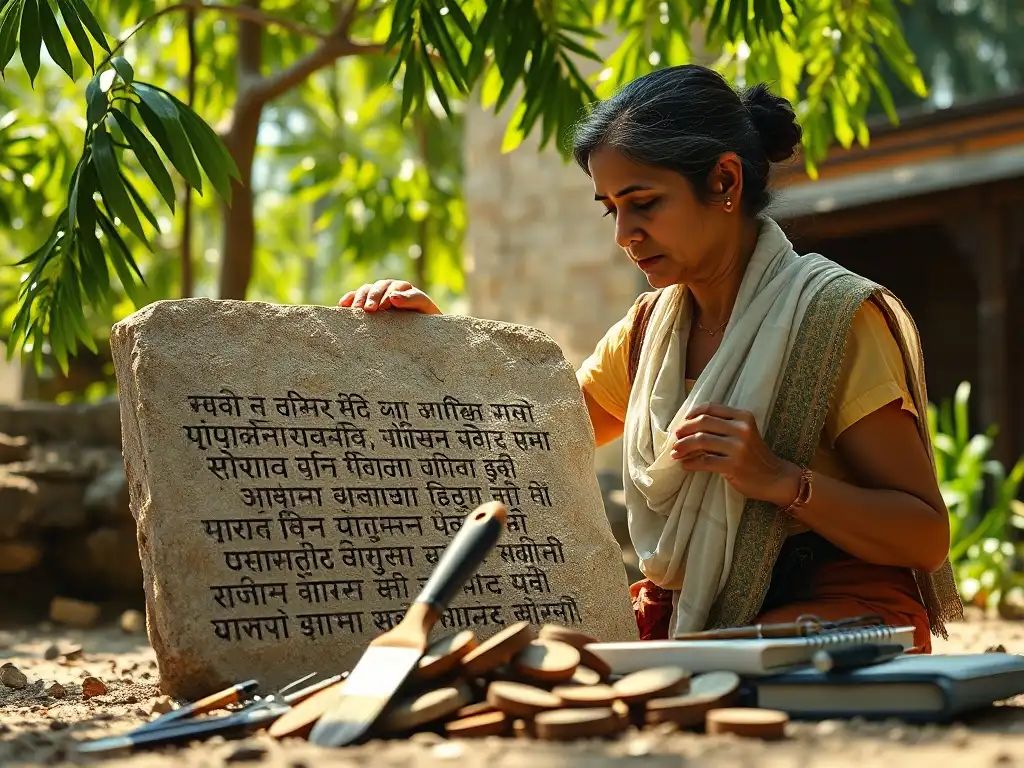
Welcome to Ancient India History, where we delve into the remarkable tapestry of ancient Indian civilizations! Here, you will embark on a journey through time, exploring the rich and diverse history, culture, and contributions that have shaped one of the world's oldest societies. In our featured article, "How Archaeologists Are Unraveling Ancient Indian Scripts," we invite you to uncover the fascinating discovery of ancient Indian scripts that hold the key to understanding the linguistic heritage of this vibrant civilization.
What secrets will these scripts reveal about our past? Join us as we unravel the mysteries and ignite your curiosity about the profound legacy of ancient India!
- Introduction to Ancient Indian Scripts Discovery
- Key Ancient Indian Scripts and Inscriptions
- Archaeological Discoveries Driving Ancient Indian Scripts Research
- Techniques and Technologies in Decoding Ancient Scripts
- Challenges in Deciphering Ancient Indian Scripts
- Future Directions in Ancient Indian Scripts Research
- Conclusion: The Importance of Ancient Indian Scripts Discovery
- Frequently Asked Questions
- Final Reflection: Unveiling the Past Through Ancient Indian Scripts
- Unveil the Secrets of Ancient Scripts!
Introduction to Ancient Indian Scripts Discovery
The study of ancient Indian scripts is a fascinating journey into the rich tapestry of India's history and culture. From the intricate symbols of the Indus Valley Civilization to the sophisticated inscriptions of the Gupta Empire, these scripts serve as vital records of the languages, beliefs, and daily lives of ancient people. The discovery and interpretation of these scripts have profound implications for our understanding of India's past, shedding light on trade, governance, and social structures that shaped early Indian society.
As archaeologists and linguists work together to unravel these ancient writings, they unlock secrets that have remained hidden for centuries, offering insights into the evolution of language and communication in one of the world's oldest civilizations. This article will delve into the significance of these discoveries and explore the major ancient Indian civilizations that contributed to the rich scriptural heritage we study today.
Significance of Ancient Indian Scripts in Historical Research
The significance of ancient Indian scripts extends far beyond mere historical documentation; they are crucial for constructing a comprehensive understanding of ancient Indian civilizations. These scripts provide insights into:
- Cultural Identity: Scripts reveal the linguistic diversity and cultural practices of ancient societies, offering a glimpse into their worldview and social organization.
- Trade and Economy: Inscriptions found in trade hubs reflect economic transactions and the exchange of goods, highlighting the interconnectedness of ancient regions.
- Religious Practices: Many scripts document religious texts and rituals, helping researchers understand the spiritual life and beliefs of different civilizations.
- Political Structures: Royal edicts and administrative documents found in various scripts elucidate the governance systems and political hierarchies of ancient empires.
By interpreting these scripts, historians can piece together narratives that fill gaps in our understanding of how ancient Indian societies functioned and evolved over time.
Overview of Major Ancient Indian Civilizations and Their Scripts
Ancient India was home to several remarkable civilizations, each contributing unique scripts that reflect their cultures and achievements. Here’s an overview of some of the major civilizations and the scripts associated with them:
| Civilization | Time Period | Notable Scripts |
|---|---|---|
| Indus Valley Civilization | c. 3300–1300 BCE | Indus Script |
| Maurya Empire | c. 322–185 BCE | Brahmi Script |
| Gupta Empire | c. 320–550 CE | Gupta Script (derived from Brahmi) |
| Pahlavi and Kharosthi | c. 3rd century BCE–3rd century CE | Kharosthi Script, Pahlavi Script |
These civilizations not only produced some of the earliest known forms of writing but also laid the groundwork for subsequent developments in Indian languages. The deciphering of these scripts is vital for historians and linguists alike as they seek to understand the profound cultural legacies of ancient India and their lasting impacts on modern Indian society.
Key Ancient Indian Scripts and Inscriptions

The Indus Valley Script: An Enigma of Early Civilization
The Indus Valley Script remains one of the most intriguing aspects of ancient Indian history, primarily due to its undeciphered language and the civilization it represents. Dating back to approximately 2500 BCE, the script was used by the inhabitants of the Indus Valley, an advanced society known for its urban planning, sophisticated drainage systems, and trade networks. The script is found on various seals, pottery, and other artifacts, yet its true meaning continues to elude scholars.
Characteristics and Features of the Indus Valley Script
The Indus Valley Script is characterized by:
- Pictographic Symbols: The script comprises around 400 distinct symbols, many of which are pictographic in nature. These symbols often depict animals, human figures, and objects.
- Short Length of Inscriptions: Most inscriptions are notably brief, typically containing only 5 to 10 characters. This brevity has made it challenging to extract linguistic meaning, as longer texts are usually more revealing.
- Right-to-Left Orientation: Evidence suggests that the script was written from right to left, a feature that aligns with several other ancient scripts in the region.
- Use of Seals: The script appears predominantly on seals, which were likely used for trade and administrative purposes. These seals often feature animal motifs and are thought to represent ownership or authority.
Despite these characteristics, the absence of a Rosetta Stone-like artifact has hindered progress in deciphering the script.
Theories Surrounding the Indus Valley Script Meaning
Several theories have emerged regarding the meaning and function of the Indus Valley Script:
- Linguistic Isolation: Some scholars propose that the script represents a language isolate, possibly related to Dravidian languages, which are spoken in southern India today.
- Religious or Ritualistic Context: Another theory posits that the script may have been used for religious or ritualistic purposes, serving as a means to convey sacred messages or to document religious practices.
- Administrative Use: Given the advanced nature of the Indus Valley civilization, it is plausible that the script was utilized for administrative record-keeping, trade transactions, or inventory management.
Despite these theories, conclusive evidence remains elusive, and the mystery of the Indus Valley Script continues to captivate researchers and historians alike.
Brahmi Script: The Foundation of Indian Writing
The Brahmi script is often regarded as the progenitor of most Indian writing systems. Emerging around the 3rd century BCE, it was used during the reign of Emperor Ashoka, whose inscriptions spread across the Indian subcontinent. The significance of Brahmi lies not only in its historical context but also in its influence on the development of numerous scripts throughout Asia.
Historical Context of Brahmi Script
Brahmi script emerged in a period marked by significant political and cultural consolidation in ancient India. Key features of its historical context include:
- Royal Patronage: The script found its footing under the patronage of Mauryan emperors, particularly Ashoka, who propagated it through edicts inscribed on pillars and rocks across his empire.
- Cultural Exchange: The period saw increased interaction with other cultures, including Persian and Greek, which may have influenced the script's development.
- Diverse Applications: Brahmi was employed not only for royal inscriptions but also in various religious texts and literature, reflecting a growing literary culture in ancient India.
Influence of Brahmi on Subsequent Indian Scripts
Brahmi’s influence is profound and can be seen in the formation of several scripts across the Indian subcontinent and beyond:
- Derivative Scripts: Many scripts, such as Devanagari, Tamil, and Kannada, evolved from Brahmi, each adapting its characters and structures to suit local languages and phonetics.
- Spread Beyond India: Brahmi's influence extended to regions outside India, impacting scripts in Southeast Asia, such as Khmer and Thai, illustrating the script’s far-reaching legacy.
- Cultural Continuity: The development of Brahmi laid the groundwork for a continuous literary tradition in India, facilitating the preservation and transmission of knowledge through written language.
The study of Brahmi script not only sheds light on the linguistic history of ancient India but also underscores the interconnectedness of cultures throughout history.
Kharosthi: The Forgotten Script of Ancient India
Kharosthi is one of the earliest scripts used in ancient India, primarily during the 3rd century BCE to the 4th century CE. It is a fascinating example of how writing systems evolved in the Indian subcontinent. This script was utilized predominantly in the northwestern regions of India, particularly in present-day Pakistan and Afghanistan. Kharosthi is often regarded as a forgotten script, overshadowed by the more widely recognized Brahmi script. However, its discovery and study have provided invaluable insights into the socio-political and cultural dynamics of ancient Indian civilizations.
The Kharosthi script is characterized by its unique angular shapes and is written from right to left, which sets it apart from many other scripts of the time. It was primarily used for inscriptions, administrative records, and Buddhist texts, thus playing a significant role in the dissemination of religious ideas during the spread of Buddhism. Archaeological findings, such as inscriptions on stone, coins, and manuscripts, have revealed the script's extensive use in various contexts.
Origins and Uses of Kharosthi Script
The origins of the Kharosthi script can be traced back to the Aramaic script, which was adapted by the ancient Indians to meet their linguistic needs. The earliest inscriptions in Kharosthi date back to the time of the Achaemenid Empire, around the 5th century BCE, when the Persian influence began to permeate the region. One of the most notable early uses of Kharosthi is found in the edicts of Emperor Ashoka, which were inscribed on pillars and rock faces across his empire.
Kharosthi served multiple purposes throughout its history. It was primarily used for administrative purposes, such as recording official decrees and trade transactions. Additionally, it played a significant role in the religious landscape, particularly in the dissemination of Buddhist texts and teachings. Many Buddhist manuscripts, including those found in the ancient city of Gandhara, were written in Kharosthi, indicating its importance in the spread of Buddhism beyond India.
The script's decline began around the 4th century CE as the Brahmi script gained prominence. The shift in political power and cultural influences led to the gradual disappearance of Kharosthi, yet its remnants continue to intrigue scholars and archaeologists today.
Relationship Between Kharosthi and Other Scripts
Kharosthi has a close relationship with several other ancient scripts, most notably Brahmi. While both scripts served similar linguistic purposes, they exhibit distinct characteristics in their structure and writing direction. Kharosthi is unique in its right-to-left orientation, whereas Brahmi is written left to right. Despite these differences, Kharosthi and Brahmi share common roots, both deriving from earlier scripts.
Additionally, Kharosthi is often linked to the development of other regional scripts, such as those used in Central Asia. The influences of Kharosthi can be seen in scripts that emerged in the following centuries, reflecting the cultural exchanges that occurred along the Silk Road. Scholars have noted similarities between Kharosthi and the scripts of Bactria and Sogdiana, further highlighting the interconnectedness of ancient writing systems.
The study of Kharosthi not only contributes to our understanding of ancient Indian scripts but also sheds light on the broader linguistic and cultural interactions in the region. By examining the relationships between Kharosthi and other scripts, researchers can uncover the complexities of language evolution and the dissemination of ideas across ancient civilizations.
Archaeological Discoveries Driving Ancient Indian Scripts Research
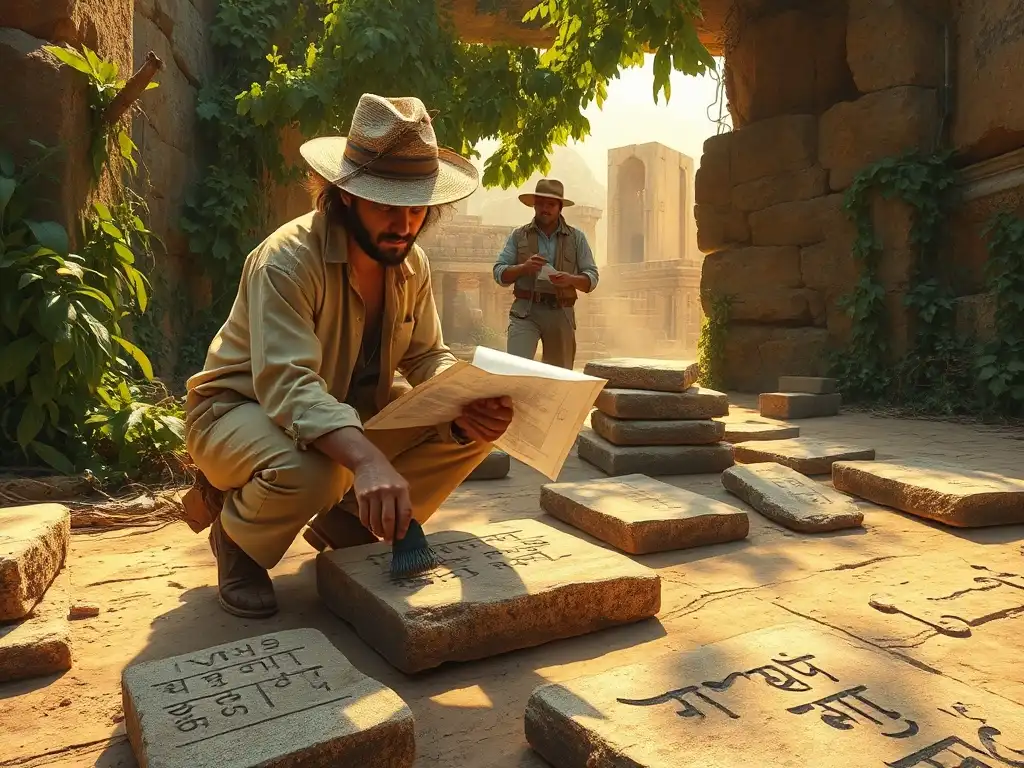
Recent Findings in Indus Valley Archaeology
Recent archaeological discoveries in the Indus Valley have significantly advanced our understanding of ancient Indian scripts. Excavations at key sites such as Harappa and Mohenjo-Daro have revealed a wealth of artifacts that shed light on the enigmatic writing systems of the time. These findings suggest that the Indus Valley civilization had a complex system of communication, possibly reflecting a sophisticated society with established trade networks and cultural practices.
Archaeologists have unearthed numerous seals inscribed with symbols, which are believed to represent an early form of writing. These seals, often made of steatite, depict a range of motifs including animals and deities, alongside short inscriptions. The frequent occurrence of similar symbols across different seals indicates a standardized form of communication that may have been used in trade and administrative functions.
Furthermore, the stratigraphy of excavation sites provides context for the evolution of these scripts over time. Analysis of layers reveals that as the civilization progressed, so too did the complexity of their inscriptions, suggesting a sophisticated understanding of written language that could have influenced later Indian scripts.
Excavation Sites and Their Contributions to Script Understanding
The significance of specific excavation sites cannot be overstated in the context of ancient Indian scripts discovery. Harappa, for instance, has yielded a variety of seals and pottery with inscriptions that are pivotal for understanding the linguistic landscape of the Indus Valley civilization. The consistent presence of particular symbols across different artifacts suggests a common script that may have facilitated communication among diverse groups.
Moreover, sites like Dholavira have provided substantial evidence of water management systems, along with inscriptions that mark significant locations, indicating the integration of script into everyday life and governance. These inscriptions serve as critical data points for linguists and historians attempting to reconstruct the linguistic framework of ancient India.
Artifacts That Provide Insight into Script Use
Artifacts discovered in the Indus Valley, such as pottery, seals, and tools, have been instrumental in providing insight into how ancient Indian scripts were utilized. For example, the famous "unicorn seals" showcasing intricate carvings and inscriptions are thought to have been used for trade, possibly indicating ownership or authenticity.
Additionally, terracotta tablets, often inscribed with symbols, suggest that writing was not solely reserved for administrative purposes but may have also played a role in religious or ritualistic contexts. The diversity in the use of scripts across different artifacts highlights the multifaceted nature of communication in ancient Indian society.
The Role of Inscriptions in Understanding Ancient Indian Scripts
Inscriptions serve as critical primary sources in the study of ancient Indian scripts, providing context and meaning that can be lost in isolated symbols. They help linguists and historians piece together the narrative of how writing developed and evolved within various civilizations across ancient India.
Inscriptions found on temples, pillars, and other monumental architecture offer valuable insights into the linguistic and cultural milieu of their time. The systematic study of these inscriptions reveals not only the phonetic elements of ancient scripts but also the socio-political and religious dynamics that influenced their use.
Important Inscriptions and Their Historical Significance
Among the most important inscriptions are those from the Mauryan period, such as the Edicts of Ashoka. These inscriptions, carved on rocks and pillars, communicate moral and ethical guidelines, showcasing the role of script in governance and societal structure. The dissemination of these edicts across the subcontinent illustrates the power of written communication in unifying diverse populations under a single rule.
Other significant inscriptions include the Brahmi script found in various archaeological sites, which marks a critical transition in the evolution of scripts in India. The deciphering of Brahmi has opened avenues for understanding subsequent scripts, including Devanagari, which dominate Indian languages today.
Methodologies Used to Decipher Inscriptions
The methodologies employed to decipher ancient inscriptions are as varied as the scripts themselves. Scholars utilize a combination of comparative analysis, epigraphic studies, and contextual archaeology to interpret the meanings behind symbols and texts.
- Comparative Analysis: Linguists compare inscriptions with known languages and scripts to identify patterns, phonetics, and meanings.
- Contextual Archaeology: Understanding the context in which inscriptions were found—such as their location, associated artifacts, and surrounding cultural practices—provides critical insights that aid in their interpretation.
- Technological Aids: Modern technologies, including imaging techniques and 3D modeling, allow for enhanced visibility of inscriptions that may be worn or eroded, uncovering details that were previously inaccessible.
The combination of these methodologies not only enriches our understanding of ancient Indian scripts but also showcases the ongoing evolution of archaeological research in uncovering the history of human communication.
Techniques and Technologies in Decoding Ancient Scripts

Paleography: The Study of Ancient Writing Styles
Paleography plays a crucial role in the field of ancient Indian scripts discovery. This discipline involves the analysis and interpretation of ancient handwriting, which can vary significantly depending on the time period, region, and cultural influences. Through paleography, scholars can trace the evolution of writing systems, identify regional variations, and understand the sociocultural context behind these scripts.
One of the primary tasks in paleography is to establish a chronology of scripts. For instance, the Brahmi script, a foundational writing system in ancient India, exhibits various forms over centuries. By examining the stylistic nuances, such as letter shapes, strokes, and ligatures, paleographers can date inscriptions and manuscripts accurately. This not only aids in the classification of texts but also provides insights into the historical timeline of ancient Indian civilizations.
Furthermore, paleography facilitates the deciphering of damaged or fragmented texts. Techniques such as comparative analysis allow researchers to match partial inscriptions with known examples, often leading to breakthroughs in understanding. For example, the deciphering of the Ashoka inscriptions relied heavily on paleographic methods to reconstruct missing parts of the text.
Digital Tools and Technologies in Script Analysis
The advent of digital technologies has revolutionized the field of ancient Indian scripts discovery. By employing advanced tools, researchers can analyze scripts with unprecedented precision and efficiency. Here are some prominent technologies utilized in this domain:
- Image Processing Software: Tools like Adobe Photoshop and GIMP enable scholars to enhance the visibility of faded inscriptions. Techniques such as contrast adjustment and filtering can bring out subtle details that may be invisible to the naked eye.
- 3D Scanning and Modeling: This technology allows for the creation of detailed three-dimensional representations of inscriptions, capturing their depth and texture. This is particularly beneficial for analyzing inscriptions on stone surfaces, where traditional methods may fall short.
- Machine Learning Algorithms: Emerging AI technologies are being employed to recognize and classify different scripts automatically. By training models on vast datasets of known inscriptions, researchers can expedite the process of script identification and pattern recognition.
- Digital Databases and Repositories: Projects like the Digital South Asia Library provide extensive archives of ancient texts, making it easier for scholars to access and cross-reference materials. These platforms facilitate collaborative research and promote the sharing of findings across the academic community.
The Impact of Technology on Ancient Indian Scripts Discovery
The integration of technology into the study of ancient Indian scripts has significantly accelerated the pace of discovery and understanding. Some key impacts include:
- Increased Accessibility: Digital tools have democratized access to ancient texts, allowing scholars worldwide to engage with materials that were previously restricted to specific institutions or geographic locations.
- Enhanced Accuracy: The precision of digital analysis minimizes human error, especially when deciphering complex scripts. Automated recognition systems can quickly process large volumes of inscriptions, leading to more accurate interpretations.
- Interdisciplinary Collaboration: The use of technology fosters collaboration between linguists, historians, and computer scientists, resulting in richer insights and more holistic approaches to ancient scripts analysis.
- Preservation of Cultural Heritage: By digitizing ancient texts and inscriptions, researchers contribute to the preservation of cultural heritage. Digital archives ensure that these valuable resources remain accessible for future generations, even as physical artifacts face the risk of deterioration.
The fusion of traditional methods like paleography with modern digital technologies is transforming the landscape of ancient Indian scripts discovery. As researchers continue to innovate and adapt, the potential for uncovering new insights into India’s rich linguistic history grows exponentially, promising a deeper understanding of ancient civilizations and their contributions to the world.
Challenges in Deciphering Ancient Indian Scripts
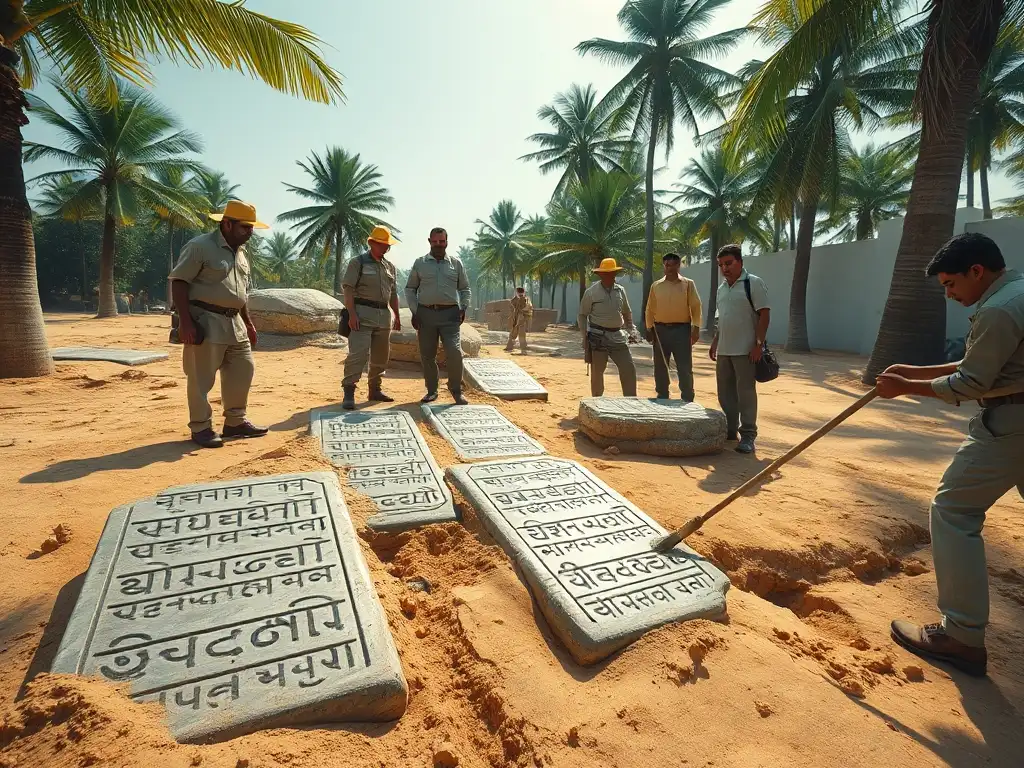
The task of deciphering ancient Indian scripts is fraught with difficulties that stem from various sources, including linguistic barriers, interpretative challenges, and the complex cultural contexts in which these scripts were developed. Understanding these challenges is crucial for archaeologists and linguists as they work to unlock the meanings behind these historical texts.
Linguistic Barriers and Interpretative Difficulties
Deciphering ancient Indian scripts often begins with the fundamental challenge of language itself. Many of the scripts, such as Brahmi and Kharoṣṭhī, are composed of symbols and signs that may not correspond directly to any known modern languages. This creates a linguistic barrier that can hinder the understanding of the texts.
- Lack of Bilingual Texts: Unlike some ancient scripts, which have been deciphered thanks to bilingual inscriptions (e.g., the Rosetta Stone), many Indian inscriptions do not have such parallel texts. This absence makes it difficult to establish a reliable framework for translation.
- Phonetic Variability: The phonetic representation of sounds can vary significantly across different regions and periods. This variability complicates the task of establishing a consistent phonetic value for each symbol. For example, the same character in Brahmi may represent different sounds depending on its context, which adds layers of complexity to interpretation.
- Limited Vocabulary and Contextual Clues: Many ancient Indian scripts are limited in vocabulary, relying heavily on context for meaning. Without sufficient contextual clues or supplementary texts, linguists may find themselves at a standstill, unable to ascertain the precise meaning of phrases or terms.
The interplay of these linguistic challenges emphasizes the need for a multidisciplinary approach, combining linguistics, archaeology, and history to make sense of ancient texts.
The Impact of Cultural Context on Script Meaning
Cultural context plays a pivotal role in the interpretation of ancient Indian scripts. Understanding the societal, religious, and historical backdrop of the civilization that produced these scripts is essential for accurate decipherment.
- Religious Influence: Many inscriptions contain religious texts or are inscribed on monuments related to specific deities or belief systems. A thorough understanding of the prevailing religious ideologies is necessary to grasp the significance of the symbols and their intended messages. For instance, the use of certain motifs in inscriptions may carry spiritual connotations that are not immediately apparent without knowledge of the religion.
- Historical Events and Figures: The historical context surrounding the creation of a script can also influence its interpretation. Inscriptions that commemorate important events, such as battles or royal decrees, require an understanding of the historical narrative to provide clarity. For example, deciphering a king's edict may require knowledge of the political landscape at the time it was issued.
- Cultural Symbols and Metaphors: Many ancient scripts utilize cultural symbols, metaphors, and idiomatic expressions that may not translate directly into modern languages. Understanding these cultural nuances is essential for interpreting the underlying meanings conveyed in the text. This may involve extensive research into the customs, traditions, and societal norms of the time.
The decipherment of ancient Indian scripts is a complex endeavor that demands a comprehensive approach, considering both linguistic intricacies and the rich cultural contexts in which these scripts were created. As archaeologists continue to unravel these ancient texts, their discoveries not only enhance our understanding of ancient Indian civilizations but also illuminate the broader tapestry of human history.
Future Directions in Ancient Indian Scripts Research
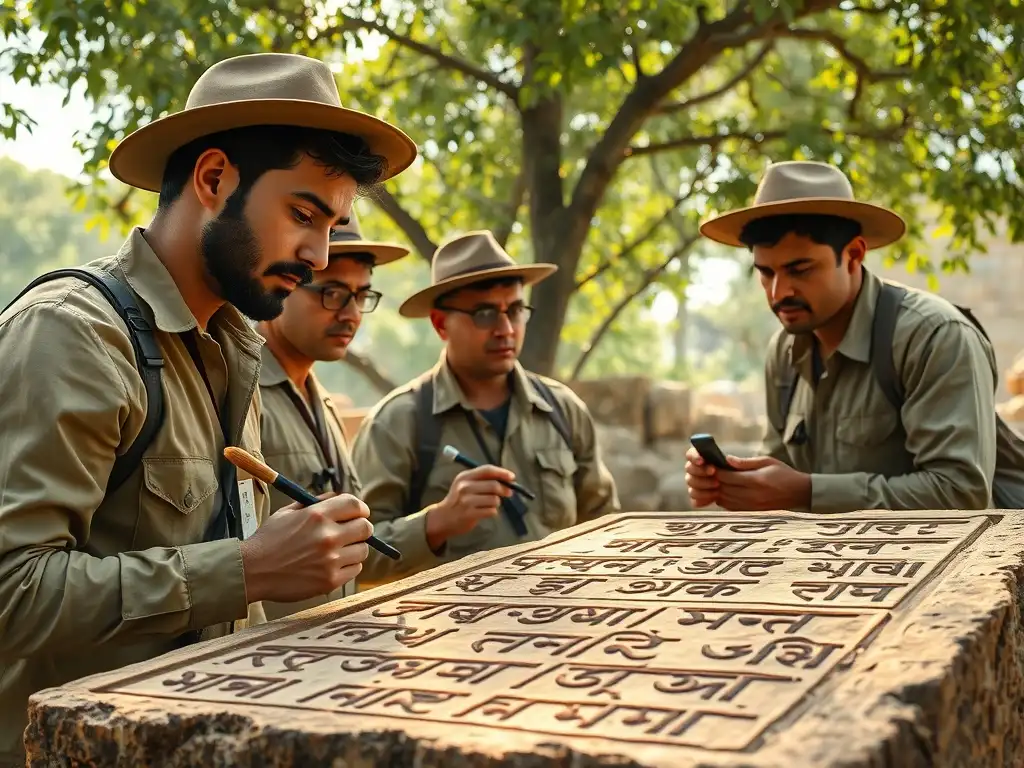
Collaborative Efforts Among Archaeologists and Linguists
The future of research into ancient Indian scripts hinges significantly on collaborative efforts between archaeologists and linguists. These professionals bring unique perspectives and expertise, which, when combined, can lead to groundbreaking discoveries and interpretations of ancient texts.
Interdisciplinary Approaches
- Archaeological Insights: Archaeologists provide context by uncovering artifacts and inscriptions from various sites, helping to date and situate the scripts within their historical and cultural frameworks.
- Linguistic Analysis: Linguists analyze the scripts, deciphering their structure, phonetics, and semantics. This analysis is crucial for understanding the language and communication methods of ancient civilizations.
For instance, the exploration of the Indus Valley Civilization's seals has benefited from this collaboration. While archaeologists have unearthed numerous seals featuring the Indus script, linguists are working tirelessly to decode these symbols, seeking to unlock the language and its meaning.
Workshops and Conferences
Regular workshops and conferences serve as platforms for sharing findings and methodologies. These gatherings promote dialogue that can lead to innovative research strategies. Furthermore, they facilitate the exchange of data and ideas, allowing for a more comprehensive understanding of ancient Indian scripts.
- Examples of Collaborative Projects:
- The deciphering of Brahmi script has seen input from both archaeologists and linguists, resulting in a richer understanding of its evolution.
- Projects focusing on the inscriptions found in ancient stupas and temples have combined archaeological digs with linguistic studies to interpret religious and historical contexts.
Emerging Research Areas and Technologies
As technology advances, new research areas and methodologies are emerging in the study of ancient Indian scripts. These innovations not only enhance our understanding of these scripts but also facilitate the discovery of previously inaccessible information.
Digital Humanities
Digital tools are revolutionizing the way researchers approach ancient texts. The use of digital humanities allows for:
- 3D Imaging: High-resolution 3D imaging of inscriptions enables detailed analysis without damaging the original artifacts.
- Machine Learning: Algorithms can analyze patterns in scripts, assisting linguists in identifying similarities across different languages and scripts, which could lead to new insights into their development and interrelations.
Remote Sensing and Geographic Information Systems (GIS)
- Remote Sensing: This technology aids in locating sites with potential inscriptions or artifacts by analyzing land-use patterns and historical geography.
- GIS: Geographic Information Systems can map the distribution of ancient scripts across regions, helping researchers understand cultural exchanges and influences.
New Areas of Study
- Social Contexts of Scripts: Research is increasingly focusing on the societal implications of script usage, examining how literacy and communication shaped social structures in ancient India.
- Comparative Studies: Emerging research is delving into comparative studies between ancient Indian scripts and those from other ancient civilizations, shedding light on possible interactions and influences.
The future of ancient Indian scripts research is bright, fueled by interdisciplinary collaboration and technological advancements. As archaeologists and linguists continue to work together, the potential for significant discoveries in ancient Indian scripts is vast, promising to enrich our understanding of this fascinating aspect of history.
Conclusion: The Importance of Ancient Indian Scripts Discovery
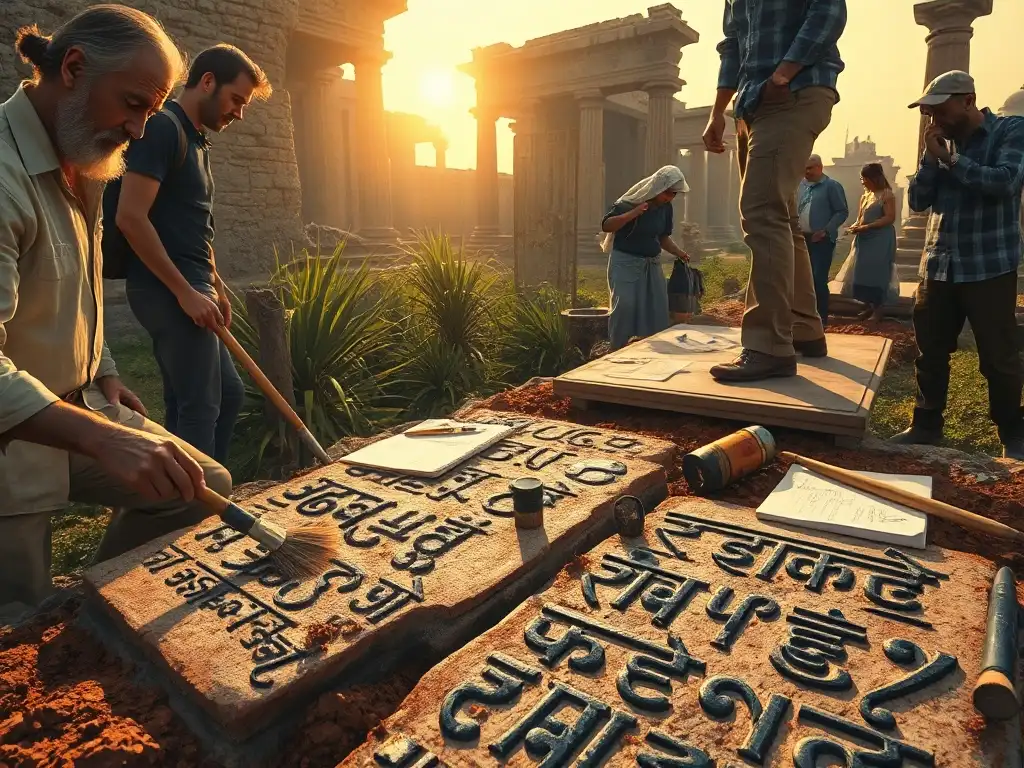
The discovery of ancient Indian scripts is a pivotal component in understanding the cultural, social, and intellectual heritage of India. These scripts, which date back thousands of years, serve as invaluable keys that unlock the doors to the past, revealing insights into the beliefs, practices, and daily lives of ancient civilizations. The significance of these discoveries extends far beyond mere academic interest; they contribute to our understanding of human progress, language evolution, and cultural exchanges that have shaped the Indian subcontinent.
One of the most notable aspects of ancient Indian scripts is their role in documenting the thoughts and philosophies of the time. For instance, texts inscribed in the Brahmi script have provided scholars with a wealth of information about early forms of governance, trade practices, and artistic expressions. The decipherment of these scripts has not only illuminated the history of ancient India but has also established connections with other ancient cultures, showcasing the region's position as a historical crossroads.
The Role of Ancient Scripts in Understanding Indian Civilization
Ancient scripts are crucial in piecing together the narrative of Indian civilization. They offer insights into various aspects, including:
- Religious Texts: Many ancient Indian scripts, such as Brahmi and Kharosthi, have been found inscribed on seals, pottery, and stone tablets, containing religious texts that illustrate the spiritual beliefs of the time. For instance, the inscriptions found at sites like the Indus Valley Civilization provide evidence of early Hindu practices and rituals.
- Administrative Records: Scripts like the Brahmi have been instrumental in understanding the administrative frameworks of ancient kingdoms. Inscriptions detailing tax records, land grants, and royal decrees reveal how societies were organized and governed.
- Cultural Exchange: The presence of scripts across different regions highlights the interactions between various cultures. For example, the spread of the Brahmi script beyond India into Southeast Asia indicates the flow of ideas and trade, impacting local languages and scripts.
- Linguistic Evolution: The study of ancient scripts aids linguists in tracing the evolution of languages in the Indian subcontinent. By analyzing the phonetics and grammar embedded in these scripts, researchers can reconstruct historical languages and understand their development over time.
The Ongoing Journey of Unraveling Ancient Indian Scripts
The process of deciphering ancient Indian scripts is a complex and ongoing journey, marked by both challenges and breakthroughs. Modern archaeologists and linguists employ a variety of techniques to unravel these enigmatic writings, including:
- Technological Advancements: Innovations such as digital imaging and 3D scanning have allowed researchers to examine inscriptions in unprecedented detail. This technology not only preserves fragile artifacts but also aids in the analysis of inscriptions that were previously illegible.
- Interdisciplinary Collaboration: The study of ancient scripts benefits from the collaboration of experts from various fields, including archaeology, linguistics, history, and anthropology. This interdisciplinary approach fosters a more comprehensive understanding of the context in which these scripts were used.
- Field Discoveries: Ongoing excavations at historical sites continue to yield new inscriptions, further enriching our understanding of ancient Indian scripts. Each discovery has the potential to alter existing narratives or add new dimensions to the historical timeline.
- Public Engagement: The increasing interest in ancient Indian scripts has led to public exhibitions and educational programs, fostering a broader appreciation for the significance of these discoveries. Engaging the public helps to raise awareness of the cultural heritage and encourages preservation efforts.
The ancient Indian scripts discovery is not merely an academic pursuit; it is a crucial endeavor that continues to shape our understanding of India's rich historical tapestry. As archaeologists and linguists work tirelessly to unravel these ancient writings, they contribute to a deeper appreciation of the complexities and contributions of past civilizations, ensuring that their legacies endure for future generations.
Frequently Asked Questions
What are ancient Indian scripts?
Ancient Indian scripts are writing systems developed in India over thousands of years, including Brahmi, Kharosthi, and others, crucial for understanding historical texts and inscriptions.
How were ancient Indian scripts discovered?
Archaeologists have unearthed artifacts such as seals and inscriptions that feature these scripts, providing insights into early Indian civilization and its cultural practices.
Why are ancient Indian scripts important for historians?
These scripts are vital for historians as they offer primary sources of information about social, political, and economic life in ancient India, helping to reconstruct its rich history.
What challenges do archaeologists face in deciphering these scripts?
Deciphering ancient Indian scripts poses challenges due to fragmentary evidence, varying regional scripts, and the need for comparative studies to understand context and meaning.
How do ancient Indian scripts reflect the culture of their time?
Ancient Indian scripts often include religious texts, administrative records, and literary works, showcasing the diversity and complexity of ancient Indian society and culture.
Final Reflection: Unveiling the Past Through Ancient Indian Scripts
The exploration of ancient Indian scripts discovery is not just an academic pursuit; it is a vital link to understanding the rich tapestry of human history. As archaeologists delve into the mysteries of these scripts, they illuminate the cultural, social, and intellectual achievements of ancient civilizations. This journey of discovery resonates deeply today, reminding us that the past is not a distant memory but a living narrative that continues to shape our identity and values.
The impact of these discoveries extends far beyond the realm of archaeology; they influence our cultural landscape and foster a deeper appreciation for our shared heritage. As we uncover the stories embedded in these ancient texts, we are reminded of the interconnectedness of humanity. History is not just about the past; it is about the present and the future.
This ongoing dialogue with our history encourages us to reflect on our own narratives and the legacies we will leave behind.
As we stand at the crossroads of past and future, I invite you to reflect on the significance of these ancient scripts in your own life. Consider how the lessons from our ancestors can guide us in navigating the complexities of modern society. Embrace the opportunity to learn from history, and let it inspire you to contribute to a narrative that honors our shared human experience. Together, we can ensure that the voices of the past continue to resonate in the present and future.
Unveil the Secrets of Ancient Scripts!
Thank you for exploring the fascinating world of ancient Indian scripts with us! Your journey through the mysteries of history enriches not just your knowledge but also our collective understanding of this incredible legacy. Ready to dive deeper? Here are some exciting ways you can take action today:
- Explore a local museum or library to discover artifacts and writings from ancient India that captivate your interest.
- Engage with online communities or forums dedicated to archaeology—share your insights and discoveries!
- Share this article with friends or on social media to ignite discussions about our shared past and the significance of preserving history.
What aspect of ancient Indian scripts intrigues you the most, and how do you believe it can shape our understanding of history today?